2026 Top Trends in Frozen Food Packaging Solutions?

Time:2026-07-14 Author:Sophia
0%

The frozen food packaging industry is undergoing a significant transformation. According to a recent report by Research and Markets, the global frozen food packaging market is projected to reach $45 billion by 2026. This growth is driven by changing consumer preferences and growing demand for convenient meal options. The emphasis on sustainability adds another layer of complexity to frozen food packaging solutions.

Innovations in materials, such as bio-based plastics and recyclable films, are gaining traction. Packaging must maintain product quality while minimizing environmental impact. Stakeholders are grappling with the challenge of balancing cost, performance, and sustainability. Advanced technologies like vacuum sealing and modified atmosphere packaging help enhance shelf life but often come with trade-offs in terms of recyclability.

Moreover, it is essential to consider the implications of these trends on the frozen food industry. While consumers value convenience, they also demand transparency and eco-friendliness. As companies innovate in frozen food packaging, understanding market dynamics becomes crucial. The need for versatile and responsible packaging solutions will shape the future landscape of the frozen food sector.
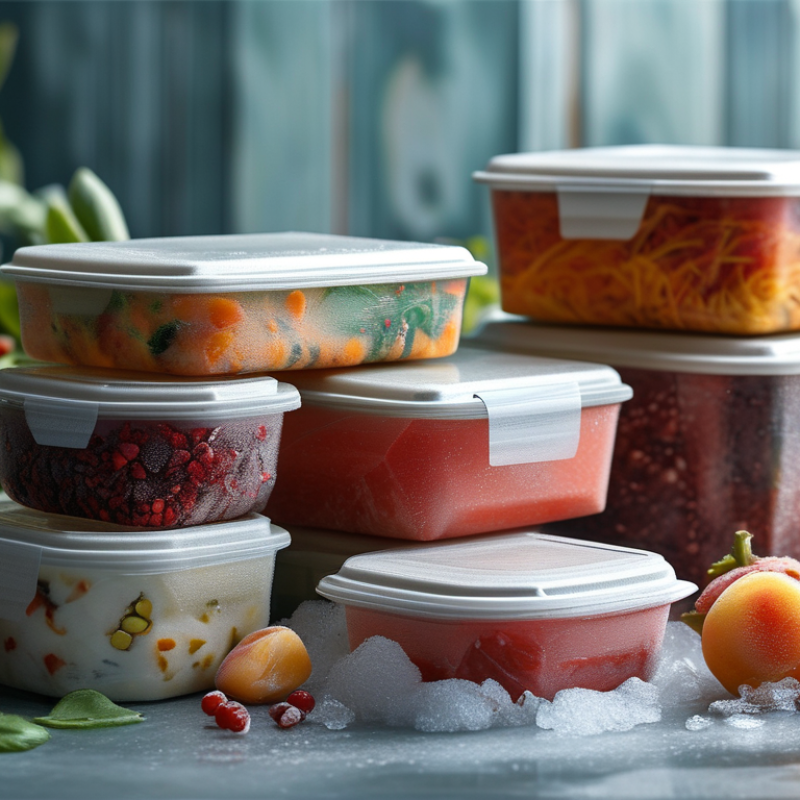
2026 Top Trends in Frozen Food Packaging Solutions?

Emerging Materials for Sustainable Frozen Food Packaging in 2026

The frozen food packaging industry is evolving rapidly. In 2026, sustainability will play a crucial role in packaging solutions. Emerging materials will significantly reduce environmental impact. These innovations focus on biodegradable and compostable options.

Plant-based plastics are gaining traction. Made from renewable resources, they offer a promising alternative to traditional plastics. Additionally, innovation in barrier films enhances shelf life while remaining environmentally friendly.

Another approach involves using recycled materials. These materials help minimize waste and promote a circular economy.

However, challenges remain. Not all sustainable materials are suitable for frozen foods. Performance in low temperatures is still a concern. Companies need to ensure these materials maintain quality and safety. Consumer awareness is rising, but not everyone understands the benefits of sustainable packaging. Further education is essential to gain broader acceptance. Balancing functionality and sustainability will require continued innovation and collaboration in the industry.

Innovative Designs Enhancing Usability and Shelf Life of Frozen Foods

In 2026, the frozen food packaging industry is evolving rapidly. Innovative designs are key to enhancing usability and extending shelf life. According to a recent market report, sustainable materials are becoming essential. Nearly 45% of consumers prefer eco-friendly packaging. This shift is prompting companies to explore biodegradable and recyclable options.

Consumer convenience is also a major focus. Packaging that is user-friendly increases the likelihood of purchase. Easy-open features and resealable designs are trending. A survey found that 70% of consumers value packaging that maintains food quality. However, the challenge remains to balance aesthetic appeal with functionality.

While advancements are remarkable, not all solutions are perfect. Some new materials may not perform well under freezing temperatures. This can lead to increased spoilage. Companies must continuously innovate while ensuring quality. Feedback from consumers serves as a crucial guide for improvement. Addressing these aspects can make a significant difference in market competitiveness.

Smart Packaging Solutions: Technology Integration in Frozen Food Industry

The frozen food industry is experiencing a revolutionary shift. Smart packaging solutions are at the forefront of this transformation. These innovations leverage technology to enhance product quality and consumer experience. For example, packaging with embedded sensors can monitor temperature changes. This ensures the food remains at optimal conditions, reducing waste.

Moreover, incorporating QR codes on frozen food packaging allows consumers to access detailed information. Transparency builds trust and provides insights into ingredients and sourcing. However, there’s a challenge. Not all consumers are familiar with using these technologies. This presents a barrier to fully embracing smart packaging.

Energy efficiency is another key consideration. Many brands are striving for sustainable materials that reduce environmental impact. While biodegradable options are gaining popularity, they still may not perform equally under freezing conditions. Recipients often find this inconsistency frustrating. Hence, the industry must continuously innovate and adapt to meet the evolving demands of consumers and environmental concerns.

2026 Top Trends in Frozen Food Packaging Solutions

This chart illustrates the predicted growth rates of different trends in frozen food packaging solutions by 2026. The trends include Sustainable Materials, Smart Packaging Technologies, Cost-Effective Solutions, and Enhanced User Experience.

Regulatory Changes Impacting Frozen Food Packaging in 2026

In 2026, regulatory changes will significantly impact frozen food packaging. Authorities worldwide are increasingly focused on sustainable practices. For instance, the European Union's Directive on Single-Use Plastics aims to reduce plastic waste. Compliance requires innovative packaging solutions that minimize environmental impact while maintaining food safety. This shift is reshaping how frozen food is packaged and presented.

A recent study by the Food Packaging Association revealed that over 30% of consumers now prioritize sustainability in their purchasing decisions. Interestingly, nearly 45% of industry leaders expect regulations to push for biodegradable materials in packaging. This demand presents both challenges and opportunities. Brands must innovate while balancing cost and compliance. Developing eco-friendly materials can be expensive and time-consuming.

Regulatory bodies are also tightening safety standards. The Food and Drug Administration (FDA) is revising guidelines for food-contact materials. These changes necessitate meticulous testing to ensure safety and compliance. As brands navigate this evolving landscape, it is crucial to stay updated on regulatory requirements. Proactive engagement with these regulations can safeguard businesses and ensure consumer trust in frozen food products.

Consumer Preferences Shaping the Future of Frozen Food Packaging Solutions

In 2026, frozen food packaging solutions will significantly shift according to consumer preferences. Today's buyers seek convenience, sustainability, and visual appeal in packaging. They prefer materials that reduce waste and enhance storage life. Brands are now investing in recyclable and compostable options. This not only meets environmental standards but also resonates with eco-conscious consumers.

A noticeable trend is the demand for clear labeling. Shoppers want to know what they are eating. This transparency fosters trust between manufacturers and consumers. It also encourages companies to improve ingredient quality. However, many still struggle with balancing packaging aesthetics and sustainability. Creating visually striking, eco-friendly designs can be challenging. Brands must innovate to keep up with evolving consumer expectations. They need to reflect evolving values in their packaging without compromising functionality.

Ignoring these shifts may lead to lost market share. Companies must adapt to survive. A rigid approach will not satisfy the modern consumer, who values both taste and ethics. As we look ahead, the focus will be on creating packaging that supports life choices and reflects personal values. Only those willing to rethink their strategies will thrive in the competitive frozen food market.

FAQS

: What improvements are being made in frozen food packaging?

: Innovations focus on usability and extending shelf life. Sustainable materials are increasingly important for packaging options.

Why do consumers prefer eco-friendly packaging?

Nearly 45% of consumers value sustainability. This trend influences companies to explore biodegradable and recyclable materials.

What features enhance the usability of frozen food packaging?

Easy-open features and resealable designs are popular. Such designs improve the likelihood of purchase and maintain food quality.

Are there challenges with new packaging materials?

Some innovative materials may not perform well in freezing temperatures. This can lead to spoilage and wasted products.

How does technology integrate with frozen food packaging?

Smart packaging uses embedded sensors to monitor temperature. This ensures optimal conditions and reduces waste during storage.

What role do QR codes play in smart packaging?

QR codes provide detailed product information. They promote transparency, although not all consumers are tech-savvy.

How are regulatory changes influencing packaging in 2026?

New regulations require sustainable practices, especially related to single-use plastics. Compliance demands innovative yet safe packaging solutions.

What challenges do brands face with sustainability compliance?

Balancing cost with eco-friendly materials is tough. Developing compliant packaging is often expensive and time-consuming.

Why is consumer feedback important in packaging development?

Feedback guides companies in improving packaging usability and quality. It helps meet consumer expectations and enhance market competitiveness.

What is the impact of safety standards on packaging?

Stricter safety standards require careful testing of materials. This ensures compliance and maintains consumer trust in frozen food products.

Conclusion

The article "2026 Top Trends in Frozen Food Packaging Solutions" explores the evolving landscape of Frozen Food Packaging, emphasizing sustainable materials and innovative designs aimed at enhancing usability and extending shelf life. In 2026, emerging materials are set to play a crucial role in reducing environmental impact, while innovative packaging designs will prioritize functionality and consumer convenience.

Moreover, the integration of smart technology in packaging solutions is transforming the frozen food industry by improving traceability and freshness monitoring. Regulatory changes are also expected to influence packaging standards, pushing companies toward compliance with better sustainability practices. Finally, shifting consumer preferences are driving the development of packaging solutions that not only meet convenience needs but also align with environmental values, ultimately shaping the future of Frozen Food Packaging.


Sophia

Sophia

Sophia is a dedicated marketing professional with an exceptional depth of knowledge about her company's products and services. With a keen understanding of market trends and customer needs, she crafts insightful blog posts that not only inform but also engage readers, enriching the company’s online......