The pet food industry is evolving rapidly, and so is pet food packaging. As pet owners become more discerning, they seek products that combine convenience with sustainability. Understanding these changes is essential for manufacturers and retailers alike.
In 2026, innovative materials will take center stage. Companies are experimenting with biodegradable and recyclable options. This shift reflects a growing demand for eco-friendly practices. However, striking the right balance between function and sustainability remains challenging. Packaging must protect food quality while addressing environmental concerns.
Additionally, smart packaging technology is on the rise. Features like QR codes enhance transparency and traceability. Consumers can learn about ingredients and sourcing. Yet, this trend raises questions about privacy and data usage. With the right knowledge and foresight, businesses can navigate these evolving challenges in pet food packaging.
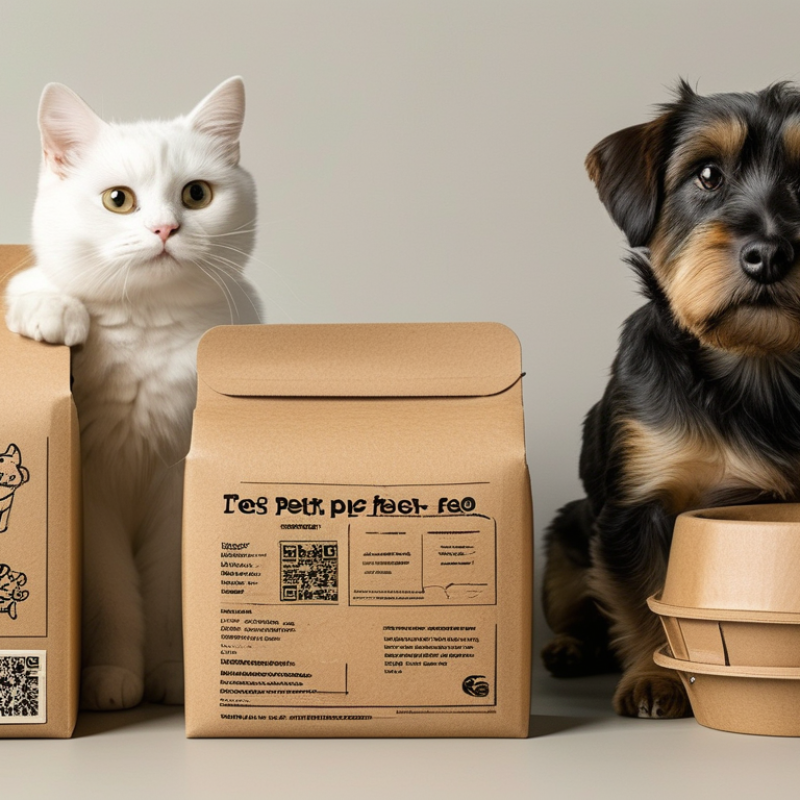
Sustainable materials are set to redefine pet food packaging by 2026. As environmental concerns grow, the industry is moving toward biodegradable, compostable, and recycled materials. This shift aims to reduce waste and lower carbon footprints. Brands must embrace innovative options like plant-based plastics and paper alternatives. These materials not only protect products but also appeal to eco-conscious consumers.
Tips: Consider using packaging made from renewable resources. Look for certifications that verify sustainability. Small changes can make a big difference.
The future of pet food packaging hinges on transparency. Consumers want to know what’s in their pet's food and how it’s packaged. Improved labeling will highlight sustainability efforts. Clear communication is crucial for building trust and loyalty.
Tips: Educate yourself on sustainable practices. Share this information with customers. Engage with your community to promote eco-friendly options.
In 2026, pet food packaging is leaning toward smart innovations. These advancements aim to preserve product freshness and nutrition over longer periods. High-tech materials are becoming commonplace. Some use oxygen scavengers that absorb air, crucial for maintaining flavor and preventing spoilage. This can significantly reduce waste, a growing concern among environmentally-conscious consumers.
Innovative sensors integrated into packages are another trend. They provide real-time data on freshness and temperature. Pet owners can easily track when food is at its best. However, these technologies can be expensive, and not all companies adopt them. The challenge remains to balance cost and innovation while ensuring quality.
Additionally, the focus on biodegradable and recyclable materials continues to rise. While many companies are investing in sustainable practices, the actual implementation varies widely. Some products still end up in landfills despite eco-friendly intentions. This inconsistency calls for deeper industry commitment. Smart packaging solutions are exciting developments, but it’s essential to address these underlying issues for true sustainability in pet food packaging.
In recent years, pet food packaging has evolved significantly, driven by aesthetics. The visual appeal of packaging can greatly influence consumer choices. Pet owners often prefer products that look modern and engaging. A fresh design can reflect the quality of ingredients inside. When pet food is attractively packaged, it signals care and commitment to pet health.
Color choice plays a crucial role in design. Bright, vibrant colors can catch the eye and evoke emotions. Soft, earthy tones may suggest natural ingredients and sustainability. Engaging visuals on the package can create stories about the product. This storytelling helps consumers connect with the brand on a personal level. However, brands sometimes miss the mark. They may use overly complicated designs that confuse customers.
Typography is another essential element. Clear, readable fonts can instill trust. Interesting fonts can catch attention but should remain legible. Balancing creativity with clarity is key for effective packaging. Aesthetic choices should also consider practicality. Packaging must protect the product while looking good. Yet, brands occasionally overlook the importance of eco-friendly materials. This can alienate environmentally conscious consumers. Thoughtful design must merge beauty with functionality.
In the evolving pet food industry, customization and personalization are gaining traction. Pet owners are seeking tailored options that meet their pets' specific dietary needs. This trend allows for unique ingredients and formulations. Such customization is crucial for pets with allergies or special dietary requirements. It helps in enhancing their overall well-being.
When considering personalized pet food, pay attention to ingredient quality. Natural ingredients are often prioritized by conscientious pet owners. Think about how your pet reacts to different types of food. Gather insights about their preferences and health issues. This knowledge can guide product selection and lead to better choices.
One effective approach is to use technology for tracking pet preferences. Pet owners can analyze what their pets enjoy most, helping to inform future purchases. Test various flavors, textures, and formulations to find the best fit. Keep in mind that what works for one pet may not suit another. Thus, continuous observation is essential for ensuring your pet's happiness and health.
| Trend | Description | Benefits | Examples |
|---|---|---|---|
| Sustainable Materials | Using eco-friendly packaging materials to reduce carbon footprint. | Appeals to environmentally conscious consumers and can enhance brand loyalty. | Biodegradable bags, compostable containers. |
| Smart Packaging | Incorporating technology like QR codes and NFC for enhanced customer interaction. | Provides customers with additional product information and engagement opportunities. | QR codes leading to feeding guides and pet health tips. |
| Personalized Nutrition | Custom meal plans based on pet size, breed, and dietary needs. | Increases pet health and satisfaction, leading to repeat purchases. | Customized kibble blends, tailored meal kits. |
| Resealable Packaging | Packaging that can be resealed to maintain freshness. | Reduces waste and keeps pet food fresher for longer. | Zippered pouches, bags with Velcro seals. |
| Minimalist Design | Clean and simple packaging design focusing on essential information. | Enhances shelf appeal and quick brand recognition. | Transparent packaging showing the product inside. |
As we approach 2026, changes in pet food packaging regulations are on the horizon. These shifts aim to enhance sustainability while ensuring consumer safety. New guidelines may affect materials used in packaging. For example, biodegradable options could become mandatory. This change can reduce environmental impact substantially.
Transparency in labeling is also a focus. Details about ingredients must be clear and accessible. Consumers are increasingly demanding to know what their pets eat. This trend emphasizes the need for reliable information. Marketers must prepare for stricter compliance in their packaging designs. Not adhering to these regulations could lead to costly rebranding exercises.
However, adapting to these regulations is no easy task. Companies may face challenges in sourcing compliant materials. Not all suppliers are equipped to meet the new standards. This reality may push businesses to rethink their supply chains. Innovative solutions will be vital in navigating these changes effectively. The future of the industry depends on the agility and responsiveness of those involved.
The following bar chart illustrates the projected trends in pet food packaging for 2026, focusing on key regulatory changes impacting standards. The data reflects the percentage of market adaptation to each trend.
: Pet food packaging is embracing smart innovations to improve freshness and nutrition preservation.
Oxygen scavengers absorb air, helping maintain flavor and prevent spoilage, which reduces waste.
Sensors provide real-time freshness and temperature data, allowing pet owners to know when the food is best.
No, these technologies can be expensive, and not every company adopts them due to cost concerns.
Many consumers are environmentally conscious, seeking eco-friendly practices in product packaging.
Companies may struggle to find compliant materials, impacting their supply chains.
Transparency in labeling is emphasized, requiring clear information about ingredients for consumer trust.
Despite intentions, some products still end up in landfills, revealing a gap in true commitment.
Non-compliance could lead to costly rebranding and loss of consumer trust.
Agility and responsiveness will be key for businesses to navigate evolving regulations and consumer demands.
The future of Pet Food Packaging in 2026 is set to be shaped by several key trends that prioritize sustainability, innovation, and personalization. Sustainable materials are emerging as a critical focus, with brands increasingly adopting eco-friendly packaging solutions to minimize their environmental impact. Smart packaging solutions are also gaining traction, utilizing technology to enhance pet food preservation and improve freshness.
In addition to functionality, design trends play a significant role in influencing consumer choices, emphasizing the importance of aesthetics in packaging. Customization and personalization are becoming vital for meeting the diverse needs of pets, allowing owners to select products tailored to their furry companions. Furthermore, regulatory changes are expected to impact packaging standards, pushing the industry toward enhanced safety and quality measures. Overall, these trends highlight a shifting landscape in Pet Food Packaging that aligns with consumer expectations and environmental responsibility.

TIANCHEN PRINTING