For global buyers, choosing a Bakery Packaging supplier in China involves more than comparing prices. A pastry box may look sturdy in a catalog, yet arrive with crushed corners after a long shipment. Small details matter: board thickness, grease resistance, print consistency, and how securely a lid closes. So does communication.
Industrial designer Raymond Loewy is often credited with saying, “Between two products equal in price, function, and quality, the better-looking will outsell the other.” For bakery brands, appearance counts—but it cannot replace food-contact documentation, reliable sampling, or clear production specifications. A beautiful cake box that leaks oil is still a poor choice.
This guide examines Chinese suppliers through practical questions: What materials do they offer? Can they customize sizes, windows, and finishes? How do they handle samples, quality checks, and export packing? Buyers should confirm details directly and request current documents; supplier claims alone are not enough. That takes time. It may also reveal gaps.
No supplier is perfect for every order. Minimum quantities, lead times, and communication styles can vary, even when websites sound similar. The aim here is not to declare one universal winner, but to help global buyers compare options with care. For a bakery shipping delicate pastries across borders, that extra check can protect both the product and its reputation.
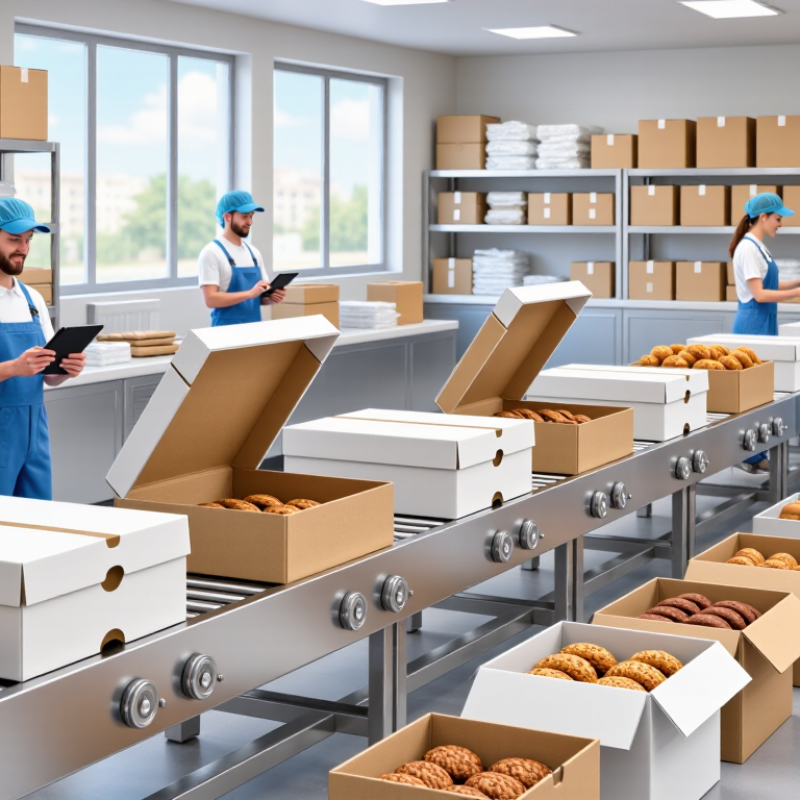
Bakery packaging is more than a container. It protects crusts from crushing, helps control moisture, and keeps crumbs away from other goods during transport. For buyers sourcing from China, the right pack must also suit stacking, long transit times, and different retail formats. FAO’s 2023 report, The State of Food and Agriculture, estimates that 13.2% of food was lost between harvest and retail in 2021. This figure covers food generally, not bakery products alone. Still, it shows why handling and protection matter. Packaging cannot prevent every loss. A box that looks sturdy may soften in humid storage.
Tips: Ask suppliers for samples and test them under realistic conditions. Stack filled cartons, check seals, and leave samples in a humid room. Small checks help. Confirm that materials suit the product and the destination market’s food-contact requirements.
Material choice affects both product quality and shipping efficiency. Paperboard can provide shape and print space, while suitable inner films can help retain freshness. Yet extra layers may increase material use and disposal challenges. Global buyers should compare protection, packing speed, shipping volume, and recyclability—not price alone. Ask for clear specifications, such as board grade, dimensions, and moisture resistance. Details can be missed, even in a careful order. A practical trial run can reveal whether the packaging survives the journey from packing line to bakery shelf.
FAO estimated that 13.2% of food was lost after harvest and before reaching retail in 2021. UNEP estimated that 19% of food available to consumers was wasted at retail, food-service, and household levels in 2022. These figures describe different stages and are not directly comparable. Protective bakery packaging can help preserve product quality during storage and transport, but it is only one part of reducing food loss and waste.
Sources: FAO Food Loss and Waste Database; UNEP Food Waste Index Report 2024.
Chinese manufacturers commonly supply folding paperboard cartons for cakes, pastries, and sliced bread. Windowed versions let shoppers inspect products while keeping dust away. Corrugated cases protect larger orders during export transport. At retail, paper bags suit crusty loaves, while grease-resistant liners help contain oily crumbs. Details matter.
Flexible films and plastic clamshells are also widely available. Films can help slow moisture loss in packaged bread; clear clamshells keep delicate pastries visible and separated. Ask suppliers to specify material thickness, food-contact suitability, sealing performance, and carton compression strength. European Bioplastics’ 2023 market data says packaging represented 43.5% of global bioplastics production capacity. That is not a bakery-specific adoption rate. FAO’s 2019 food-loss report estimated that 13.2% of food was lost between harvest and retail worldwide. Packaging cannot prevent every loss, but suitable barriers and sturdy cases can reduce handling damage. A polished sample is not proof of consistent production, so test packaging with your actual product, shipping route, and storage conditions.
When comparing Chinese bakery packaging suppliers, assess more than price and catalogue photos. Request material specifications, food-contact test reports, and clear details about coatings, adhesives, and temperature limits. Check whether a paper box holds its shape around a warm pastry and whether a window clouds with condensation. Small details matter. Ask for samples made with the same material and print process proposed for production. Requirements vary by destination, so confirm that documentation matches your market and intended use.
Tips: Send each supplier the same brief, including box dimensions, order quantity, artwork, and delivery location. Compare written quotes line by line. Ask how they handle color variation, damaged goods, and production delays. A quick reply is useful, but it is not proof of reliable quality.
Before placing a large order, request a pilot run and inspect the finished packs under normal bakery conditions. Fold corners, check seams, and place a filled box in a delivery bag. Discuss minimum order quantities, tooling fees, sample costs, and lead times in writing. A polished sample can still hide production inconsistency; that risk deserves honest attention. Keep approved samples and specifications as a reference for later batches.
Bakery packaging for export orders must protect products and meet the destination market’s requirements. A pastry box may look sturdy, yet soften when exposed to humidity during transit. Ask suppliers for material specifications, food-contact documentation, and traceability records for each production batch. Request recent test reports where applicable, and confirm which laboratory performed the tests. Requirements vary by market. Keep approved artwork, material details, and inspection results together for easier review. Small details matter. Check that ink does not rub off, seals stay closed, and cartons arrive without crushed corners.
Customization works best when both sides share precise product and shipping details. Provide the pastry dimensions, weight, storage conditions, and expected journey before approving a design. Confirm dielines, print colors, glue points, and carton strength with a physical sample. For export orders, ask the supplier to identify which documents it can provide and what your importer must verify locally. Packaging rules can differ, so avoid relying on a general claim of compliance. A sample can look perfect on a table but fail after stacking or a damp warehouse stay. That gap deserves testing. Could be easy to overlook.
For global buyers, sourcing bakery packaging in China starts with a clear product brief. Specify dimensions, intended food contact, temperature range, closure style, and order volume. Ask suppliers for material specifications, test reports, production photos, and a dated sample. A neat sample is useful, but it cannot prove every production run will match. Check tolerances.
Before confirming an order, agree on carton counts, pallet dimensions, shipping marks, and delivery terms in writing. Request draft packing lists and commercial invoices before goods leave the factory. For sea freight, ask whether cartons need moisture barriers or stronger corner protection. Small bakery boxes can crush under heavier cargo. It happens. Arrange a pre-shipment inspection if color, folding accuracy, or print alignment is critical. Inspections add time and cost, so prioritize defects that affect use.
Import planning varies by destination. Ask a customs broker about tariff classification, duties, taxes, and required documents before placing a large order. Do not assume supplier paperwork covers local labeling or importer obligations. Keep certificates, invoices, and email approvals together; resolving a mismatch after arrival can be slow. Build in buffer days for port congestion, customs review, and holiday closures. One awkward truth: the lowest quote may become costly after freight, damage, and rework. Compare landed costs, not unit prices alone, and reserve time and budget for surprises.
| Packaging Type | Common Materials | Typical Bakery Uses | Sourcing Information to Request | Import and Compliance Checks | Shipping Considerations |
|---|---|---|---|---|---|
| Folding cartons and cake boxes | Paperboard or corrugated board; optional windows may use plastic film. | Cakes, pastries, cookies, and retail bakery assortments. | Board grade, dimensions, load capacity, print specifications, food-contact construction, and sample approval. | Confirm applicable food-contact rules in the destination market. Check whether window material and coatings affect local recycling requirements. | Boxes may ship flat to reduce volume. Confirm packed dimensions, carton count, and whether assembly is required. |
| Paper bags and grease-resistant wraps | Paper or paper with a grease-resistant treatment; some formats include a barrier layer. | Bread, rolls, sandwiches, cookies, and takeaway pastries. | Paper weight, bag dimensions, handle or closure style, grease resistance, and details of any coating or lining. | Request documentation for food-contact suitability and the composition of coatings or barrier layers. Confirm destination-market labeling rules where applicable. | Ask for compressed packing dimensions and protection from moisture during transport and storage. |
| Plastic bakery trays and containers | Common options include PET, PP, and other polymers, depending on intended use and product requirements. | Cookies, cakes, cupcakes, and products needing visibility or support. | Polymer type, wall thickness, dimensions, closure fit, temperature limits, and food-contact declarations. | Verify the exact material and intended-use conditions against the importing market’s food-contact requirements. Do not assume recyclability from resin type alone. | Rigid containers can use substantial cubic shipping volume. Compare nested or stackable designs and check for transit damage protection. |
| Flexible pouches and bags | Single-layer or laminated plastic films; paper-plastic structures are also available. | Packaged bread, sliced baked goods, cookies, and dry bakery snacks. | Layer structure, thickness, seal type, barrier performance, print method, and suitability for the product’s storage conditions. | Request a material specification and food-contact documentation for the complete structure, including inks or coatings where relevant. Check packaging-waste rules in the destination market. | Flexible packs are generally lightweight, but finished-product and master-carton dimensions determine freight volume. Protect rolls or printed packs from moisture and crushing. |
| Corrugated shipping cartons | Corrugated fiberboard with a flute structure selected for the load and handling conditions. | Outer cartons for transporting retail packs, bakery supplies, or non-perishable packaged goods. | Board construction, carton dimensions, stacking requirements, closure method, and agreed performance specifications. | Confirm whether the cartons contact food directly or are used only as outer packaging; requirements can differ. Check import and packaging-waste rules. | Optimize carton size and pallet pattern to use container or air-freight space efficiently. Confirm gross weight and stacking limits. |
| Foil and paper baking cups | Paper, aluminum foil, or paper with a release or barrier treatment. | Muffins, cupcakes, tarts, and portioned baked products. | Base diameter, wall height, material, oven-use conditions, color or print specifications, and sample fit with baking equipment. | Confirm suitability for the stated oven conditions and food-contact use. Check restrictions on inks, coatings, and materials in the destination market. | These items are light but can be crushed. Request protective inner packing and confirm carton dimensions for freight planning. |
| Labels and product stickers | Paper or film facestock with adhesive and printing inks. | Ingredient, date, flavor, seal, or promotional labeling on bakery packs. | Label dimensions, adhesive type, application surface, storage conditions, print proof, and roll or sheet format. | Confirm that product information and language meet destination-market labeling rules. Check material suitability if labels may contact food directly. | Protect rolls and sheets from humidity, dust, and deformation. Confirm roll core size and winding direction when used with labeling equipment. |
| All packaging categories | Material and construction vary by product, intended use, and destination market. | Any bakery packaging order sourced for domestic or export sale. | Request a written specification, production sample, agreed tolerances, lead time, minimum order quantity, and inspection criteria before production. | Confirm the correct tariff classification with a customs broker or relevant authority; classification depends on the product’s material and construction. Verify destination-specific duties, documentation, and food-contact requirements. | Compare sea, air, and other available transport options based on shipment size, urgency, and total landed cost. Agree on Incoterms, shipment documents, cargo protection, and responsibility for customs clearance. |
It helps prevent crushed crusts, control moisture, and keep crumbs away from other goods. A box may still soften in humid storage.
Fill sample cartons and stack them. Check seals, corners, and shape after a humid-room test. Small checks help.
Ask for board grade, dimensions, moisture resistance, and food-contact documentation. Request batch traceability and recent test reports where applicable.
Compare product protection, packing speed, shipping volume, and recyclability. Paperboard adds structure; inner films may help retain freshness. Extra layers can complicate disposal.
Share pastry dimensions, weight, storage conditions, and expected journey. Confirm dielines, print colors, glue points, and carton strength with a physical sample.
Rub the printed surface gently and inspect the glue points. Check that seals stay closed and cartons arrive without crushed corners.
No. Requirements vary. Ask which documents the supplier can provide, then confirm local requirements with the importer.
A sample may look perfect on a table but fail during transit. I might overlook a weak corner without testing it.
Bakery Packaging plays an important role in protecting baked goods, preserving freshness, and presenting products effectively in domestic and international markets. Chinese manufacturers offer a range of options, including bags, boxes, trays, and protective wraps, with materials and designs suited to different products, storage needs, and shipping conditions. Choosing suitable packaging can help businesses balance product protection, appearance, and cost.
When comparing suppliers, global buyers can assess product quality, production capacity, communication, customization options, and experience with export orders. It is also important to confirm that materials and specifications meet the buyer’s requirements and applicable destination-market standards. Before placing an order, buyers should clarify samples, artwork, quantities, lead times, shipping arrangements, and import documentation. Careful planning and clear communication can support a smoother sourcing process and help ensure packaging arrives ready for use.

TIANCHEN PRINTING