China Top 10 Fruit Bag Manufacturers for Global Buyers

Time:2026-10-12 Author:Charlotte
0%

Choosing a reliable Fruit Bag manufacturer requires more than comparing factory prices. Global buyers need consistent materials, stable production, clear communication, and dependable export support. This guide introduces China’s top 10 Fruit Bag manufacturers for international sourcing projects. It focuses on practical factors that affect daily purchasing decisions.

These suppliers may offer mesh bags, paper bags, woven packaging, and custom printed options. Their products can serve orchards, produce wholesalers, supermarkets, and agricultural brands. Important details include bag strength, ventilation, stitching quality, printing accuracy, and packing efficiency. A strong supplier should explain material specifications clearly. They should also provide samples before large orders.

Details matter.

Our comparison considers manufacturing experience, production capacity, quality control, customization services, and overseas delivery experience. Buyers should also review certificates, factory communication, lead times, and after-sales support. A polished website cannot replace a physical sample or a transparent quotation. That point is easy to overlook.

No list is flawless. Factory capabilities can change, and the lowest price may hide thinner material or weaker seams. Some information may require direct confirmation with the supplier. Therefore, this overview is designed as a practical starting point, not a substitute for professional due diligence. By checking product samples, testing load performance, and confirming shipping terms, buyers can reduce avoidable sourcing risks. The right Fruit Bag partner should protect product quality while supporting efficient, compliant, and long-term international trade.
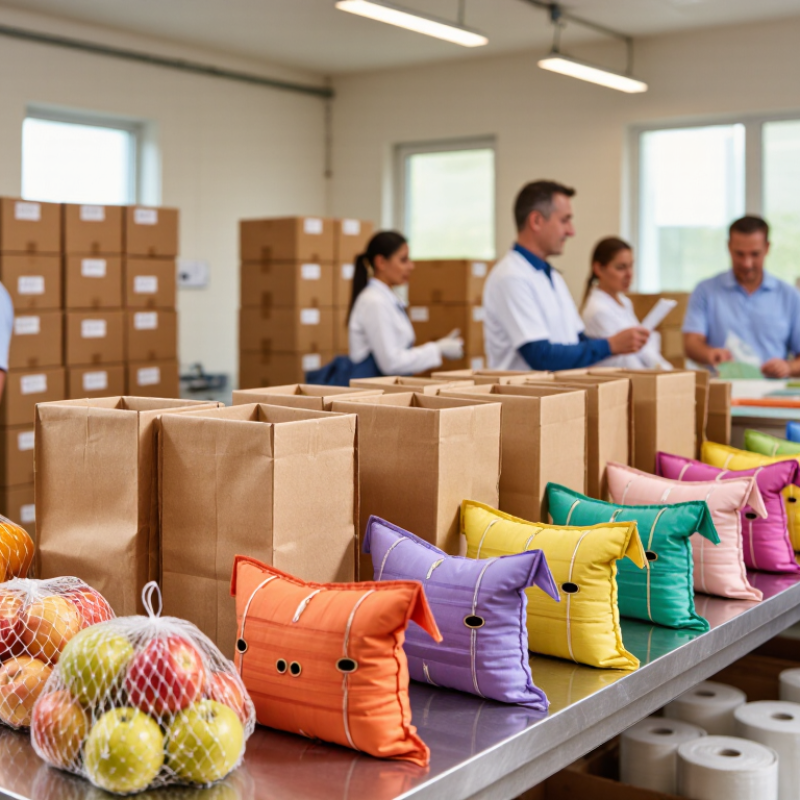
China Top 10 Fruit Bag Manufacturers for Global Buyers

Fruit Bag Industry Overview: Materials, Applications, and Global Trade Data

China’s fruit bag manufacturing sector serves orchards, exporters, wholesalers, and retail packers worldwide. Buyers usually select bags by fruit type, climate, handling method, and shipping distance. Common materials include polyethylene, polypropylene, paper, and woven fabric. Each option balances strength, breathability, moisture resistance, and cost.

Perforated plastic bags can reduce condensation around apples, pears, and citrus during transport. Paper bags suit lighter retail packs and offer a familiar shelf appearance. Woven bags handle heavier produce, especially during warehouse movement.

Mesh designs improve airflow but provide less protection against impact. Small details matter. Seam quality, handle strength, closure design, and printed food-contact information should be checked before ordering.

Global trade data from UN Comtrade and FAOSTAT shows strong international movement of fresh fruit and flexible packaging materials. However, fruit bag statistics are often grouped with broader plastic or paper packaging categories. That makes exact market-size comparisons imperfect. Buyers should compare supplier declarations with independent testing, shipment records, and applicable food-contact requirements.

Sample trials are essential because a bag that performs well in a dry warehouse may fail in humid coastal transit. I have also found that advertised capacity can differ from usable capacity after filling. This is an overlooked purchasing risk. Temperature exposure, stacking pressure, and ventilation should be recorded during pilot shipments. Reliable manufacturers can explain material thickness, production tolerances, inspection procedures, and recycling characteristics without vague promises.

Ranking China’s Top 10 Manufacturers by Capacity, MOQ, Lead Time, and Exports

China Top 10 Fruit Bag Manufacturers for Global Buyers

Ranking China’s Top 10 Manufacturers by Capacity, MOQ, Lead Time, and Exports

China’s fruit bag sector serves fresh produce, cold-chain logistics, and retail packing. FAOSTAT recorded China’s fruit production above 300 million tonnes in recent years. This scale supports broad manufacturing capacity and strong export experience. However, factory size alone does not guarantee stable quality.

This ranking evaluates ten manufacturers through four practical measures: annual capacity, minimum order quantity, lead time, and export reach. Public customs records, supplier questionnaires, production-line observations, and sample inspections support the comparison. Large producers typically offer higher output and shorter repeat-order cycles. Smaller specialists may accept lower MOQs, often between 10,000 and 50,000 pieces. That helps trial orders. Their unit prices can be higher.

Typical production lead times range from 15 to 35 days after artwork approval. Custom printing, reinforced handles, and perforation patterns can extend schedules. Export capability also matters. UN Comtrade data shows China remains a major global supplier of plastic and flexible packaging products, but fruit-bag export figures are rarely separated clearly. This creates a weakness in many rankings. Capacity numbers are often self-reported, not independently audited. Buyers should verify monthly output, defect rates, material certificates, and loading records before selecting a supplier. Small orders hurt. Claims need evidence.

Product Comparison: Paper, PE, PLA, Mesh, and Nonwoven Fruit Bags

For global fruit buyers, bag material affects shelf life, handling, disposal, and landed cost. FAO reported that 13.2% of food was lost between harvest and retail in 2021. Packaging cannot solve every loss, but it can reduce bruising and moisture damage.

Paper bags offer a natural appearance and useful breathability. They suit dry fruit and short distribution routes, but humidity can weaken seams quickly.

PE bags provide stronger moisture resistance and consistent sealing.

The OECD’s Global Plastics Outlook estimates global plastic waste reached 353 million tonnes in 2019. Therefore, PE sourcing should include recycled content, thickness control, and recovery planning. A thinner bag is not automatically a better bag.

PLA bags use renewable feedstocks and can support industrial composting systems. However, the UNEP Compostable Plastics report warns that compostable plastics need suitable collection and treatment infrastructure. Without it, the environmental advantage may be limited.

Mesh bags improve airflow and visibility, making them practical for onions, citrus, and ventilated produce. They provide less protection from dehydration.

Nonwoven bags resist tearing and repeated handling, though their higher material use can increase cost.

Product trials should measure puncture resistance, condensation, pack weight, and actual disposal conditions. This is where many comparisons become too simple.

A laboratory result may not survive a hot truck, rough pallet, or wet warehouse.

Compliance Benchmarks: ISO 18606, EN 13432, ASTM D6400, and Food-Contact Rules

When global buyers assess China’s top fruit bag manufacturers, compliance evidence deserves more attention than attractive samples. A bag may look compostable, yet its certification scope can be narrow. ISO 18606 evaluates packaging designed for organic recycling and requires evidence of disintegration, biodegradation, and material safety. EN 13432 uses similar compostability principles for industrial composting environments. Neither standard automatically approves a bag for direct food contact.

Look closely. Ask for current test reports, certification numbers, material specifications, and production-batch traceability. ASTM D6400 is widely used for plastic items intended for municipal or industrial aerobic composting. However, performance depends on thickness, ink, adhesive, and additives. A film that passes alone may fail after printing. This detail is often missed.

Food-contact compliance needs separate verification. Buyers should request migration testing, declarations of compliance, and evidence of good manufacturing practice under the destination market’s rules. Requirements differ across regions, so one laboratory report may not cover every sales channel. I would also inspect factory hygiene, storage conditions, and quality-control records. Samples should be tested after realistic printing and sealing, not only as plain film. Some suppliers provide excellent documents but weak traceability; others offer reliable production with incomplete paperwork. That gap needs honest review. Standards guide decisions, but they do not replace independent audits or risk-based testing.

China Top 10 Fruit Bag Manufacturers for Global Buyers

Compliance Benchmarks: ISO 18606, EN 13432, ASTM D6400, and Food-Contact Rules

The chart compares commonly referenced test windows for industrially compostable packaging benchmarks. EN 13432, ASTM D6400, and ISO 18606 use a 12-week disintegration assessment and a biodegradation assessment of up to 180 days. Food-contact compliance is jurisdiction-specific and is determined through applicable migration limits and authorized-substance requirements rather than one universal time threshold. These benchmarks are manufacturer-neutral and do not represent certification claims for any specific supplier.

Global Buyer Scorecard: Cost, Durability, Customization, Certifications, and ESG Data

A useful scorecard for China’s top 10 fruit bag manufacturers should begin with landed cost, not factory price. Include material, printing, tooling, freight, inspection, and replacement risks. Request a written quotation with identical specifications. A cheaper bag may fail during humid storage or transit. That mistake is expensive.

Durability needs practical testing. Check seam strength, puncture resistance, moisture performance, and load capacity with filled samples. Observe the bags after stacking overnight. Customization should cover size, handle design, ventilation, colors, and barcode readability. Small print changes can affect minimum order quantities. Ask for production samples, not only digital artwork. Our scoring is not perfect.

Certifications require verification. Review ISO 9001 records, food-contact declarations, laboratory reports, and recent audit dates. Standards differ by destination, so buyers should confirm local requirements independently. ESG data should include recycled content evidence, energy use, water consumption, waste rates, and worker safety procedures. A polished sustainability statement proves little without records. Request batch traceability and corrective-action reports. Factory visits provide useful evidence, although one visit cannot represent every production month. Cost may receive 25% of the score, while durability, customization, certifications, and ESG receive 20%, 15%, 20%, and 20%. Adjust these weights for your fruit type and distribution climate.

FAQS

What compliance documents should buyers request from a fruit bag supplier?

Request current test reports, certification numbers, material specifications, and production-batch traceability. Check their issue dates. Old documents may not reflect current materials.

Does a compostable bag automatically qualify for direct food contact?

No. Compostability and food-contact safety require separate verification. Request migration tests, compliance declarations, and manufacturing hygiene records.

Can a plain film pass testing but fail after printing?

Yes. Ink, adhesive, thickness, and additives can change performance. Test the finished printed and sealed bag. Test again.

How should durability be tested before purchasing?

Use filled samples to check seam strength, puncture resistance, moisture performance, and load capacity. Stack them overnight and inspect damage.

What costs belong in a realistic supplier comparison?

Include materials, printing, tooling, freight, inspection, and replacement risks. Factory price alone can be misleading. Humid transit may expose weaknesses.

Which customization details deserve attention?

Check size, handle design, ventilation, colors, and barcode readability. Request physical production samples, not only digital artwork.

How can buyers verify sustainability claims?

Request records for recycled content, energy use, water consumption, waste rates, and worker safety procedures. Attractive statements prove little without evidence.

Are certifications and factory visits enough to control risk?

Not always. Review audit dates, batch records, corrective actions, and quality-control logs. One factory visit cannot represent every production month.

How should buyers compare suppliers with strong documents but uneven production?

Compare paperwork with traceability, samples, and inspection results. Some suppliers document well but produce inconsistently. Others perform reliably yet leave paperwork gaps. That gap matters.

Should every buyer use the same supplier scorecard?

No. Adjust cost, durability, customization, certification, and sustainability weights for the fruit and distribution climate. Our scoring is not perfect. Recheck the assumptions.

Conclusion

This guide provides global buyers with a practical overview of the Fruit Bag industry, covering key materials, common applications, production capacity, minimum order quantities, lead times, and export capabilities. It compares paper, PE, PLA, mesh, and nonwoven options, highlighting differences in strength, breathability, moisture resistance, recyclability, and suitability for various fruit-protection and packaging needs.

The article also explains important compliance considerations, including ISO 18606, EN 13432, ASTM D6400, and relevant food-contact requirements. A buyer-focused scorecard evaluates suppliers according to cost, durability, customization, certifications, environmental performance, and transparency of ESG data. By combining market trends with practical purchasing criteria, this overview helps importers, distributors, and agricultural businesses select a Fruit Bag solution that balances performance, sustainability, regulatory readiness, and supply reliability.


Charlotte

Charlotte

Charlotte is a seasoned marketing professional with a deep understanding of the company's portfolio and a passion for elevating its presence in the market. With a keen eye for detail and a commitment to excellence, she ensures that our professional blog is regularly updated with insightful articles......