How to Choose the Best Food Packaging Bag for Your Products?

Time:2026-05-31 Author:Mason
0%

When selecting a Food Packaging Bag, quality is crucial. It directly affects product freshness, shelf life, and presentation. Choosing the right packaging requires more than just aesthetics. Factors like material, size, and functionality must be considered.

The right Food Packaging Bag should align with your product's needs. For example, if you’re packaging perishable goods, look for breathable materials. If visual appeal is essential, consider transparent or colorful options. Each choice carries weight and impacts customer perception.

However, navigating the selection process can be daunting. Mistakes may lead to increased waste or customer dissatisfaction. Understanding the specific needs of your product can lead to better choices. Being aware of the nuances in packaging can greatly enhance your product's success.
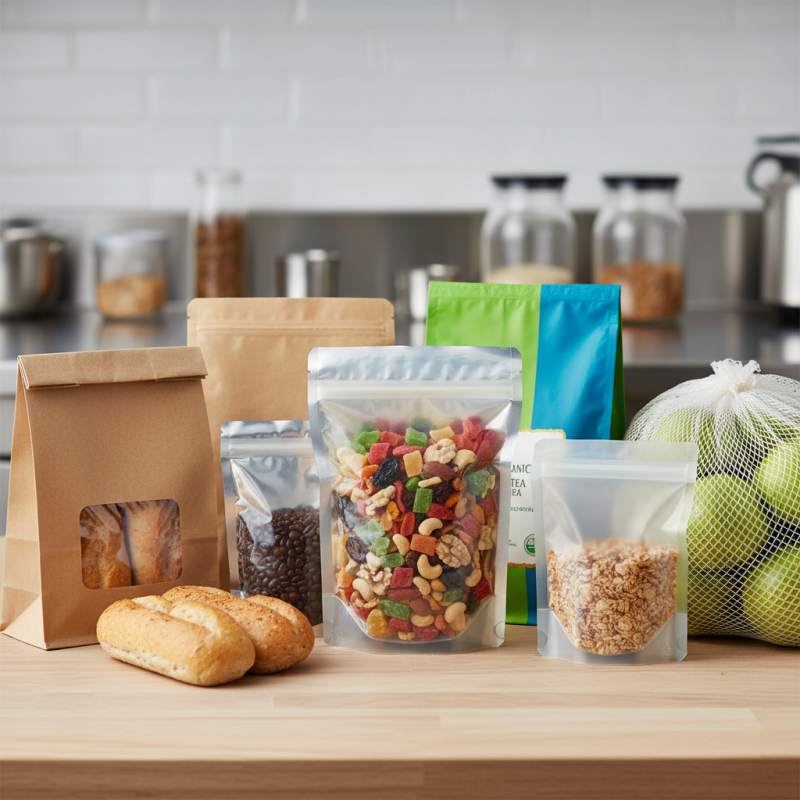
How to Choose the Best Food Packaging Bag for Your Products?

Understanding the Importance of Food Packaging Bags

Food packaging bags play a critical role in the food industry. Their primary function is to protect the product from contamination. However, they also serve as a marketing tool. A well-designed package can attract customers. It communicates the brand's identity and quality.

Choosing the right materials for food packaging is essential. Different foods require different types of protection. For instance, moisture-sensitive items need barrier films. Additionally, durability is crucial. Weak packaging can lead to product loss and dissatisfied consumers. It’s a point of contention that some brands overlook the importance of testing their packaging thoroughly.

Consumer awareness about packaging is growing. Many seek eco-friendly options nowadays. This shift compels companies to rethink their materials and designs. Yet, balancing sustainability with functionality remains a challenge. It’s a process that requires ongoing evaluation and adjustment. Regularly revisiting your packaging choices can lead to better results.

Types of Food Packaging Bags: An Overview

When selecting the best food packaging bags, understanding the various types available is essential. Food packaging bags come in several categories, each designed for specific purposes. The choice impacts not just product quality but also consumer appeal. The global food packaging market is valued at around $400 billion, indicating the importance of suitable packaging in maintaining food safety and extending shelf life.

Plastic bags are popular due to their versatility. They offer moisture resistance and are often lightweight. According to industry studies, over 50% of packaged food products utilize plastic materials. However, consumers increasingly seek sustainable options. Biodegradable and compostable bags are gaining traction, appealing to environmentally conscious shoppers. They represent about 10% of the market currently but are expected to grow annually by 12%.

Stand-up pouches are another exciting option, providing excellent visual appeal. These bags not only offer convenience but also enhance product visibility. Research shows that products packaged in stand-up pouches can achieve a 30% higher sales rate compared to traditional packaging. Nevertheless, cost considerations and material limitations may affect their widespread adoption. Balancing these factors is crucial for manufacturers to ensure they meet both consumer demands and operational needs.

How to Choose the Best Food Packaging Bag for Your Products? - Types of Food Packaging Bags: An Overview

Type of Packaging Bag Material Use Case Benefits Drawbacks
Stand-Up Pouch Plastic (PET, PE) Snacks, Powdered Foods Lightweight, Resealable Less durable than rigid packaging
Flat Bags Plastic (LDPE) Bulk Foods, Frozen Items Cost-effective, Flexible Limited protection against physical damage
Vacuum Sealed Bags Plastic (Nylon, PE) Meat, Vegetables Extended shelf life, Prevents freezer burn Requires vacuum sealing equipment
Gusseted Bags Paper, Plastic Grains, Coffee, Bulk Items Stands on its own, Easy to fill May not be resealable
Retort Pouches Plastic, Aluminum Ready-to-eat Meals Shelf-stable, Lightweight Higher production costs

Key Factors to Consider When Choosing Packaging

Choosing the right food packaging bag is crucial for product safety and brand image. One key factor to consider is the material. Common materials include plastic, paper, and biodegradable options. According to a 2022 market report, 42% of consumers prefer eco-friendly packaging. This indicates a growing trend toward sustainable options. Brands must evaluate the environmental impact of their choices.

Another important factor is sealing and protection. Packaging must maintain freshness and prevent contamination. Studies show that 30% of food waste results from inadequate packaging. Investing in quality seals can significantly reduce spoilage rates. Ensure that your packaging bags meet regulatory standards for food safety. This guarantees both product integrity and consumer trust.

While aesthetics matter, functionality should not be compromised. The design must allow for easy handling and storage. In a survey, 58% of consumers indicated that ease of use influences their purchasing decisions. Experimenting with different shapes and sizes can enhance customer experience. Reflect on customer feedback to improve packaging designs consistently.

Evaluating Material Options for Food Safety and Quality

Choosing the right food packaging bag is crucial for ensuring food safety and maintaining product quality. Material selection directly impacts the preservation of freshness and flavor. For instance, according to a study by the Food Packaging Association, 73% of food spoilage occurs due to improper packaging. This statistic highlights the importance of selecting materials that provide adequate barriers against oxygen and moisture.

When evaluating materials, consider options such as polyethylene, polypropylene, and nylon. These materials offer varying degrees of protection. Research indicates that polyethylene bags effectively preserve moisture but may not provide a robust barrier against oxygen. Conversely, nylon bags excel in oxygen resistance. However, they can sometimes be less effective against moisture, posing a potential risk to certain food types. This choice depends on the specific needs of your products.

It’s essential to balance functionality and sustainability. A report from the Sustainable Packaging Coalition indicates that 55% of consumers prioritize eco-friendly packaging. However, some biodegradable materials may not adequately protect food. This inconsistency calls for careful consideration. Selecting a packaging solution with both safety and environmental benefits requires ongoing evaluation and awareness of emerging materials.

Food Packaging Material Comparison

Design and Branding Considerations for Packaging Bags

In the competitive food industry, packaging plays a vital role in attracting consumers. Elements like color, graphics, and material can influence purchasing decisions significantly. According to a 2022 report by Smithers Pira, around 70% of consumers say they often choose a product based on its packaging design. So, if brands want to grab attention, they must invest in eye-catching and meaningful designs.

Consider the unique identity of your brand. The packaging should reflect your values and appeal to your target audience. A study by Mintel revealed that 59% of consumers appreciate brands that use sustainable materials. This trend indicates a shift toward eco-friendly packaging, which not only helps the environment but also enhances brand perception. Focus on incorporating this sustainability in your designs.

Tips: Use bold and contrasting colors to stand out on shelves. Keep the branding consistent across your products. Simplicity can also speak volumes. Uncluttered designs can be more memorable.

However, it’s crucial to avoid design pitfalls. Overly complex graphics may confuse consumers or dilute brand identity. Additionally, ensure that the packaging aligns with the product’s functionality. According to Packaging World, 53% of consumers expect packaging to be easy to open. Balancing attractiveness with practicality can be a challenge worth addressing.

FAQS

: What types of materials are commonly used in food packaging bags?

: Common materials include plastic, paper, and biodegradable options. Each type serves different functions.

Why is material selection important for food packaging?

The right material affects food safety and quality. It ensures freshness and flavor are maintained.

What are stand-up pouches and why are they popular?

Stand-up pouches offer convenience and better product visibility. They can increase sales by 30% compared to traditional bags.

How does consumer preference impact packaging choices?

Over 42% of consumers prefer eco-friendly packaging. This trend encourages brands to consider sustainable options.

What role does sealing play in food packaging?

Proper sealing maintains freshness and prevents contamination. Poor sealing can lead to significant spoilage rates.

How can packaging design influence consumer choices?

A design that allows easy handling and storage increases consumer satisfaction. About 58% of consumers value user-friendly packaging.

What challenge do biodegradable materials present?

Some biodegradable options do not adequately protect food, raising concerns about their effectiveness.

How can manufacturers balance functionality and sustainability?

They must evaluate materials' environmental impact while ensuring they meet safety standards and consumer needs.

What percentage of food waste results from inadequate packaging?

Studies indicate that about 30% of food waste is due to ineffective packaging solutions.

Why should brands reflect on customer feedback regarding packaging?

Customer feedback helps improve designs. It can guide brands in creating more appealing and efficient packaging solutions.

Conclusion

When selecting the best Food Packaging Bag for your products, it’s crucial to understand its significance. Food packaging not only protects the contents but also ensures safety and extends shelf life. Various types of food packaging bags are available, each suited for different products and needs. Key factors to consider include the intended use, storage conditions, and consumer preferences.

Material choice is essential for maintaining food safety and quality, as some materials provide better barrier properties and durability than others. Additionally, the design and branding of your Food Packaging Bag play a vital role in attracting customers and communicating product value. By carefully evaluating these elements, businesses can make informed decisions that enhance both functionality and appeal in their food packaging solutions.


Mason

Mason

Mason is a seasoned marketing professional with a deep expertise in the company's offerings and a passion for driving brand awareness. With a strong background in digital marketing strategies, he has an innate ability to connect with diverse audiences and effectively communicate product benefits.......