How to Choose the Best Pet Food Packaging for Your Brand

Time:2026-11-04 Author:Aria
0%

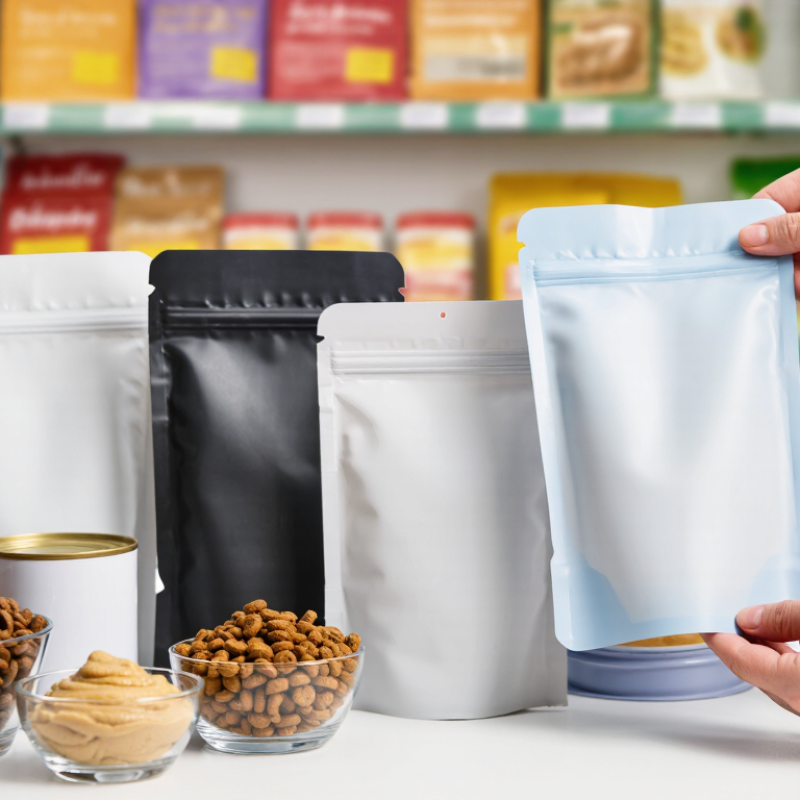
Choosing the right Pet Food Packaging means protecting the food while making your brand easy to recognize. A pouch that stands upright on a crowded shelf, a seal that stays closed after opening, and print that remains readable under store lighting can all shape a customer’s experience. The best choice depends on the product, portion size, shipping route, and how customers store it at home. There is no universal winner.

Packaging consultant Alex Morgan offers this guiding principle: “Choose the package for the food’s real journey, not just its shelf appeal.” Treat that as a practical test. Will the material help preserve freshness? Can customers open and reseal it without a struggle? Does the format suit dry kibble, treats, or moist food? These details matter. A glossy finish can attract attention, yet it cannot compensate for a weak closure or confusing label.

This guide compares common materials, formats, barrier needs, printing options, and cost considerations. It also considers production realities, including minimum order quantities and storage space. Those constraints are easy to underestimate. A premium-looking pack may not fit a new brand’s budget or workflow. Not every choice will be perfect; testing samples with real products can expose problems before a larger order.
How to Choose the Best Pet Food Packaging for Your Brand

Identify Your Pet Food Product and Packaging Requirements

How to Choose the Best Pet Food Packaging for Your Brand

Start with the product, not the package. Dry kibble needs protection from moisture and oxygen, while wet food needs packaging designed for its liquid contents and processing conditions. Treats may need a strong barrier against air to help preserve texture. Note the serving size, ingredients, expected shelf life, and how customers will store the food after opening.

Then consider how the package will be handled. A large bag of kibble needs durable seals and a comfortable grip; a small pouch may need an easy tear notch. Resealable closures can help keep food fresh, but only if customers can use them without a struggle. That matters. Allow enough space for feeding instructions, storage guidance, and ingredient details. Test packages with the actual product, not just empty samples.

Shipping and storage deserve attention too. Packages may be stacked, squeezed, or exposed to changing temperatures before reaching a pantry. Check seal strength and look for leaks or damaged corners after practical handling tests. Material choices involve trade-offs: a lighter pack may use less material, yet still needs to protect the food. Recyclability also depends on local collection systems. It is easy to overvalue appearance early on. Compare real samples, record what fails, and revisit assumptions before choosing a format.

Compare Materials, Formats, and Barrier Protection

Start with the food, not the pouch shape. Dry kibble needs protection from moisture and oxygen, especially when it contains oils. A high-barrier laminated film can help slow both, while a resealable zipper limits exposure after opening. But layers can complicate recycling, and a zipper cannot replace a sound heat seal. Wet food needs packaging that withstands heat processing and keeps its seals intact. Ask suppliers for barrier data, then validate it with shelf-life testing. Appearance alone tells you little.

Choose a format that fits feeding habits and shipping conditions. A large gusseted bag suits multi-pet homes, but repeated opening can admit humid air. Smaller packs reduce time spent open, yet use more packaging and may raise unit costs. Flat-bottom bags stand upright on shelves; flexible pouches are light but can puncture at sharp corners. Check samples after filling, shipping, and storage. I would not assume the most premium-looking option protects food best.

Tips: Compare oxygen and water-vapor transmission figures, then test the finished pack, including its closures. Store samples in warm, humid conditions and inspect for leaks, odor changes, or softened kibble. Results may surprise you.

Check Safety, Labeling, and Regulatory Requirements

Pet food packaging must protect the product before it earns a place on a shelf. Check that every layer is suitable for contact with the food, and ask suppliers for material specifications and relevant test documentation. A pouch that looks sturdy may still allow moisture or oxygen through. Inspect seals, too. Small details matter. Test packages under realistic storage and shipping conditions, including warm rooms and rough handling, rather than relying on appearance alone.

Labels should help caregivers make informed choices. Confirm that the product name, intended animal and life stage, net quantity, ingredients, nutritional information, feeding directions, and storage instructions are clear and consistent. Requirements can vary by product type and market. Check current rules with the relevant regulator or a qualified compliance professional before printing. Keep approved label versions and supporting records, such as ingredient documents and test results. A confident health claim needs evidence; attractive wording is not enough.

It is easy to overfocus on design. A polished mock-up does not prove the package is safe or the label is complete. Review the artwork at actual size, where tiny text can become hard to read. Ask someone outside the design process to check it. There is no perfect checklist, and requirements change. Revisit compliance when ingredients, suppliers, packaging materials, or sales regions change.

Evaluate Sustainability, Cost, and Supply Chain Needs

Choosing pet food packaging means balancing environmental goals with product protection and dependable delivery. A recyclable material may sound ideal, but local recycling facilities might not accept its format. Check whether the package protects food from moisture, oxygen, and light during storage. If protection is inadequate, spoiled product and returns can offset material savings. Ask suppliers for material specifications and test samples with the actual food before committing.

Cost involves more than the price per pouch or bag. Include printing plates, minimum order quantities, shipping, storage space, and filling-line adjustments. A lighter pack may reduce freight costs, yet require new equipment settings. Supply chain reliability matters, too. Confirm lead times, backup production options, and how suppliers handle material shortages. Request written specifications and realistic delivery estimates. Small delays can leave shelves empty.

Tips: Compare two or three packaging formats using the same checklist. Ask local recycling programs about acceptance, then test seal strength and shelf performance. Keep a small trial run in your budget. It may feel slower. That feedback can expose problems before a large order, though it will not predict every disruption.

Choose Packaging That Fits Your Brand and Customers

Choose packaging that suits the product and the person opening it. A large dog-food bag may need sturdy side seals and a reliable reseal; a small cat-food pouch should open cleanly without scissors. Consider shelf storage, delivery, and how customers measure each serving. A glossy finish can catch the eye, but greasy fingerprints or tiny tear notches may frustrate someone feeding a pet before work. Test it.

Sustainability claims need care. McKinsey’s 2023 survey of more than 1,000 U.S. consumers found that 60–70% said they would pay more for sustainable packaging. That reflects stated willingness, not guaranteed purchases. Compare material options with real disposal access where your customers live, and explain what the package is made from in plain language. A recyclable label means little if local facilities cannot process that format. Be specific. Packaging also carries the brand’s personality: calm colors and clear feeding instructions can feel trustworthy, while crowded graphics may hide useful details. I would not assume one design works for every household; older customers, busy families, and online shoppers notice different things. Test prototypes with actual pet owners, then revise what they struggle to open, store, or understand.

FAQS

What protection does dry kibble packaging need?

It should limit moisture and oxygen, especially when the food contains oils. A resealable zipper helps after opening, but the heat seal matters too.

How can I check whether a package keeps food fresh?

Ask for oxygen and water-vapor transmission data. Test filled samples in warm, humid conditions. Check for leaks, changed odors, and softened kibble.

Which format works best for a multi-pet home?

A large gusseted bag can suit frequent feeding. Repeated opening may let humid air in, though. Smaller packs stay open for less time but use more packaging.

Are flexible pouches always a good choice for shipping?

They are light, but sharp corners can puncture them. Test samples after filling, shipping, and storage. A nice shelf appearance proves little.

What costs should I compare beyond the package price?

Include printing plates, minimum orders, freight, storage, and filling-line adjustments. A lighter pack may save freight but need new equipment settings.

How should I assess recyclable packaging?

Check whether local recycling programs accept the actual format. A recyclable label may not help if local facilities cannot process it.

What should customers find easy about the package?

It should open cleanly, reseal reliably, and make feeding instructions easy to read. Tiny tear notches can be frustrating. Test with real pet owners.

Why run a small packaging trial before a large order?

A trial can reveal seal, storage, or opening problems early. It will not predict every supply disruption, and it may feel slow. Worth reflecting on.

Conclusion

Choosing the right Pet Food Packaging starts with understanding the product itself: its ingredients, moisture level, shelf-life needs, portion sizes, and how customers will store and use it. These details help narrow down suitable materials and formats, such as bags, pouches, cans, or cartons. Compare options for freshness, durability, convenience, and barrier protection against moisture, oxygen, light, and handling damage.

Before making a decision, confirm that the packaging is appropriate for food contact and that its labels can clearly present required product information in the markets where it will be sold. Then weigh sustainability goals against cost, production capacity, transportation, and supply reliability. The best choice balances practical protection with an appealing design that reflects the product and speaks to its intended customers. Testing packaging in real storage and distribution conditions can help ensure it performs as expected.


Aria

Aria

Aria is a dedicated marketing professional with a deep passion for innovative strategies and a keen understanding of our company's product offerings. With a wealth of experience in the industry, Aria excels at crafting engaging content that highlights the unique features and benefits of our......