Choosing the right Bopp Film for packaging is crucial for product safety and presentation. Industry expert Sarah Mitchell, a leading figure in flexible packaging, once stated, “The right film can enhance a product’s appeal and protect its integrity.” This highlights the significance of making an informed selection.
Bopp Film, or Biaxially Oriented Polypropylene, offers various benefits. It can provide clarity, durability, and a barrier against moisture. These qualities make it a popular choice for food packaging and consumer goods. Yet, the variety of options can be overwhelming. Each application might require a different film type.
When selecting Bopp Film, consider the intended use, environmental impact, and cost. Many overlook the importance of supplier reputation. This can lead to poor choices. Always evaluate the supplier’s knowledge and reliability. The right choice can significantly affect brand perception and packaging efficiency.
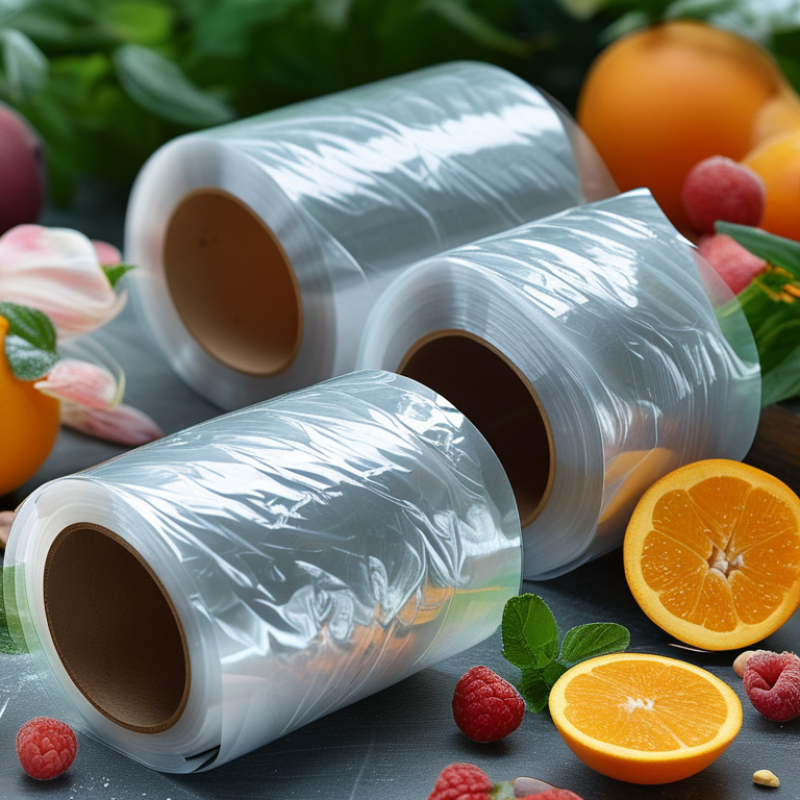
Understanding BOPP Film and Its Applications in Packaging
BOPP film, or biaxially oriented polypropylene film, is widely used in the packaging industry. Its properties make it ideal for various applications,
including food packaging, label production, and industrial use. According to a recent industry report, the global BOPP film market is projected to grow by
3.6% annually, reaching approximately $18.1 billion by 2026.
This growth reflects a rising demand for flexible packaging solutions.
Understanding BOPP film's unique attributes can enhance packaging efficiency. It offers excellent clarity and gloss, making products visually appealing.
BOPP film resists moisture and chemicals, crucial for preserving perishable goods. However, while it is cost-effective, the environmental impact
requires thoughtful consideration. The film is recyclable, yet not all facilities accept it. This gap presents a challenge for environmentally
conscious brands aiming for sustainable practices.
Applications of BOPP film are extensive, yet choosing the best type is complex. Different thicknesses and finishes cater to varied needs.
For example, heavy-duty films provide durability for bulk packaging. Lightweight films reduce material costs and waste. Sometimes,
the ideal solution is unclear without thorough evaluation. Ensuring that the chosen film meets specific product requirements while aligning
with sustainability goals is essential.
Key Factors to Consider When Choosing BOPP Film
When selecting the best BOPP film for packaging, several key factors come into play. Understanding your specific application is crucial. Different packaging requires different properties. For instance, if you are looking for moisture resistance, ensure the film has a suitable barrier property. Thickness also plays an essential role—thicker films provide better protection but may add to costs.
Another important aspect is the film's clarity and printability. High clarity is vital for brand visibility. If you plan to print on the film, ensure it is compatible with your printing methods. Additionally, consider the environmental impact of the film. Sustainable options are becoming increasingly popular. Many industries are moving toward eco-friendly alternatives due to consumer demand.
It's also valuable to look at cost-effectiveness. Sometimes, the cheapest option may not provide the best performance or durability. Analyzing the total cost of ownership can reveal more than just the upfront price. There are scenarios where investing in a higher-quality film leads to long-term savings by reducing waste and improving shelf life. Finding the balance between these factors can be challenging but rewarding.
How to Choose the Best BOPP Film for Packaging Solutions? - Key Factors to Consider When Choosing BOPP Film
| Factor |
Description |
Importance Rating (1-5) |
| Thickness |
Refers to the gauge of the film which affects durability and flexibility. |
5 |
| Transparency |
Ability to see through the film, important for visibility of the product. |
4 |
| Seal Strength |
The strength of the seals created when the film is heat or cold sealed. |
5 |
| Moisture Barrier |
Determines the film's ability to protect against moisture penetration. |
4 |
| Printability |
Suitability of the film for printing graphics and information. |
5 |
| Cost |
Overall expense in purchasing the film considering budget restraints. |
3 |
| Chemical Resistance |
The ability of the film to resist chemicals that may be present in the packaging environment. |
4 |
Comparing Different Types of BOPP Films Available in the Market
When selecting a BOPP film for packaging, understanding the available types is crucial. BOPP, or Biaxially Oriented Polypropylene, comes in various forms, including plain, metallic, and matte finishes. Each type features unique properties that can significantly affect your packaging solutions. For example, plain BOPP films are widely used for their clarity and durability. Metallic films provide excellent barrier properties, while matte films offer a sophisticated look.
Tips: Consider the product's requirements. If moisture resistance is key, opt for a film with enhanced barrier attributes. For aesthetic packaging, matte or metallic finishes can create a more appealing look. Assess the durability needs based on transportation and storage conditions.
Many manufacturers may exaggerate product capabilities. Hence, verifying technical data sheets is essential. Pay attention to environmental factors, such as temperature and humidity. BOPP films can be sensitive to these, affecting their performance. It's important to conduct tests under real conditions whenever possible. Your choice should align with both functionality and the desired aesthetic outcome, creating a balance that works for your packaging needs.
Evaluating BOPP Film Performance: Strength, Clarity, and Barrier Properties
When selecting the best BOPP film for your packaging needs, evaluating its performance is crucial. Key characteristics like strength, clarity, and barrier properties determine the film's effectiveness. The global BOPP market was valued at 3.5 billion USD in 2022, and it's expected to grow significantly. The right choice impacts product preservation and customer satisfaction.
Strength is a primary focus. BOPP films exhibit impressive tensile strength and flexibility. Reports indicate that films can withstand pressures up to 30 MPa. This durability allows packaging to handle various stressors during transport. However, it's essential to ensure that the selected film does not compromise on clarity. Transparency is vital for consumer products. High-quality BOPP films offer clarity percentages up to 95%. This feature allows products to be displayed attractively.
Barrier properties also play a significant role, especially for food packaging. BOPP films can provide moisture barrier qualities, essential for extending shelf life. According to industry studies, choosing films with enhanced barrier properties can reduce spoilage by up to 30%. Still, not all films deliver the same performance across all conditions. Testing under real-world scenarios is necessary to ensure that the chosen packaging meets expectations. By responsibly assessing these attributes, you can optimize your packaging solutions.
Cost-Effectiveness and Sustainability in BOPP Film Selection
When selecting BOPP film for packaging, cost-effectiveness is crucial. Companies often face tight budgets. They need solutions that don’t compromise quality. The right BOPP film can help optimize costs. Focus on bulk purchasing or sourcing from local suppliers. This strategy often reduces transportation expenses, contributing to overall savings.
Sustainability is now a central concern in packaging. Consumers increasingly prefer eco-friendly products. BOPP films can be manufactured from recyclable materials. Some films also feature biodegradable properties. However, it's essential to scrutinize the entire supply chain. Not all manufacturers prioritize sustainability, even if they claim to. Ask for certifications and production details.
Balancing cost and sustainability can be challenging. There might be trade-offs in quality or performance. For instance, cheaper films might not provide the same barrier protection. Carefully evaluate the long-term impact of your choices. A lower price now might lead to higher costs later. It’s vital to analyze not just immediate costs but also environmental effects. Making informed choices requires continuous learning and adaptation.
Conclusion
BOPP film, or Biaxially Oriented Polypropylene film, has become a popular choice for packaging solutions due to its versatile applications and beneficial properties. In selecting the best BOPP film, it is essential to understand its performance characteristics, such as strength, clarity, and barrier properties, which directly affect the quality of the packaged product.
When comparing different types of BOPP films, key factors to consider include the specific demands of the packaging application, whether it is for food, consumer goods, or industrial use, as well as cost-effectiveness and sustainability. Evaluating these factors ensures that the chosen BOPP film meets both performance requirements and environmental considerations, making it a smart choice for a wide range of packaging needs.

 TIANCHEN PRINTING