Choosing the right laminated film for your business can be challenging. With various options available, knowing what to look for is crucial. Laminated films serve various purposes, from packaging to protection. They enhance the durability and appearance of products. However, selecting the wrong type can lead to wasted resources.
Understanding the specific needs of your business is essential. Consider the type of products you need to laminate. Different films offer unique characteristics, such as gloss or matte finishes. Thickness and clarity also matter, impacting both functionality and aesthetics. Exploring these factors can help refine your choices.
Take time to evaluate vendors and their offerings. Quality varies significantly across suppliers. Researching industry leaders and reading reviews can inform your decision. Trustworthy suppliers provide samples for testing. Doing so allows you to assess performance firsthand. Remember, the goal is to find a film that meets your needs and exceeds expectations.
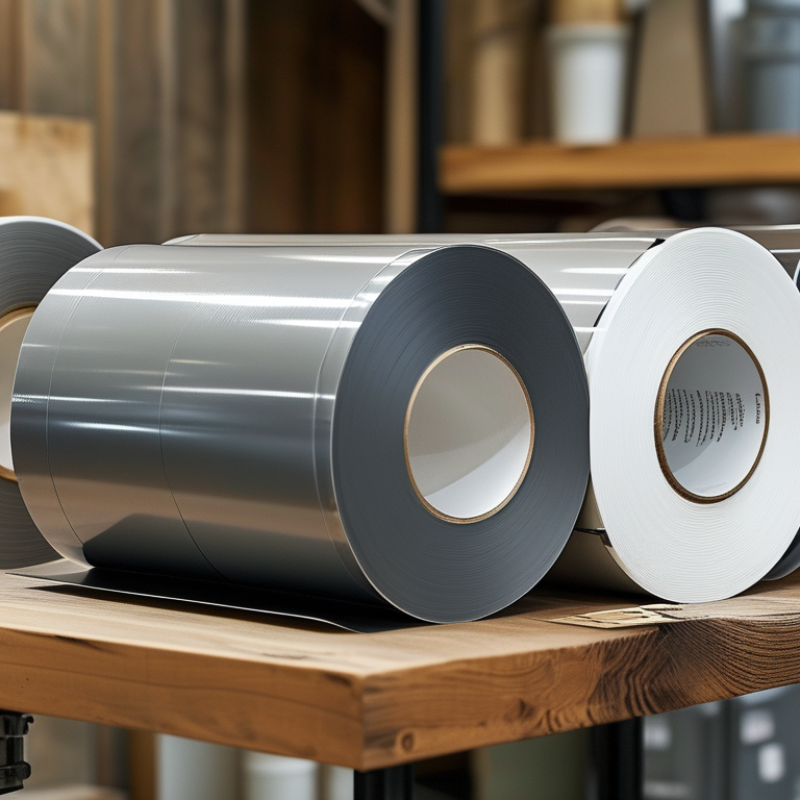
Laminated films are essential in various industries. They enhance product durability, improve aesthetics, and provide protection against environmental conditions. In recent years, the global market for laminated films has grown significantly, with a compounded annual growth rate (CAGR) of around 5.3% expected until 2026. This growth illustrates the rising demand for high-quality packaging solutions.
There are different types of laminated films available, each suited for specific applications. For example, biodegradable films are gaining traction due to their eco-friendliness. A report by Grand View Research showed that the biodegradable film market is projected to reach $4.5 billion by 2027. Such films cater to a more sustainability-conscious customer base.
However, selecting the right laminated film can be challenging. Manufacturers must consider factors like the intended use, compatibility with products, and shelf life requirements. Inadequate selection can lead to product deterioration or customer dissatisfaction. Thus, understanding the specific needs and market trends is crucial.
When selecting laminated films for your business, several factors deserve attention. The type and thickness of film can significantly impact your product’s durability and appearance. Transparent films should provide excellent clarity. Meanwhile, matte options can enhance a sophisticated look but may show fingerprints easily.
Consider the environmental impact of your chosen materials. Some films are recyclable or biodegradable. This decision matters, especially as sustainability becomes increasingly important in consumer choices. Think about the trade-offs. A more eco-friendly option may not always perform as well as traditional materials.
Tips: Test various films to gauge their performance under different conditions. Look for user feedback on longevity and finish. Always evaluate your specific needs before making the final choice. Your film should align with your brand’s values and goals.
Choosing the right laminated film is essential for your business. The type of film can impact product durability, appearance, and cost. Various options are available, each with its unique advantages and challenges.
Polypropylene films are popular for their versatility. They are moisture-resistant and perfect for both indoor and outdoor use. However, they may not shine as brightly as other options. Their flexibility is an asset but can lead to scratches over time. A key tip is to assess your specific needs before selecting this film type.
Another common choice is polyester film. It offers excellent clarity and durability. Polyester films can handle high temperatures without warping. Yet, they are generally more expensive and can be challenging to cut. When considering polyester, weigh the cost against its longevity.
Don’t overlook the laminating technique as well. Cold lamination is safe for heat-sensitive materials but might not provide the same level of protection. On the other hand, hot lamination ensures a strong seal but requires careful temperature control. Always test before committing to large batches.
Choosing the right laminated film is crucial for any business, especially when considering the balance between cost and quality. Many companies are often tempted to opt for the cheaper option to save on upfront expenses. However, lower-priced films can lead to issues like reduced durability and poor visual presentation. When products fail early or look subpar, the long-term costs can skyrocket.
Quality laminated films may come with a higher price point, but they provide better protection and enhance the overall appearance of your products. Investing in high-quality materials can yield a better return over time. A visual appeal can attract more customers, while strong durability minimizes the risk of damage. Reflect on how your brand image might suffer with lower quality options.
Not all high-cost films guarantee excellence. It's essential to conduct a thorough evaluation of materials and manufacturers. Seek samples to test and compare. Look at factors like clarity, thickness, and resistance to wear. Engaging with industry experts can also guide decision-making, minimizing the chance of regret later. Validating your choices through reliable sources allows you to build a strong foundation for your packaging needs.
When sourcing laminated film suppliers, reliability is key. Look for suppliers with a proven track record. Customer reviews and testimonials offer insights into their service quality. A reliable supplier maintains consistent communication. They answer questions promptly and inform you about any delays. This transparency builds trust.
Consider suppliers that prioritize quality assurance. They should have certifications that demonstrate their commitment to standards. Check if they conduct regular inspections of their products. This helps ensure that the films you receive meet your business needs. A good supplier is open to feedback and willing to adapt.
Be cautious of prices that seem too good to be true. They might indicate compromises in quality. Similarly, assess their production capacity and flexibility. A supplier able to scale up or down can be a valuable partner. Lastly, engaging in a conversation about their practices can reveal much about their operations. Don't hesitate to ask questions that matter to your business.
: Consider the type and thickness of the film. Clarity and finish matter too.
Yes, some films are recyclable or biodegradable. Sustainability is increasingly important.
Cheaper films may save money initially, but can lead to poor durability.
High-quality films enhance appearance and provide better protection. They attract more customers.
Not necessarily. Higher cost doesn't guarantee better quality. Evaluate materials carefully.
Seek suppliers with a proven track record and good customer reviews. Transparency is key.
Look for certifications and conduct regular inspections. Ask for samples to test.
Be wary of prices that seem too low. They might indicate quality compromises.
A flexible supplier can scale production up or down based on your needs.
Consistent communication builds trust and ensures transparency about delays and issues.
In the article "How to Choose the Best Laminated Film for Your Business?", various aspects of laminated films are explored to guide businesses in making informed decisions. The article begins with an overview of laminated films, detailing their diverse applications across different sectors. It emphasizes the importance of understanding key factors such as durability, thickness, and the intended use of the film when selecting the appropriate type.
The piece further categorizes the different types of laminated films, weighing their pros and cons, which helps businesses identify the best fit for their specific needs. Additionally, it discusses the balance between cost and quality, advising on how to evaluate these aspects effectively. Finally, it provides tips for sourcing reliable suppliers, ensuring that businesses can procure high-quality laminated films that meet their requirements.
TIANCHEN PRINTING