Top 10 Snack Packaging Tips for Global Buyers

Time:2026-07-04 Author:Aria
0%

In the competitive world of snack packaging, understanding how to appeal to global buyers is essential. Effective packaging does more than protect the product; it grabs attention and communicates values. With the rise of health consciousness and sustainability trends, snack packaging must reflect these changes.

Creating appealing designs can be challenging. Many brands overlook the importance of functionality in their packaging. Consumers want easy-to-open and resealable options. Additionally, the choice of materials can impact perception. Using eco-friendly materials not only attracts mindful consumers but also tends to enhance brand loyalty. However, balancing cost and quality remains a common struggle for manufacturers.

It’s crucial to recognize the diversity in global markets. Snack preferences vary widely across regions, influencing packaging requirements. What works in one country may not resonate in another. This inconsistency poses a significant hurdle. Continuous market research can help brands navigate these challenges, making informed decisions that cater to local tastes.
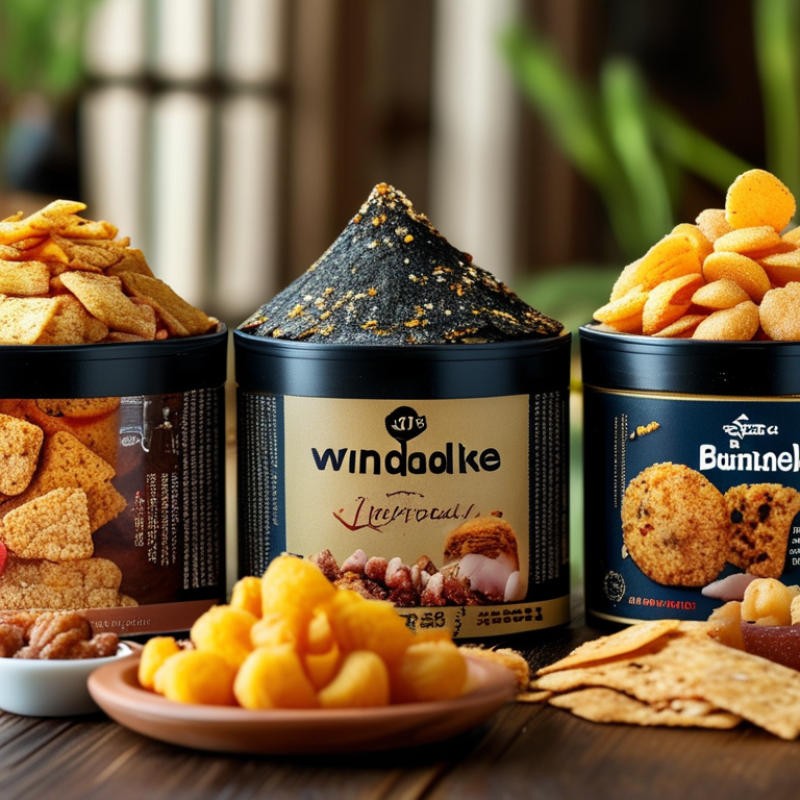
Top 10 Snack Packaging Tips for Global Buyers

Understanding the Importance of Snack Packaging in Global Markets

Snack packaging plays a crucial role in global markets. It serves multiple purposes beyond just protection. Effective packaging also attracts consumers. Eye-catching designs can significantly influence purchasing decisions. Packaging communicates brand values and product quality. This connection can inspire trust in potential buyers.

Sustainability is another key consideration. Many consumers prefer eco-friendly packaging options. Using renewable materials can enhance brand image. However, not all companies prioritize this. Some still rely on conventional packaging methods. This can lead to negative perceptions.

Cultural factors also affect packaging strategies. Different regions have unique preferences. What appeals to one market may not resonate with another. It’s essential to research target demographics. Understanding local customs can guide design choices.

Inconsistent messaging can confuse consumers. Packaging must align with product claims and marketing strategies. Transparency is vital in building consumer trust. Striking the right balance between aesthetics and functionality is challenging. Brands must continually reassess their packaging strategies to meet changing market demands.

Key Materials for Effective Snack Packaging Solutions

When considering snack packaging, the choice of materials is crucial. Several key materials can enhance product protection and visual appeal. For instance, PET (polyethylene terephthalate) is a popular choice for its durability and transparency. It keeps snacks fresh while allowing consumers to see the product inside. Additionally, biodegradable films are gaining traction. They resonate with eco-conscious buyers, reflecting a brand's commitment to sustainability.

Foil pouches also offer outstanding barrier properties against moisture and light. This helps maintain the freshness of snacks, especially those that are prone to spoilage. However, the challenge lies in sealing these pouches effectively. Improper seals can lead to air entering and ruining product quality.

Another material worth exploring is paperboard. It provides a rustic and wholesome feel, appealing to health-oriented customers. However, it may not provide the same level of protection as plastics. Implementing coatings can improve moisture resistance but can complicate recycling. Finding the right balance between aesthetics and practicality is an ongoing challenge for manufacturers. Each material has strengths and limitations that require thoughtful consideration.

Top 10 Snack Packaging Tips for Global Buyers - Key Materials for Effective Snack Packaging Solutions

Tip No. Packaging Material Advantages Considerations
1 Plastic Lightweight, versatile, moisture-resistant Environmental concerns, recycling issues
2 Paperboard Recyclable, cost-effective, easily printable Less durable, may not be moisture-resistant
3 Metalized Films Barrier properties, eye-catching design Higher cost, may have recycling limitations
4 Glass Reusable, inert, great preservation Heavy, breakable, higher shipping costs
5 Bioplastics Biodegradable, renewable resources Costly, availability issues
6 Foil Pouches Excellent barrier, long shelf-life Recycling challenges, cost factor
7 Kraft Paper Eco-friendly, strong, customizable Limited moisture barrier, not as flexible
8 Shrink Sleeves Full-color graphics, tamper-evident May not protect from punctures
9 Aseptic Packaging Long shelf life, safe for perishable items Complex process, higher costs
10 Flexible Packaging Lightweight, minimal waste, customizable Potential for lower shelf visibility

Designing Packaging for Brand Identity and Consumer Appeal

Effective packaging is essential for snack brands aiming to capture consumer attention. According to a report from Packaging Strategies, 72% of consumers say packaging design influences their purchase decisions. Visually appealing packaging not only reinforces brand identity but also communicates the quality of the product inside. Bright colors, unique shapes, and eco-friendly materials can create a strong first impression. However, overcomplicating designs may confuse consumers. Striking a balance between creativity and clarity is crucial.

Research reveals that sustainable packaging options can increase consumer trust. For instance, a study by Nielsen found that 66% of global consumers are willing to pay more for sustainable brands. Including clear, easily recognizable symbols for recyclability can enhance the appeal. On the flip side, brands may risk alienating consumers who are less familiar with sustainability concepts. It's important to educate consumers without overwhelming them with information. As sustainability becomes central to brand identity, brands must stay adaptable to rapidly changing consumer expectations.

Regulatory Compliance: Navigating Global Snack Packaging Standards

Navigating global snack packaging standards can be daunting for buyers. Various countries have distinct regulations regarding ingredients, labeling, and materials. The first step is to understand local laws. Each region may have specific requirements that dictate what can or cannot be included on packaging. For instance, allergen labeling is mandatory in many places but varies widely in scope.

It's crucial to stay updated on changes in regulations. Lawmakers often revise standards. This means packaging that complies today might not be compliant tomorrow. Buyers should also consider sustainability in their packaging choices. Eco-friendly materials are becoming a priority for many markets. However, the availability of these materials can be challenging and inconsistent.

Testing your packaging for compliance is often overlooked. Yet, it's essential to avoid costly recalls or legal issues. Sometimes, companies rush to market without thorough checks. This can lead to future challenges, as global buyers expect adherence to stringent standards. Being proactive and investing in accurate research can save time and resources in the long run.

Sustainability in Snack Packaging: Trends and Best Practices

Sustainability has become pivotal in snack packaging. According to a recent report by the World Economic Forum, 90% of consumers prioritize sustainable packaging. This shift means brands must adapt quickly. Many brands are turning to biodegradable materials and reduced packaging size to meet these demands.

A study from Smithers Pira shows that 75% of consumers are willing to pay more for eco-friendly packaging. However, achieving true sustainability is complex. Many materials marketed as “green” are not entirely compostable. This can lead to confusion and distrust among consumers.

Incorporating recycled materials into packaging is a growing trend. A survey by Packaging Digest finds that 58% of manufacturers are keen on using recycled content. Yet, challenges remain. Sourcing recycled materials can be inconsistent, and costs may fluctuate. Brands need to tread carefully to balance eco-friendliness with reliability and affordability.

Top 10 Snack Packaging Tips for Global Buyers

This chart illustrates the top 10 trends in sustainable snack packaging as per global market research. The data shows the percentage of buyers prioritizing each trend in their purchasing decisions.

FAQS

: Why is snack packaging important in global markets?

: Snack packaging protects products and attracts consumers with appealing designs. It communicates brand values effectively.

How does sustainability influence snack packaging choices?

Many consumers prefer eco-friendly options. Brands using renewable materials can enhance their image and appeal.

What materials are commonly used for effective snack packaging?

Popular materials include PET for its durability and biodegradable films for eco-conscious consumers. Each has unique benefits.

What are the challenges linked to foil pouch packaging?

Foil pouches maintain freshness, but improper sealing can introduce air, ruining product quality. It's crucial to seal correctly.

How do cultural factors affect packaging design?

Unique regional preferences matter. What appeals in one area may not work in another, requiring thorough market research.

Why is transparency important in packaging?

Inconsistent messaging confuses consumers. Aligning packaging with product claims fosters trust and ongoing customer relationships.

What issue arises from materials labeled as “green”?

Many so-called eco-friendly materials aren't fully compostable. This confusion may lead to distrust among informed consumers.

How do manufacturers balance aesthetics and functionality?

It’s a challenging task; each material has strengths and limitations. Continuous reassessment is necessary as market demands evolve.

Are consumers willing to pay more for sustainable packaging?

Yes, 75% of consumers will pay a premium for eco-friendly packaging. However, achieving true sustainability remains complex.

What is a barrier to using recycled materials in packaging?

Sourcing recycled content can be inconsistent, and costs fluctuate. Brands must balance eco-friendliness with reliability.

Conclusion

Snack packaging plays a crucial role in the global market, influencing both brand identity and consumer attraction. Understanding the materials used in effective snack packaging solutions is key to ensuring product integrity and appeal. Additionally, good design not only reflects a brand's identity but also enhances consumer engagement, which is essential in a competitive marketplace.

Navigating the complexities of regulatory compliance is another vital aspect of snack packaging, as different markets have varying standards that must be adhered to. Furthermore, the growing trend towards sustainability in snack packaging highlights best practices in minimizing environmental impact while meeting consumer expectations. By incorporating these strategies, global buyers can enhance their snack packaging effectiveness and contribute to a more sustainable future.


Aria

Aria

Aria is a dedicated marketing professional with a deep passion for innovative strategies and a keen understanding of our company's product offerings. With a wealth of experience in the industry, Aria excels at crafting engaging content that highlights the unique features and benefits of our......