When selecting the right Side Seal Bag for your specific needs, understanding your options is key. These bags offer unique sealing methods, which can impact your product's longevity and presentation. Choosing the wrong bag may lead to issues like leaks or spoilage, ultimately affecting your brand's reputation.
Consider the materials used in Side Seal Bags. They range from plastic to biodegradable options. Your choice must align with your business values and the expectations of customers. Testing different bags can be a trial and error process. Each product requires a tailored approach to ensure its best protection.
Being informed about the seal type is crucial. Some bags have stronger seals, while others may not hold up under pressure. These details can easily be overlooked. Ultimately, taking the time to assess your needs will lead to better decisions. Engaging with suppliers can also provide insights that may otherwise be missed.
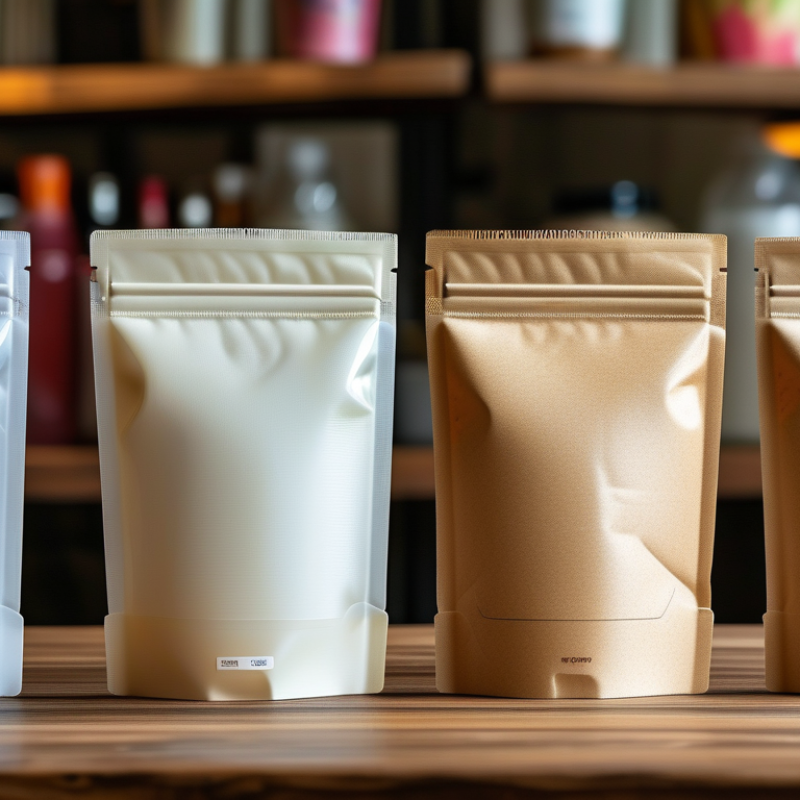
Side seal bags are essential in various industries. They are widely used in food packaging, pharmaceuticals, and retail. These bags provide a strong seal on the side, ensuring durability and protection. Their design allows for efficient storage and transport of products. According to industry reports, the global flexible packaging market is expected to reach over $300 billion by 2027. This growth signifies the rising demand for effective packaging solutions.
When deciding on a side seal bag, it's important to consider the material. Common choices include polyethylene and polypropylene. Each material has its advantages, like moisture resistance or clarity. For example, polyethylene is often preferred for food items. It blocks air and moisture effectively. Conversely, polypropylene provides a clear display for retail products. Decisions should align with specific needs, such as product visibility or barrier properties.
It's worth noting that the choice of bag may not always be straightforward. Not every type will suit every product. Some industries face challenges like sealing issues or suitability for automated processes. Proper testing and feedback from packaging experts can improve the outcome. Understanding these nuances is crucial for selecting the right side seal bag. This ensures that products stay fresh and maintain their quality during transport and storage.
| Dimension | Material | Seal Type | Common Use |
|---|---|---|---|
| 4" x 6" | LDPE | Side Seal | Packaging small items |
| 6" x 10" | CPP | Side Seal | Food storage |
| 8" x 12" | PET | Side Seal | Retail packaging |
| 10" x 15" | BOPP | Side Seal | Promotional items |
| 12" x 18" | Mylar | Side Seal | Medical supplies |
When selecting the right side seal bag for your storage needs, several critical factors deserve attention.
Durability is paramount. According to a report by Flexible Packaging Association, robust materials can
extend the shelf life of products by 30%.
Consider the thickness of the bag. Thicker bags provide better protection against punctures and tears,
ensuring your items remain safe.
The size of the bag also plays a vital role. It should accommodate the items without excess space,
preventing movement that could lead to damage. A study from the Packaging Machinery Manufacturers Institute
indicated that properly sized bags can reduce packaging waste by 20%. Additionally, the seal quality is
essential. A weak seal can compromise the integrity of the contents. Always opt for bags with tested seal
strengths, as poor seals can lead to leaks or spoilage.
Lastly, think about the intended use. If items need protection from moisture, ensure you choose
moisture-resistant bags. Ineffective sealing solutions often lead to frustration, highlighting the need
for careful consideration. Take a moment to reevaluate what works best, as even small details can
have significant impacts on storage efficiency.
When choosing a side seal bag, material is a crucial factor. Polyethylene and polypropylene are popular options. Each material offers unique benefits and limitations. Polyethylene bags are known for their durability and flexibility. They are excellent for various applications, especially in environments that require moisture resistance.
On the other hand, polypropylene bags have their own advantages. They are stiffer and more resistant to heat. This makes them ideal for packaging items that need stability during transport. However, they can be less flexible than polyethylene, which may lead to potential issues if the bag needs to conform to irregular shapes.
Choosing between these two materials requires careful consideration of your specific needs. Factors like the weight of the contents, exposure to temperatures, and the desired shelf life play essential roles. Sometimes, the right choice may not be obvious. Reflecting on past experiences can guide future decisions. Every application is unique, and prioritizing your needs will lead to better outcomes.
When selecting the right side seal bag, evaluating seal strength is crucial. The integrity of a bag's seal directly impacts its performance and usability. Industry standards, such as those set by ASTM International, define specific benchmarks for seal strength testing. For example, bags are often assessed for tensile strength and peel force. These metrics help ensure that the bag meets the demands of various applications where durability is essential.
Testing methods vary, yet one common approach involves applying force to the seal until it fails. Reports indicate that a seal must withstand at least 5-10 pounds of force in many applications. However, results can sometimes fall short of expectations, revealing weaknesses in materials or manufacturing processes. It's important to scrutinize test reports for any discrepancies.
Keep in mind that not all bags pass these rigorous tests with flying colors. Some may demonstrate inconsistent performance across batches. Reflecting on these shortcomings is vital for making informed choices. As you navigate the selection process, consider seeking third-party testing results when possible. This practice can enhance reliability and ensure that the bag you choose aligns with industry expectations.
When selecting a side seal bag, cost-effectiveness is crucial. Balancing price points and durability can significantly impact your overall satisfaction. A recent industry report indicates that the lifespan of high-quality side seal bags can be five times longer than cheaper alternatives. This means a slightly higher initial investment may save money long-term.
Tip: Always evaluate the thickness and material used in the bags. A 4 mil thickness often provides a good balance of durability while remaining affordable. In contrast, thinner bags can easily tear, leading to costly product losses.
Another critical aspect is the intended use of the bags. For fragile items, selecting a durable option is essential. Reports show that up to 20% of damaged goods in shipping stem from inadequate packaging. Investing in stronger side seal bags not only prevents losses but also enhances customer satisfaction.
Tip: Consider using bags tailored for specific items. For instance, moisture-resistant bags are vital for preserving food products. Understanding your product’s needs will guide your choice effectively.
: They are widely used in food packaging, pharmaceuticals, and retail.
Common materials include polyethylene and polypropylene. Each has unique benefits.
Thicker bags offer better protection against punctures and prolong product shelf life.
Properly sized bags prevent excess movement, reducing the risk of damage during storage.
A weak seal can lead to leaks and spoilage, compromising product integrity.
Investing slightly more can save money long-term due to better durability.
Selecting a durable option is vital to prevent damage during shipping.
Moisture-resistant bags help preserve food items and maintain freshness.
Not every bag type suits every product, requiring careful testing and feedback.
Overlooking details like seal strength can lead to significant packaging issues.
When selecting the right Side Seal Bag for your needs, it's essential to understand their definition and common applications. Side Seal Bags are widely used for storage and packaging, making them a versatile choice for many industries. Key factors to consider include the bag's intended use, the volume of materials to be stored, and environmental conditions that might affect the bag's performance.
Additionally, material comparisons between polyethylene and polypropylene can help in choosing the right Side Seal Bag based on durability and flexibility. Evaluating seal strength through industry standards and testing methods is crucial, as it ensures that the bags will hold up under various conditions. Finally, analyzing cost-effectiveness by comparing price points with durability will guide you in making an informed decision, ensuring that the chosen Side Seal Bag meets both your budget and performance requirements.

TIANCHEN PRINTING