In the vibrant world of baked goods, effective Bakery Packaging plays a crucial role. It protects products while enhancing their appeal. Packaging is often the first impression consumers have of a bakery item. Therefore, choosing the right packaging can influence purchasing decisions significantly.
As global trends evolve, bakery businesses must adapt. Standout Bakery Packaging reflects brand identity and ensures freshness. From eco-friendly options to innovative designs, the choices are vast. However, finding the ideal solution can be overwhelming. Many businesses grapple with balancing sustainability and cost.
Navigating these complexities demands expertise and insight. A well-chosen Bakery Packaging solution not only safeguards the product but also drives sales. As market preferences shift, staying informed about packaging advancements is essential. This guide explores the top ten Bakery Packaging solutions tailored for buyers worldwide.
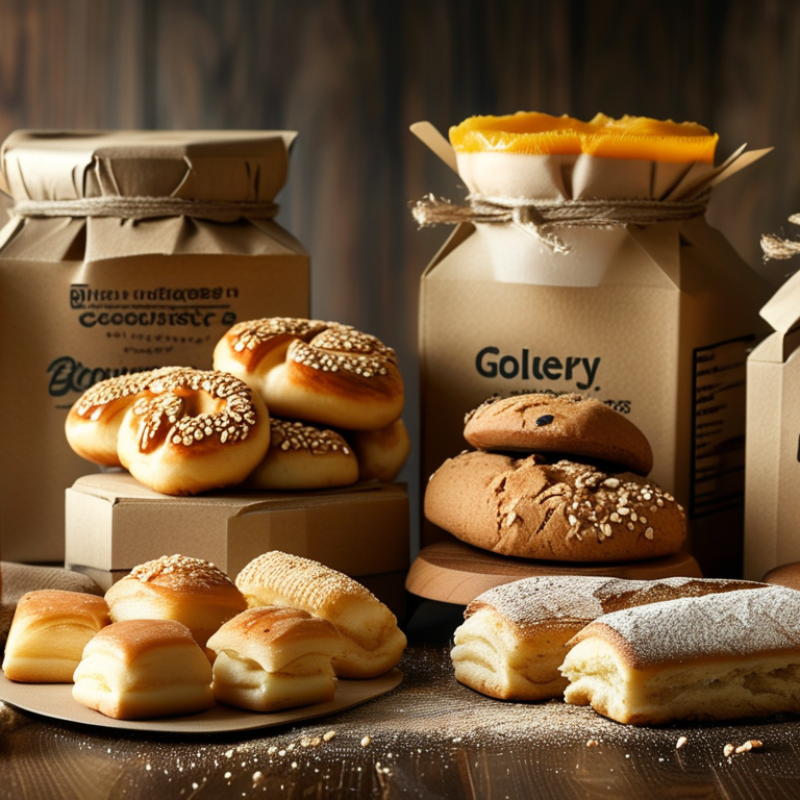
Bakery packaging plays a crucial role for global buyers. It not only preserves freshness but also enhances product appeal. Well-designed packaging communicates quality and brand identity. Buyers consider packaging as part of the overall product experience. It influences purchasing decisions and customer satisfaction.
Effective packaging should address practical needs. It must protect items during transport while being visually attractive. Materials should be chosen based on sustainability. Eco-friendly options resonate with environmentally conscious consumers. Innovative designs can differentiate products in a competitive market.
Tips for buyers include assessing durability. Look for packaging that withstands handling and shipping. Examine how well it maintains product integrity. Additionally, consider shelf presence. Packaging should stand out while fitting retail environments. Finally, focus on user experience. Packaging that is easy to open and resealable increases customer loyalty.
| Packaging Type | Material | Sustainability | Protection Level | Cost Range ($) |
|---|---|---|---|---|
| Kraft Paper Bags | Kraft Paper | High | Medium | 0.10 - 0.50 |
| Plastic Clamshells | Polypropylene | Medium | High | 0.30 - 1.00 |
| Cardboard Boxes | Cardboard | High | Medium | 0.20 - 0.80 |
| Baking Parchment Paper | Parchment | Medium | Low | 0.05 - 0.20 |
| Windowed Bakery Boxes | Cardboard with Plastic Window | Medium | High | 0.50 - 1.50 |
| Foil Bakery Bags | Aluminium Foil | High | High | 0.20 - 0.70 |
| Twist Ties | Metalized Paper | Low | None | 0.01 - 0.05 |
| Biodegradable Containers | Plant-based Materials | High | Medium | 0.30 - 1.20 |
| Shrink Wrap | Polyethylene | Medium | Low | 0.05 - 0.30 |
| Coffee Cup Sleeves | Recycled Paper | High | Low | 0.02 - 0.10 |
: Biodegradable films and compostable packaging are popular options for bakery packaging, minimizing environmental impact.
They are made from renewable resources, reducing waste and appealing to eco-conscious consumers.
Compostable packaging breaks down under composting conditions, contributing to a circular economy.
About 48% of consumers prefer packaging made from renewable resources, valuing environmental responsibility.
Items must be clean before recycling, which can be difficult for some customers.
The market is projected to grow at a CAGR of 5.7% through 2028 due to changing consumer preferences.
Smart packaging enhances freshness and provides traceability, but it comes with high costs and complexity.
Many manufacturers find it challenging to balance innovation with practicality and face high initial costs.
While preferred, organic materials often lack the durability needed for transport, which can limit their use.
Embracing new materials can aid sustainability efforts, but they must ensure functionality and environmental impact balance.
The article "Top 10 Bakery Packaging Solutions for Global Buyers" highlights the critical role of Bakery Packaging in ensuring product quality and customer satisfaction. It explores innovative materials that enhance the functionality and appeal of packaging, emphasizing the shift toward eco-friendly options that cater to environmentally conscious consumers.
Additionally, the article outlines key features to consider when selecting Bakery Packaging solutions, such as durability, aesthetics, and sustainability. It concludes with insights into emerging trends that are shaping the future of Bakery Packaging, suggesting that adaptability and innovation will be essential for brands looking to succeed in a competitive marketplace. Overall, the exploration of these elements provides valuable guidance for buyers seeking effective packaging solutions for their bakery products.

 TIANCHEN PRINTING