In the world of packaging, the Flat Bottom Bag stands out as a functional choice for businesses. As industry expert Emily Dawson points out, “The structural integrity of a Flat Bottom Bag enhances both presentation and functionality.” This type of bag offers significant advantages for diverse products, creating a strong appeal for global buyers.
Flat Bottom Bags provide stability and an attractive display for goods. They allow for easier filling, especially for granular or liquid items. Companies often find that these bags meet a variety of packaging needs while maintaining an air of professionalism in their branding. Buyers can explore an array of materials and designs, making it crucial to assess what works best for their products.
However, choosing the right Flat Bottom Bag isn’t always straightforward. Factors such as material durability, print quality, and eco-friendliness may weigh heavily in decision-making. It is essential for businesses to reflect on their requirements and target markets. Not every option will fit perfectly with all product types, necessitating careful consideration and possibly adaptation in the selection process.
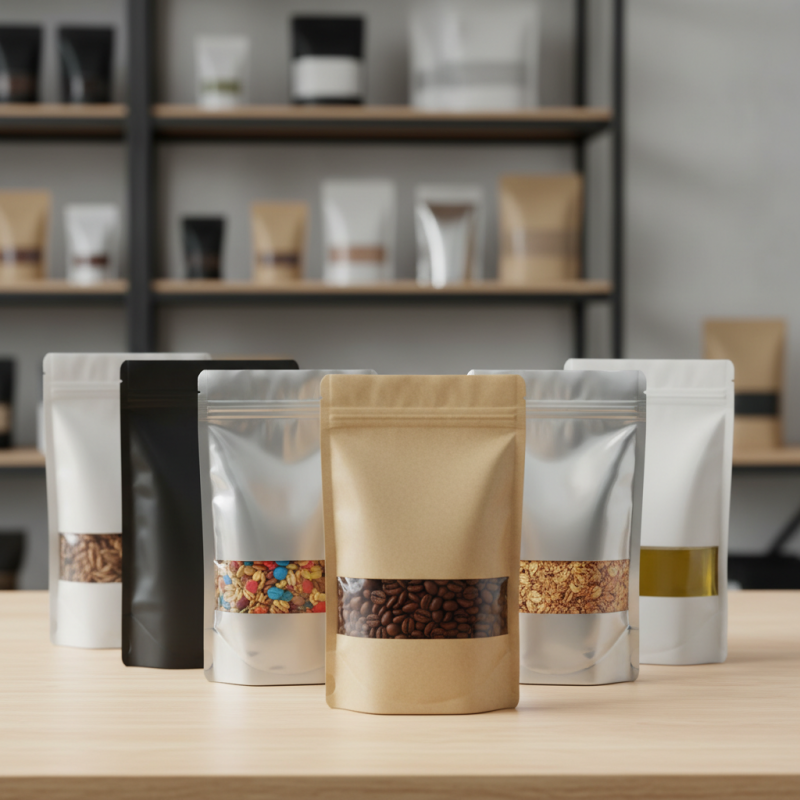
When selecting flat bottom bags, several factors should guide your decision. Material choice plays a crucial role. Options include plastic, paper, and biodegradable materials. Each material has its strengths and weaknesses. For example, plastic bags can be durable but less environmentally friendly. Biodegradable options promote sustainability but may have different usability features.
Bag size is another important aspect. Depending on the product, size can vary significantly. Understanding the dimensions needed helps avoid excess material use. Custom sizes can cater to specific needs but may involve higher costs. Consider also the bag's capacity. Will it hold your products securely?
Closure types are essential, too. A seal can protect contents and maintain freshness. Various options include zippers, heat seals, or adhesive strips. Each closure type provides different convenience levels for consumers. Prioritizing the bag's aesthetic appeal can enhance product presentation. Design elements should align with your branding while remaining functional. This balance can sometimes be challenging, requiring thoughtful design choices.
| Material | Bag Size (L x W x H) | Weight Capacity (kg) | Application | Customization Options | Eco-Friendliness |
|---|---|---|---|---|---|
| Polyethylene | 30 x 20 x 15 cm | 5 kg | Food Packaging | Printing Available | Recyclable |
| Kraft Paper | 25 x 15 x 10 cm | 3 kg | Retail Bags | Custom Sizes | Biodegradable |
| Plastic | 40 x 30 x 20 cm | 10 kg | Industrial Use | Logo Printing | Recyclable |
| Laminated Film | 35 x 25 x 15 cm | 8 kg | Cosmetic Packaging | Full Color Print | Partially Recyclable |
| Bioplastics | 20 x 10 x 5 cm | 2 kg | Gift Bags | Eco-Friendly Designs | Compostable |
: Common materials include plastic, paper, and cloth. Each has unique benefits and drawbacks for different uses.
Proper bag size ensures product security and avoids excessive material use. Custom sizes may cost more but can fit specific needs.
Closure types include zippers, heat seals, and adhesive strips. Each offers varying levels of convenience and content protection.
Sustainable practices reduce landfill waste and lower carbon footprints. Many manufacturers are increasingly focused on eco-friendly materials.
Efficient methods use less energy and water. Some manufacturers still use outdated practices that waste essential resources.
The availability and cost of eco-friendly materials can be limiting factors for producers aiming for sustainability.
Consumer demand drives manufacturers to adopt better practices. Increased awareness can lead to improved sustainability efforts.
The wide range of options can be overwhelming. Identifying specific needs helps narrow down choices and make better decisions.
Many consumers lack understanding of sustainable materials and their impacts. Education can bridge this gap and promote better choices.
Biodegradable bags are often thought to be instantly environmentally friendly, but their usability features can vary.
When considering flat bottom bags, global buyers must evaluate various factors to ensure they meet their specific needs. Key considerations include the types of materials used, which can range from plastic to biodegradable options, influencing both durability and environmental impact. A thorough cost analysis is essential to balance quality and expenditure, while understanding sustainability practices in bag production becomes increasingly important as consumers demand eco-friendly solutions.
Customization options also play a significant role in the selection process, allowing buyers to tailor flat bottom bags to their branding and functional requirements. By taking these aspects into account, buyers can make informed decisions that align with their operational goals and sustainability commitments in the competitive market for flat bottom bags.

 TIANCHEN PRINTING