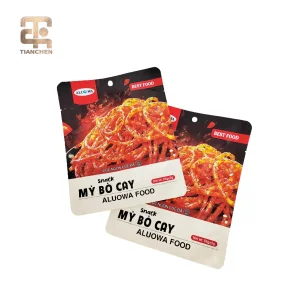
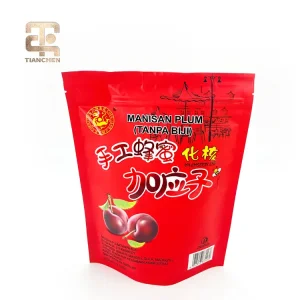
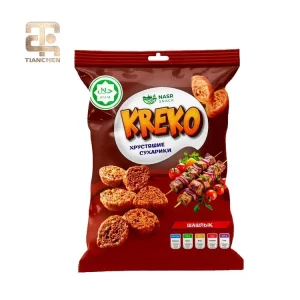
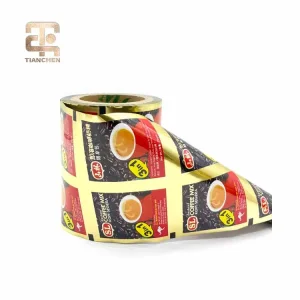
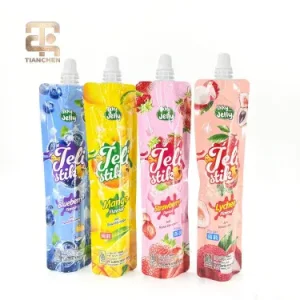
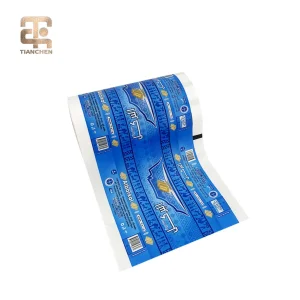
Explore our flagship high-performance industrial roll films, custom stand-up pouches, and barrier pouches engineered for food and beverage safety.
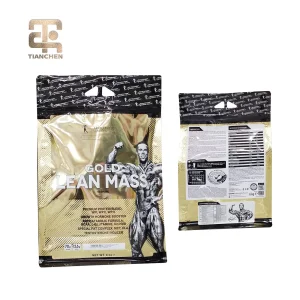
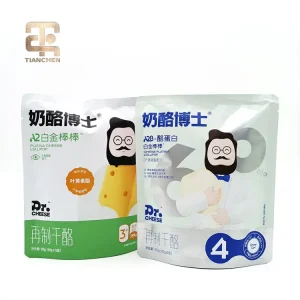
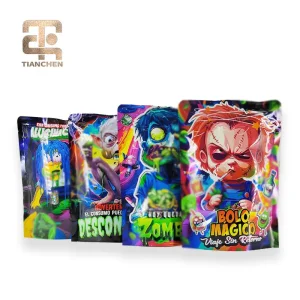
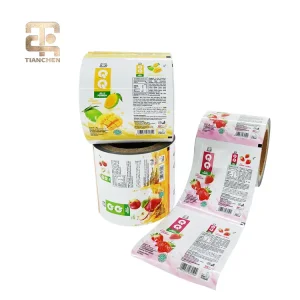
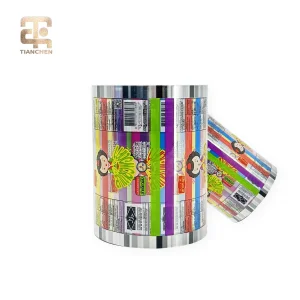
The global boba, bubble tea, and liquid beverage markets are undergoing a seismic paradigm shift. What once was a niche beverage in Southeast Asia and Taiwan has blossomed into a global multi-billion-dollar food-service phenomenon. As a result, packaging requirements have transcended simple container structures. Today, boba sealing film is not merely a lid alternative; it represents the critical barrier that guarantees product freshness, prevents micro-leakage during transit, and provides crucial visual real estate for brand engagement.
Traditional hard-plastic injection lids are rapidly giving way to high-performance, heat-sealable flexible films. This evolution is driven by several industrial vectors: the rise of third-party delivery services requiring absolute seal integrity, the push for reduction in plastic raw material weights (lightweighting), and the commercial demand for ultra-high-speed cup-sealing automation. Operating at speed levels exceeding 400-600 cups per hour, standard automatic cup sealers require films engineered with incredibly narrow thermal windows, robust tensile strengths, and specific coefficients of friction (COF).
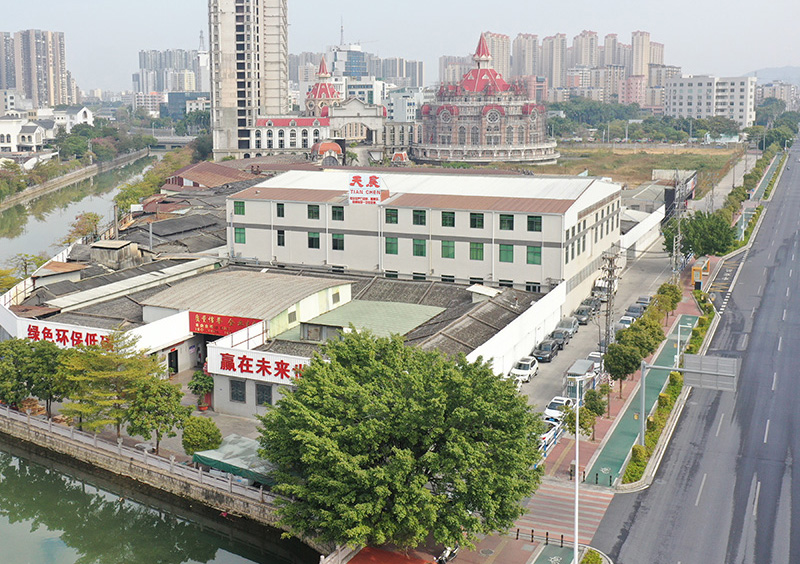
A standard bearer in professional rotogravure printing, lamination, and structural co-extrusion for over two decades.
Rooted in Guangdong, China's premiere technological manufacturing and international trade gateway, Guangdong Tianchen Printing Co., Ltd. has established itself as an authoritative leader in high-performance flexible packaging. Boasting more than 20 years of profound industrial experience, we operate at the intersection of material science and precision manufacturing. Our core capabilities encompass advanced rotogravure printing, multi-tier solvent-less and solvent-based dry lamination, and bespoke slitting and converting services.
Our operation serves a highly diversified and exacting global client portfolio, spanning food and beverage, pharmaceuticals, daily chemicals, agricultural components, and high-performance electronics. Whether manufacturing a specialized high-barrier sachet for liquid coffee formulas or a high-impact custom printed boba sealing film roll, we apply rigorous aerospace-level quality control. Over decades of export, our long-term commercial partnerships span North America, the European Union, Southeast Asia, and beyond, earning Tianchen widespread recognition as an elite-tier manufacturing partner.
Multi-layer structural design (PET/CPP, PET/AL/PE, Paper/PLA) ensuring flawless barrier performance against oxygen, moisture, and aroma migration.
State-of-the-art rotogravure presses capable of reproducing photorealistic CMYK designs + PMS spots with absolute color registration consistency.
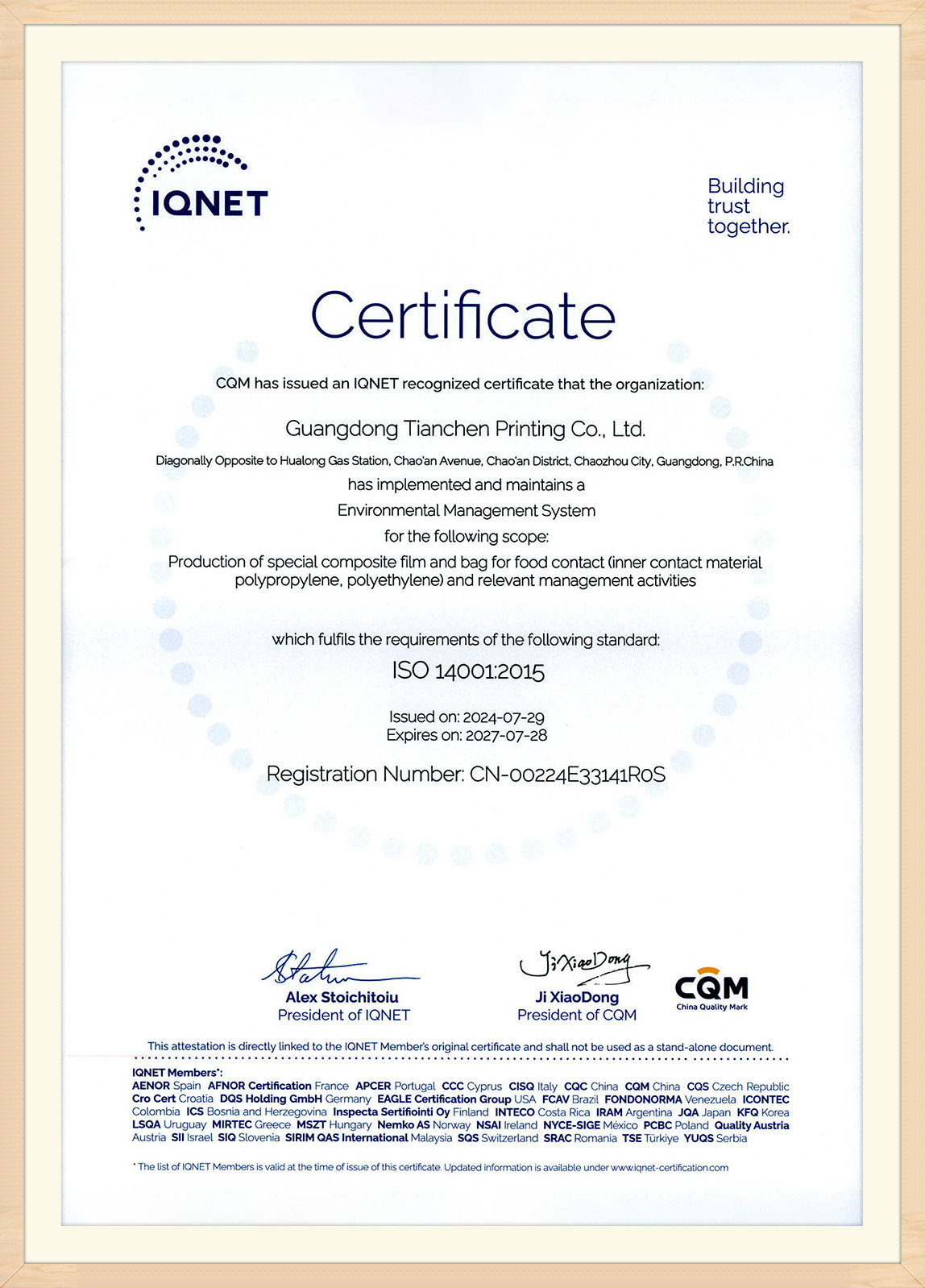
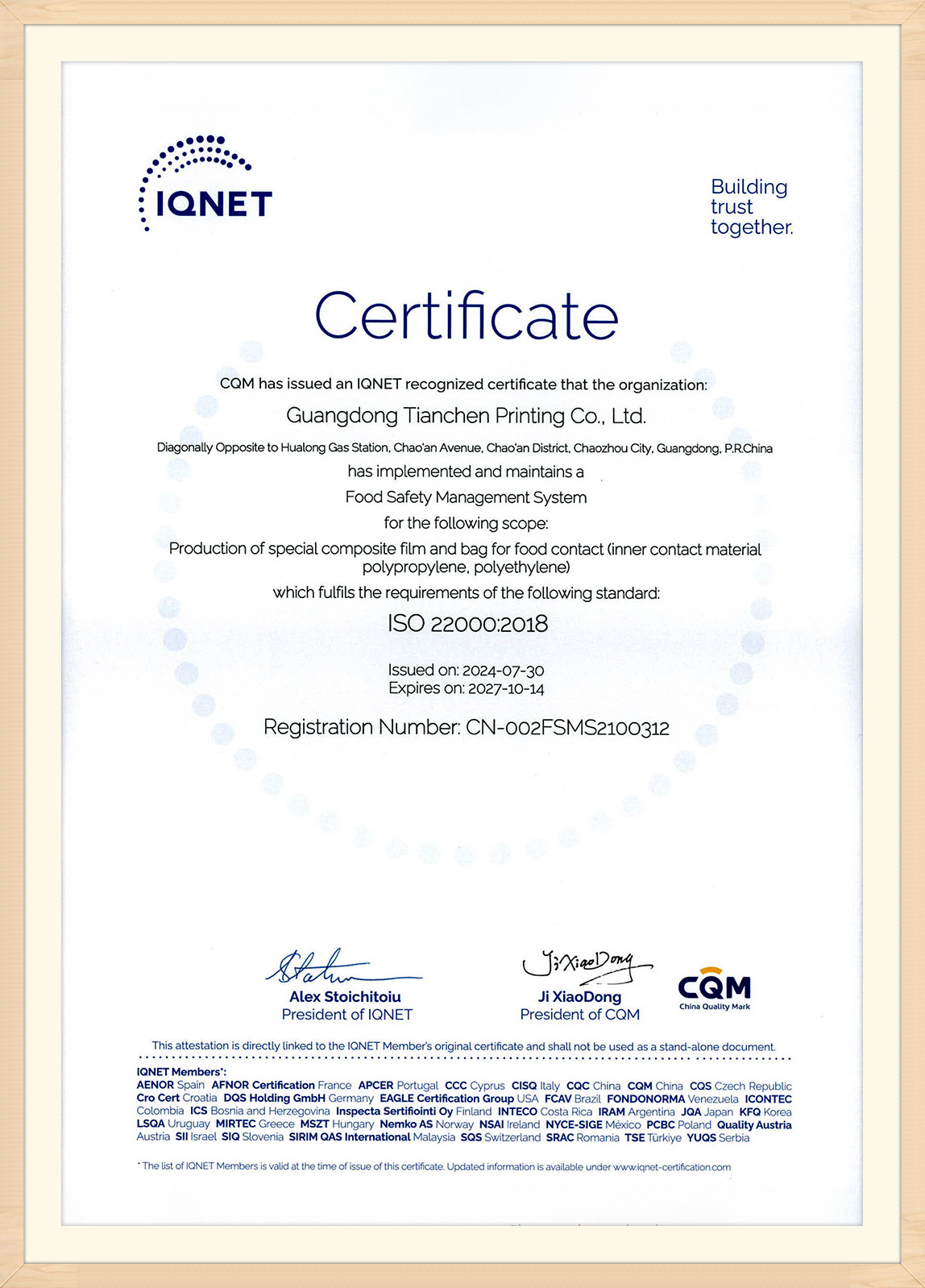
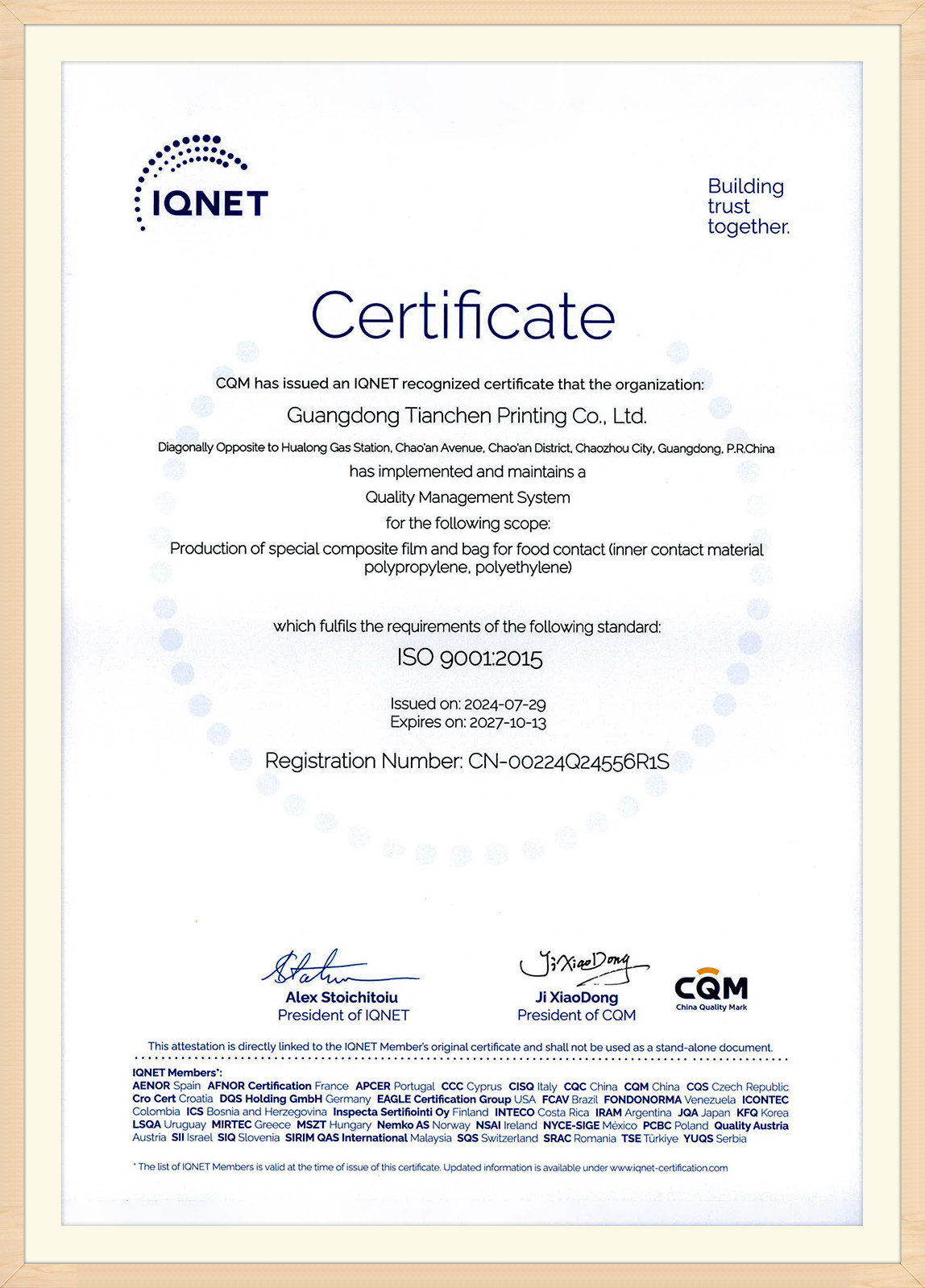
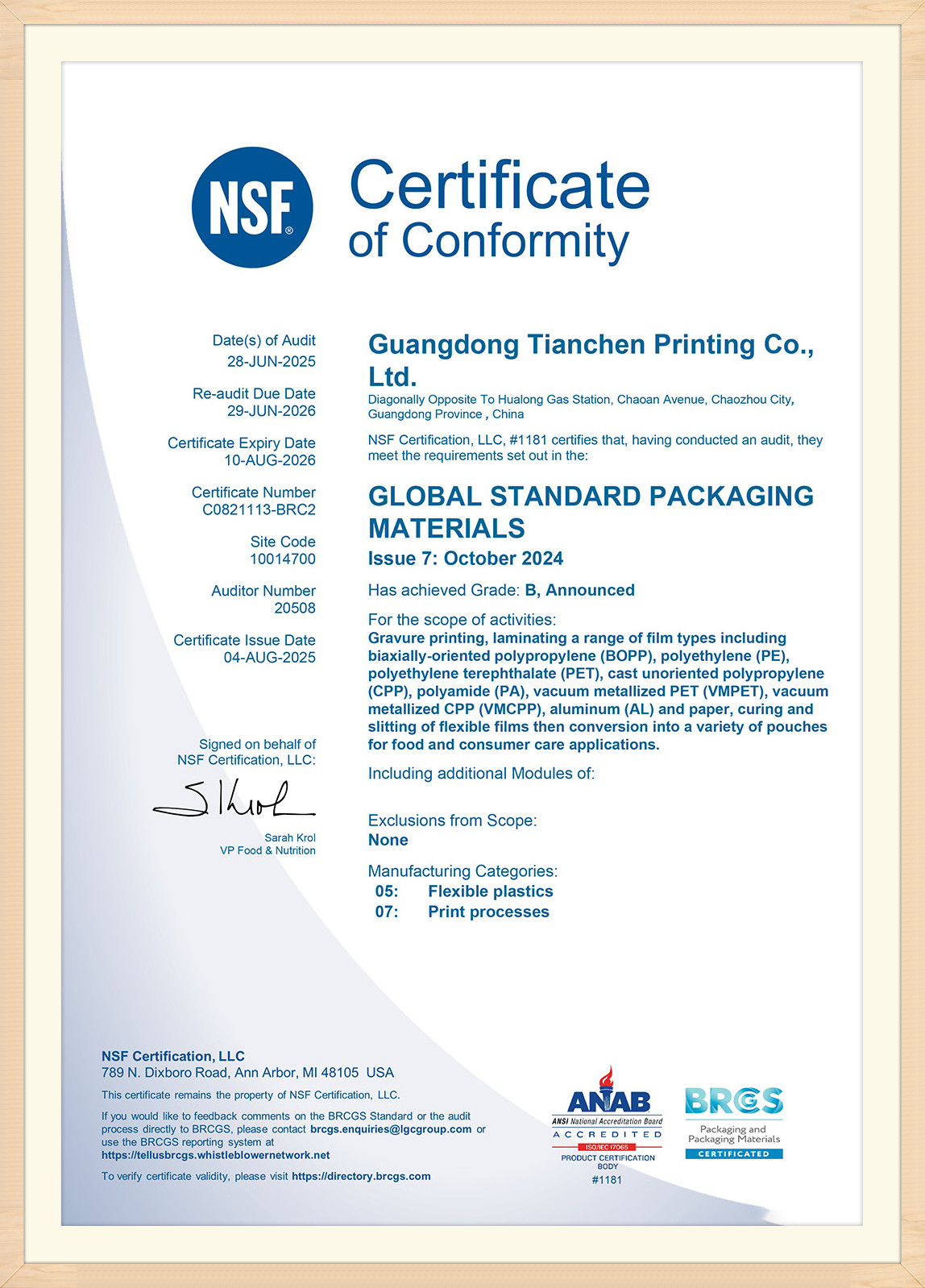
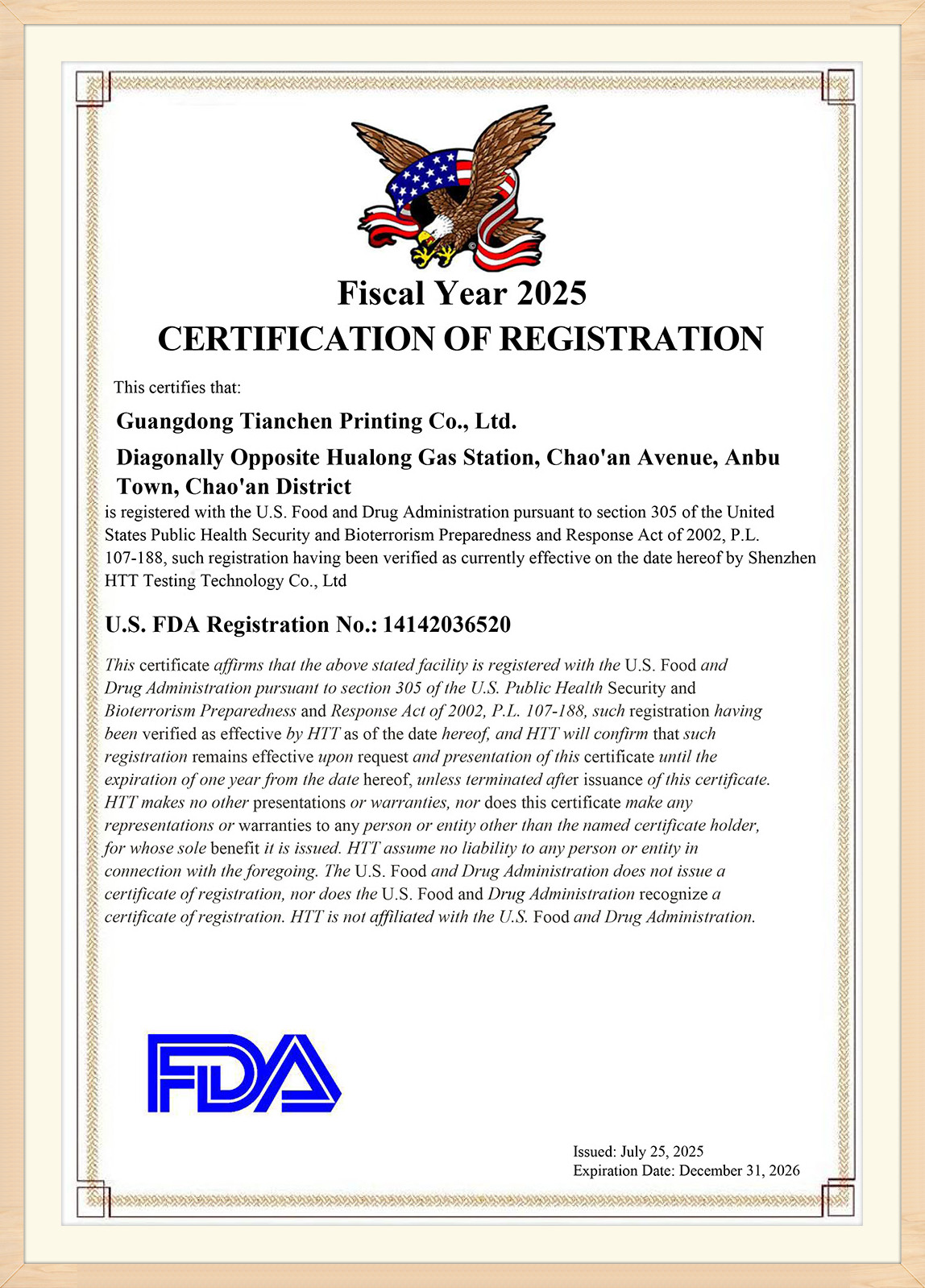
100% heavy metal-free inks, BPA-free polymer layers, fully compliant with FDA, EU standards, and ISO certification structures.
Innovation, Internationalization, Integration, and Intelligentization define our strategic blueprint.
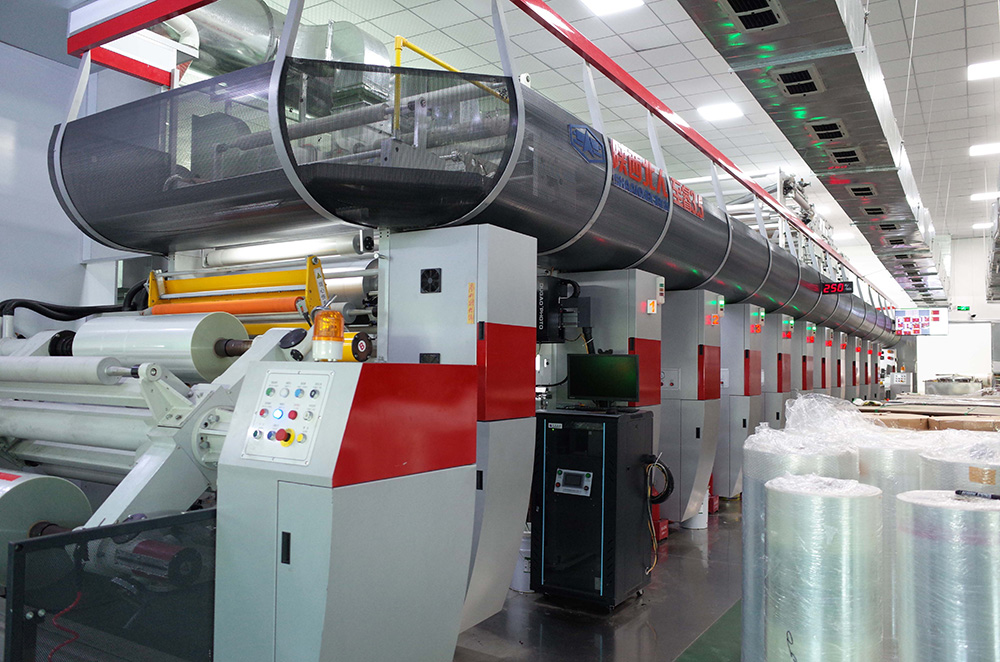
We consistently invest a significant portion of annual revenue into polymer material R&D, upgrading traditional flexible structures into smart, sustainable alternatives. Guided by "Internationalization", we strictly adhere to rigorous global certification frameworks, ensuring seamless market entry in any western or eastern economic zone.
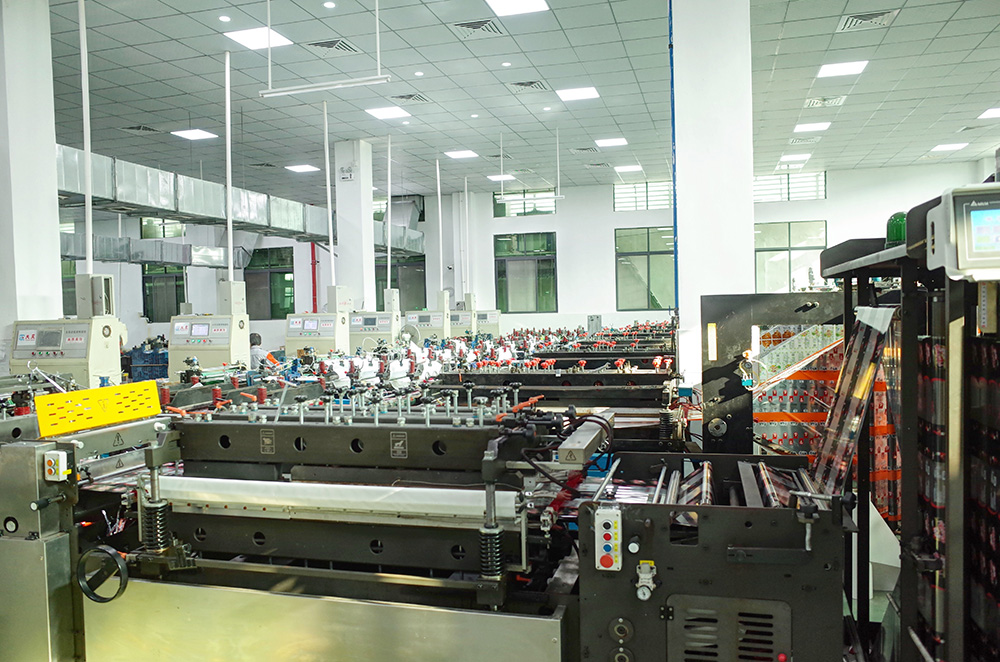
Our one-stop structural model integrates custom design rendering, plate cylinder engraving, material compounding, curing, slitting, and computerized testing. Under "Intelligentization", we deploy closed-loop automated optical inspection (AOI) systems for defect detection down to 0.1mm, ensuring ultimate batch-to-batch consistency.
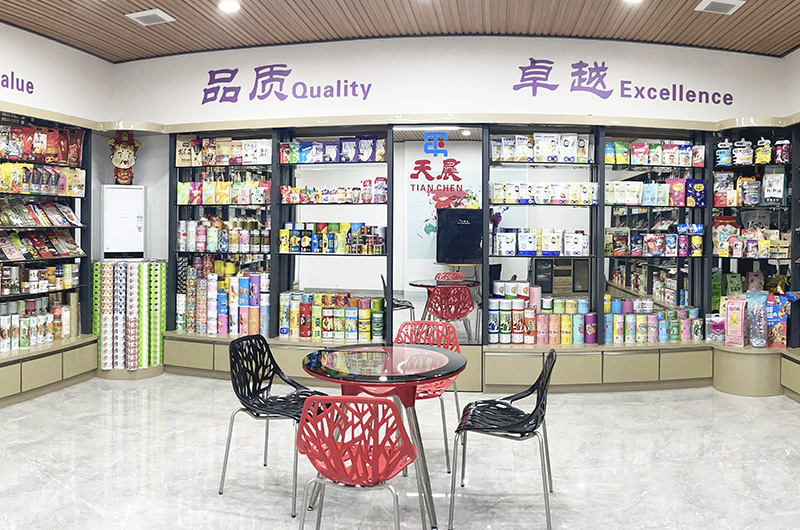
We actively utilize next-generation co-solvent-free laminations, reducing volatile organic compounds (VOCs) to near-zero levels. Our engineering focus includes post-consumer recycled resins (PCR), mono-material recyclable PP barrier structures, and certified compostable PLA sealing films for eco-conscious enterprises.
For international procurement managers, securing boba sealing film from elite Chinese manufacturers like Guangdong Tianchen is not merely a cost-saving play; it is a profound operational optimization strategy. The absolute efficiency of China's industrial packaging cluster is underpinned by unique systemic advantages:
Sealing film science requires balancing the surface energy of different polymeric substrates. A boba cup is typically fabricated from either PP (Polypropylene), PET (Polyethylene Terephthalate), or PLA (Polylactic Acid). A universal sealing film does not physically exist. A seal requires structural compatibility:
Our engineers formulate specialized heat-seal coatings. For a PP cup, the film's inner sealant layer must integrate a matching modified polypropylene layer that melts precisely within the 160°C to 180°C window. For PET cups, an amorphous-PET (APET) or specialized co-polyester heat-seal coating is required. Tianchen is an industry pioneer in developing "easy-peel" and "hermetic weld-seal" variations, customizing the mechanical release tension based on brand preferences.
Meeting regional food safety standards is our top priority. Here is how we customize products for international markets.
The requirements for custom cup sealing film rolls vary significantly by geography. In North America (specifically the United States and Canada), suppliers must ensure total compliance with FDA Title 21 CFR for indirect food additives. Heavy emphasis is placed on ink systems to guarantee that no heavy metals migrate during high-temperature heat-sealing. Furthermore, US operations heavily prioritize automated high-speed roll formats compatible with automatic machines like the sealing machines from Yishi, sealing cups seamlessly without manual alignment.
In the European Union, regulations are characterized by strict environmental and chemical compliance. Suppliers must fulfill EU Commission Regulation No 10/2011 on plastic materials intended to come into contact with food, alongside the Single-Use Plastics Directive (SUPD). This has driven massive inquiry spikes for our recyclable mono-material PP sealing films and biodegradable cellulose/PLA laminates. Our R&D department has engineered highly specialized biodegradable transparent barrier films that dissolve cleanly without toxic byproducts in industrial composting facilities.
In the high-humidity, high-temperature regions of Southeast Asia and Latin America, the primary technical challenge is preventing film blocking (where layers stick together on the roll) and moisture-induced print degradation. Tianchen utilizes advanced anti-blocking agents within the external PET/BOPP skin layers, maintaining a stable kinetic coefficient of friction (COF) between 0.20 and 0.30 even in tropical climates.
Choose TopfeelPack & Tianchen for certified packaging that delivers beyond expectation.
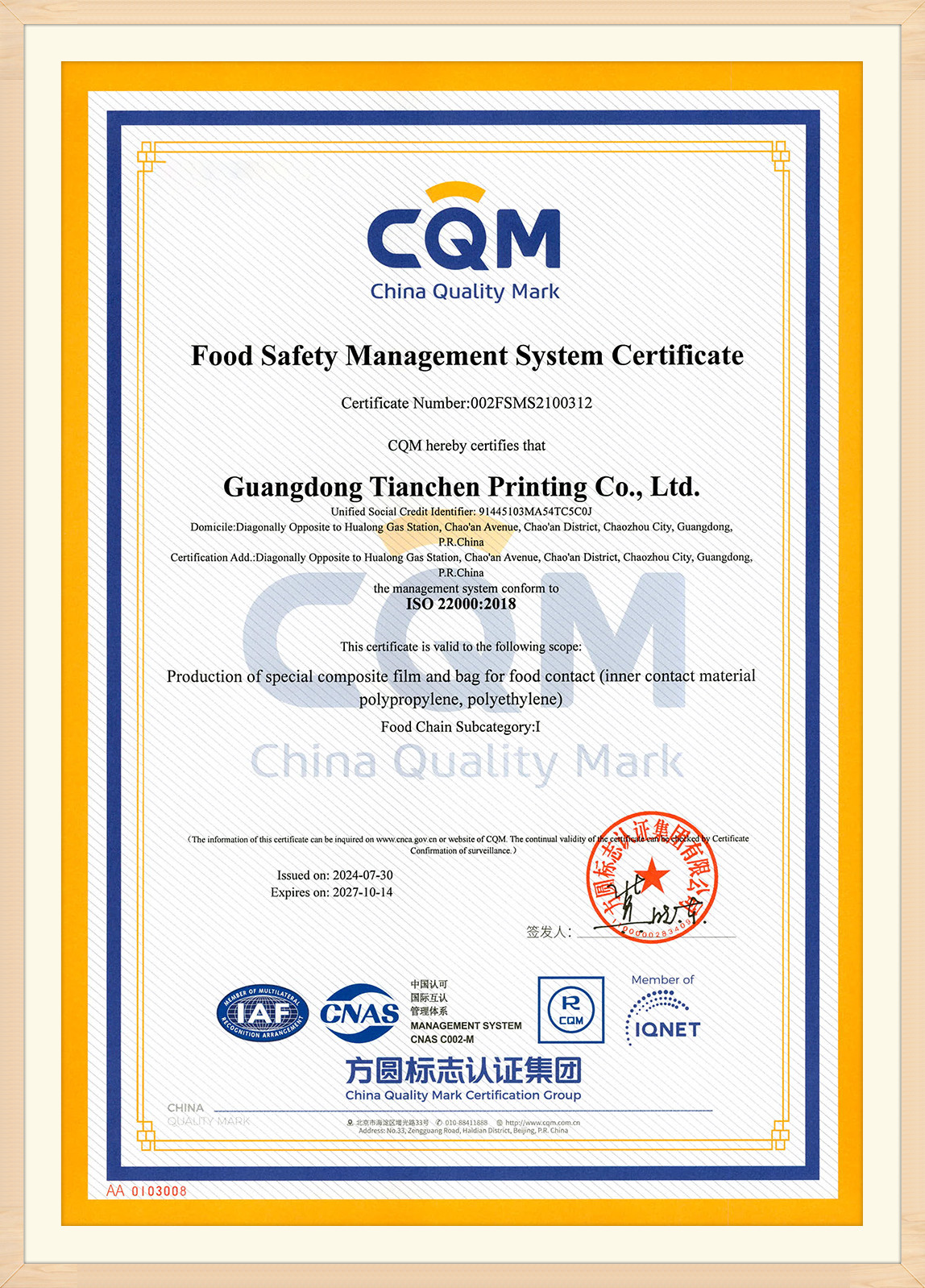
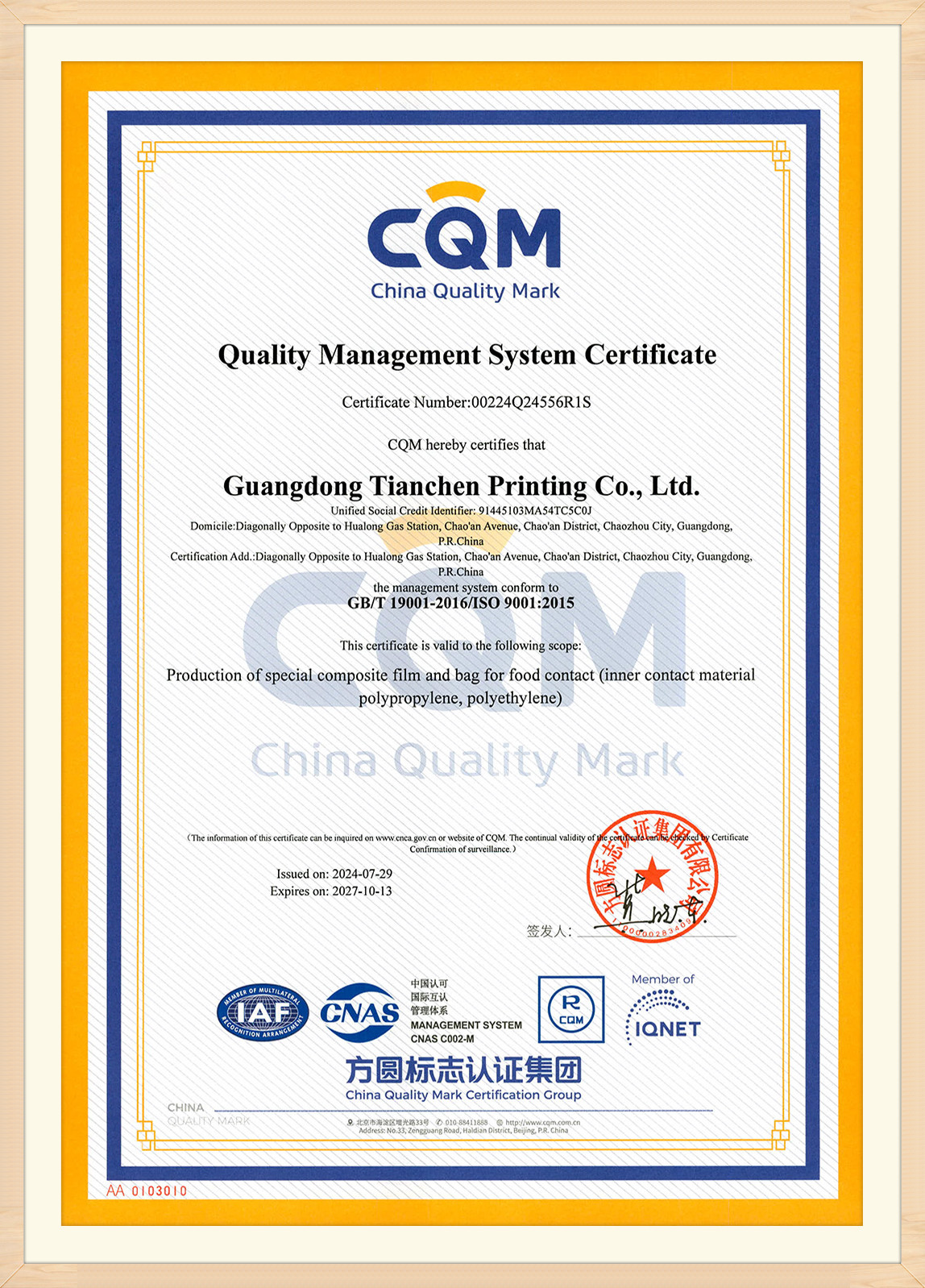
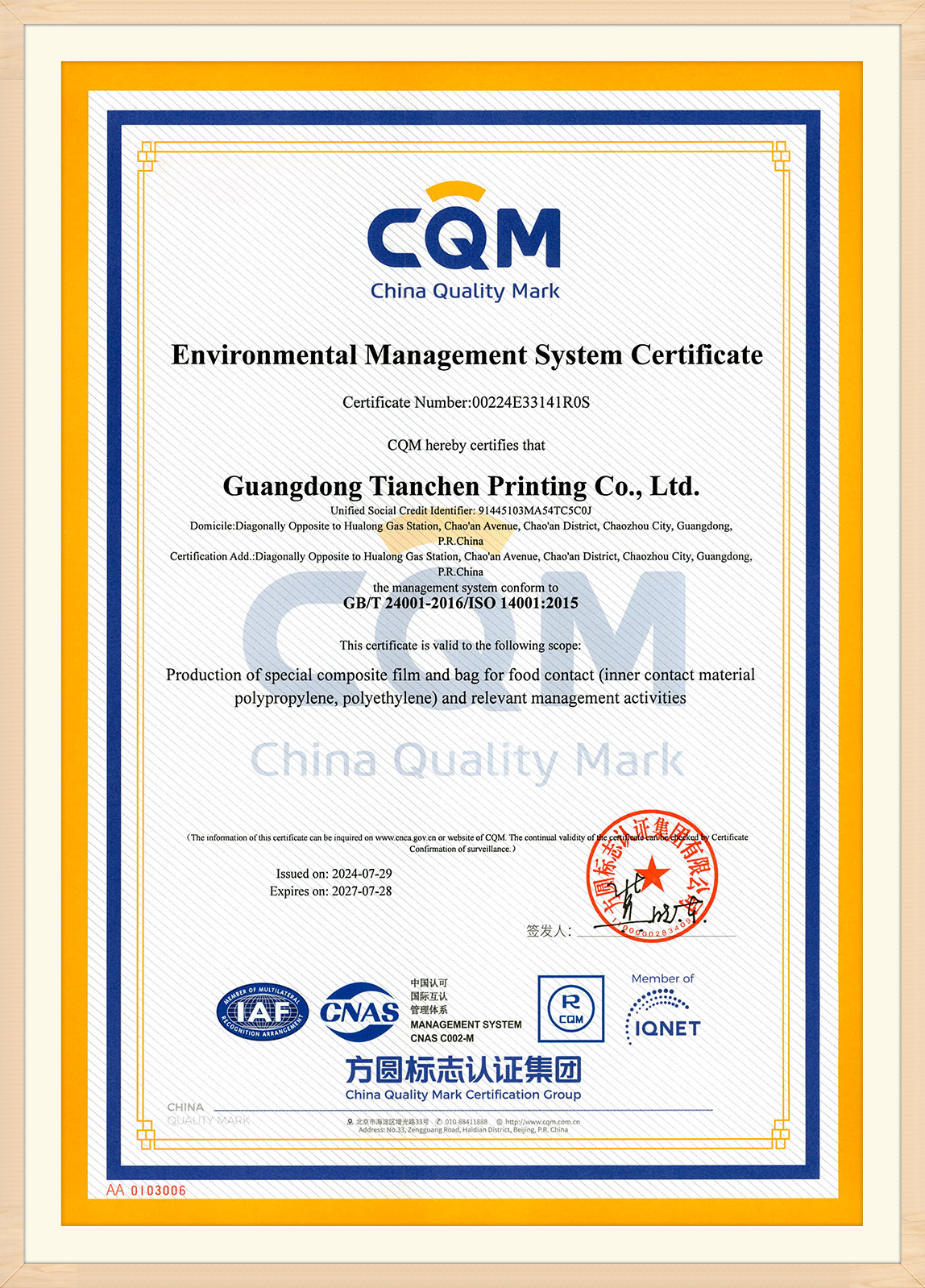
Addressing core technical questions regarding material specifications, design configurations, and machine compatibility.
The standard structure is typically a multi-layer laminate such as PET/CPP or BOPP/CPP, ranging between 45 to 60 microns. The external layer (PET/BOPP) provides high tensile strength, dimensional stability during heat exposure, and serves as an excellent print canvas. The internal layer (modified CPP or PE) acts as the food-contact sealant layer, melting precisely under thermal application to form a hermetic bond with the cup brim.
No, PP and PET plastics have fundamentally different chemical structures and melting temperatures. A standard sealing film designed for PP cups will not adhere securely to PET cups, resulting in leaks. You must specify your cup material (PP, PET, paper with PE coating, or PLA) during procurement so our engineers can apply the correct matching heat-seal lacquer or co-extruded inner polymer film layer.
We utilize advanced computerized rotogravure printing presses equipped with integrated auto-registration systems. This allows real-time optical tracking of standard calibration marks, holding color variations to a Delta E level of less than 1.5. Additionally, we archive all physical customer color swatches alongside digital spectrophotometer data to ensure that subsequent production runs match the approved target perfectly.
For custom printed sealing rolls utilizing rotogravure printing, the standard MOQ is typically 50-100 rolls (approx. 200,000 individual seals) per design, which optimizes plate cylinder setup costs. Lead times range between 15 to 20 business days from final digital proof approval and plate cylinder fabrication. For unprinted or stock-design rolls, lead times are significantly shorter, with immediate dispatch capabilities from our warehouse inventories.
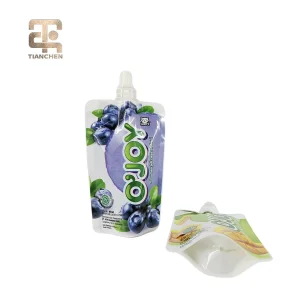
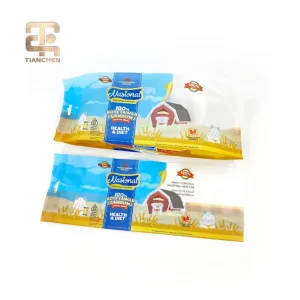
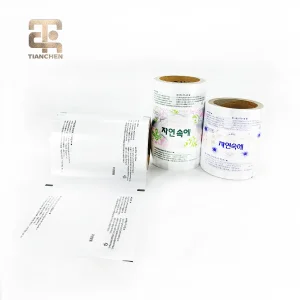
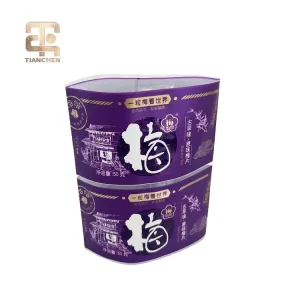
Explore our specialized range of high-barrier films, customized roll stock, and unique stand-up spout pouches for global distribution.
 TIANCHEN PRINTING