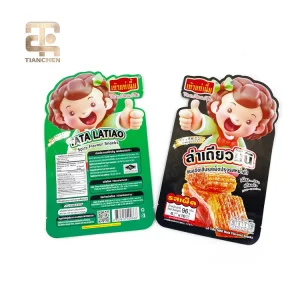
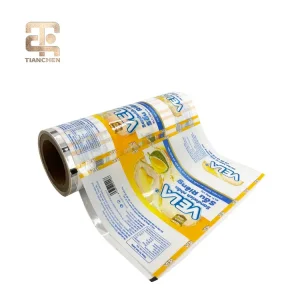
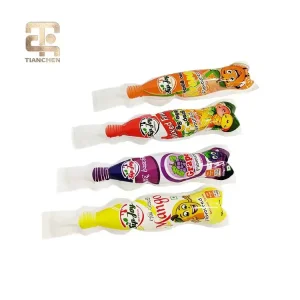
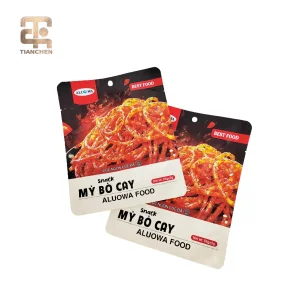
Engineered laminate structures designed for superior shelf-life retention, moisture mitigation, and oxygen protection.
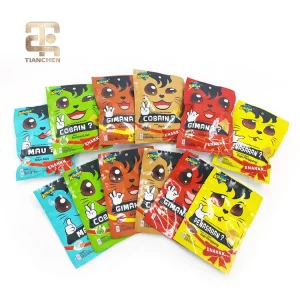
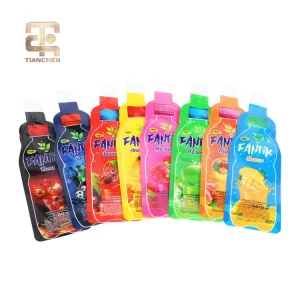
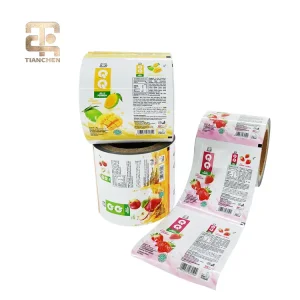
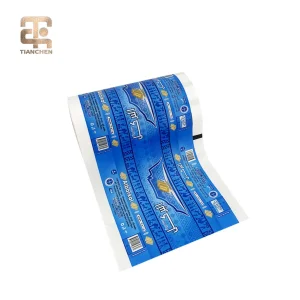
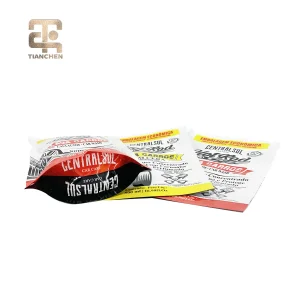
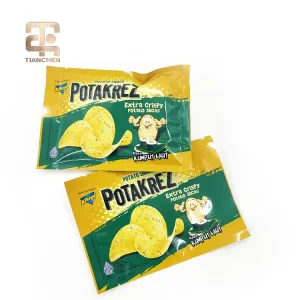
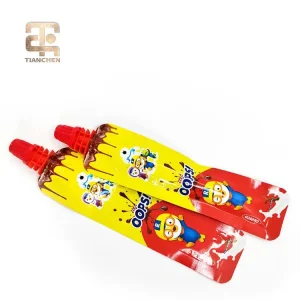
Mylar, a trade name for biaxially-oriented polyethylene terephthalate (BoPET) film, has revolutionized modern packaging engineering. Renowned for its exceptional tensile strength, chemical stability, gas barrier protection, and electrical insulation properties, Mylar bags have transitioned from niche storage applications to standard solutions across dozens of industries globally. In food safety, medical device retention, and delicate component logistics, Mylar stands as the definitive barrier material.
Today's industrial supply chain demands packaging that resists extreme degradation from oxygen, vapor ingress, and UV radiation. As global trade vectors expand, goods undergo complex shipping processes where they face fluctuating temperatures and humidity levels. Mylar bags address these challenges. By incorporating micro-layers of aluminum foil or metallized substrates (such as VMPET), manufacturers create high-performance barriers with a Water Vapor Transmission Rate (WVTR) and Oxygen Transmission Rate (OTR) close to zero. This technical capability keeps products dry, aromatic, and free from oxidation for extended periods.
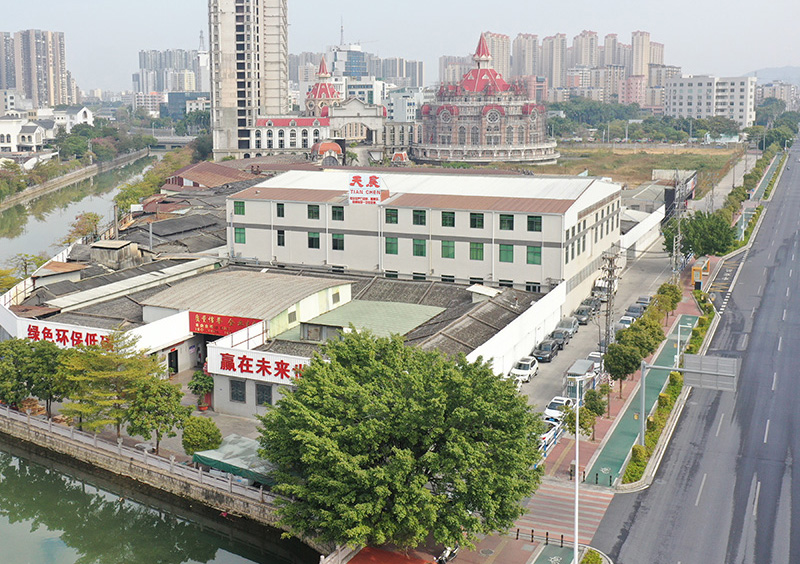
We are a professional printing team boasting more than 20 years of profound experience in the flexible packaging industry. Rooted in Guangdong, a hub of manufacturing and international trade in China, Tianchen Printing has grown into a reliable partner for global clients by focusing on rotogravure printing, laminating, and converting services for flexible packaging solutions.
Our business covers a diverse range of industries worldwide, including food and beverage, pharmaceuticals, daily chemicals, electronics, and agriculture. We tailor packaging solutions to meet the unique needs of each sector, from moisture-proof packaging for snacks to high-barrier films for pharmaceuticals, ensuring product safety, shelf appeal, and transportation stability. Over the years, we have established long-term cooperative relationships with clients from Europe, North America, Southeast Asia, and other regions, winning wide recognition for our consistent quality and professional service.
Guiding our strategic vision to deliver high-performance, sustainable, and technologically advanced packaging materials.
We persist in investing in R&D, upgrading printing technologies and processes, and developing eco-friendly, high-performance packaging materials to keep pace with industry trends and client demands.
We adhere to global standards in production and management, obtain international certifications, and expand our global service network to integrate into the international mainstream market.
Our one-stop service model integrates design, printing, laminating, converting, and quality inspection. By optimizing the industrial chain layout, we reduce client costs and ensure efficient delivery.
We utilize advanced intelligent production equipment and digital management systems, automating color matching and quality control to improve production efficiency and product consistency.
Mylar bag engineering relies on exact structural configurations. A single layer of plastic is rarely sufficient to preserve sensitive materials. For high-barrier integrity, a laminated film structure is engineered, utilizing distinct polymer layers to serve specific preservation roles. Standard compositions include:
| Laminate Layer Type | Common Materials Used | Functional Role & Structural Purpose | Performance Contribution |
|---|---|---|---|
| Outer Layer | PET, BOPP, Matte-BOPP | Provides a stable surface for high-resolution rotogravure printing, defends against mechanical abrasion, and offers thermal resistance during sealing. | High tear strength, chemical resistance, and visual brilliance. |
| Middle (Barrier) Layer | Aluminum Foil (AL), VMPET, Nylon (PA) | Acts as a barrier against oxygen ingress, light penetration, and moisture transmission. Nylon adds puncture resistance. | WVTR < 0.01g/m²; complete light block block (AL); oxygen exclusion. |
| Inner (Sealant) Layer | LDPE, LLDPE, CPP | Provides an airtight heat-seal during assembly. Must be chemically inert and food-grade compliant. | Low-temperature sealability, burst resistance, and direct food-contact safety. |
As sustainability regulations shape the global retail space, China Mylar bag manufacturers are introducing new material technologies. These include mono-material recyclable films and compostable laminates that match the barrier properties of traditional metalized films. In response, Guangdong Tianchen Printing has developed recyclable polyethylene-only (PE/PE) and polypropylene-only (PP/PP) laminated structures. These materials allow businesses to meet European and North American environmental requirements without compromising shelf stability.
How we are evolving our production capabilities to meet the next decade's industrial requirements.
Integrating high-speed digital web inspection cameras and closed-loop viscosity controls. This reduces color variance to ΔE < 1.0, ensuring consistent branding across long manufacturing runs.
Expanding solvent-free lamination systems to minimize Volatile Organic Compound (VOC) emissions. This satisfies international environmental protocols and guarantees zero solvent-odor migration in food packaging.
Developing next-generation mono-PE barrier coatings that match the preservation performance of traditional multi-layer structures, aligning with circular economy initiatives.
High-barrier packaging needs vary across different target markets. Standard pouches cannot meet every industry requirement. Tianchen Printing designs customized barrier solutions to address specific operational demands:
Oxygen-sensitive foods like nuts, coffee, pet treats, and dried milk require nitrogen flushing (MAP). Our Mylar structures maintain low residual oxygen levels, preventing spoilage and rancidity.
Pesticides, fertilizers, and active chemical formulas can degrade standard plastics. We formulate chemical-resistant inner resins to prevent product leaks and protect structural integrity.
Medical-grade Mylar pouches require high puncture resistance and clean peel characteristics. We manufacture sterile barrier pouches that withstand radiation or gas sterilization processes.
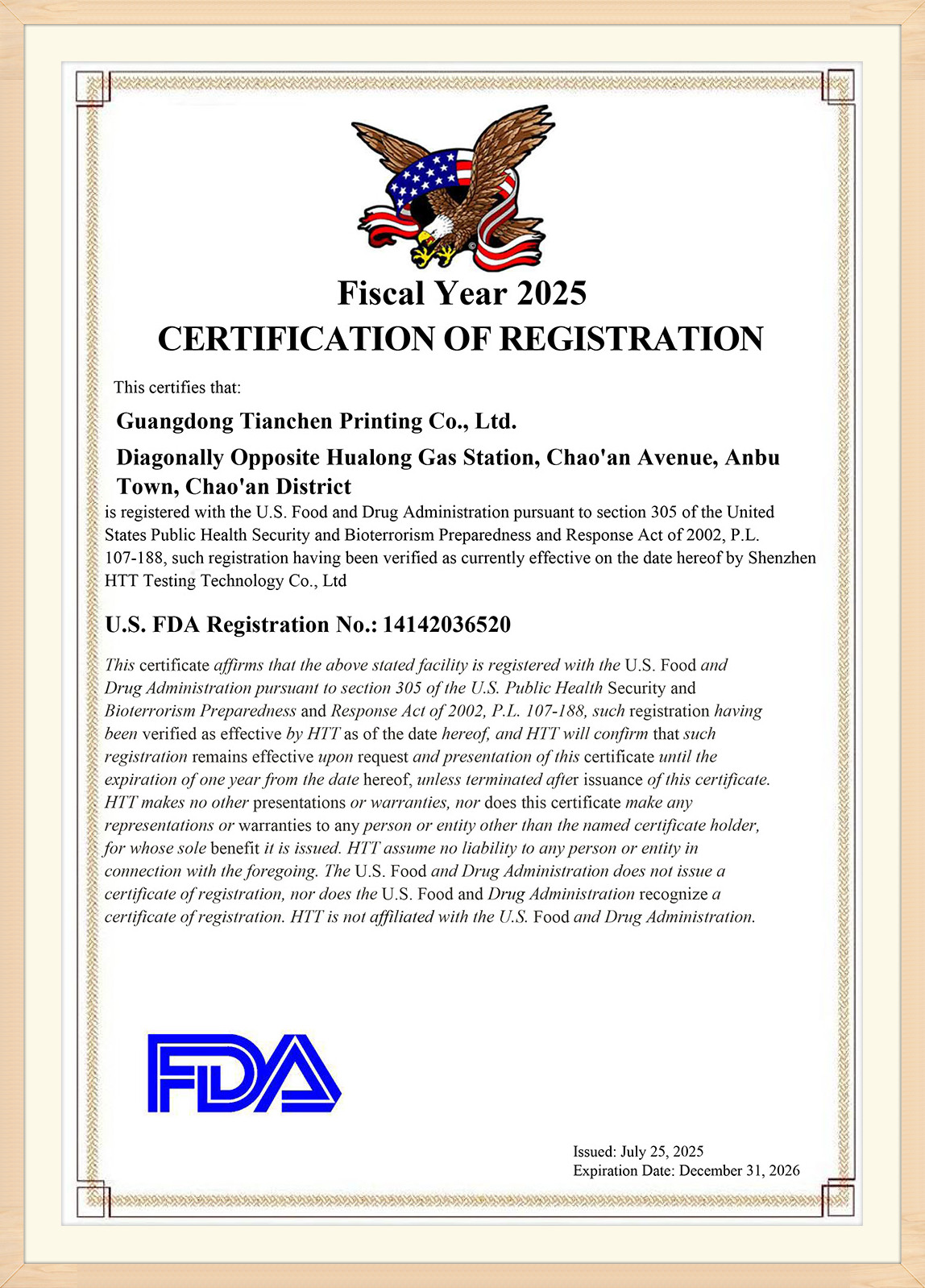
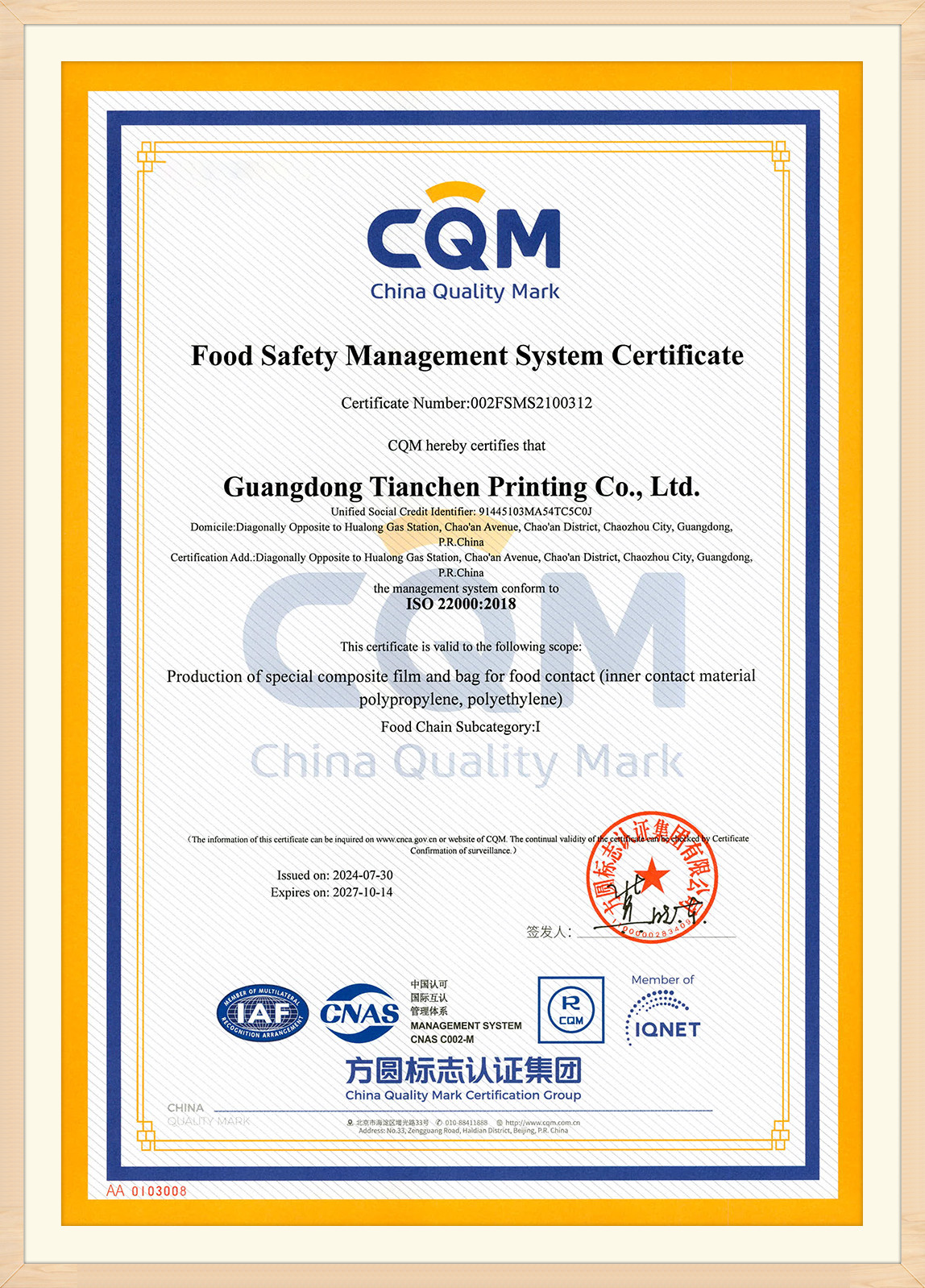
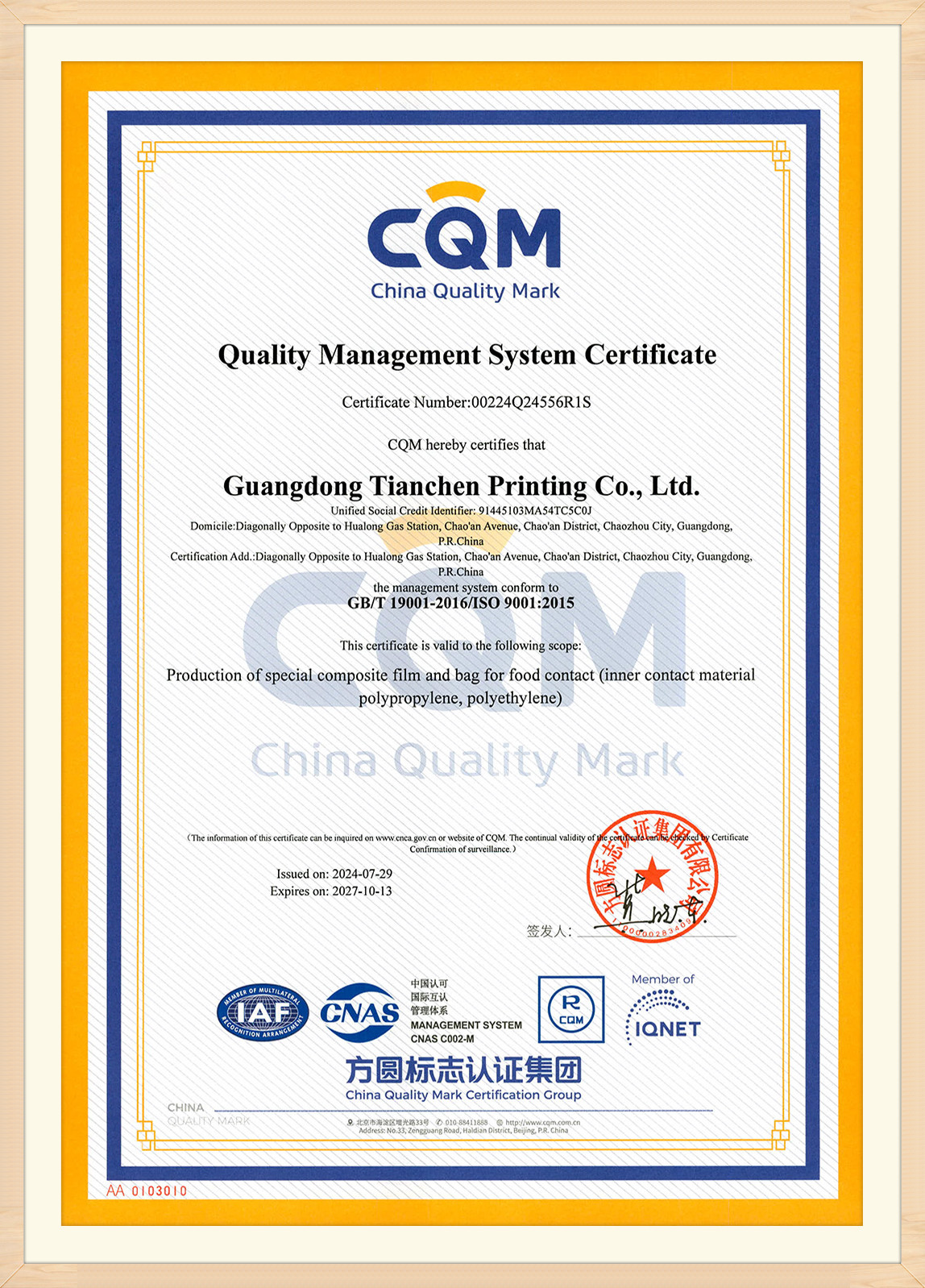
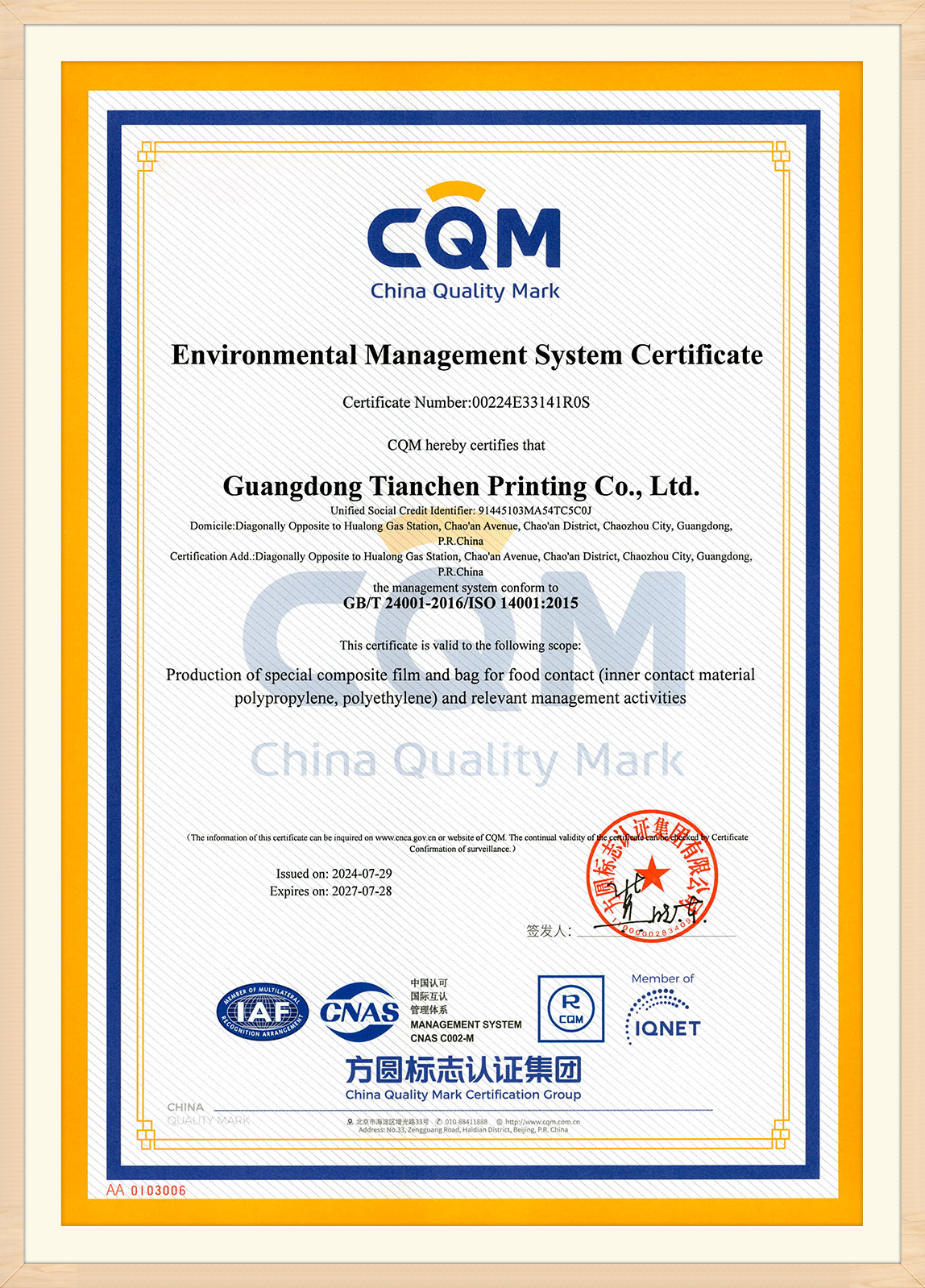
We maintain a rigorous quality inspection protocol to ensure every manufacturing run complies with global standards.
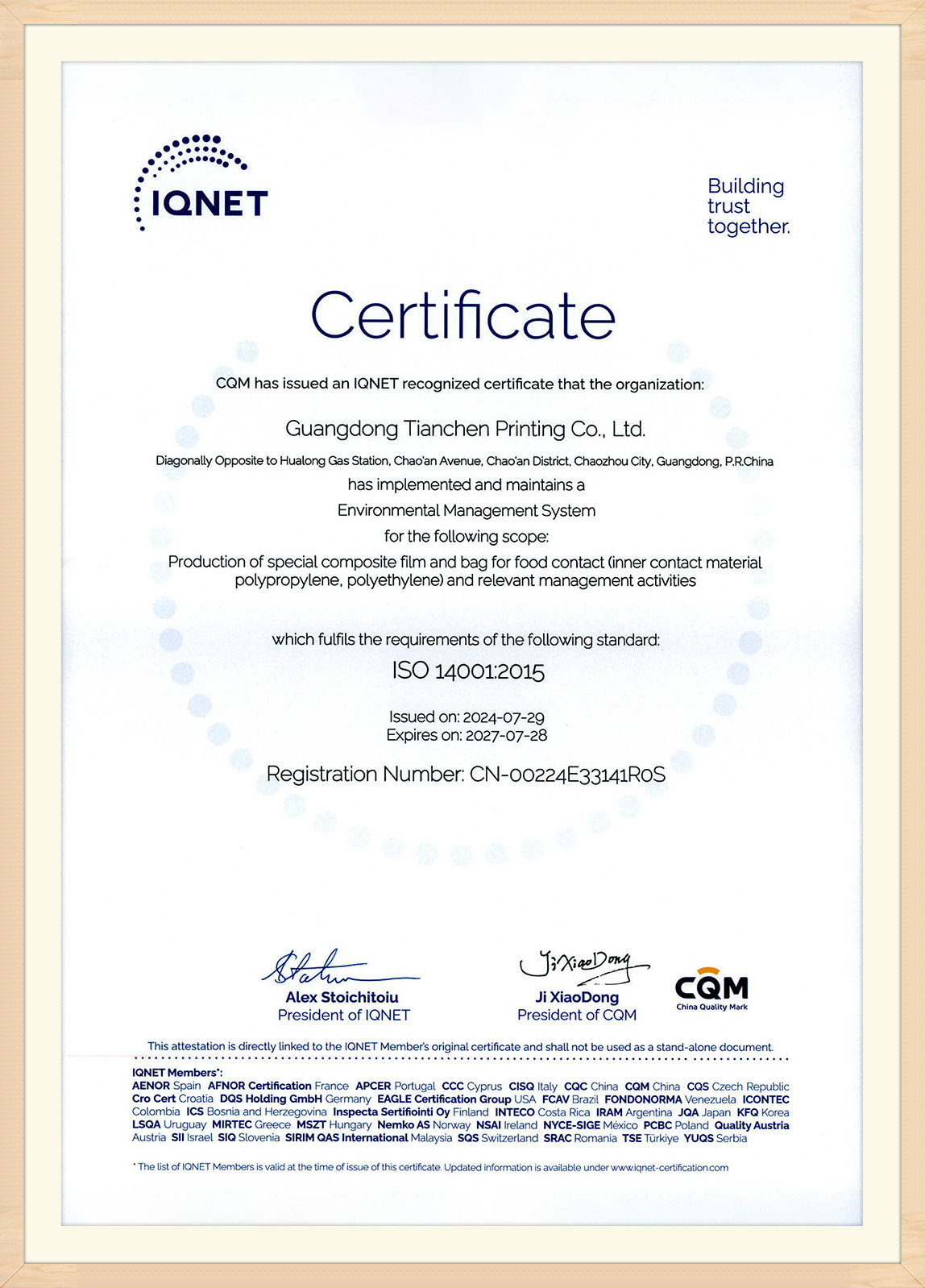
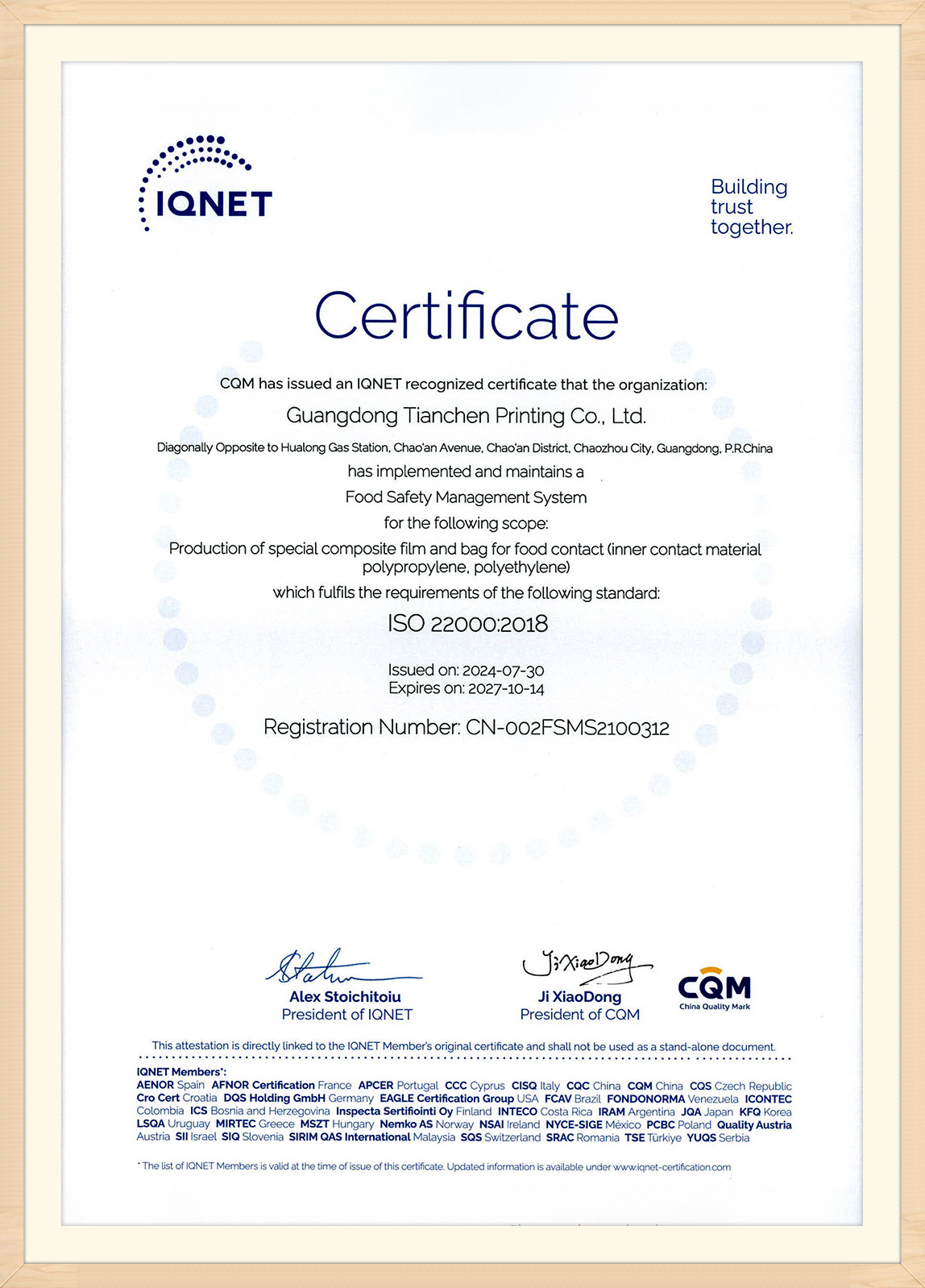
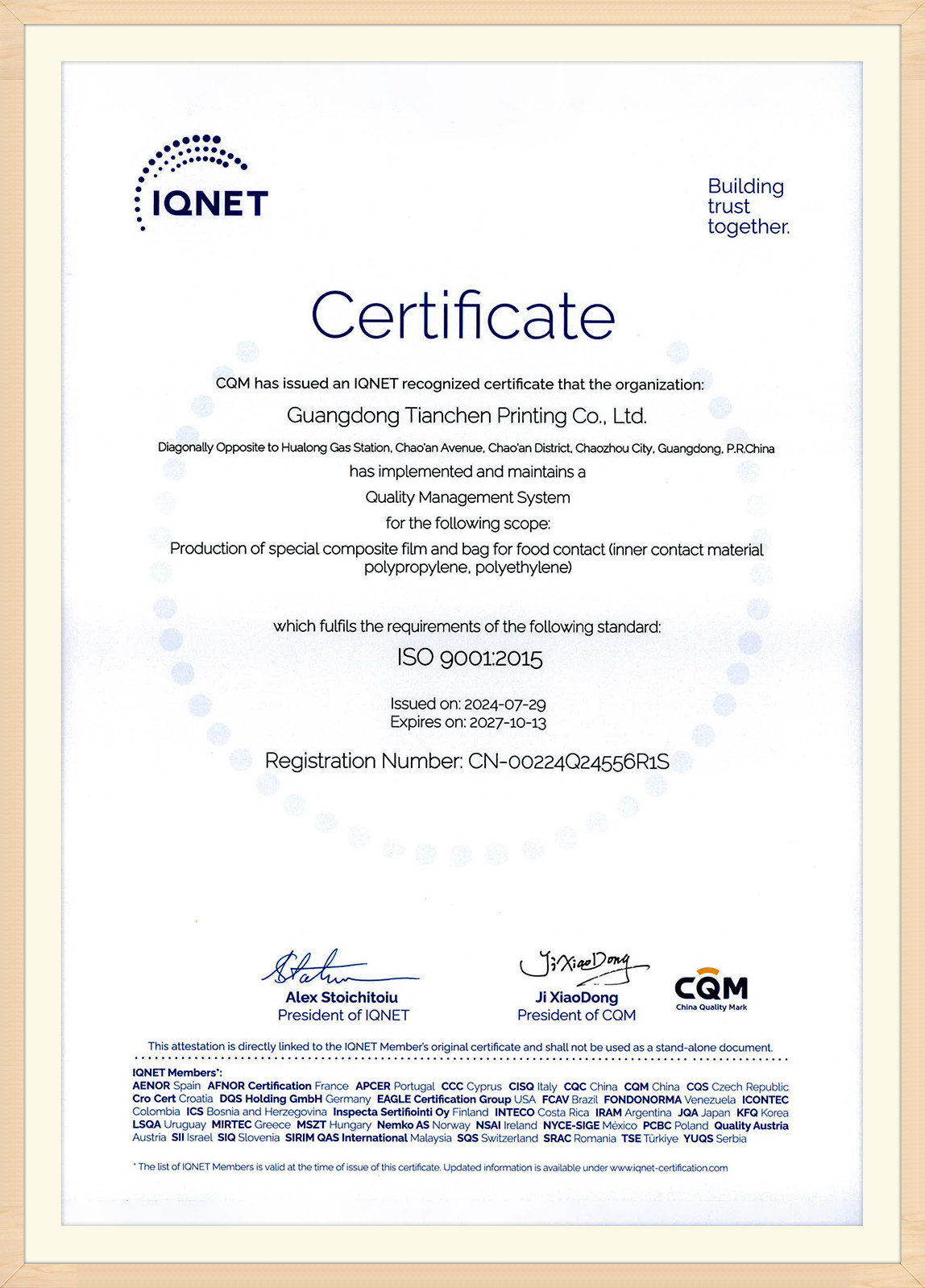
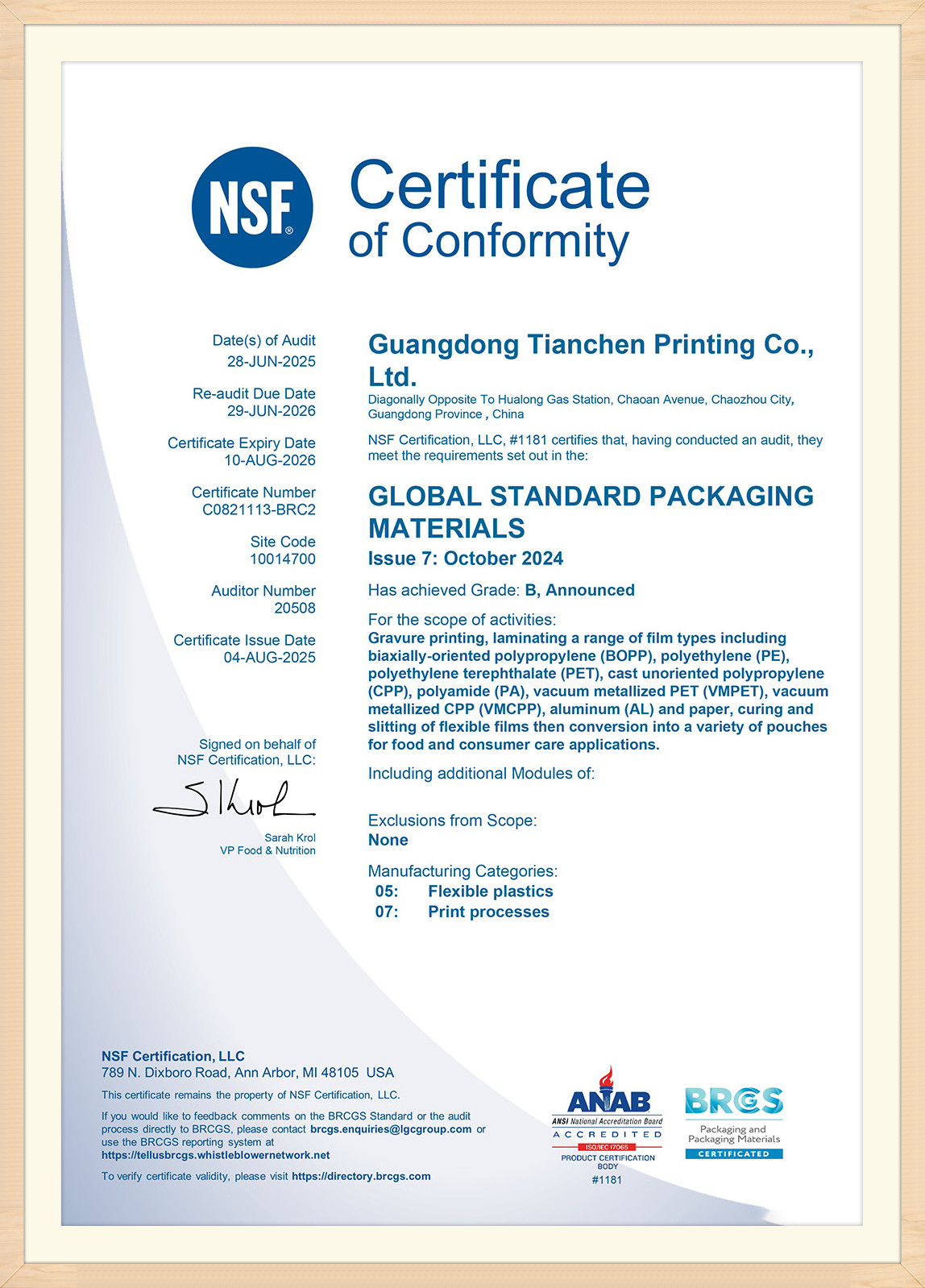
Answers to technical and commercial questions about custom Mylar bag manufacturing in China.
MOQ for custom packaging is determined by the minimum width of the material film run and the efficiency of the rotogravure machine setup. For standard stand-up pouches and roll stock films, MOQs usually range between 10,000 to 20,000 bags. If size decreases, the bag count per run increases, adjusting the final order quantity.
Rotogravure printing uses engraved metal cylinders to transfer ink directly to the film. It offers high speeds, low unit costs for large runs, and excellent color density. Digital printing is suitable for short runs since it does not require cylinder plates, but has higher per-unit costs and limited specialty ink options.
Standard foil-lined Mylar bags containing PET, Aluminum, and PE cannot be recycled through municipal curbside systems because separating the metal and plastic layers is difficult. However, we offer recyclable mono-material options (such as EVOH-PE structures) that can be recycled where soft plastics are accepted.
We use standard ASTM testing methods, including seal strength tests, burst tests, and gas chromatograph verification for residual solvent and barrier levels. This guarantees that your packaging maintains its protective properties during storage and transport.
Explore our technical packaging designs for liquid barrier, industrial protective film, and custom-shaped bag applications.
 TIANCHEN PRINTING