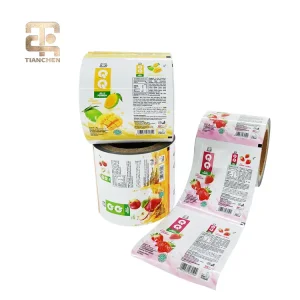
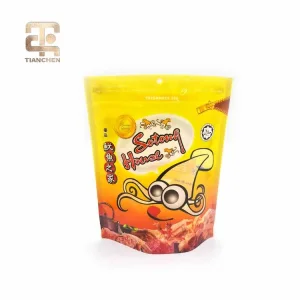
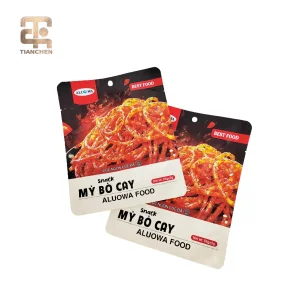
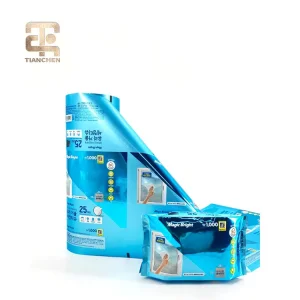
Explore our custom OEM/ODM bio-compostable film rolls, laminate pouches, and specialized labels custom-engineered for maximum shelf life.
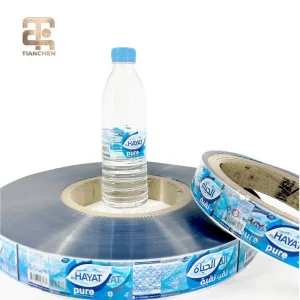
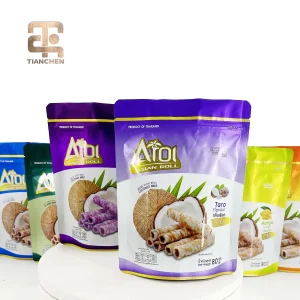
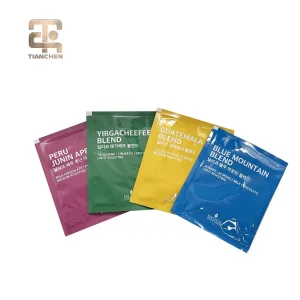
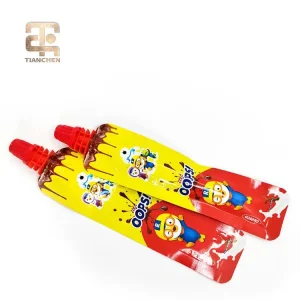
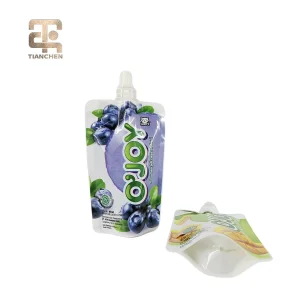
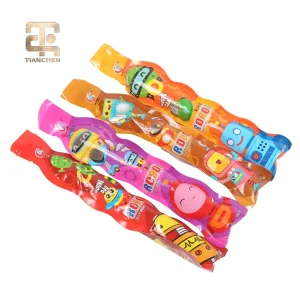
In an era defined by global regulatory constraints, circular economy metrics, and consumer aversion to single-use fossil fuel plastics, Polylactic Acid (PLA) films have emerged as a premier bio-compostable solution. Derived from 100% renewable resources like corn starch, cassava roots, or sugarcane, PLA offers a carbon footprint reduction of up to 68% compared to traditional petroleum-based polymers such as PET or PP.
As global sourcing managers navigate the complex landscape of bio-based plastics, understanding the physical dynamics of **Biaxially Oriented PLA (BOPLA)** is crucial. BOPLA offers clarity, tensile strength, and printability comparable to BOPET, but with natural end-of-life compostability complying with EN 13432 and ASTM D6400 standards. Our role as a leading manufacturer in China is to bridge the performance gap through multi-layer lamination, advanced coatings, and customized structural designs.
The global demand for PLA film is projected to grow at a CAGR of 12.4% over the next decade. Major demand drivers include strict European plastic tax regulations, North American municipal composting expansion, and Asia-Pacific's absolute bans on non-degradable flexible packaging.
To supply this scale, China's packaging sector has transitioned from simple extrusion to advanced **Factory 4.0 intelligent networks**, leveraging massive upstream supply chains to offer chemical consistency, optimized coefficient of friction (COF), and predictable heat-seal profiles.
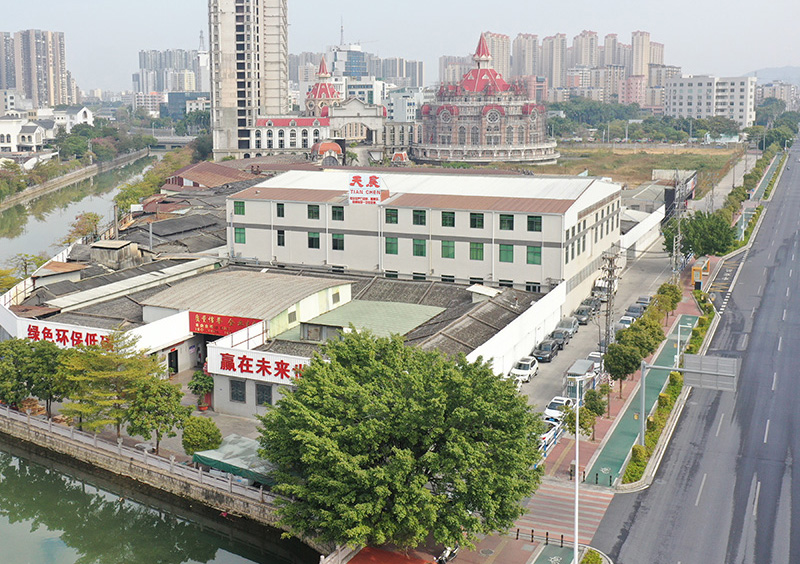
Rooted in Guangdong—the unmatched global hub of advanced manufacturing and international trade—Guangdong Tianchen Printing Co., Ltd has established itself as an industry pioneer over more than two decades. Our expertise covers rotogravure printing, solvent-free lamination, and sophisticated converting services for a wide spectrum of flexible packaging options.
Our expansive business spans food, beverages, pharmaceutical barriers, daily chemicals, agricultural films, and high-performance industrial wrap. Unlike brokers or trading intermediaries, our integrated facility oversees the entire technical process, optimizing barriers and engineering composite films that seamlessly replace fossil-fuel plastics without compromising packaging speeds or line efficiencies.
Over the years, we have forged long-term alliances with major multi-national players across Europe, North America, Southeast Asia, and beyond. In response to the evolving demands for circular polymers, we have invested heavily in bio-synthetic R&D, establishing certified production channels for high-clarity PLA films, metallized barrier PLA, and multi-layer fully compostable structures.
Guided by our four "IN" concepts, we lead the international flexible packaging industry, delivering unmatched supply security and technical precision.
Innovation: The structural limitations of pure PLA film—such as high brittleness, low thermal stability, and weak moisture barrier performance—have traditionally limited its scope. Our state-of-the-art laboratory works on compounding PLA with customized bio-degradable additives, optimizing polymer orientation, and developing high-barrier compostable barrier layers.
Internationalization: Global clients require compliance with international food contact standards (FDA, EU 10/2011) and composting certifications. We manage our operations strictly aligned with global standards, implementing exhaustive traceability systems from bio-resin batches to finalized printed rolls.
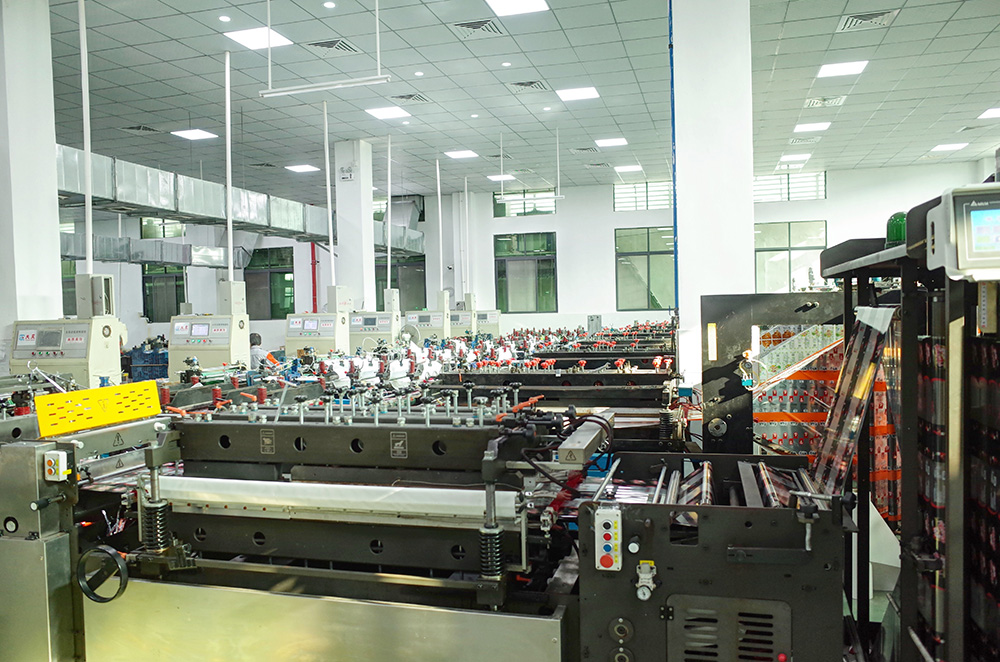
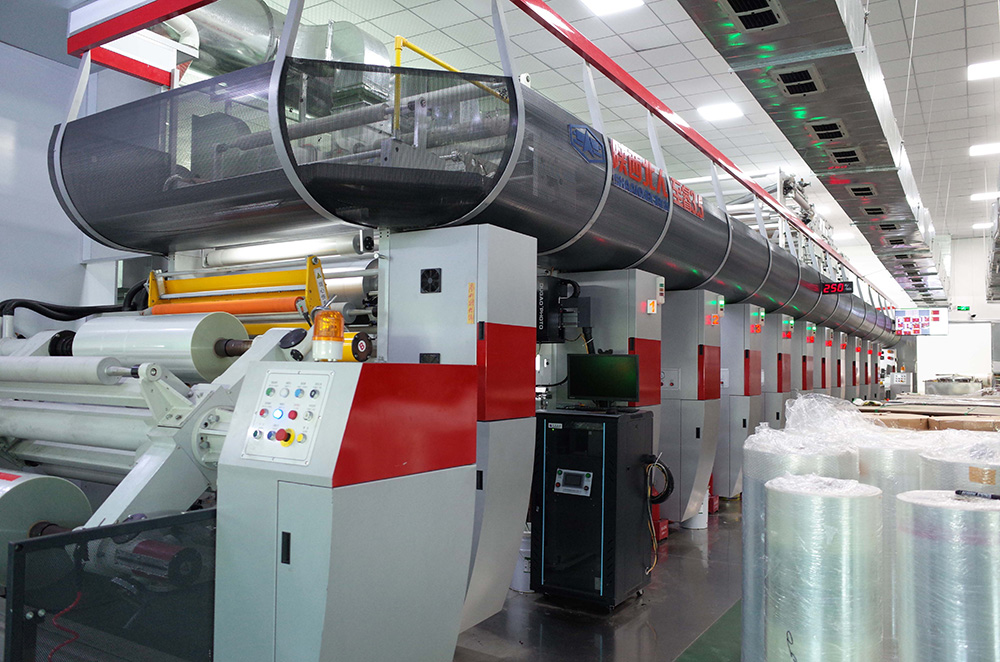
Integration: Our one-stop vertical manufacturing workflow consolidates creative packaging design, artwork proofing, high-speed electronic line shaft gravure printing, solvent-free laminating, mechanical converting, and advanced barrier testing under a single roof. This limits intermediate hand-offs, lowers cycle times, and keeps pricing highly competitive.
Intelligentization: With Industry 4.0 automation, our manufacturing plant incorporates automated color-matching stations, digital density scanning, and continuous optoelectronic defect detection systems. Intelligent tension controls ensure that sensitive PLA films maintain dimensional stability throughout the tension-heavy printing and lamination phases.
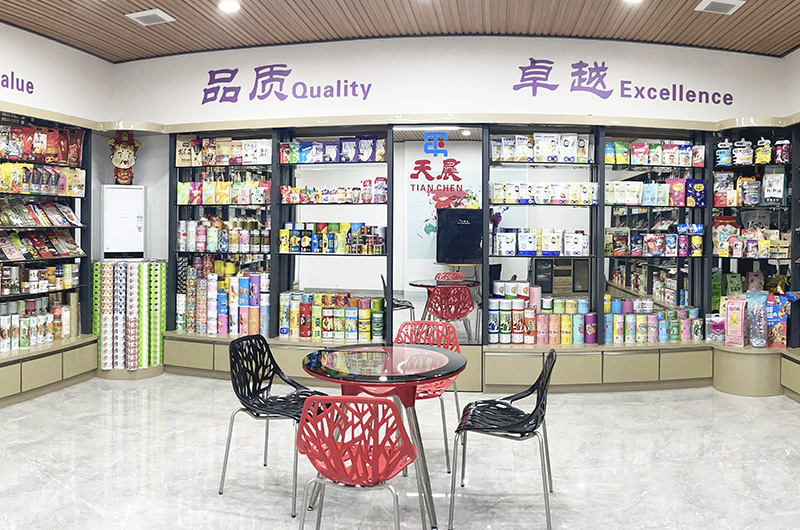
Our strategic vision prioritizes "innovation and transformation, integrated operation, and steady growth." We actively implement green, closed-loop technologies in our factory, recovering solvents via activated carbon adsorption, reducing carbon outputs, and focusing on certified bio-materials to secure a sustainable tomorrow. Our final objective is to remain a leading supplier in the global mainstream sustainable printing market, creating exceptional value for brand owners.
Leveraging the robust industrial clusters of Guangdong to deliver extreme reliability, high-volume capacity, and technical consistency.
Global geopolitical changes and freight constraints require modern supply chains to be highly agile. In Guangdong, the flexible packaging ecosystem offers unbeatable advantages. We secure raw PLA polymer resins directly from large-scale domestic synthesis projects, avoiding international material shortages.
Furthermore, our Factory 4.0 upgrades incorporate cloud-connected inventory systems, predictive maintenance scheduling on our high-speed presses, and integrated digital tracking. When a brand orders a custom laminated PLA roll, they receive highly consistent material gauge profiles, uniform sealability, and reliable dispatch times.
Processing PLA films requires rigorous temperature controls since PLA's melting point (Tm ~150-160°C) is significantly lower than PET (Tm ~250-260°C). Standard equipment can easily distort or overheat PLA films, leading to structural failures.
Guangdong Tianchen utilizes low-temperature curing, modified drying tunnels in gravure systems, and specialized high-sensitivity tension control systems. This allows us to print and laminate PLA films as thin as 15-25 microns with absolute precision.
Navigating properties, barriers, and structural laminates for high-performance applications.
Every packaging application demands specific functional properties. While fresh produce might require high gas transmission rates to prevent anaerobic condensation, products like premium organic coffee beans or snack foods require exceptional oxygen (OTR) and water vapor (WVTR) barrier performance. To achieve these characteristics, we create customized multi-layer structures, using PLA as either the printing substrate, the sealant layer, or both.
| Typical Structure | Thickness Range | Barrier Profile (OTR / WVTR) | Primary Applications | End-of-Life Status |
|---|---|---|---|---|
| BOPLA // PLA (Monolithic) | 15 – 40 Microns | Moderate / High permeability | Fresh vegetables, bakery wraps, shrink sleeves | 100% Industrially Compostable |
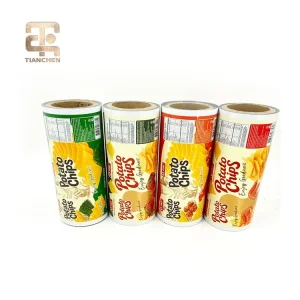
| BOPLA // Metallized PLA | 25 – 60 Microns | Excellent OTR / Moderate WVTR | Chocolate wrap, potato chips, snack bags | 100% Industrially Compostable |
| BOPLA // Al2O3 Coated PLA | 20 – 50 Microns | High Clear Barrier | Dry foods, organic grains, clear window pouches | 100% Industrially Compostable |
| Paper // Biodegradable Lamination | 60 – 120 Microns | High Moisture Barrier (Custom) | Coffee packs, tea pouches, dry powder sachets | Compostable & Bio-degradable |
High-barrier coffee pouches with degas valves, potato chip bags with grease resistance, and chocolate wrap films. Excellent print clarity ensures premium retail aesthetics.
Compostable flow-wrap for tissues, moisture-stable soap wrap, and flexible tubes. These materials protect fragrances while demonstrating a brand's sustainability commitment.
Moisture-proof outer bags and light-blocking structures for non-sterile pills and medical supplies. These designs balance child-resistant features with sustainable disposal profiles.
Securing peace of mind through strict international standards. Choose TopfeelPack & Tianchen for certified compliance.
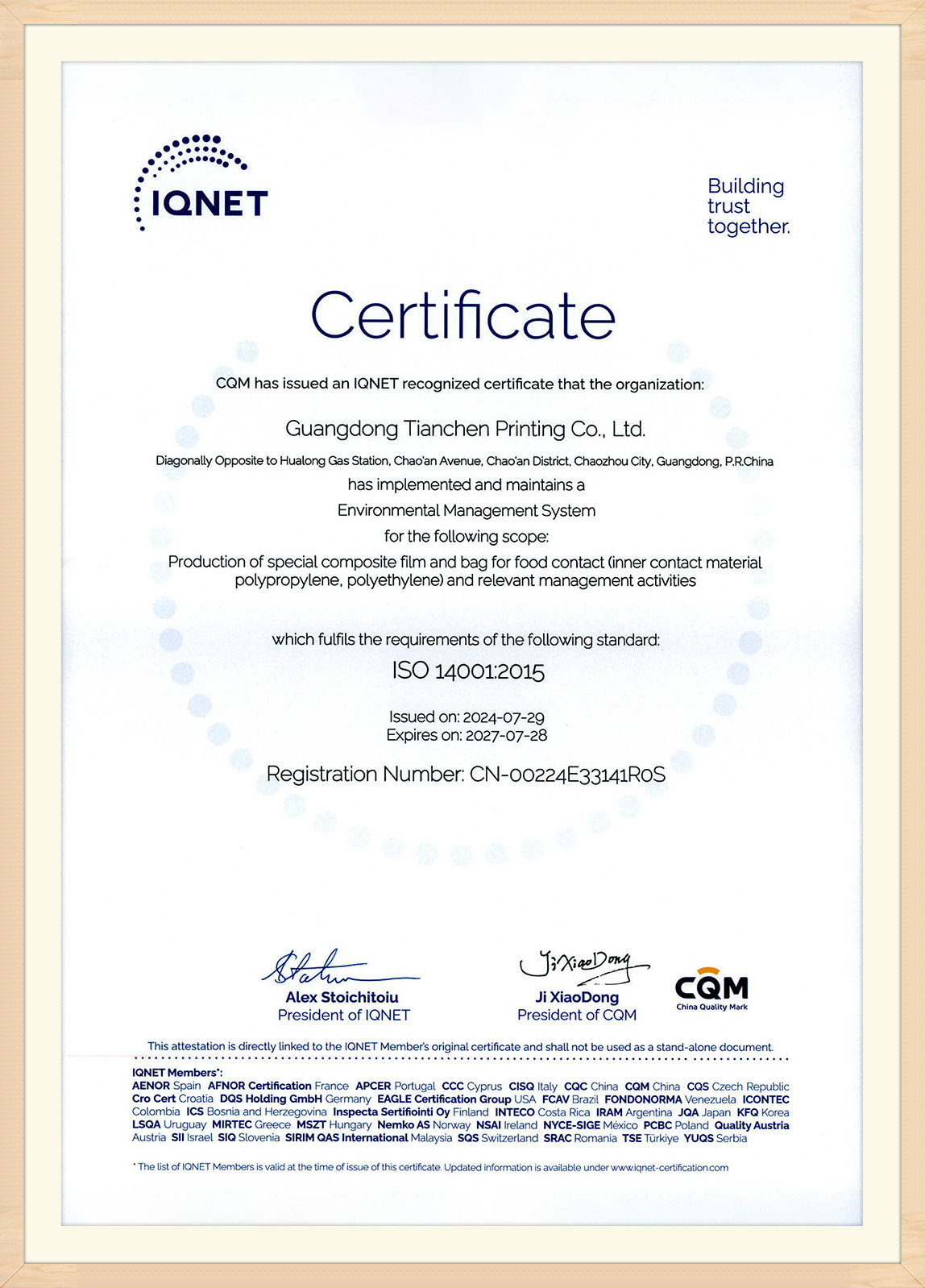
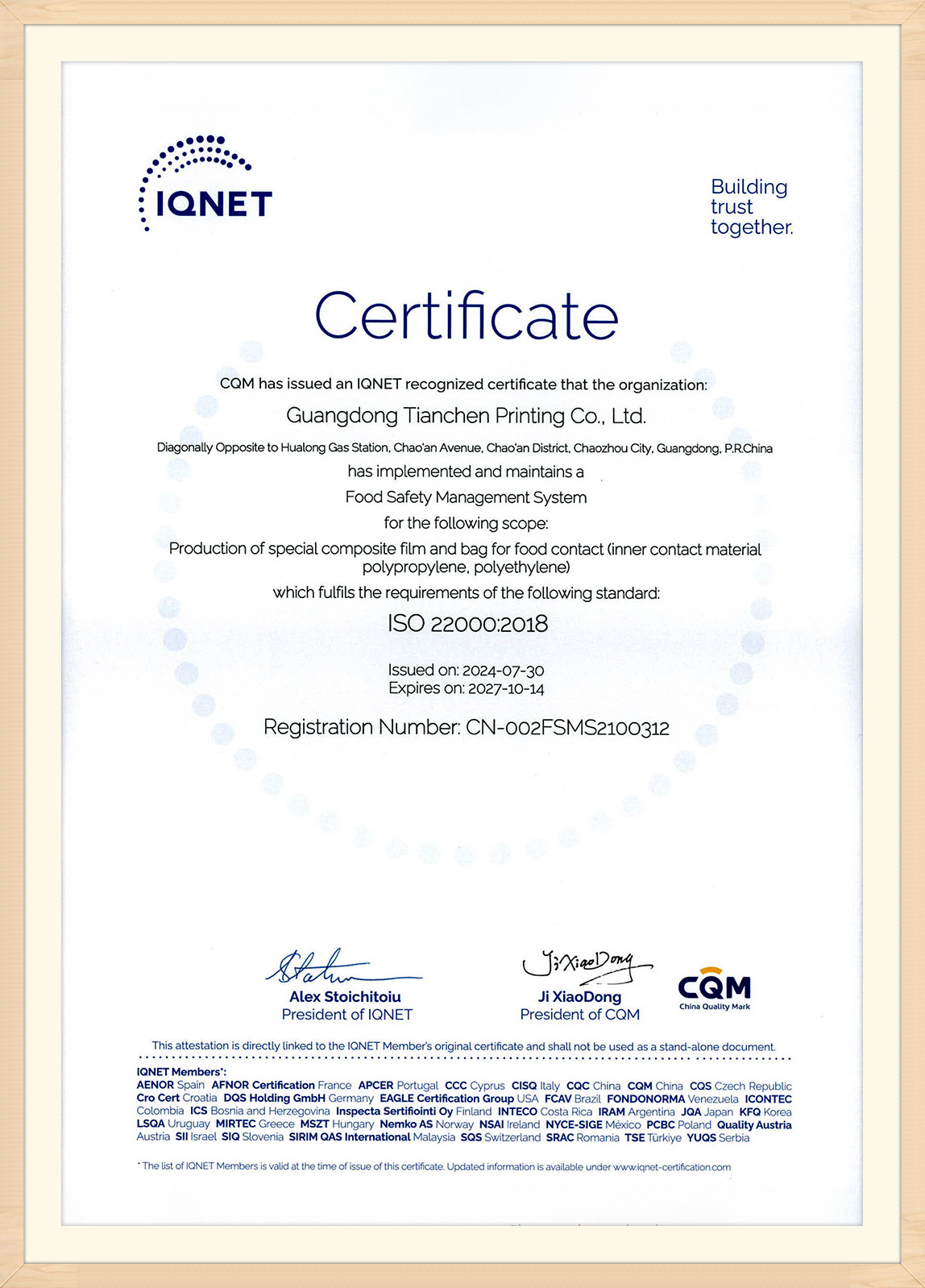
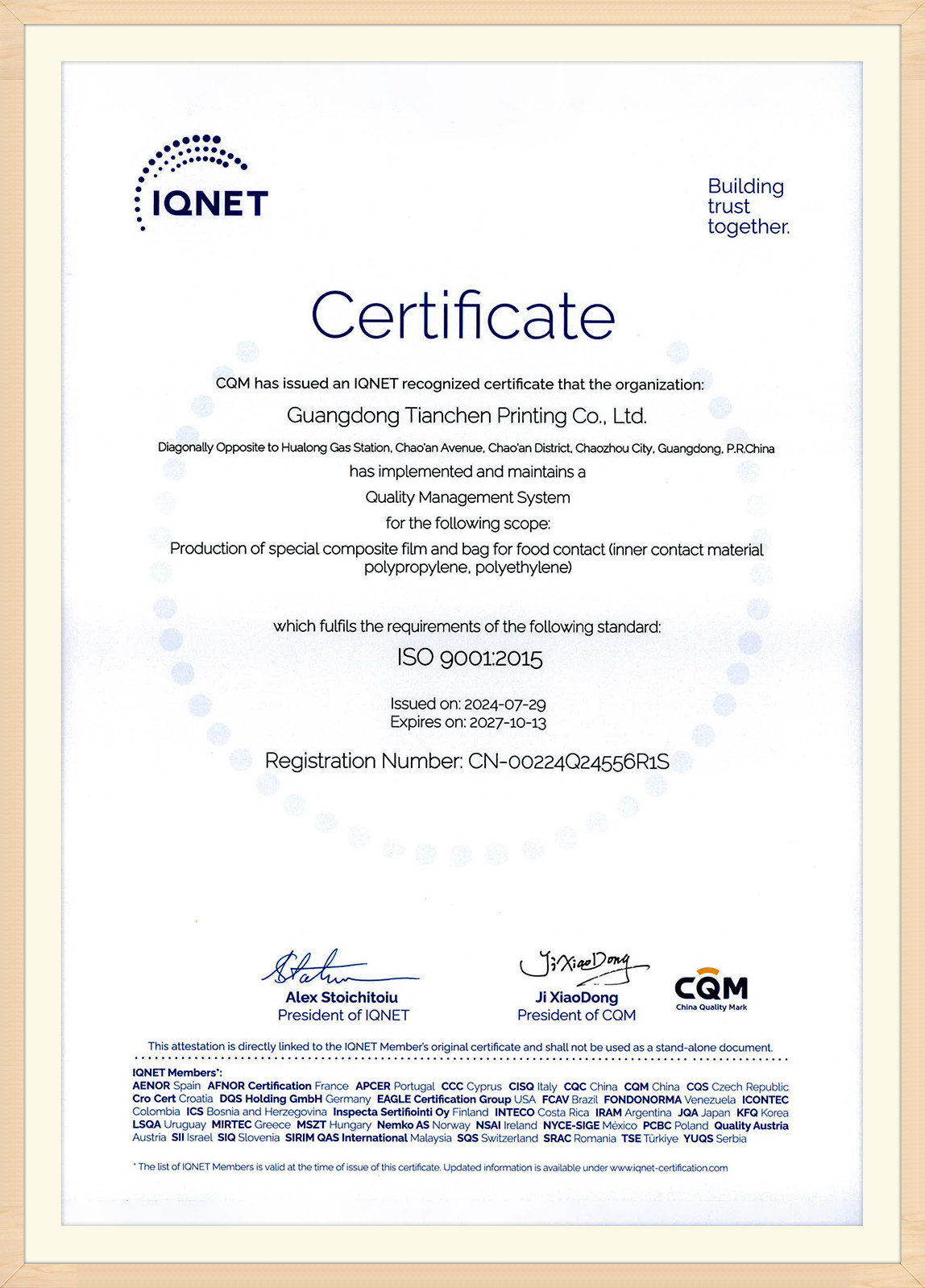
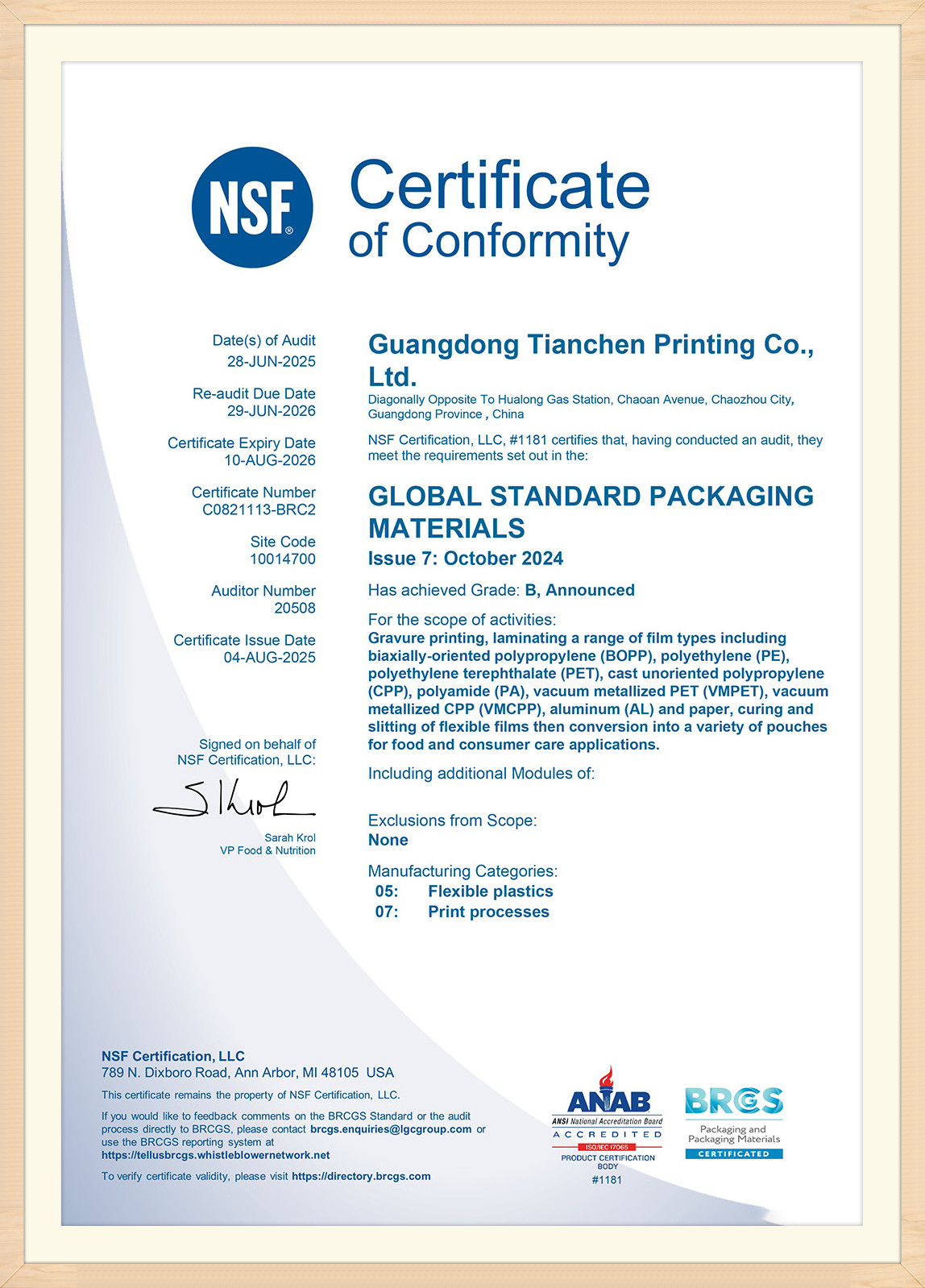
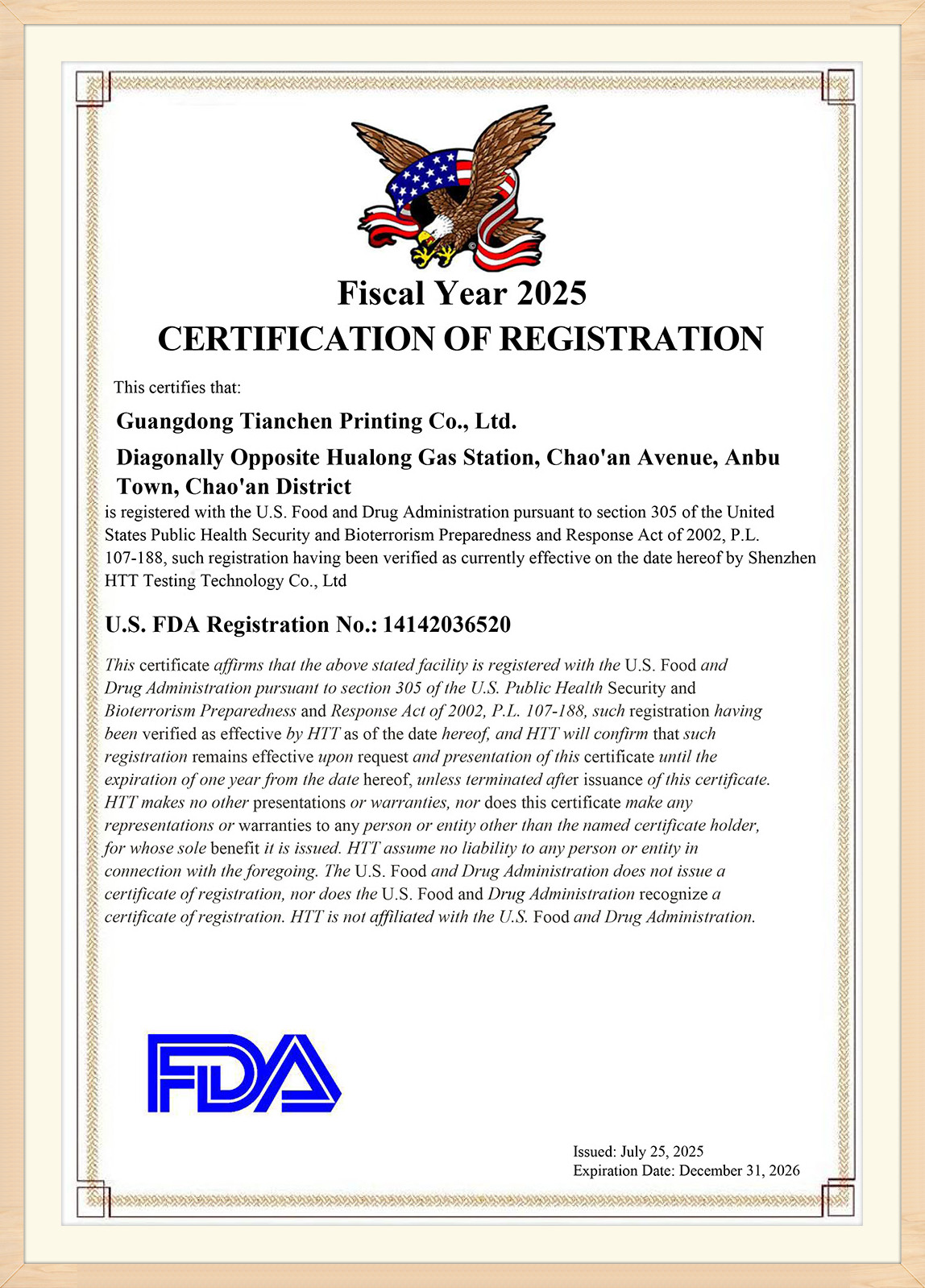
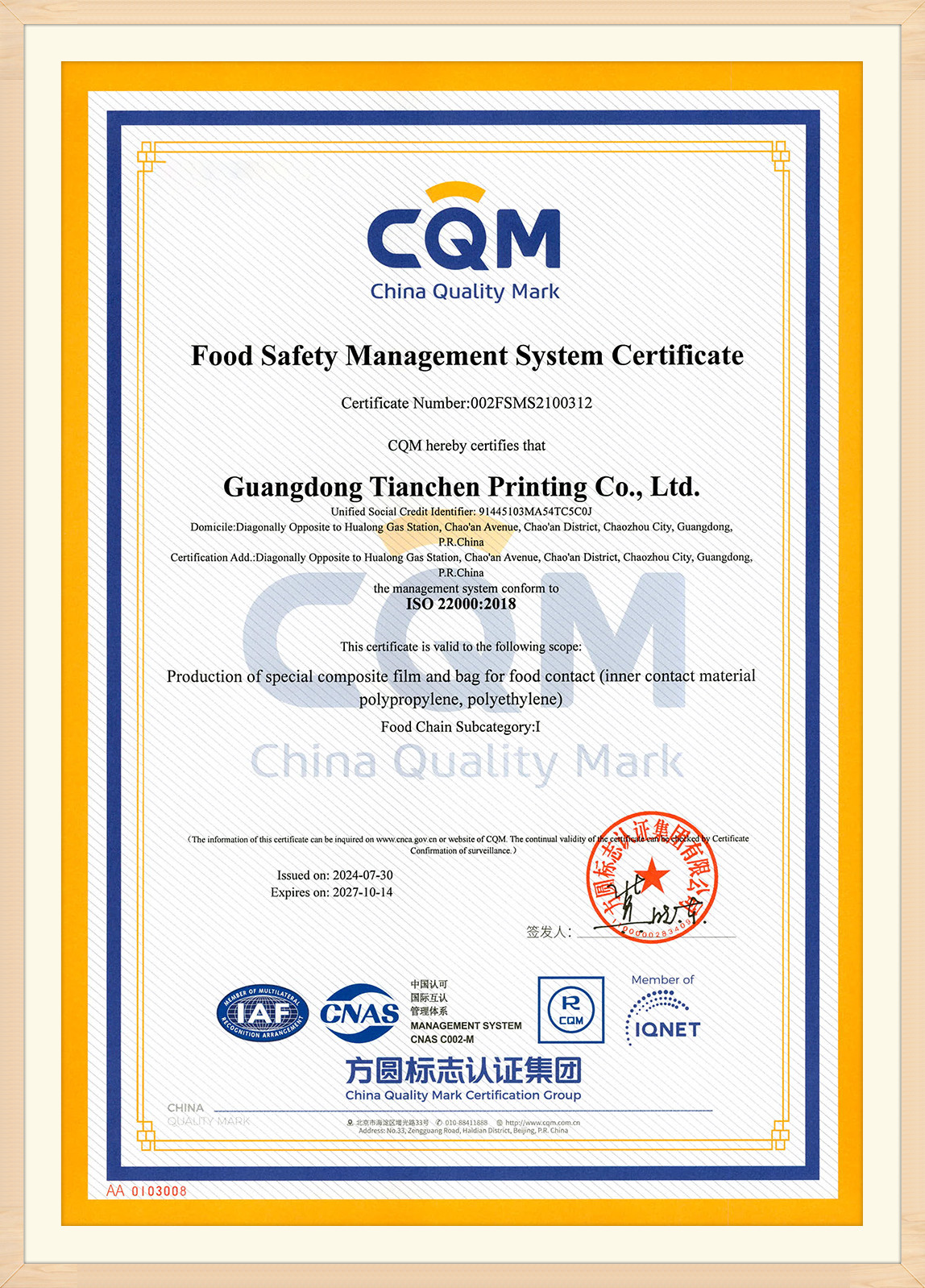
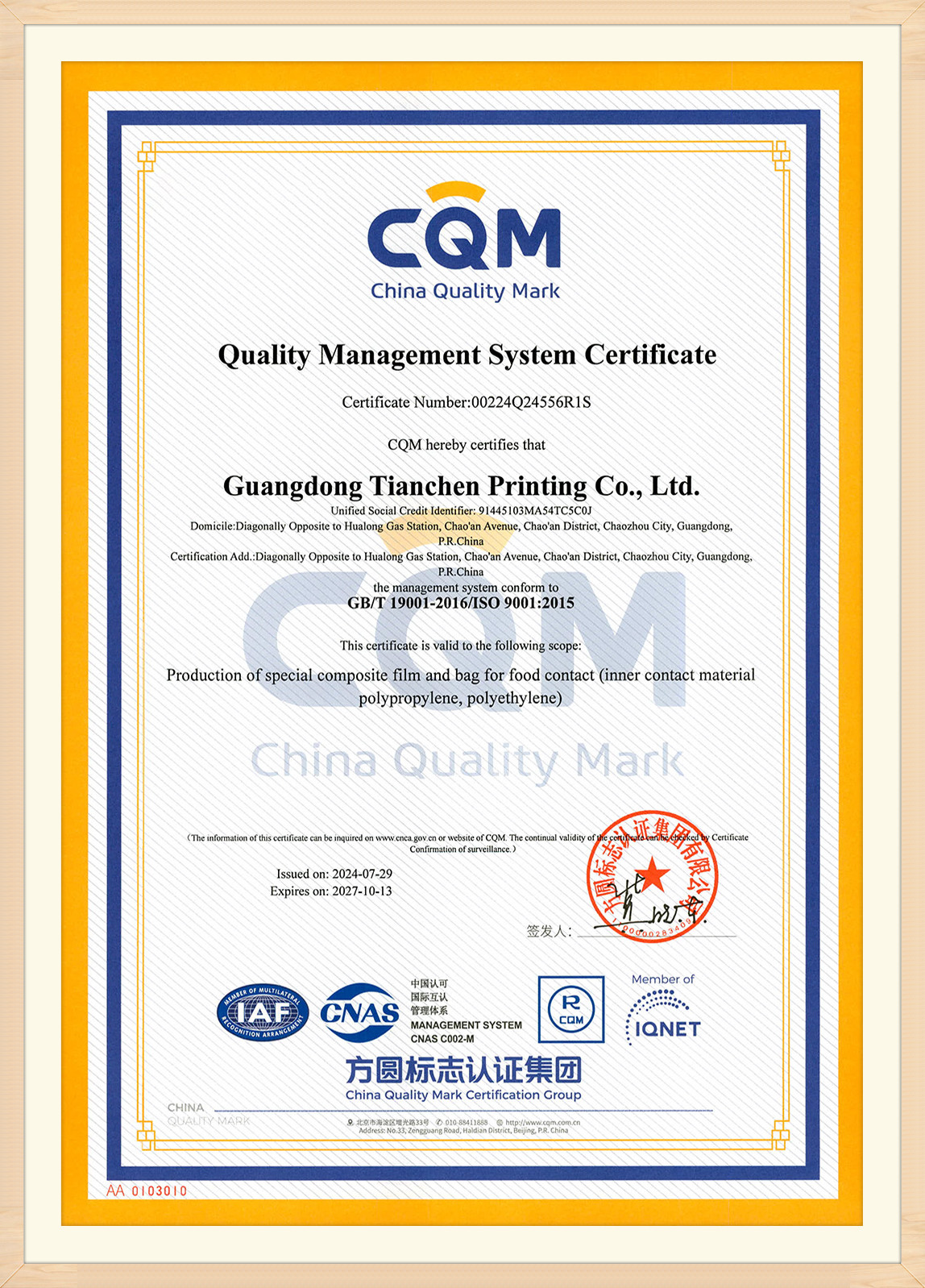
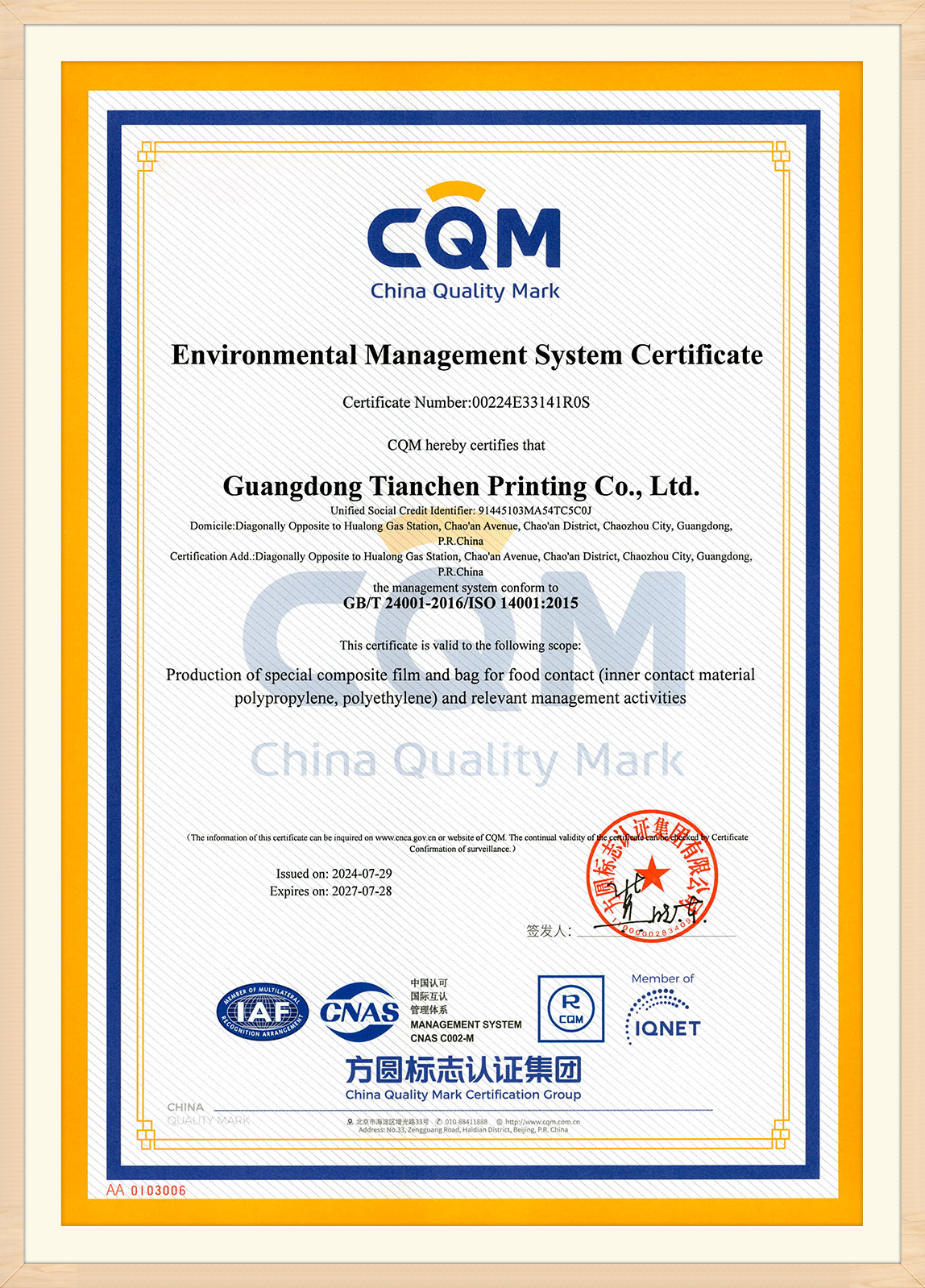
Addressing common queries regarding PLA film stability, cost metrics, and performance limits.
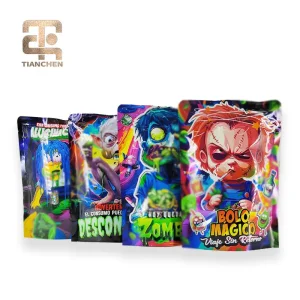
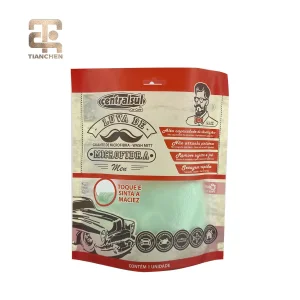
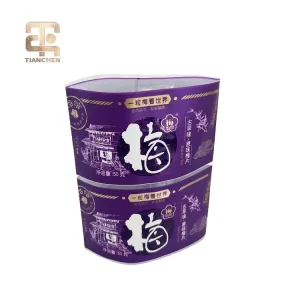
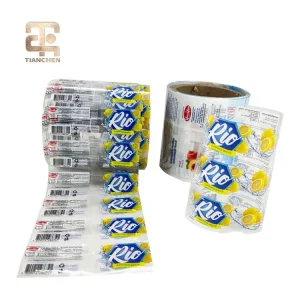
Further explore our comprehensive product selection, retaining original technical architectures and links.
 TIANCHEN PRINTING