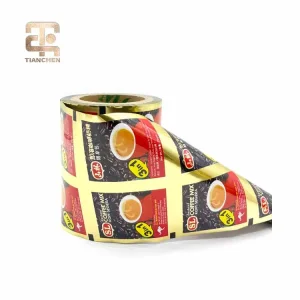
Precision-manufactured high-performance polyolefin structures, stand-up zipper systems, and multi-layer laminate rolls designed for global logistics.
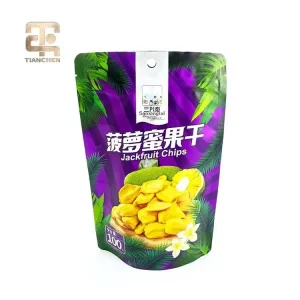
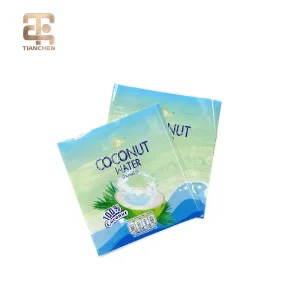
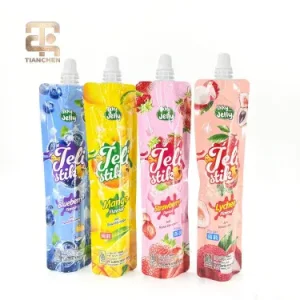
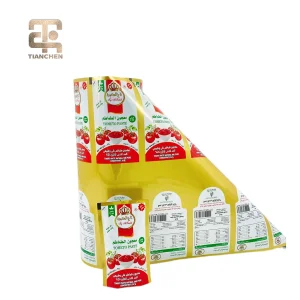
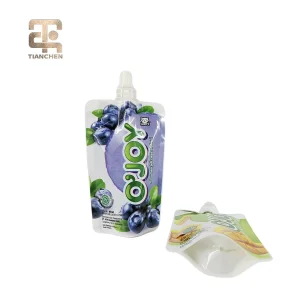
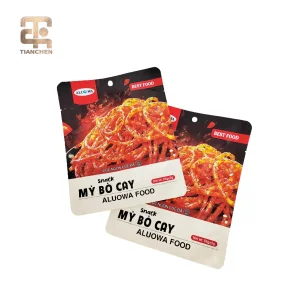
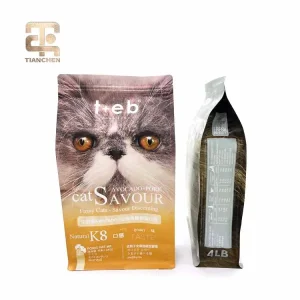
In the highly competitive arena of modern packaging technology, the term Polyolefin (POF) film represents a massive leap forward in materials science. Originally utilized for simple protective dust sheets, modern polyolefins are complex, multi-layered polymer structures engineered to protect structural, barrier, and optical properties under strict dynamic stresses.
Global supply chains are shifting rapidly. With heightened consumer awareness and stringent carbon regulations in the European Union (such as the Packaging and Packaging Waste Regulation - PPWR) and North America, standard multi-material flexible packaging configurations are being phased out. The industry is standardizing on monomaterial polyolefin laminates. The reason is simple: laminating polyethylene (PE) to polypropylene (PP) or metallized variants makes recycling extremely difficult, whereas all-olefin constructs are fully recyclable through standard post-consumer recovery systems.
China has emerged as the definitive global powerhouse for polyolefin film engineering. Due to advanced capital infrastructure, direct integration with polymer refineries, and localized specialized machinery clusters, Chinese manufacturers—led by pioneers like Guangdong Tianchen Printing—are not merely providing standard cost efficiencies, but are actively spearheading the global technical transition towards high-performance, sustainable flexible packaging formats.
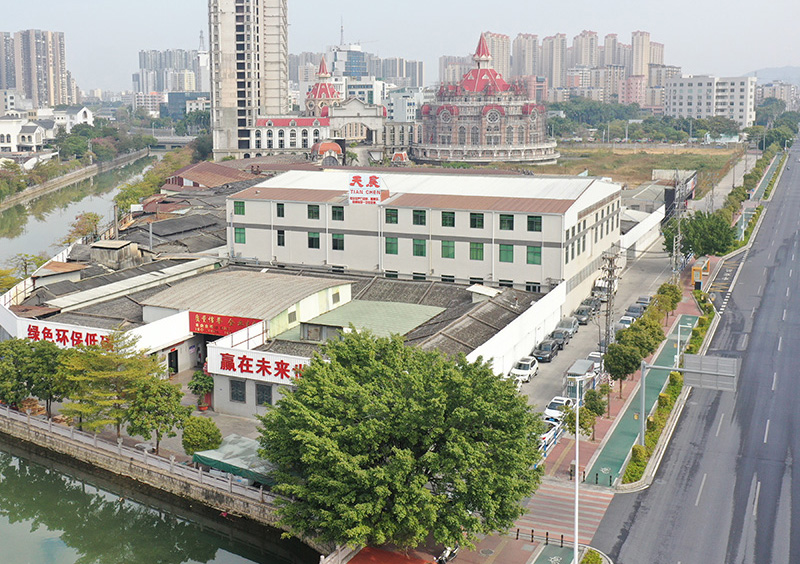
Setting the standard in professional rotogravure printing, laminating, and converting services for global brands.
Tianchen Printing has established a world-class manufacturing facility in Guangdong, the epicenter of international trade and manufacturing in Southern China. Operating sophisticated high-speed rotogravure printing presses, advanced dry and solvent-free laminating machinery, and high-speed bag-converting systems, we meet the stringent quality control protocols required by multinational corporations.
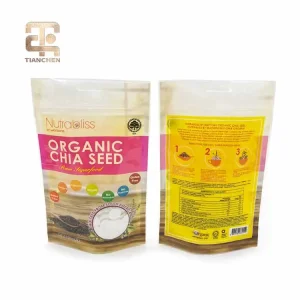
We provide specialized, high-barrier laminates to a variety of demanding industries worldwide. From food-grade stand-up pouches with integrated zippers, to chemical-resistant packaging, medical-grade films, and sustainable agriculture barrier sheets, our products ensure structural stability and optimal protection during long-distance transportation.
Providing the technical foundation that ensures consistent production reliability and premium product quality.
Continuous capital investment in material science allows us to upgrade extrusion lines, dry-lamination configurations, and solvent-free procedures, producing lightweight, ultra-tough, monomaterial packaging designs.
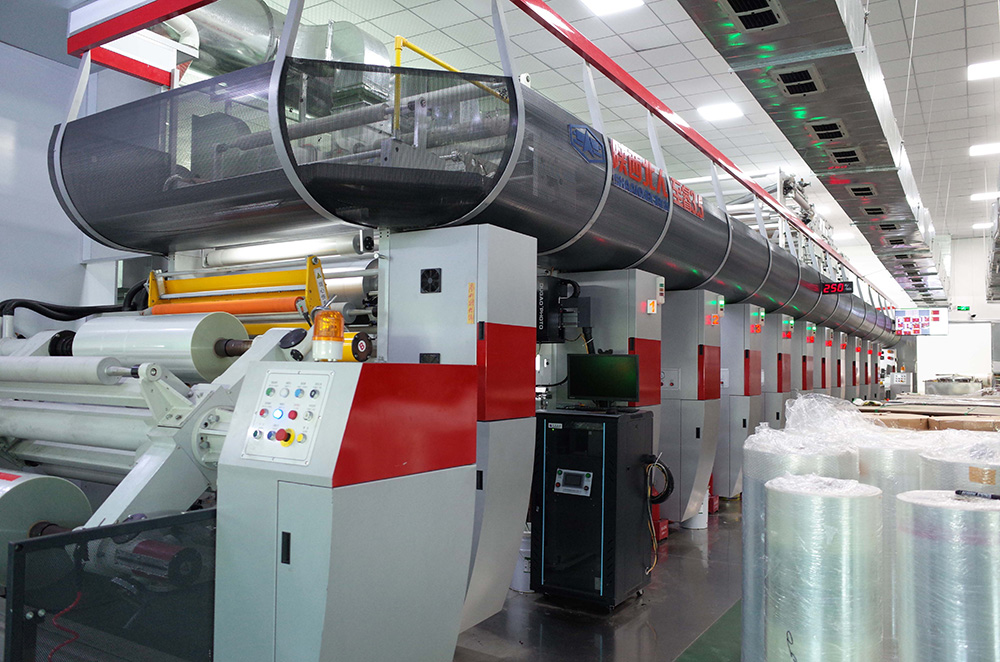
We provide complete end-to-end integration—from original artwork preparation, high-accuracy gravure cylinder engraving, to precision solventless lamination, curing, converting, and quality inspection.
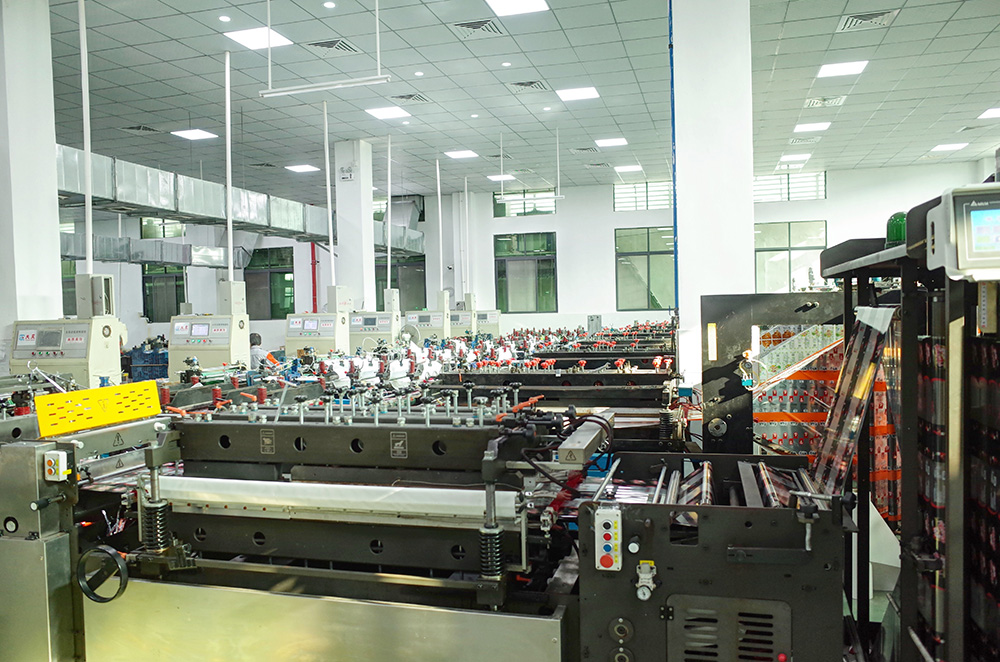
Advanced computer-controlled color spectrophotometers and automated defect-detection systems optimize visual consistency and guarantee a near-zero printing defect rate across all runs.
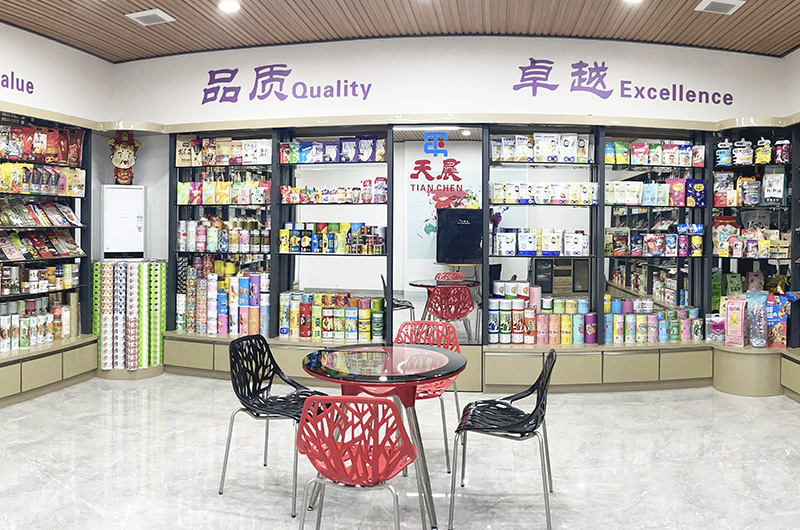
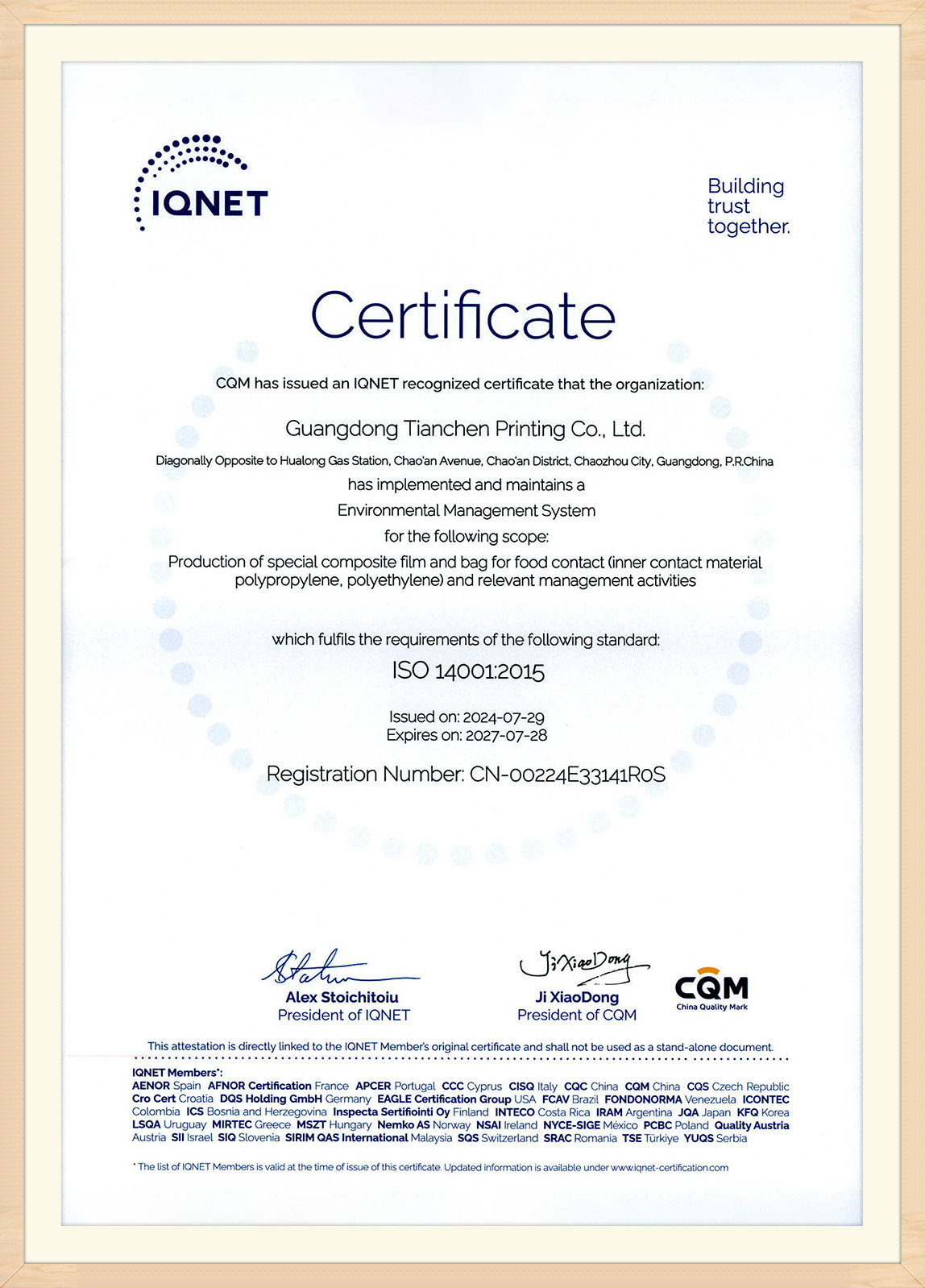
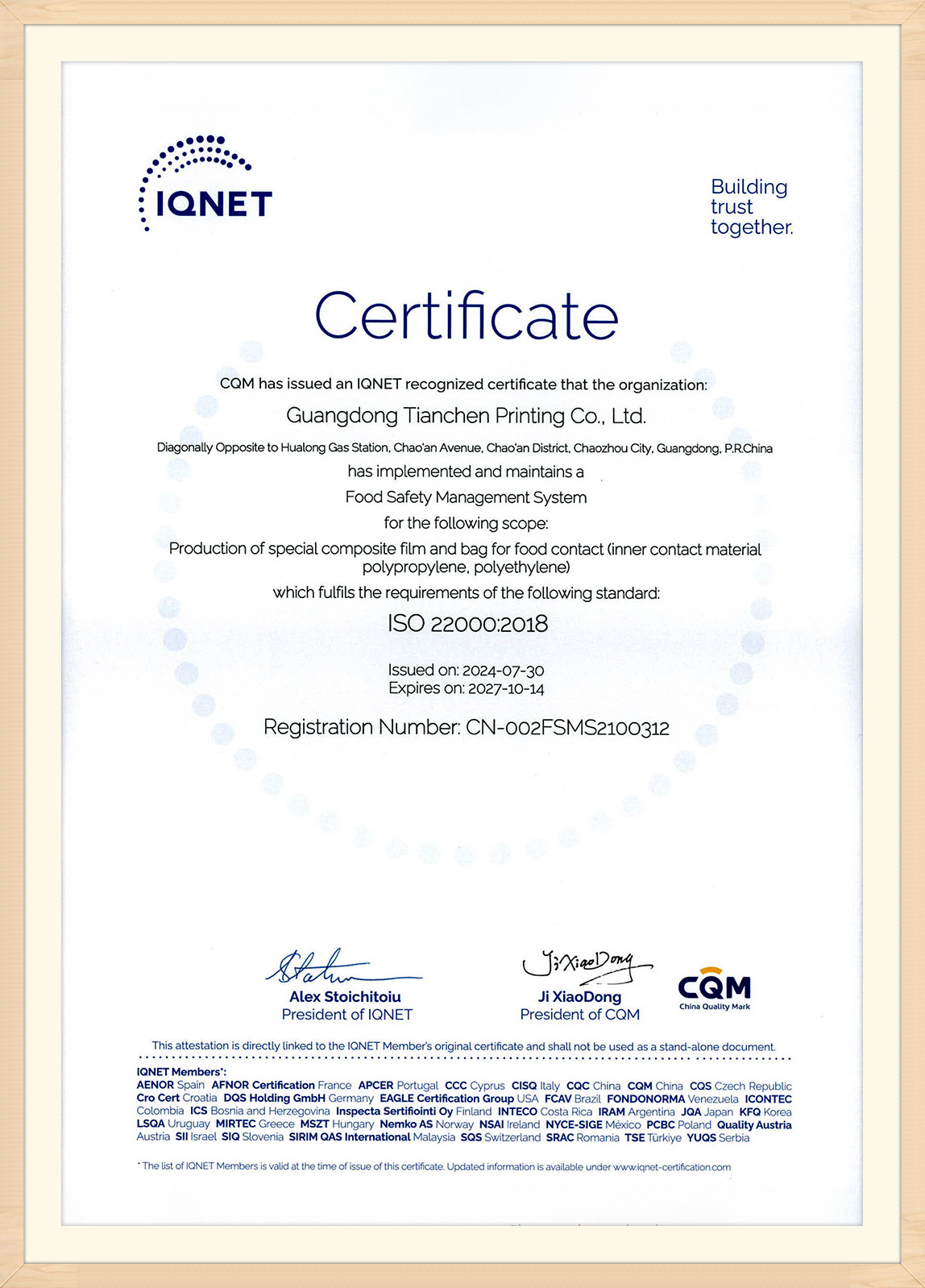
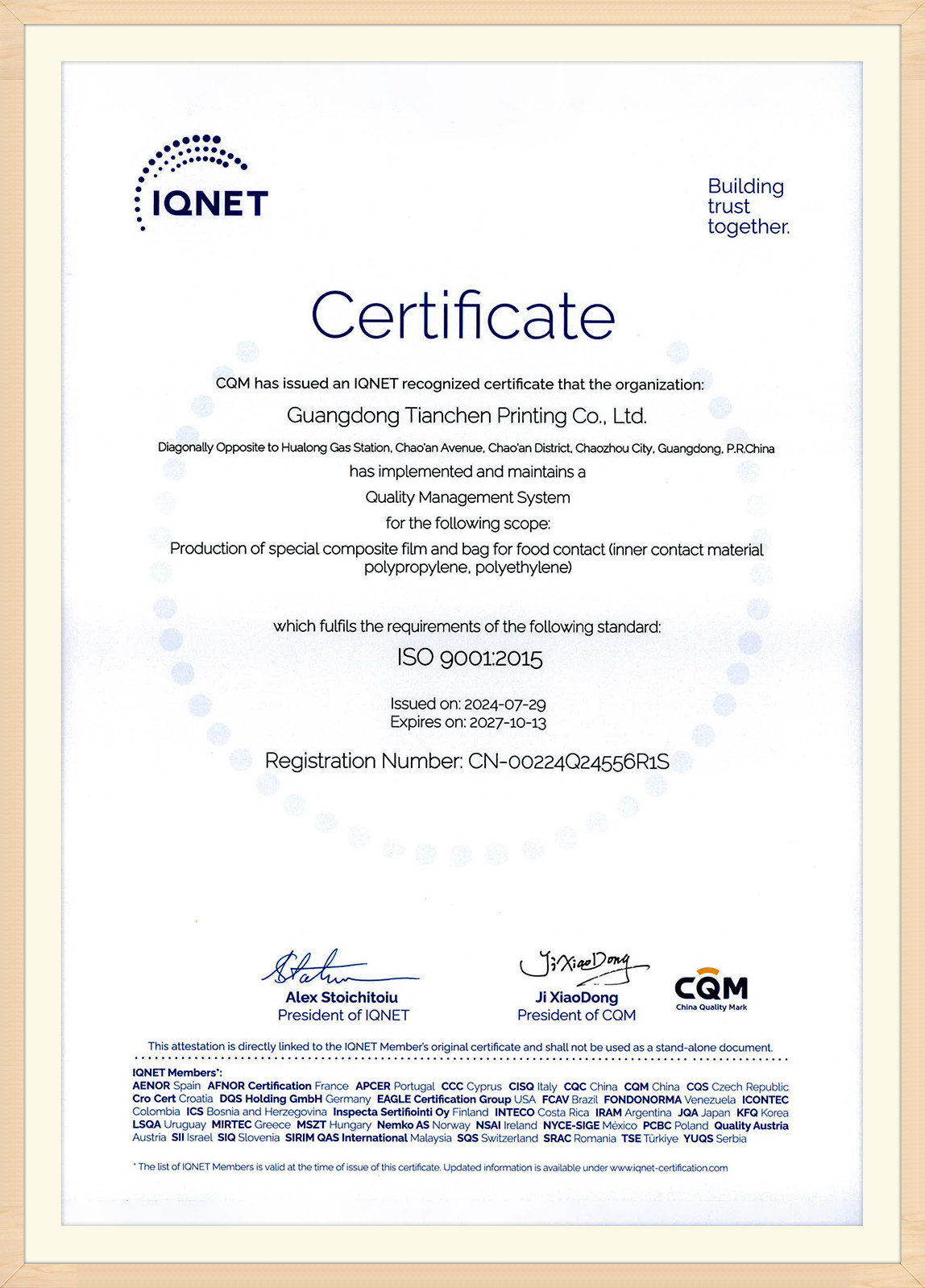
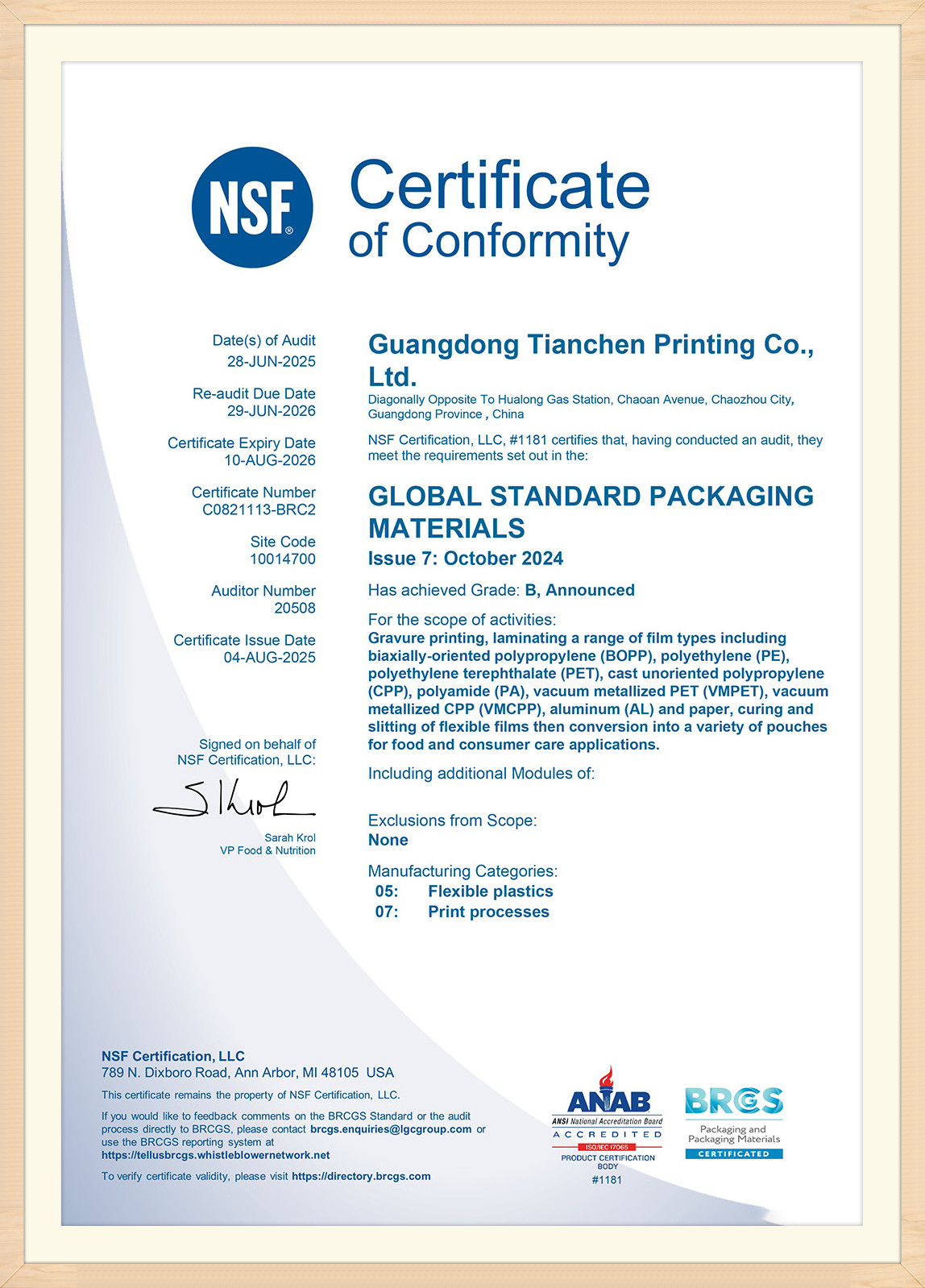
Our manufacturing systems and materials are validated against global standards, ensuring safety, quality, and complete transparency.
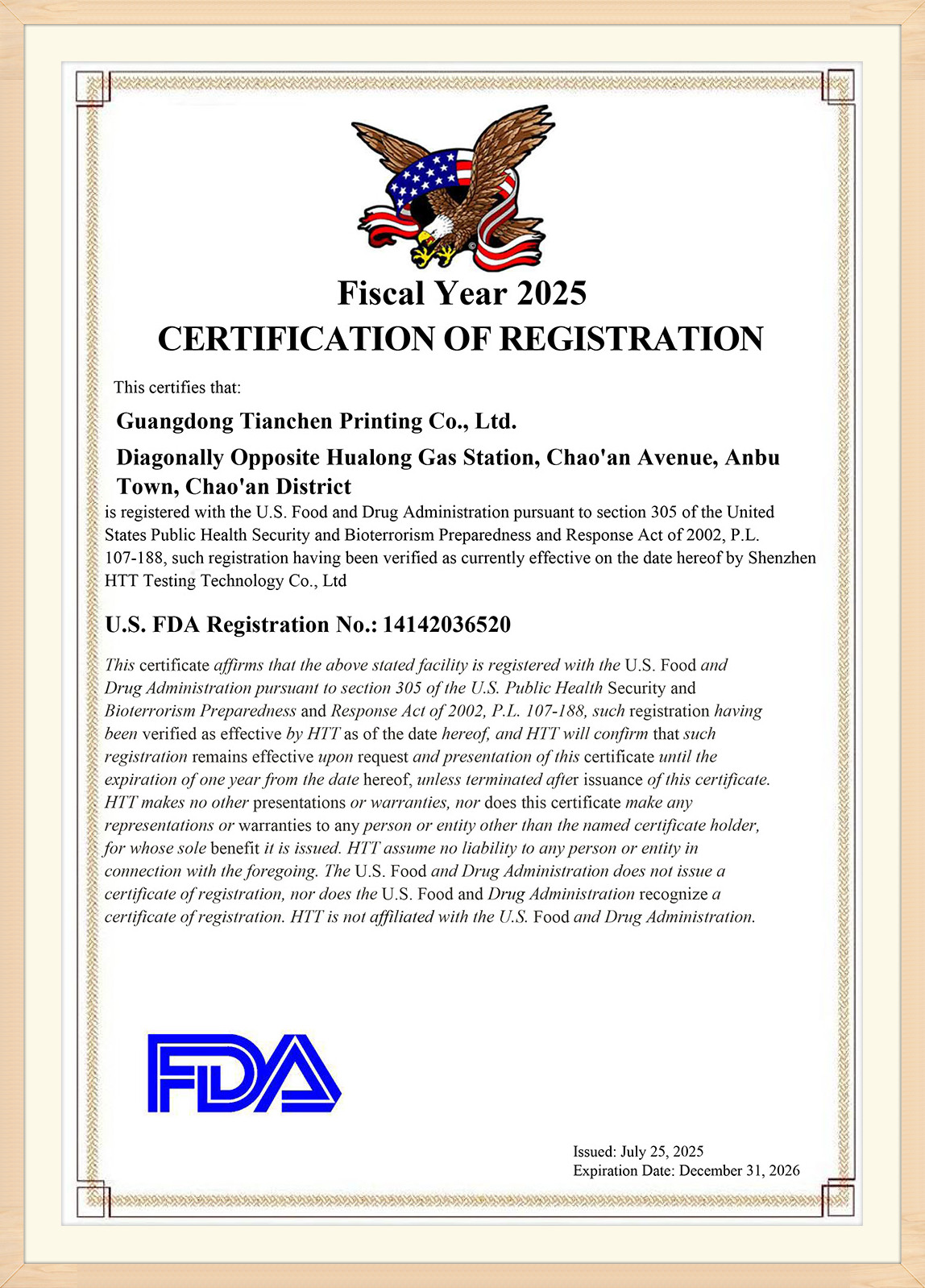
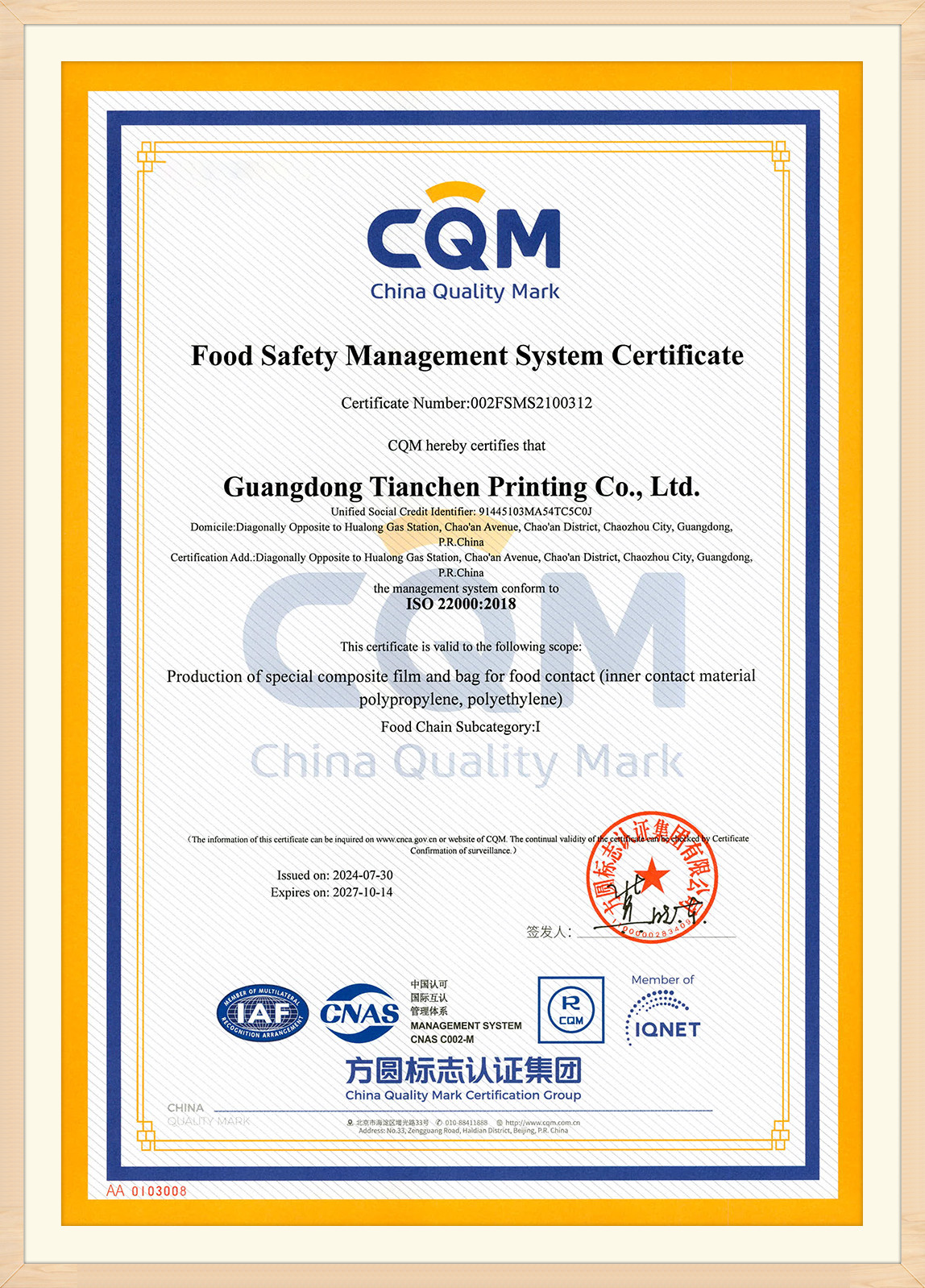
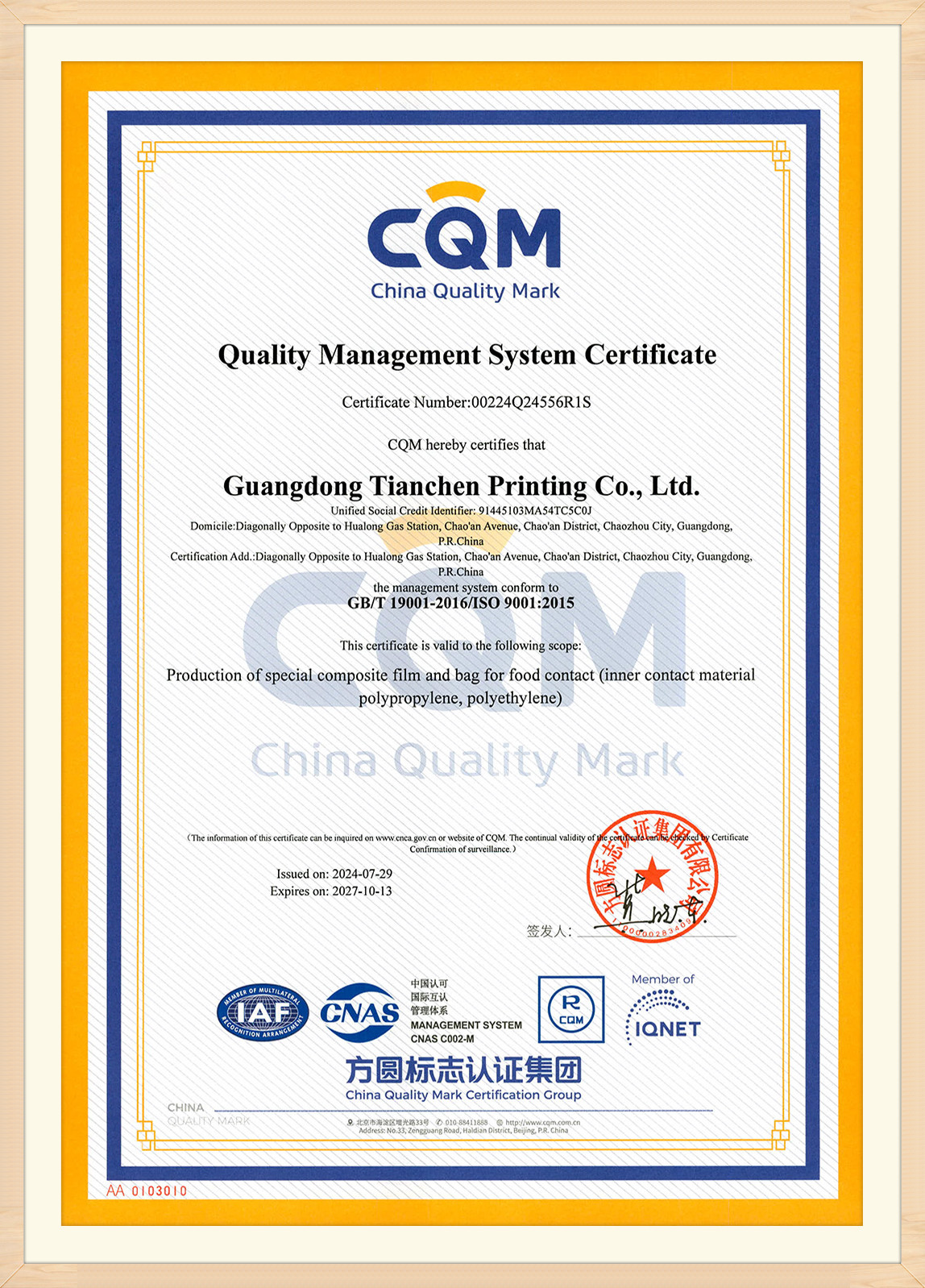
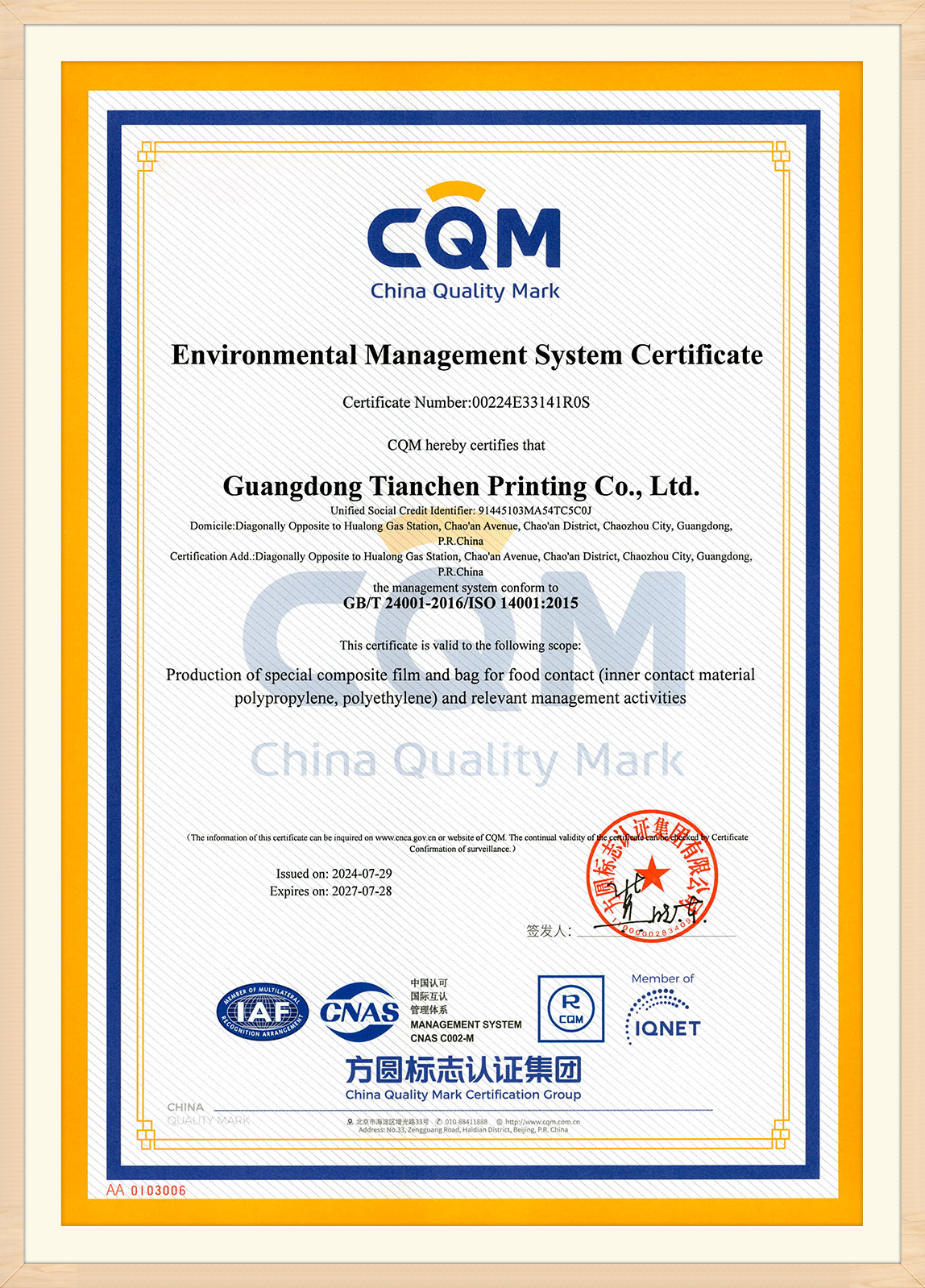
Addressing supply chain bottlenecks, regulatory requirements, and technical specifications for industrial buyers.
Rising operational costs force purchasing directors to look beyond initial unit prices. High-speed automation requires films with consistent thickness profiles and low coefficient of friction (COF). Our engineered polyolefin films optimize filling-line efficiency and reduce downstream waste.
Navigating FDA Title 21 CFR, EU Directive 10/2011, and individual national food contact guidelines is complex. Our manufacturing utilizes trace-analyzed, virgin polyolefin resins to ensure complete chemical safety and prevent plasticizer migration.
Striking a balance between recyclability and high-performance gas barriers is a significant challenge. By using nano-thin, co-extruded EVOH layers within monomaterial polyolefin structures, we provide excellent oxygen and water vapor protection without disrupting the waste recycling stream.
Exploring polymer configurations, mechanical orientation, and high-performance barrier architectures.
By stretching polyethylene film in the machine direction, we realign its molecular structure. This process increases tensile strength, provides excellent optical clarity, and significantly reduces film thickness without compromising mechanical performance.
Using metallocene single-site catalysts, we produce polyethylene with a narrow molecular weight distribution. This results in reliable seals, low sealing initiation temperatures, and excellent puncture resistance for high-speed filling lines.
| Film Configuration Type | Typical Layer Co-extrusion | WVTR (g/m²/24hr) | OTR (cc/m²/24hr/atm) | Key Industrial Applications |
|---|---|---|---|---|
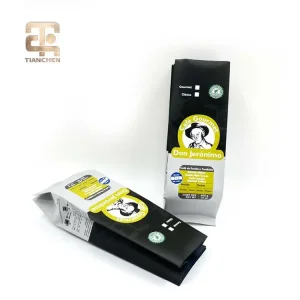
| Monomaterial High-Barrier PE | MDO-PE / PE-EVOH-Tie / LLDPE | < 1.2 | < 1.5 | Eco-conscious Coffee, Pet Food, dry solids |
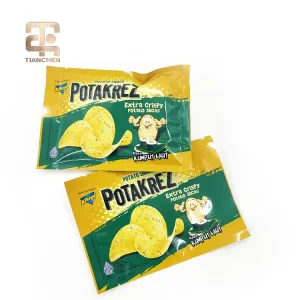
| BOPP Metal-Laminated | BOPP / VM-PET / Cast Polypropylene (CPP) | < 0.5 | < 0.8 | Crisps, Snacks, High-speed Flow Wrapping |
| Ultra-Tough Spout Lamination | PET / Nylon (BOPA) / Heavy Duty PE | < 0.9 | < 10.0 | Juices, Purées, Water, Detergents |
| Retortable PP Laminate | R-BOPP / Special Alum-foil / Retort CPP | < 0.05 | < 0.05 | Ready-to-eat Meals, Wet Pet Food, Sterilizable Pouches |
Addressing technical, logistics, and quality assurance questions for modern procurement managers.
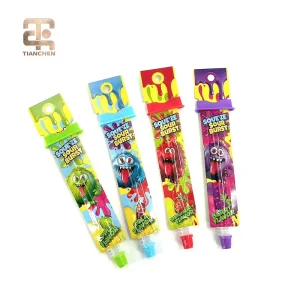
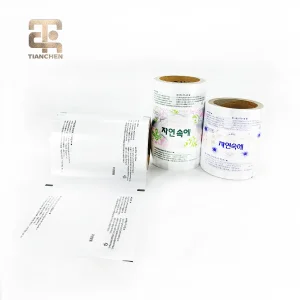
High-integrity flexible packaging solutions, technical film rolls, and heavy-duty pouches designed to perform under demanding warehouse conditions.
 TIANCHEN PRINTING