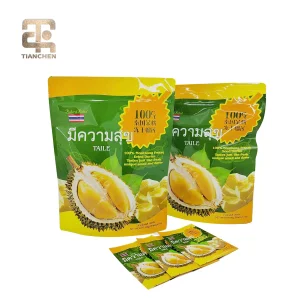
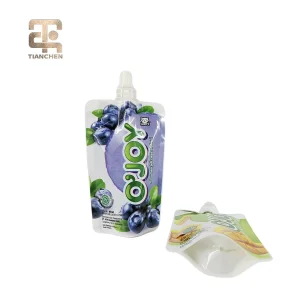
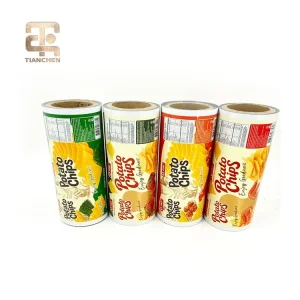
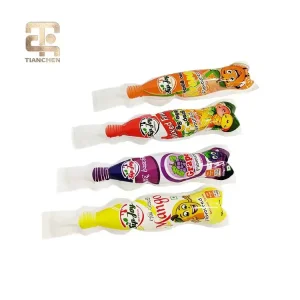
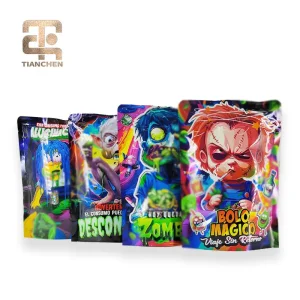
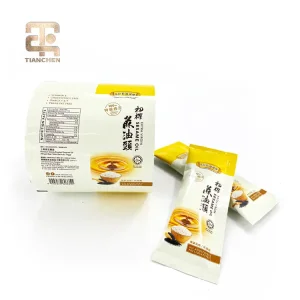
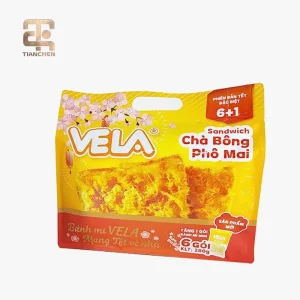
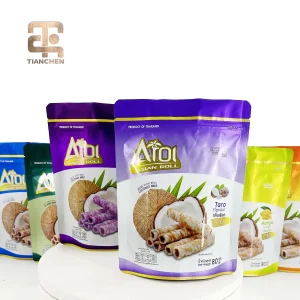
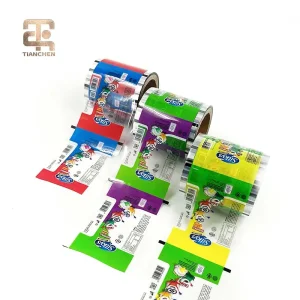
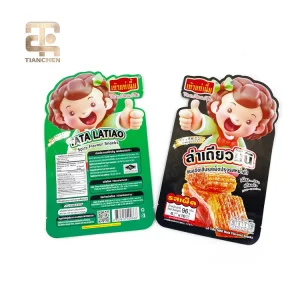
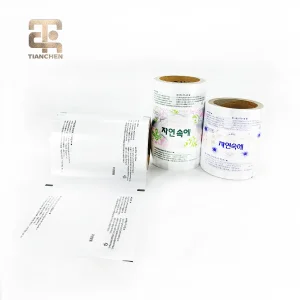
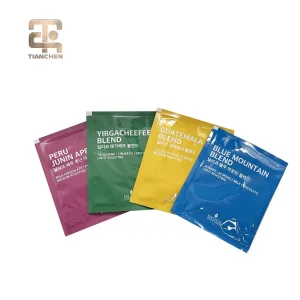
Explore our premium co-extruded films, barrier pouches, and custom food-grade packaging materials engineered for shelf-life optimization and logistical durability.
In modern global commerce, wrapping cling films are no longer viewed merely as passive protective layers. They have evolved into highly engineered, active substrates that preserve food integrity, reduce environmental footprints, and streamline multi-modal supply chains. Globally, the demand for high-performance stretch and cling films is driven by two main forces: the imperative to mitigate global food waste and the industrial push for cost-efficient transit security.
Historically dominated by polyvinyl chloride (PVC), the global market is undergoing a structural paradigm shift toward linear low-density polyethylene (LLDPE), cast polypropylene (CPP), and multi-layer co-extruded polyolefin (POF) structures. In regions with strict regulatory frameworks such as the European Union (under EC 1935/2004) and North America (FDA Title 21), high-barrier, plasticizer-free alternatives are rapidly capturing market share.
This evolution requires manufacturers to combine advanced polymer science with sophisticated manufacturing processes. China has emerged as a crucial global manufacturing partner, offering highly resilient supply chains, robust raw material access, and advanced machinery that competes effectively on the global market.
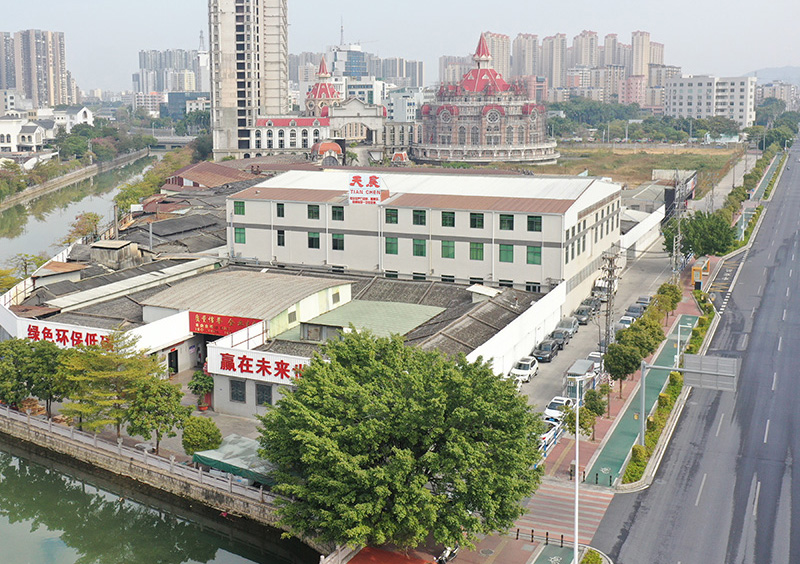
Boasting more than 20 years of profound experience in the flexible packaging industry, Guangdong Tianchen Printing Co., Ltd has established itself as an industry leader. Rooted in Guangdong—a premier global hub of manufacturing and international trade in China—Tianchen has grown into a highly reliable and professional partner for international clients by focusing on rotogravure printing, high-barrier laminating, and conversion services.
Our commercial footprint covers diverse industries worldwide, including food and beverage, pharmaceuticals, daily chemicals, agricultural supplies, and high-tech electronics. We specialize in tailoring custom packaging solutions to the unique needs of each sector: from moisture-proof films and high-barrier structures to heavy-duty industrial wraps. Over decades of steady performance, we have built enduring partnerships with distributors, brands, and industrial end-users across North America, Europe, Southeast Asia, and the Middle East.
Years of Packaging R&D
Food-Grade Direct Contact Materials
Global Export Destinations
Rotogravure Precision Registration
Guided by our core values, we maintain a clear development path and steady growth in a competitive global market.
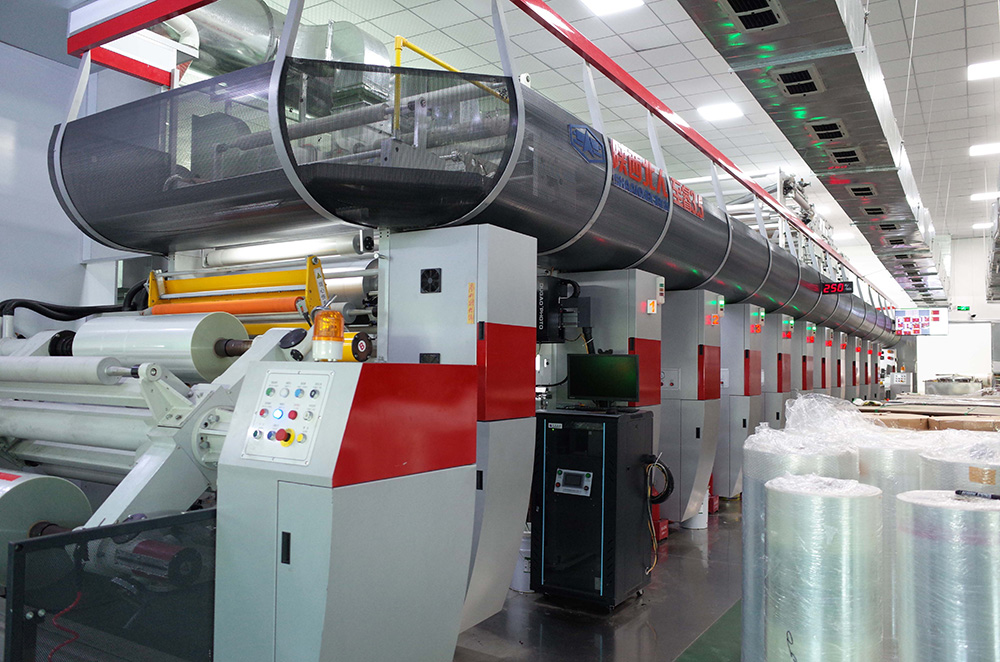
We continually invest in R&D, upgrading printing technologies and processes, and developing eco-friendly, high-performance packaging materials to keep pace with industry trends and client demands. By adhering to international production standards and maintaining strict global certifications, we integrate smoothly into mainstream global markets.
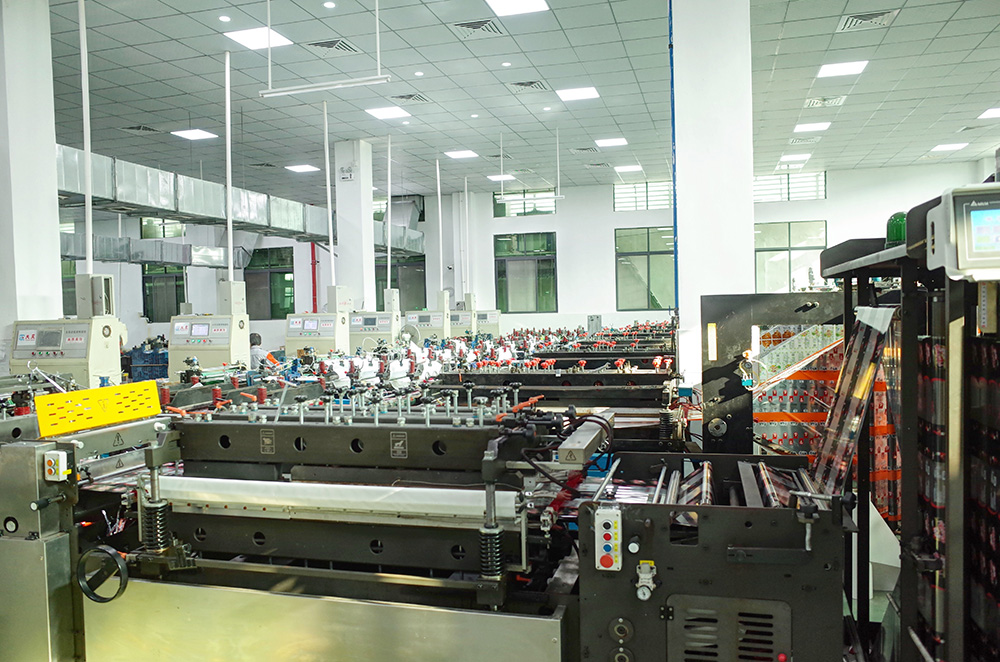
Our one-stop service model integrates design, printing, laminating, converting, and quality inspection. By optimizing the industrial supply chain, we streamline production, reduce costs, and ensure efficient delivery. We leverage intelligent production equipment and digital management systems to automate key processes like color matching and quality control.
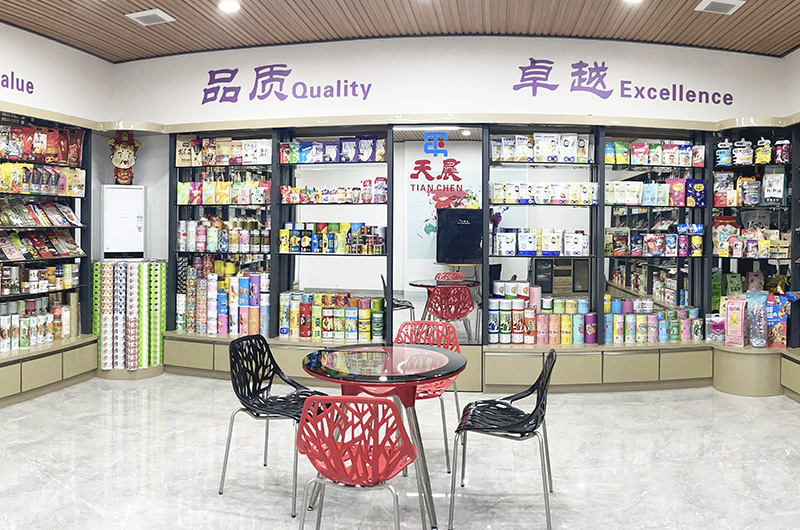
Under our strategic plan of "innovation and transformation, integrated operation and steady growth," we firmly uphold the concept of sustainable development. We adopt green production technologies, reduce energy consumption, and minimize our environmental footprint. Our goal is to provide high-quality, eco-friendly flexible packaging solutions for global clients.
The technology roadmap for high-performance wrapping films focuses on enhancing barrier efficiency, improving mechanical properties, and transitioning toward circular-economy compatibility.
Transitioning from complex multi-polymer laminates to recyclable, oriented mono-PE or mono-PP structures that match traditional barrier performance.
Utilizing 9-layer and 11-layer cast lines to optimize film thickness, enabling downgauging (thinner films) while maintaining puncture resistance.
Incorporating organic anti-fog additives, ethylene scavengers, and antimicrobial agents to proactively extend food shelf life.
Investing in PLA (polylactic acid) and PBAT-based resins to engineer compostable cling wraps that perform reliably under tension.
High-performance films must adapt to specific operational demands in localized scenarios worldwide:
China's manufacturing sector offers clear advantages in terms of cost efficiency, structural integration, and supply chain resilience, allowing it to meet global demand reliably.
Integrated Polymer Ecosystems: Chinese manufacturers operate in highly integrated industrial zones. From base petrochemical resin manufacturing to masterbatch production, extrusion, rotogravure printing, and secondary conversion, every phase of production is closely linked. This minimizes domestic transport delays and ensures highly consistent raw material quality.
State-of-the-Art Production: Leading Chinese factories utilize computerized tension control, automatic color-matching systems, and online defect scanning. These technologies maintain a registration tolerance of less than ±0.1mm, ensuring precise printing quality across high-volume production runs.
Logistical Adaptability: Located near major shipping hubs like Shenzhen, Guangzhou, and Ningbo, Chinese manufacturers can navigate international freight routes efficiently, providing flexible delivery times despite changing global logistical conditions.
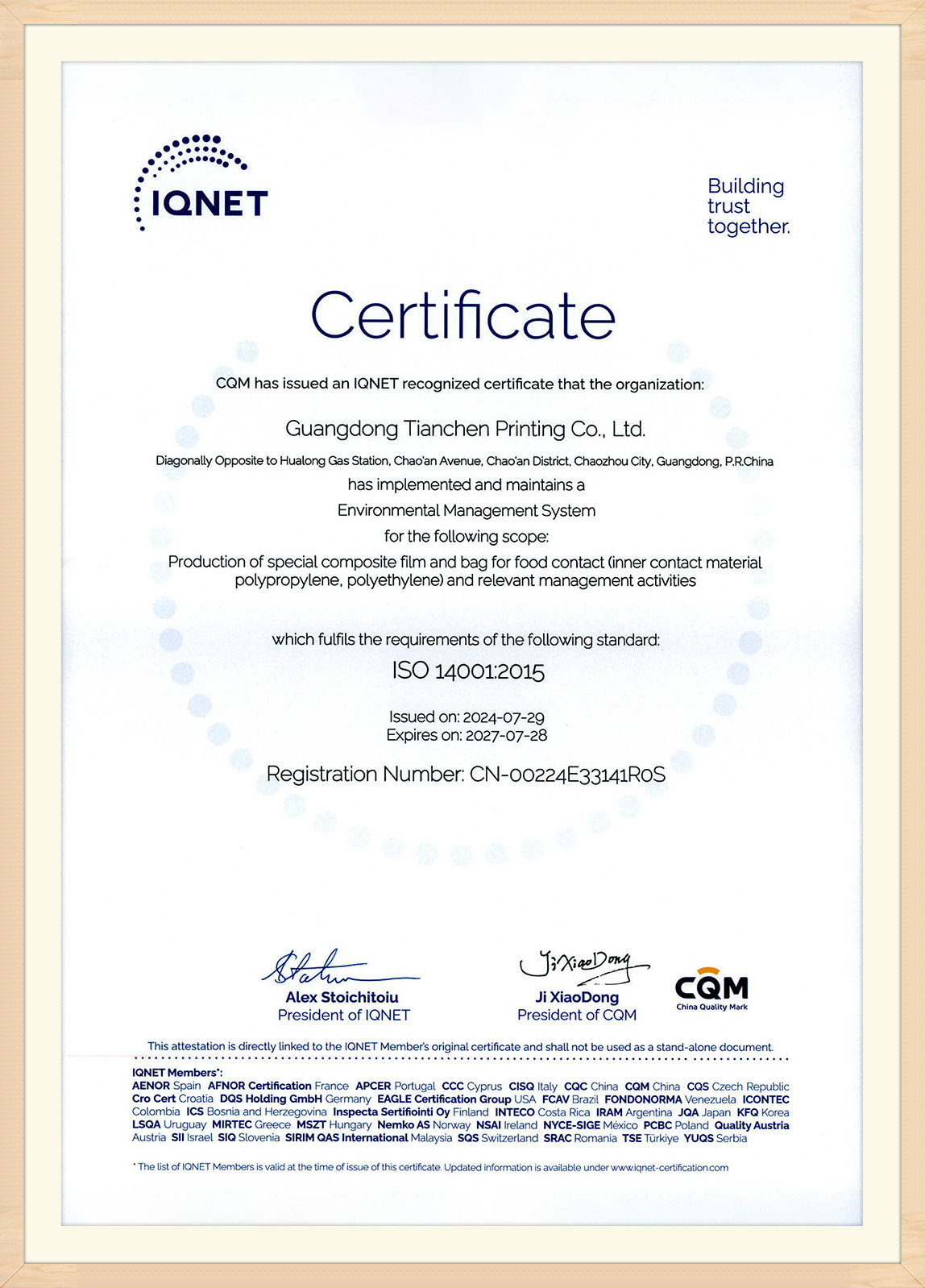
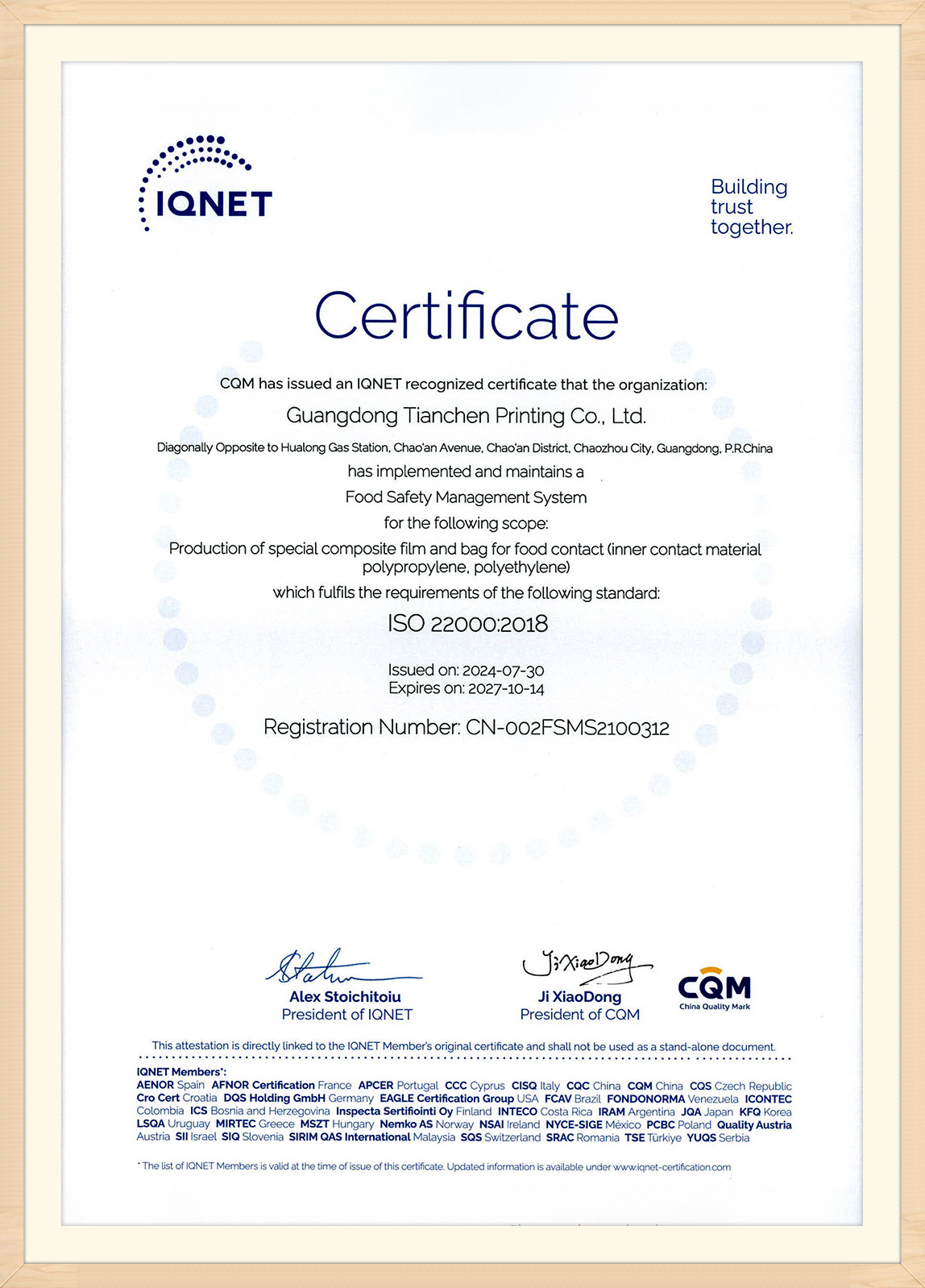
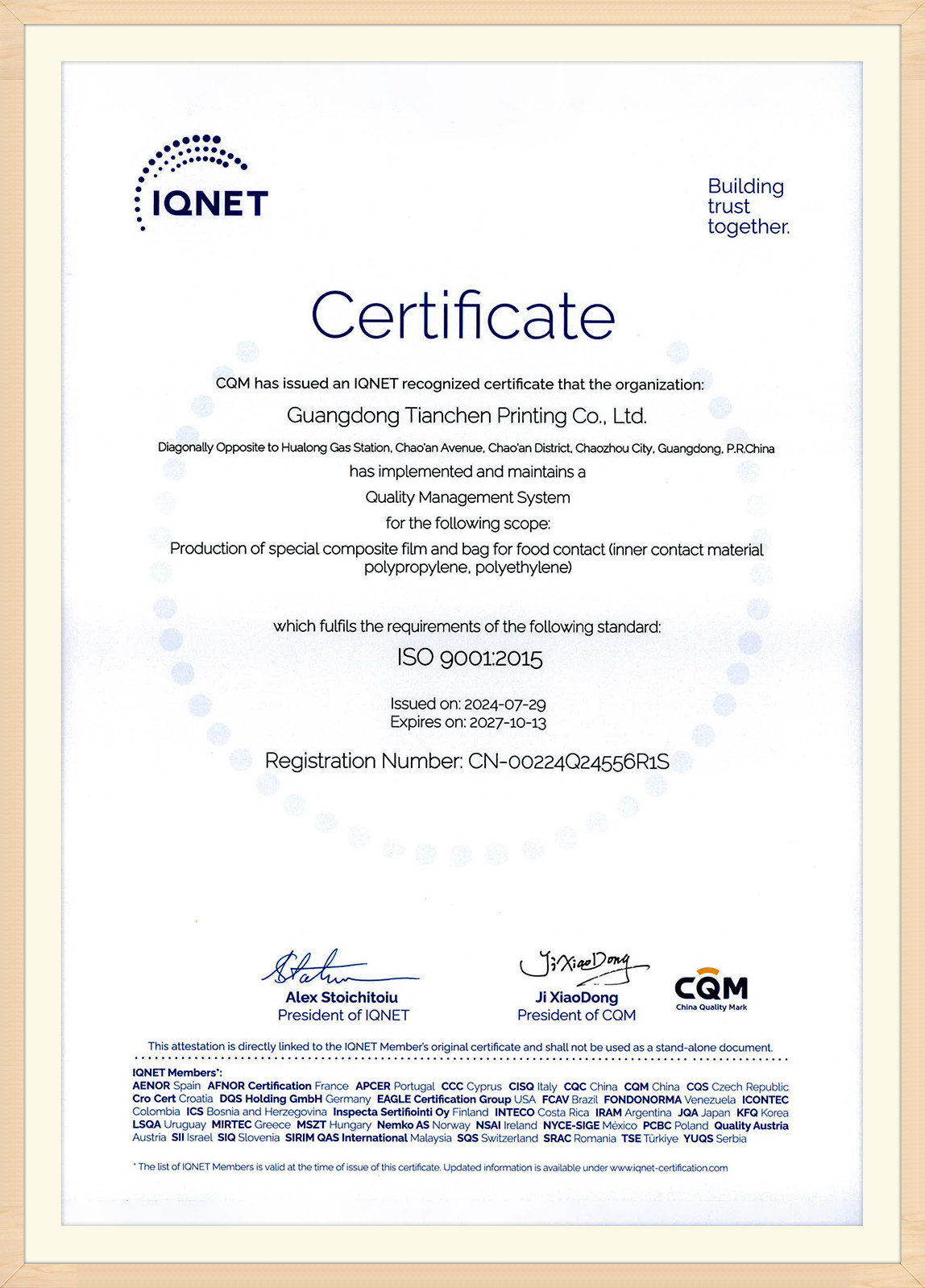
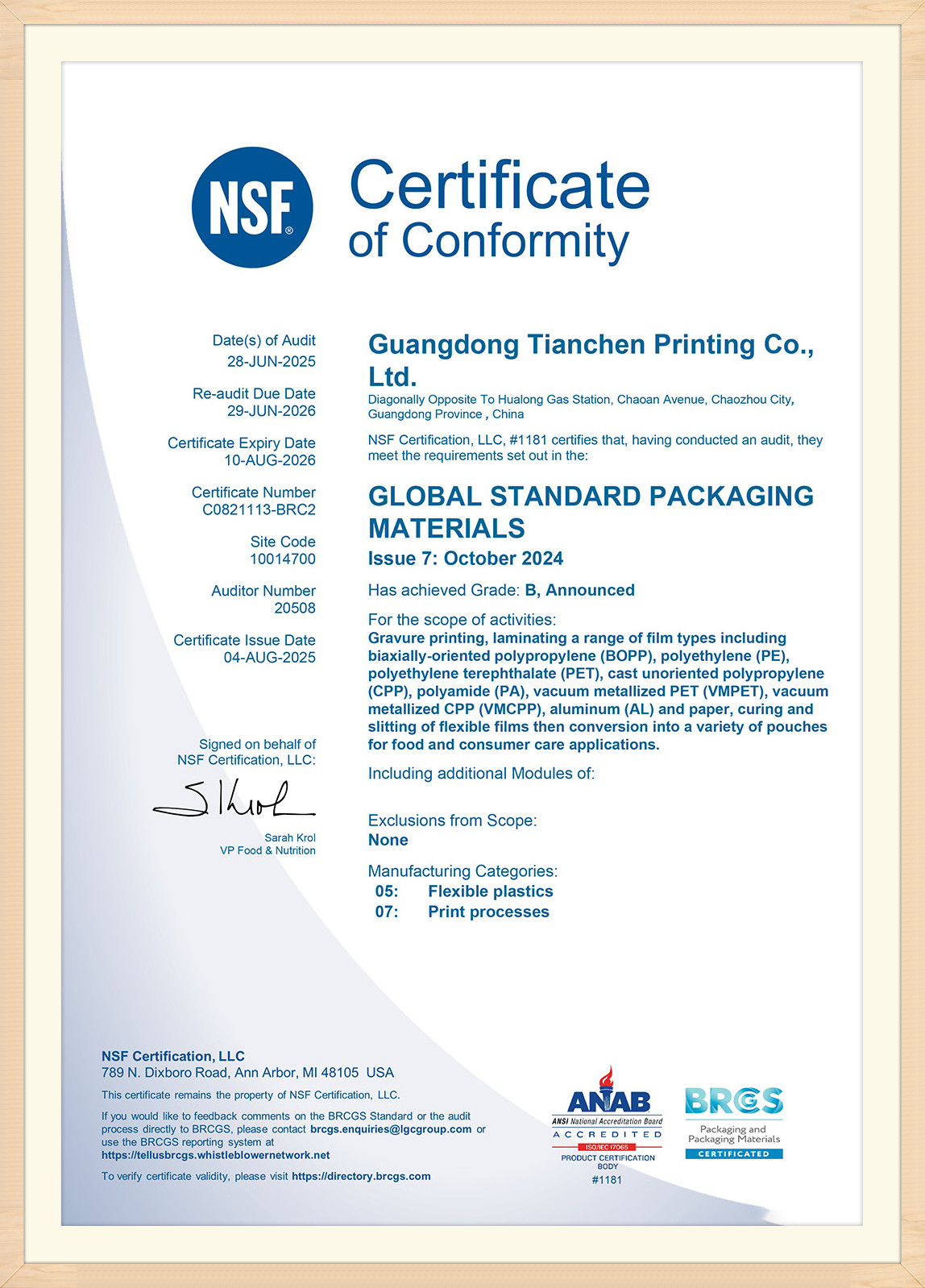
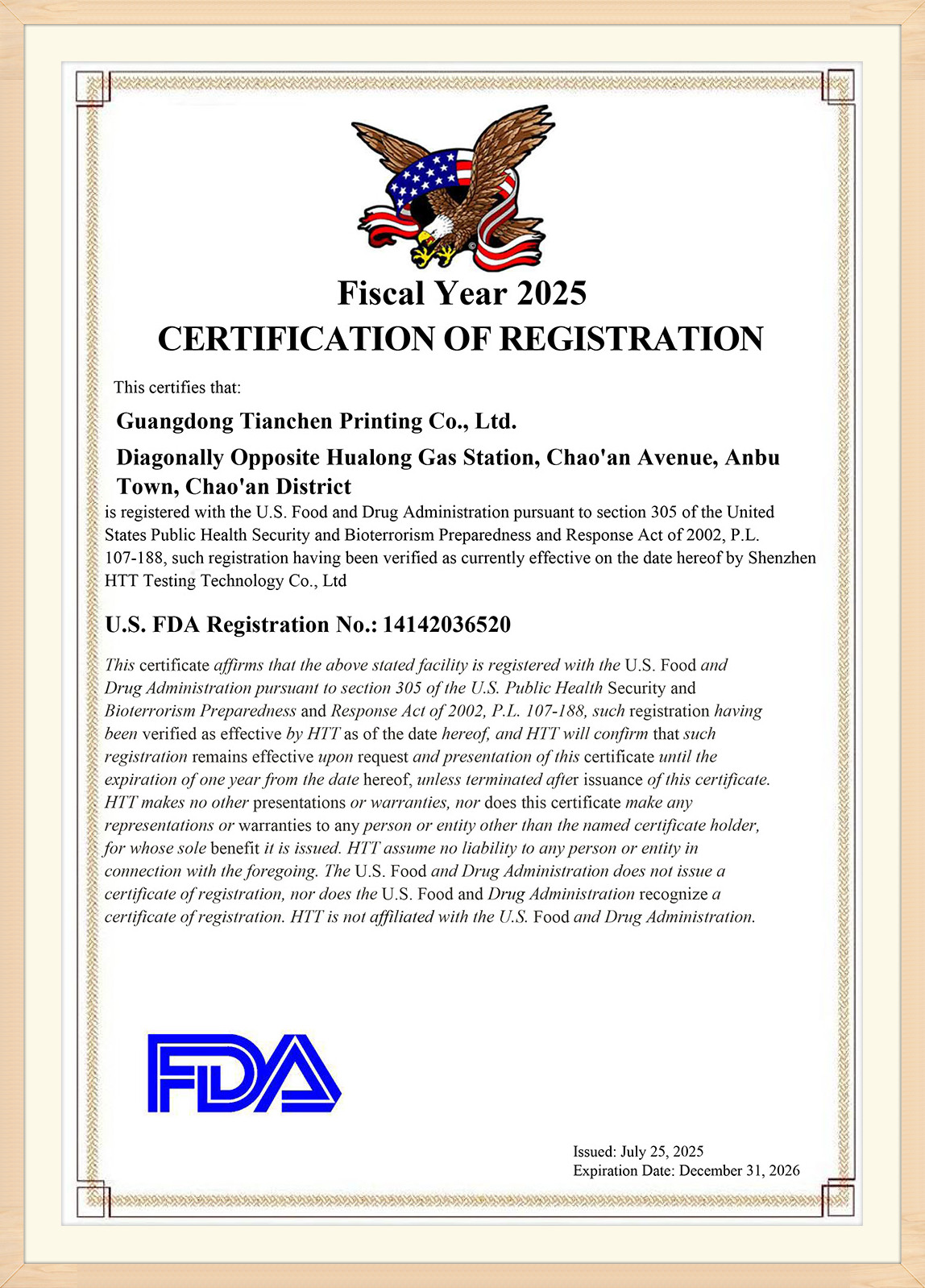
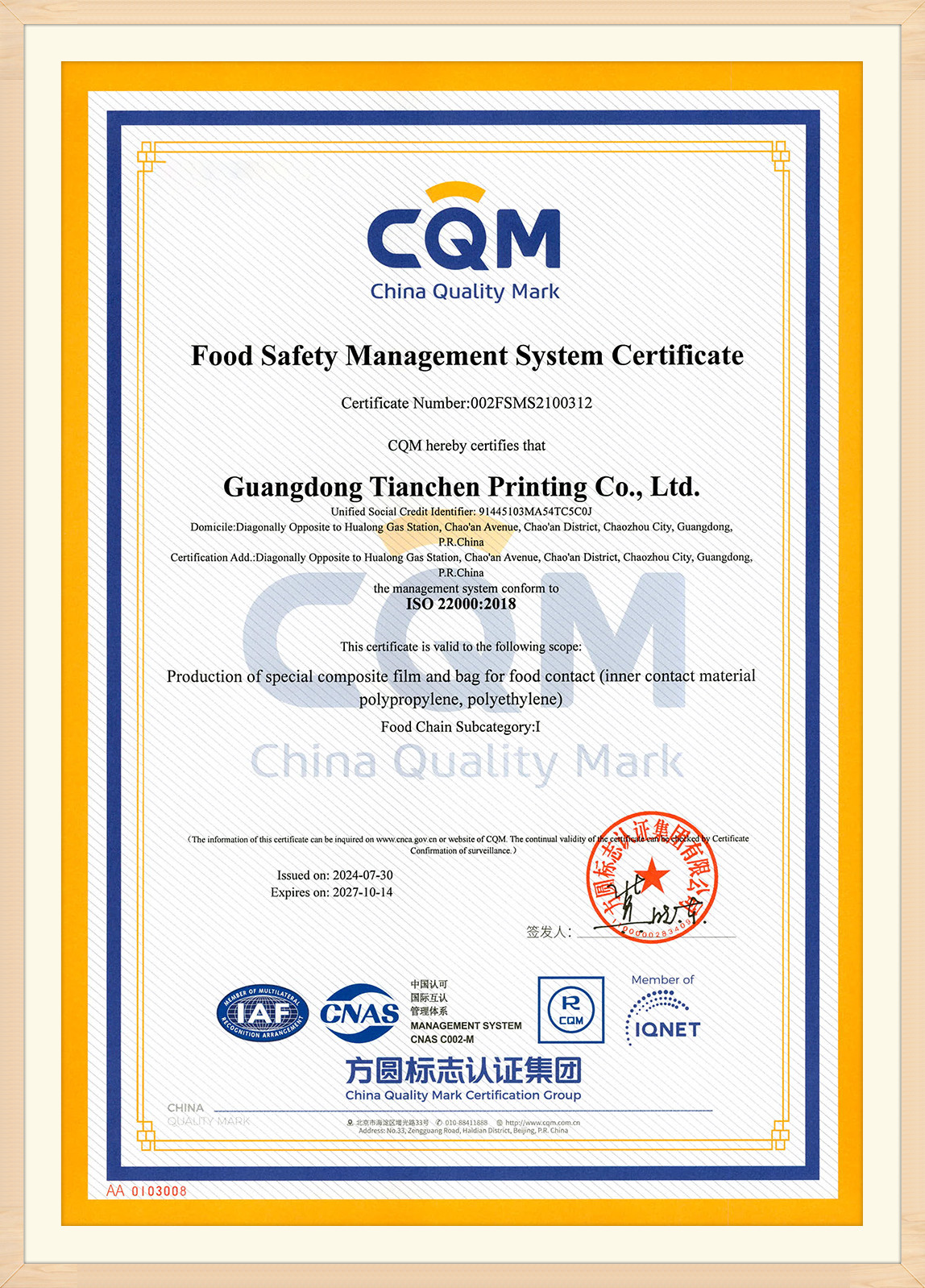
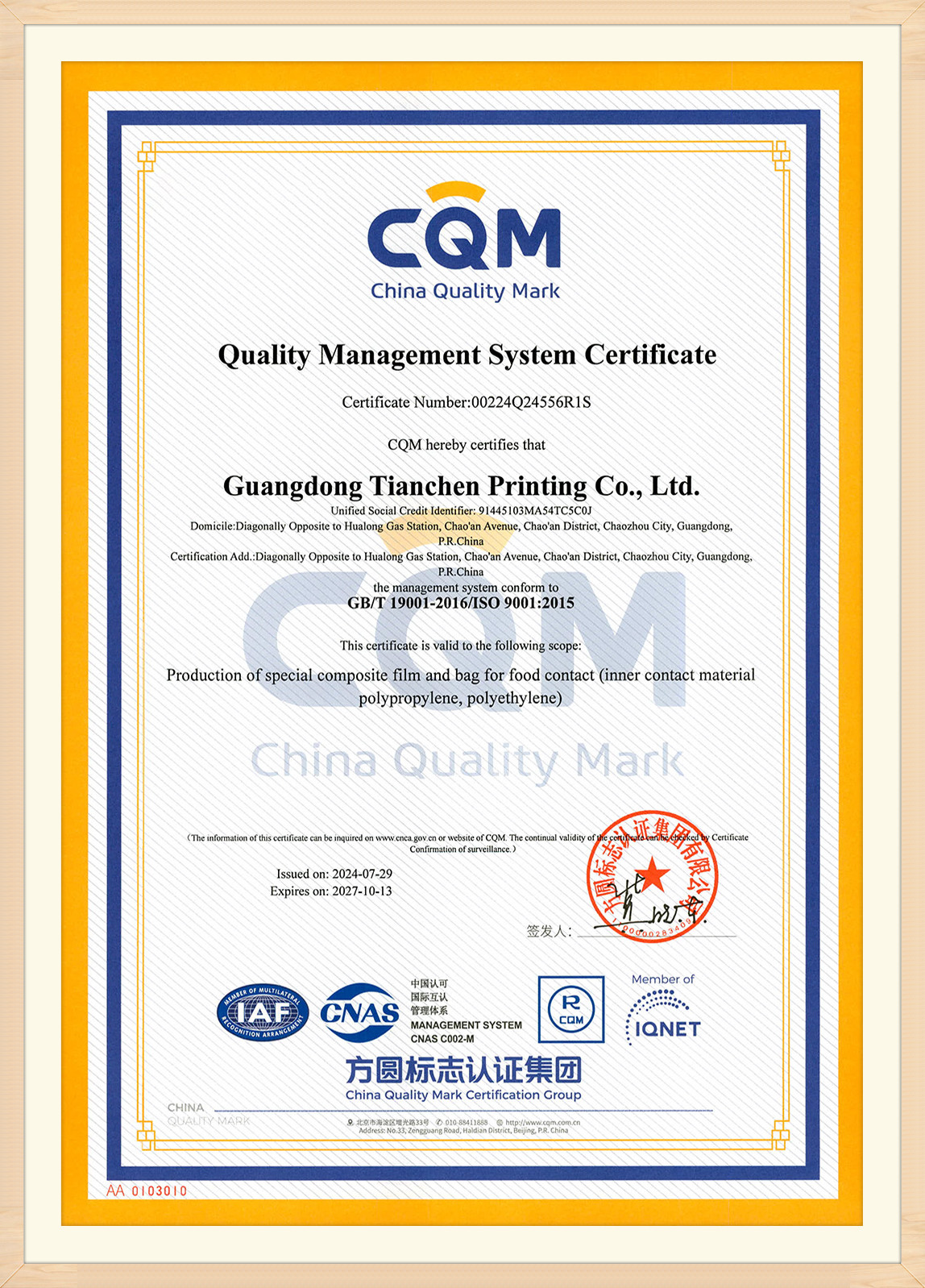
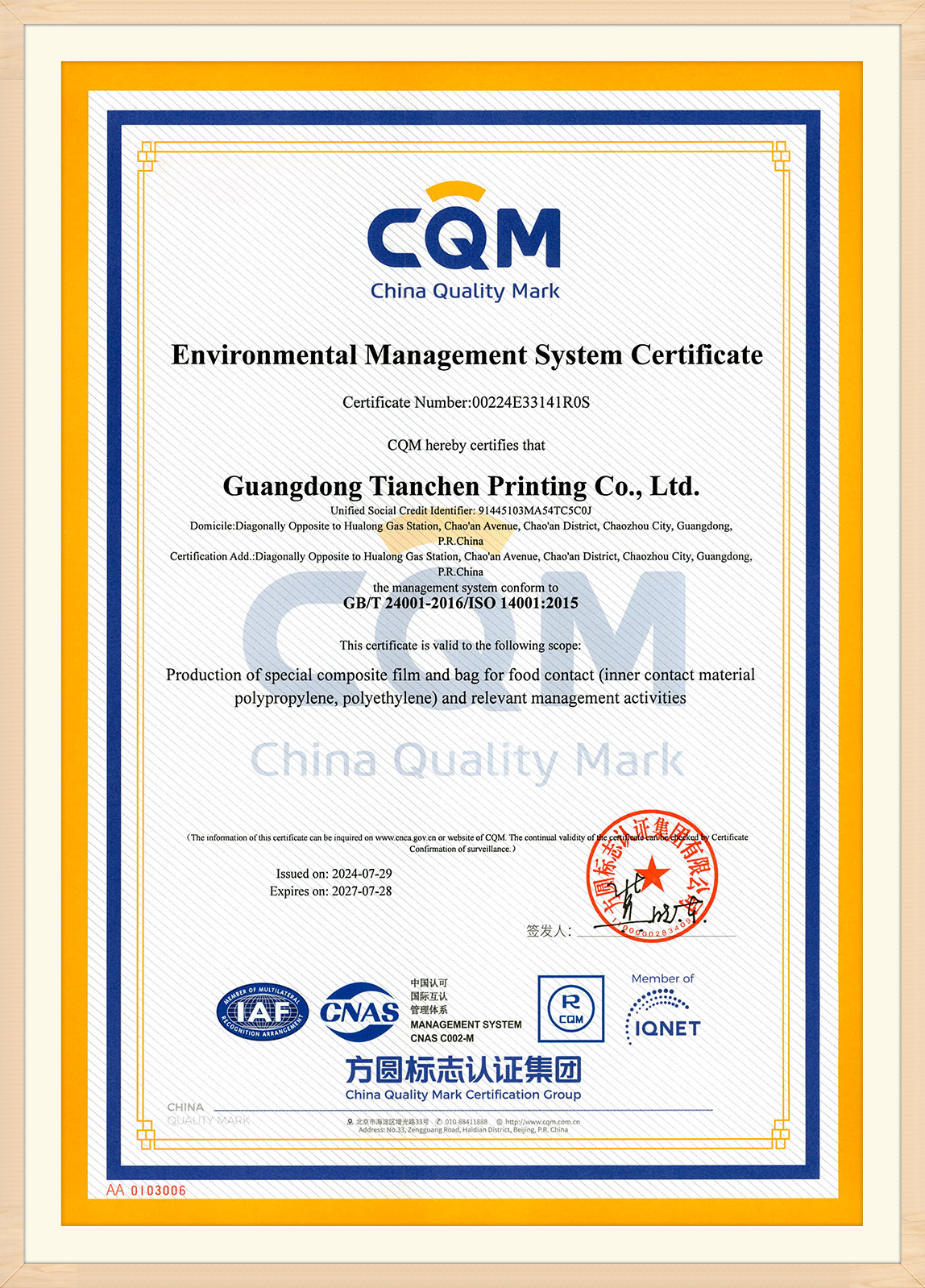
Our commitment to quality is backed by international certifications, ensuring compliance with food safety, material tracking, and global trade standards.
Get professional answers to key technical questions about polymer chemistry, barrier properties, and operational parameters.
Polyethylene (PE) cling film is formulated without added plasticizers, such as phthalates or adipates (DEHA), which are commonly used to make PVC flexible. At elevated temperatures or in contact with fatty foods, these plasticizers can migrate from PVC into the food. PE is chemically inert, inherently flexible, and conforms fully to FDA and European Union direct food-contact regulations, making it a safer alternative for fresh food packaging.
Multi-layer co-extrusion combines polymers with different properties into a single, unified film structure. For example, a 9-layer co-extruded film can feature an exterior layer designed for high slip, a core layer for oxygen and moisture barriers (like EVOH or Polyamide), and an interior layer optimized for heat sealability and puncture resistance. This structure allows us to reduce overall film thickness while maintaining high mechanical strength and excellent barrier properties.
The OTR is primarily determined by the polymer structure, density, thickness, and ambient humidity. Polymers like EVOH (Ethylene Vinyl Alcohol) and BOPA (Biaxially Oriented Polyamide) provide high oxygen barriers, whereas LDPE and LLDPE offer lower barriers. By adjusting the thickness of these barrier layers, we can tailor the OTR to match the requirements of the packaged product, such as fresh meats that require controlled oxygen levels or dry foods that need protection from oxidation.
We utilize high-speed rotogravure printing presses equipped with advanced color-matching systems and automatic register controls. Our systems continuously monitor and adjust tension, keeping registration tolerances under ±0.1mm. This ensures consistent color reproduction and sharp print details from the beginning to the end of each production run.
Yes. We are focused on two main sustainability areas: First, the development of mono-material laminates (such as all-PE or all-PP structures) that can be easily recycled in existing collection streams. Second, the use of bio-based or compostable polymers (like PLA and PBAT) for specific applications. Additionally, our advanced extrusion capabilities allow us to make films thinner without sacrificing mechanical performance, reducing overall plastic use at the source.
Every production batch undergoes comprehensive testing in our quality control laboratory. We test for tensile strength, elongation at break, puncture resistance, seal strength, coefficient of friction (COF), and solvent retention (to verify complete ink drying and lack of odor). For food-grade applications, we also conduct migration tests to ensure full compliance with international regulatory standards.
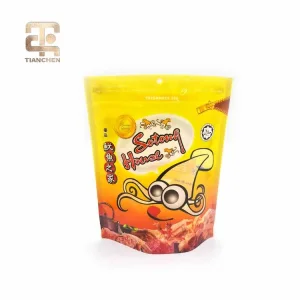
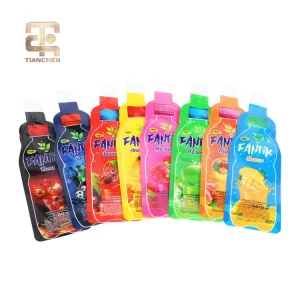
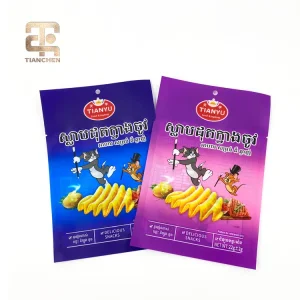
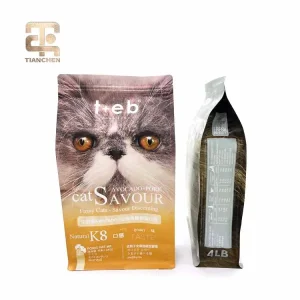
Review our specialized dry-food bags, custom beverage pouches, and durable multi-layer laminates designed to meet demanding performance criteria.
 TIANCHEN PRINTING