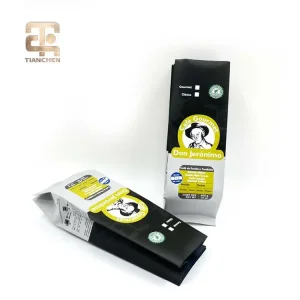
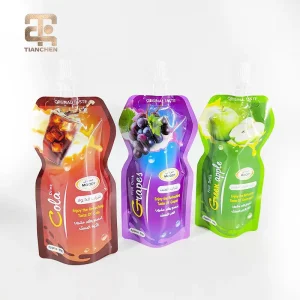
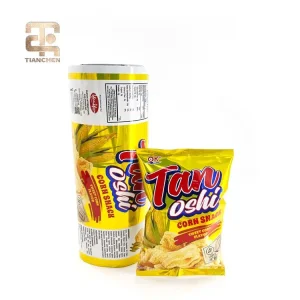
Engineered for structural barrier integrity, high efficiency, and extended shelf life
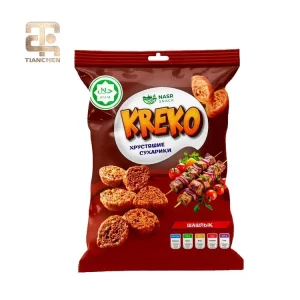
Understading structural dynamics, macroeconomic shifts, and high-performance polyolefin engineering across multi-continental supply chains.
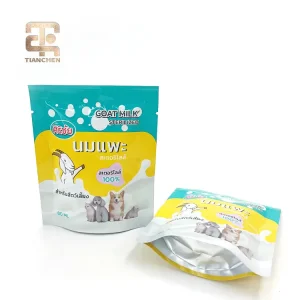
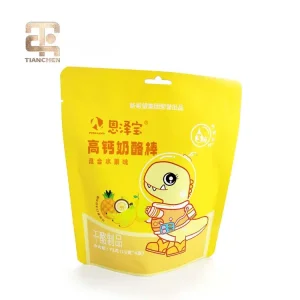
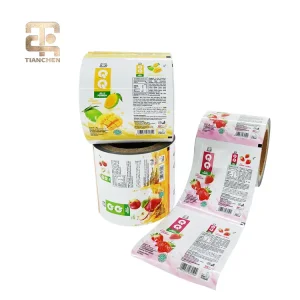
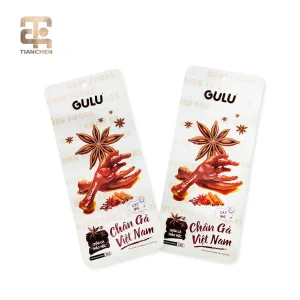
Biaxially Oriented Polypropylene (BOPP) Heat Sealable Film stands as the absolute cornerstone of modern fast-moving consumer goods (FMCG) packaging. Through advanced multi-layer co-extrusion technology, manufacturers can engineer films with precision-controlled properties, including specialized slip profiles, high optical clarity, and low seal initiation temperatures.
On a macro-industrial scale, global commercial operations are shifting away from heavy, rigid containers towards lightweight, flexible plastic films. This pivot is driven by the immediate economic advantages in shipping and storage efficiency, as well as the pressing demand for carbon footprint reduction. High-quality BOPP heat sealable films provide the ideal balance of mechanical toughness and physical flexibility, ensuring pack integrity during high-speed vertical and horizontal form-fill-seal (VFFS & HFFS) workflows.
Analyzing key physical and chemical attributes required by leading FMCG brands and international procurement departments.
In high-speed processing lines, parameter consistency is paramount. Slight variations in thickness, heat seal strength, or coefficient of friction (COF) can lead to micro-channel leaks, film tearing, or packaging line downtime. The table below represents the performance envelope of our advanced grade BOPP heat sealable films, engineered to satisfy both mechanical rigidity and reliable sealing properties.
| Film Property | Test Standard | Typical Value Range | Industrial Importance |
|---|---|---|---|
| Thickness | ASTM D2103 | 15 µm – 40 µm | Determines yield, barrier effectiveness, and yield economics. |
| Heat Seal Strength | ASTM F88 | 1.8 – 3.5 N/15mm (at 120°C) | Prevents product spills and protects pack integrity during handling. |
| Seal Initiation Temp (SIT) | Tianchen R&D Protocol | 100°C – 115°C | Enables wider sealing window and high-speed packaging runs. |
| Haze (Optical Clarity) | ASTM D1003 | 1.2% – 2.5% | Provides maximum shelf-impact and clean, transparent windows. |
| WVTR (Water Vapor Transmission) | ASTM E96 | < 5.0 g/m²/24hr (38°C, 90% RH) | Keeps crispy and hygroscopic foods dry and highly fresh. |
| OTR (Oxygen Transmission Rate) | ASTM D3985 | < 1500 cc/m²/24hr (23°C, 0% RH) | Restricts oxidation; can be paired with EVOH for high-barrier needs. |
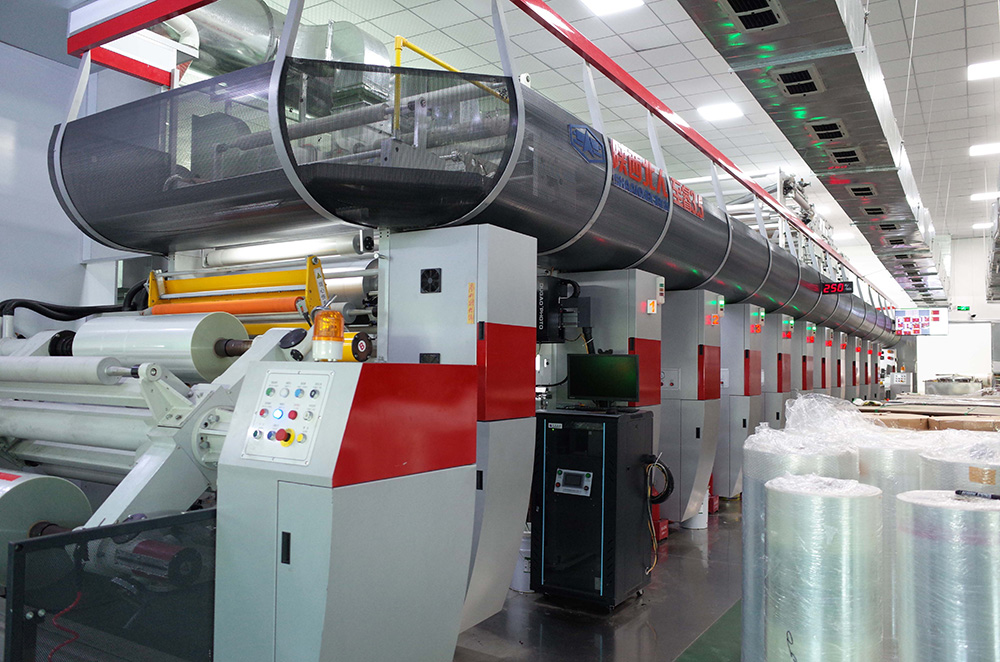
To produce film that meets these strict parameters, our factory utilizes world-class tenter-frame co-extrusion technology. This technique involves stretching the polypropylene web in two distinct directions—machine direction (MDO) and transverse direction (TDO)—under highly precise thermal dynamics. This double-orientation aligns the polymer molecular chains, which significantly improves the film's tensile strength, puncture resistance, and optical clarity compared to traditional cast or blown methods.
Our multi-layer films are generally composed of three to five distinct layers. The core layer consists of homopolymer PP, providing high rigidity and tensile strength, while the outer skin layers consist of special random copolymers or terpolymers. These skin layers are designed to melt at lower temperatures, providing excellent heat sealability while maintaining the structural integrity of the core layer during thermal sealing cycles.
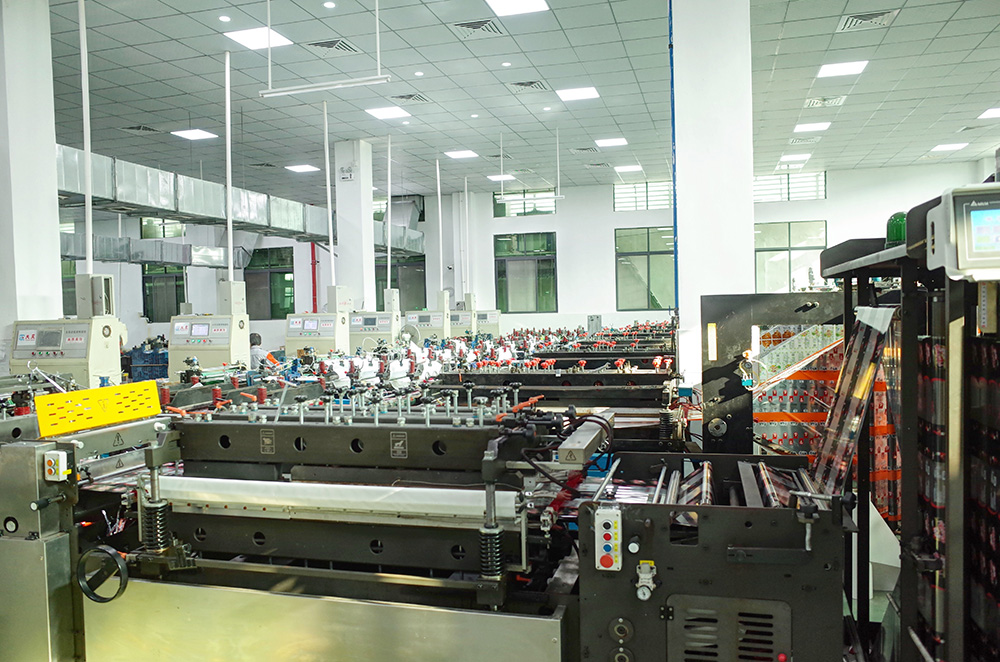
A trusted manufacturing powerhouse delivering premium flexible packaging solutions for over two decades.
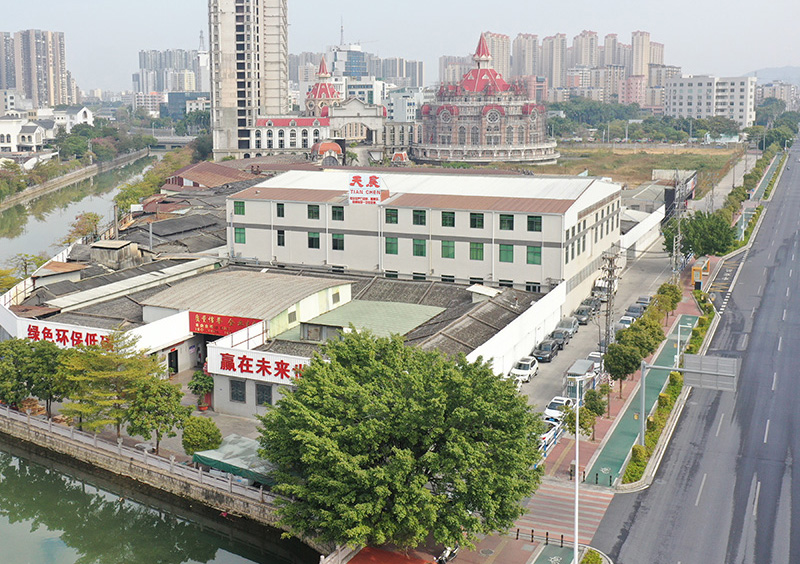
Rooted in Guangdong, a dynamic hub of global manufacturing and international trade, Guangdong Tianchen Printing Co., Ltd has established itself as an industry leader. For over 20 years, we have specialized in high-end rotogravure printing, laminating, and converting services, delivering tailored flexible packaging solutions to clients worldwide.
Our business covers a diverse range of industries, including food and beverage, pharmaceuticals, daily chemicals, electronics, and agriculture. We pride ourselves on engineering packaging solutions that address the unique needs of each sector—from high-barrier films for medical supplies to moisture-proof packaging for crispy snacks. This commitment to quality has helped us build long-term partnerships in North America, Europe, Southeast Asia, and beyond.
Guided by our core four "IN" concepts—Innovation, Internationalization, Integration, and Intelligentization—we consistently invest in R&D, upgrade our machinery, and integrate green, sustainable manufacturing practices into every stage of production.
Strict quality assurance and international standards compliance for global peace of mind.
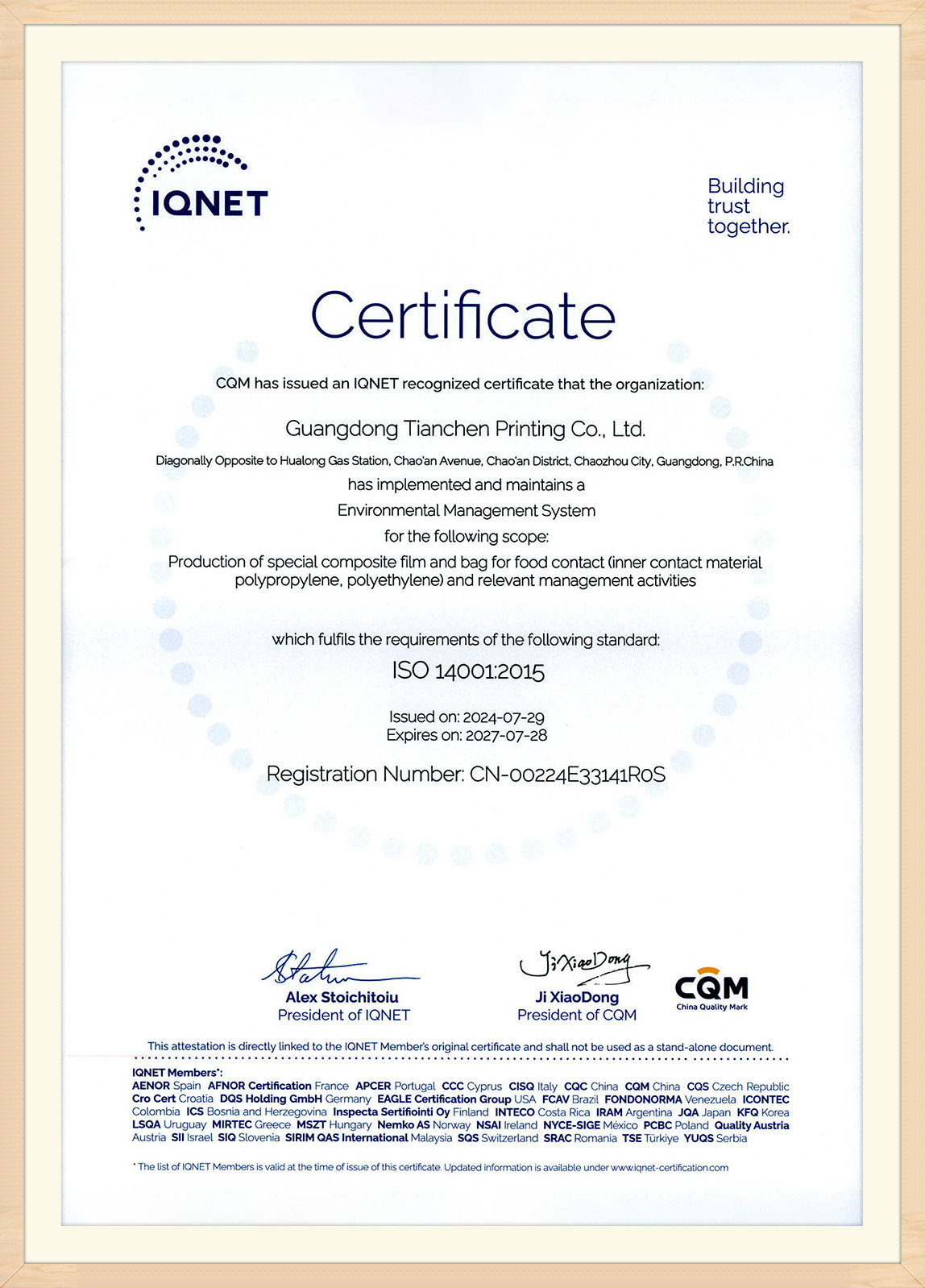
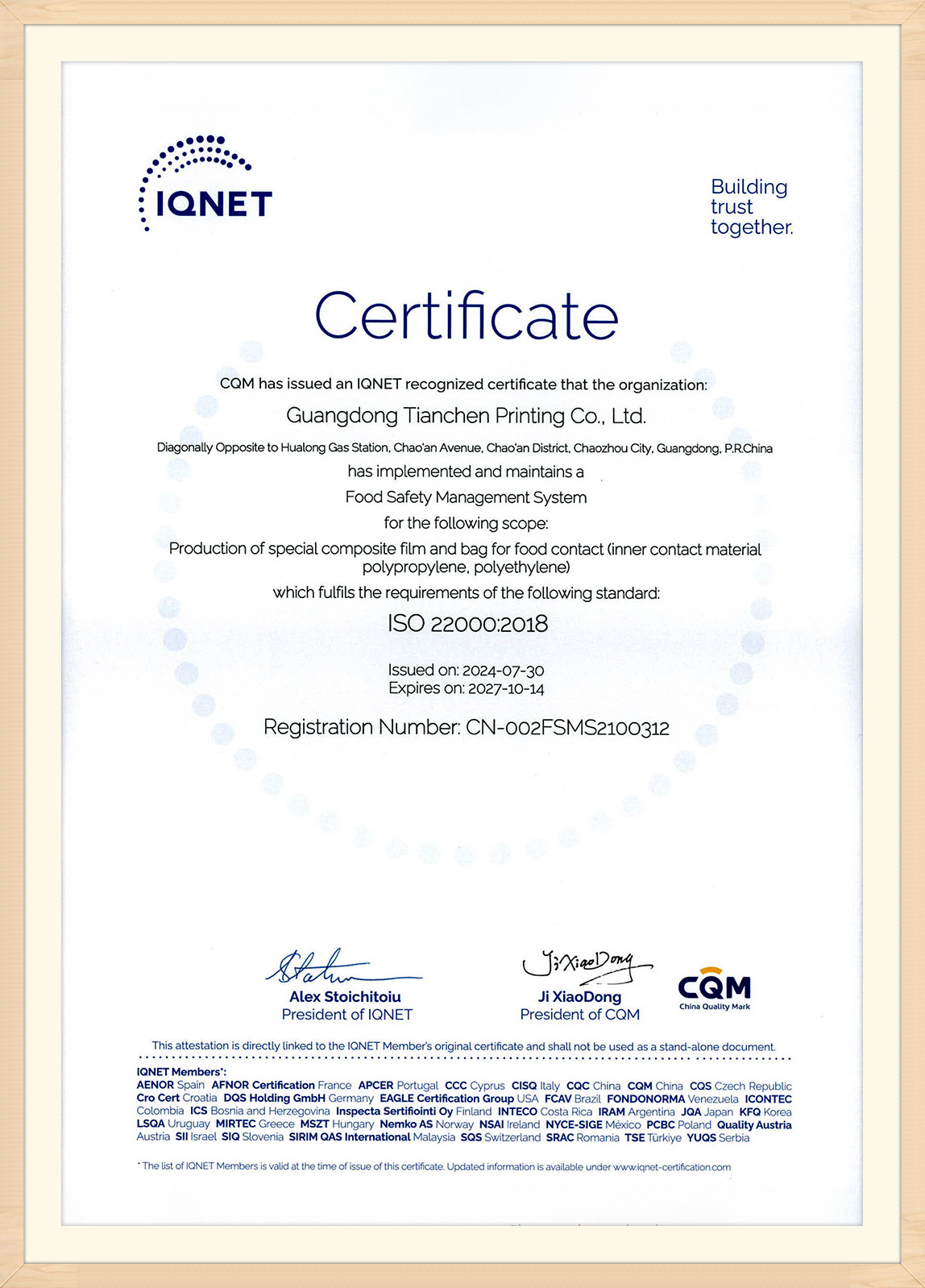
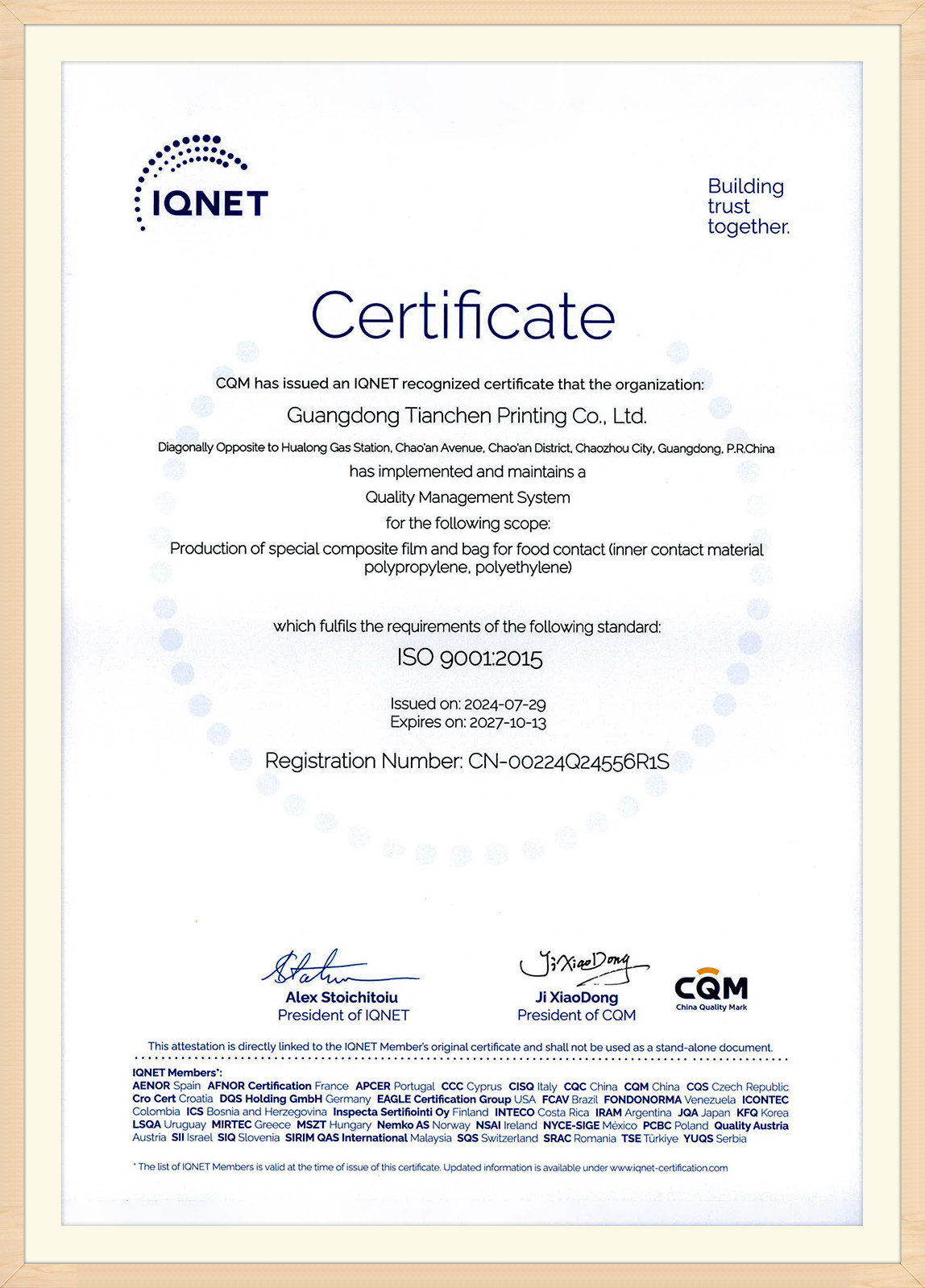
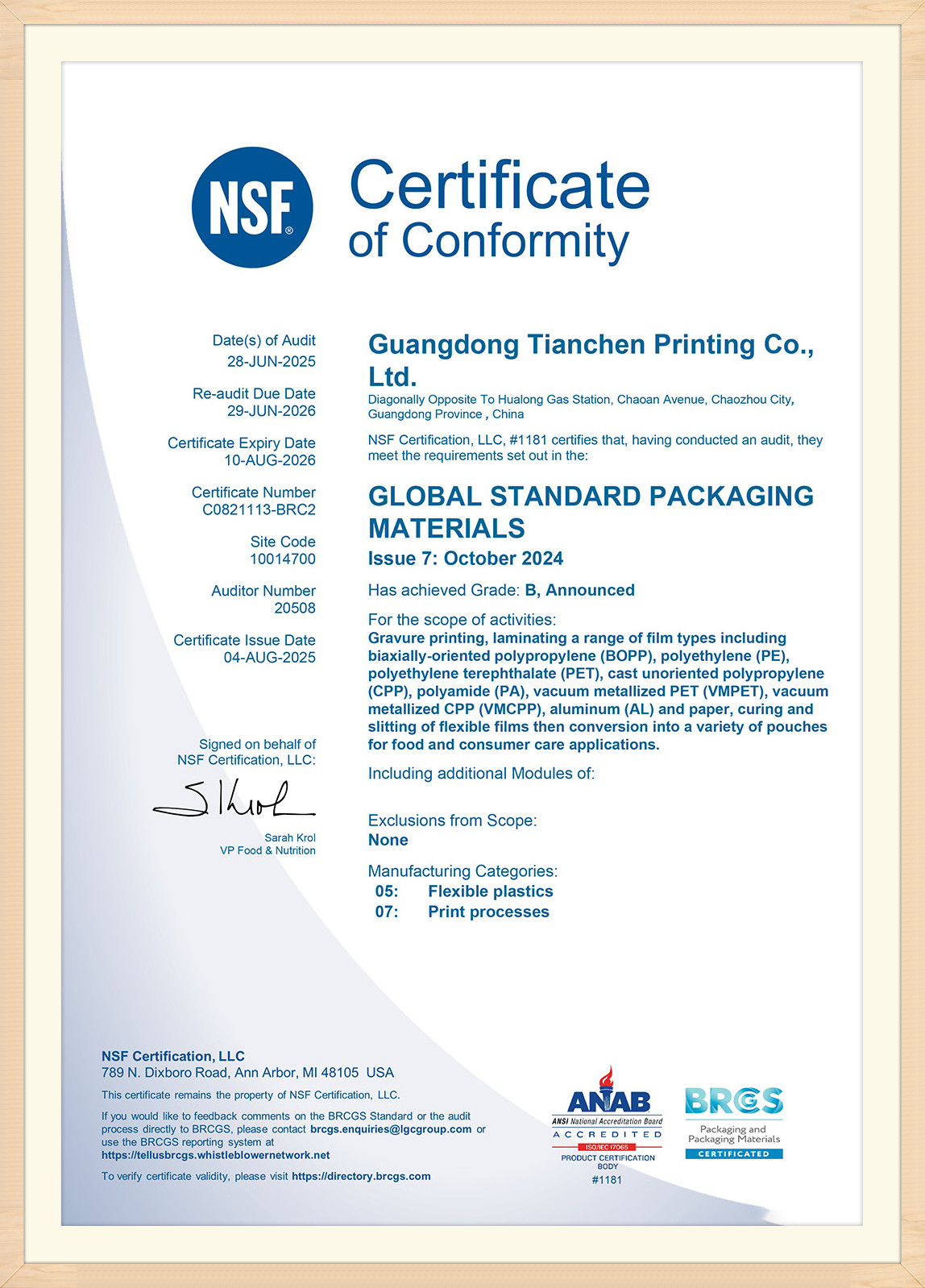
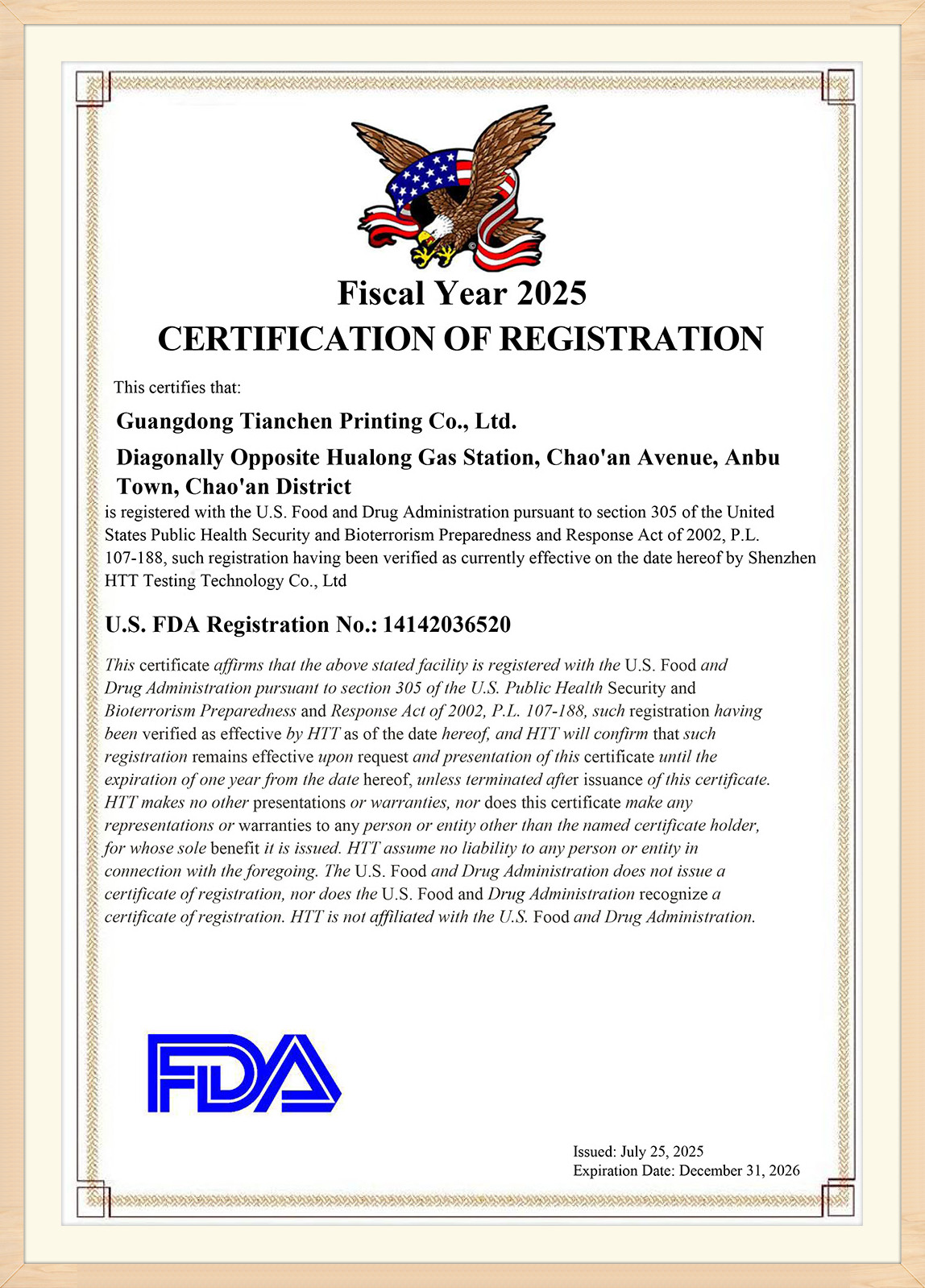
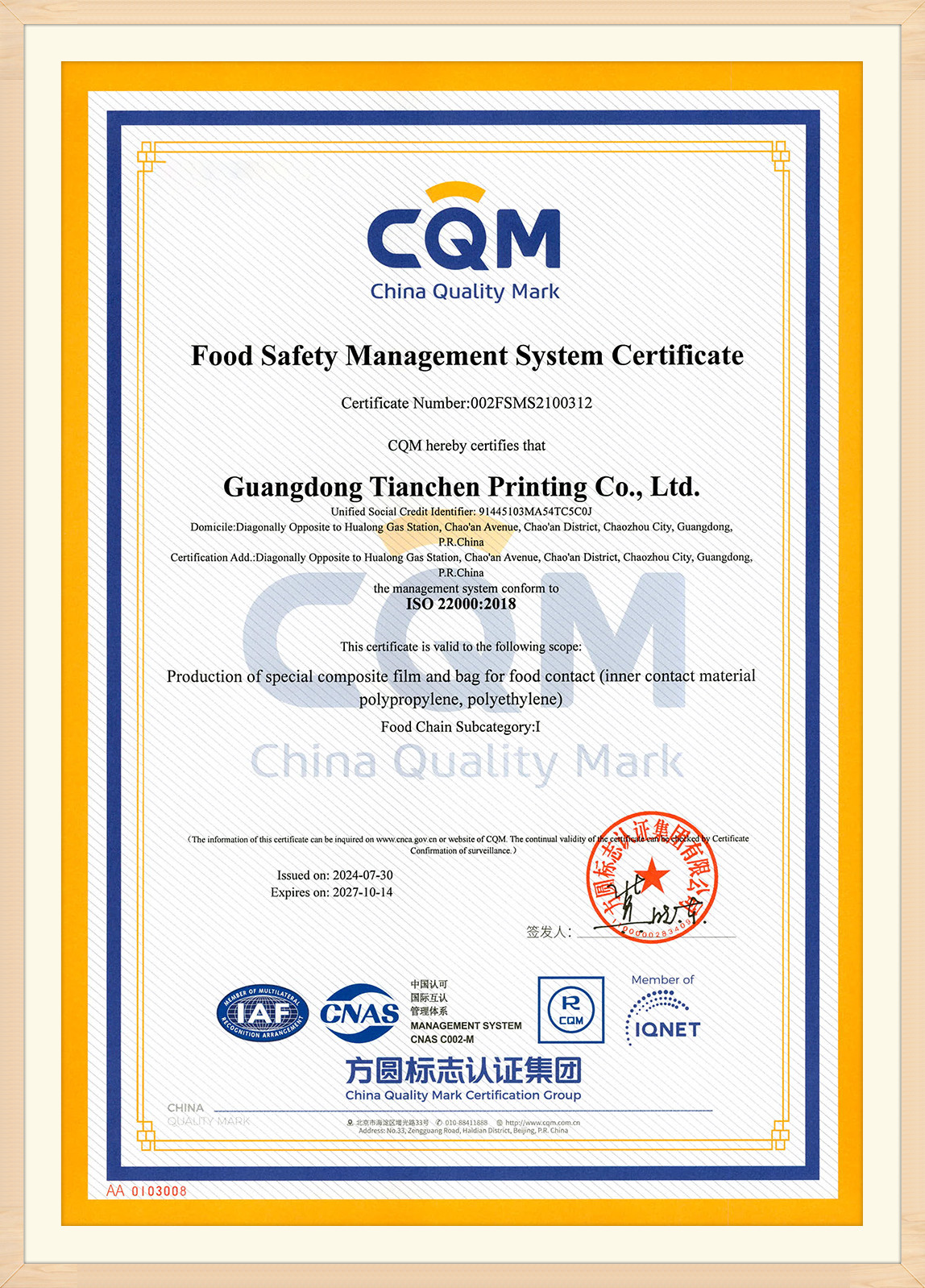
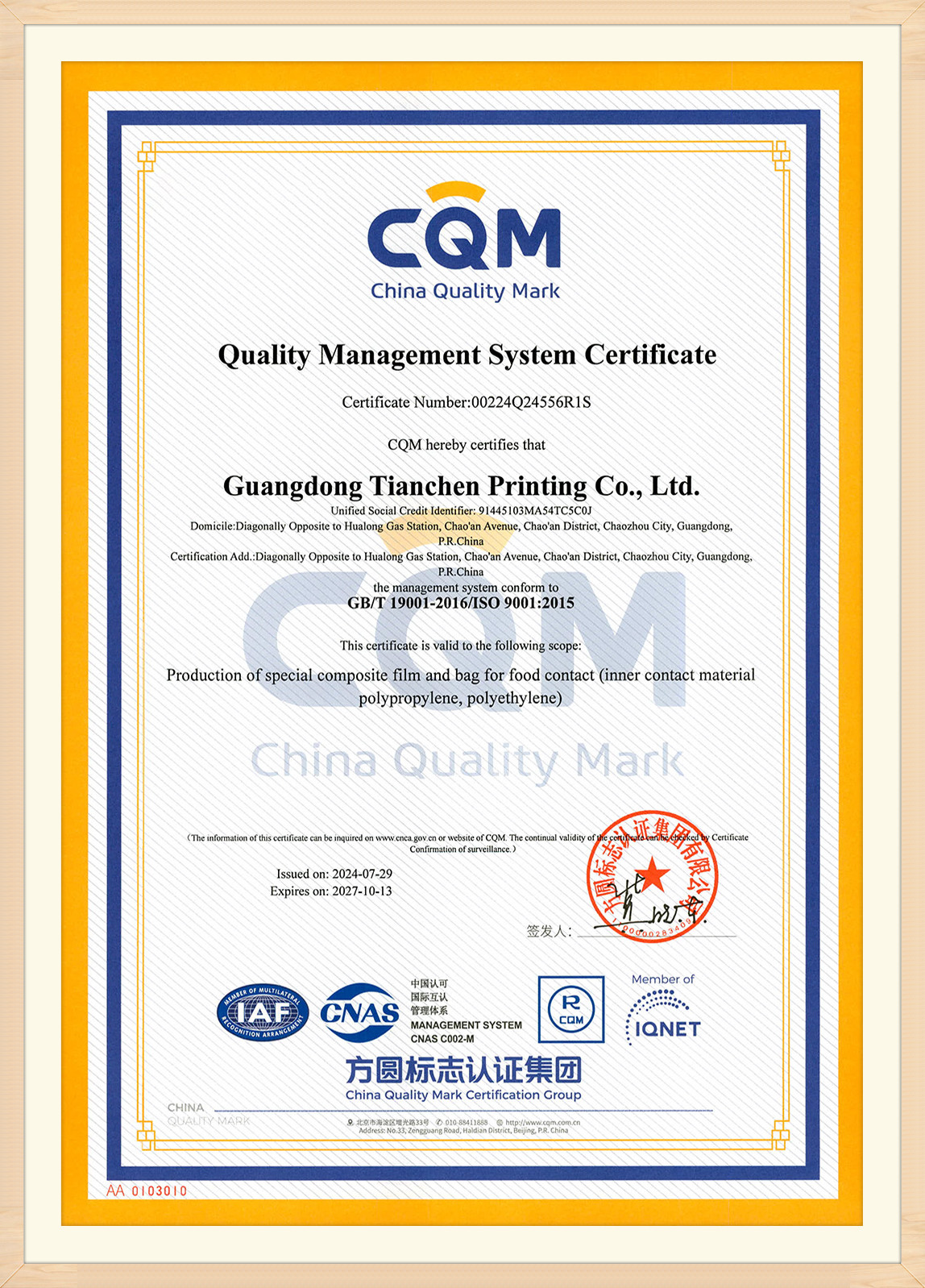
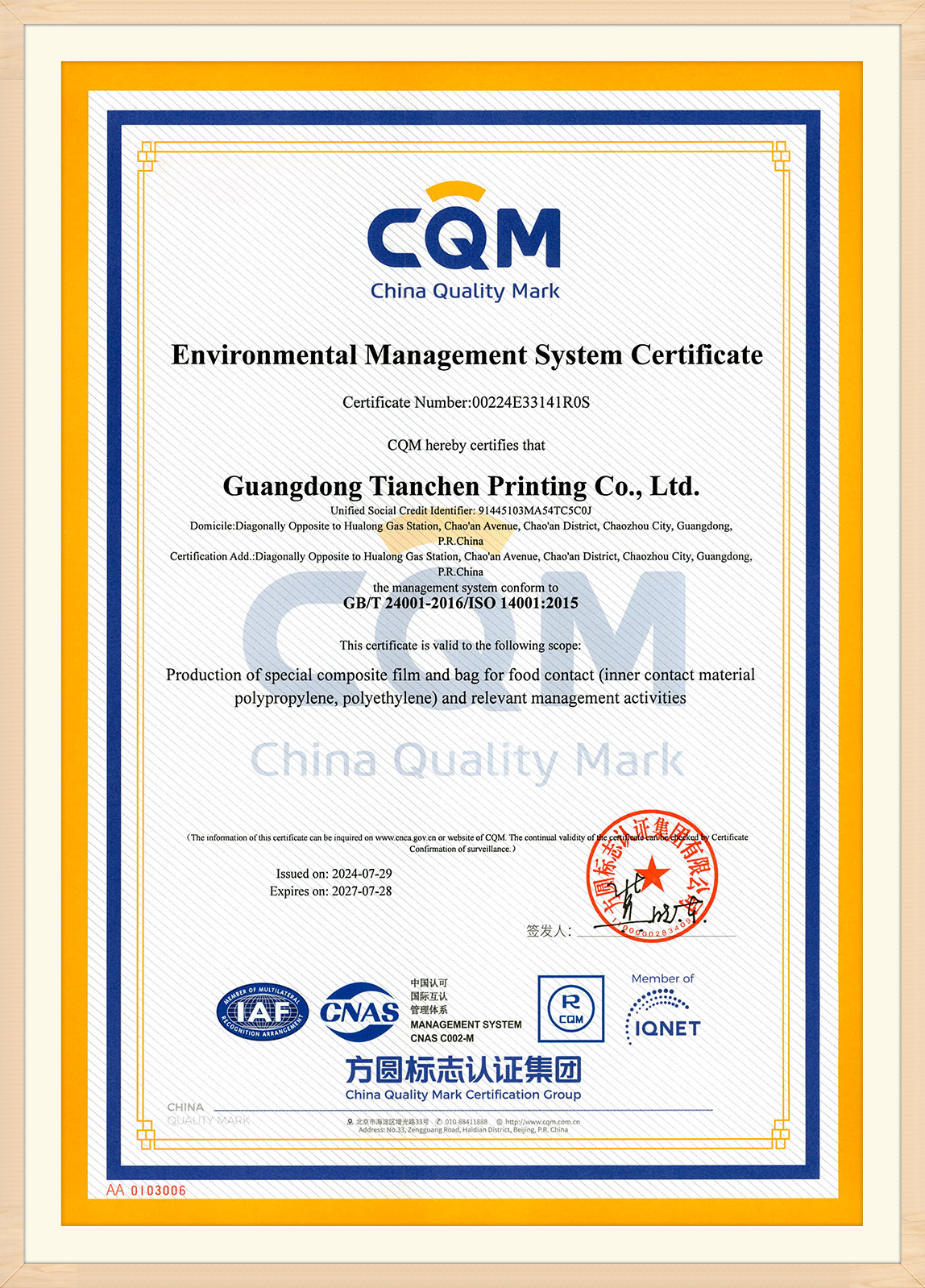
How we integrate advanced technologies, smart operations, and environmental responsibility to lead the global flexible packaging market.
We invest heavily in R&D to upgrade our printing processes and develop eco-friendly, high-performance packaging materials. By anticipating market trends, we supply films that offer superior barrier properties and run seamlessly on modern packaging lines.
We maintain strict global production standards, hold international safety and quality certifications, and have expanded our service network to support multinational companies across North America, Europe, and Asia.
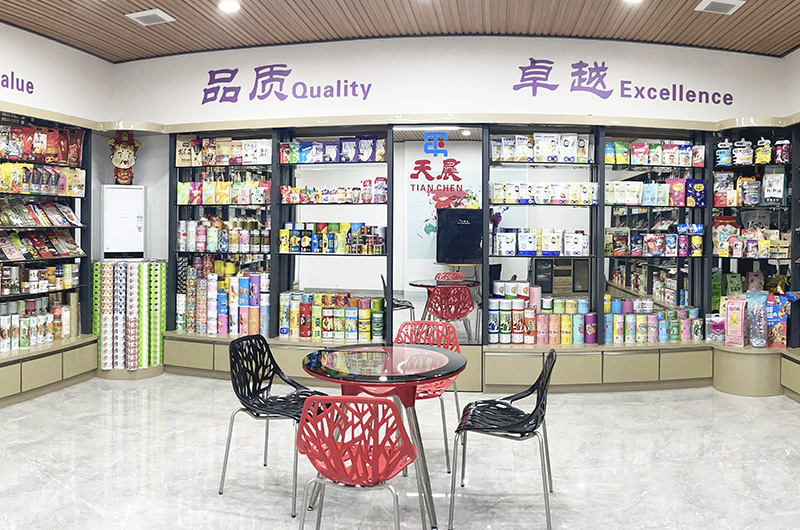
We offer a one-stop service model that covers design, printing, laminating, converting, and rigorous quality control. This integrated process reduces lead times, optimizes production costs, and ensures consistent quality.
At Guangdong Tianchen Printing, sustainability is not just a regulatory checkmark—it is a core business strategy. The packaging industry is undergoing a major shift away from non-recyclable multi-material laminate structures, which are difficult to process in traditional recycling streams. In response, we have developed advanced high-barrier monomaterial alternatives, such as all-polypropylene (PP) and all-polyethylene (PE) laminates.
By pairing high-quality BOPP heat sealable film with cast polypropylene (CPP) skin layers, we create functional laminate films that can be recycled directly. In addition to material innovation, we have invested in regenerative thermal oxidizers (RTO) to capture and destroy VOC emissions from our printing presses, drastically reducing the environmental impact of our operations.
Get authoritative, technical answers to common questions about BOPP films, laminate structures, and production processes.
Explore our complete range of high-barrier, industrial, and customizable packaging solutions
 TIANCHEN PRINTING