Engineered structural laminates providing absolute preservation, gas barrier control, and premium brand presentation.
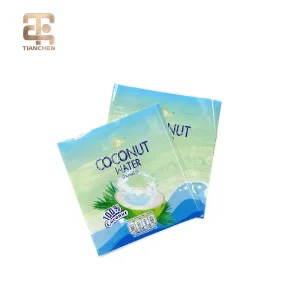
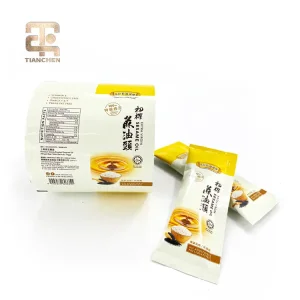
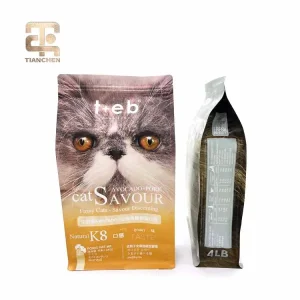
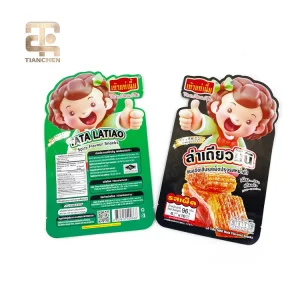
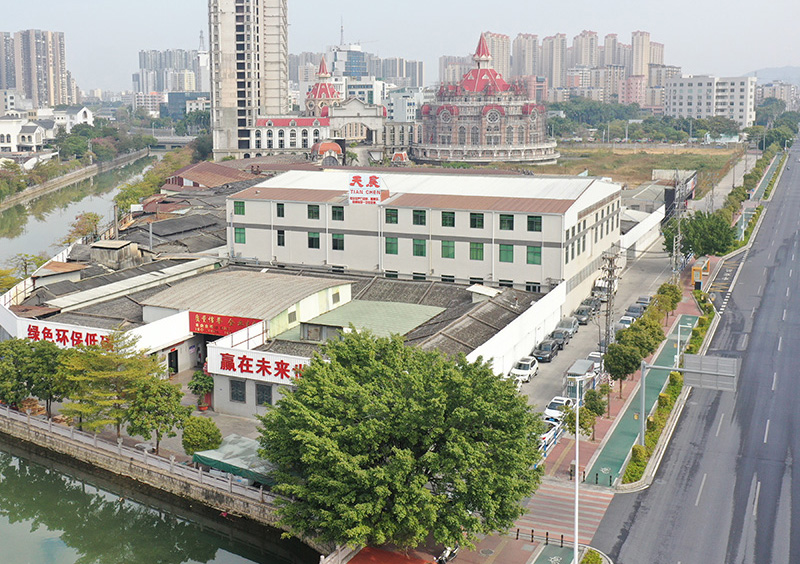
Within the highly demanding landscapes of modern consumer packaged goods (CPG), pharmaceuticals, and industrial supply chains, sourcing flexible packaging is no longer merely a procurement transaction. It is a critical exercise in risk management, total cost of ownership (TCO) optimization, and carbon footprint reduction.
For multinational corporations partnering with an entity like International Packaging Films Limited or global leaders such as Guangdong Tianchen Printing Co., Ltd., the procurement checklist extends far beyond price per thousand units. Enterprises require ultra-precise performance metrics including strictly managed Oxygen Transmission Rates (OTR) and Moisture Vapor Transmission Rates (MVTR) to prevent oxidation, moisture ingress, and nutrient degradation in food and pharmaceutical products.
Furthermore, operational runnability on high-speed Form-Fill-Seal (FFS) lines demands perfect roll-to-roll consistency, optimized Coefficient of Friction (COF), and impeccable thermal sealing profiles. Our solutions address these core procurement requirements directly by utilizing state-of-the-art material formulations and process controls.
Years of Deep Expertise
Flexible Packaging Manufacturing Since 2004High-Barrier Integrity
Custom-Engineered Multi-layer LaminatesIntelligent Systems
AI-Assisted Closed-Loop Color ManagementSupply Chain Footprint
Europe, North America, Southeast Asia & BeyondGuangdong Tianchen Printing operates at the convergence of technology and material science, guided by four core strategic pillars.
We continuously invest in R&D, upgrading printing technologies, solvent-less lamination systems, and eco-friendly structures to stay ahead of global sustainability directives and market transitions.
By complying fully with BRCGS, FDA, and ISO standards, we guarantee seamless market access across highly regulated territories like North America, the European Union, and developed Asian economies.
A unified one-stop manufacturing model encompasses packaging structural engineering, rotogravure prepress processing, high-fidelity laminating, bag-making, and inline digital inspection.
Transitioning our Guangdong facility toward Industry 4.0 paradigms through real-time ERP-MES integration, automated raw material dispensing, and closed-loop color and print quality controls.
Custom-engineered multi-layer film structures tailored to survive the thermal, mechanical, and biological stresses of specific vertical markets.
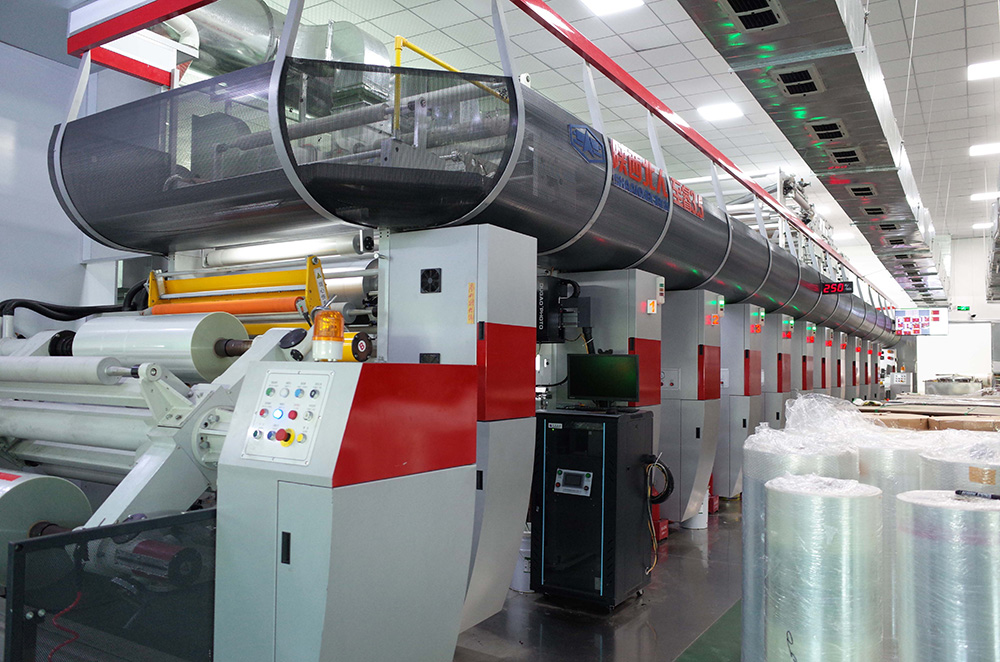
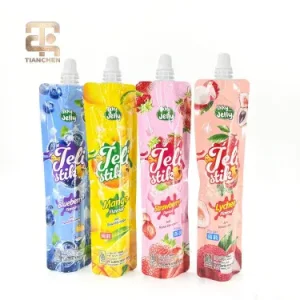
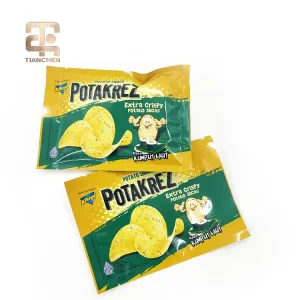
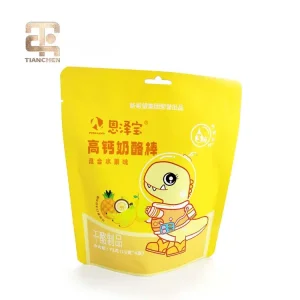
Modern food supply chains demand absolute safety and prolonged shelf life. Our highly engineered food-grade metallized films, spout pouches, and flat-bottom pouches utilize optimized composite structures like PET/AL/PE, BOPP/VMPET/PE, and high-performance NY/EVOH/PE co-extrusions.
These advanced multi-layer systems protect oxygen-sensitive snacks, premium baby food, dynamic liquid juices, and high-fat contents from oxidation and UV degradation. The incorporation of high-barrier EVOH layers or aluminum foil ensures that moisture and oxygen transmission rates approach absolute zero, preserving texture, nutritional values, and aromatic profile stability.
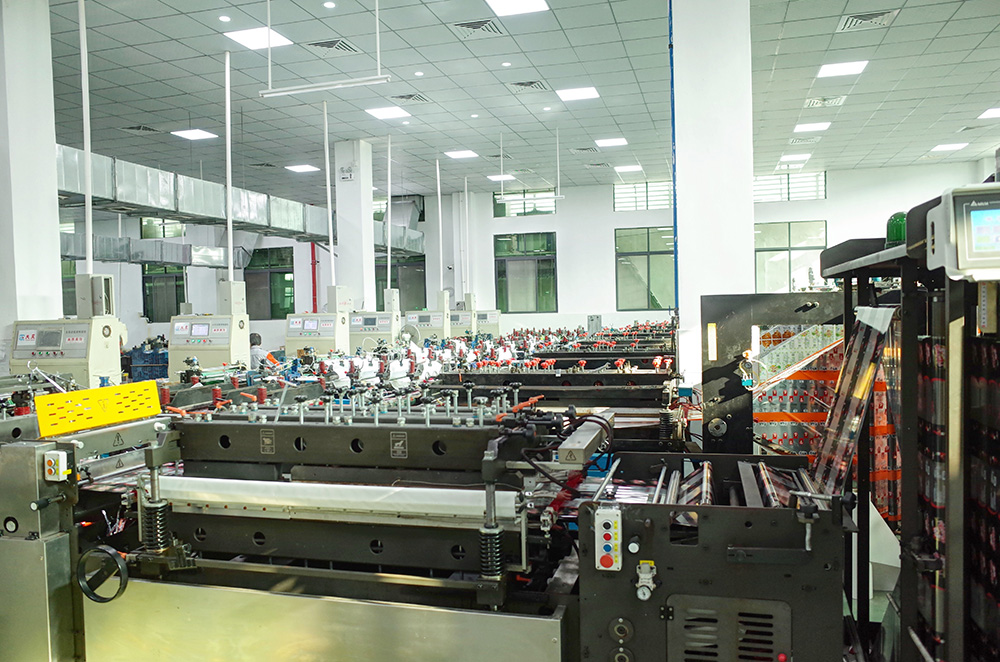
Cosmetic products, household liquid detergents, and personal hygiene solutions require packaging that is chemically inert yet physically resilient. Active chemical formulations, essential oils, and surfactant blends can cause stress cracking or delamination in standard structures.
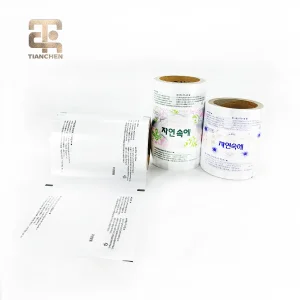
Our personal hygiene rolls, high-barrier shampoo packaging, and tissue/cosmetic films are engineered with highly specialized tie-layers and chemical-resistant co-polymers. These ensure robust mechanical integrity, high puncture resistance, and leakproof performances, while simultaneously optimizing shelf appeal and printing graphics under wet conditions.
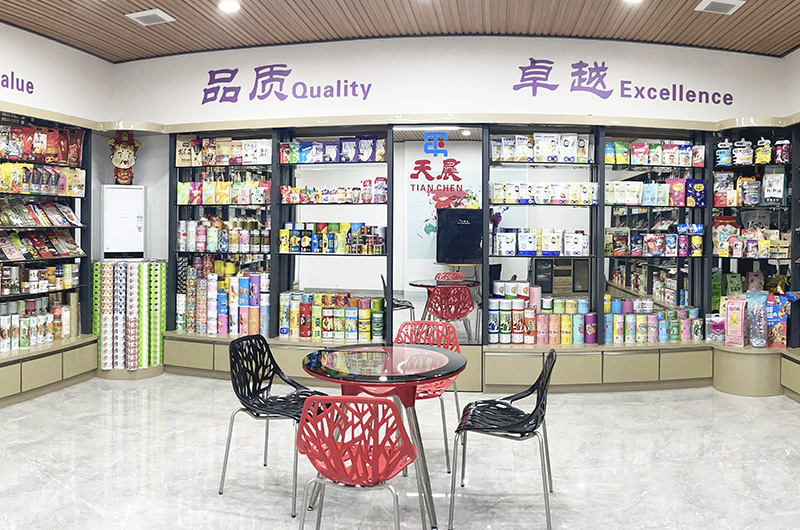
Global environmental legislation is driving the transition from complex multi-material films (e.g., PET/AL/PE) to monomaterial recyclable structures (e.g., mono-oriented PE/PE or PP/PP). This represents a major material science milestone that we are proud to offer.
Our R&D team has pioneered monomaterial structures that deliver oxygen and moisture barrier characteristics comparable to aluminum laminates. We utilize high-barrier, orientation-stretched, metalized MDO-PE and EVOH-incorporated PE films to achieve complete circular recyclability without compromising product shelf life.
A structured timeline detailing the integration of advanced technologies and systems in our manufacturing workflows.
High-resolution rotogravure printing begins with ultra-precise cylinder engraving. We utilize automated electromechanical engraving and laser etching to achieve consistent ink cell depth. This ensures smooth halftone transitions, razor-sharp vector text, and precise ink laydown even at speeds exceeding 300 meters per minute.
To eliminate solvent retention risks and maintain food safety, we operate cutting-edge solvent-free lamination lines. Specialized polyurethane-based adhesives are precisely metered and applied, eliminating Volatile Organic Compounds (VOCs), maximizing peel strength, and maintaining perfect web tension for multi-layer composites.
Our quality assurance program is backed by high-speed inline cameras and digital inspection systems. Operating downstream from the rotogravure print stations, these advanced setups compare every impression against the master digital artwork in real-time, detecting and flagging hairline streaks, color shifts, and minute registration errors instantly.
Our manufacturing and processing environments undergo rigorous annual audits to maintain international food-safety and process certifications.
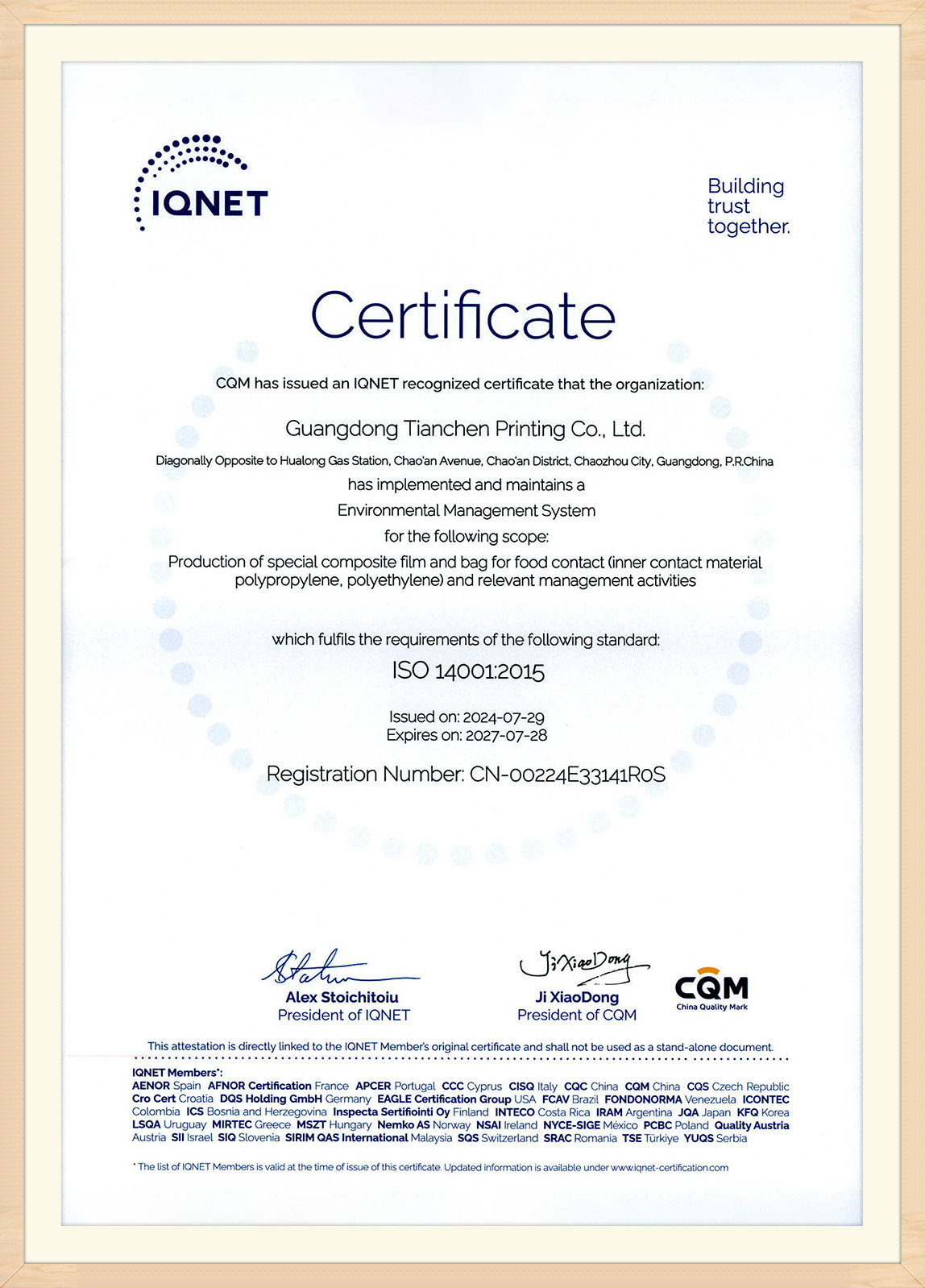
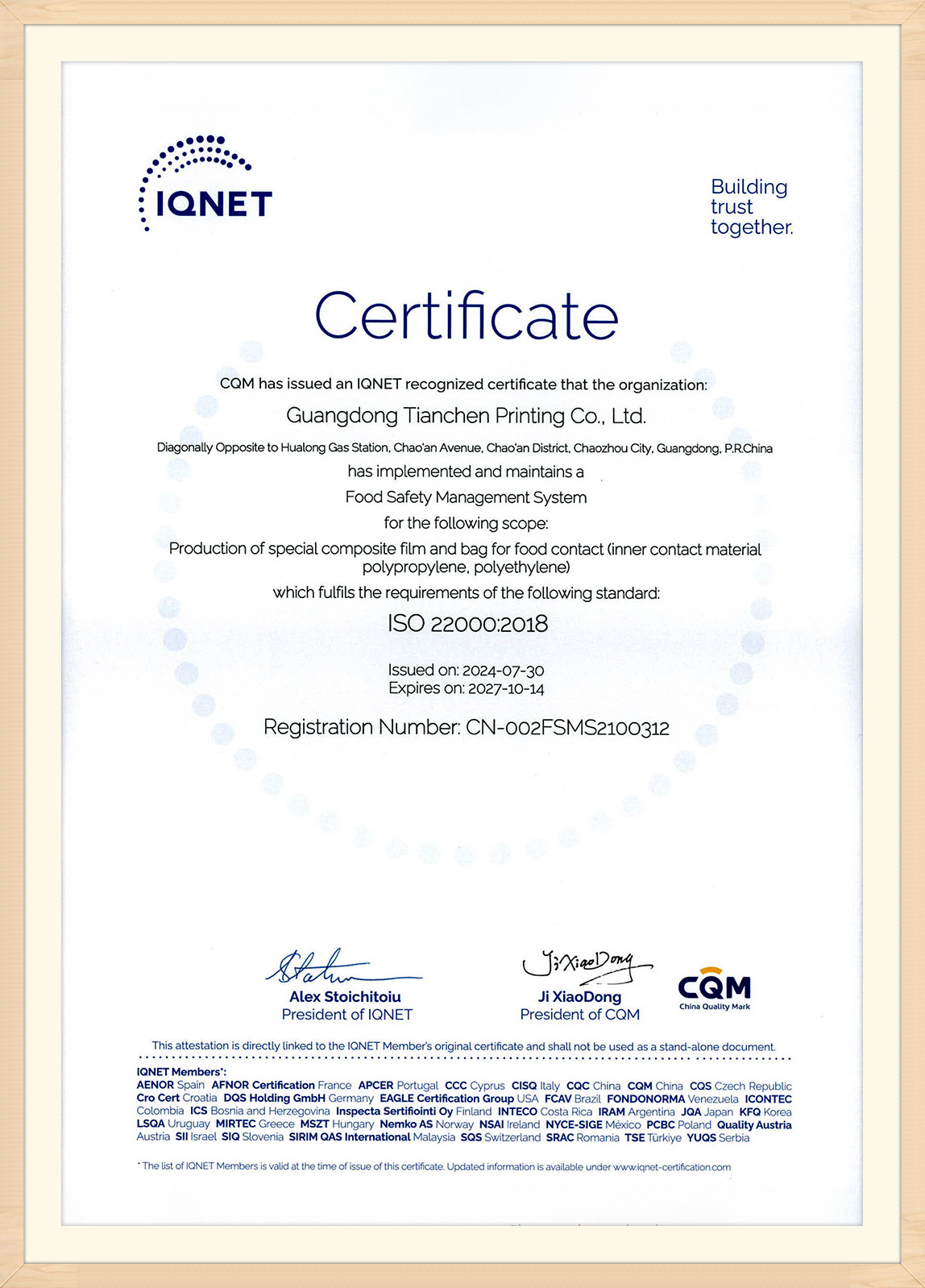
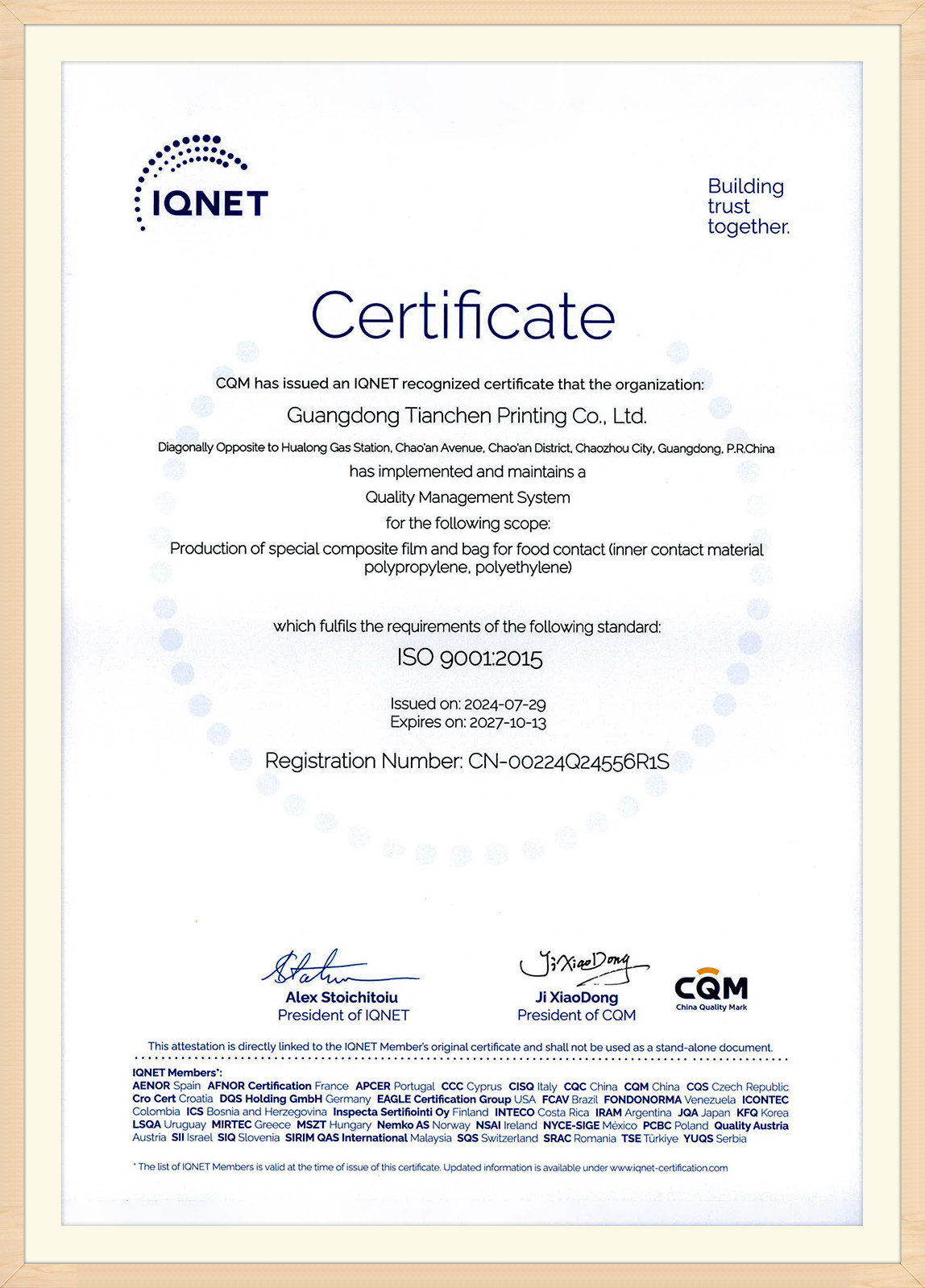
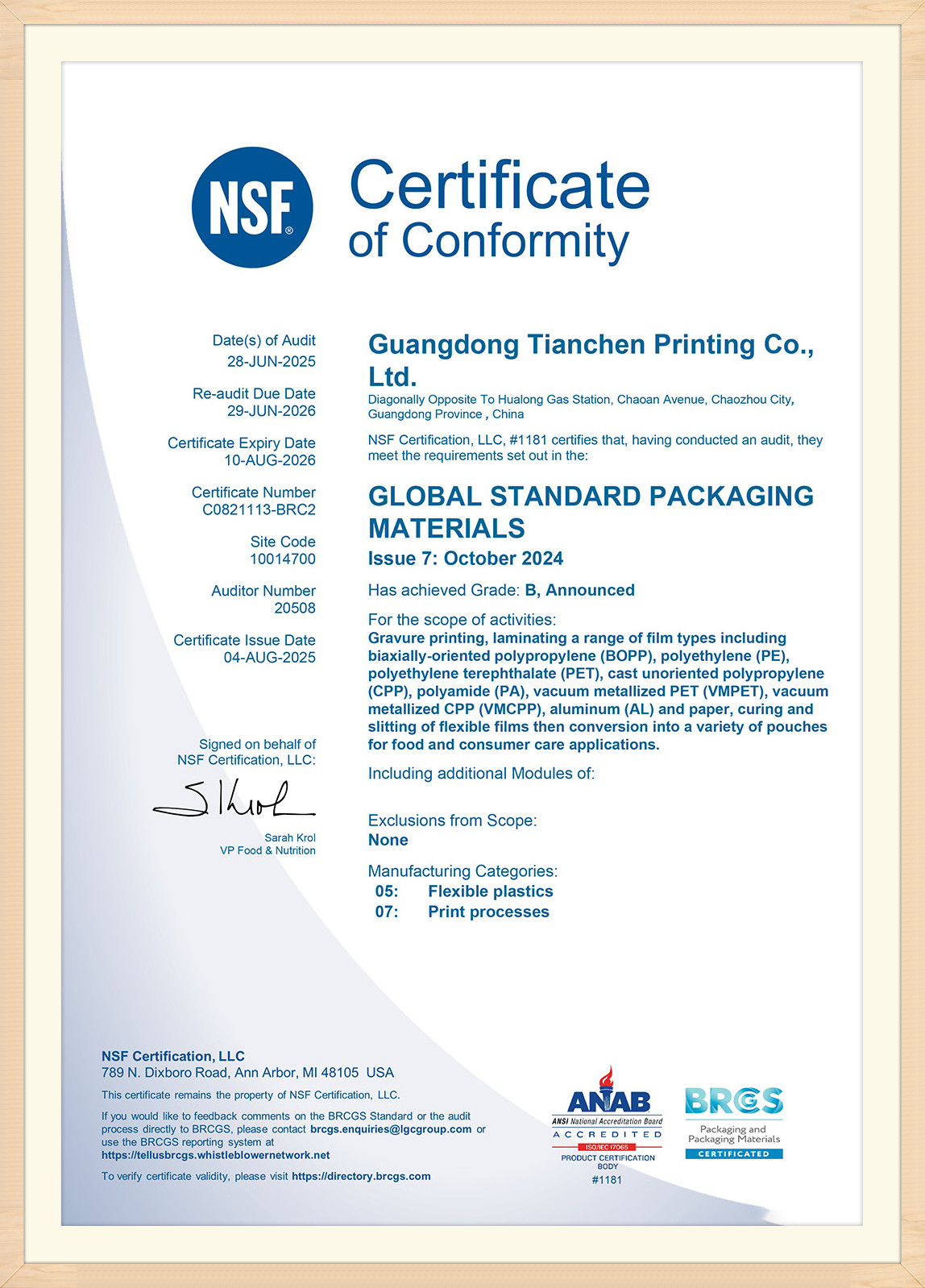
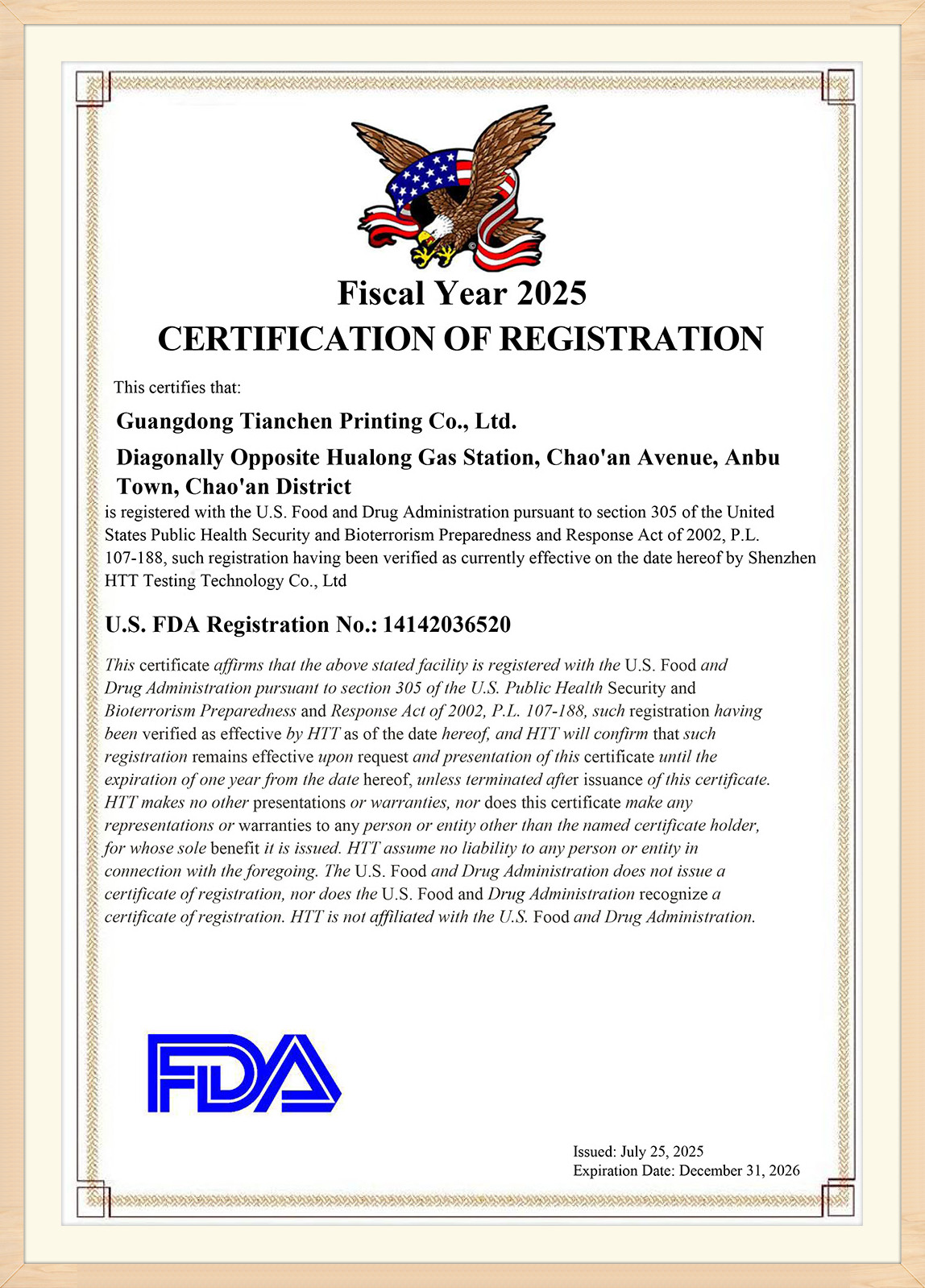
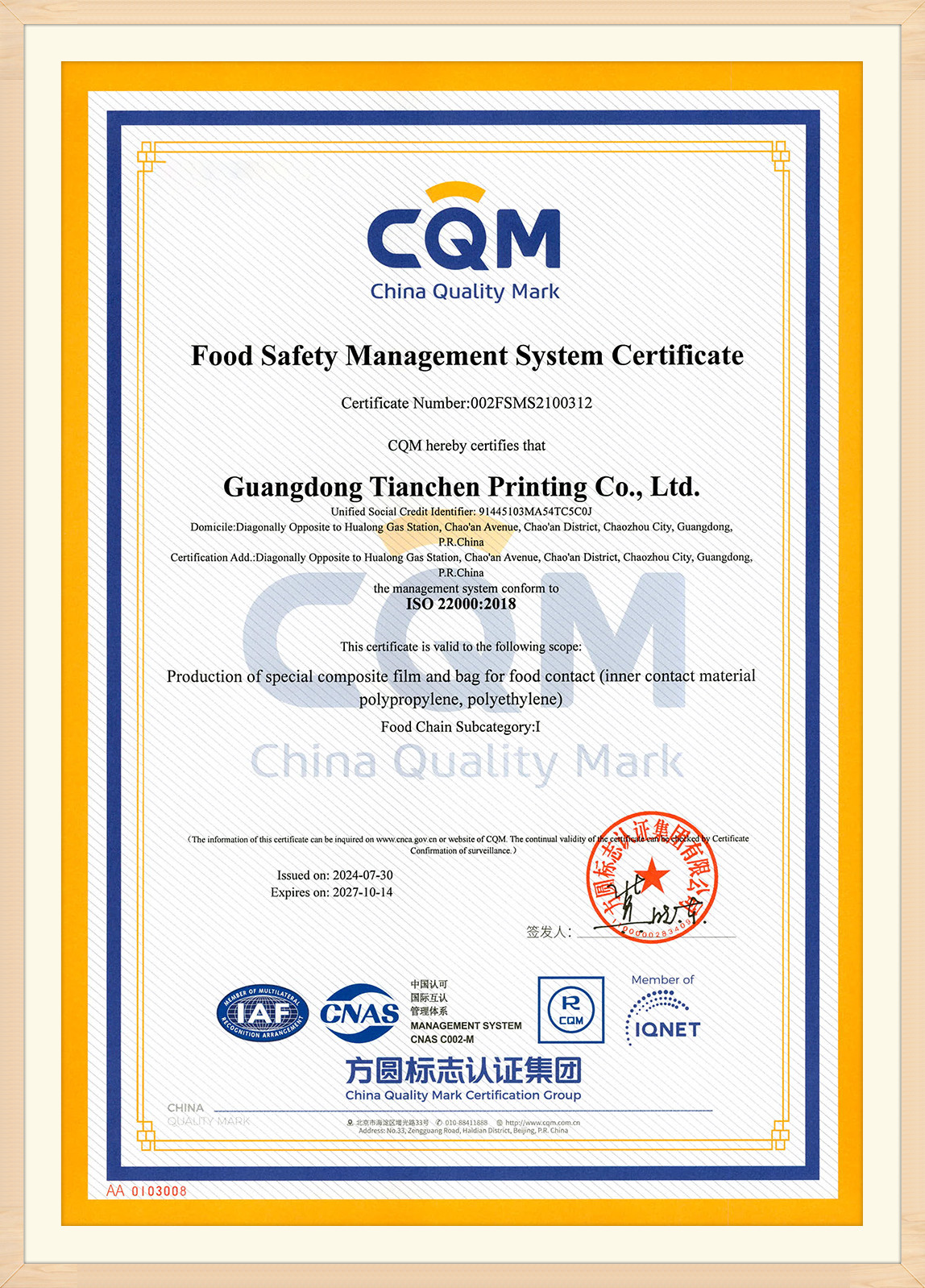
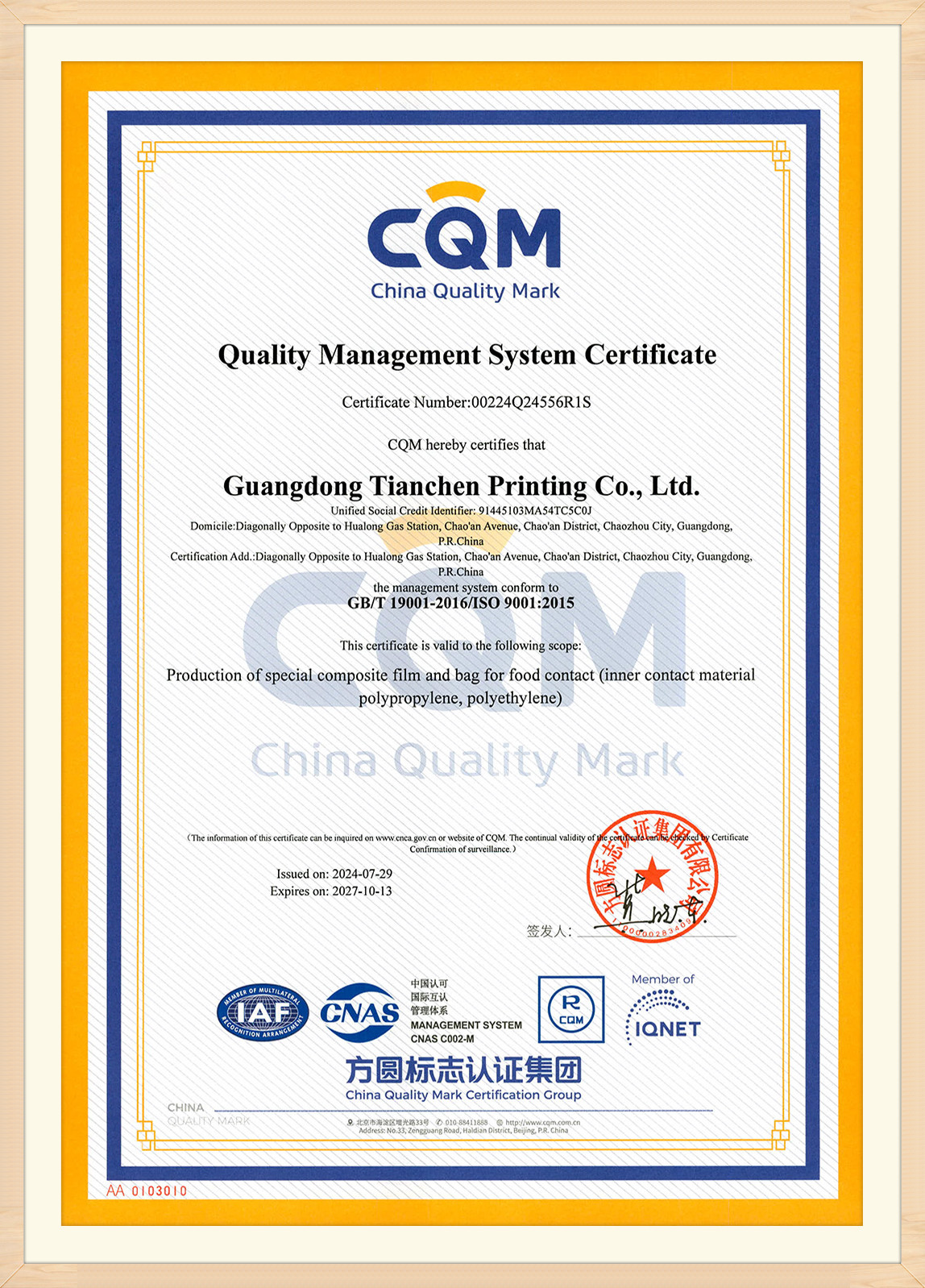
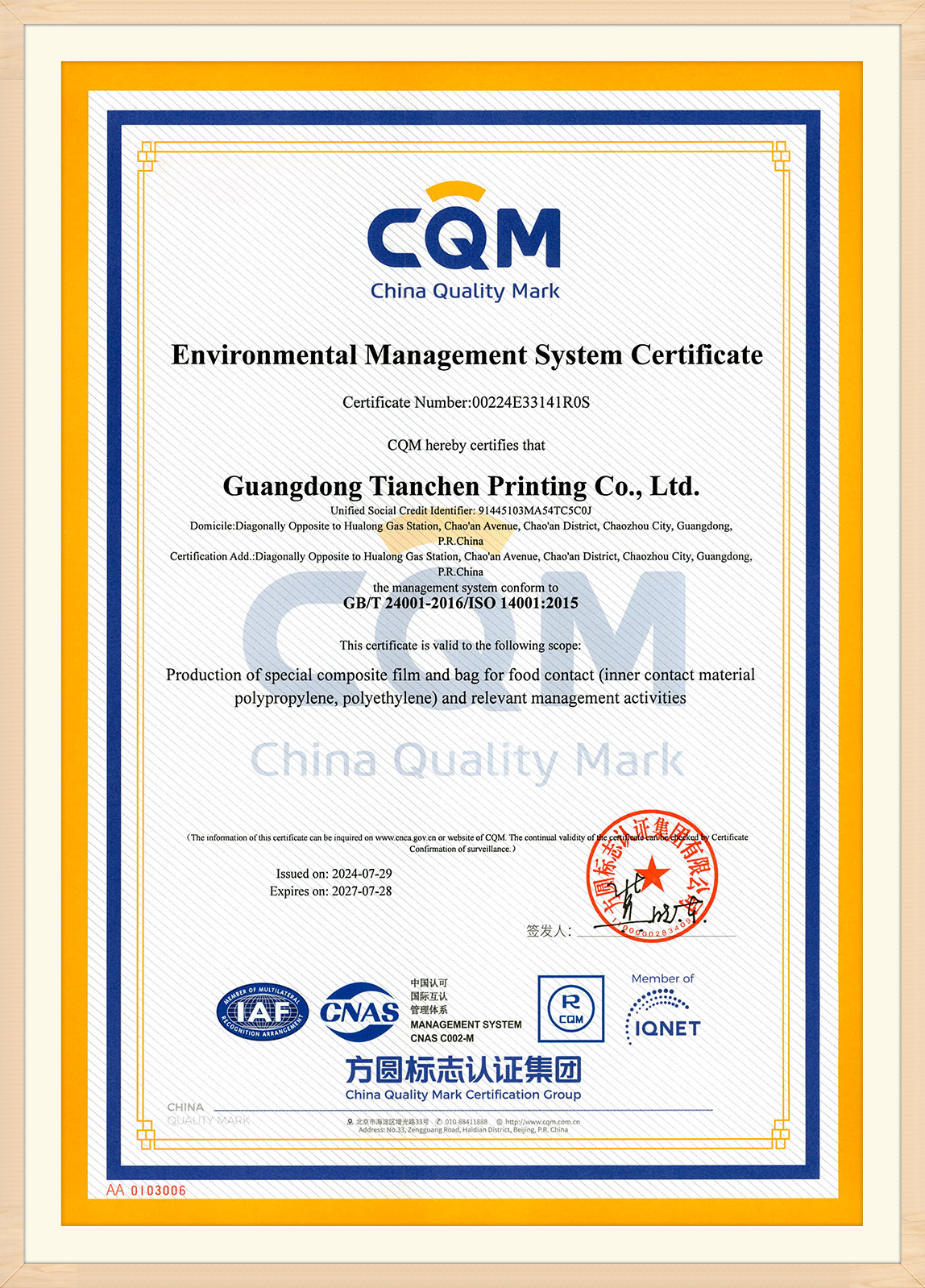
Deploying flexible packaging films across diverse jurisdictions requires strict adherence to highly complex, ever-evolving legal mandates. From the FDA regulations governing food contact substances in the United States to EU Regulation (EC) No 1935/2004 and the highly specific German Packaging Act (VerpackG), global buyers face a heavy burden of proof.
We ease this burden by providing full traceability and regulatory compliance documentation. For every production batch, we furnish a comprehensive Certificate of Analysis (CoA) containing detailed raw material specifications, migration testing results, and heavy metal limits compliance. Our factories operate in strict alignment with GMP (Good Manufacturing Practices) and maintain clean-room environments to prevent external contamination during extrusion, printing, and conversion phases.
To support global supply chains, we maintain dedicated client support divisions. These teams assist in managing import duties, safety clearances, and localized customs procedures to ensure a seamless door-to-door delivery process.
Essential technical clarifications for procurement professionals, engineers, and product managers regarding barrier structures, custom design, and industrial logistics.
Solvent-free lamination is highly preferred for food-grade flexible packaging because it completely eliminates the risk of residual solvent retention, which can cause unpleasant odors and health concerns. Additionally, it offers lower energy consumption and reduced environmental impact.
However, solvent-based lamination is still utilized for high-temperature retort pouches (demanding 121°C or 135°C sterilization) and highly aggressive chemicals, where extreme thermal and chemical resistances are required. Our engineers assess your product's specific application and shelf-life stresses to recommend the most optimal lamination technology.
In standard multi-layer films, different materials handle different functions (e.g., PET for printability, Al Foil for absolute barrier, PE for sealing). In a monomaterial structure (like PE/PE), we achieve similar performance by using advanced polymer modifications.
We laminate Machine Direction Oriented Polyethylene (MDO-PE) as the printable outer web with high-barrier EVOH-copolymer-incorporated PE as the inner sealing layer. If an extreme barrier is required, we use vacuum-deposited metallized coatings on MDO-PE. This delivers highly robust Oxygen Transmission Rates (OTR < 1.0 cc/m²/24h) and Moisture Vapor Transmission Rates (MVTR < 1.0 g/m²/24h) while remaining 100% recyclable under PE stream codes.
Rotogravure cylinders are forged from a heavy steel base, electroplated with high-purity copper for precision engraving, and finished with a durable chrome protective layer. A properly maintained cylinder can produce 1 million to 3 million linear meters of film without any degradation in print quality or registration sharpness.
For high-volume runs, the initial investment in cylinder fabrication is quickly amortized, resulting in a significantly lower unit cost compared to flexographic or digital printing. This makes rotogravure the most cost-efficient and high-quality solution for continuous, large-scale enterprise production.
Every single production batch undergoes a rigid physical and chemical testing protocol in our in-house laboratories, including:
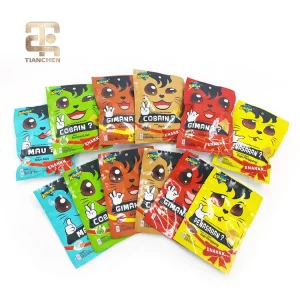
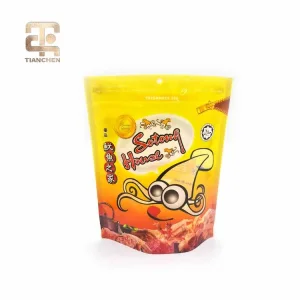
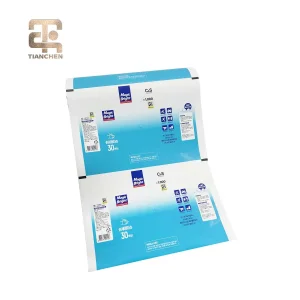
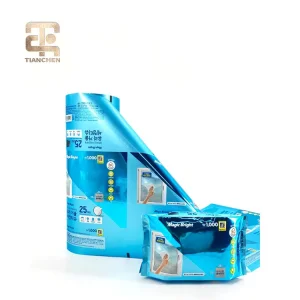
Premium flexible roll stocks and pre-formed bags engineered to meet the highest global standards for food, snacks, and hygiene applications.
 TIANCHEN PRINTING