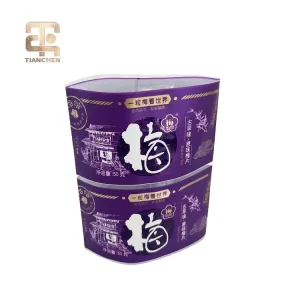
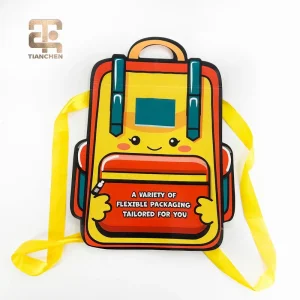
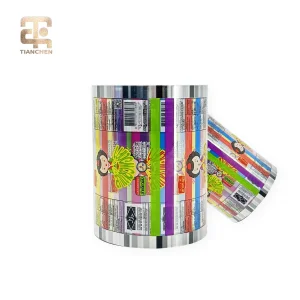
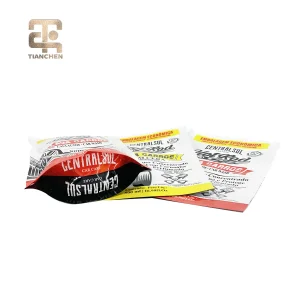
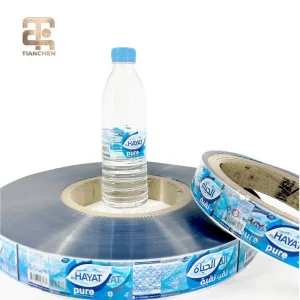
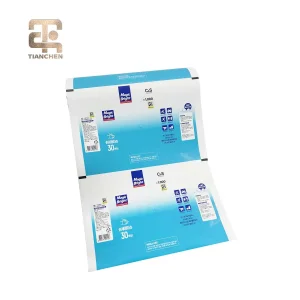
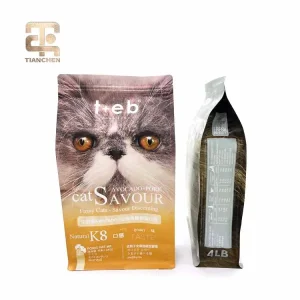
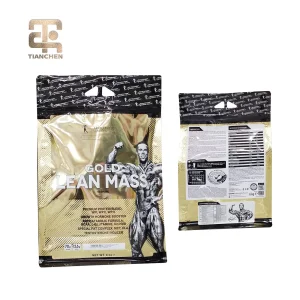
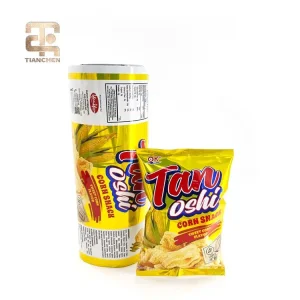
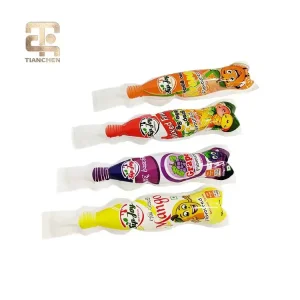
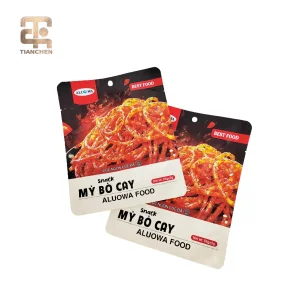
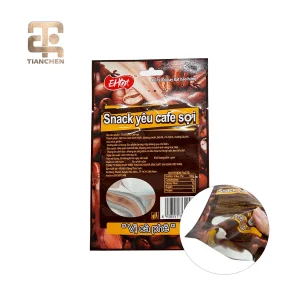
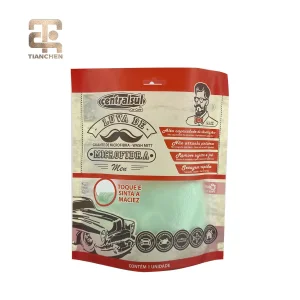
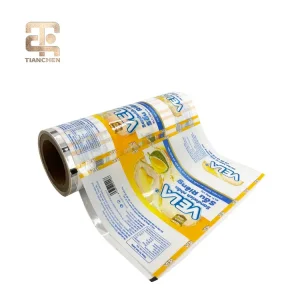
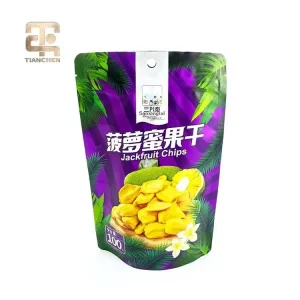
Explore our cutting-edge, customizable flexible packaging rolls and bags designed for optimal food preservation, branding, and dynamic barrier efficiency.
An expert analysis of thermal retention dynamics, multi-layer raw material laminations, global supply chain optimization, and China's high-tech manufacturing capacity.
For Quick Service Restaurants (QSRs) and global food vendors, packaging is far more than a container—it is a critical tool for preserving temperature, moisture levels, and product integrity. Kebab Foil Bags are specially engineered multi-layer laminates designed to tackle the unique thermodynamics of hot, greasy street foods.
The typical construction of a premium kebab foil bag involves a laminated layer of aluminum foil combined with machine-glazed paper or polyethylene (PE). Aluminum foil functions as an absolute barrier to light, oxygen, moisture, and micro-organisms. By utilizing a high-barrier aluminum layer, these bags drastically minimize the Water Vapor Transmission Rate (WVTR) and Oxygen Transmission Rate (OTR). This layer prevents heat from dissipating via radiation, keeping the interior contents piping hot and succulent from the kitchen to the customer’s table.
Reflects up to 95% of radiant heat back to the hot food, maintaining internal temperature over extended delivery journeys.
Engineered with polymer-coated layers that absolutely prevent oils, fats, and sauces from bleeding through the packaging.
Supports vivid multi-color rotogravure printing directly on the exterior substrate for maximum brand impact.
When sourcing industrial quantities of high-barrier packaging, China presents unmatched advantages in terms of supply-chain integration, cost structure, and technical execution. Guangdong Province, in particular, stands as a global epicenter of high-end manufacturing, advanced material R&D, and specialized printing technologies.
Guangdong-based factories leverage highly clustered supply chains where chemical suppliers, printing plate makers, polymer lamination providers, and logistical networks reside in close geographical proximity. This allows for exceptional lead times, drastic reductions in raw material costs, and agile adaptation to customized specifications. Advanced packaging factories, such as Guangdong Tianchen Printing Co., Ltd., have invested in next-generation high-speed rotogravure presses, dry lamination machines, and solventless laminators that deliver consistent, defect-free material runs at extremely competitive price points.
For multinational fast-food corporations, food delivery platform operators, and high-volume regional chains, sourcing food packaging involves managing severe regulatory compliance, quality control, and unit economics. These corporations require packaging manufacturers capable of supporting customized dimensional specifications, complex graphics, and dynamic production scalability.
Key procurement demands focus heavily on:
Depending on geographic location and native culinary habits, localized kebab packaging requires specialized adaptations:
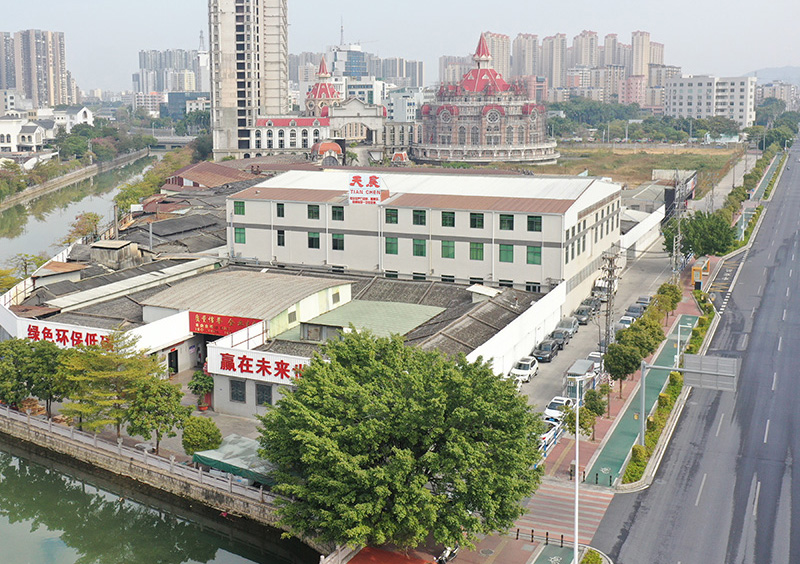
We are a professional printing team boasting more than 20 years of profound experience in the flexible packaging industry. Rooted in Guangdong, a hub of manufacturing and international trade in China, Tianchen Printing has grown into a reliable partner for global clients by focusing on rotogravure printing, laminating, and converting services for flexible packaging solutions.
Our business covers a diverse range of industries worldwide, including food and beverage, pharmaceuticals, daily chemicals, electronics, and agriculture. We tailor packaging solutions to meet the unique needs of each sector, from moisture-proof packaging for snacks to high-barrier films for pharmaceuticals, ensuring product safety, shelf appeal, and transportation stability. Over the years, we have established long-term cooperative relationships with clients from Europe, North America, Southeast Asia, and other regions, winning wide recognition for our consistent quality and professional service.
Innovation, Internationalization, Integration, Intelligentization
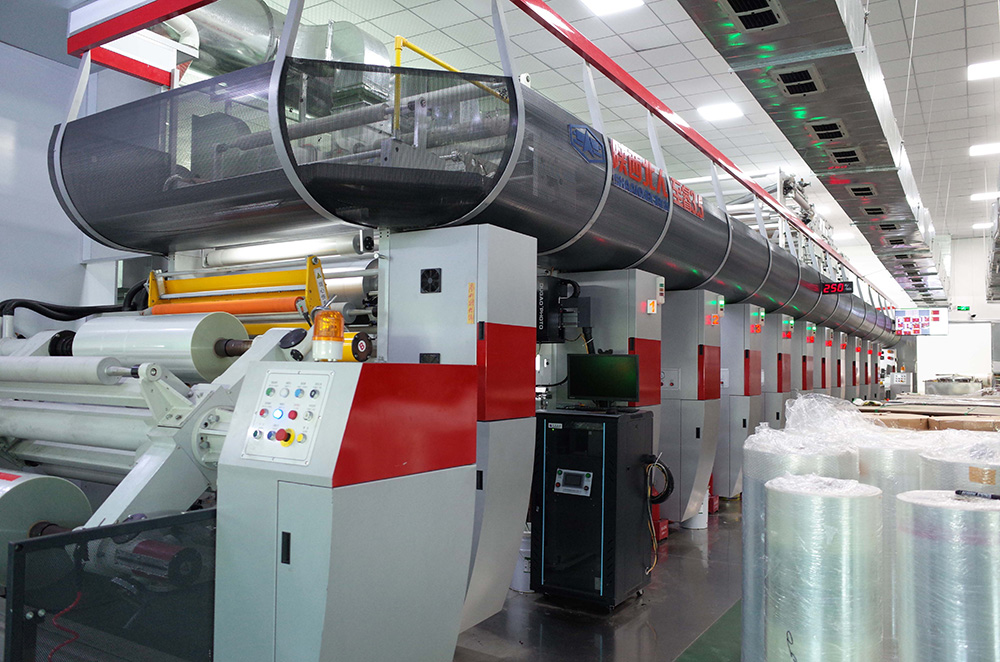
Guided by our core four "IN" concepts, we have forged a clear development path and maintained steady growth in the competitive global market. The first is "Innovation" – we persist in investing in R&D, upgrading printing technologies and processes, and developing eco-friendly, high-performance packaging materials to keep pace with industry trends and client demands.
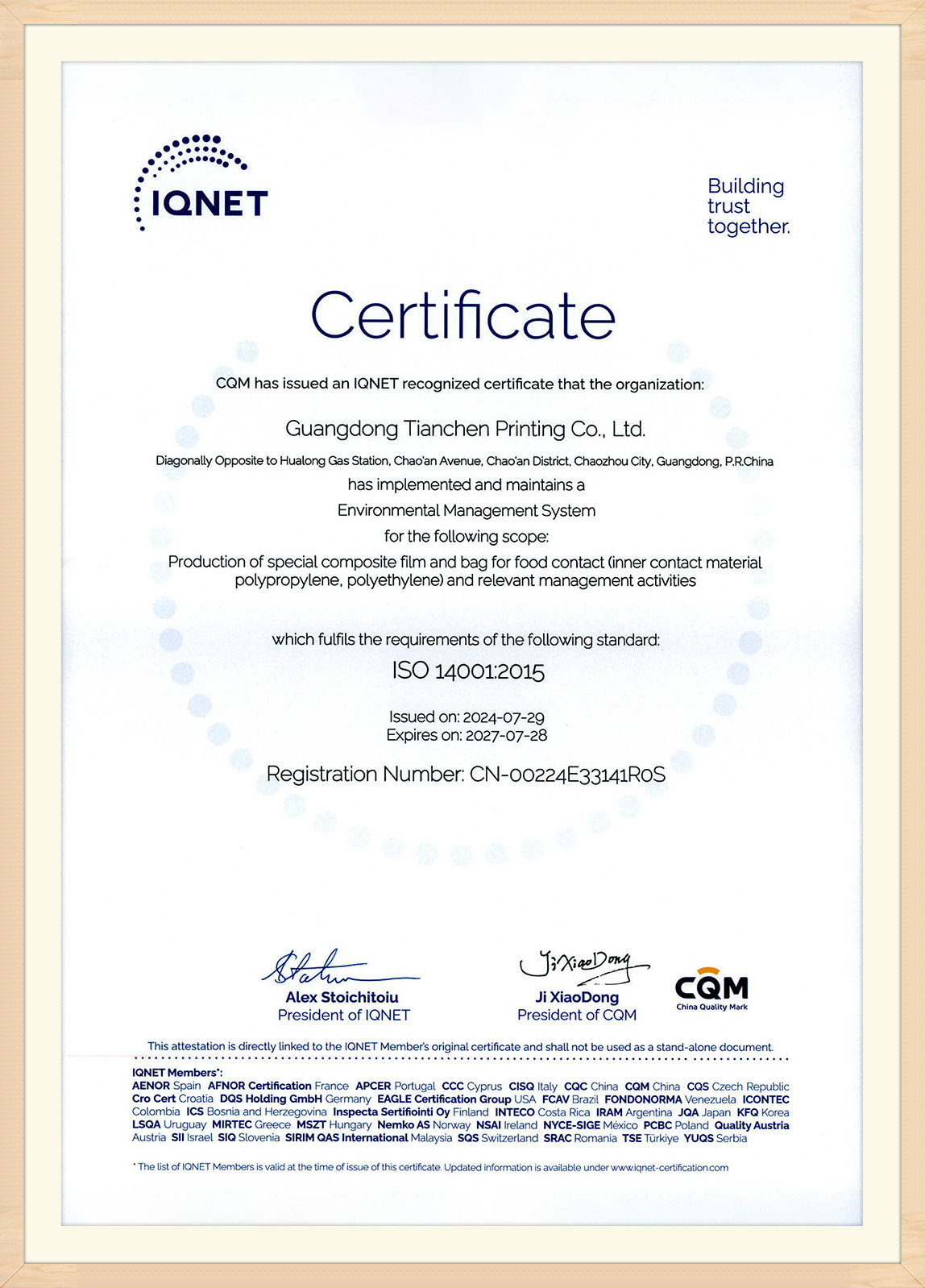
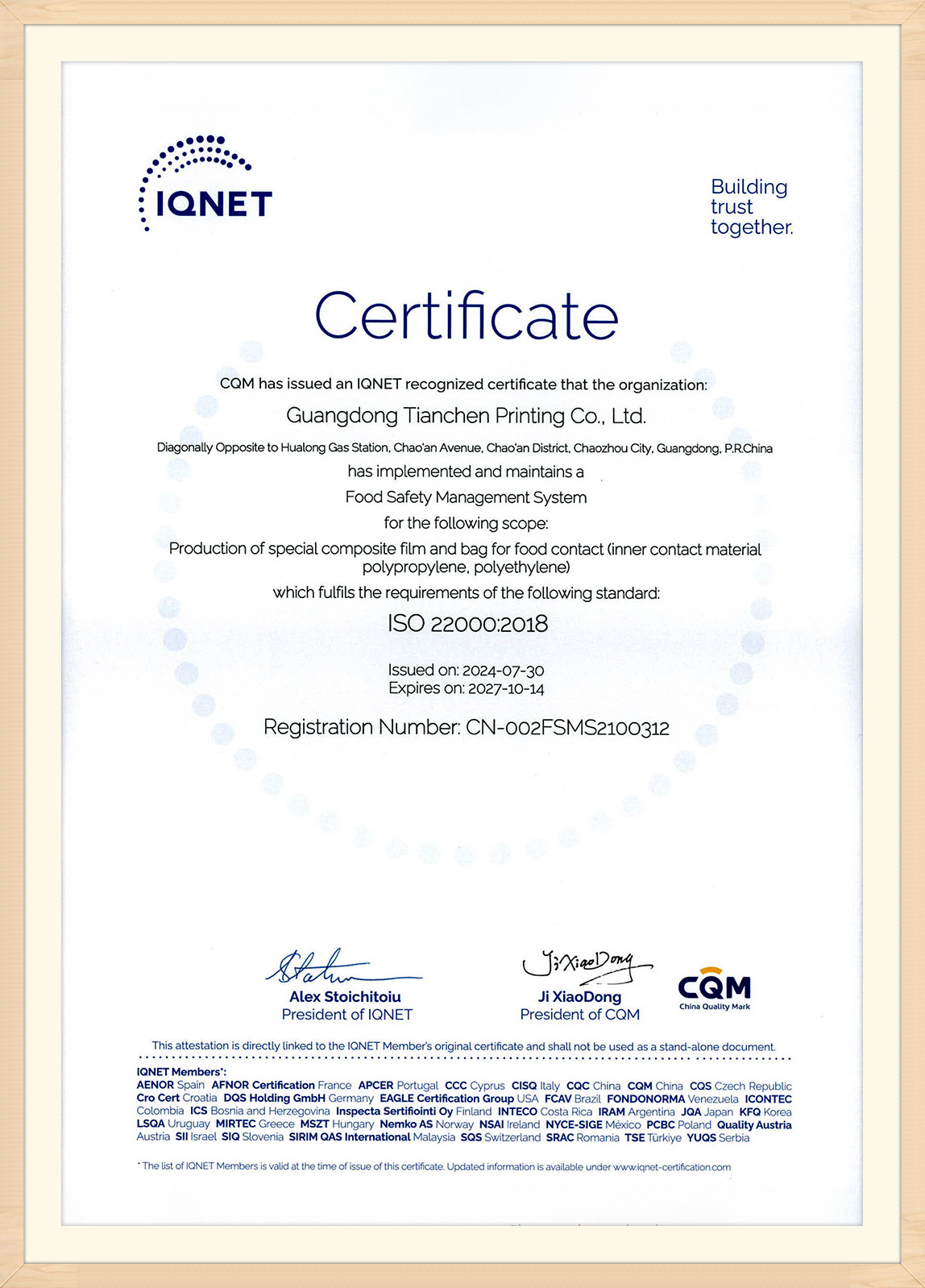
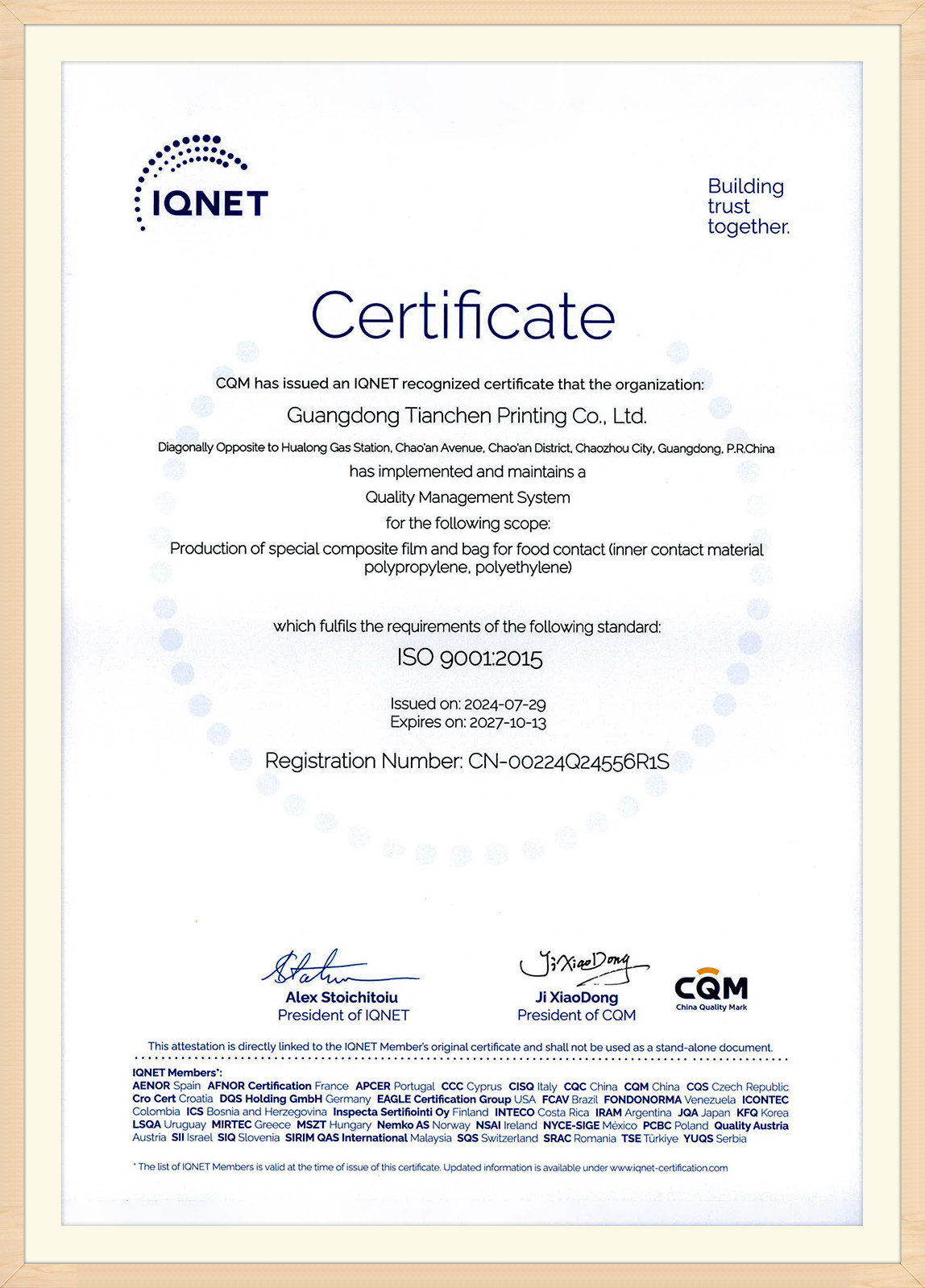
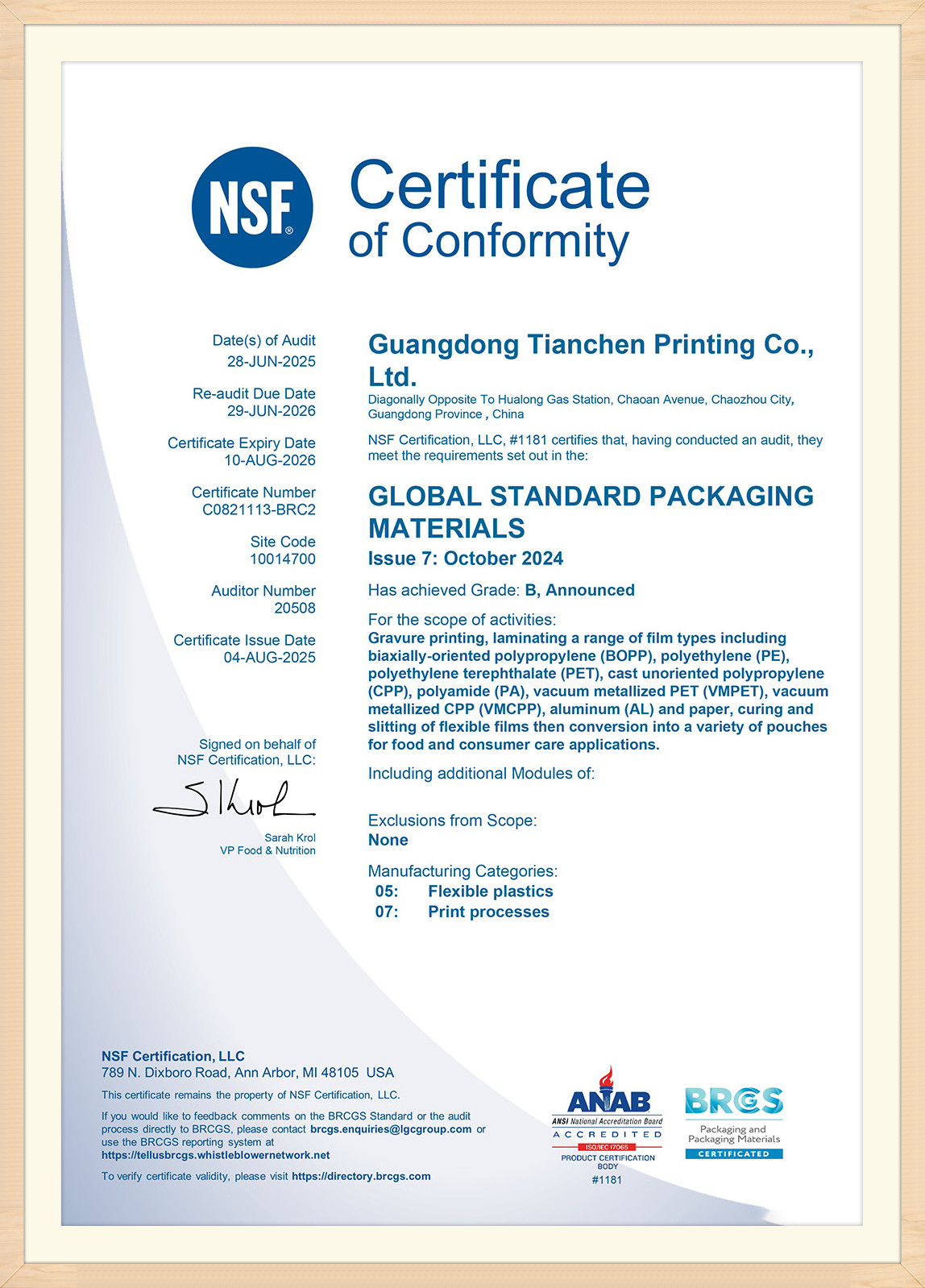
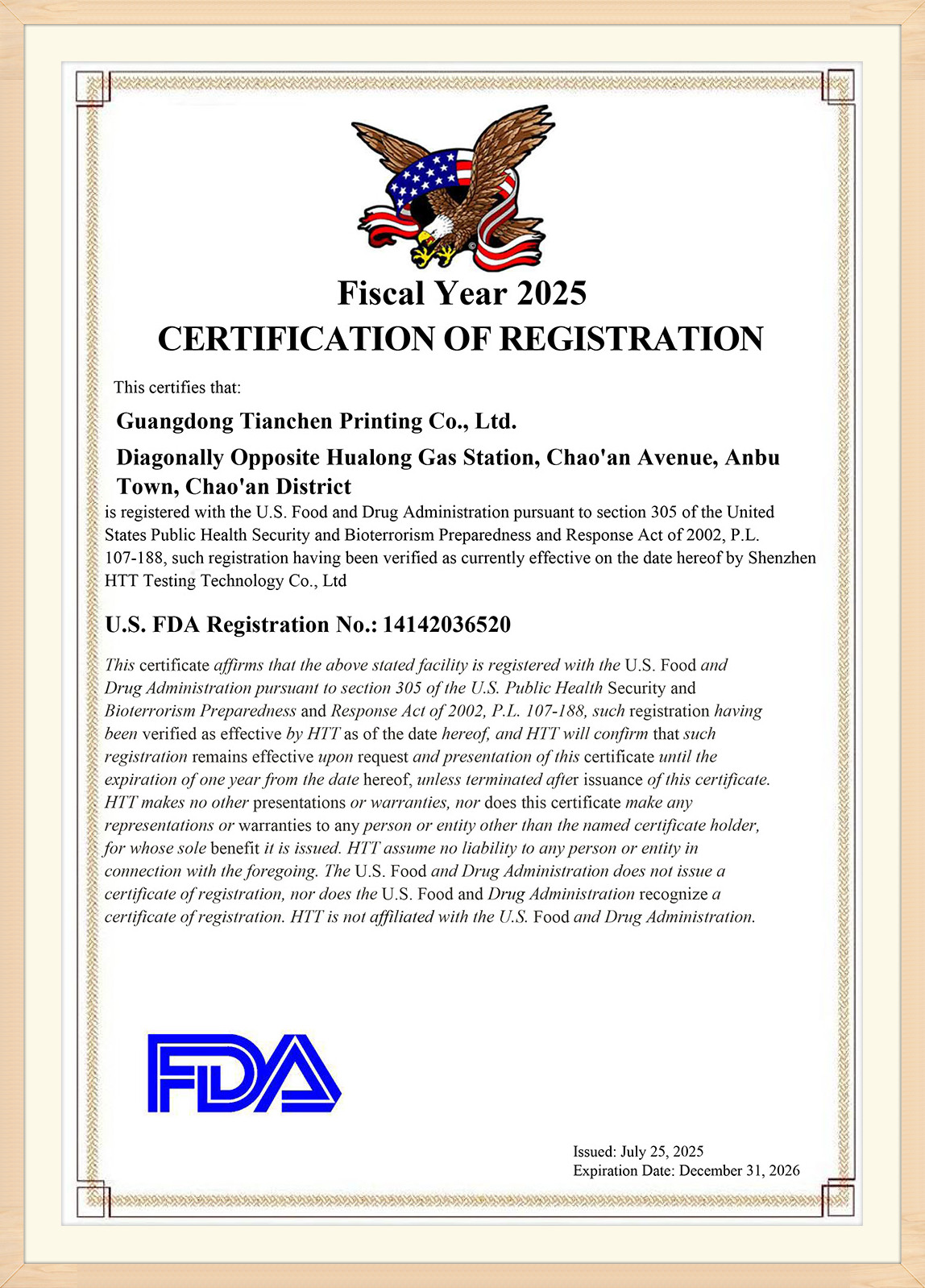
The second is "Internationalization" – we adhere to global standards in production and management, obtain international certifications, and expand our global service network to integrate into the international mainstream market.
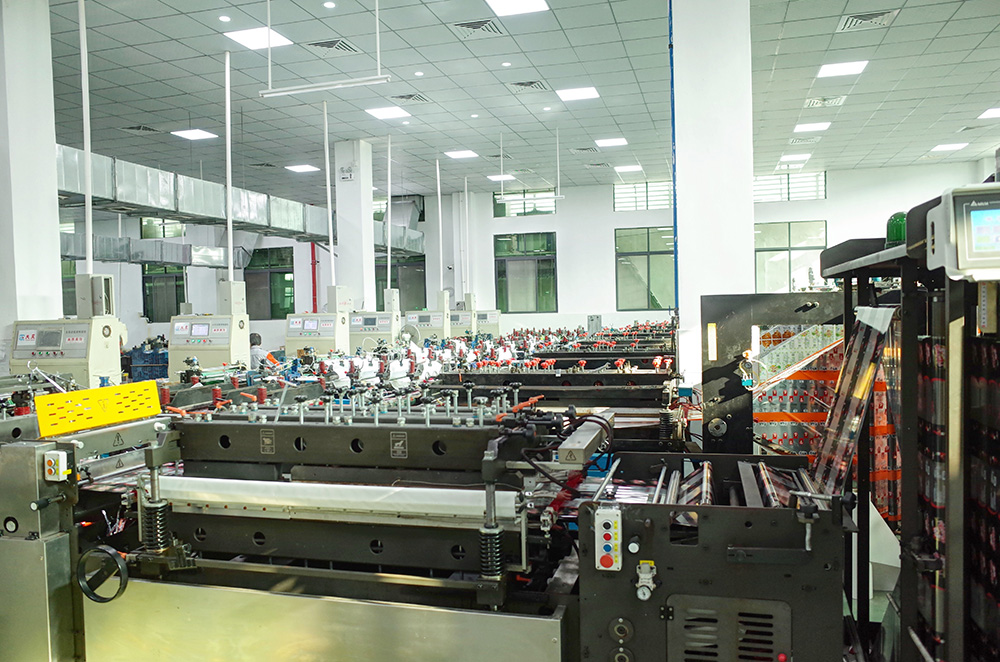
The third concept is "Integration", which refers to our one-stop service model integrating design, printing, laminating, converting, and quality inspection. By optimizing the industrial chain layout, we streamline the production process, reduce costs for clients, and ensure efficient delivery.
The fourth is "Intelligentization" – we have introduced advanced intelligent production equipment and digital management systems, realizing automated operations in key links such as color matching and quality control, which improves production efficiency and product consistency.
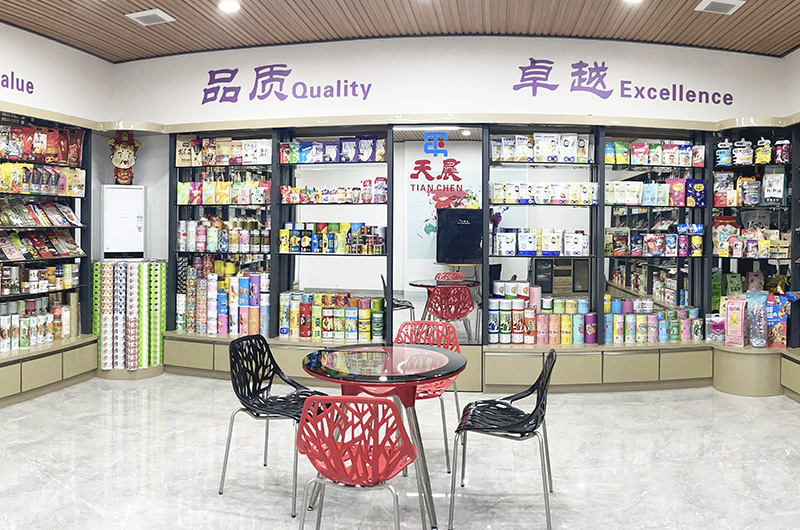
Under the strategy of "innovation and transformation, integrated operation and steady growth", we firmly uphold the concept of sustainable development. We actively adopt green production technologies, reduce energy consumption and environmental impact, and strive to achieve a win-win situation between economic benefits and social responsibility. Our goal is to become a first-class enterprise in the global mainstream printing market, providing more high-quality and efficient packaging solutions for global clients.
Choose TopfeelPack for packaging that delivers beyond expectation
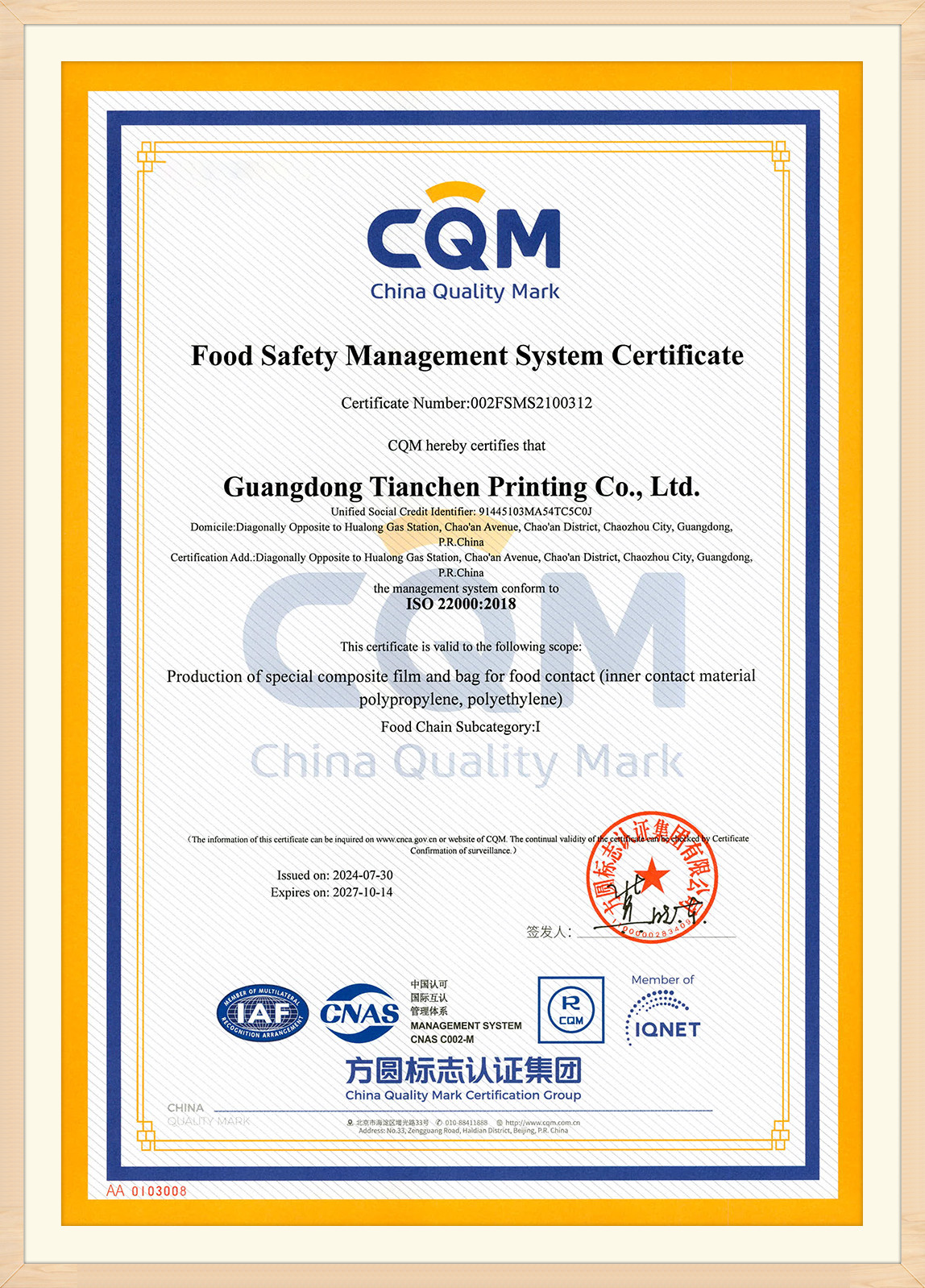
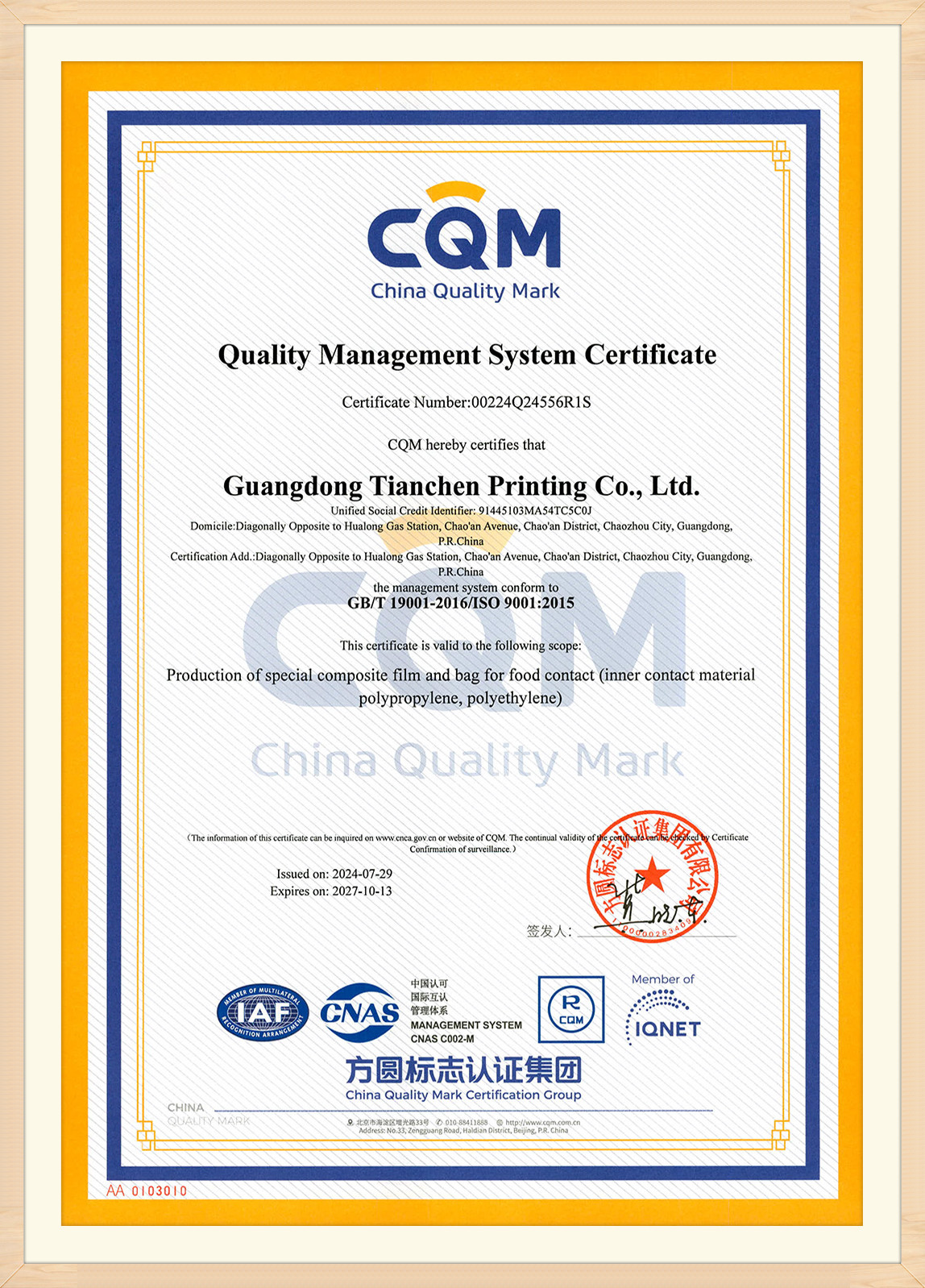
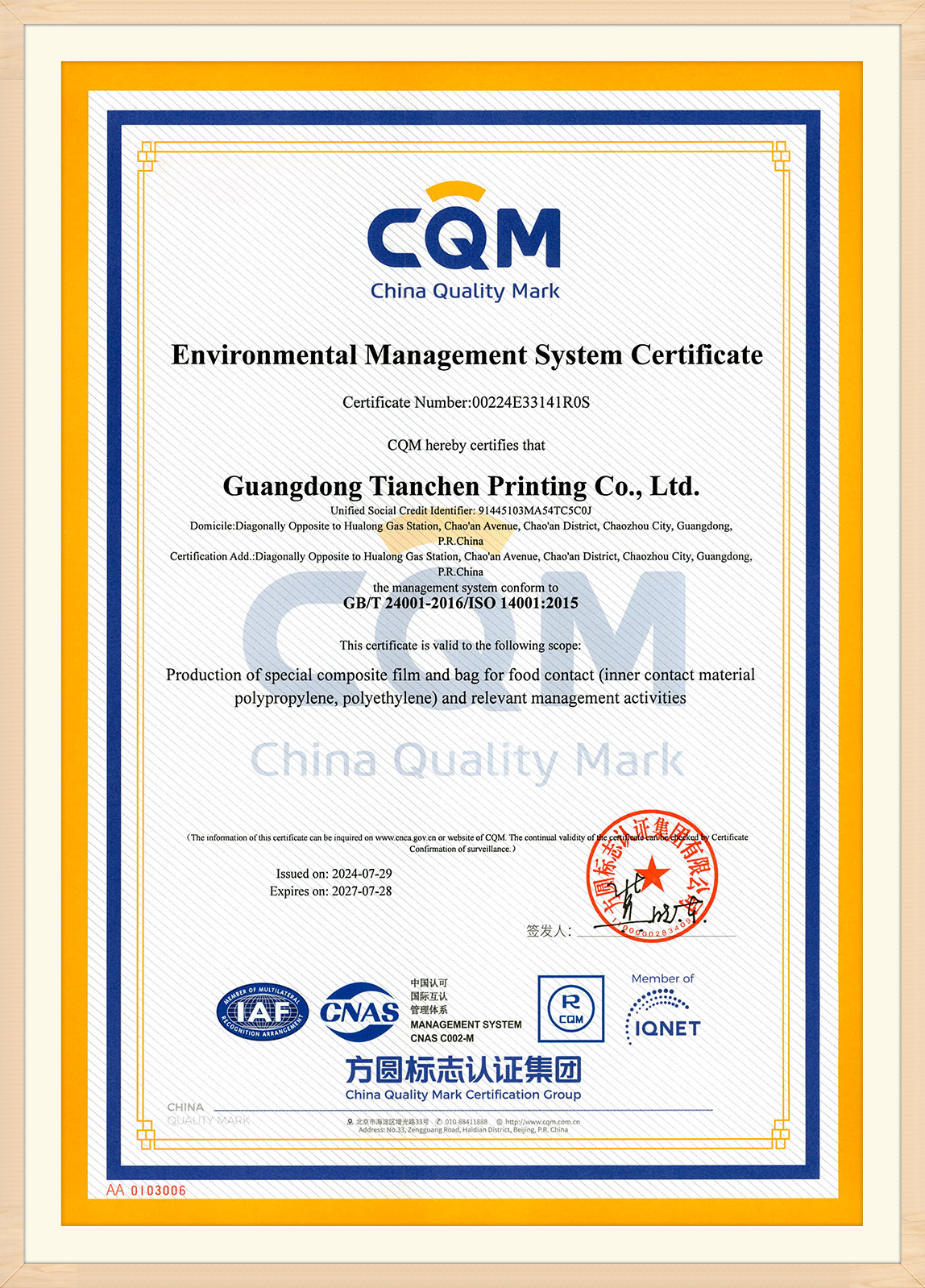
Read transparent, authoritative answers to common industry inquiries and procurement guidelines.
From roll stock films and schoolbag pouches to custom stand-up barrier packaging, we deliver the highest standard in Chinese manufacturing quality.
 TIANCHEN PRINTING