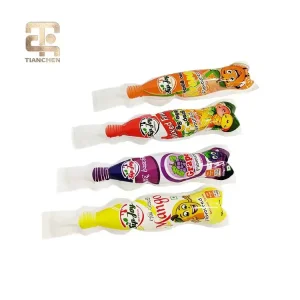
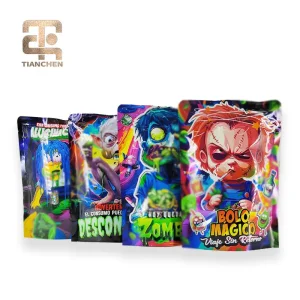
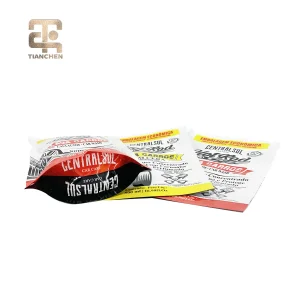
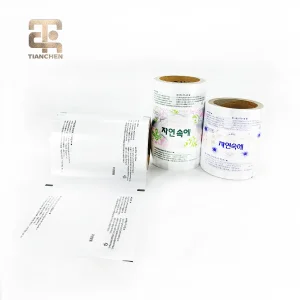
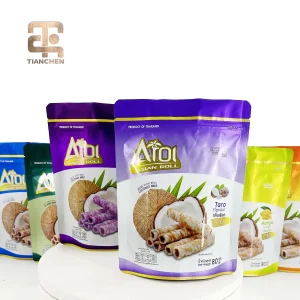
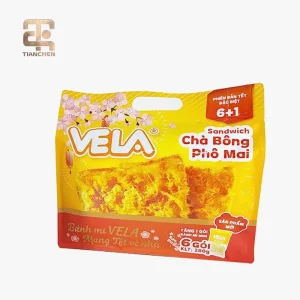
Engineered for high performance, compliance, and optimized barrier metrics across diverse industries.
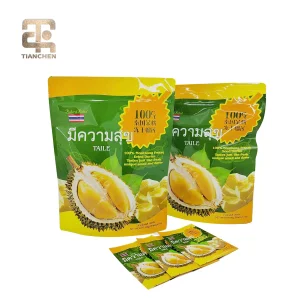
Polyethylene (PE) remains the undisputed backbone of modern flexible packaging. As global supply chains face unprecedented challenges, the demand for high-performance, cost-effective, and ecologically viable PE films has skyrocketed.
The global commerce relies on advanced polymer configurations to preserve, protect, and promote products. In today's fast-moving markets, the criteria for selecting a PE film packaging manufacturer have evolved beyond mere pricing. Modern buyers mandate extreme precision in polymer formulations, mechanical stability, and high chemical resistance. Polyethylene has transcended its original role as a simple containment barrier to become an active contributor to brand value, shelf life extension, and waste mitigation.
From industrial heavy-duty transit wraps to micro-perforated fresh-produce breathing bags, and high-purity medical-grade barriers, PE's structural versatility is unmatched. However, this versatility demands deep engineering expertise. Leading manufacturers are investing heavily in multi-layer co-extrusion technology, incorporating specialized tie layers, functional additives, and performance enhancers (such as metallocene catalysts) to balance tensile strength, optics, sealability, and environmental impact.
The global packaging arena is undergoing a profound paradigm shift driven by technological innovations and strict international standards. Key engineering trends transforming PE film manufacturing include:
Historically, high-barrier configurations relied on complex, incompatible multi-material laminates (like PET/PE, BOPA/PE, or metallized layers), rendering them virtually unrecyclable. The packaging industry is aggressively transitioning to high-performance, oriented monomaterial PE structures (MDO-PE) which achieve comparable stiffness, clarity, and barrier capacities while remaining 100% recyclable in current PE streams.
By splitting polymers into thinner, distinct functional layers, co-extrusion technology enables thinner gauges without sacrificing barrier properties or mechanical strength. A 9-layer blown film line can precisely integrate EVOH (ethylene vinyl alcohol) for ultimate oxygen protection, tie resins, and metallocene-PE outer layers to deliver ultra-tough, high-clarity packages with reduced material usage.
Modern PE structures are being engineered with active functions. Incorporating antimicrobial additives, oxygen scavengers, moisture regulators, and ethylene absorbers directly into the inner PE sealant layer dramatically extends product freshness, controls microbiological growth, and minimizes waste across long-distance distribution chains.
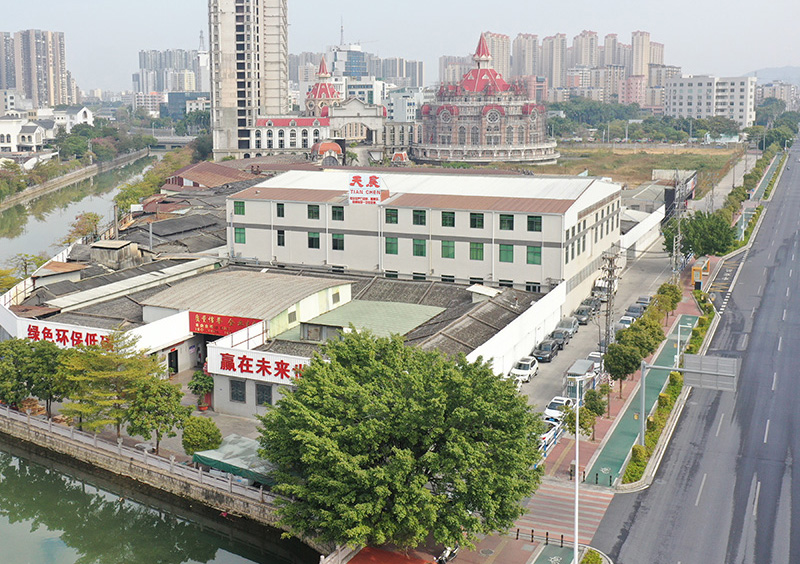
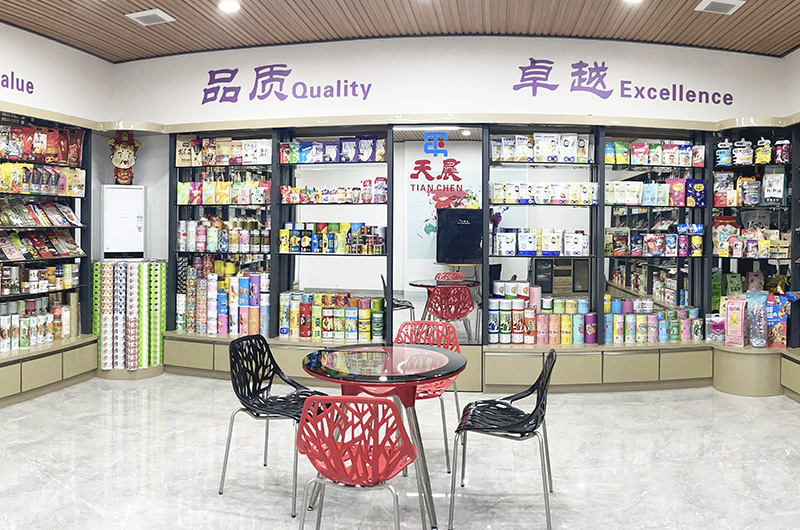
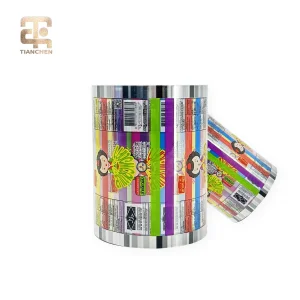
We are a professional printing team boasting more than 20 years of profound experience in the flexible packaging industry. Rooted in Guangdong, a hub of manufacturing and international trade in China, Tianchen Printing has grown into a reliable partner for global clients by focusing on rotogravure printing, laminating, and converting services for flexible packaging solutions.
Our business covers a diverse range of industries worldwide, including food and beverage, pharmaceuticals, daily chemicals, electronics, and agriculture. We tailor packaging solutions to meet the unique needs of each sector, from moisture-proof packaging for snacks to high-barrier films for pharmaceuticals, ensuring product safety, shelf appeal, and transportation stability. Over the years, we have established long-term cooperative relationships with clients from Europe, North America, Southeast Asia, and other regions, winning wide recognition for our consistent quality and professional service.
China's manufacturing sector has undergone a massive evolution, shifting from high-volume labor-intensive operations to highly automated, digitally integrated smart factories—often referred to as Factory 4.0.
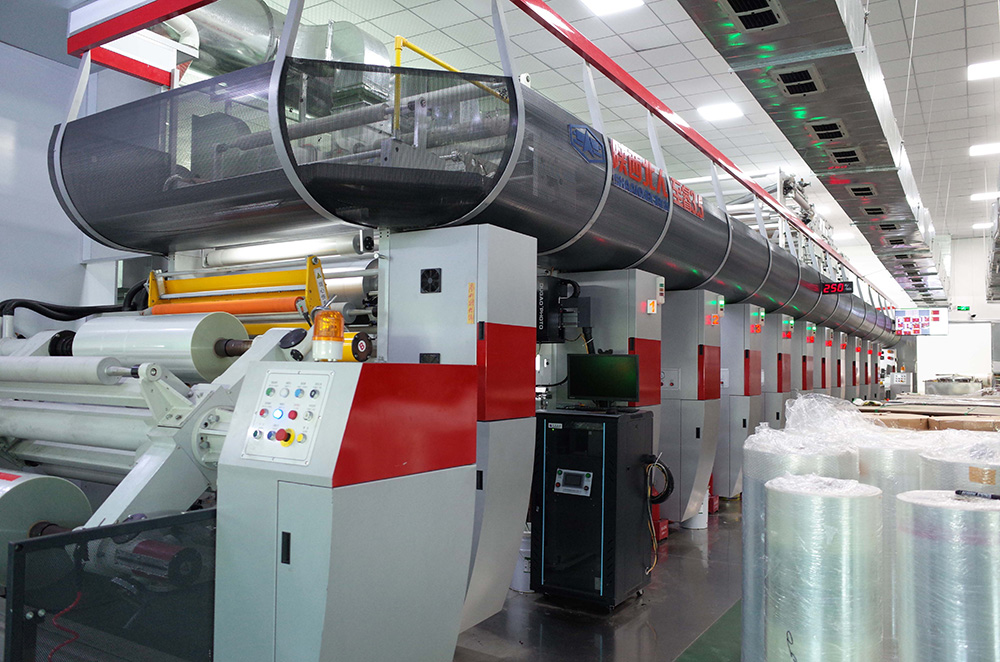
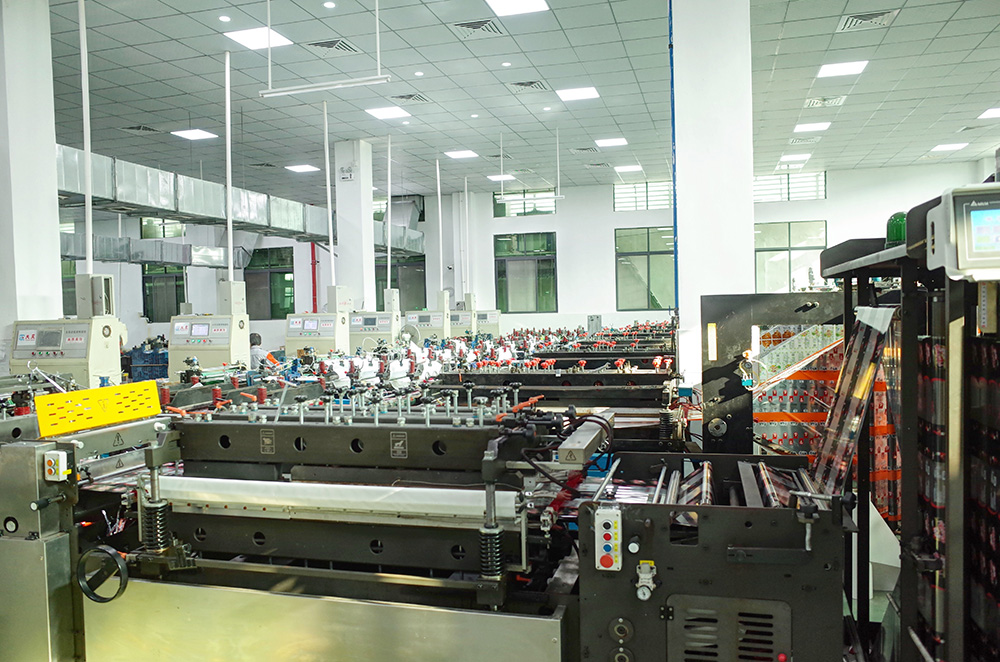
At the center of this industrial revolution, companies like GUANGDONG TIANCHEN PRINTING CO., LTD leverage advanced systems to optimize production. Under our corporate strategy of "innovation and transformation, integrated operation and steady growth," we combine raw material vertical integration, automated high-speed machinery, and digital quality management to deliver robust packaging solutions. This infrastructure directly mitigates the risks associated with volatile material markets and rising energy costs, giving global buyers a substantial edge in procurement stability.
Furthermore, the geographic concentration of specialized chemical suppliers, machinery manufacturers, and deep-water ports in the Guangdong region creates an unparalleled manufacturing ecosystem. This local cluster allows us to compress production lead times, source innovative raw materials instantly, and coordinate seamless multimodal shipping networks. For global buyers, this translates to high-speed order fulfillment, lowered transportation overhead, and enhanced supply chain resilience against geopolitical or macroeconomic disruptions.
Innovation, Internationalization, Integration, Intelligentization
Guided by our core four "IN" concepts, we have forged a clear development path and maintained steady growth in the competitive global market. The first is "Innovation" – we persist in investing in R&D, upgrading printing technologies and processes, and developing eco-friendly, high-performance packaging materials to keep pace with industry trends and client demands. The second is "Internationalization" – we adhere to global standards in production and management, obtain international certifications, and expand our global service network to integrate into the international mainstream market.
The third concept is "Integration", which refers to our one-stop service model integrating design, printing, laminating, converting, and quality inspection. By optimizing the industrial chain layout, we streamline the production process, reduce costs for clients, and ensure efficient delivery. The fourth is "Intelligentization" – we have introduced advanced intelligent production equipment and digital management systems, realizing automated operations in key links such as color matching and quality control, which improves production efficiency and product consistency.
Under the strategy of "innovation and transformation, integrated operation and steady growth", we firmly uphold the concept of sustainable development. We actively adopt green production technologies, reduce energy consumption and environmental impact, and strive to achieve a win-win situation between economic benefits and social responsibility. Our goal is to become a first-class enterprise in the global mainstream printing market, providing more high-quality and efficient packaging solutions for global clients.
Procurement directors and packaging engineers at Fortune 500 enterprises apply rigorous standards when vetting a potential PE film packaging manufacturer. The evaluation process extends far beyond unit costs.
Advanced sourcing specialists assess supplier relationships using a comprehensive TCO model. A cheaper packaging film can quickly become expensive if it causes machine downtime, seal failure, or high product rejection rates on high-speed automated packaging lines. High-quality PE packaging films must display optimal slip properties, flat film profile roll winding, and consistent gauge profile controls across every meter of the web to guarantee seamless high-speed machinability.
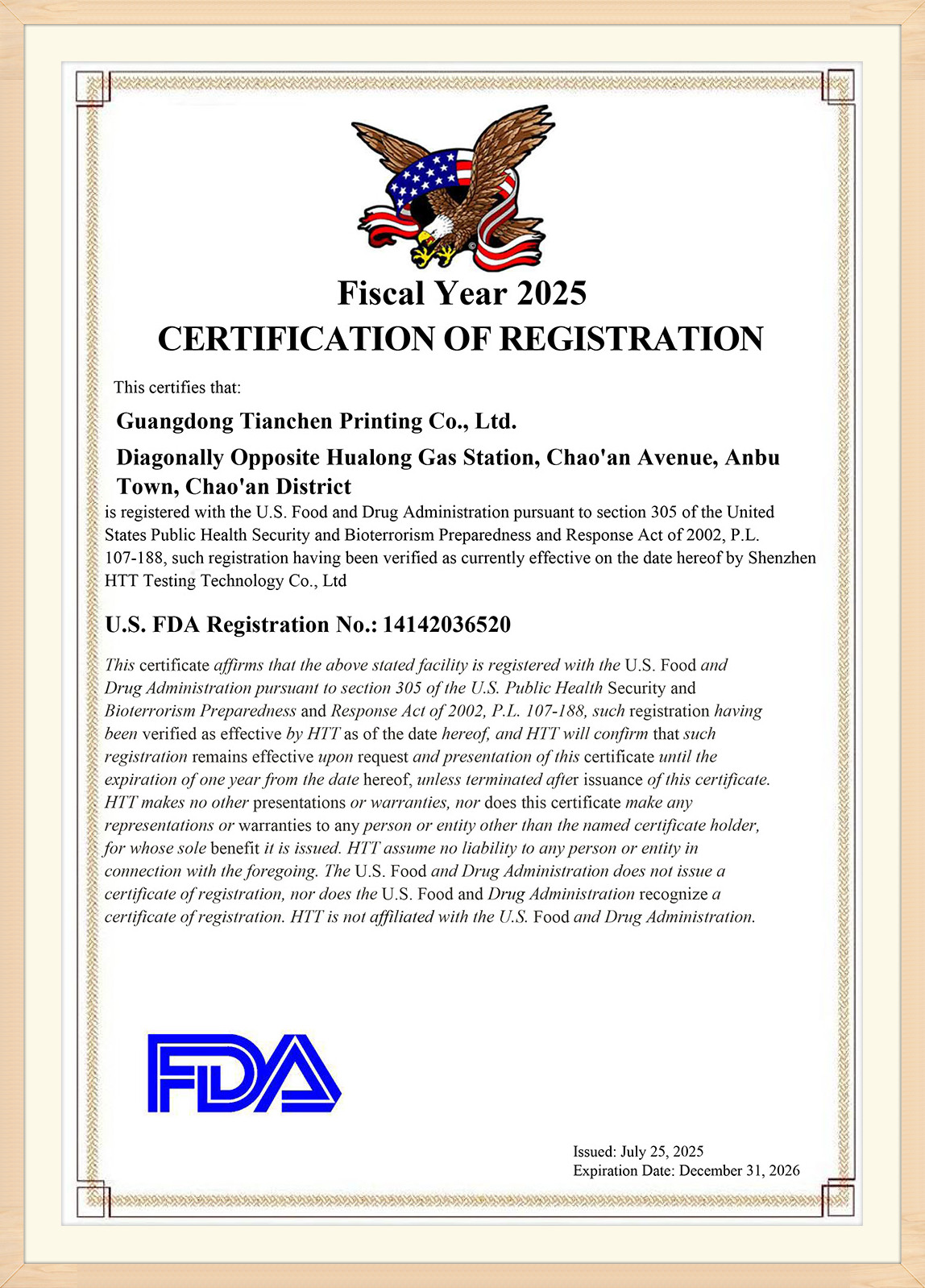
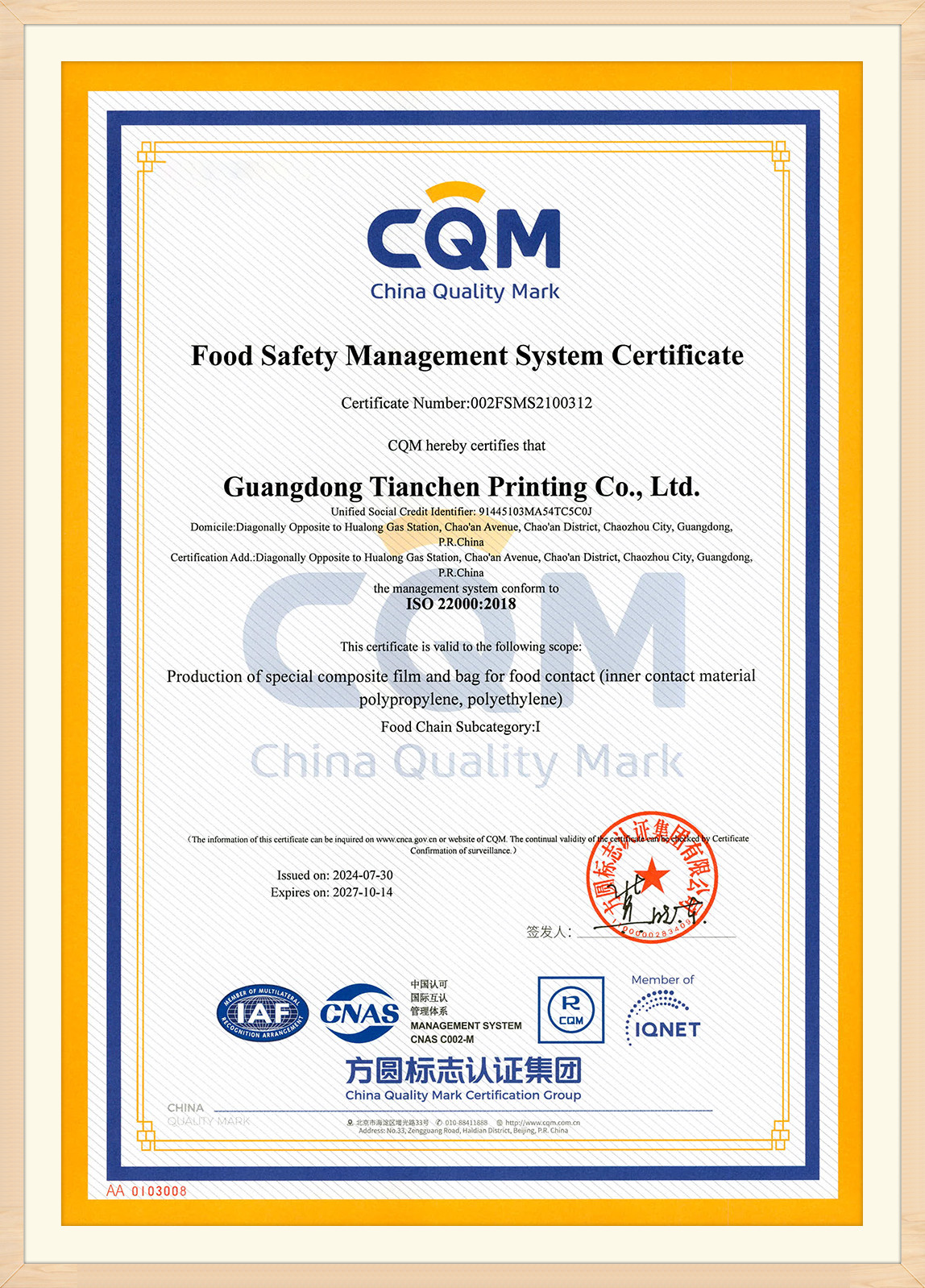
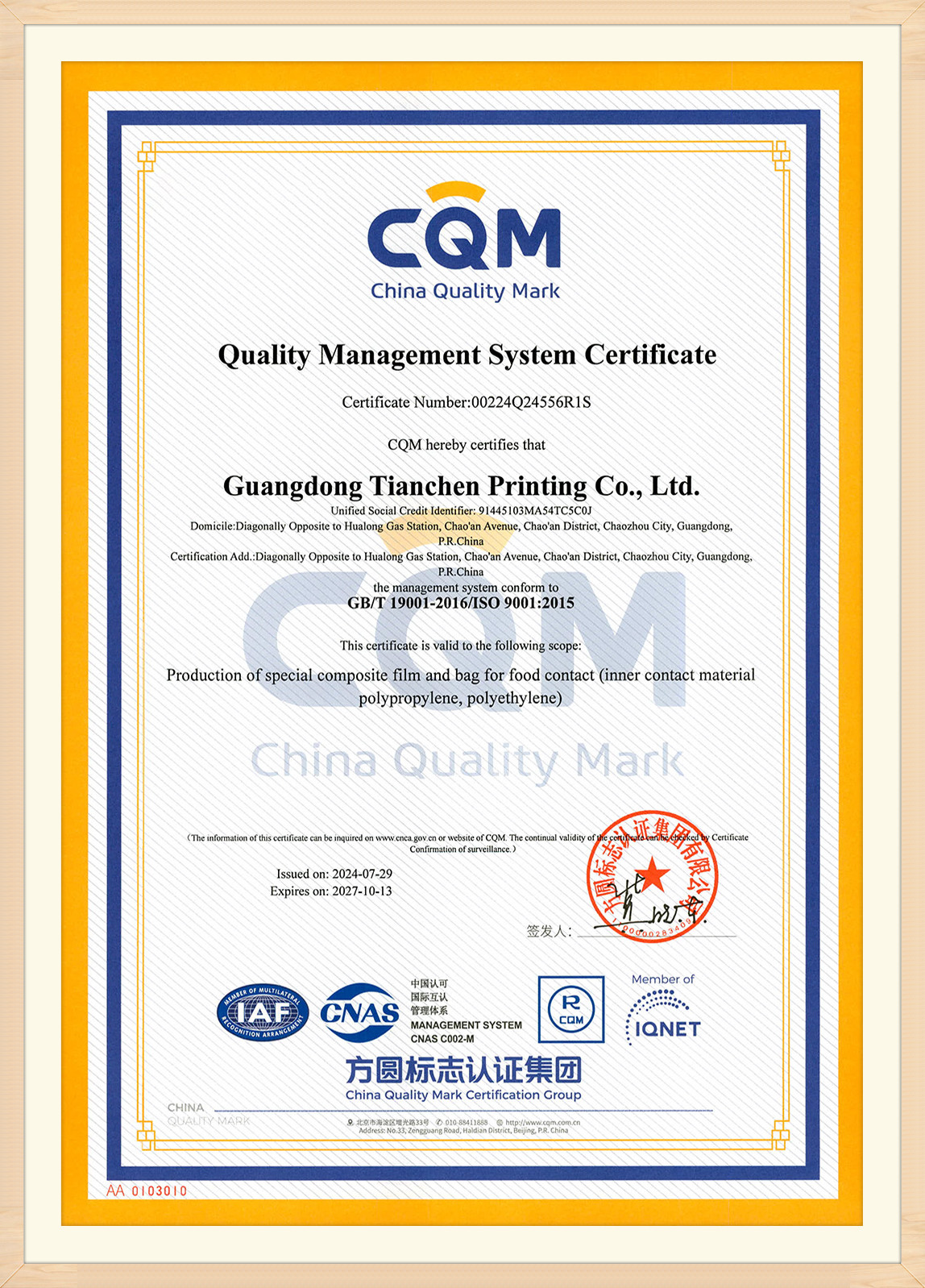
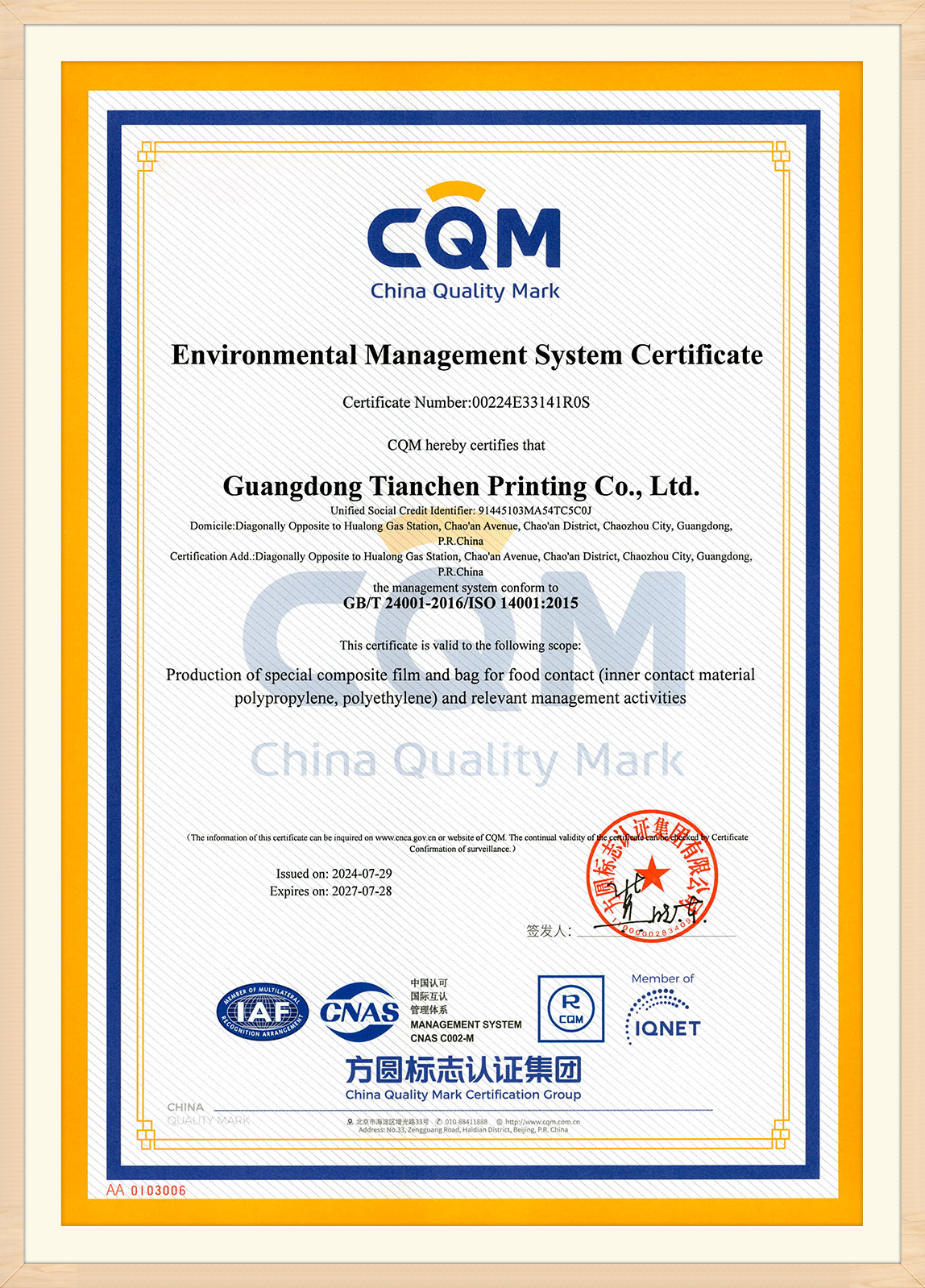
Global regulatory compliance is non-negotiable. Modern manufacturers must maintain a comprehensive and up-to-date compliance portfolio. This includes direct food contact authorization (FDA regulations, EU 10/2011, and Chinese GB standards), heavy metal limits, migration tests, and chemical traceability certificates. Additionally, corporate buyers require structural audits of facilities, verified by internationally recognized certification systems.
Choose TopfeelPack for packaging that delivers beyond expectations
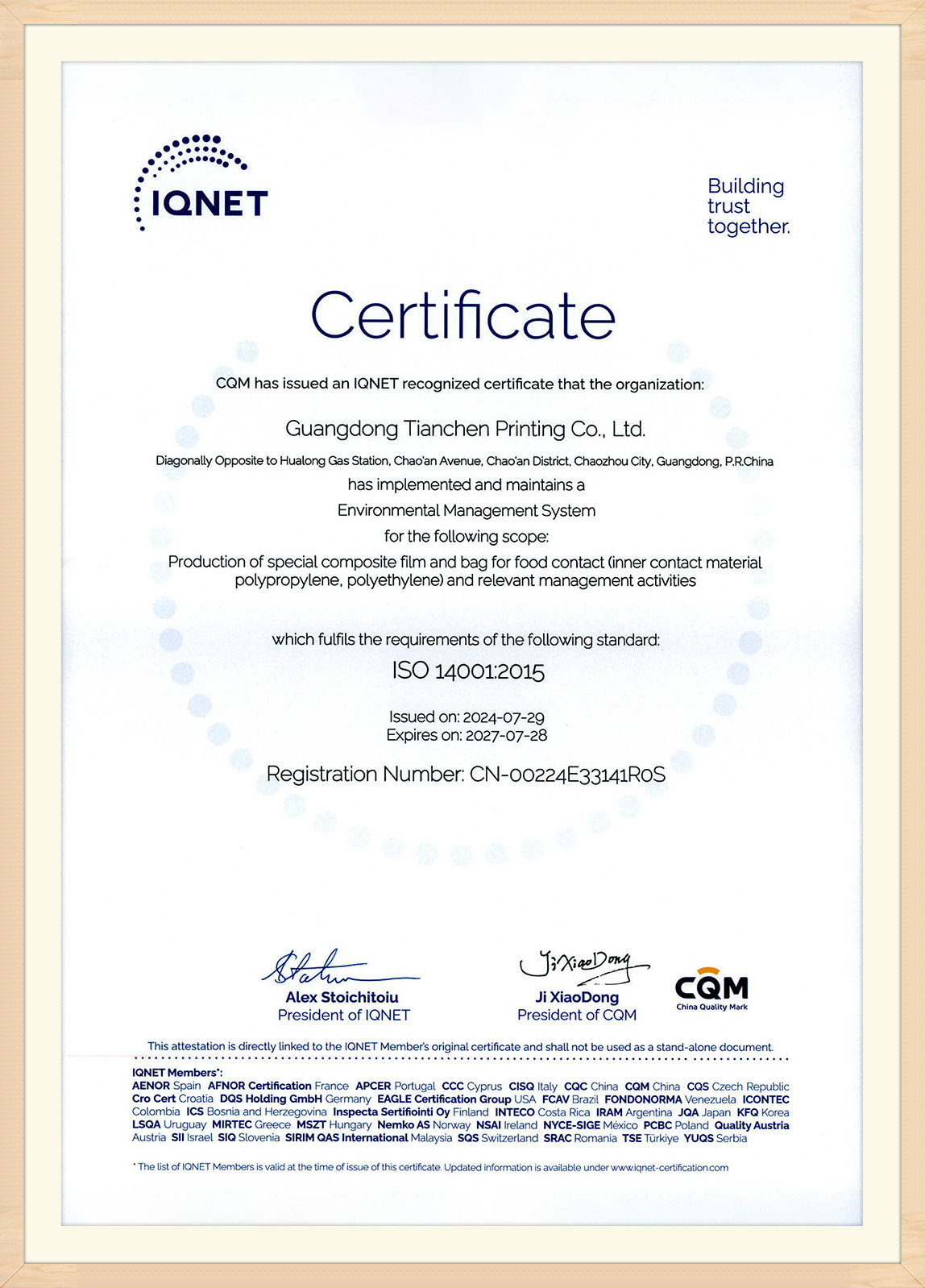
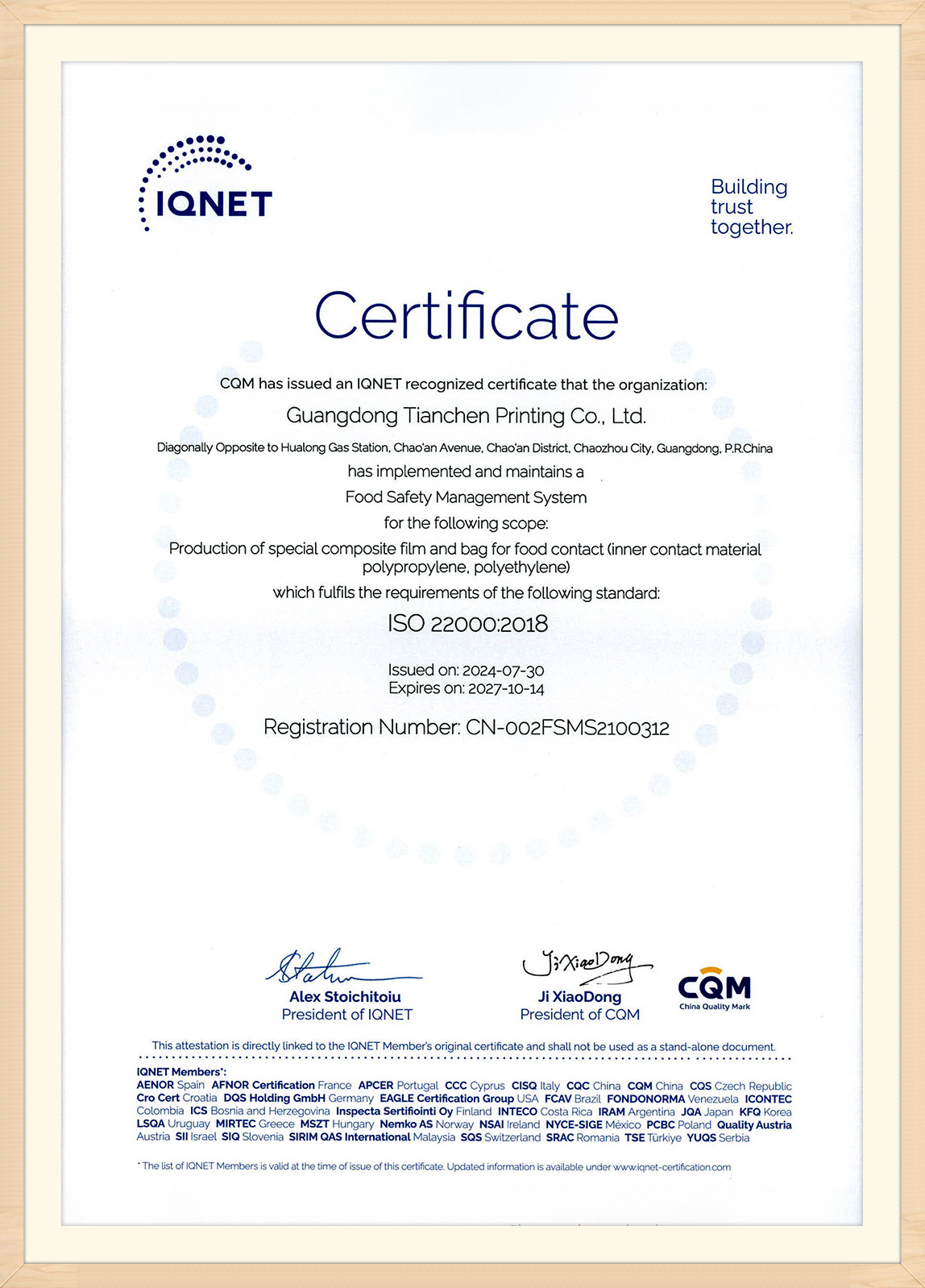
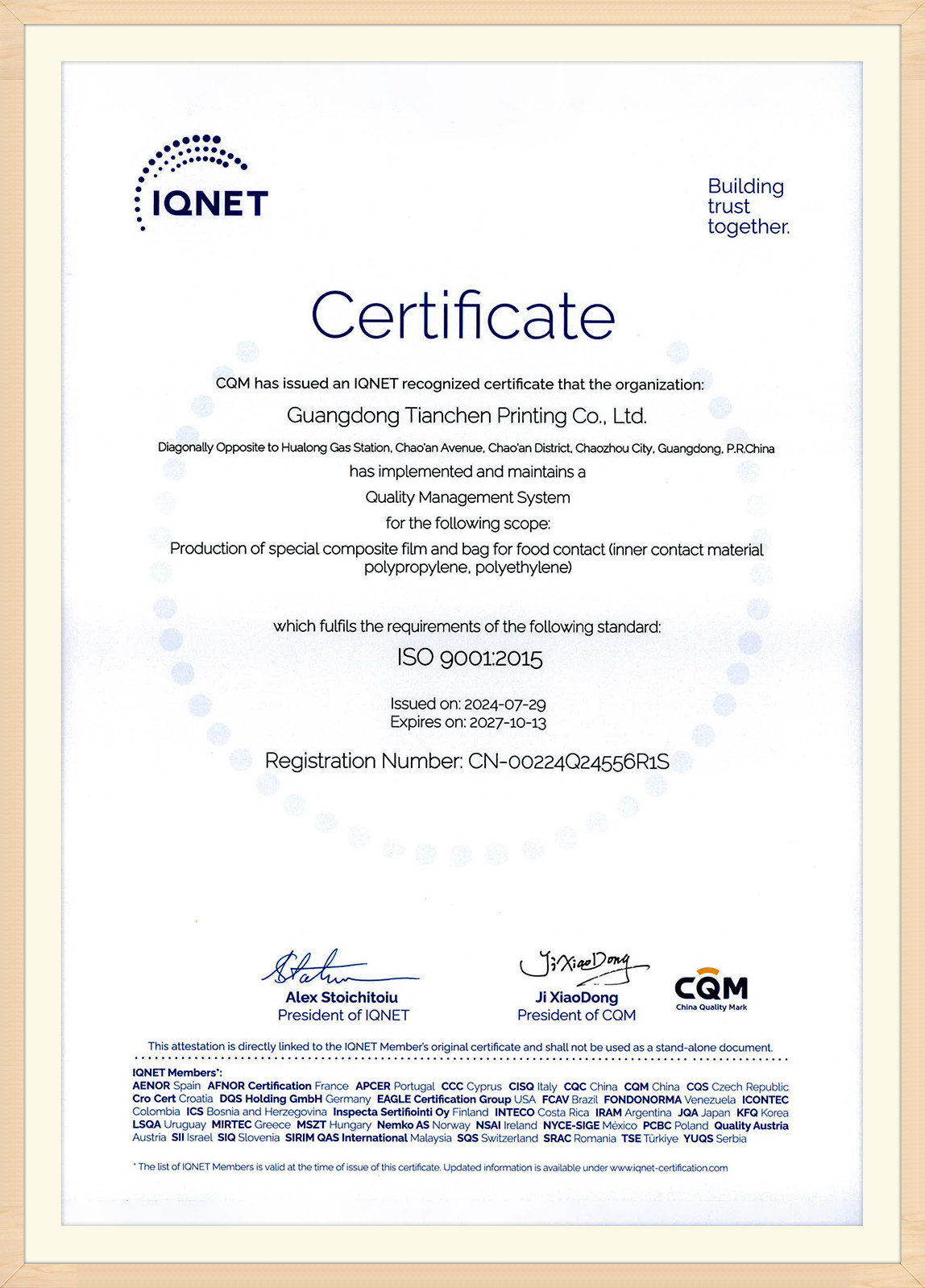
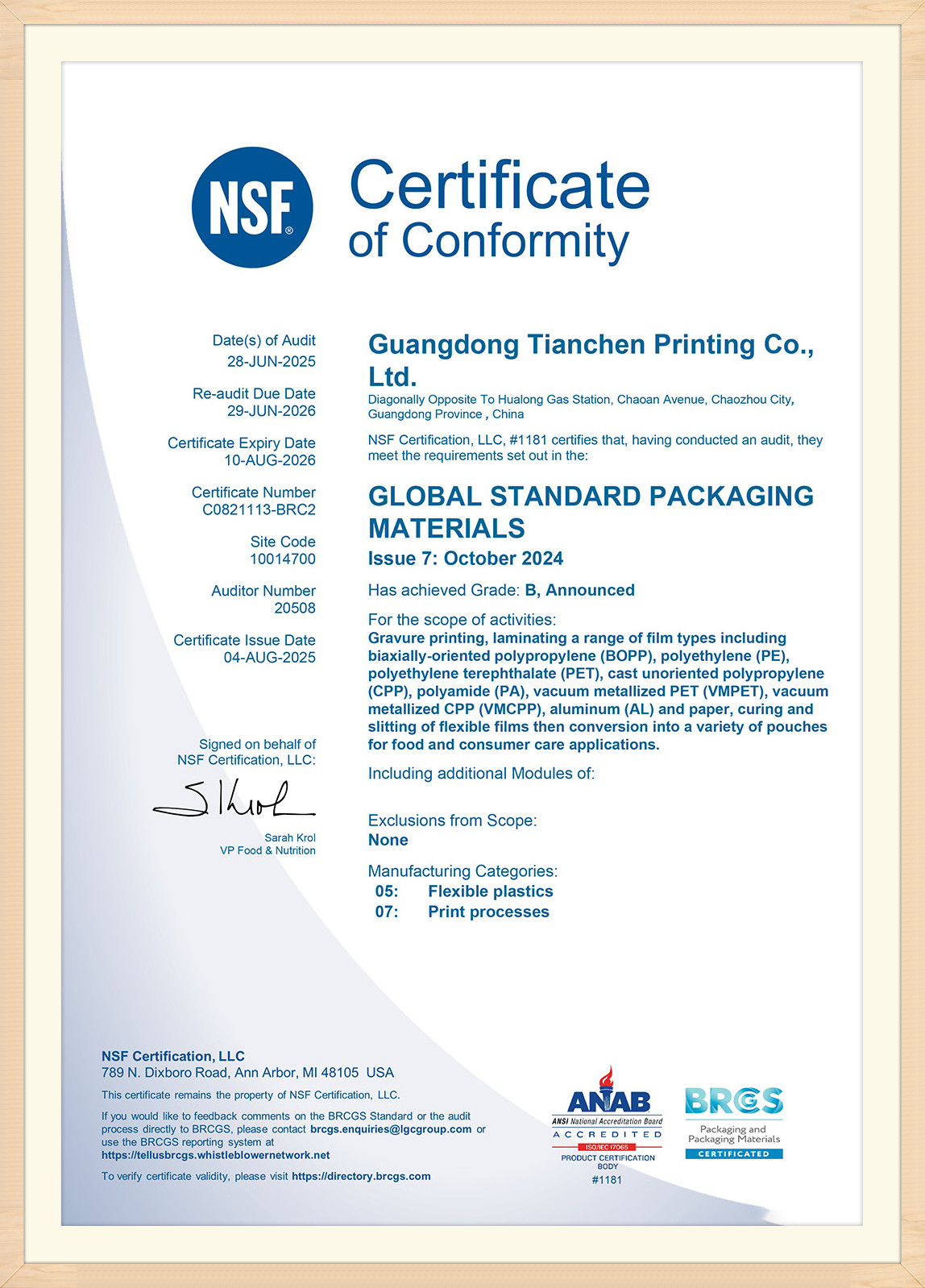
Different applications call for radically different physical and chemical characteristics. We optimize our packaging solutions for localized markets and specific product lines.
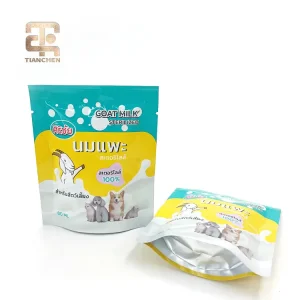
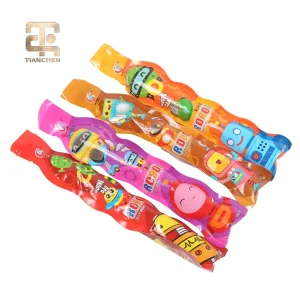
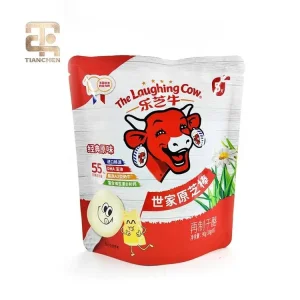
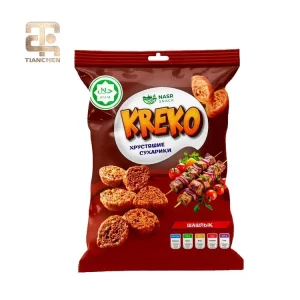
Whether containing snacks, dry fruits, or liquid juices, our films maintain food safety by managing oxygen transmission, protecting against moisture ingress, and preventing odor contamination. High-temperature cooking bags and retort pouches feature specialized PE sealants that maintain structural integrity during extreme sterilization processes.
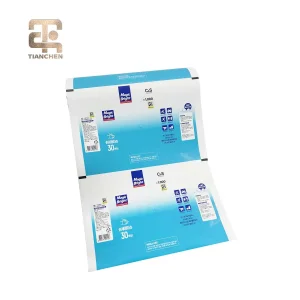
Hygiene film rolls require exceptional softness, high tear strength, and reliable fluid containment. Daily chemical pouches also need strong chemical resistance to prevent active detergents, oils, or alcohols from corroding or delaminating the surrounding plastic structure.
For industrial uses, agricultural chemicals, and electronic hardware, PE film structures are modified with ESD (electrostatic discharge) agents, anti-UV additives, and heavy-duty puncture-resistant resins. This ensures stability during long transit times in challenging open-air climates.
Technical answers from our engineering team regarding material science, procurement dynamics, and quality assurance.
Integrated designs customized for retail appeal, high-speed automated packaging, and extended product shelf life.
 TIANCHEN PRINTING