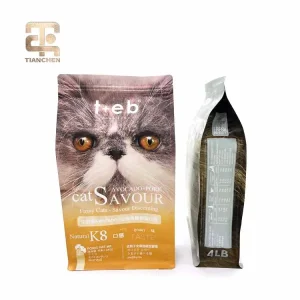
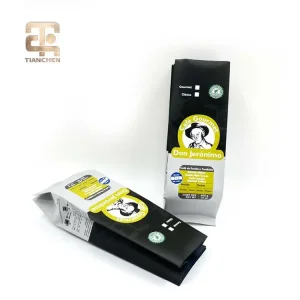
Explore our elite collection of engineered roll films, high-barrier laminates, and custom structural pouches designed for global packaging resilience.
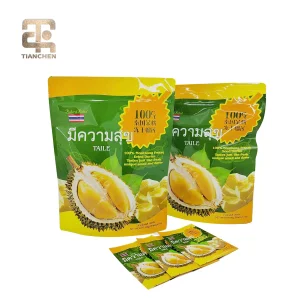
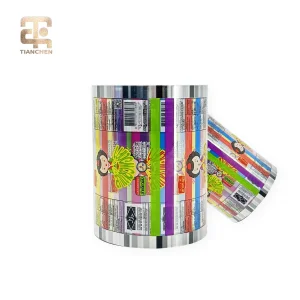
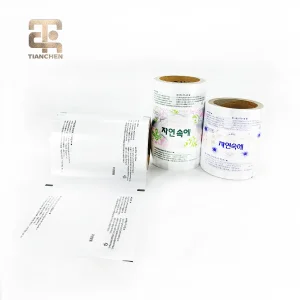
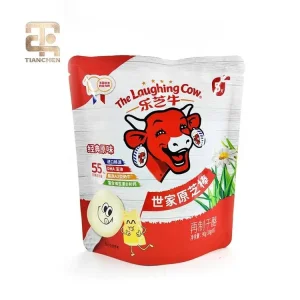
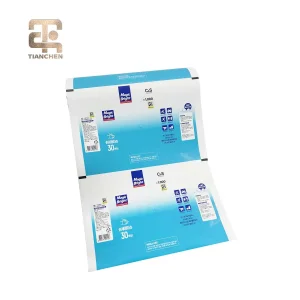
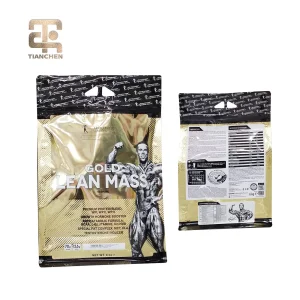
The global plastic cling film and flexible packaging industry is undergoing a monumental transition. No longer viewed simply as dynamic barriers to prevent direct atmospheric exposure, modern polymers are now complex engineered matrices designed to actively regulate respiration rates, maintain structural moisture integrity, and provide critical resistance against gas transmission. In food preservation, industrial logistics, and chemical packaging, the requirements have shifted from simple protection to sophisticated active preservation.
Today's international supply chains demand multi-layered structures. With advanced co-extrusion technology, polymers like Linear Low-Density Polyethylene (LLDPE), Polypropylene (PP), and high-barrier Polyamides (PA/Nylon) are combined with specific ethylene-vinyl alcohol (EVOH) resins. This process creates high-barrier films that dramatically extend the shelf life of food, agriculture products, and daily chemicals. By minimizing food spoilage and safeguarding medical or chemical products, these advanced cling film configurations are critical components of global sustainability efforts.
Demonstrating over two decades of uncompromising quality, technical leadership, and strategic geographic advantages in flexible packaging.
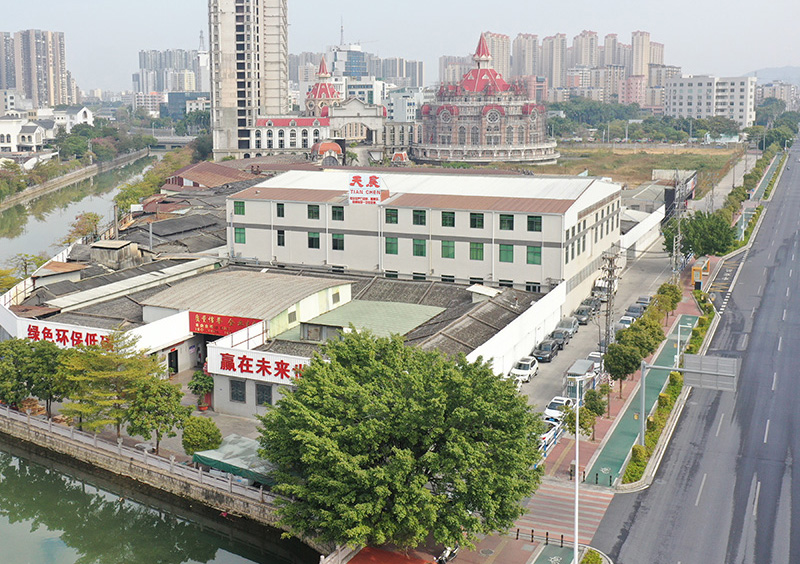
GUANGDONG TIANCHEN PRINTING CO., LTD stands as a professional printing team boasting more than 20 years of profound experience in the flexible packaging industry. Rooted in Guangdong, a hub of manufacturing and international trade in China, Tianchen Printing has grown into a reliable partner for global clients by focusing on rotogravure printing, laminating, and converting services for flexible packaging solutions.
Our business covers a diverse range of industries worldwide, including food and beverage, pharmaceuticals, daily chemicals, electronics, and agriculture. We tailor packaging solutions to meet the unique needs of each sector, from moisture-proof packaging for snacks to high-barrier films for pharmaceuticals, ensuring product safety, shelf appeal, and transportation stability. Over the years, we have established long-term cooperative relationships with clients from Europe, North America, Southeast Asia, and other regions, winning wide recognition for our consistent quality and professional service.
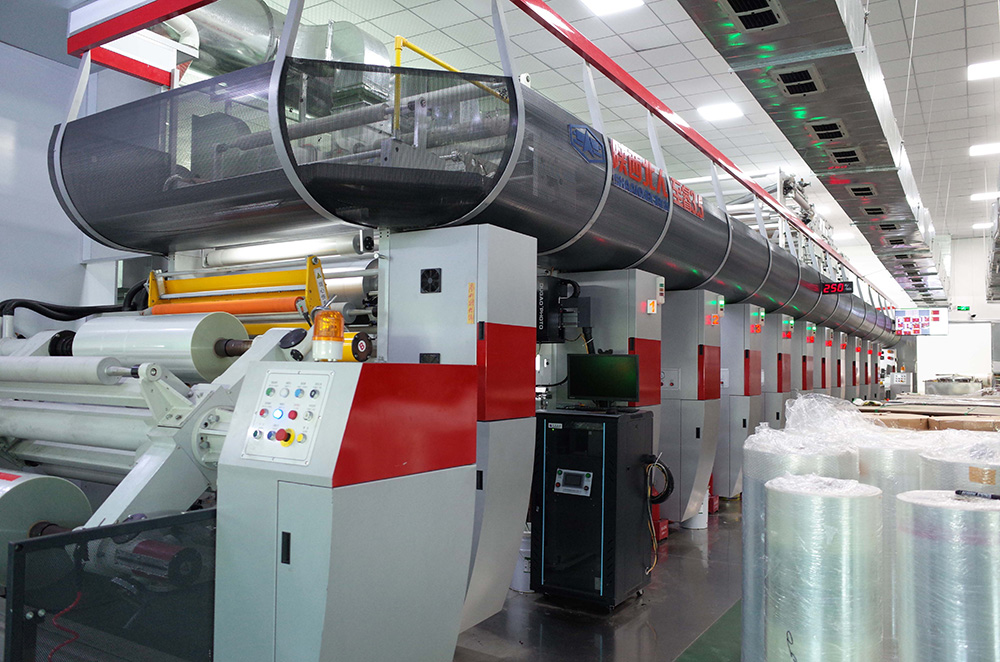
Driving structural innovation and industrial scaling through a comprehensive digitalized supply chain.
Guided by our core four "IN" concepts, we have forged a clear development path and maintained steady growth in the competitive global market. The first is "Innovation" – we persist in investing in R&D, upgrading printing technologies and processes, and developing eco-friendly, high-performance packaging materials to keep pace with industry trends and client demands.
The second is "Internationalization" – we adhere to global standards in production and management, obtain international certifications, and expand our global service network to integrate into the international mainstream market.
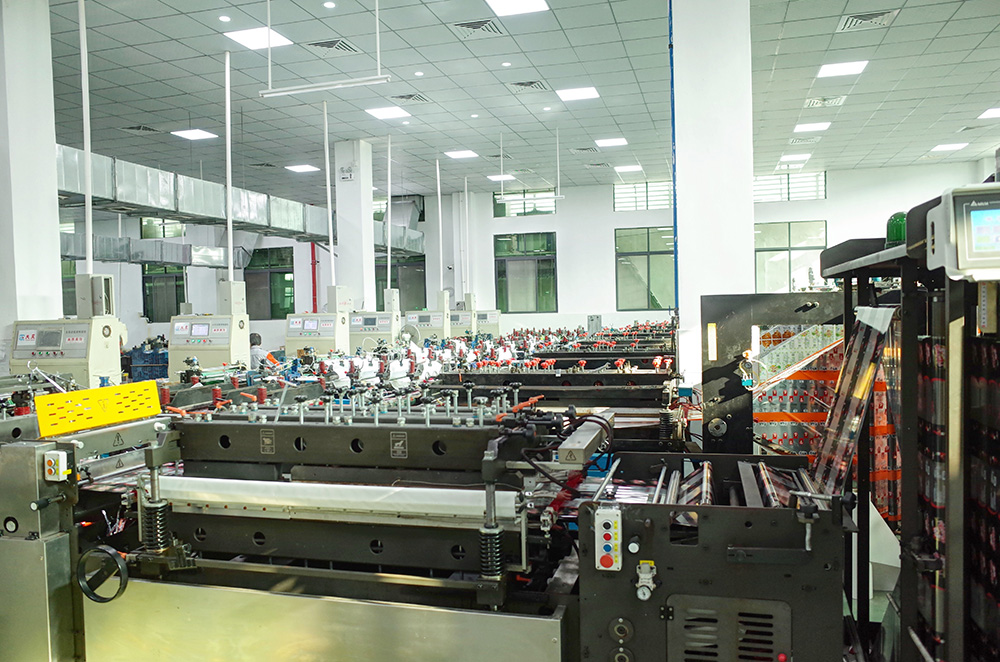
The third concept is "Integration", which refers to our one-stop service model integrating design, printing, laminating, converting, and quality inspection. By optimizing the industrial chain layout, we streamline the production process, reduce costs for clients, and ensure efficient delivery.
The fourth is "Intelligentization" – we have introduced advanced intelligent production equipment and digital management systems, realizing automated operations in key links such as color matching and quality control, which improves production efficiency and product consistency.
Under the strategy of "innovation and transformation, integrated operation and steady growth", we firmly uphold the concept of sustainable development. We actively adopt green production technologies, reduce energy consumption and environmental impact, and strive to achieve a win-win situation between economic benefits and social responsibility. Our goal is to become a first-class enterprise in the global mainstream printing market, providing more high-quality and efficient packaging solutions for global clients.
Why do leading global enterprises select Chinese manufacturers like Guangdong Tianchen for their critical flexible packaging materials? The answer lies in the dynamic integration of industrial clusters, manufacturing efficiency, and technological capabilities. China's industrial infrastructure offers unique benefits for supply chains worldwide:
Understanding the mechanical properties, barrier coefficients, and polymer physics that dictate elite packaging performance.
Engineered using LLDPE resin blends to ensure superior puncture resistance, excellent elongation characteristics, and high cling power without structural tearing during high-speed automated machine wrapping.
Precisely calibrated oxygen transmission rates (OTR) and water vapor transmission rates (WVTR) designed to mitigate aerobic microbial reproduction and retain structural moisture within packaged contents.
Custom co-polymer matrices engineered to seal across a broad range of operating temperatures, preventing micro-leaks in volatile environments while safeguarding product cleanliness.
Optimized polymer crystalline alignments minimize haze and maximize light transmission. This ensures high shelf visibility and creates clean, professional presentation on retail shelving.
How global brands utilize our specialized flexible packaging technology to solve distinct local operational challenges.
In highly automated packaging lines across North America and Europe, snack manufacturers demand extreme structural uniformity. Variations in film gauge can cause machine downtime and seal failures. By deploying our custom roll film, manufacturers maintain high run speeds (120+ pouches per minute) while ensuring oxygen barrier levels protect dry fruits, nuts, and chips from oxidation.
Agricultural packing houses in South America and Southeast Asia require intelligent gas exchange profiles. Freshly cut mushrooms, leafy greens, and berries need cling films with balanced carbon dioxide and oxygen transmission properties. Our tailored micro-perforated and breathable co-extrusion films extend produce freshness, cutting spoilage losses by up to 35% across long-distance ocean shipping routes.
Personal hygiene product manufacturing requires materials that are physically robust and resistant to chemical migration. Our backsheet hygiene films and industrial protective barriers block liquid transit while remaining skin-safe and soft to the touch. These qualities are crucial for global consumer brands producing medical and personal care products.
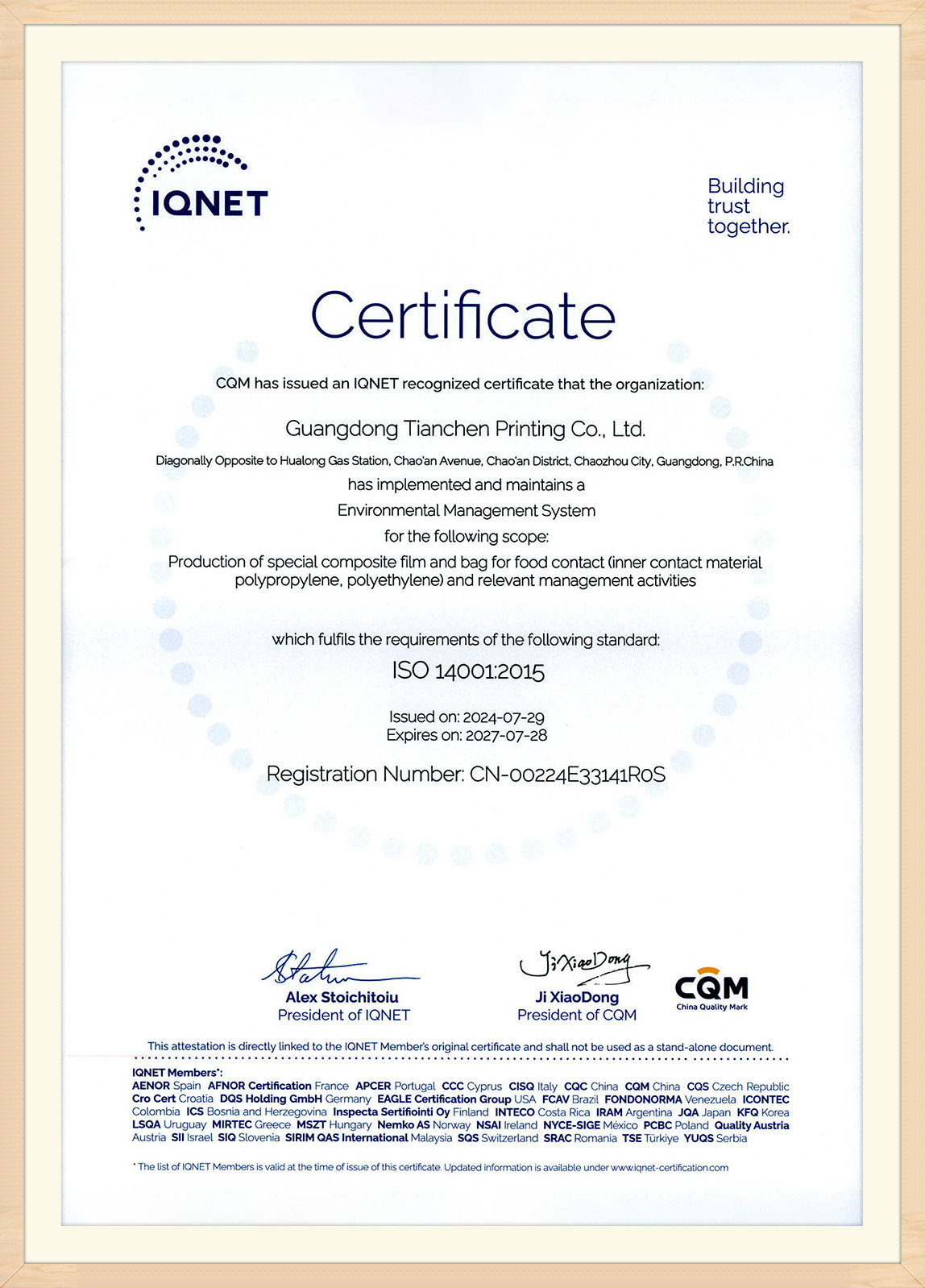
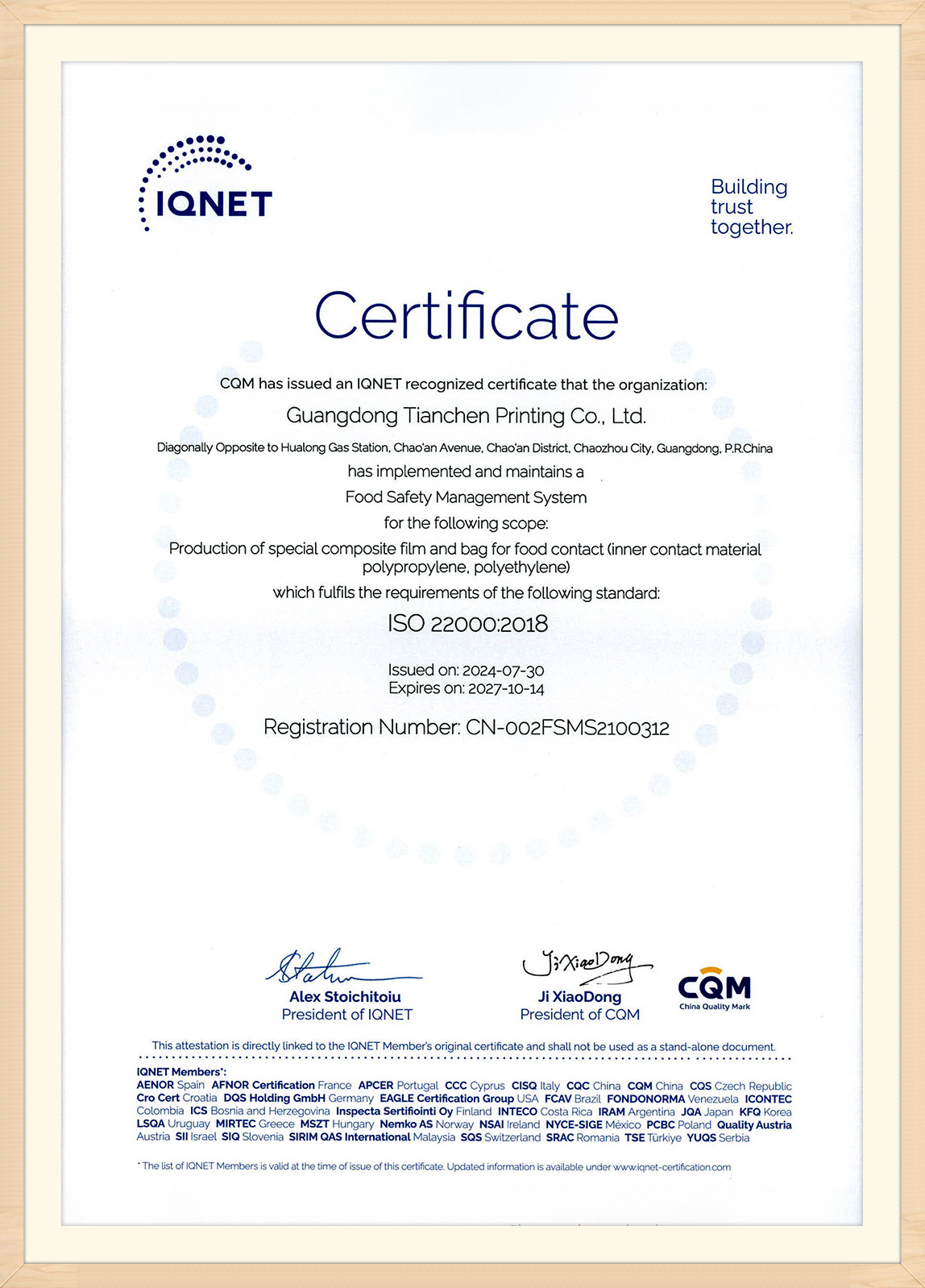
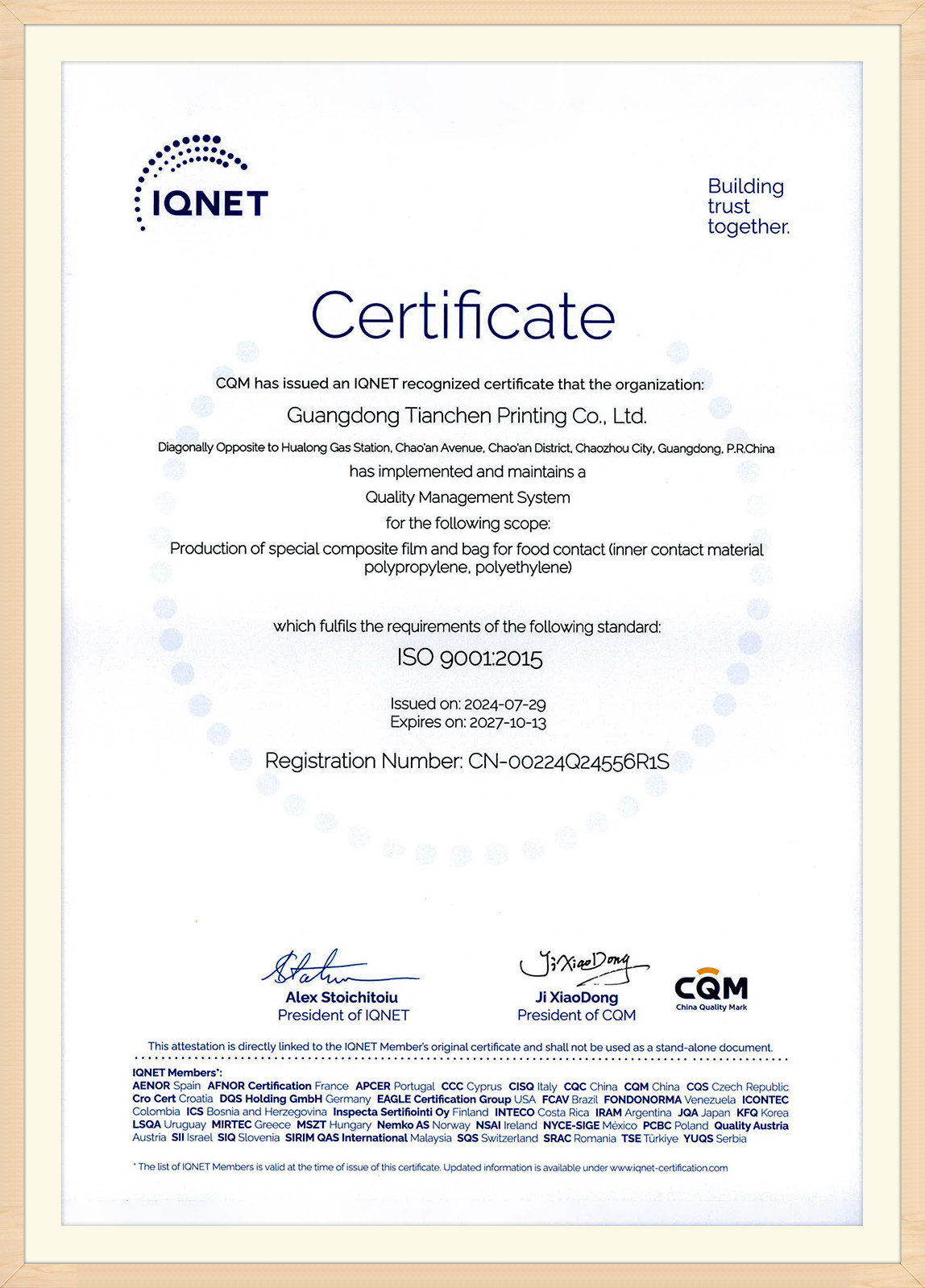
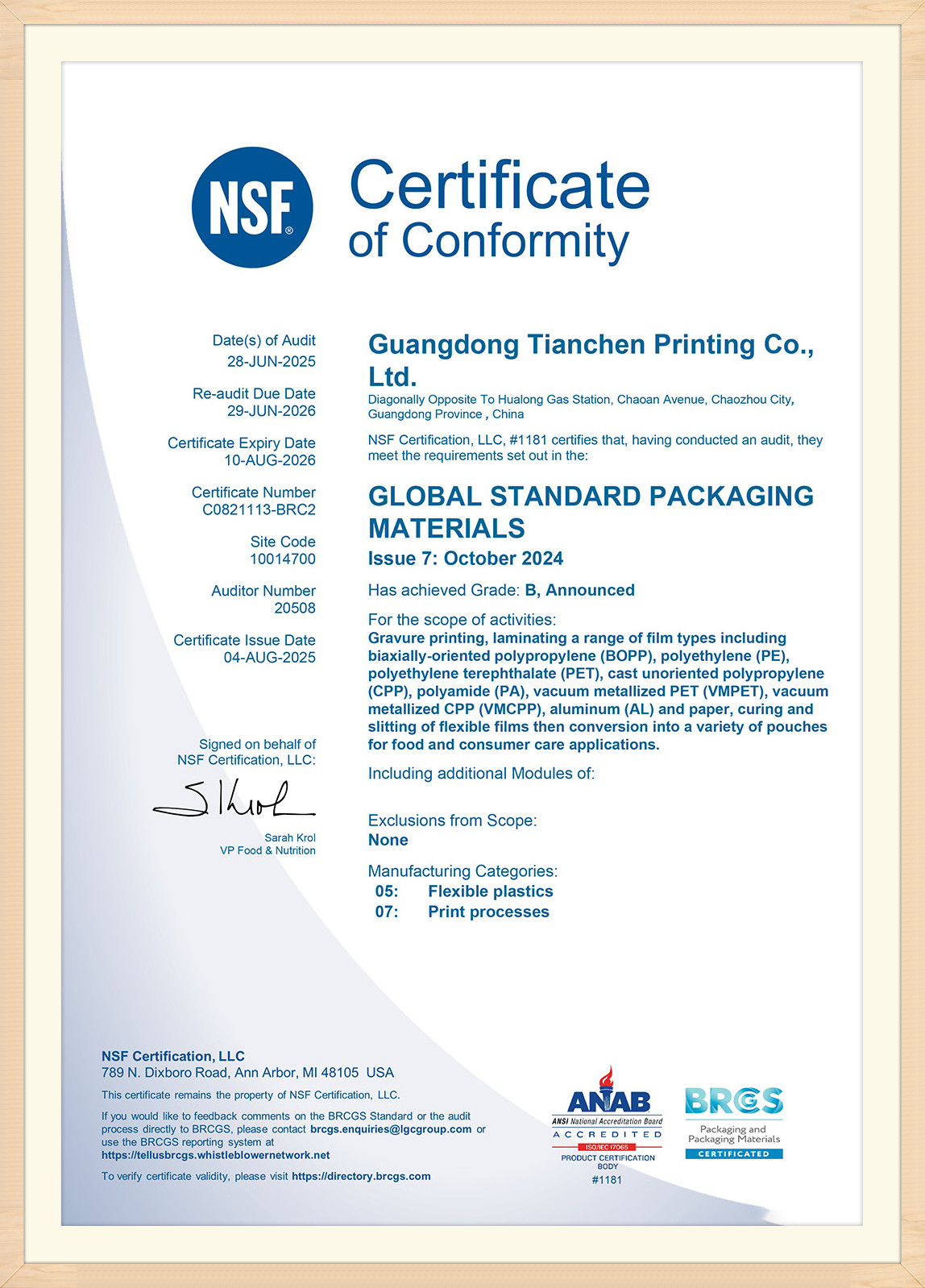
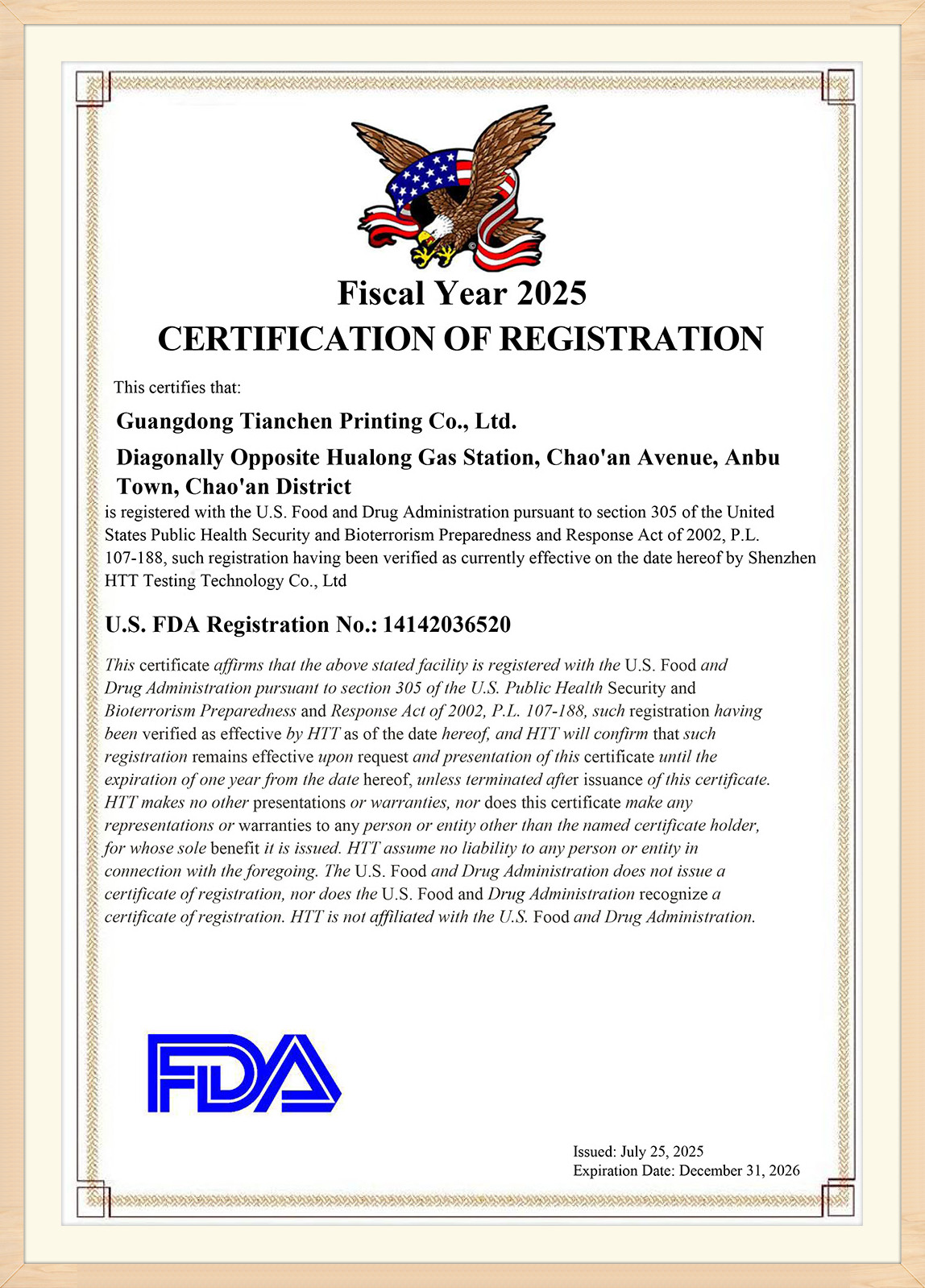
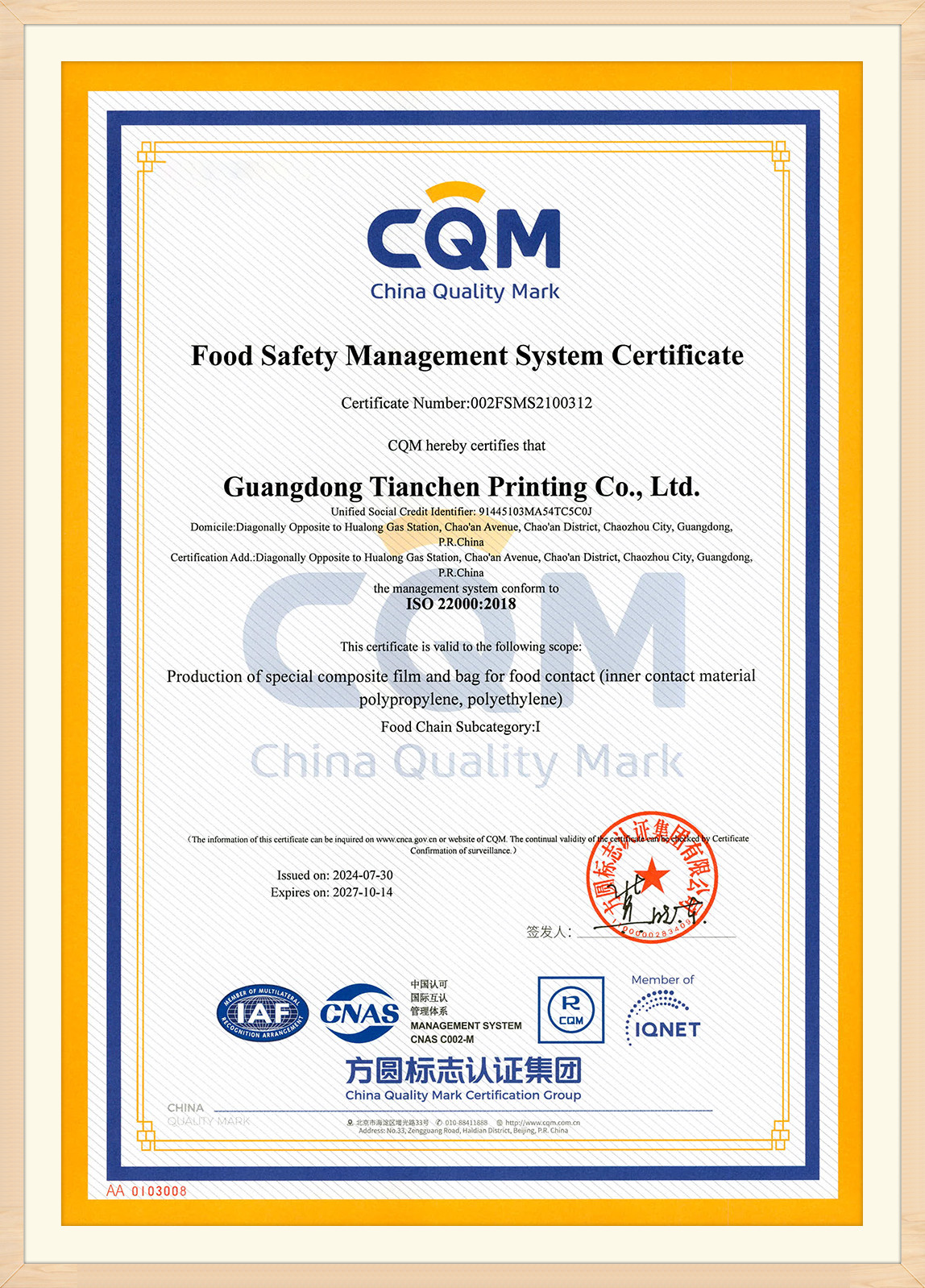
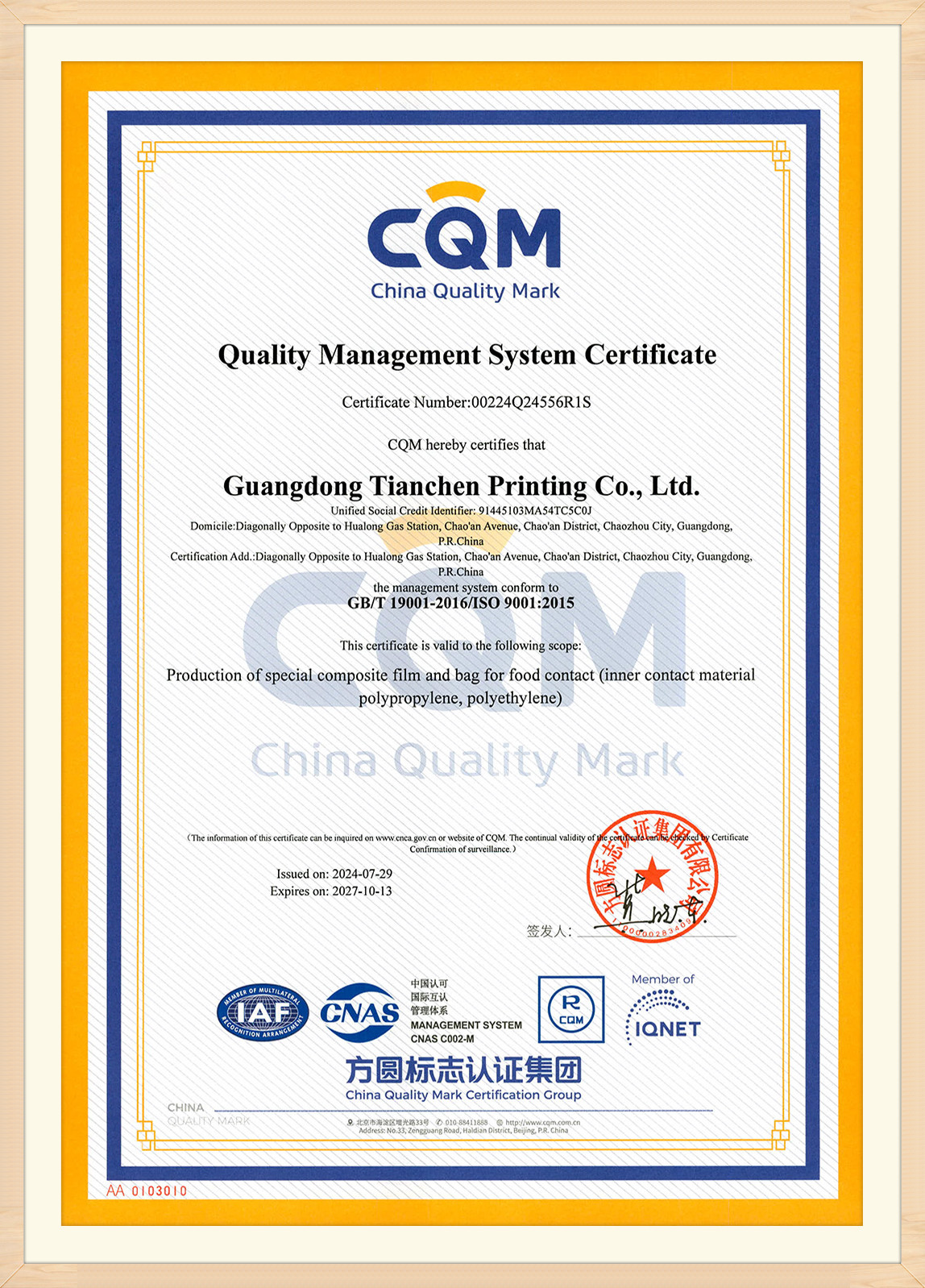
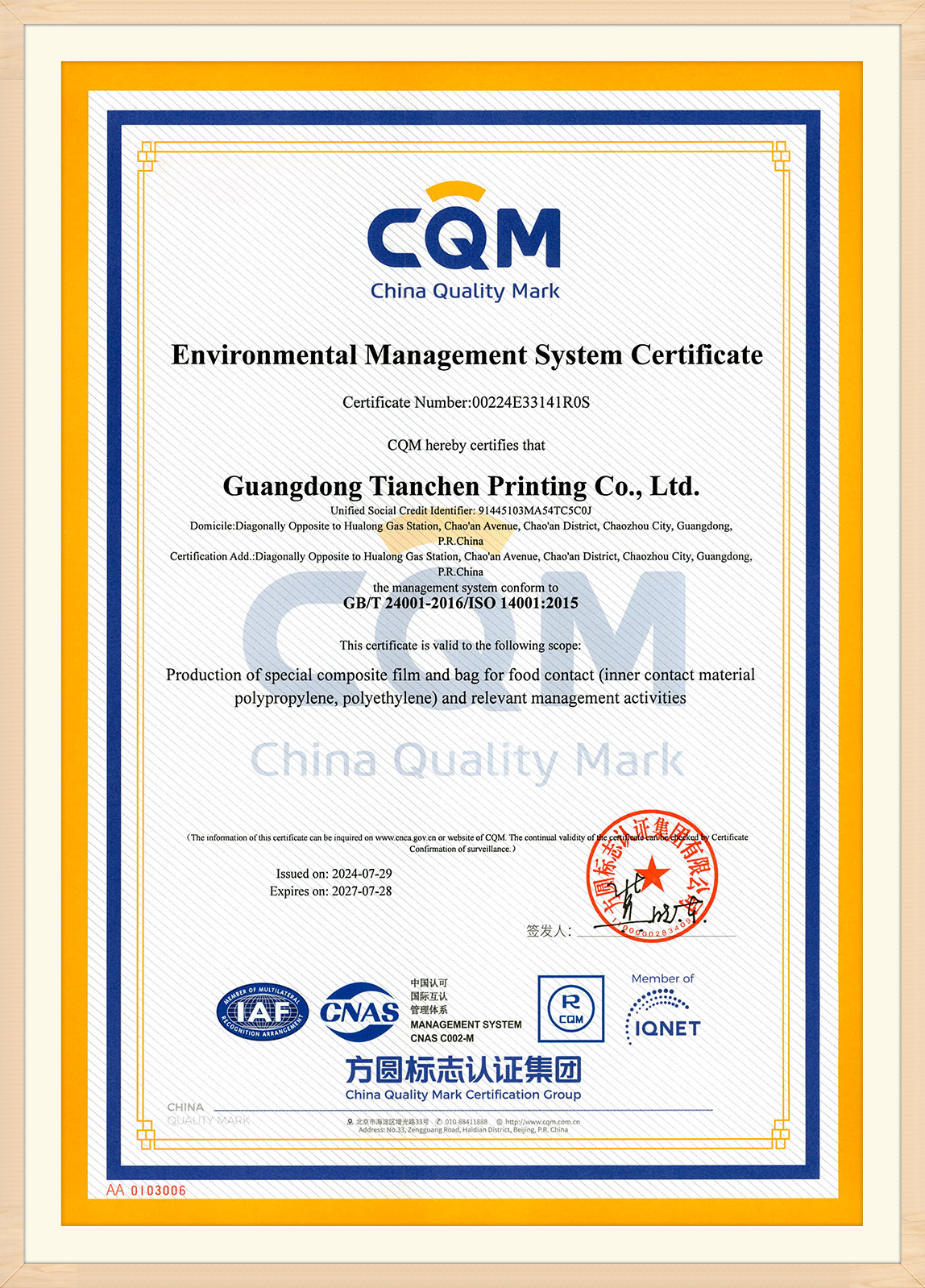
To operate seamlessly in global B2B markets, we align our entire production process with world-class safety certifications. Each roll of film and completed stand-up pouch is manufactured under strict quality controls to guarantee product safety and tracing:
"Choose TopfeelPack for packaging that delivers beyond expectation" – our constant drive toward absolute reliability and brand trust.
Evaluating the next wave of technological developments that will redefine the industrial flexible packaging market by 2030.
Historically, multi-layer high-barrier structures combined incompatible polymers, making mechanical recycling difficult. The industry is rapidly shifting toward mono-material solutions (such as oriented PE laminations), allowing 100% recycling while preserving oxygen and water vapor barrier levels.
Sustainable development is driving the demand for packaging derived from plant-based materials like PLA or PHA. Research focuses on matching the barrier properties of traditional petroleum-based polymers with bio-based alternatives that degrade under industrial composting conditions.
Next-generation cling films are integrating intelligent freshness indicators. Temperature-sensitive dyes and gas sensors directly inform logistics personnel and consumers about the precise state of the food inside, preventing unnecessary waste and enhancing safety.
Addressing primary search intents, polymer compliance, and technical questions commonly raised by B2B buyers.
Barrier quality is primarily measured by Oxygen Transmission Rate (OTR, expressed in cc/m²/24h) and Water Vapor Transmission Rate (WVTR, g/m²/24h). These metrics depend on the polymer composition, density, and thickness. Utilizing EVOH or PVDC layers dramatically reduces oxygen transmission, whereas LLDPE or HDPE layers offer strong moisture protection.
Rotogravure printing uses engraved cylinders to deliver exceptional image fidelity, deep colors, and consistent quality over long production runs. While initial tooling costs are higher, it is highly cost-efficient for large orders. Flexographic printing is more suited for shorter runs with simpler graphic requirements.
Traditional multi-material laminates require special handling. However, we actively develop and supply eco-friendly mono-material options (such as all-PE and all-PP structures). These solutions can be recycled alongside standard plastic bags and carry the SPI resin identification code #2 or #5.
We utilize computerized thickness measurement systems on our high-speed extrusion lines. Real-time feedback loops adjust die settings automatically, ensuring thickness remains within a strict 3% tolerance. This level of uniformity is essential for smooth performance on automated packaging machinery.
MOQ typically varies by film width and design complexity, generally starting at 500 kg for custom roll film or 10,000 to 20,000 pouches. Lead times range from 15 to 25 days following design approval, depending on shipping destinations.
Yes, our films can be formulated with UV stabilizers and high-opacity pigment masterbatches. These additions block harmful light wavelengths, preventing light-sensitive foods and chemical compounds from degrading or changing color.
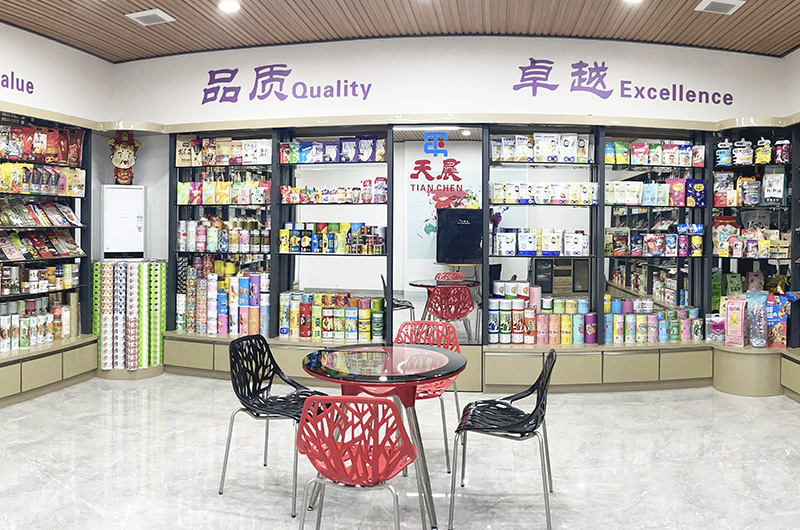
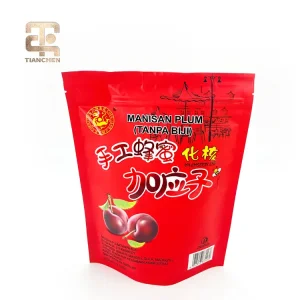
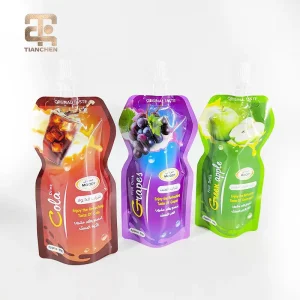
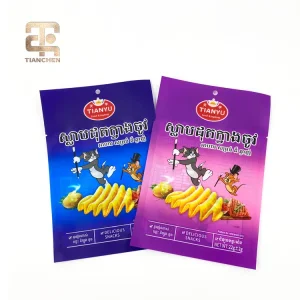
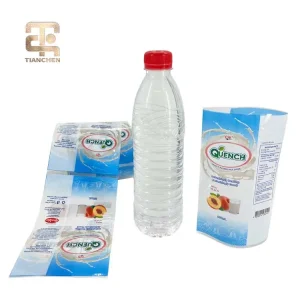
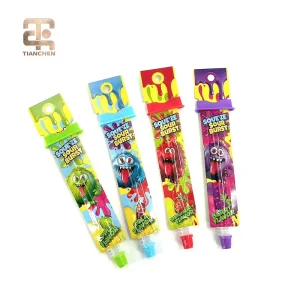
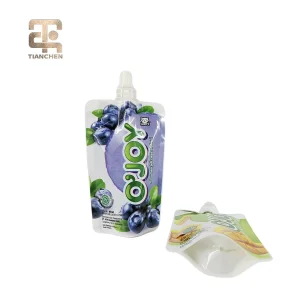
A comprehensive selection of specialty packaging designs, including heavy-duty flat bottom bags, spout pouches, and high-performance heat-shrink sleeves.
 TIANCHEN PRINTING