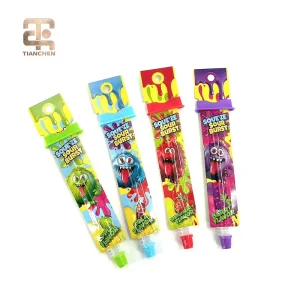
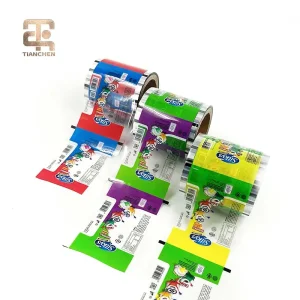
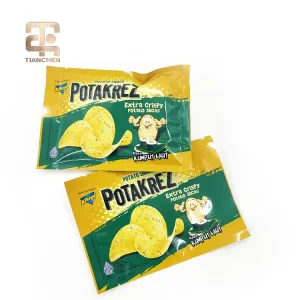
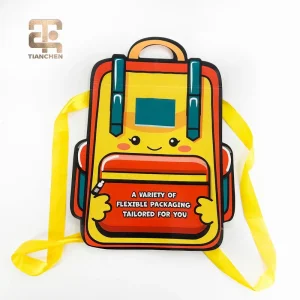
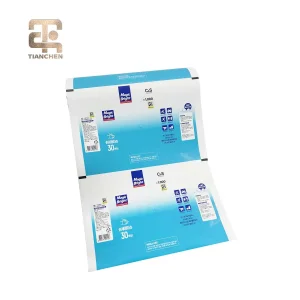
Engineered to deliver ultimate structural integrity, moisture-proof barriers, and high-clarity shelf presence.
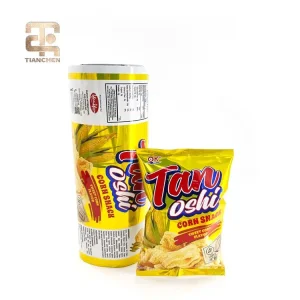
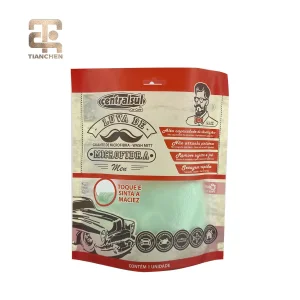
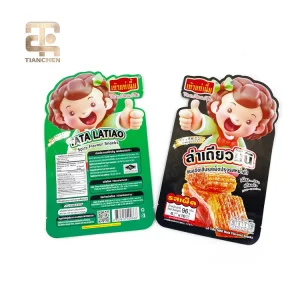
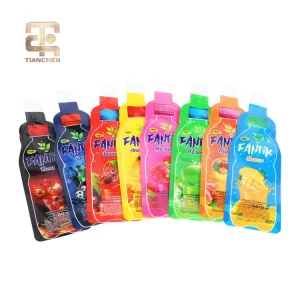
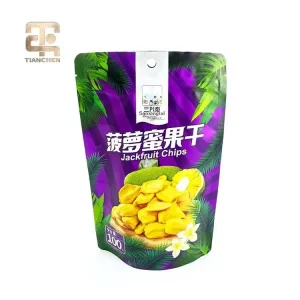
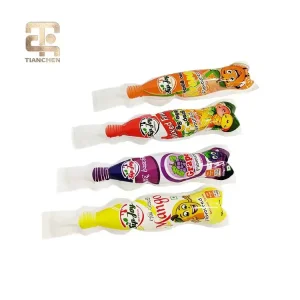
In the modern packaging landscape, the transparent spout pouch has emerged as a disruptive technological advancement over rigid glass and plastic containers. Transitioning away from conventional packaging allows brands to address carbon footprint challenges while satisfying consumer demands for product freshness and convenience.
Industries worldwide are realizing that flexible packaging structures lower shipping weights by up to 90%, yielding significant logistical cost efficiencies and lower scope-3 transportation emissions. In Europe, North America, and the Asia-Pacific region, consumer goods manufacturers are integrating flexible spout configurations for liquid, paste, and granulated products. By engineering complex polymer layups with exceptional mechanical resilience and barrier properties, modern spout pouches reliably replace bulky rigid drums and HDPE bottles.
"The shift toward high-clarity transparent barrier polymers ensures brands provide consumers with unmatched product visibility while preserving shelf-life and chemical stability."
Discover the engineering attributes driving global adoption across chemical, food, and industrial sectors.
Flexible manufacturing pipelines optimize material utilization, driving substantial cost savings from custom extrusions to automated high-volume liquid filling lines.
Years Industry Experience
Logistics Weight Reduction
Max OTR (cc/m²/day)
Cleanroom Tested Quality
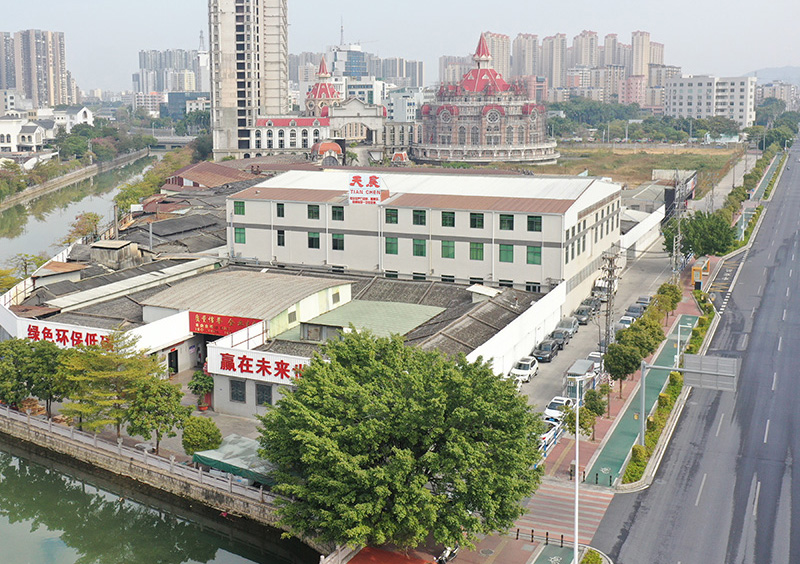
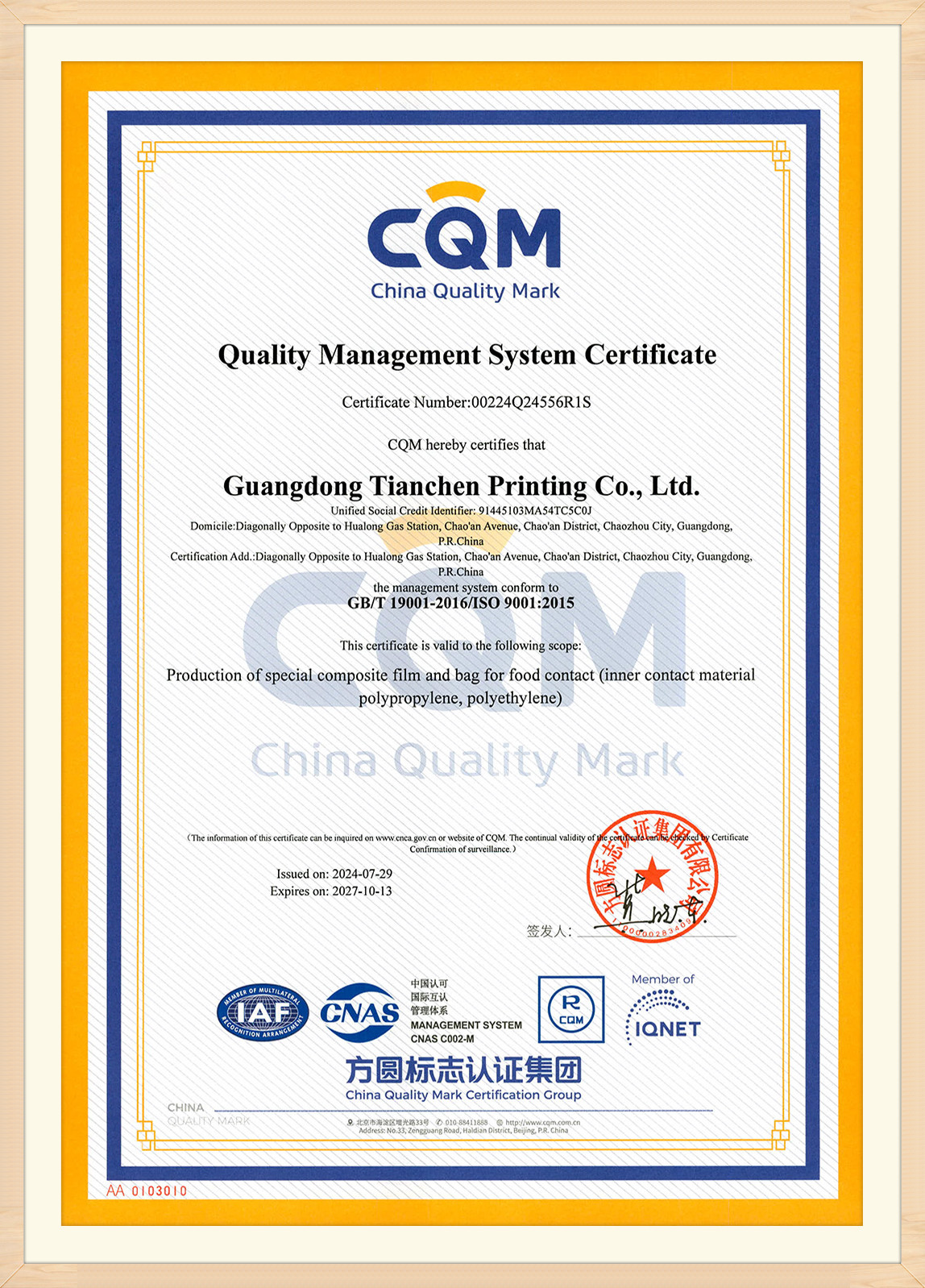
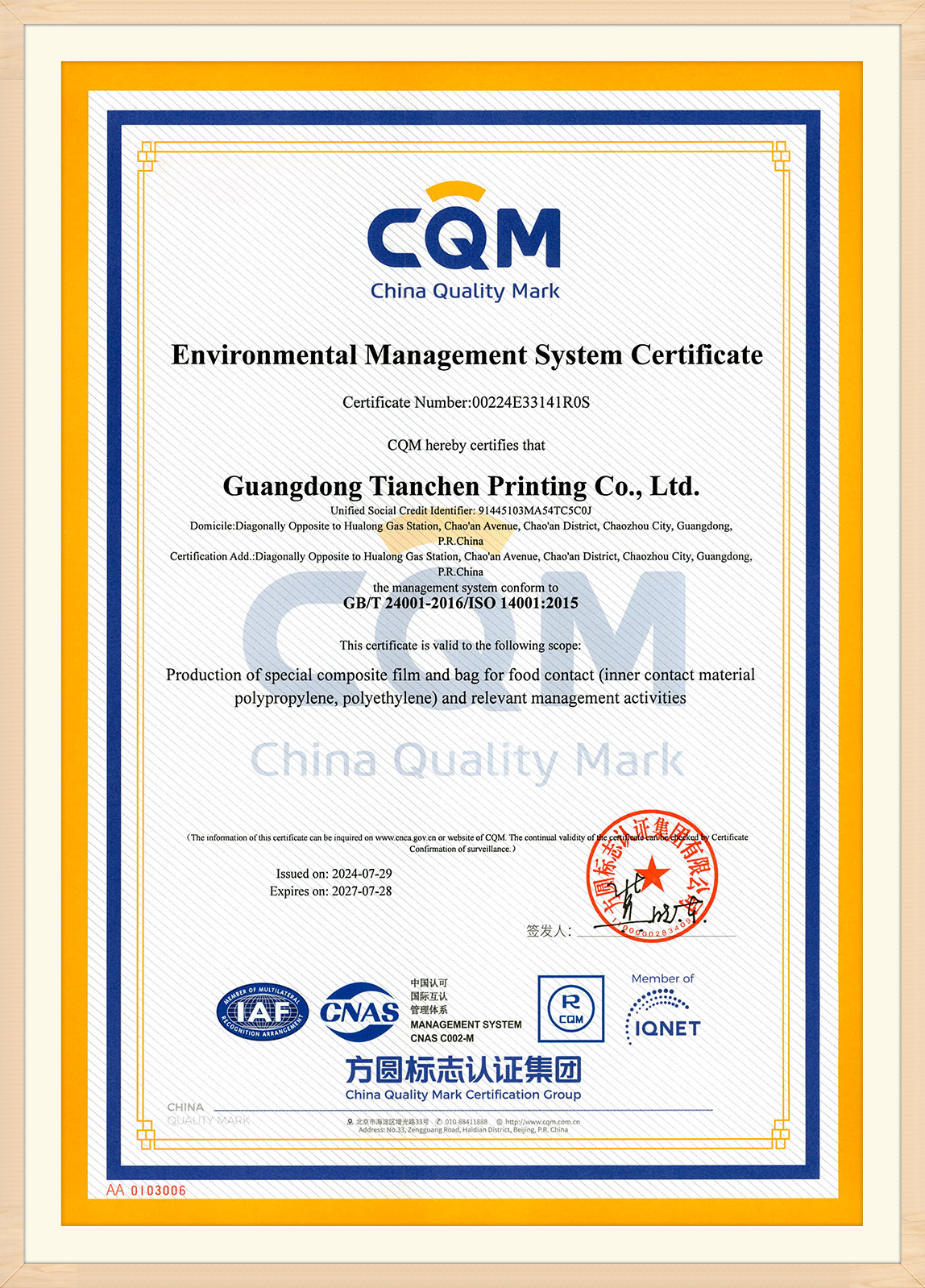
We are a professional printing team boasting more than 20 years of profound experience in the flexible packaging industry. Rooted in Guangdong, a hub of manufacturing and international trade in China, Tianchen Printing has grown into a reliable partner for global clients by focusing on rotogravure printing, laminating, and converting services for flexible packaging solutions.
Our business covers a diverse range of industries worldwide, including food and beverage, pharmaceuticals, daily chemicals, electronics, and agriculture. We tailor packaging solutions to meet the unique needs of each sector, from moisture-proof packaging for snacks to high-barrier films for pharmaceuticals, ensuring product safety, shelf appeal, and transportation stability. Over the years, we have established long-term cooperative relationships with clients from Europe, North America, Southeast Asia, and other regions, winning wide recognition for our consistent quality and professional service.
Innovation, Internationalization, Integration, Intelligentization
Guided by our core four "IN" concepts, we have forged a clear development path and maintained steady growth in the competitive global market. The first is "Innovation" – we persist in investing in R&D, upgrading printing technologies and processes, and developing eco-friendly, high-performance packaging materials to keep pace with industry trends and client demands.
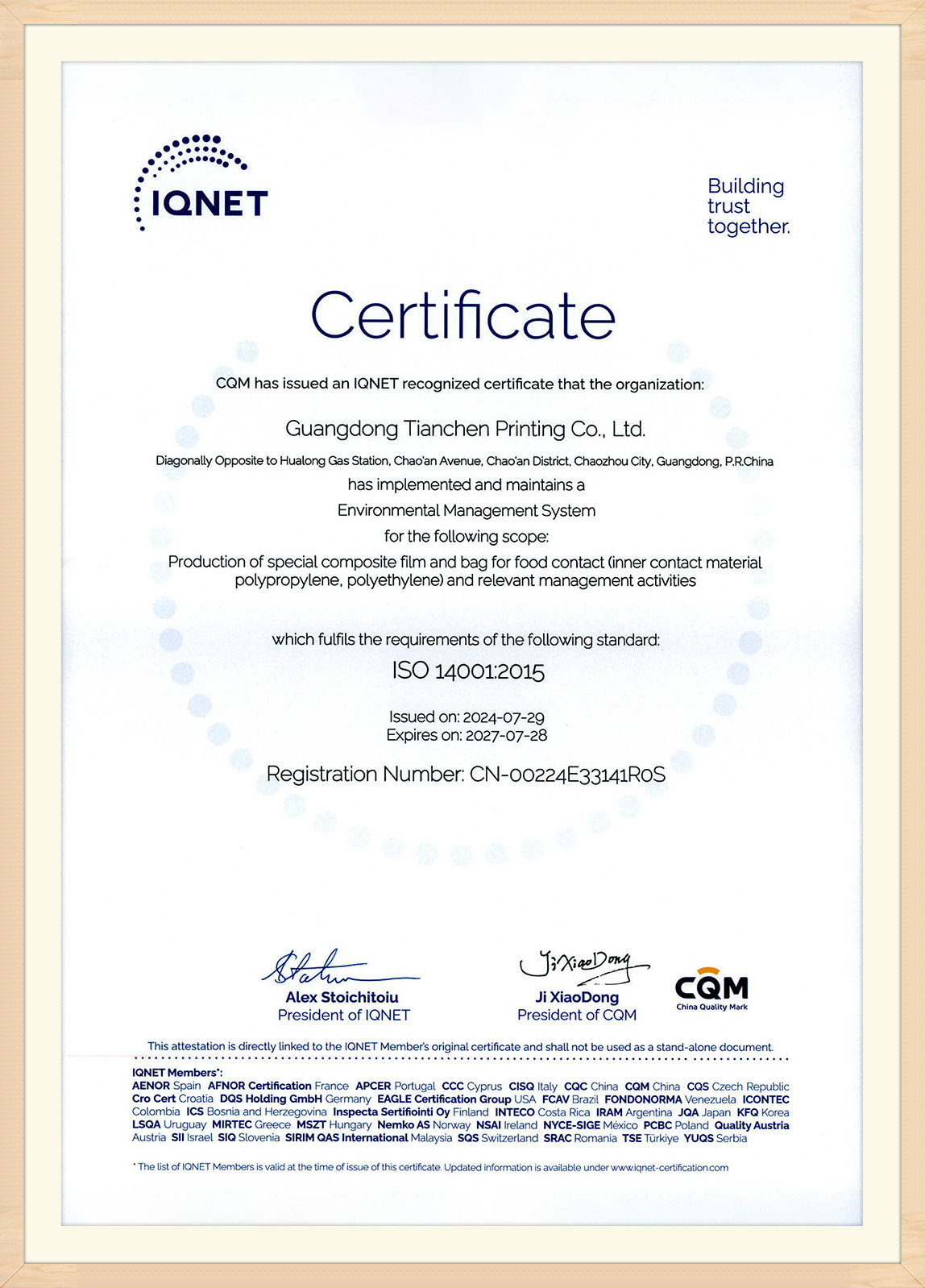
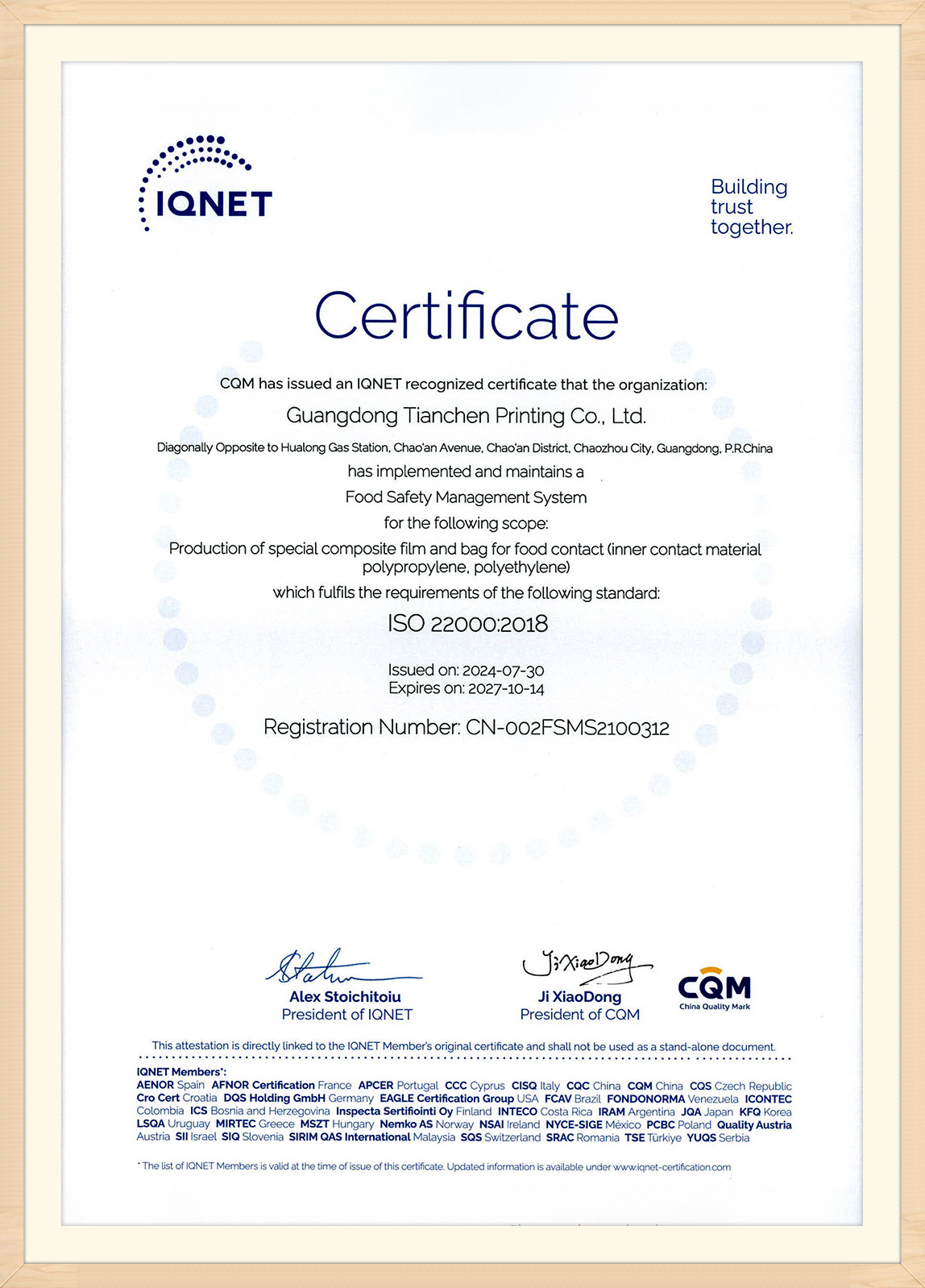
The second is "Internationalization" – we adhere to global standards in production and management, obtain international certifications, and expand our global service network to integrate into the international mainstream market.
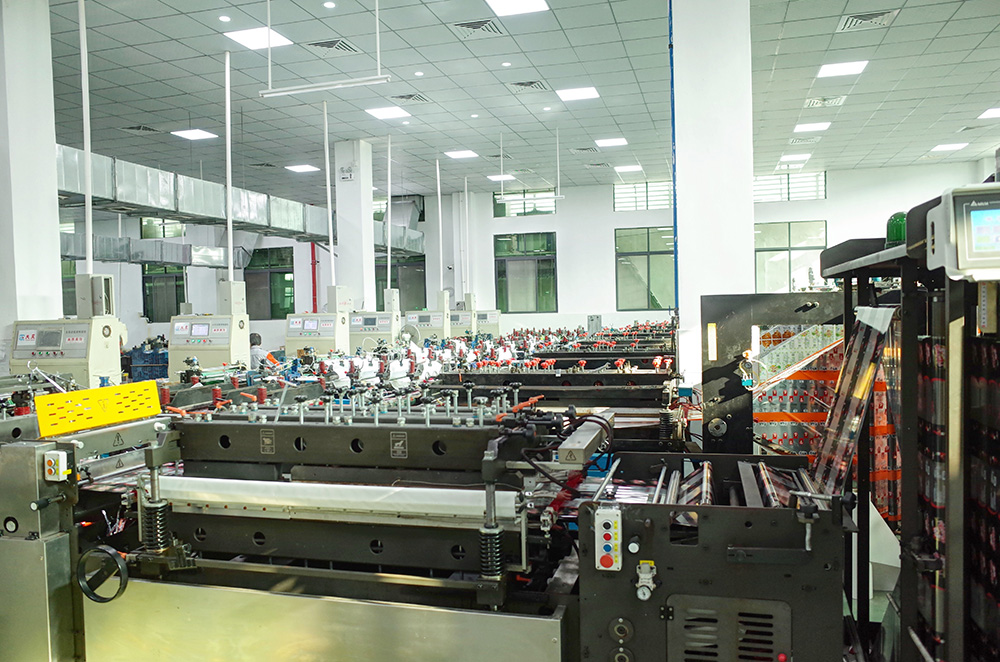
The third concept is "Integration", which refers to our one-stop service model integrating design, printing, laminating, converting, and quality inspection. By optimizing the industrial chain layout, we streamline the production process, reduce costs for clients, and ensure efficient delivery.
The fourth is "Intelligentization" – we have introduced advanced intelligent production equipment and digital management systems, realizing automated operations in key links such as color matching and quality control, which improves production efficiency and product consistency.
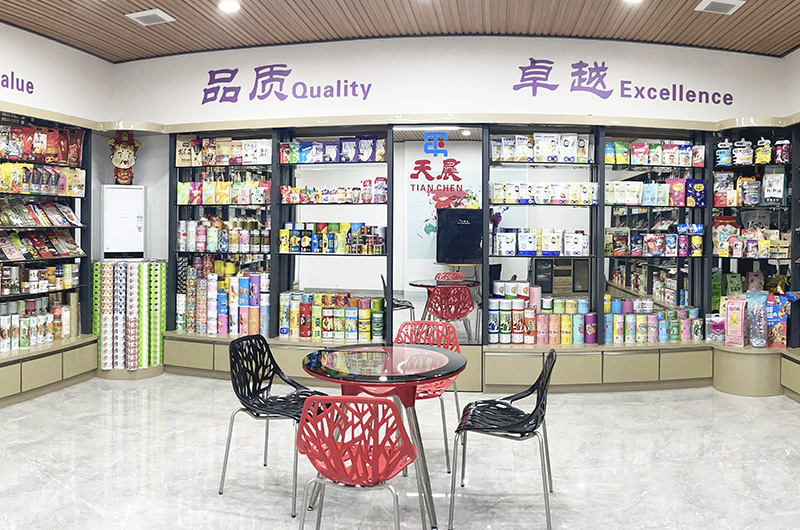
Under the strategy of "innovation and transformation, integrated operation and steady growth", we firmly uphold the concept of sustainable development. We actively adopt green production technologies, reduce energy consumption and environmental impact, and strive to achieve a win-win situation between economic benefits and social responsibility. Our goal is to become a first-class enterprise in the global mainstream printing market, providing more high-quality and efficient packaging solutions for global clients.
Choose TopfeelPack for packaging that delivers beyond expectations
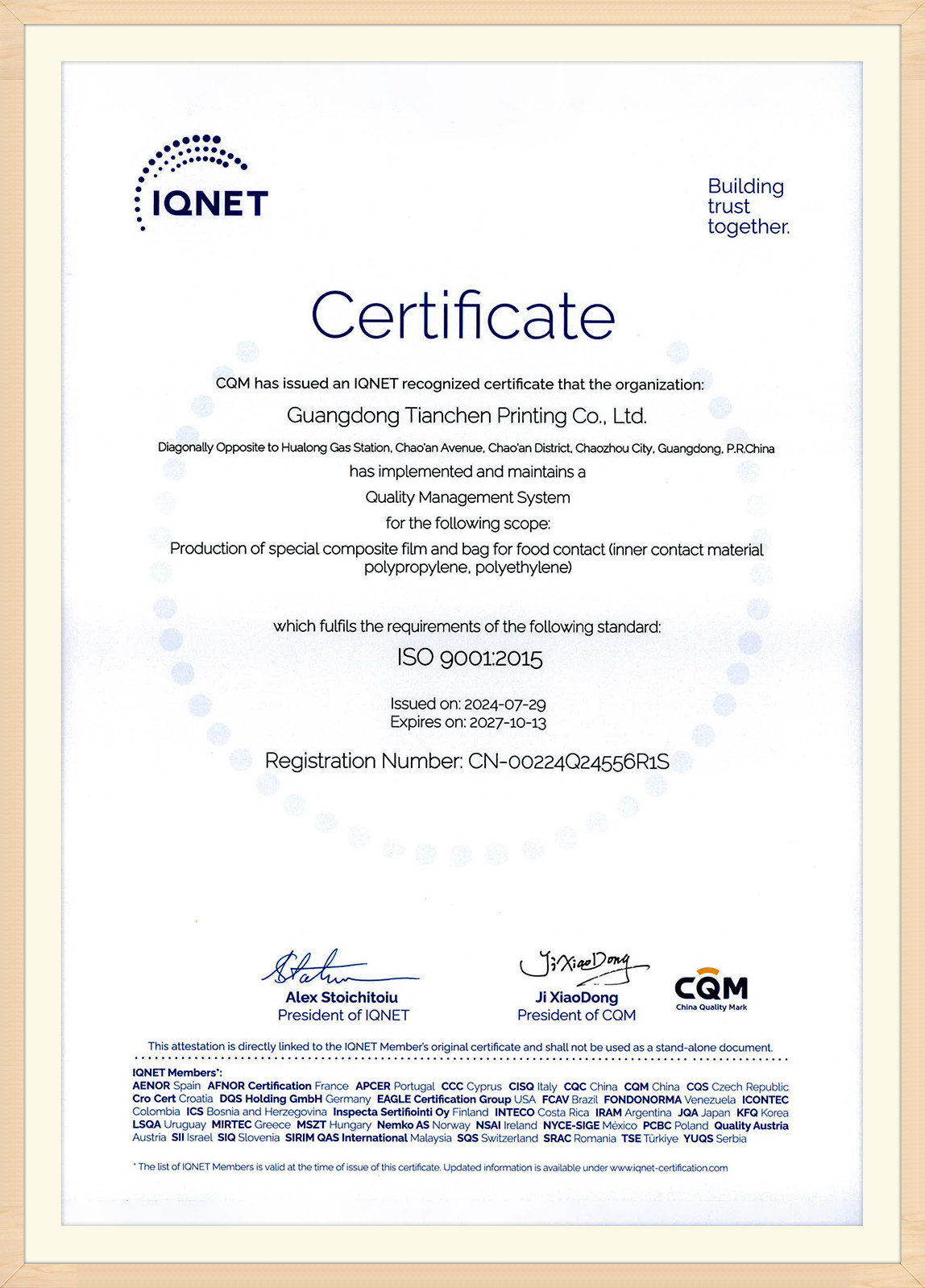
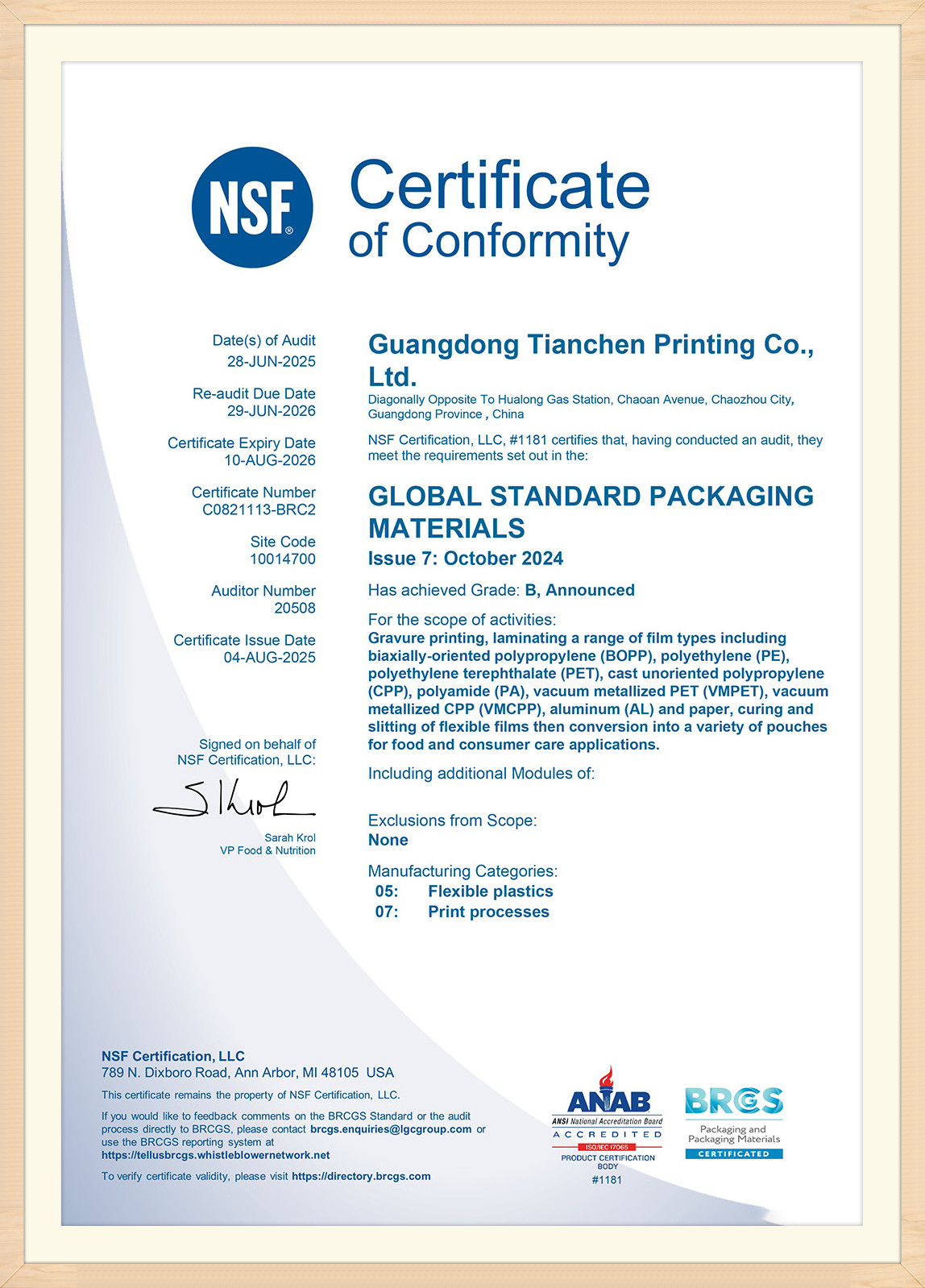
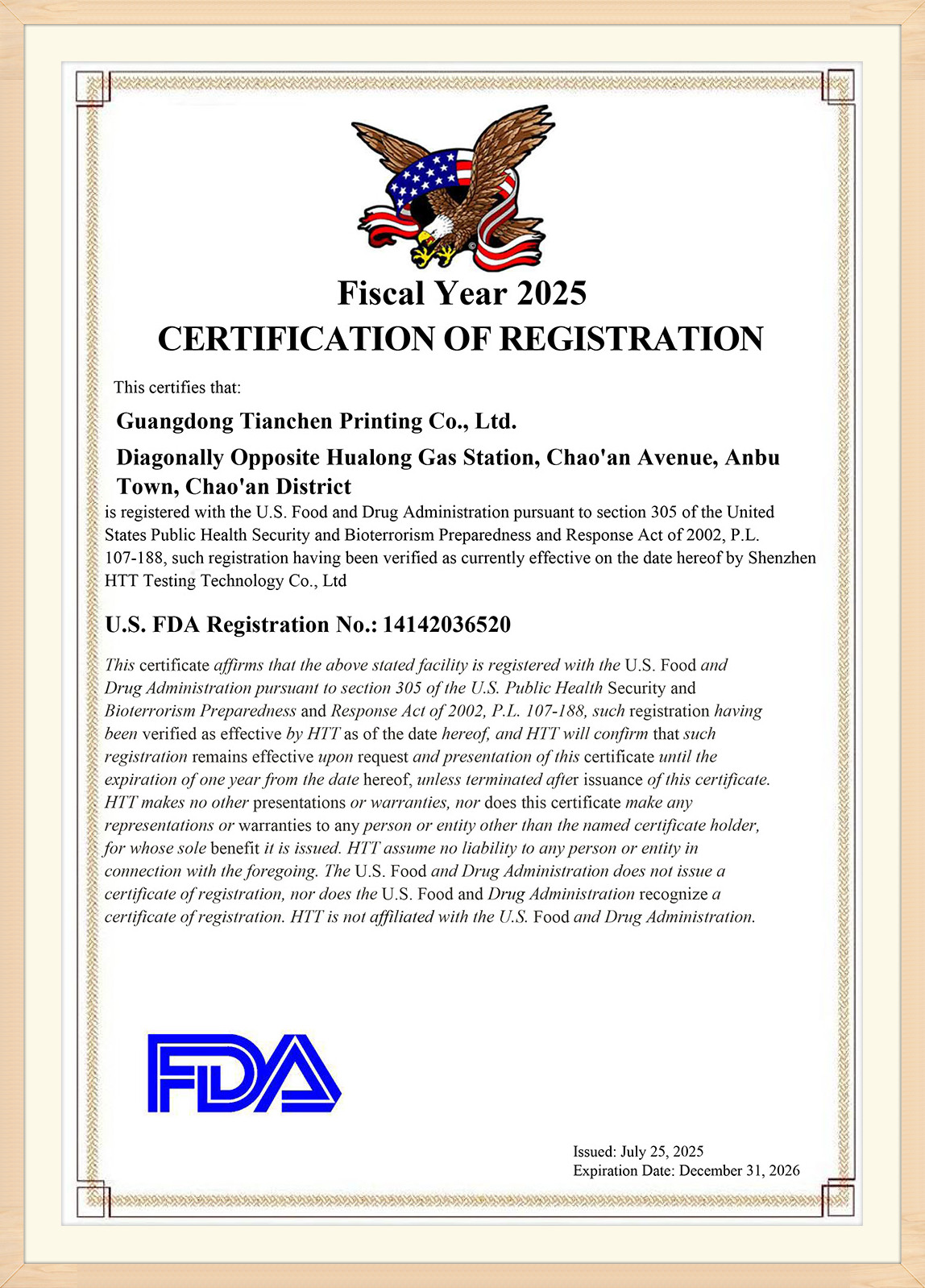
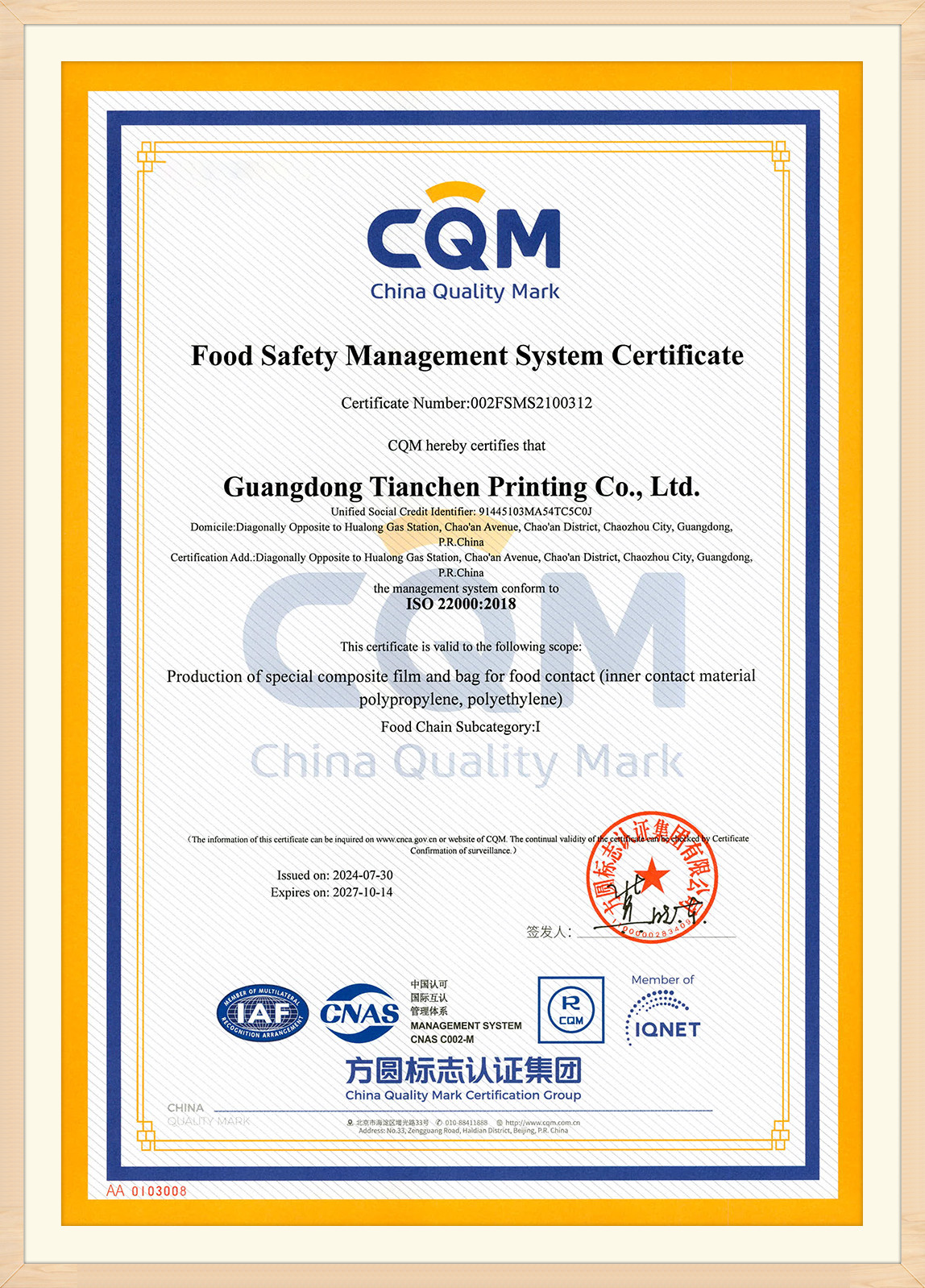
An in-depth evaluation of chemical configurations, polymer structures, and high-performance engineering methods.
Maintaining pristine transparency without sacrificing shelf-life requires precision-engineered polymer layers. Modern barrier bags incorporate oriented PET for external puncture resistance, modified polyamide (nylon) for flexibility, and specialized internal structures such as EVOH (Ethylene Vinyl Alcohol) or crystalline AlOx vapor deposits. These thin coatings effectively prevent oxygen and moisture molecules from permeating the pouch structure.
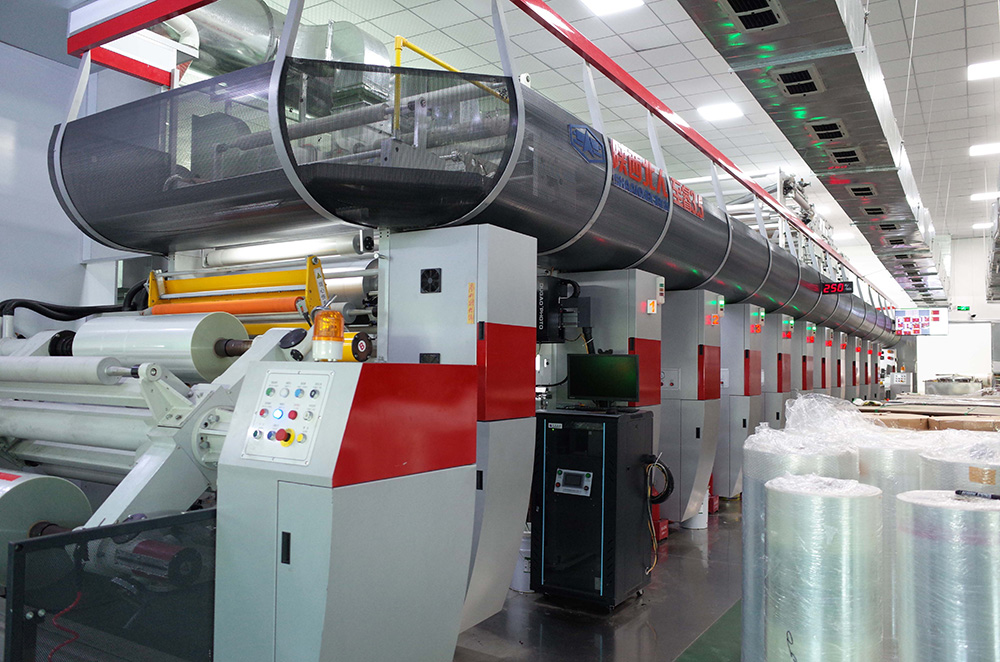
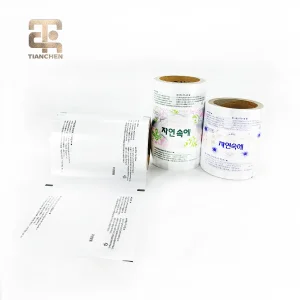
Modern commercial presentation relies heavily on premium rotogravure processing. High-speed systems capable of running at 350 meters per minute apply sub-micron ink layups directly onto structural films, enabling vibrant, photo-realistic graphical fidelity. Incorporating precise color matching and computerized inline optical inspection ensures batch-to-batch consistency and brand integrity.
The interface between the flexible multi-layer pouch and the rigid HDPE spout represents a potential stress concentration zone. High-end automated systems deploy advanced thermal sealing combined with targeted ultrasonic fusion energy. This dual sealing mechanism prevents micro-tears at the weld interface, providing exceptional leak protection under extreme transportation and storage conditions.
Tailored engineering pathways for highly demanding industrial and commercial applications.
For direct food contact applications, materials must comply with FDA, BRCGS, and EU regulations. Retort transparent pouches are engineered using high-performance cast polypropylene (CPP) sealing films to withstand thermal sterilization processes up to 121°C. This allows foods like purees, ready-to-eat meals, and dairy products to be sterilized in the package, extending shelf life up to 24 months without synthetic preservatives.
Industrial packaging demands high chemical compatibility. Standard bags often suffer delamination due to harsh surfactants, alcohol bases, or petrochemical compounds. We formulate customized structures with specialized chemical barrier matrices to prevent material degradation in products like windshield wiper fluids, liquid soap refills, and high-performance agricultural formulations.
The global packaging industry is undergoing a paradigm shift driven by circular economy mandates. Standard multi-layer barrier films are typically composed of incompatible polymers (like PET, Nylon, and PE) that present recycling challenges. To address this, the industry is transitioning toward high-performance mono-material designs.
By utilizing advanced oriented polyethylene (MDO-PE) combined with high-performance linear low-density polyethylene (LLDPE) sealants, manufacturers can produce mono-PE packaging structures. These pouches deliver high barrier performance and transparency while remaining fully recyclable within standard PE collection systems.
Replacing non-recyclable multi-polymer laminates with structural mono-PE alternatives.
Incorporating food-compliant PCR plastics into non-contact packaging structural layers.
Integrating PLA and starch-derived polymers to support industrial compostability.
Expert answers addressing complex queries on materials engineering, compliance, and industrial design.
To achieve high transparency with strong barrier performance, we engineer laminates utilizing a combination of high-clarity structural films and micro-coated barrier layers. A common high-performance layup consists of BOPET (for surface printability and rigidity), combined with an EVOH-copolymer film or AlOx (Aluminum Oxide) barrier coating, and an inner LLDPE or CPP sealing layer. EVOH provides outstanding gas barrier performance (Oxygen Transmission Rate < 0.5 cc/m²/24h) while remaining transparent, protecting sensitive ingredients from oxidation and moisture loss.
Spout weld failures are prevented using advanced dual thermal and ultrasonic sealing techniques. The shape of the spout base features a "boat" or "diamond" configuration that facilitates clean material flow during welding, eliminating microscopic capillary voids. We maintain precise control over critical seal parameters, including dwell time, jaw pressure, and cooling temperatures, ensuring the weld area matches or exceeds the tensile strength of the surrounding film laminate.
Yes, our mono-material transparent spout pouches are engineered to be fully recyclable. By replacing multi-polymer layers with oriented polyethylene (MDO-PE) laminated to LLDPE, we create a mono-PE structure. These pouches can be processed in standard polyethylene recycling streams (RIC Class 4), supporting circular economy initiatives without compromising on performance.
Temperature fluctuations directly influence polymer elasticity and barrier behavior. Low-temperature environments can cause standard plastics to become brittle, increasing the risk of drop-induced fractures. To mitigate this, we incorporate metallocene-catalyzed polyethylene resins to ensure low-temperature impact strength. For high-temperature applications, we utilize cast polypropylene (CPP) inner layers, enabling structural integrity and leak resistance during retort thermal processing up to 121°C.
All packaging components destined for direct food contact undergo strict migration testing to meet international safety criteria. We comply with US FDA regulations (Title 21 CFR) and EU Food Contact Plastics Regulation (EU No 10/2011). Comprehensive testing certifies that both the raw polymer resins and structural adhesives are free from harmful migration, ensuring product safety and purity.
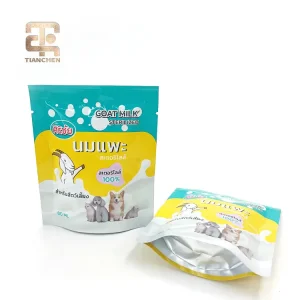
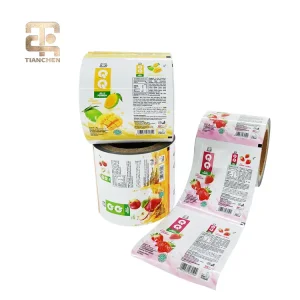
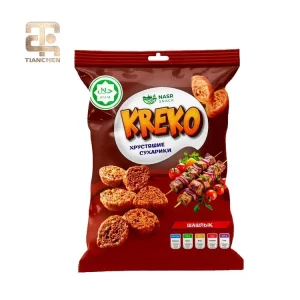
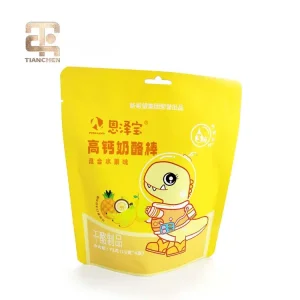
Versatile material formats engineered for high-speed automated packaging and specialized applications.
 TIANCHEN PRINTING