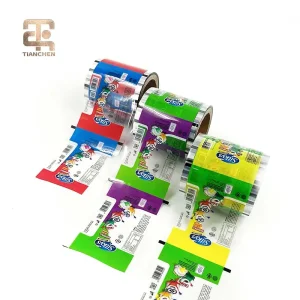
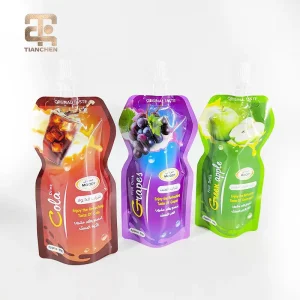
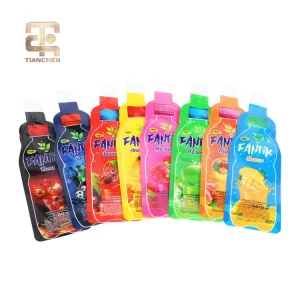
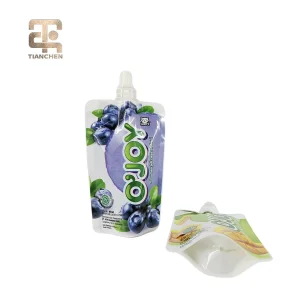
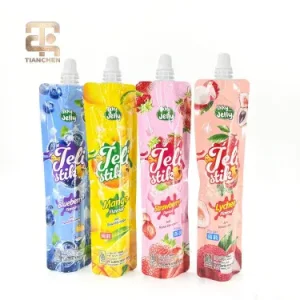
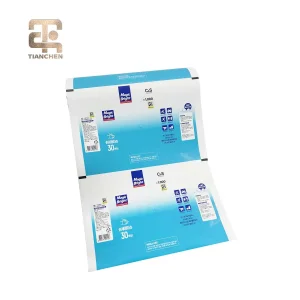
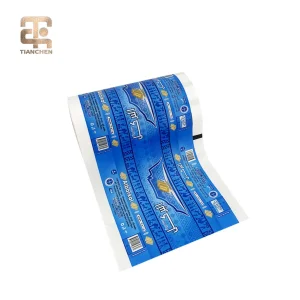
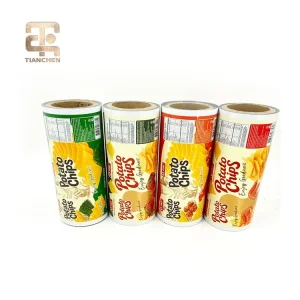
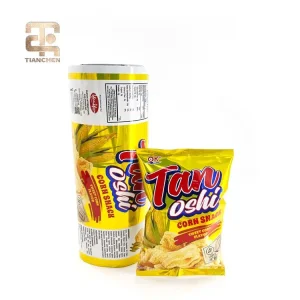
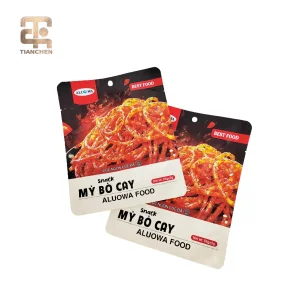
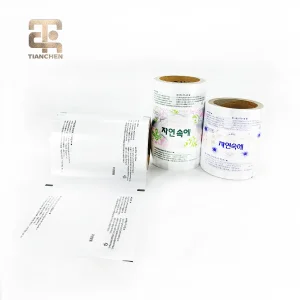
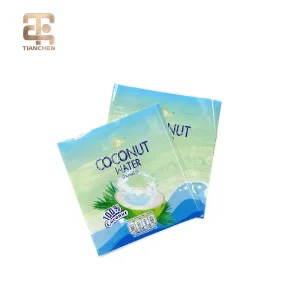
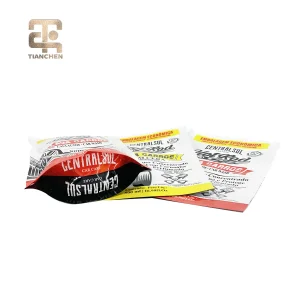
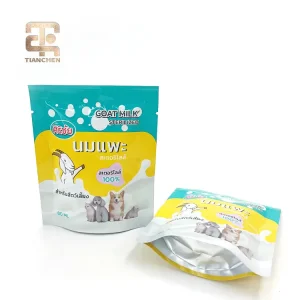
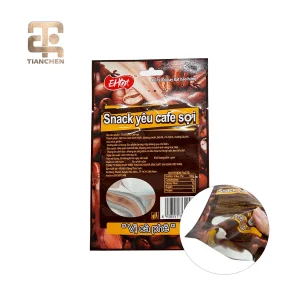
In modern industrial manufacturing and global supply chains, product preservation depends entirely on the design of the interface material. High-barrier films represent the forefront of material engineering, designed to keep atmospheric gases, volatile organic compounds, moisture, and light away from sensitive products. As a leading ODM barrier film manufacturer, our focus is on multi-layer co-extrusion and advanced dry lamination techniques. These processes yield structures with custom-tailored rates for both Water Vapor Transmission (WVTR) and Oxygen Transmission (OTR).
This technical white paper details the parameters, manufacturing methods, and compliance standards necessary to produce reliable, high-performance flexible packaging. By using materials like Ethyl Vinyl Alcohol (EVOH), Polyvinylidene Chloride (PVDC), Biaxially Oriented Nylon (BOPA), and Metallized Polyester (MET-PET), we optimize packaging designs to keep products safe and fresh for extended lifetimes across many industries.
Optimize your packaging budget with custom polymer layers designed specifically for your product's shelf-life requirements, reducing over-packaging costs.
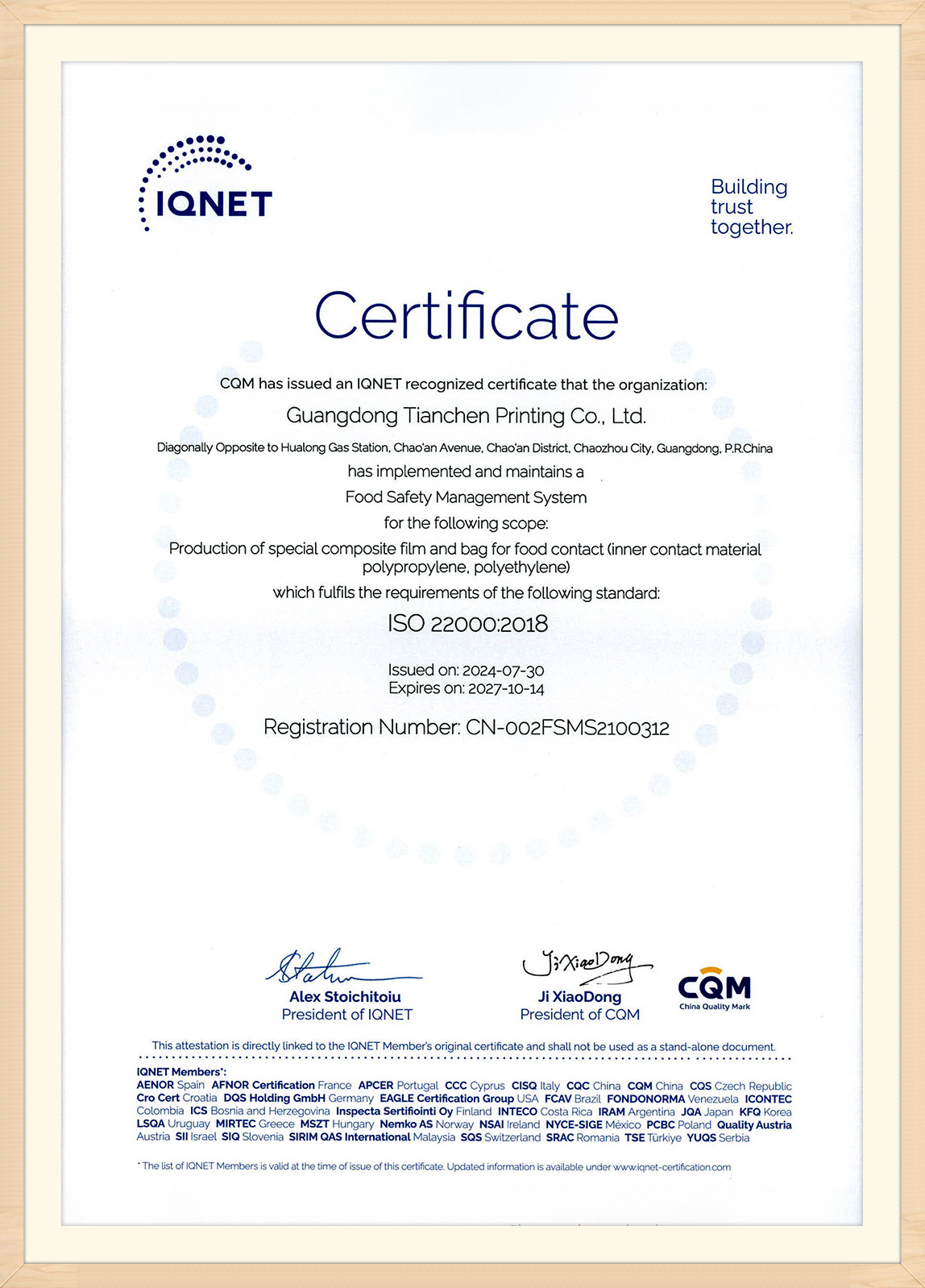
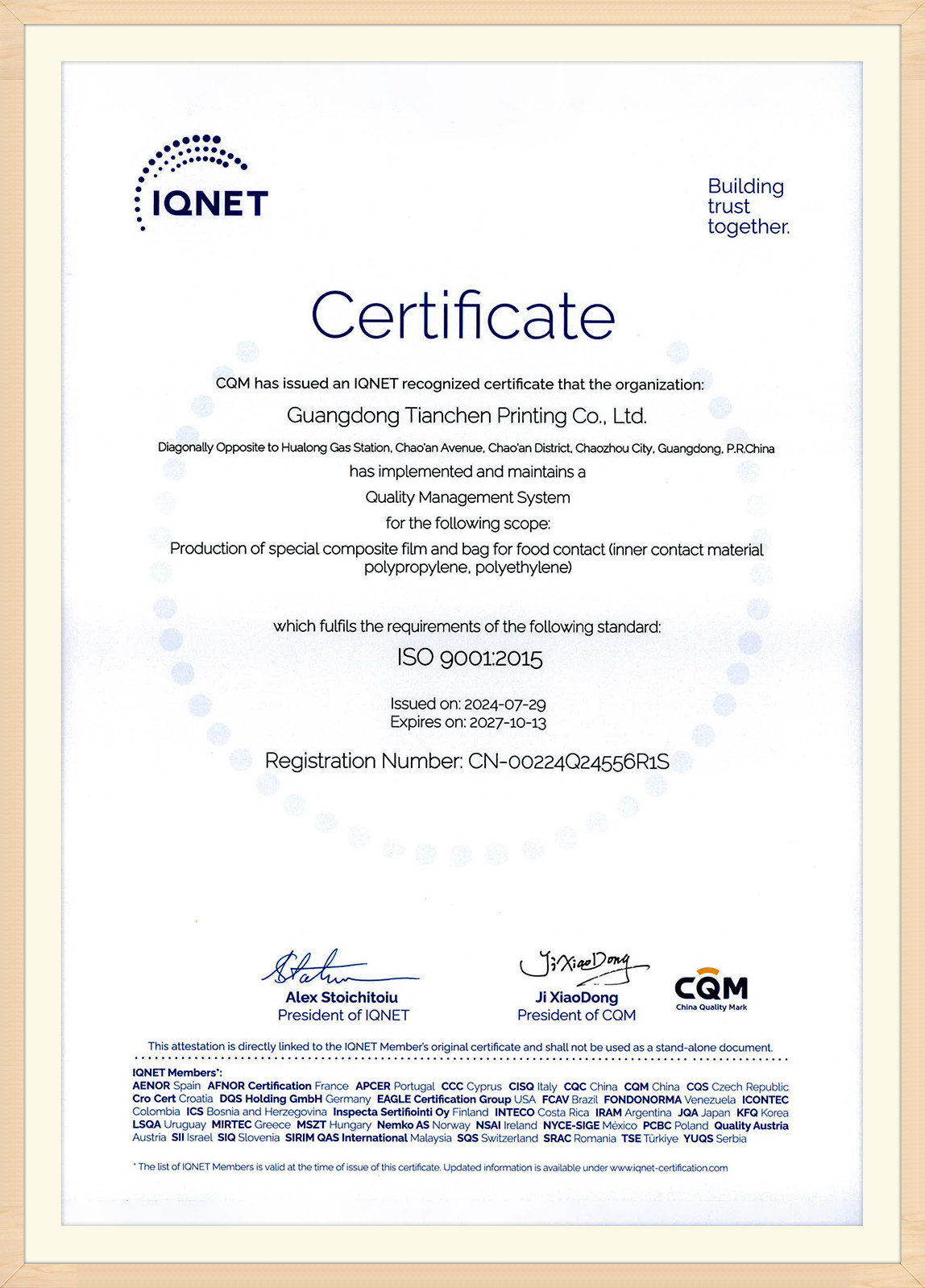
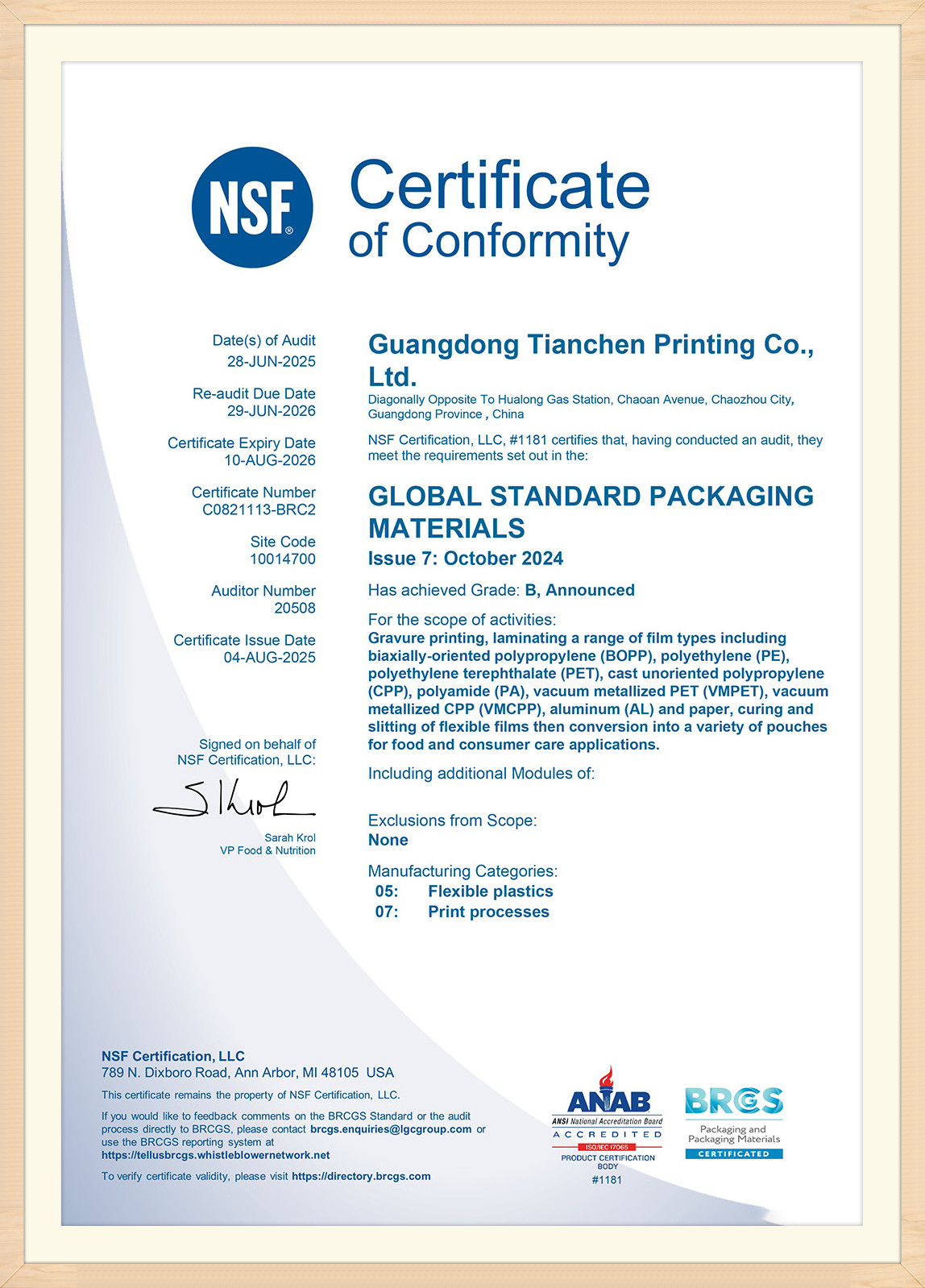
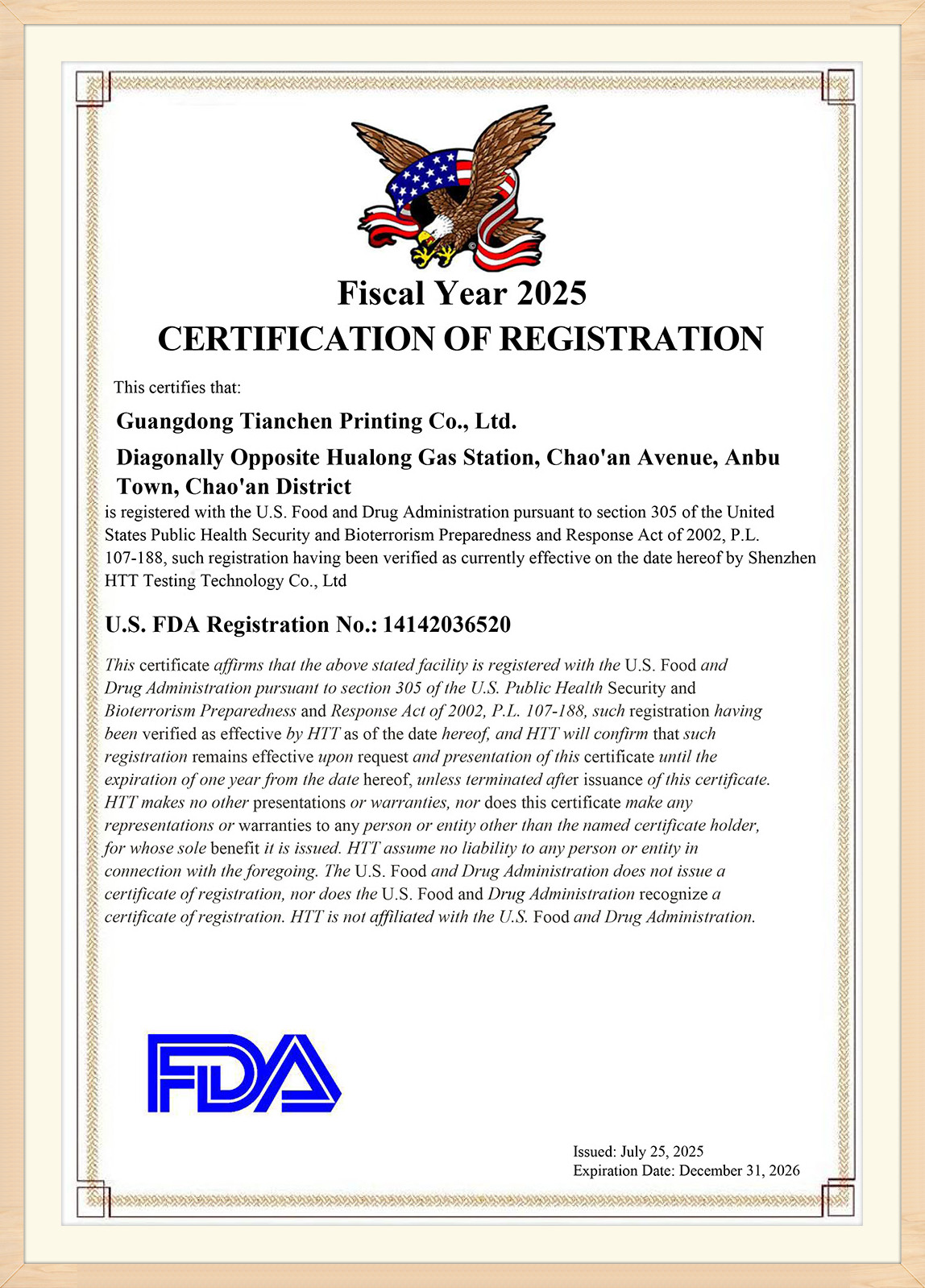
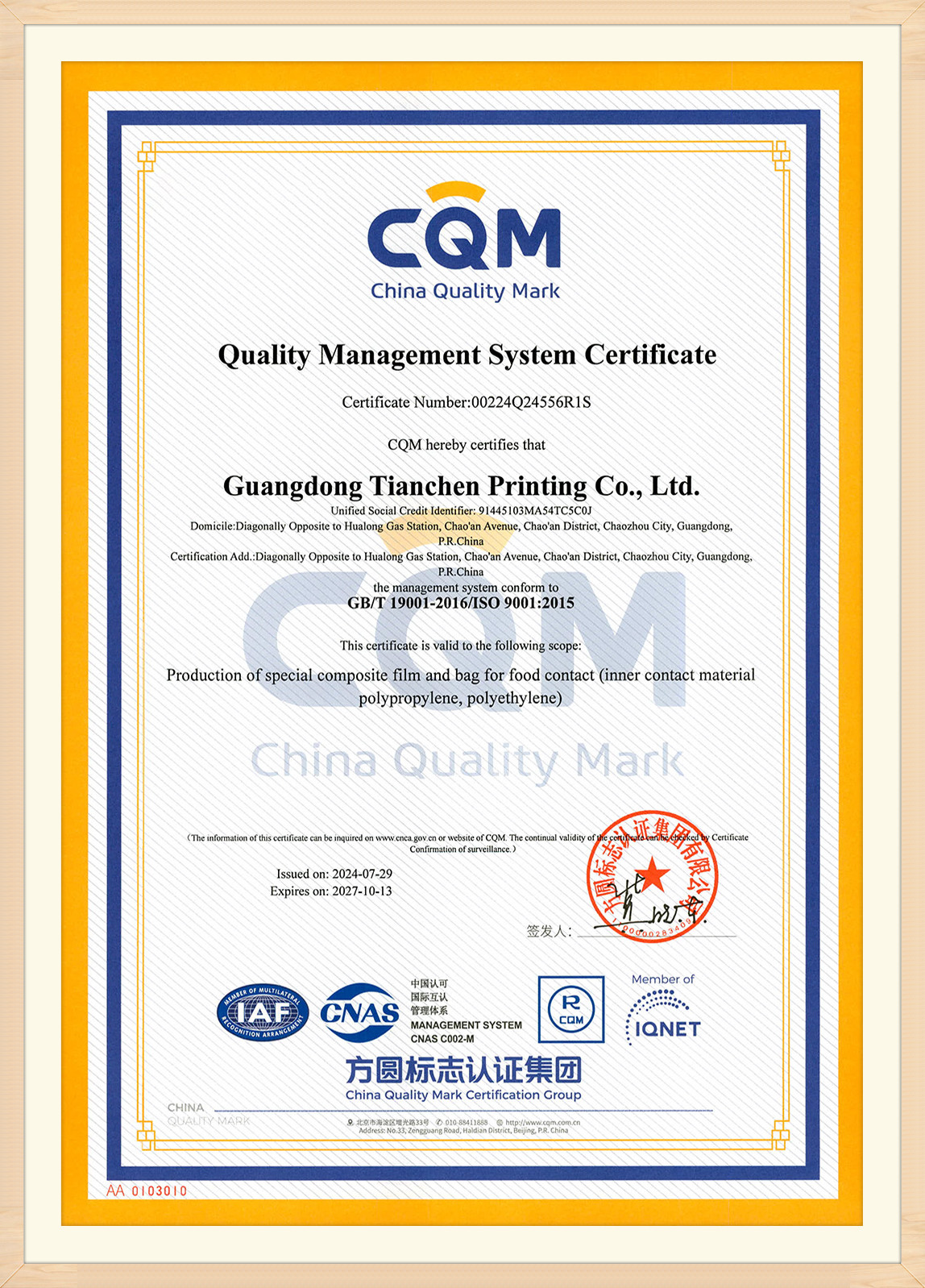
Our barrier films comply with FDA, EU Food Contact regulations, and BRCGS food safety standards, easing the path to global market entry.
We work with complex laminates, including PET, PP, PE, EVOH, and ALU foil, to deliver optimized barrier performance tailored to your exact application.
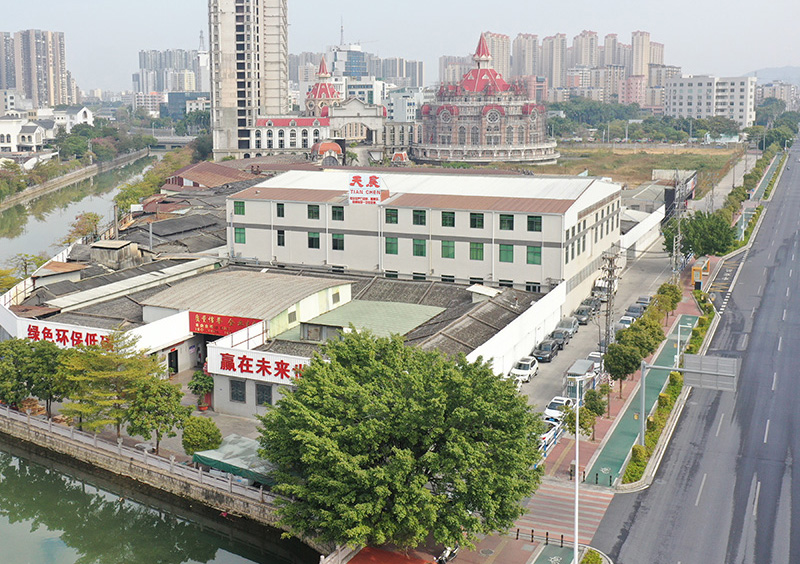
We are a professional printing team boasting more than 20 years of profound experience in the flexible packaging industry. Rooted in Guangdong, a hub of manufacturing and international trade in China, Tianchen Printing has grown into a reliable partner for global clients by focusing on rotogravure printing, laminating, and converting services for flexible packaging solutions.
Our business covers a diverse range of industries worldwide, including food and beverage, pharmaceuticals, daily chemicals, electronics, and agriculture. We tailor packaging solutions to meet the unique needs of each sector, from moisture-proof packaging for snacks to high-barrier films for pharmaceuticals, ensuring product safety, shelf appeal, and transportation stability. Over the years, we have established long-term cooperative relationships with clients from Europe, North America, Southeast Asia, and other regions, winning wide recognition for our consistent quality and professional service.
Driving Sustainable and Intelligent Flexible Packaging Solutions Worldwide
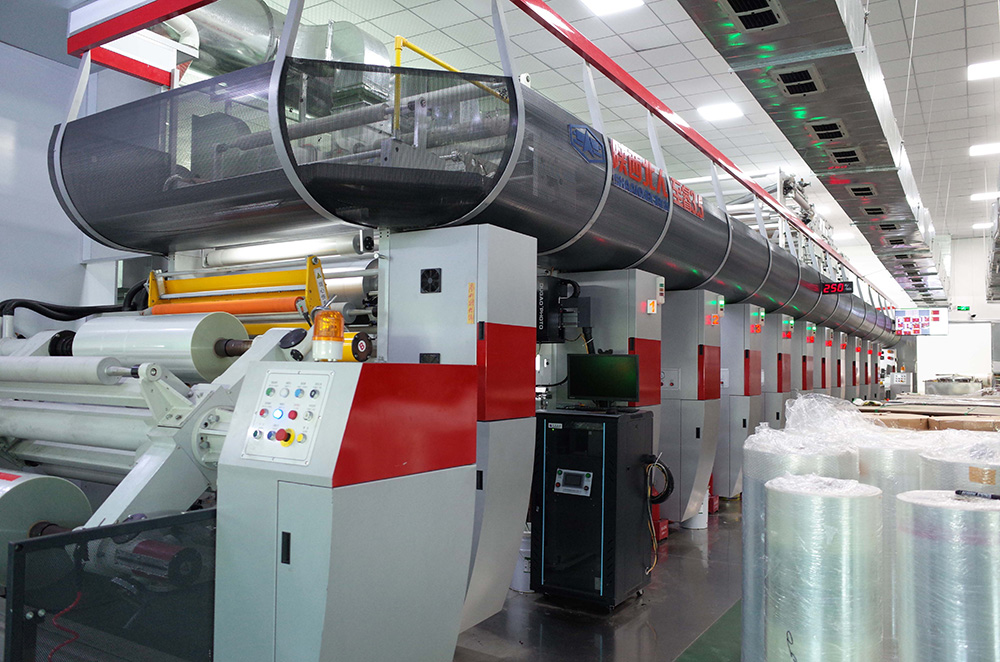
Guided by our core four "IN" concepts, we have forged a clear development path and maintained steady growth in the competitive global market. The first is "Innovation" – we persist in investing in R&D, upgrading printing technologies and processes, and developing eco-friendly, high-performance packaging materials to keep pace with industry trends and client demands. The second is "Internationalization" – we adhere to global standards in production and management, obtain international certifications, and expand our global service network to integrate into the international mainstream market.
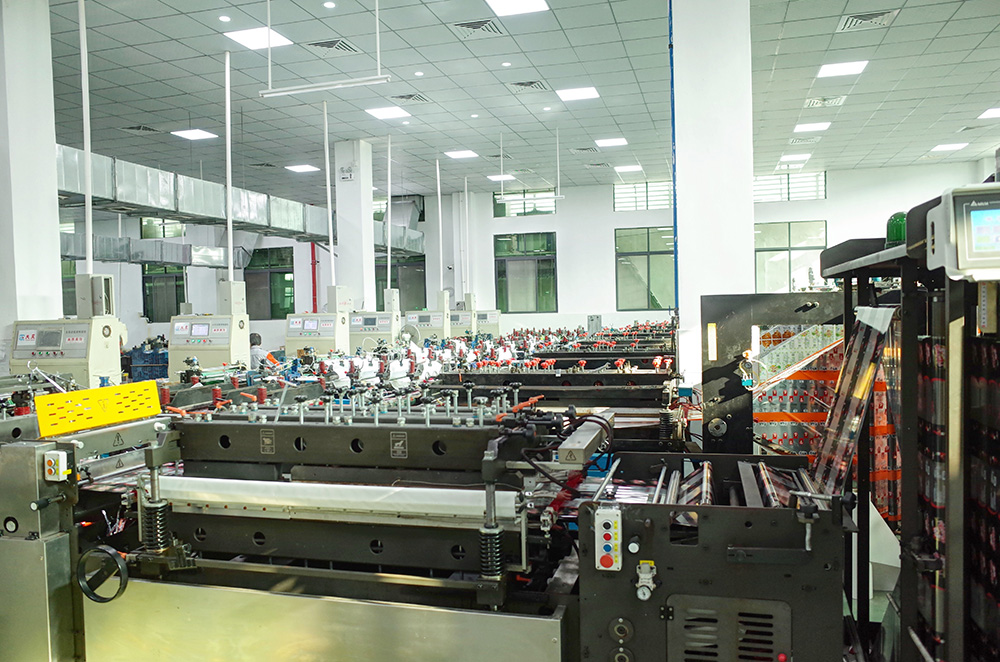
The third concept is "Integration", which refers to our one-stop service model integrating design, printing, laminating, converting, and quality inspection. By optimizing the industrial chain layout, we streamline the production process, reduce costs for clients, and ensure efficient delivery. The fourth is "Intelligentization" – we have introduced advanced intelligent production equipment and digital management systems, realizing automated operations in key links such as color matching and quality control, which improves production efficiency and product consistency.
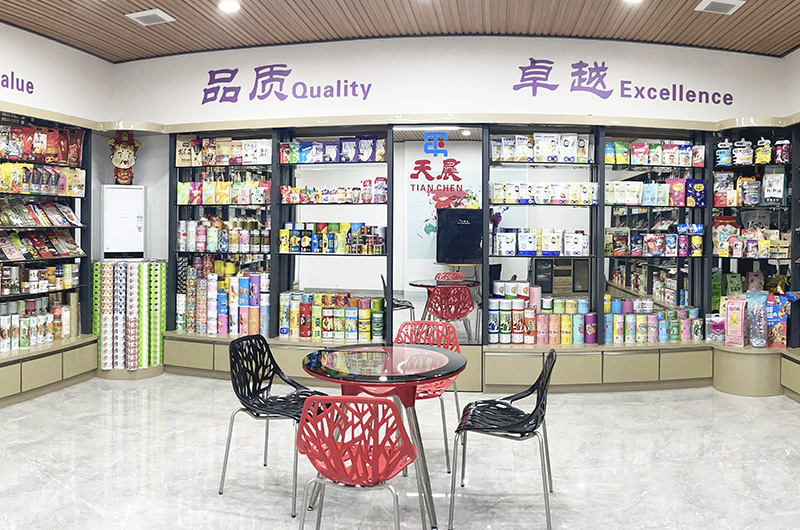
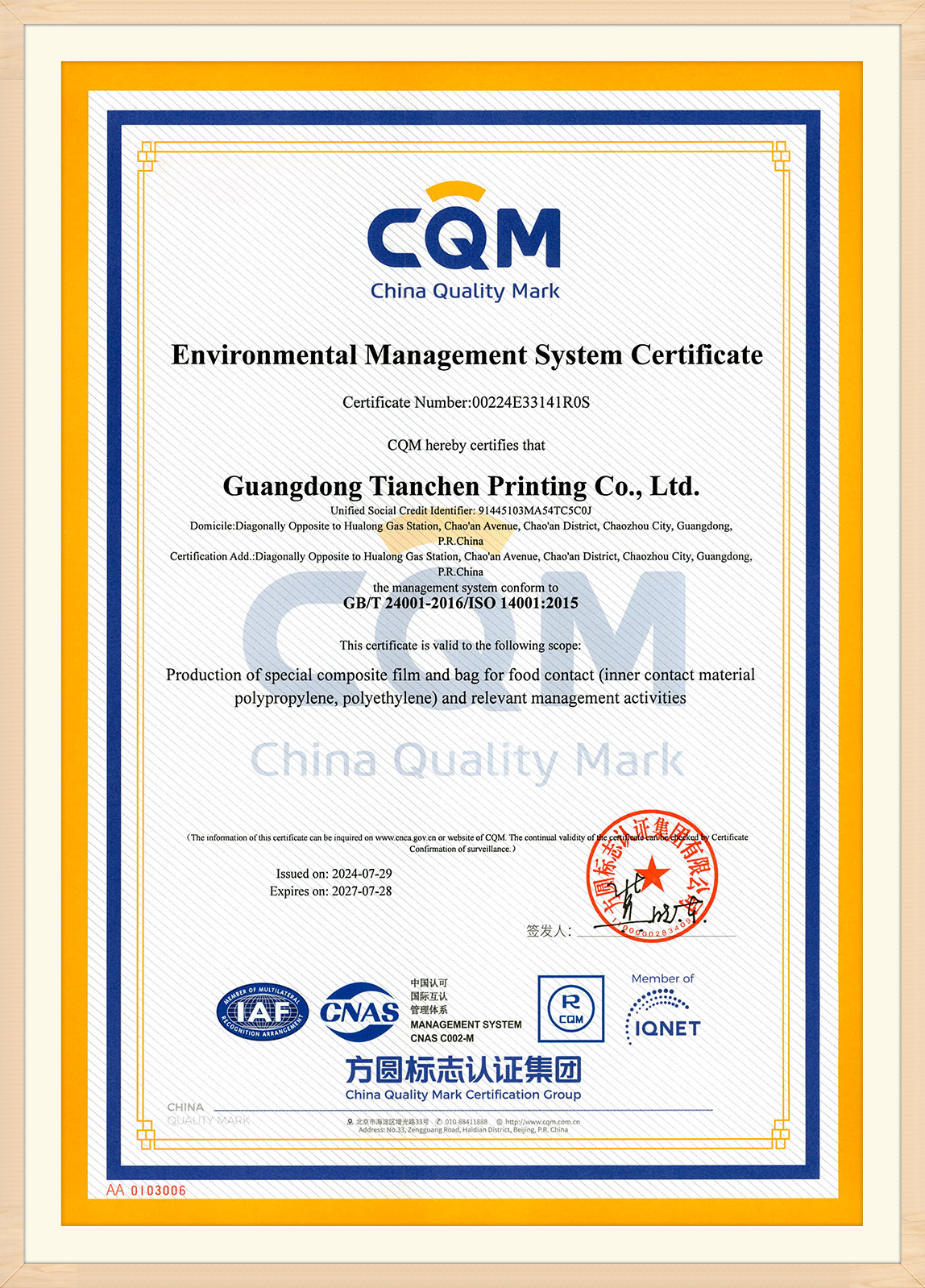
Under the strategy of "innovation and transformation, integrated operation and steady growth", we firmly uphold the concept of sustainable development. We actively adopt green production technologies, reduce energy consumption and environmental impact, and strive to achieve a win-win situation between economic benefits and social responsibility. Our goal is to become a first-class enterprise in the global mainstream printing market, providing more high-quality and efficient packaging solutions for global clients.
Choose TopfeelPack for packaging that delivers beyond expectations
Global procurement teams need packaging that maintains material integrity across different climates and transit routes. Standard plastic packaging often fails to prevent oxidation, moisture damage, and flavor loss, leading to product spoilage and recalls. A reliable partner solves these issues by using scientific material engineering to design packaging structures based on specific performance demands.
| Barrier Material Class | Typical WVTR (g/m²/24hr at 38°C, 90% RH) | Typical OTR (cc/m²/24hr at 23°C, 0% RH) | Target Sourcing Industry |
|---|---|---|---|
| High-Barrier Metallized (PET-MET/PE) | < 0.5 | < 1.0 | Snack Foods, Crisps, Confectionery |
| EVOH Multi-layer Co-extrusion | < 1.2 | < 0.5 | Fresh Meat, Dairy, Modified Atmosphere |
| Aluminum Foil Laminate (PET/ALU/PE) | ≈ 0 (Below detection) | ≈ 0 (Below detection) | Retort Pouches, Medical Devices, Coffee |
| Recyclable Mono-Material (BOPE/PE-EVOH) | < 1.5 | < 1.5 | Eco-conscious FMCG Brands |
High-barrier films must withstand mechanical stress during international shipping. Our films undergo rigorous physical testing, including Gelbo flex testing to identify flex-crack susceptibility and heat-seal strength validation, ensuring package integrity from our production lines to the retail shelf.
Next-Generation Flexible Packaging Architecture Designed for Performance and Sustainability
Combining distinct polymer layers like PE, PA, and EVOH without solvent adhesives, optimizing barrier performance while maintaining structural flexibility.
Replacing complex multi-material films with fully recyclable mono-material structures (such as all-PE laminates) that offer comparable barrier performance.
Integrating PLA and cellulose-based barrier films into our material supply chain to help brands lower their carbon footprint.
Our rotogravure printing technology utilizes high-precision cylinders to apply inks, coatings, and adhesives consistently. This approach is highly effective for large production runs, ensuring uniform laydown and strong lamination bonds. For food-contact applications, our solvent-less lamination systems prevent solvent retention, ensuring that your packaging remains odor-free and safe for consumers.
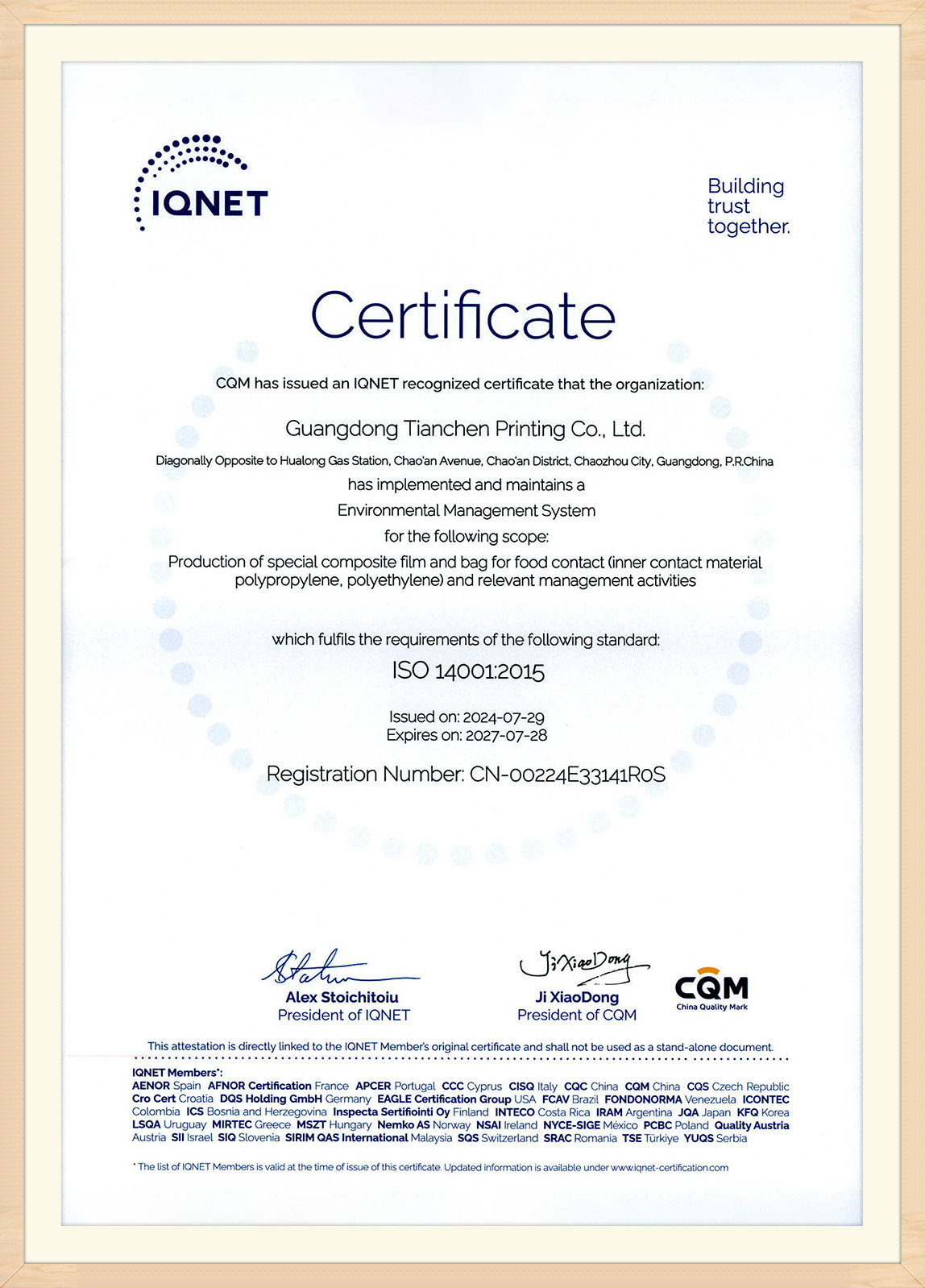
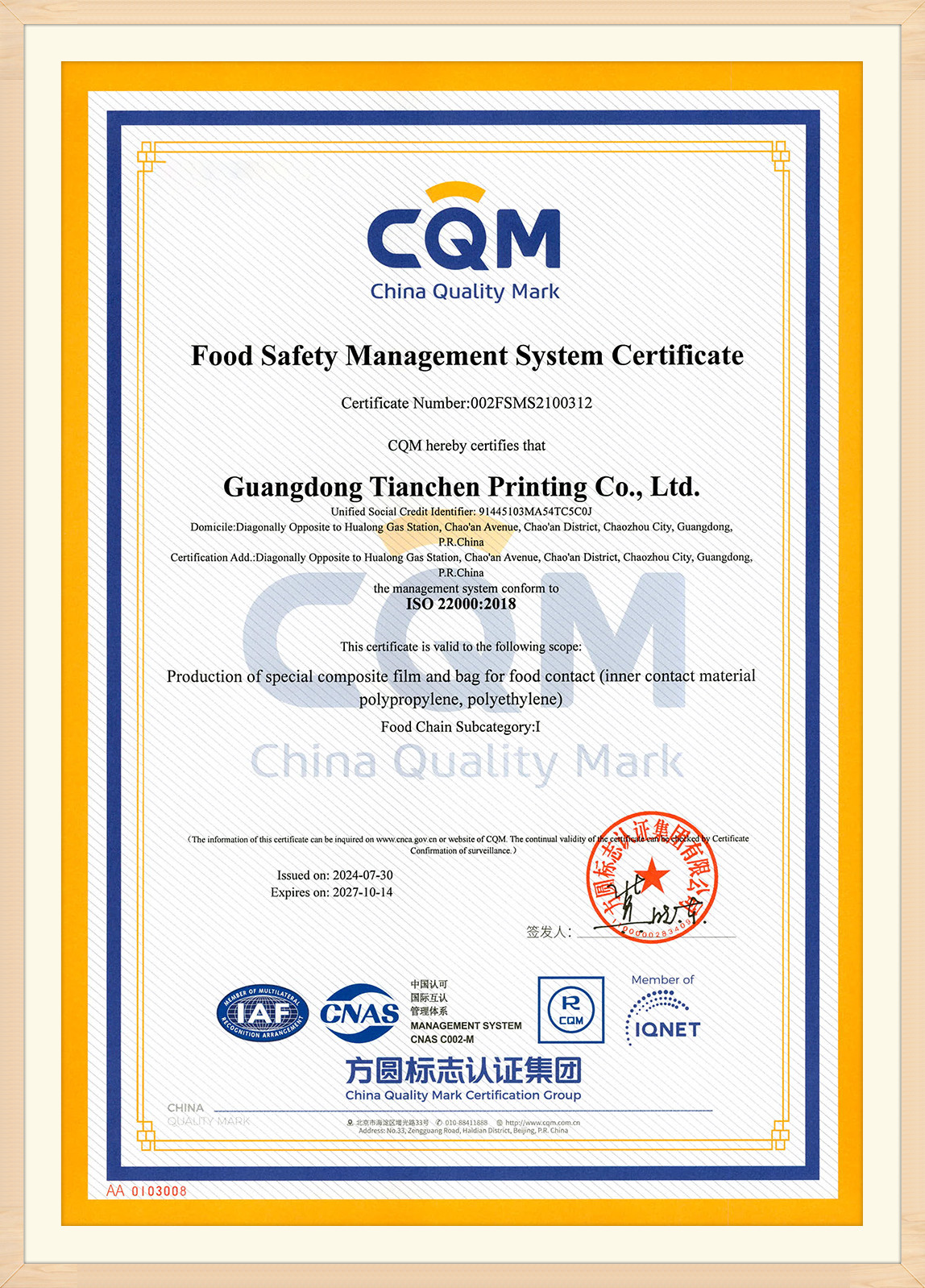
Operating a global supply chain requires strict compliance with international food and chemical contact laws. Guangdong Tianchen Printing Co., Ltd ensures that every batch of film we ship is accompanied by comprehensive documentation, including:
By managing compliance and providing local support, we help minimize risk for international brands and simplify product clearances in North American, European, and Asian markets.
Key Technical Considerations for Global Procurement Managers and Packaging Engineers
EVOH (Ethylene Vinyl Alcohol) provides outstanding oxygen and aroma barrier properties under dry conditions. However, it is moisture-sensitive, so it is typically sandwiched between moisture-resistant polyolefins (like PE or PP) to maintain its performance in humid environments.
PVDC (Polyvinylidene Chloride) offers high barrier protection against both oxygen and moisture, regardless of humidity. However, PVDC contains chlorine, which raises environmental and recycling concerns in certain jurisdictions. Many brands are transitionining to EVOH or AlOx-coated films to improve recyclability.
We use high-performance, solvent-free adhesives applied via precise metering rollers. In addition, we run inline corona treatment units to increase the surface energy of polymer substrates. This step ensures proper adhesive wet-out, preventing delamination during hot-filling, sterilization, or transportation.
Yes. We manufacture recyclable mono-material structures, such as PE/EVOH-PE and PP/AlOx-PP laminates. These structures provide reliable oxygen and moisture barriers while qualifying for standard recycling streams (RIC 2 and RIC 5), helping brands meet their sustainability goals.
Typical lead times range from 15 to 25 days after cylinder engraving and design approval. This timeframe includes the rotogravure cylinder tooling process, printing, solventless lamination, and curing (typically 3 to 7 days depending on the adhesive system), followed by pouch-making or slitting.
 TIANCHEN PRINTING