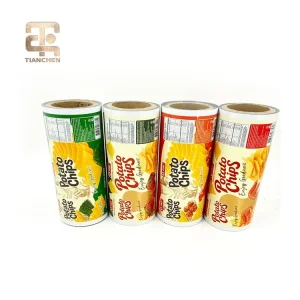
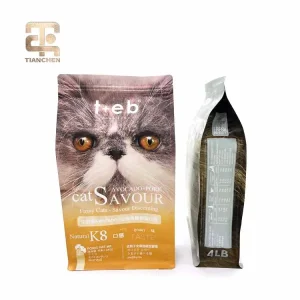
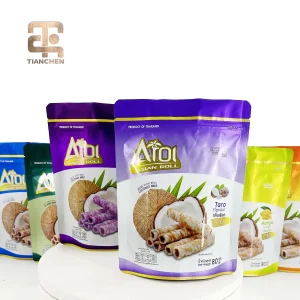
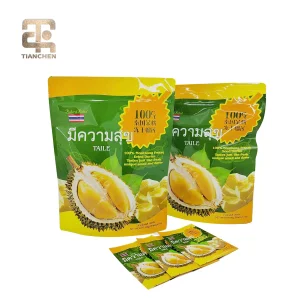
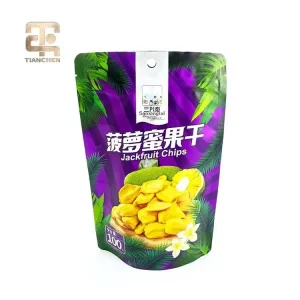
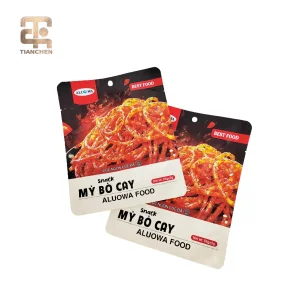
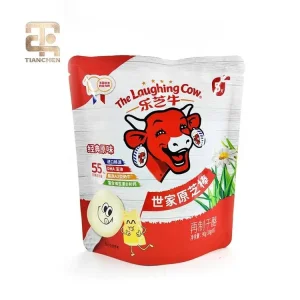
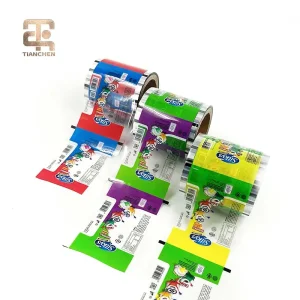
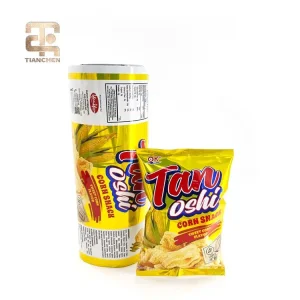
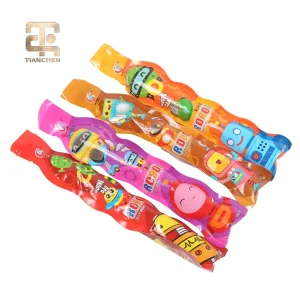
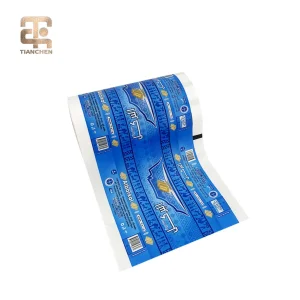
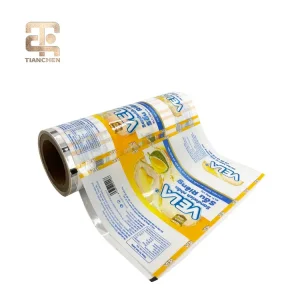
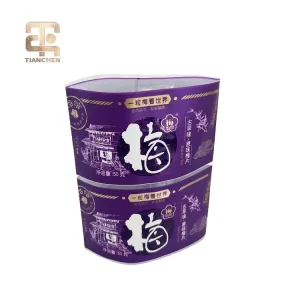
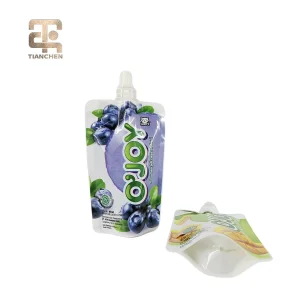
In the contemporary packaging landscape, global procurement managers are increasingly shifting away from standardized, linear formats toward specialized geometric configurations. Die-cut packaging represents the pinnacle of this shift, offering customized outer contours, functional ergonomic handles, windows, and hanging systems tailored to specific branding and consumer usage scenarios. Industry data suggests that the global market for die-cut flexible packaging is expanding at a CAGR of 5.8%, driven by growth in consumer goods, single-serve food sectors, and medical applications where convenience and identity are paramount.
Procuring custom-designed die-cut bags involves complex engineering variables. Buyers are no longer simply sourcing containers; they are choosing barrier systems engineered to control Oxygen Transmission Rates (OTR) and Water Vapor Transmission Rates (WVTR), while maintaining tight tolerances on dimensional die-cuts to guarantee compatibility with high-speed automated filling lines. This demands partnership with vertically integrated Original Design Manufacturers (ODM) like Guangdong Tianchen Printing, who control the process from raw polymer formulation to final physical die-cutting.
Different industrial sectors require distinct material combinations. High-end food items such as dehydrated pet treats or nuts need high-barrier metallized films (PET/AL/PE or PET/VMPET/PE) to maintain taste profile and shelf stability. On the other hand, liquid products like juices require laminates designed to withstand high puncture risks and hydrodynamic stress during transport. High-barrier films prevent oxidation, maintain internal atmosphere conditions, and support fresh preservation without synthetic additives. Guangdong Tianchen Printing utilizes advanced laminated multi-layer co-extrusion technology to tailor each product according to these chemical and structural needs.
We are a professional printing team boasting more than 20 years of profound experience in the flexible packaging industry. Rooted in Guangdong, a hub of manufacturing and international trade in China, Tianchen Printing has grown into a reliable partner for global clients by focusing on rotogravure printing, laminating, and converting services for flexible packaging solutions.
Our business covers a diverse range of industries worldwide, including food and beverage, pharmaceuticals, daily chemicals, electronics, and agriculture. We tailor packaging solutions to meet the unique needs of each sector, from moisture-proof packaging for snacks to high-barrier films for pharmaceuticals, ensuring product safety, shelf appeal, and transportation stability. Over the years, we have established long-term cooperative relationships with clients from Europe, North America, Southeast Asia, and other regions, winning wide recognition for our consistent quality and professional service.
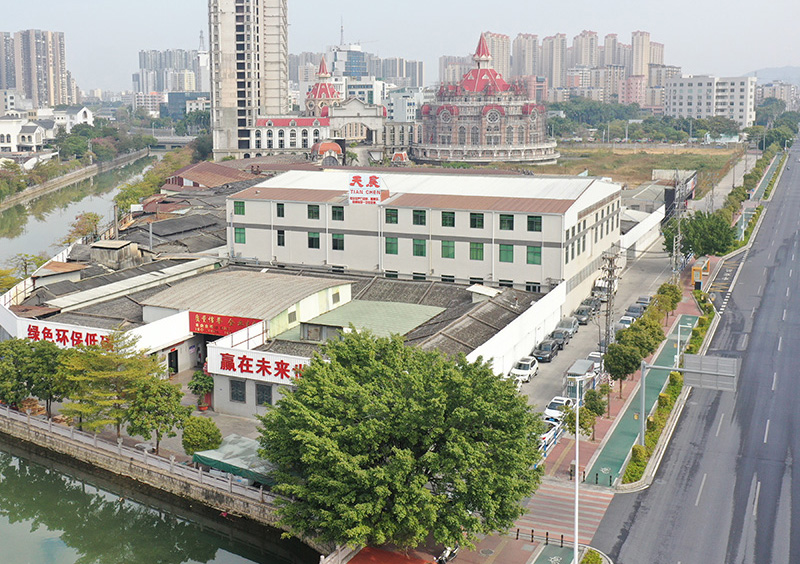
Driving development through Innovation, Internationalization, Integration, and Intelligentization.
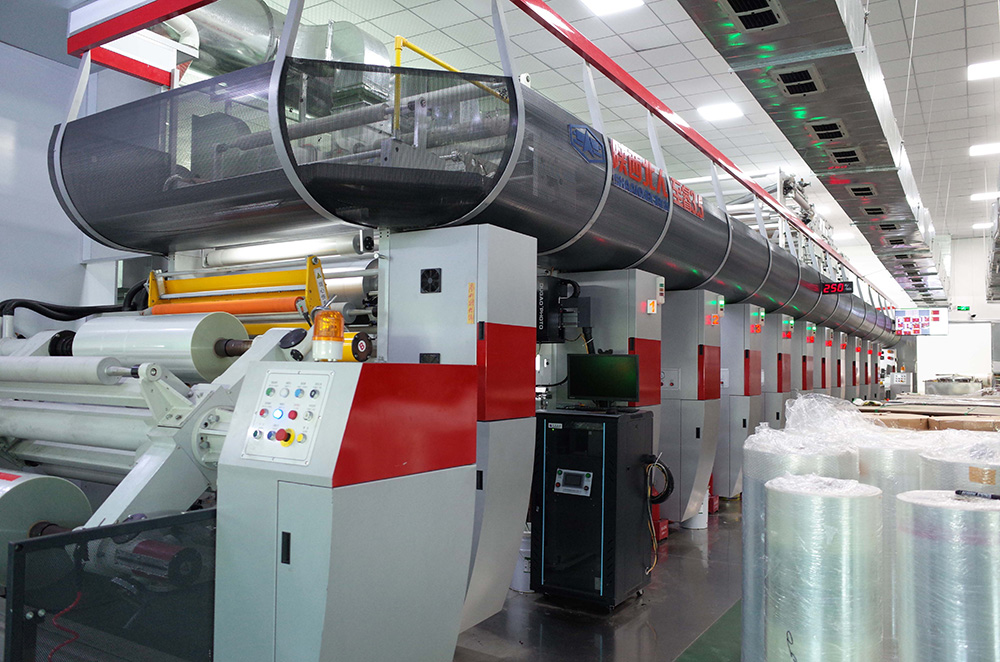
Guided by our core four "IN" concepts, we have forged a clear development path and maintained steady growth in the competitive global market. The first is "Innovation" – we persist in investing in R&D, upgrading printing technologies and processes, and developing eco-friendly, high-performance packaging materials to keep pace with industry trends and client demands.
The second is "Internationalization" – we adhere to global standards in production and management, obtain international certifications, and expand our global service network to integrate into the international mainstream market.
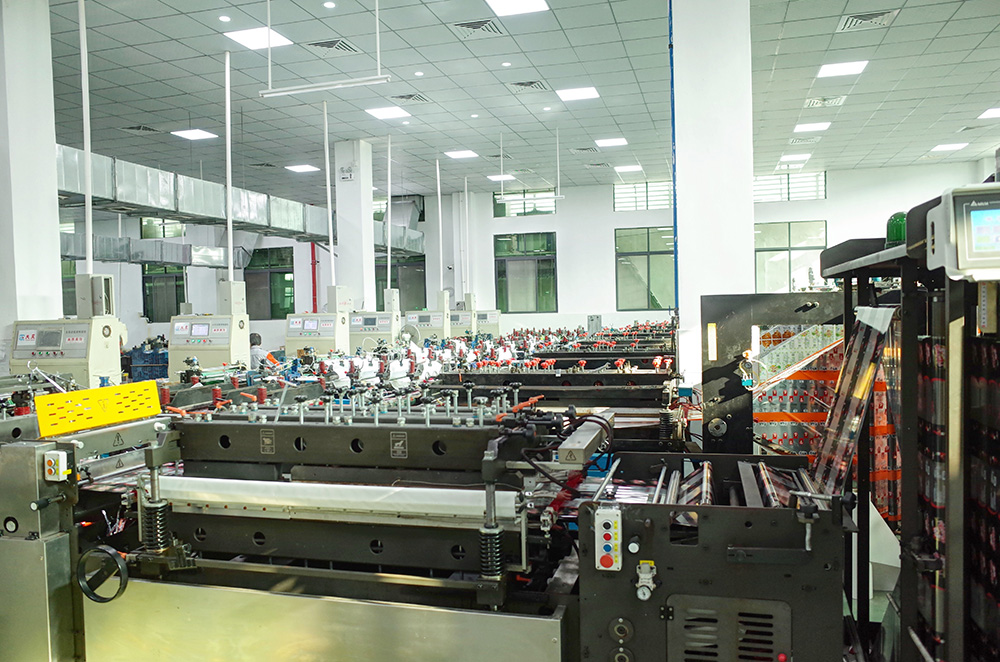
The third concept is "Integration", which refers to our one-stop service model integrating design, printing, laminating, converting, and quality inspection. By optimizing the industrial chain layout, we streamline the production process, reduce costs for clients, and ensure efficient delivery.
The fourth is "Intelligentization" – we have introduced advanced intelligent production equipment and digital management systems, realizing automated operations in key links such as color matching and quality control, which improves production efficiency and product consistency.
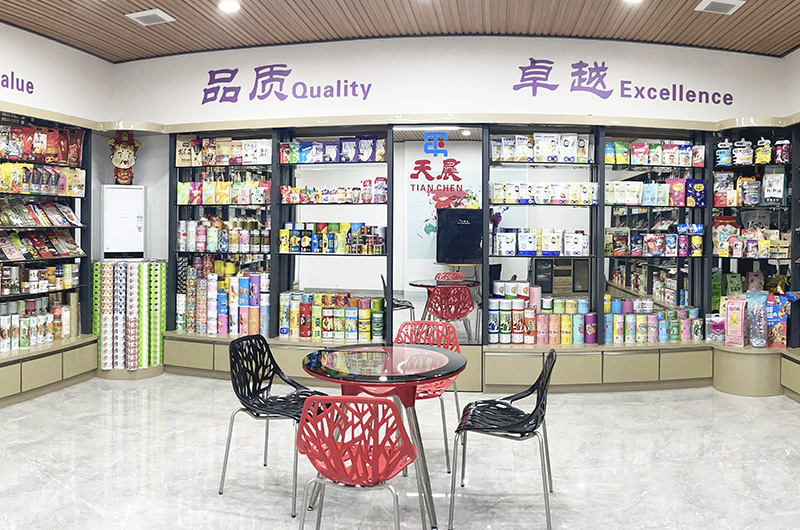
Under the strategy of "innovation and transformation, integrated operation and steady growth", we firmly uphold the concept of sustainable development. We actively adopt green production technologies, reduce energy consumption and environmental impact, and strive to achieve a win-win situation between economic benefits and social responsibility. Our goal is to become a first-class enterprise in the global mainstream printing market, providing more high-quality and efficient packaging solutions for global clients.
The packaging industry is experiencing rapid development driven by structural safety and ecological accountability. Guangdong Tianchen Printing's technical roadmap addresses these trends through advanced materials research and production upgrades. Key focus areas include:
Developing structural barriers using mono-polymer families (such as PE/PE or PP/PP) that allow direct mechanical recycling without separation, replacing legacy multi-material structures.
Adapting rotogravure equipment to handle water-based inks and solvent-free lamination processes. This keeps Volatile Organic Compound (VOC) emissions down and leaves no residual odor on products.
Utilizing high-speed, servo-driven rotary die-cutting systems with inline laser inspection to ensure 100% accuracy on complex profiles, tear notches, and ergonomic handle shapes.
Our material testing laboratory validates all laminated films. We test for tensile strength, elongation at break, heat-seal strength, and coefficient of friction (COF). This comprehensive verification ensures each roll and pouch performs reliably on fast-speed horizontal or vertical form-fill-seal (HFFS/VFFS) machinery.
Choose TopfeelPack (Guangdong Tianchen) for packaging that delivers beyond expectations. Our production operates under strict global management standards.
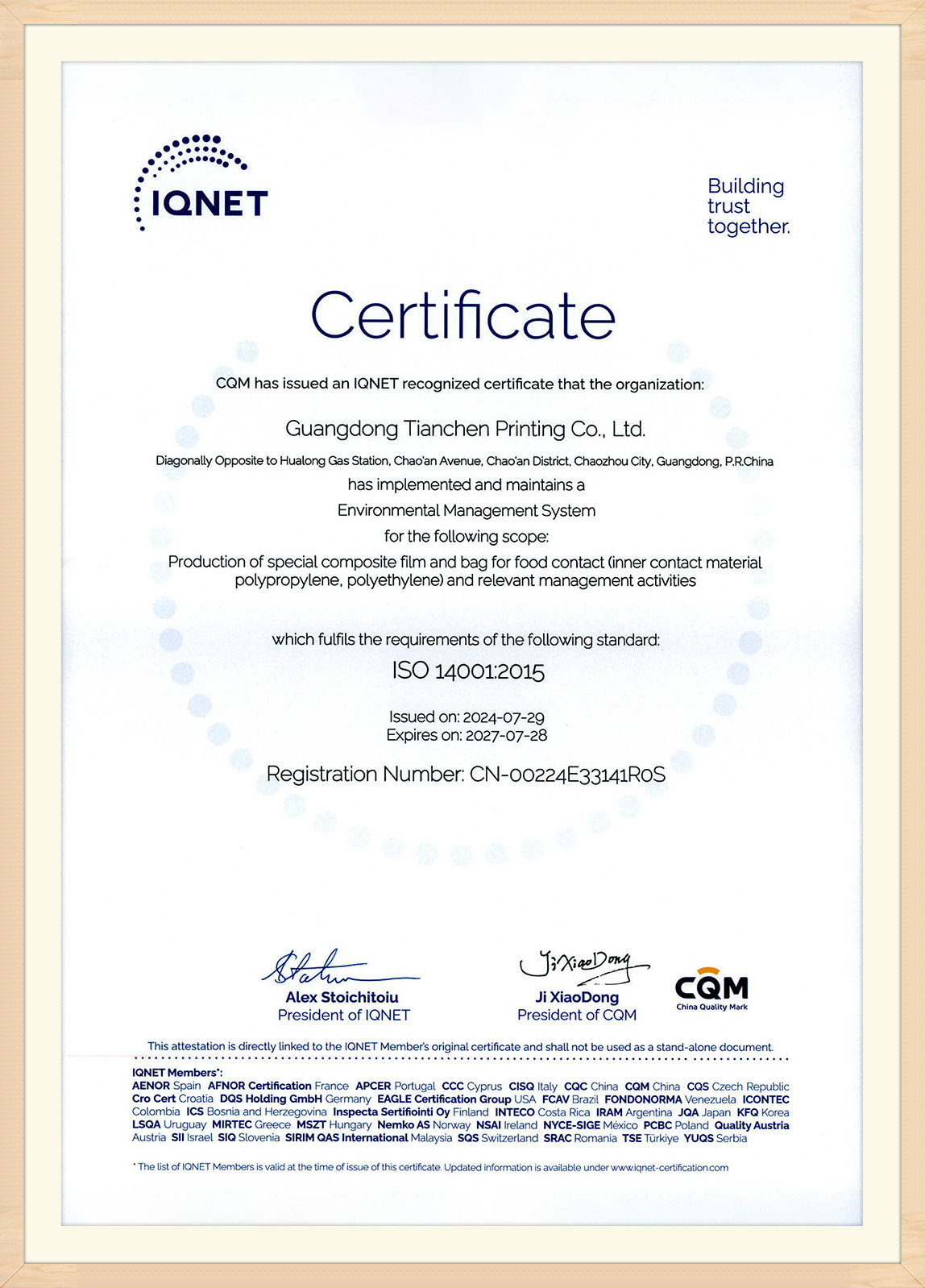
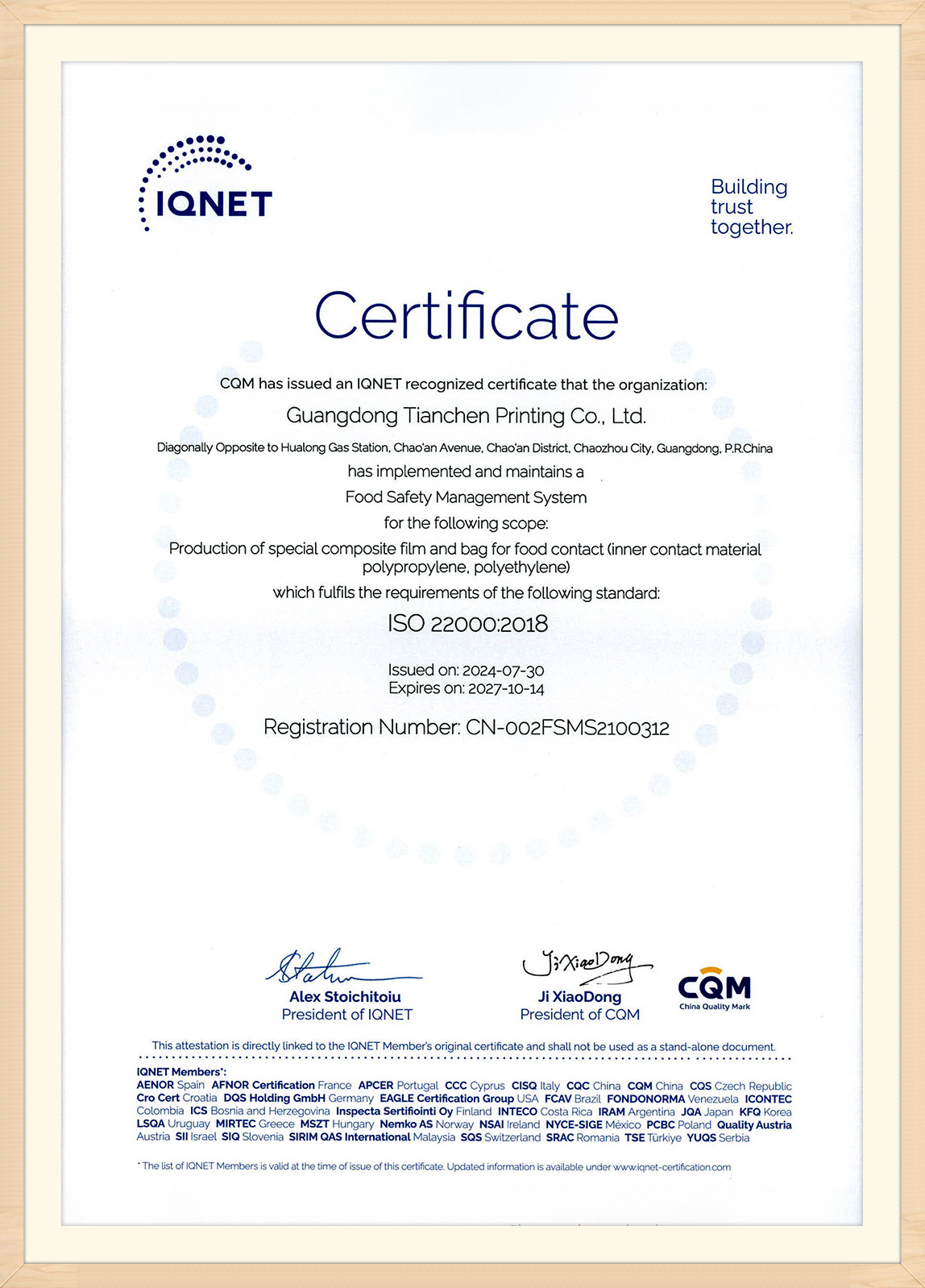
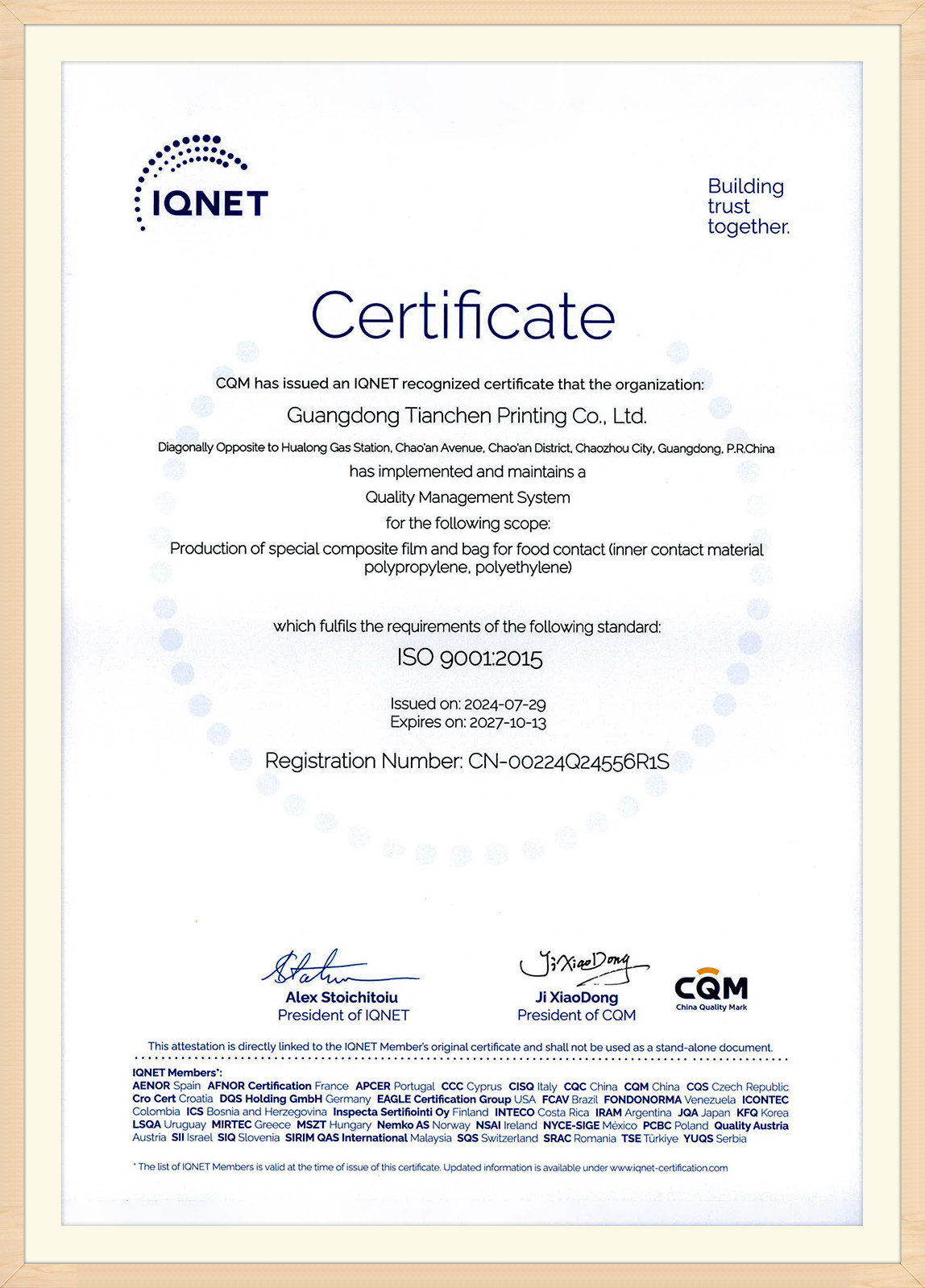
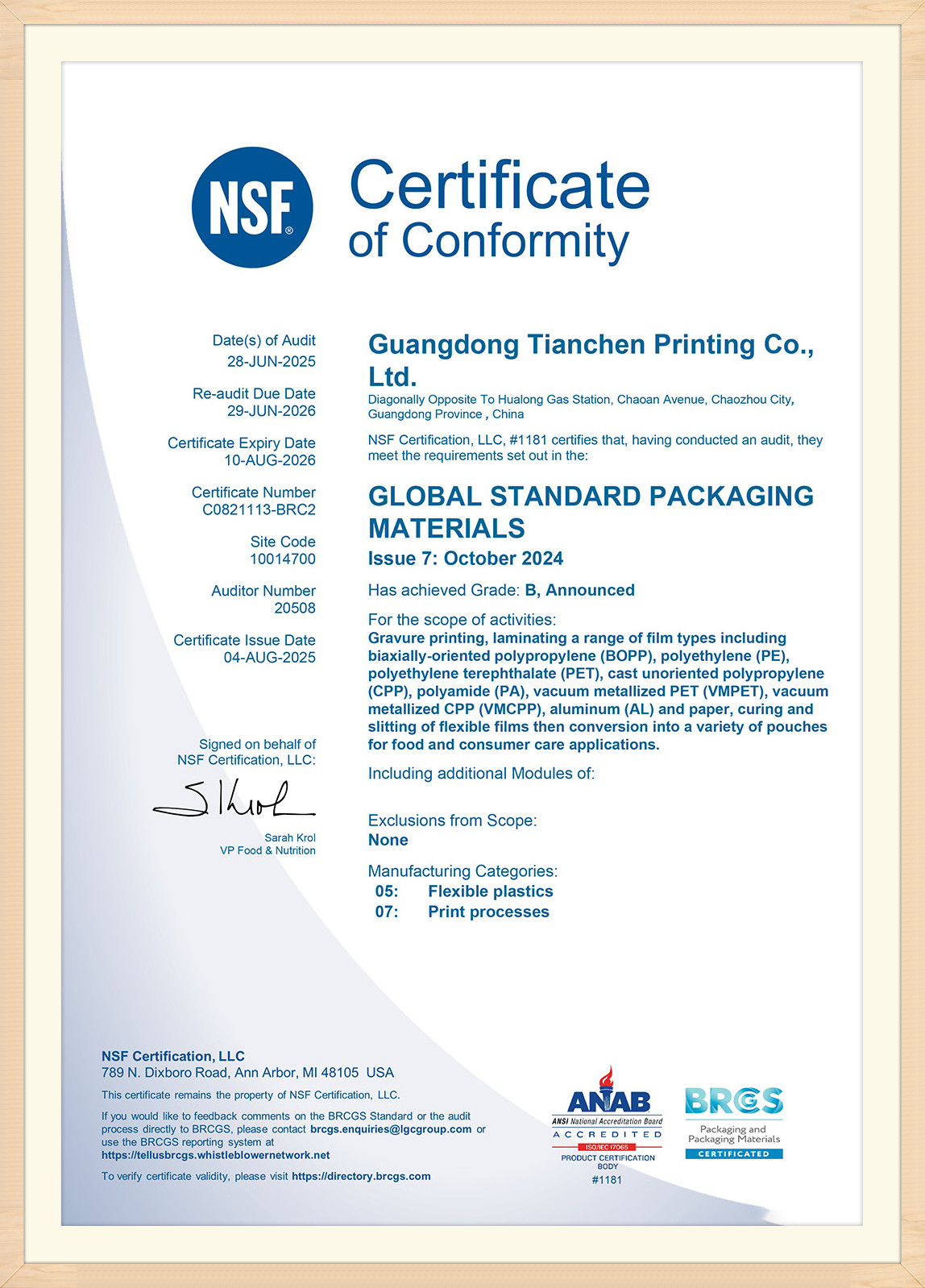
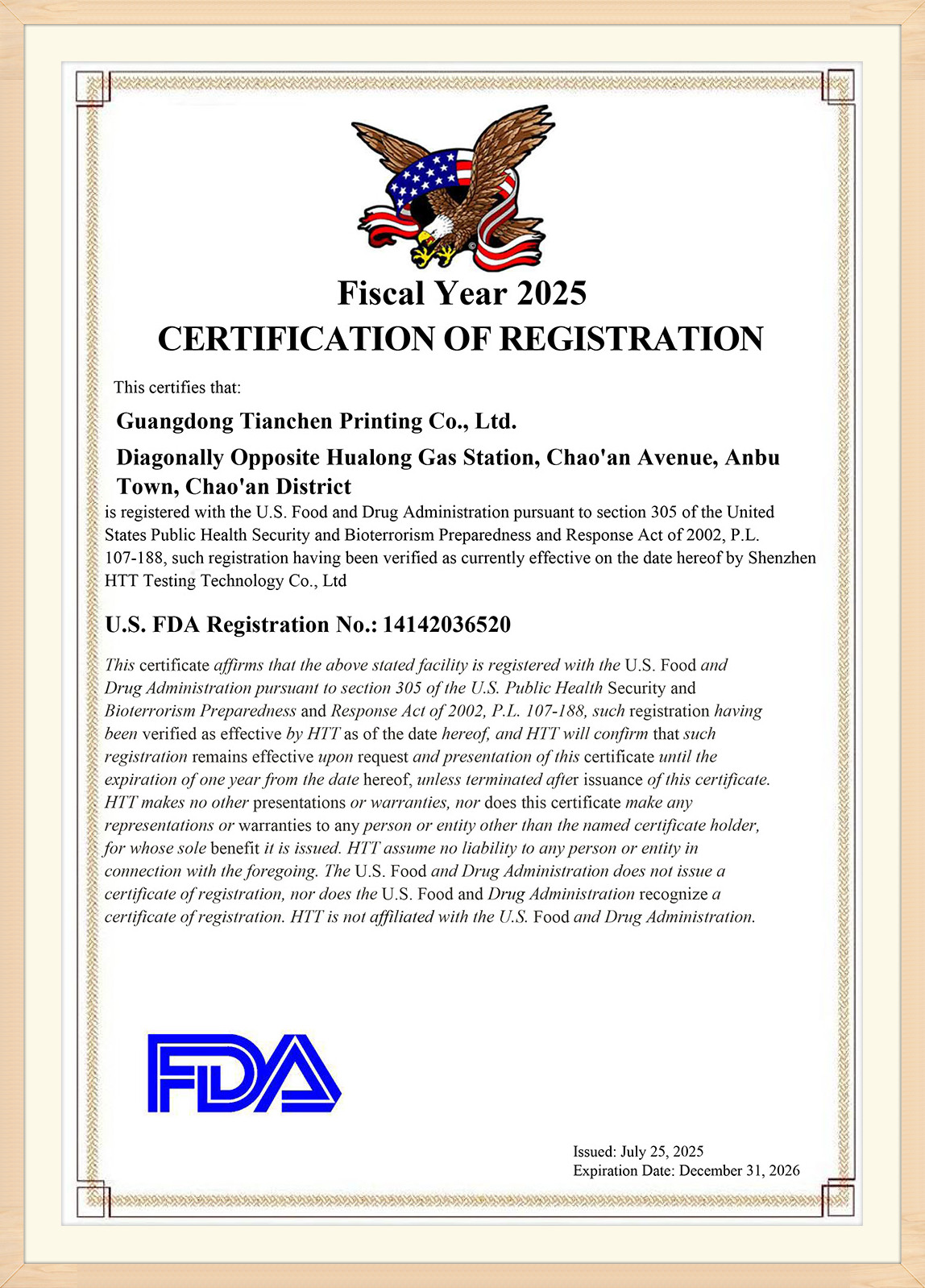
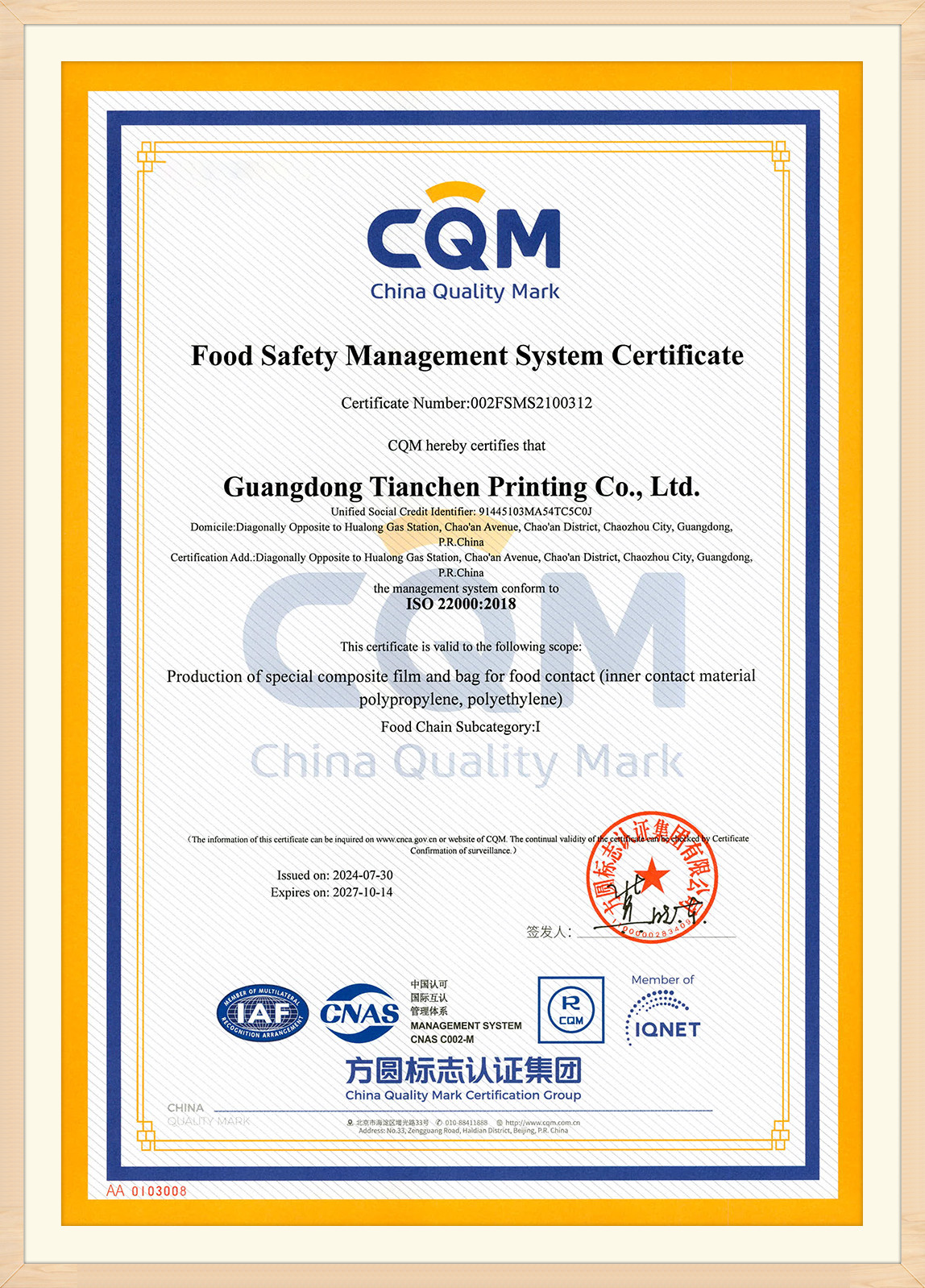
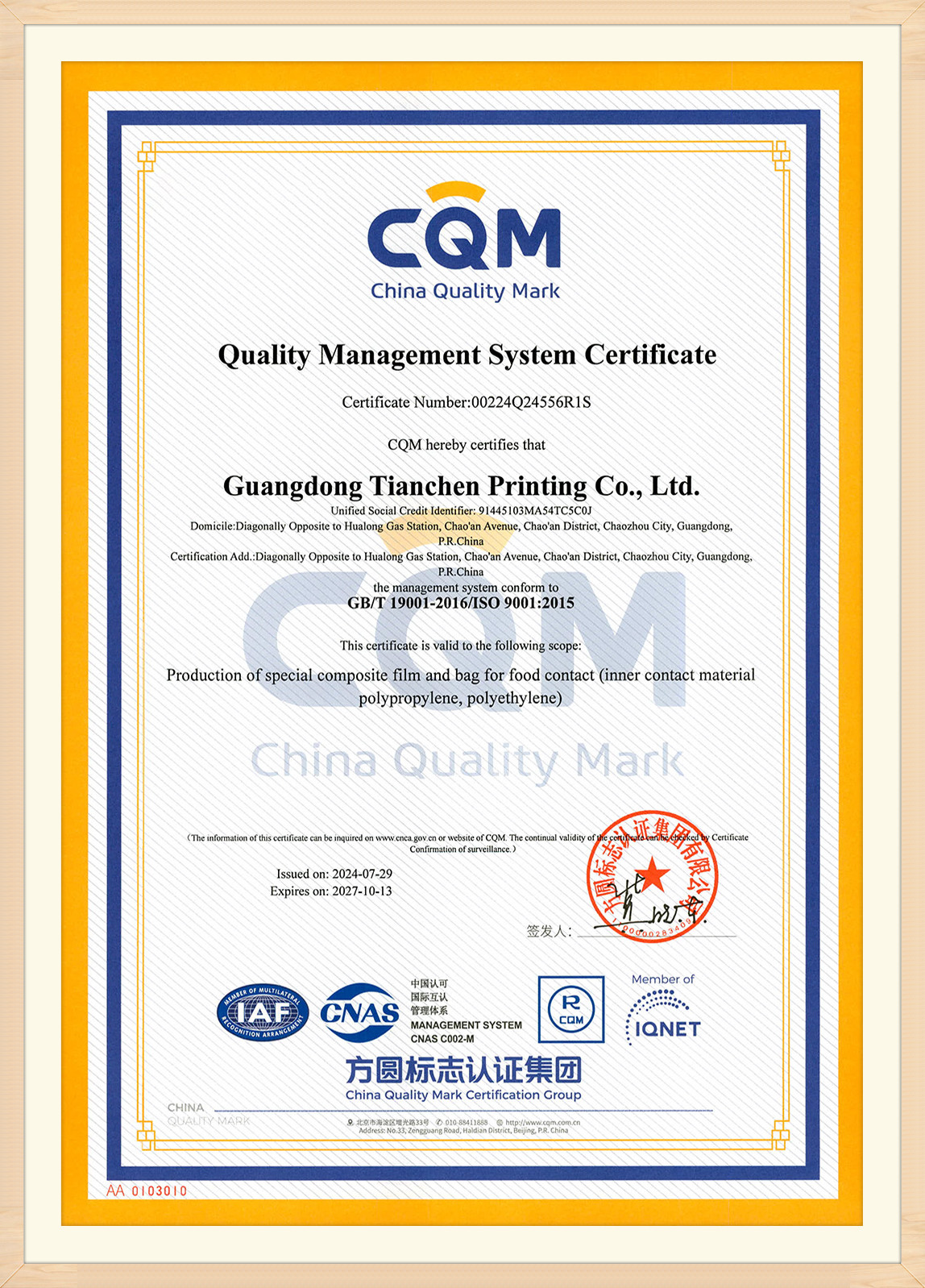
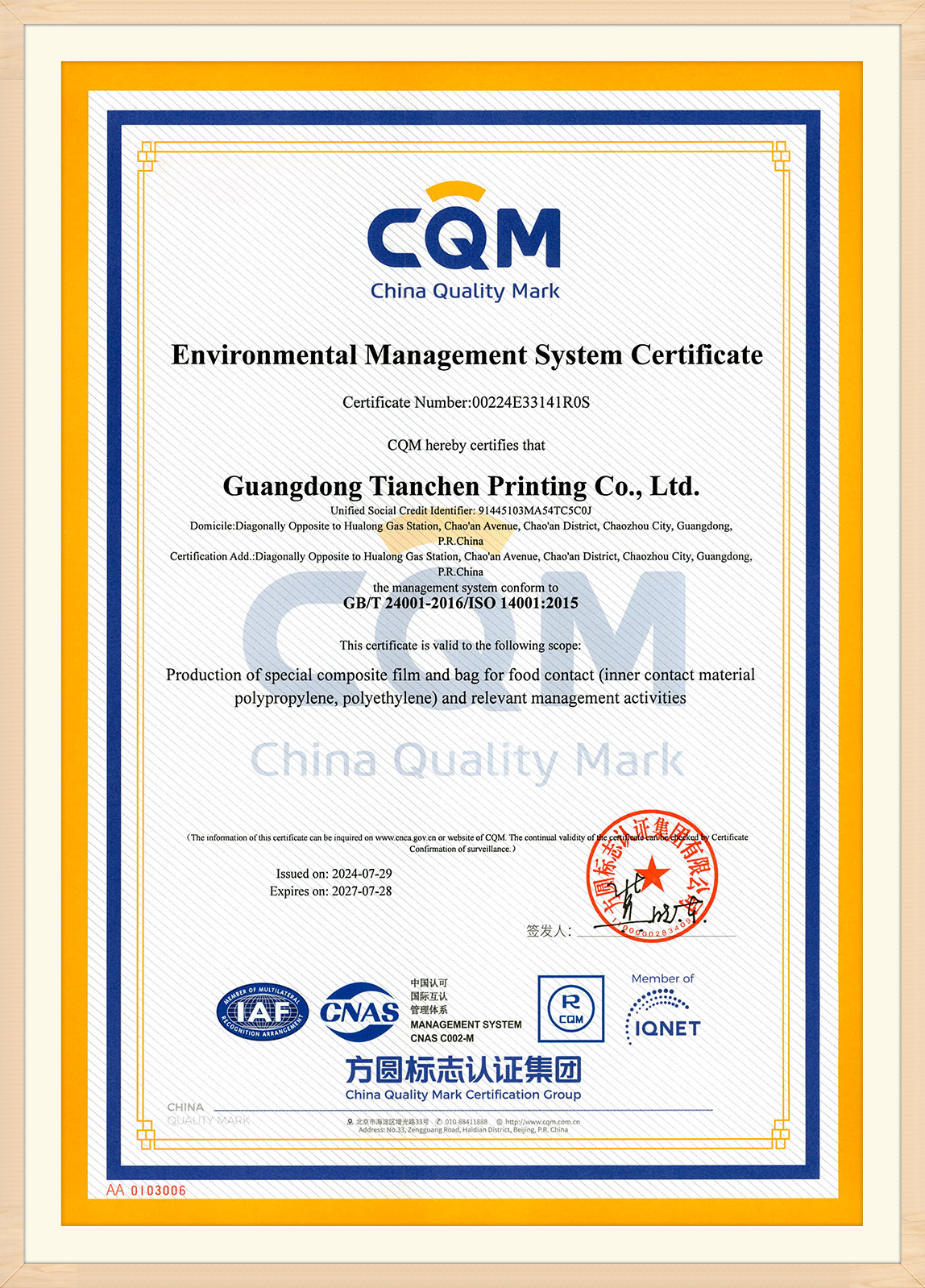
Professional insights addressing key aspects of custom packaging design, production, and sourcing.
 TIANCHEN PRINTING