Pioneering sustainable materials engineered with superior barrier properties for maximum shelf-life and minimized environmental impact.
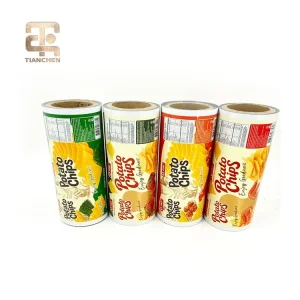
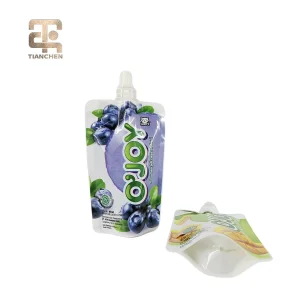
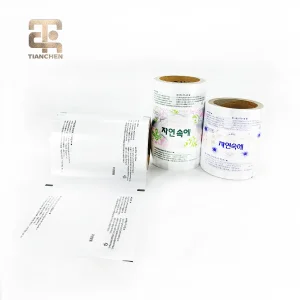
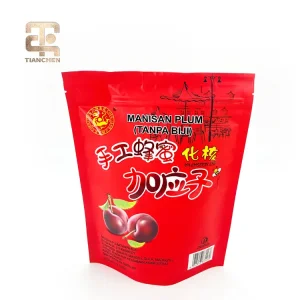
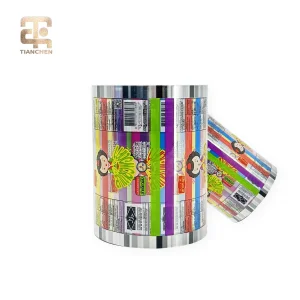
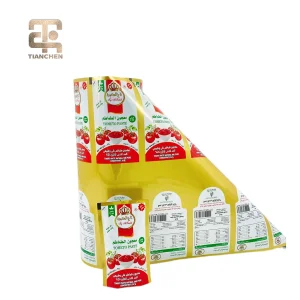
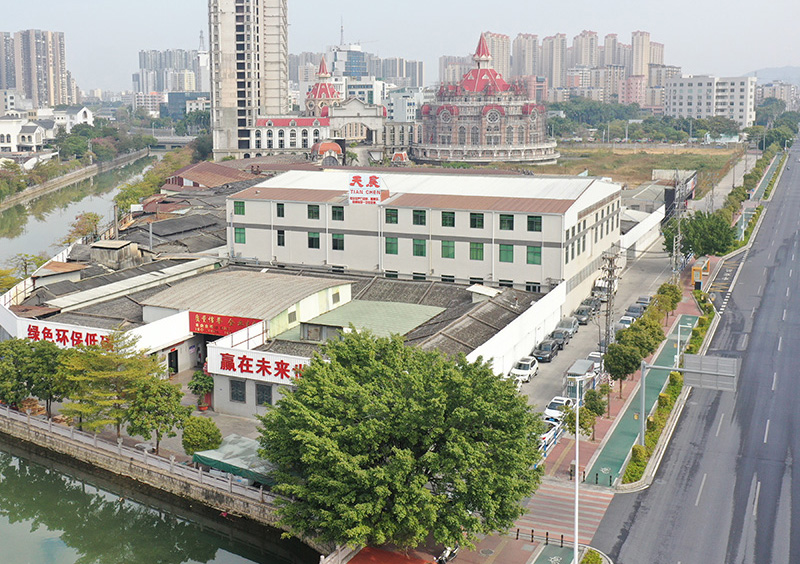
We are a professional printing team boasting more than 20 years of profound experience in the flexible packaging industry. Rooted in Guangdong, a hub of manufacturing and international trade in China, Tianchen Printing has grown into a reliable partner for global clients by focusing on rotogravure printing, laminating, and converting services for flexible packaging solutions.
Our business covers a diverse range of industries worldwide, including food and beverage, pharmaceuticals, daily chemicals, electronics, and agriculture. We tailor packaging solutions to meet the unique needs of each sector, from moisture-proof packaging for snacks to high-barrier films for pharmaceuticals, ensuring product safety, shelf appeal, and transportation stability.
Over the years, we have established long-term cooperative relationships with clients from Europe, North America, Southeast Asia, and other regions, winning wide recognition for our consistent quality and professional service. By strictly controlling raw material sourcing and utilizing state-of-the-art closed-loop solvent recovery systems, we align high-performance packaging manufacturing with ecological preservation.
A comprehensive analysis of industrial strategies, material selection, and China's ODM manufacturing superiority in the transition toward a circular packaging economy.
The global consumer goods ecosystem is navigating a tectonic shift. Historically, flexible packaging design focused primarily on immediate mechanical performance: barrier properties (such as water vapor transmission rate [WVTR] and oxygen transmission rate [OTR]), shelf-life optimization, and cost minimization. While these characteristics are still vital, modern packaging engineers must simultaneously solve a new variable: **end-of-life cycle management**.
Governments worldwide are codifying sustainability. Initiatives such as the European Union's Packaging and Packaging Waste Regulation (PPWR), California’s SB 54, and global Extended Producer Responsibility (EPR) frameworks are transitioning the industry from linear pathways ("take, make, waste") to closed-loop circular systems. For multinational corporations, adapting to these requirements is critical. Moving away from mixed-material multi-layer structures—which are notoriously difficult to recycle—toward mono-material platforms and compostable chemistries has become essential for regulatory compliance and brand value preservation.
As brands transition to eco-friendly footprints, they face challenges like supply chain disruption, high R&D development costs, and inconsistent manufacturing quality. Here, partnering with a sophisticated Chinese ODM packaging manufacturer like **Guangdong Tianchen Printing Co., Ltd.** offers significant strategic benefits:
True sustainable packaging relies on chemical and material engineering. At Guangdong Tianchen, our R&D initiatives focus on three primary eco-friendly material pathways:
By engineering multi-layer structures using only polyethylene (PE) or polypropylene (PP), we produce packaging that is fully compatible with existing global recycling streams. We utilize advanced MDO (Machine Direction Orientation) technology to achieve the tensile strength and heat resistance necessary for high-speed filling lines without compromising recyclability.
For applications where mechanical recycling is impractical, we offer compostable laminate structures. Combining Polylactic Acid (PLA), Polybutylene adipate terephthalate (PBAT), and metallized paper elements, these structures break down safely in industrial composting environments. They comply with EN 13432 and ASTM D6400 certification standards, returning to the soil without leaving toxic residues.
To reduce dependency on aluminum foils—which are carbon-intensive to extract and process—we utilize nano-dispersion coatings and ultra-thin EVOH (Ethylene Vinyl Alcohol) layers. These formulations provide gas barriers (oxygen and aroma) and water vapor barriers that rival traditional foils, keeping perishable goods fresh while remaining compatible with standard recycling streams.
Different product sectors require tailored performance characteristics. A single packaging design cannot suit all applications. Below, we examine the technical requirements for various packaging categories:
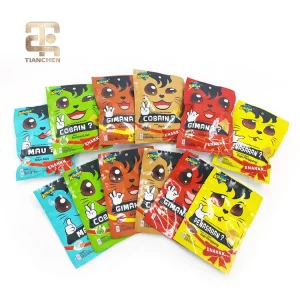
Fresh and Processed Food Preservation: Potato chips, roasted nuts, and dried snacks require low water vapor transmission rates (WVTR) to prevent oxidation. Our customized multi-layer structures integrate high-performance barrier films with robust seal interfaces. This prevents oxygen ingress and keeps lipids from turning rancid, extending product shelf life without the need for synthetic preservatives.
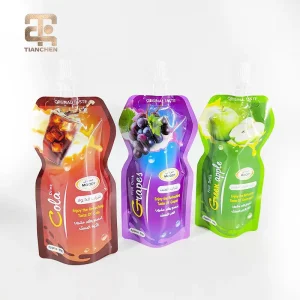
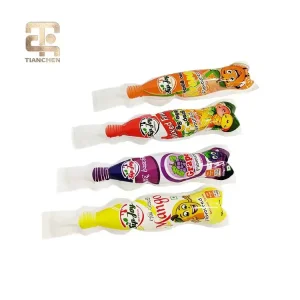
Beverages and Liquid Dispensing: Reusable spout pouches for energy drinks, juices, and mineral water demand high puncture resistance, robust drop performance, and reliable seals. By pairing high-strength structural layers with precise injection-molded spouts, we create durable alternatives to rigid glass and PET bottles, significantly reducing transport weight and empty-volume freight emissions.
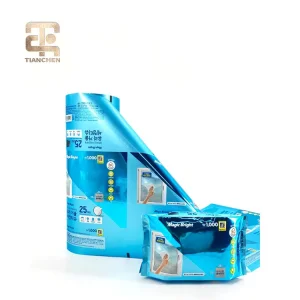
Personal Hygiene & Daily Chemicals: Roll stock for wet wipes, sanitary napkins, and cosmetic creams must resist chemical degradation caused by surfactant formulations. Our solvent-free laminated films provide chemical resistance and pleasant tactile properties while maintaining structural integrity over long shipping and storage cycles.
Innovation, Internationalization, Integration, Intelligentization
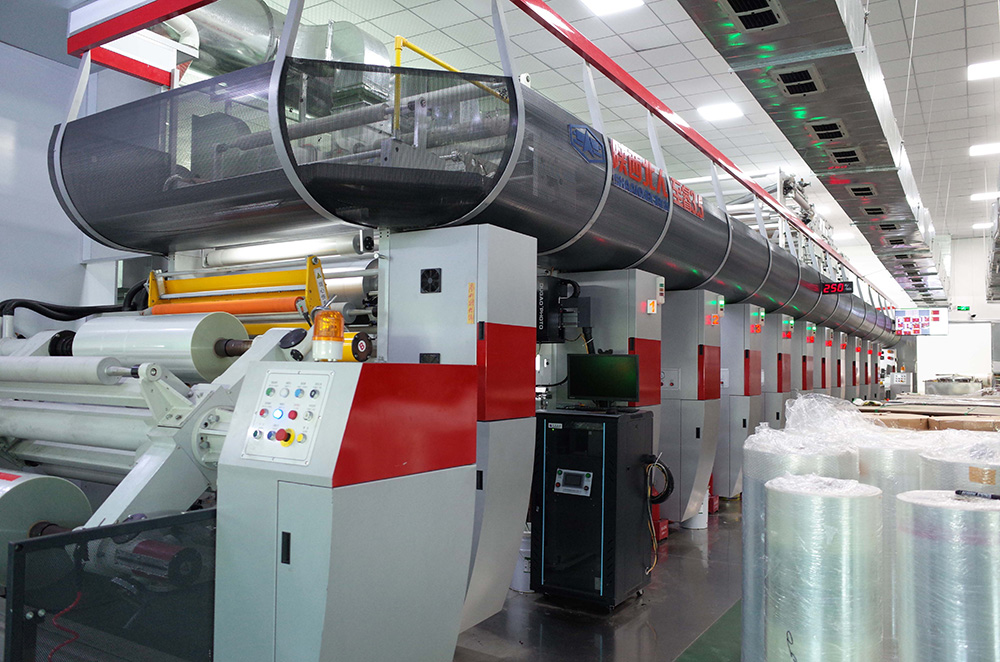
Guided by our core four "IN" concepts, we have forged a clear development path and maintained steady growth in the competitive global market. The first is "Innovation" – we persist in investing in R&D, upgrading printing technologies and processes, and developing eco-friendly, high-performance packaging materials to keep pace with industry trends and client demands. The second is "Internationalization" – we adhere to global standards in production and management, obtain international certifications, and expand our global service network to integrate into the international mainstream market.
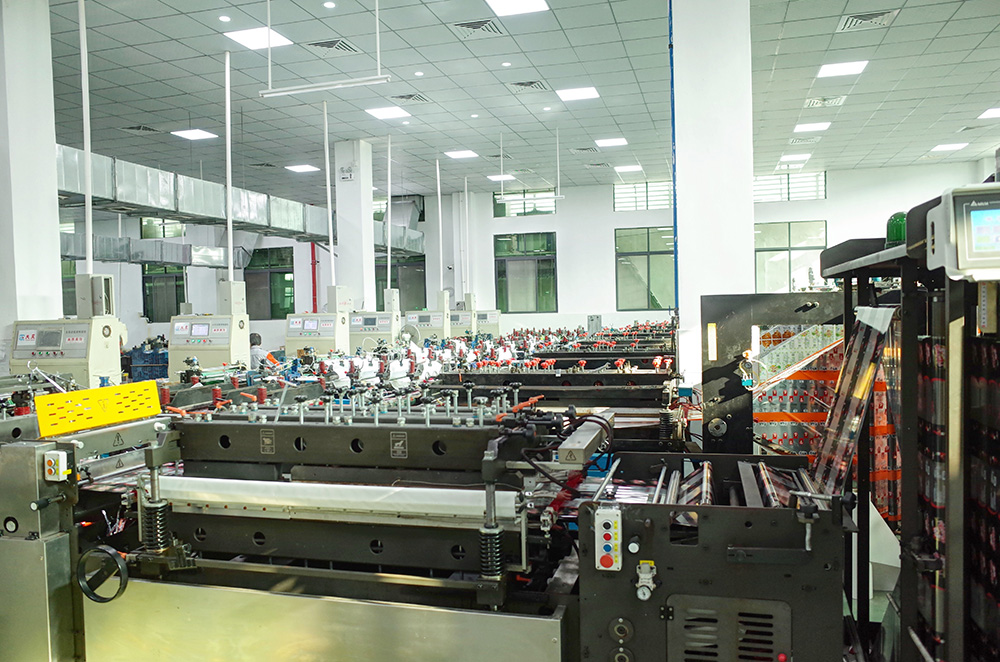
The third concept is "Integration", which refers to our one-stop service model integrating design, printing, laminating, converting, and quality inspection. By optimizing the industrial chain layout, we streamline the production process, reduce costs for clients, and ensure efficient delivery. The fourth is "Intelligentization" – we have introduced advanced intelligent production equipment and digital management systems, realizing automated operations in key links such as color matching and quality control, which improves production efficiency and product consistency.
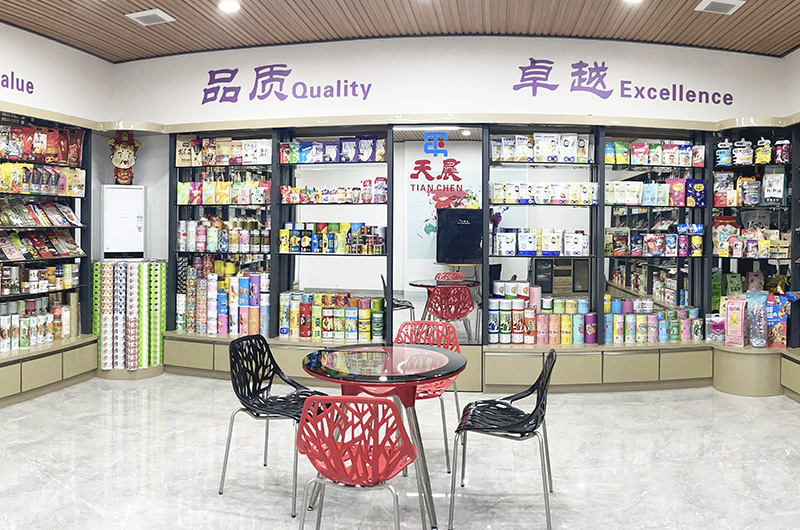
Under the strategy of "innovation and transformation, integrated operation and steady growth", we firmly uphold the concept of sustainable development. We actively adopt green production technologies, reduce energy consumption and environmental impact, and strive to achieve a win-win situation between economic benefits and social responsibility. Our goal is to become a first-class enterprise in the global mainstream printing market, providing more high-quality and efficient packaging solutions for global clients.
Choose TopfeelPack and Guangdong Tianchen for packaging that delivers beyond expectations. Our production processes comply with global quality and food-safety standards.
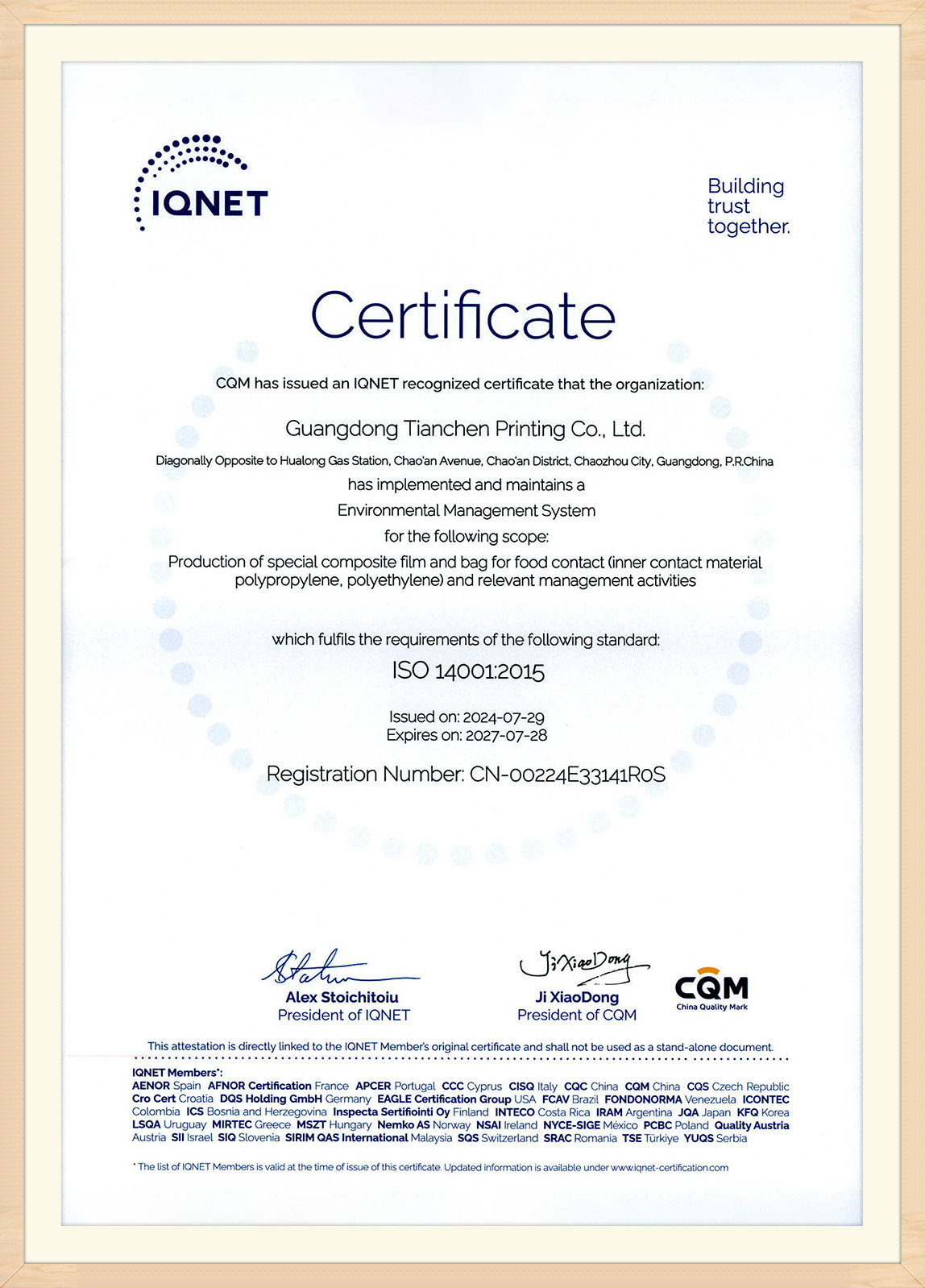
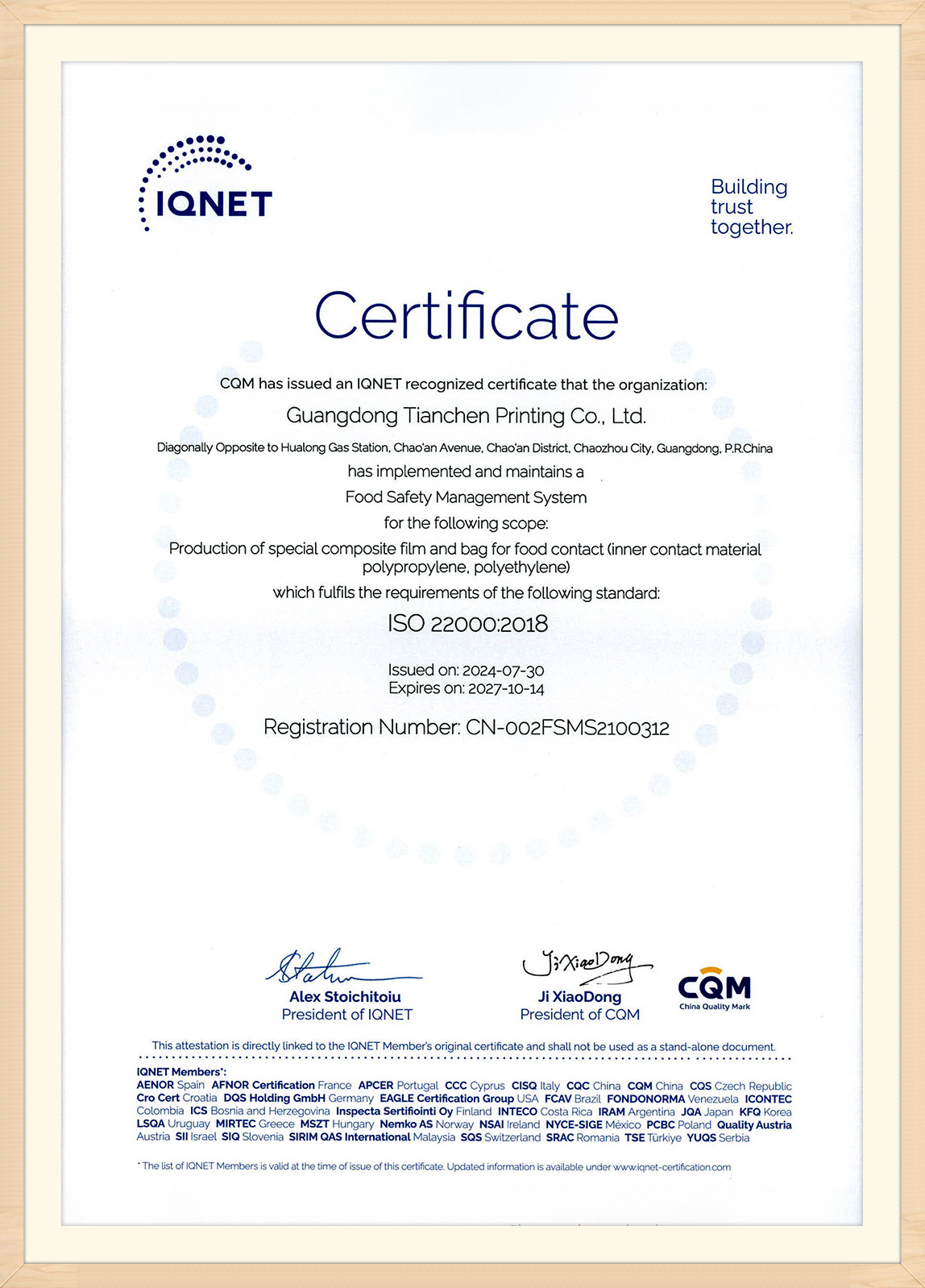
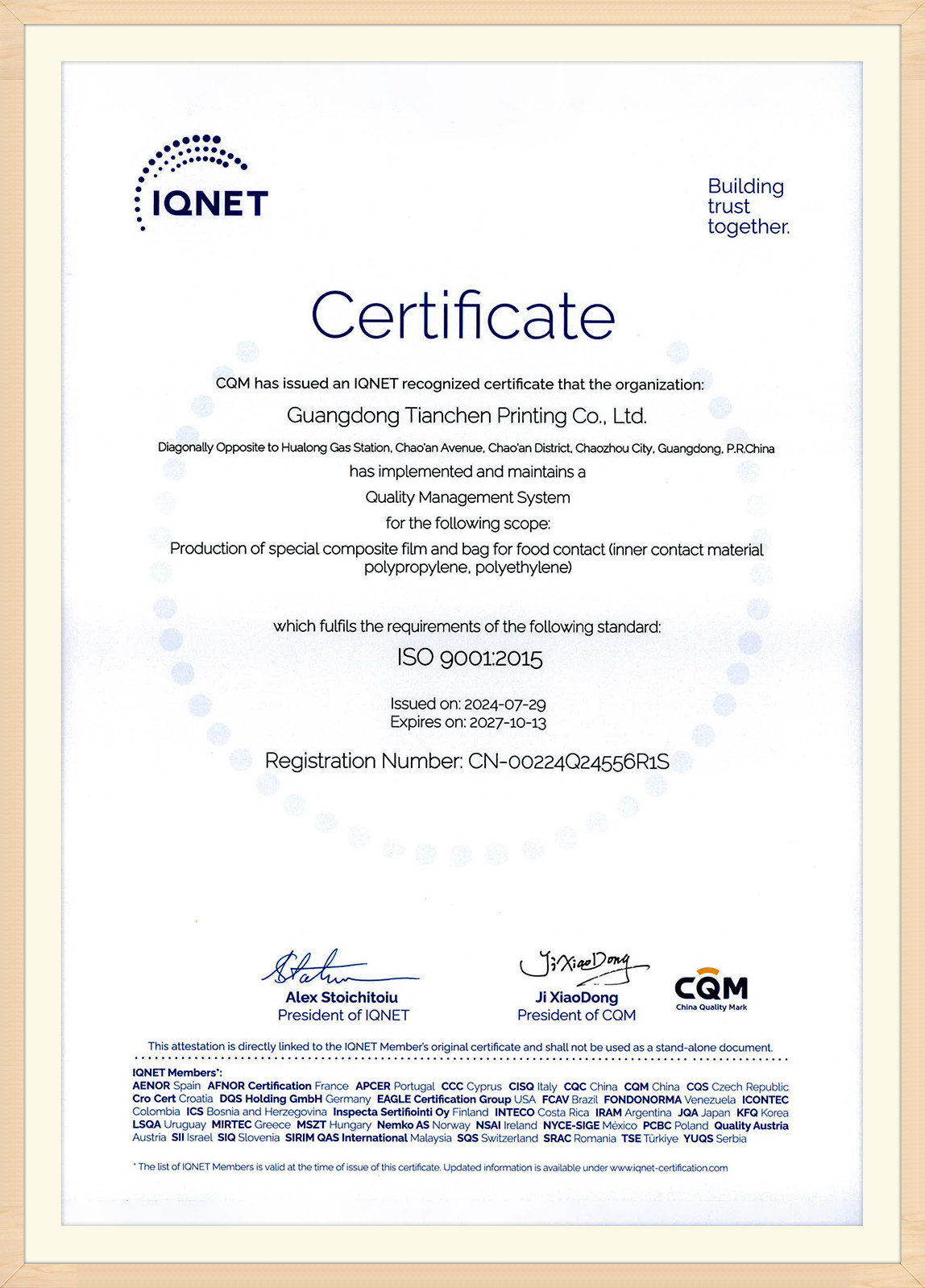
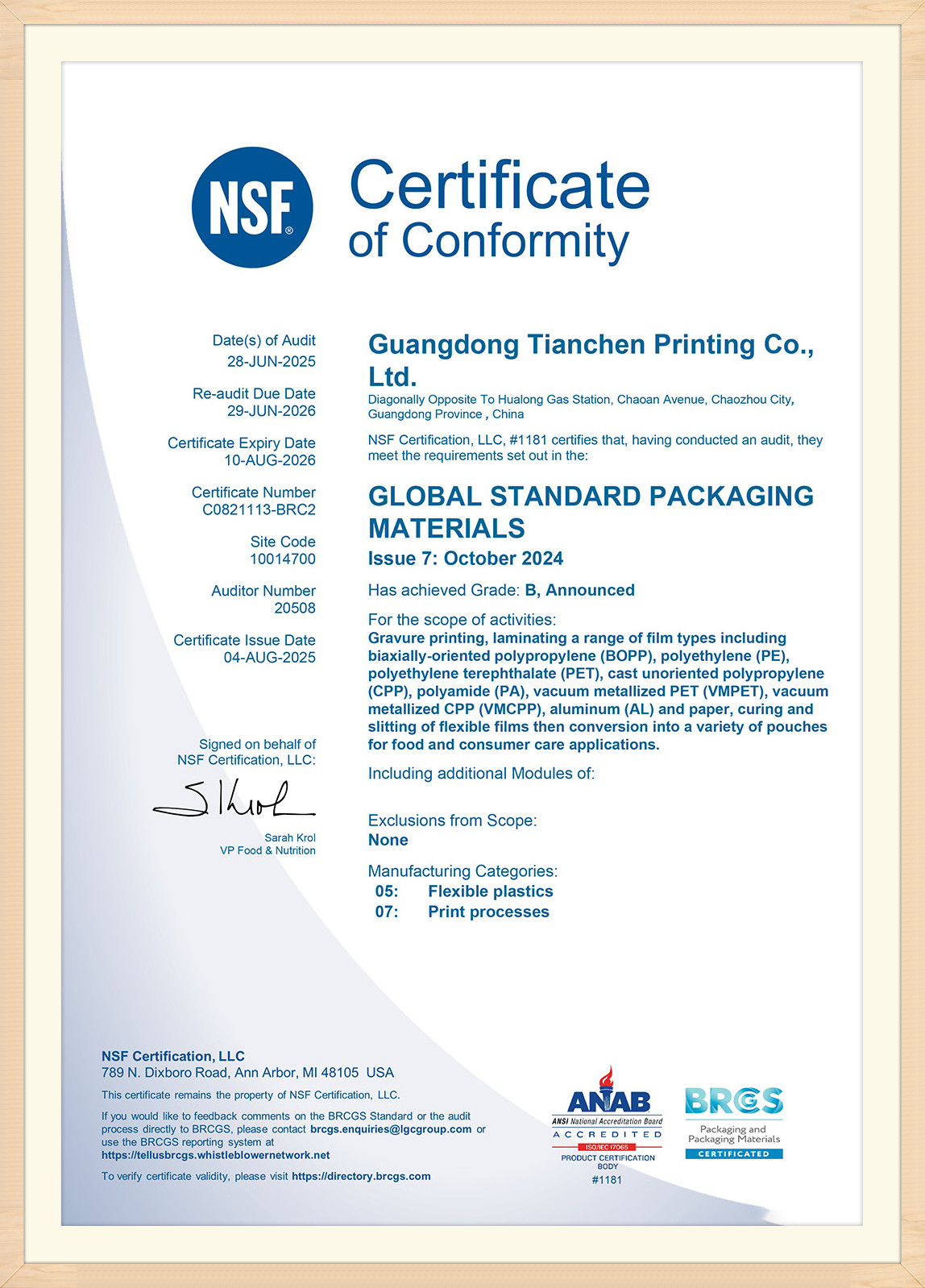
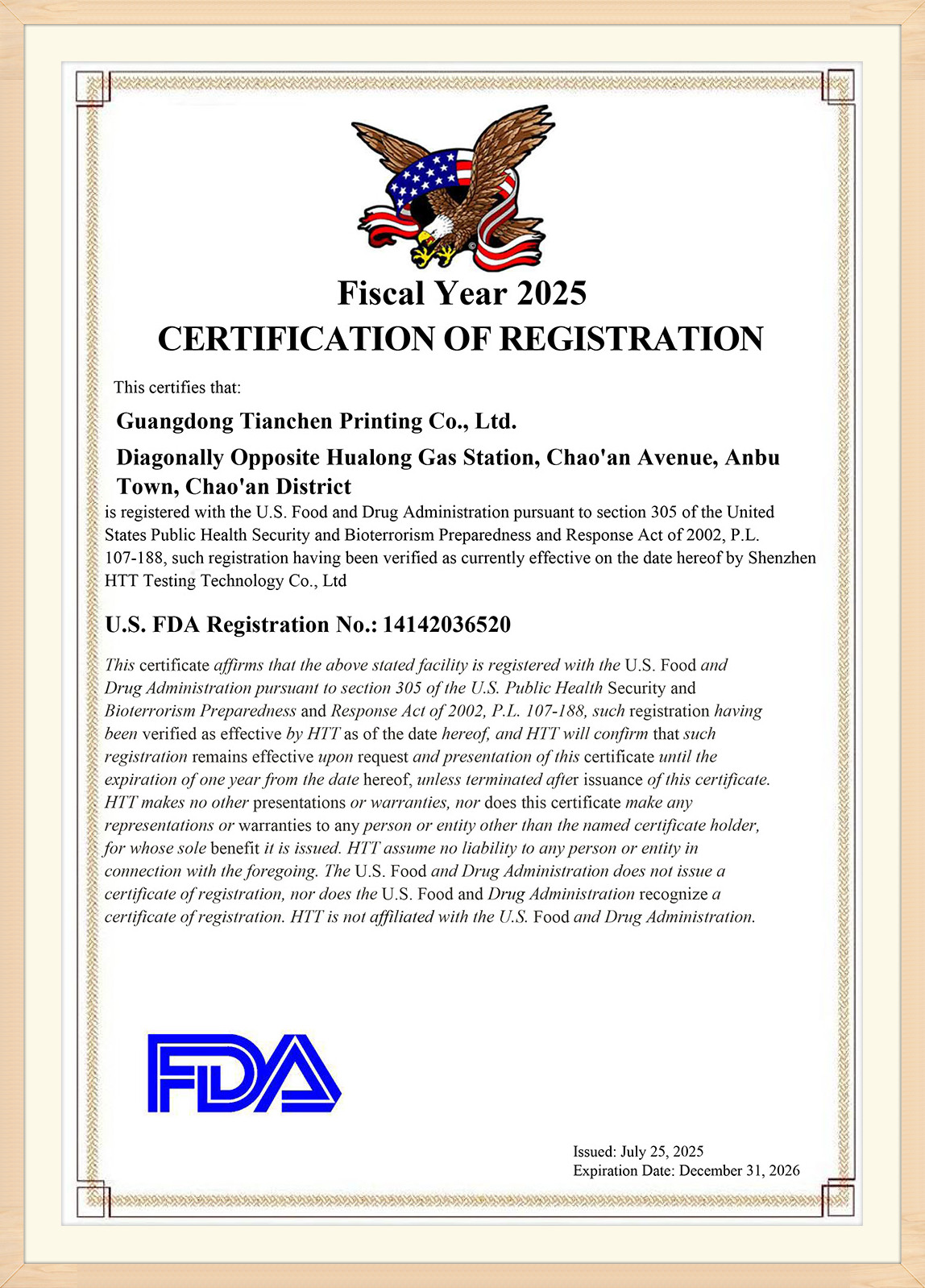
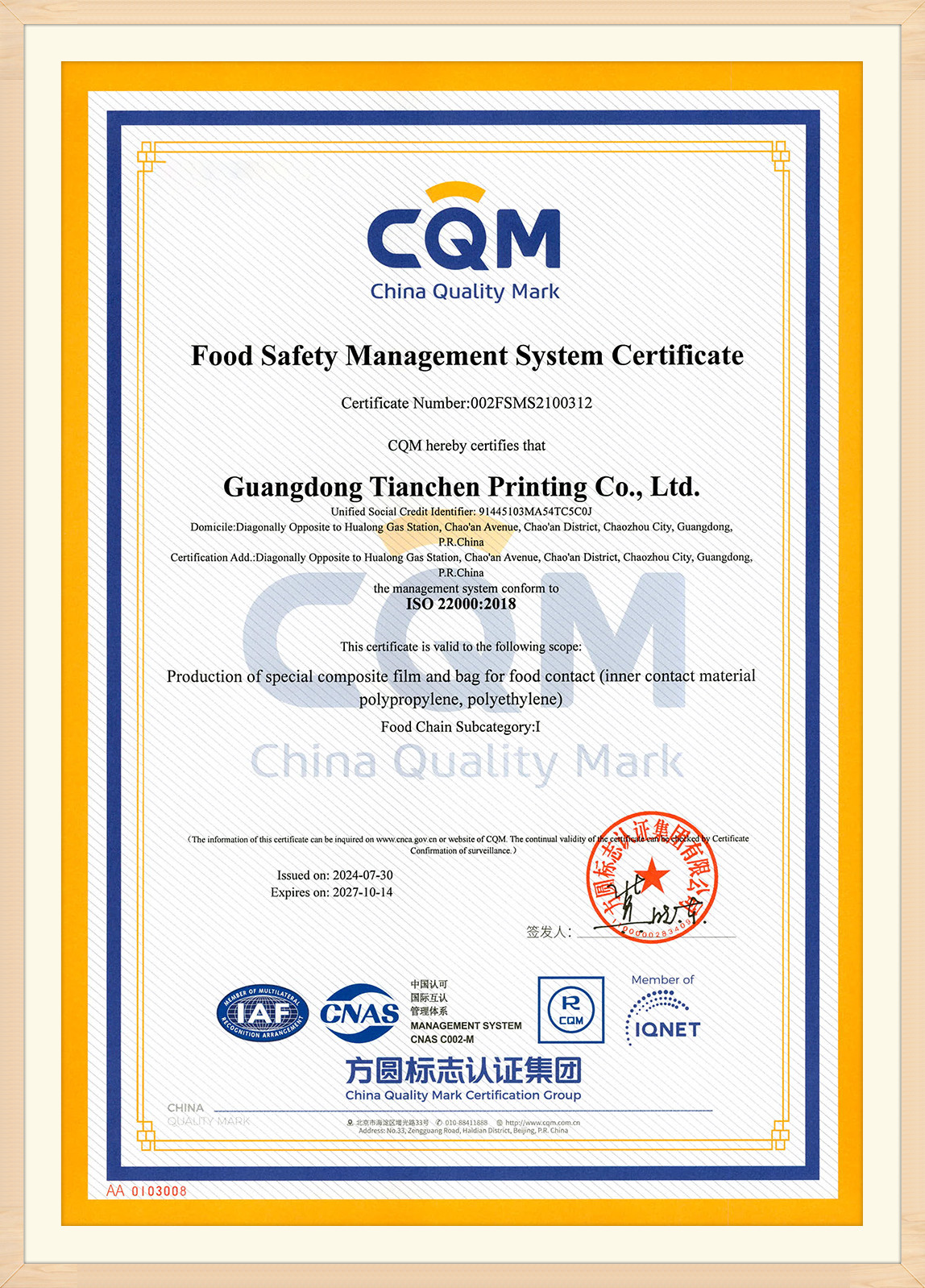
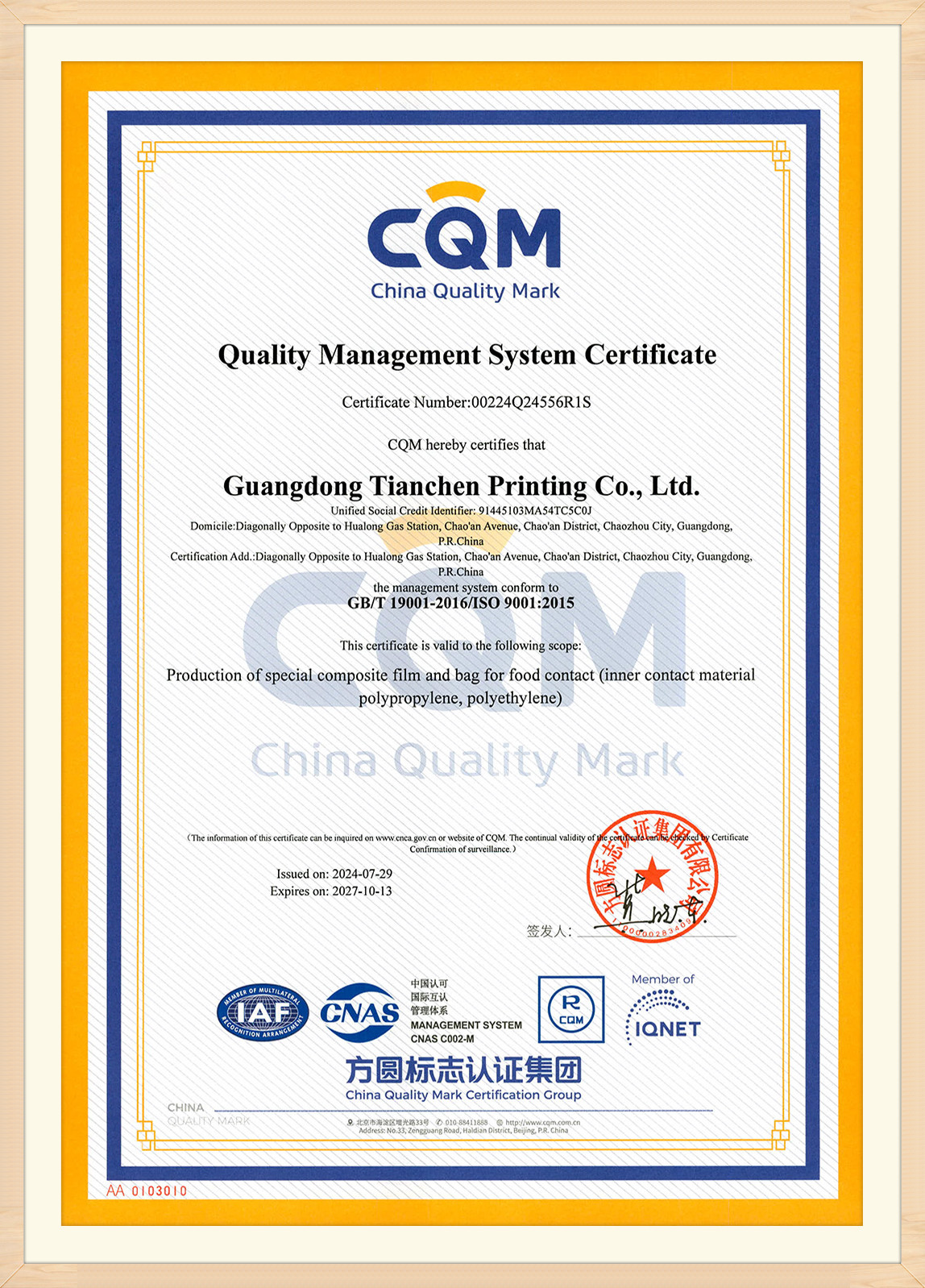
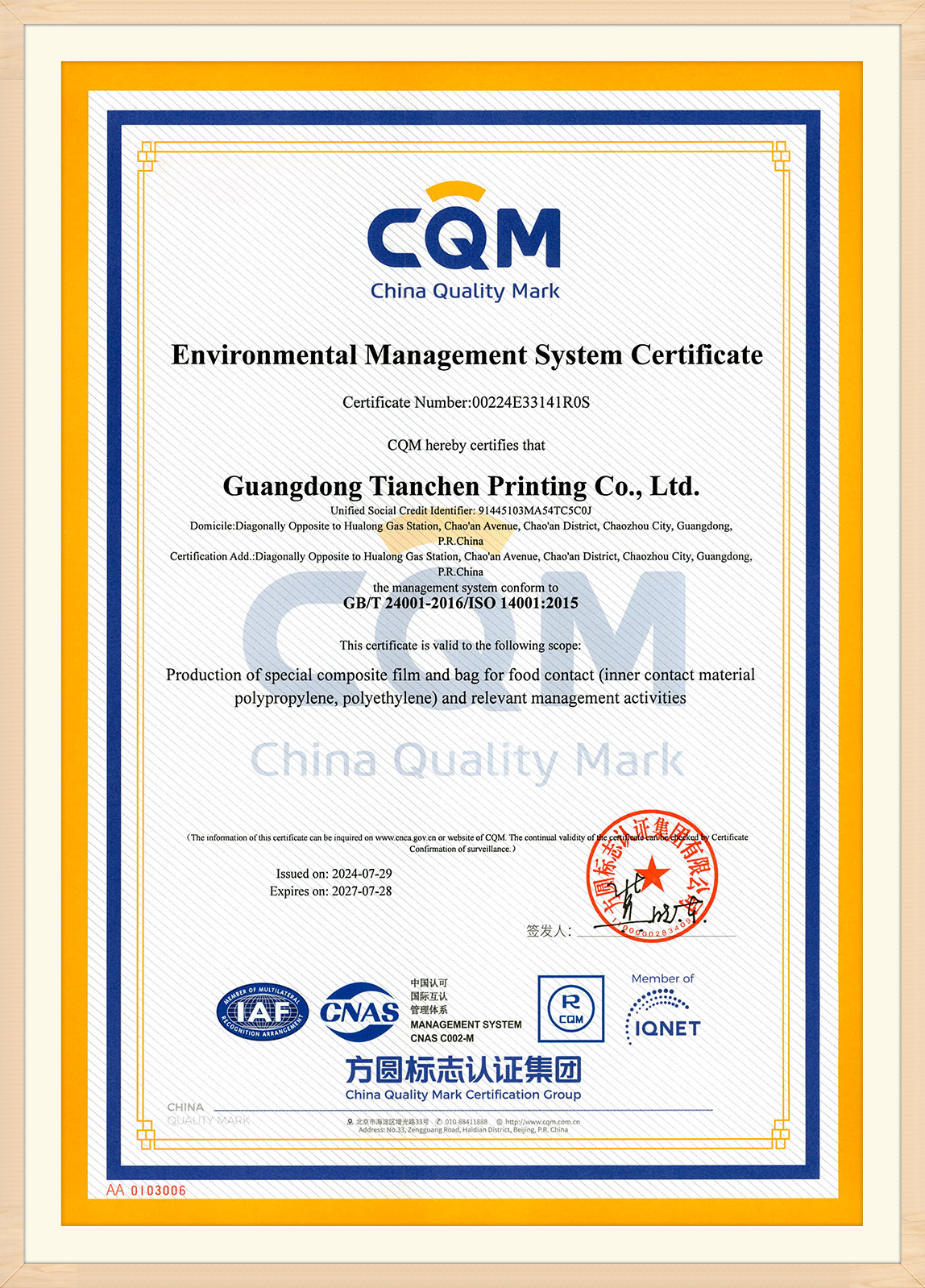
For international procurement managers, selecting an ODM partner involves assessing risk profiles, quality controls, and compliance frameworks. Guangdong Tianchen addresses these requirements by integrating traceability and structured quality control across our manufacturing processes:
Get answers to critical technical questions regarding polymer performance, compostability, and OEM/ODM factory partnerships.
Customizable configurations designed to integrate seamlessly into modern automated filling lines.
 TIANCHEN PRINTING