Understanding how modern flexible packaging optimization maximizes shelf stability, lowers logistics cost, and elevates brand perception through customized multi-layer structures.
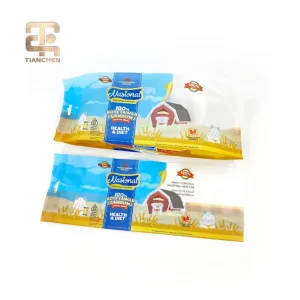
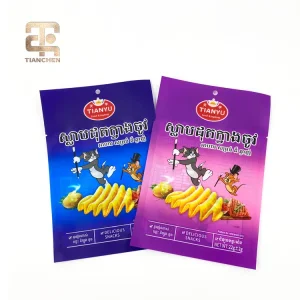
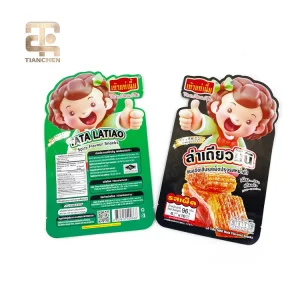
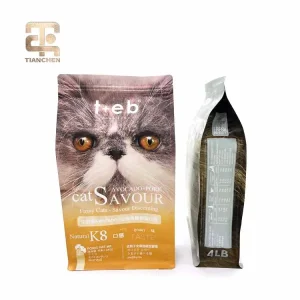
In the highly competitive modern consumer packaged goods (CPG) environment, visual dominance on retail shelves combined with product integrity is the ultimate driver of market share. ODM Flat Bottom Gusset Bags (frequently designated as box pouches, block bottom bags, or 3D bags) represent the technological peak of flexible container design. Integrating the finest characteristics of standard stand-up pouches and quad-sealed side gusset structures, the flat bottom pouch delivers a fully flat rectangular footprint that allows it to stand with absolute structural integrity, even prior to being filled. By maximizing volumetric capacity and presenting five distinct, high-impact display surfaces (front, back, left gusset, right gusset, and flat bottom), this packaging architecture reduces void space and elevates branding real estate to its highest potential.
From a rigorous engineering perspective, the performance of these pouches relies on advanced, custom-designed co-extruded and laminated barrier materials. The target compounds typically encompass high-performance polymers, including Biaxially Oriented Polyester (BOPET) for mechanical rigidity, Biaxially Oriented Nylon (BOPA) for robust puncture and drop resistance, and cast polyethylene (PE) or cast polypropylene (CPP) to ensure exceptional seal strength at low activation temperatures. For oxygen-sensitive formulations such as premium whole-bean coffee or highly oxidation-prone pet foods, integration of ultra-thin aluminum foil barriers (AL) or Ethylene Vinyl Alcohol (EVOH) co-extruded films is mandated. This preserves OTR (Oxygen Transmission Rate) values to less than 0.1 cc/m²/24hr and MVTR (Moisture Vapor Transmission Rate) to less than 0.1 g/m²/24hr, securing a long and stable commercial shelf life without relying on chemical preservatives.
Multi-layered co-extrusion engineering featuring EVOH, PVDC, or Metallized Polyester layers to control gas and moisture transmission down to near-zero levels.
Saves up to 30% storage space in warehouse environments and shipping containers compared to traditional glass, metal, or rigid plastic packaging options.
Five high-fidelity printable surfaces allowing for comprehensive brand narration, technical labeling, multi-language instructions, and regulatory bars.
Compatible with front-zippers, sliders, tear notches, laser scoring, one-way degassing valves, and integrated handles for maximum end-user satisfaction.
How ODM flat bottom gusset pouches resolve distinct geographic, regulatory, and application-specific pain points in major consumer markets.
The pet food sector has undergone a massive premiumization wave. Multi-kilogram dry kibble formulations require large-volume flat bottom gusset bags that resist intense hydrostatic pressure, puncture hazards, and oil seepage. Locally, packaging must endure the stresses of automated freight shipping networks (e.g., Amazon FBA, FedEx) without bursting. Our structures incorporate high-tensile co-extruded nylon layers and drop-tested high-molecular-weight PE sealants, guaranteeing that bulk purchases reach American doorsteps intact.
Under the European Union's Circular Economy Action Plan and Packaging Waste Directive, brands face steep financial penalties for multi-material laminated packaging that cannot be recycled. Our technical answer lies in the development of mono-material MDO-PE (Machine Direction Oriented Polyethylene) flat bottom bags coated with high-barrier EVOH. This pure PE structure qualifies for standard recycling streams across Germany (Der Grüne Punkt), France, and Scandinavia while delivering the necessary gas and water-vapor barrier requirements.
Across highly urbanized markets like Japan, South Korea, and Australia, artisanal coffee shops and large-scale roasters demand packaging that retains hyper-fragile volatile aromatic compounds. For these regions, our flat bottom gusset bags are integrated with premium Swiss-engineered or Italian-built one-way degassing valves. These micro-engineered valves allow internally generated carbon dioxide to escape the sealed bag without allowing atmospheric oxygen inside, maintaining the original roasted bean profile for months.
OTR Limit (cc/m²/24hr)
Years Industrial Experience
Solventless Lamination
Reduced Freight Footprint
Pioneering the next era of biodegradable resins, active packaging materials, and automated printing processes.
As the flexible packaging sector shifts toward circular lifecycles, the technological roadmap for Flat Bottom Gusset Bags centers on the replacement of conventional fossil-fuel-based polymers with fully compostable and bio-based alternatives. Industrial R&D is heavily focused on Polybutyrate Adipate Terephthalate (PBAT), Polylactic Acid (PLA), and Biaxially Oriented Cellulose films (NatureFlex). While these materials historically suffered from poor moisture defense, novel chemical vapor deposition (CVD) treatments—such as ultra-thin silicon oxide (SiOx) coatings—allow bio-polymers to match the technical performance of standard metalized layers, preserving the internal product while offering zero-waste industrial compostability.
Parallel to material innovation is the optimization of the printing and curing process. Traditional printing processes often rely on heavy solvent-based inks that release volatile organic compounds (VOCs) and require energy-intensive thermal drying stages. Today, advanced manufacturers are switching to electron-beam (EB) curing systems and water-based ink formulations. This setup not only reduces carbon footprint metrics by up to 45% but also eliminates any risk of solvent migration into food products, elevating the safety standards for infant nutrition and pharmaceutical powders. Furthermore, the integration of smart indicators (such as thermochromic or gas-sensitive dyes) within the printing layers is on the horizon, giving end-users real-time visual feedback on product freshness and thermal exposure.
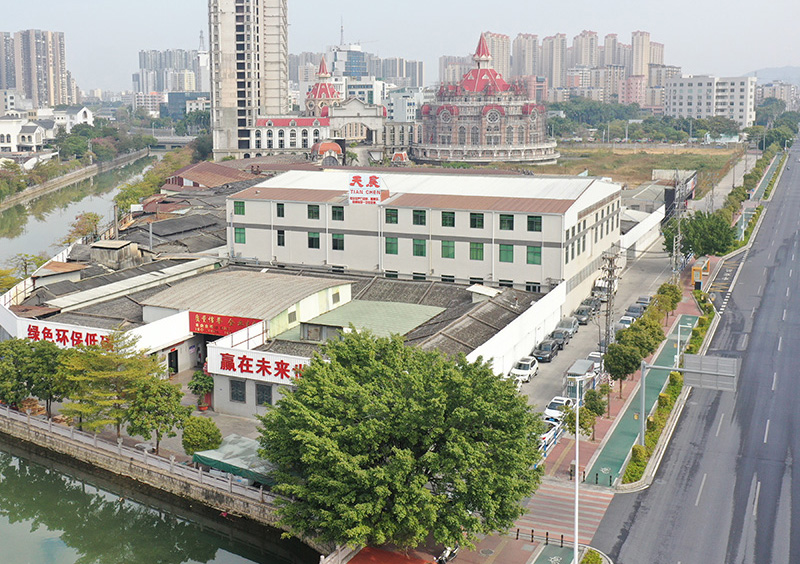
We are a professional printing team boasting more than 20 years of profound experience in the flexible packaging industry. Rooted in Guangdong, a hub of manufacturing and international trade in China, Tianchen Printing has grown into a reliable partner for global clients by focusing on rotogravure printing, laminating, and converting services for flexible packaging solutions.
Our business covers a diverse range of industries worldwide, including food and beverage, pharmaceuticals, daily chemicals, electronics, and agriculture. We tailor packaging solutions to meet the unique needs of each sector, from moisture-proof packaging for snacks to high-barrier films for pharmaceuticals, ensuring product safety, shelf appeal, and transportation stability. Over the years, we have established long-term cooperative relationships with clients from Europe, North America, Southeast Asia, and other regions, winning wide recognition for our consistent quality and professional service.
How our strategic framework drives technical growth, operational safety, and value generation for our global partners.
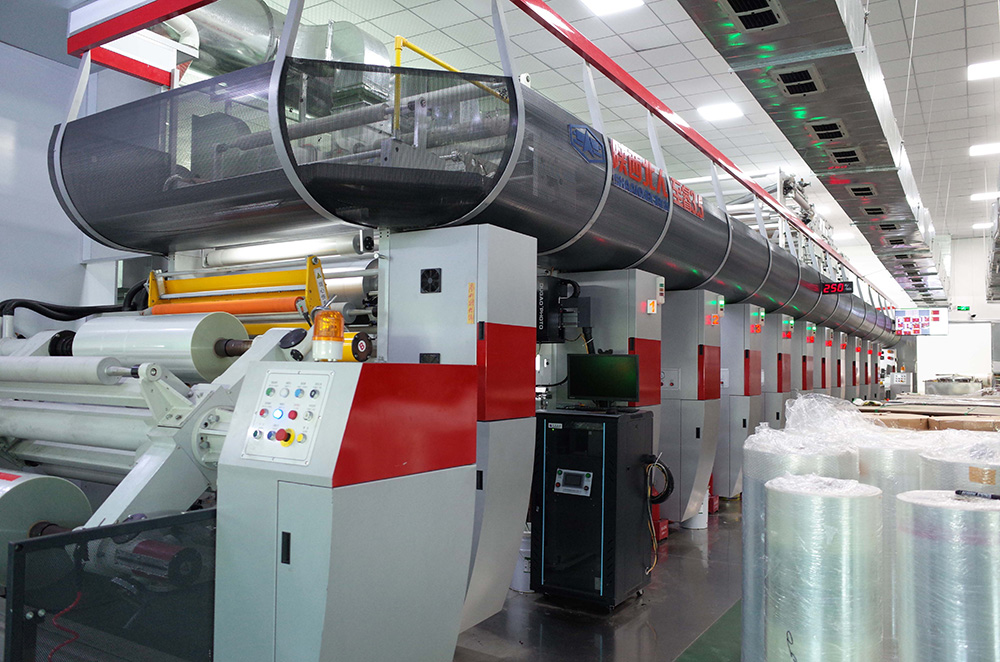
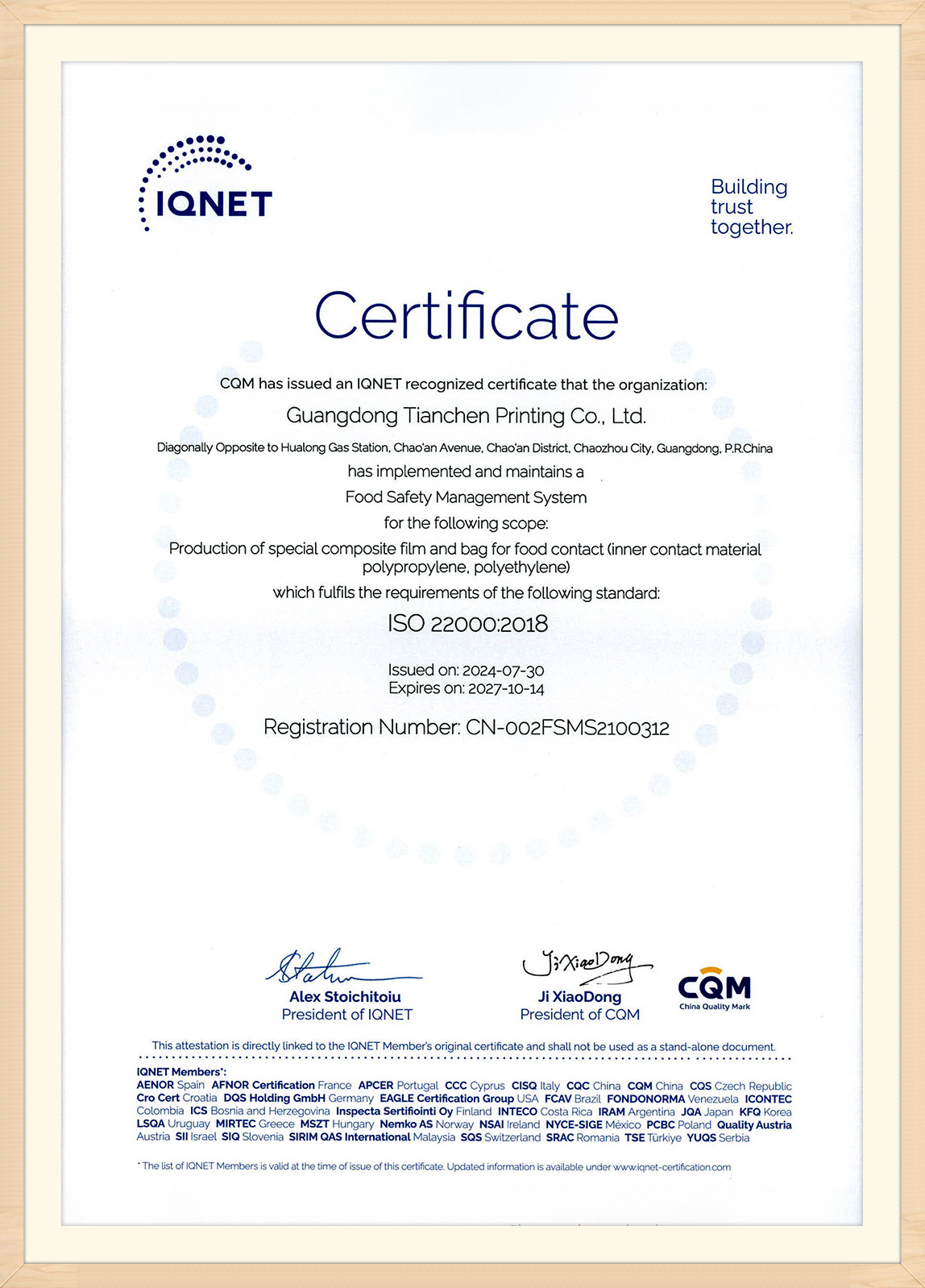
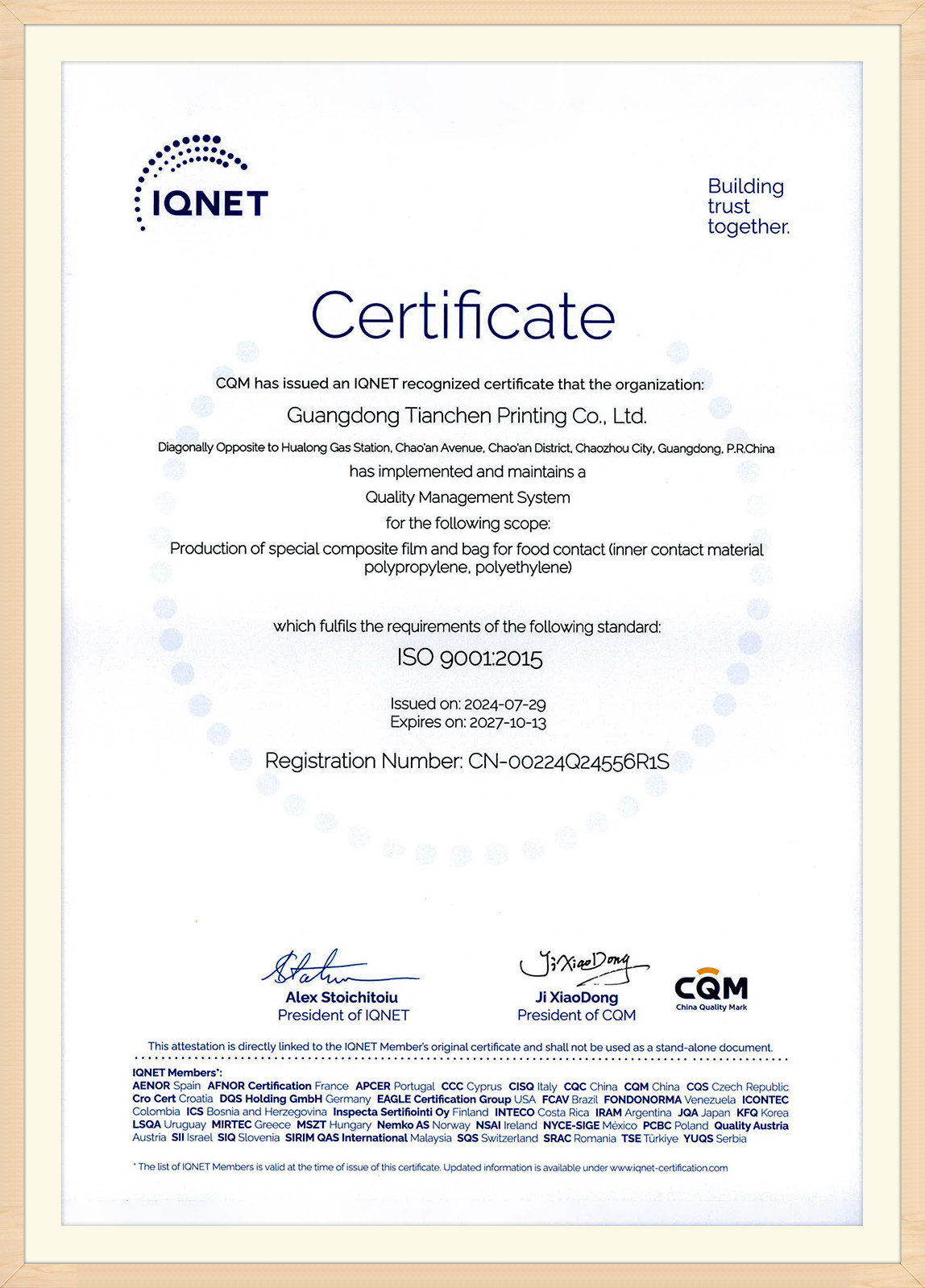
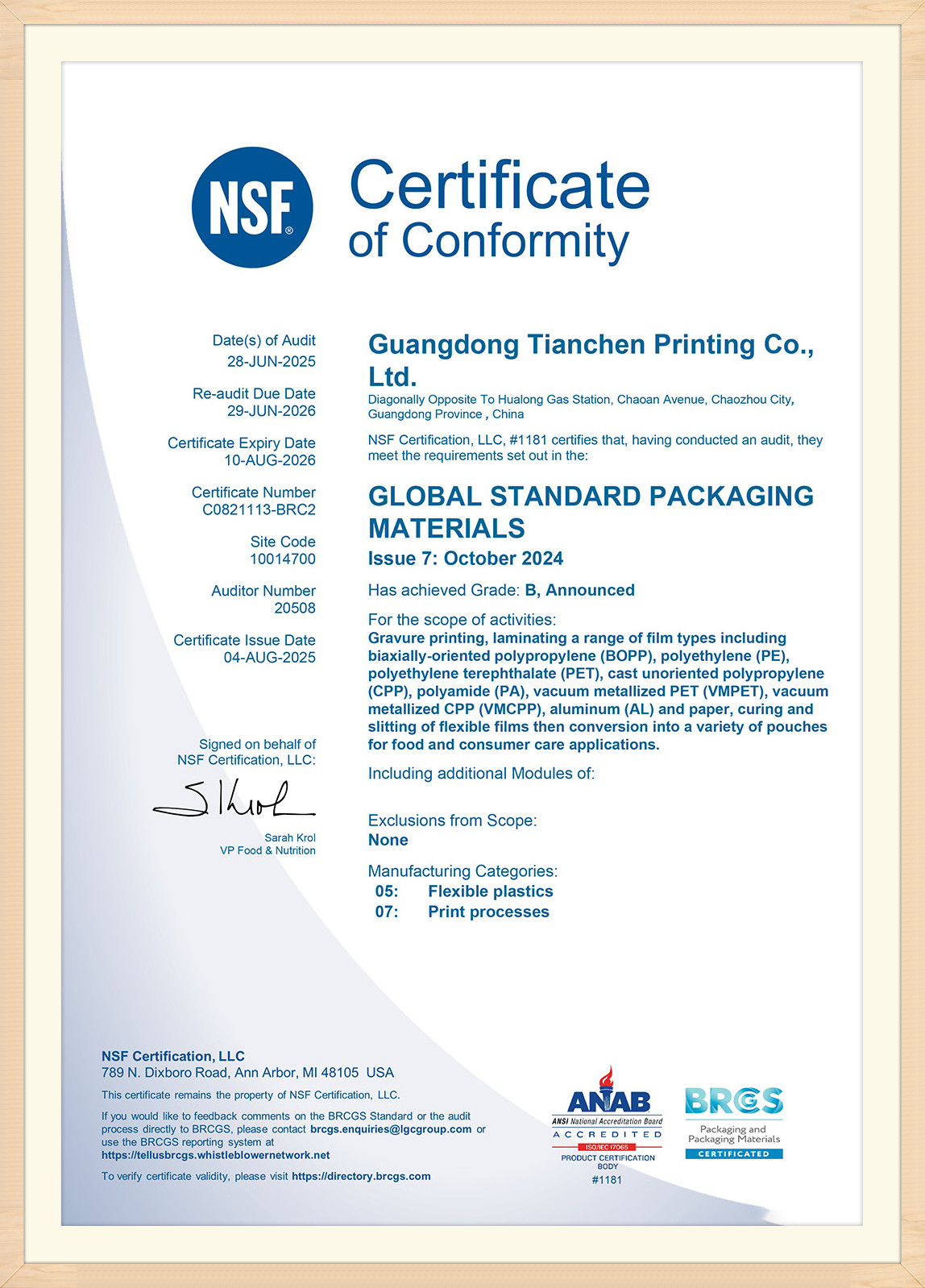
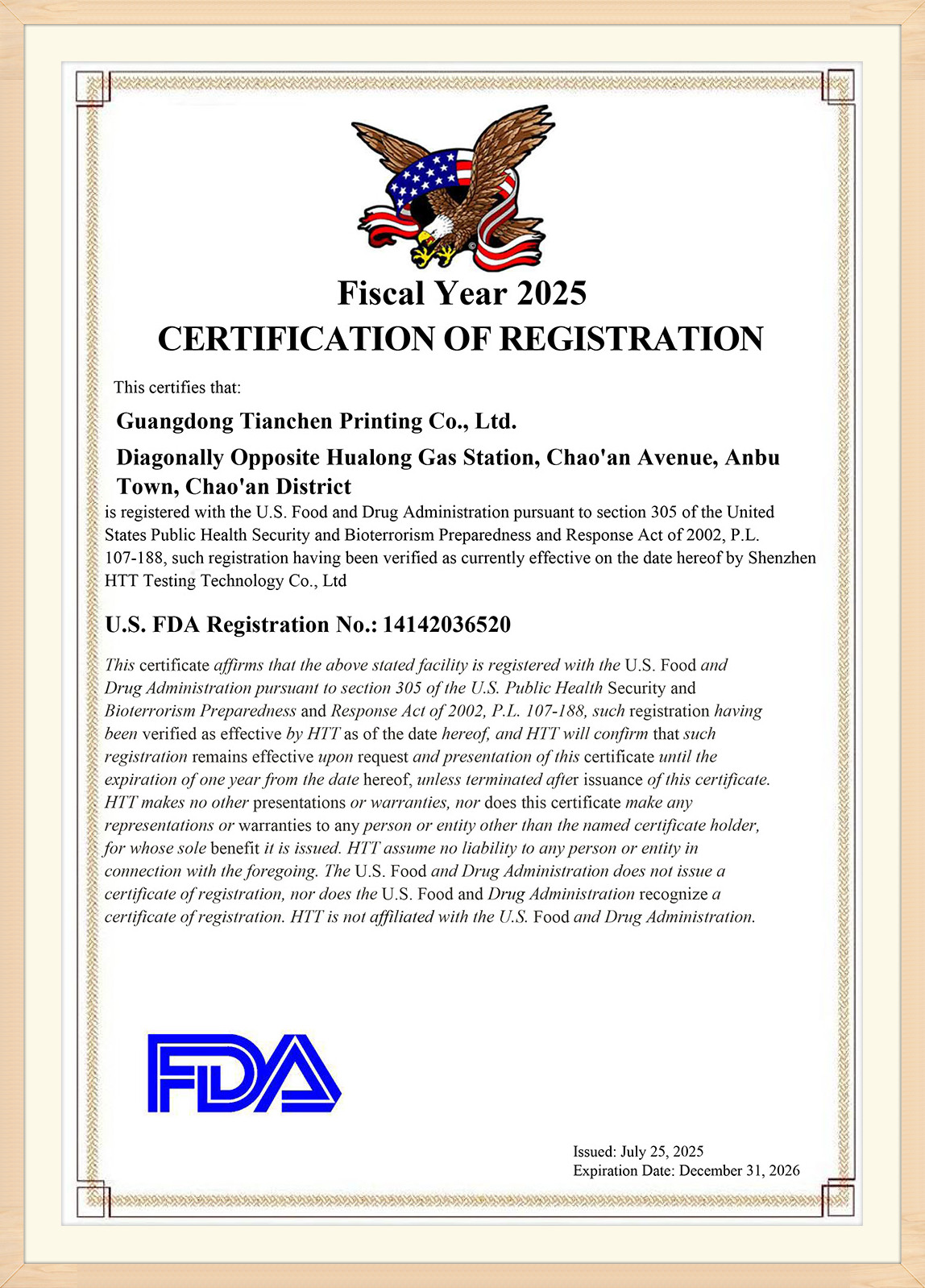
We persist in investing in R&D, upgrading printing technologies and processes, and developing eco-friendly, high-performance packaging materials to keep pace with industry trends and client demands. Simultaneously, we adhere to global standards in production and management, obtain international certifications, and expand our global service network to integrate into the international mainstream market.
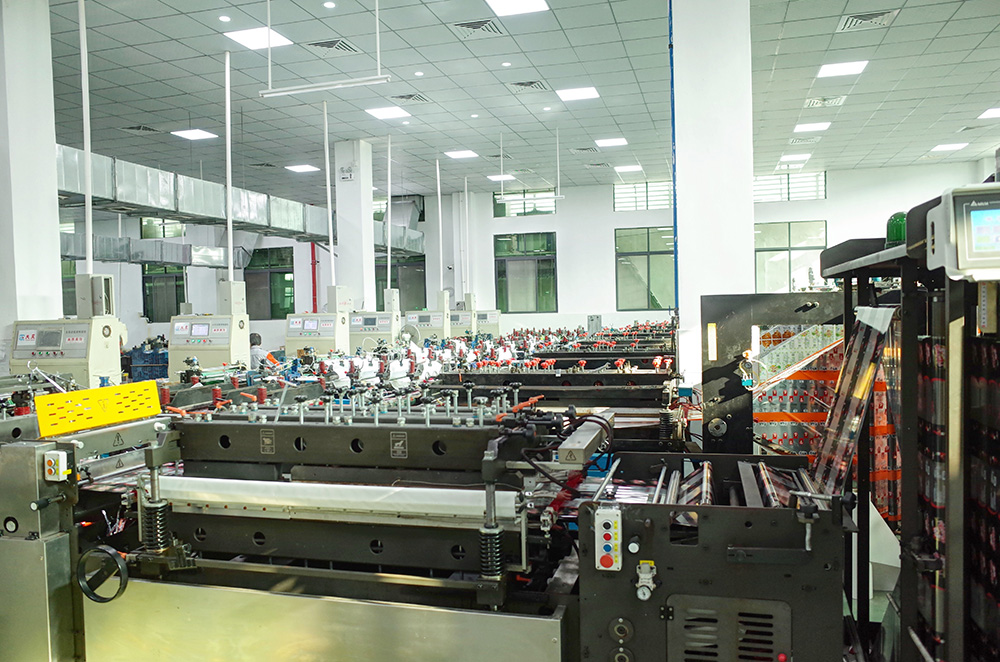
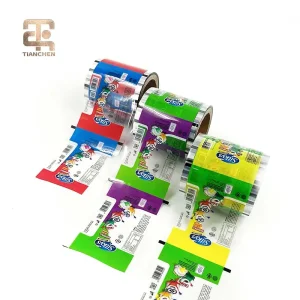
Our one-stop service model integrates structural design, high-fidelity rotogravure plate-making, multi-layer laminating, precision pouch converting, and online quality inspection. By introducing advanced intelligent production equipment and digital management systems, we achieve automated operations in key areas such as electronic color matching and defect inspection, assuring extreme batch-to-batch consistency.
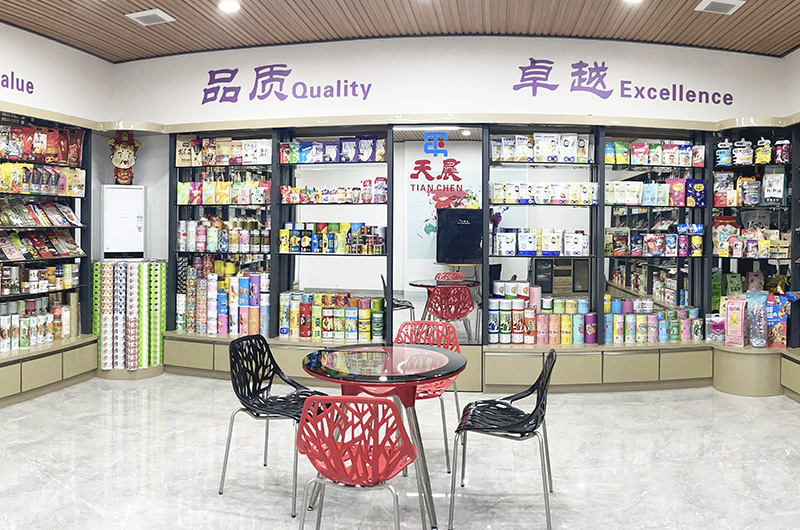
Under the strategy of "innovation and transformation, integrated operation and steady growth", we firmly uphold the concept of sustainable development. We actively adopt green production technologies, reduce energy consumption and environmental impact, and strive to achieve a win-win situation between economic benefits and social responsibility. Our goal is to become a first-class enterprise in the global mainstream printing market, providing more high-quality and efficient packaging solutions for global clients.
Global regulatory compliance is our primary commitment. Choose Guangdong Tianchen for packaging that delivers beyond expectations.
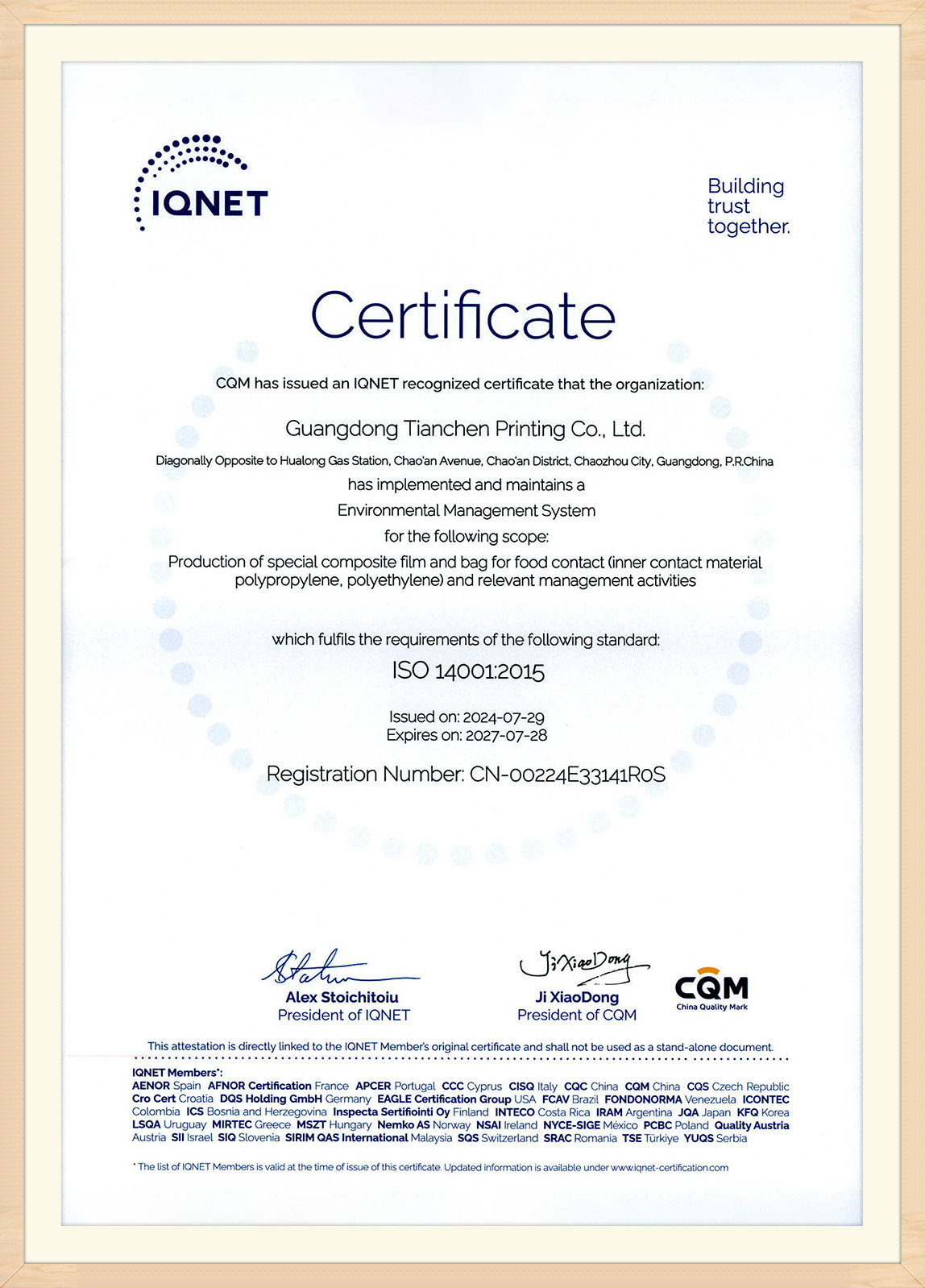
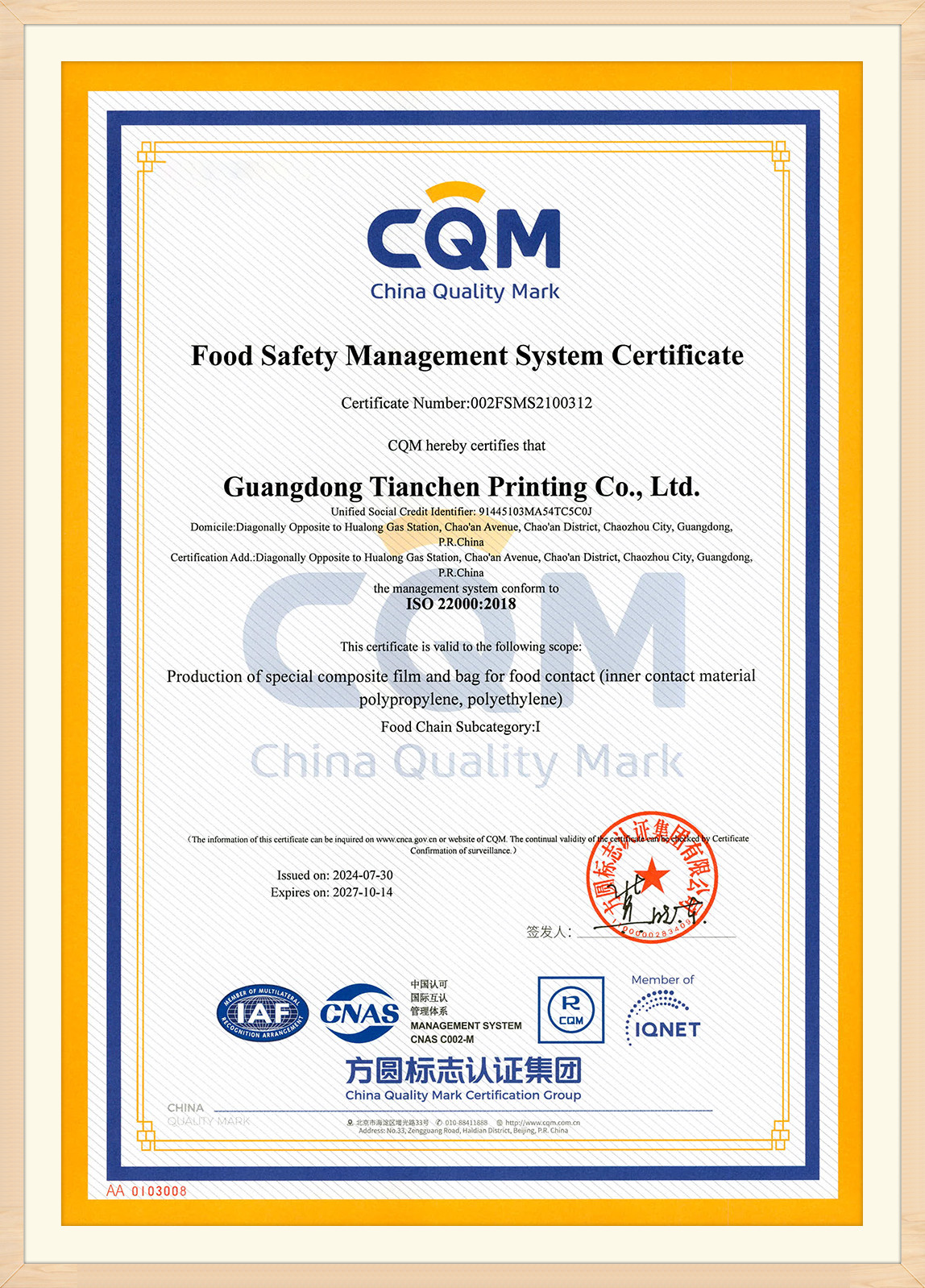
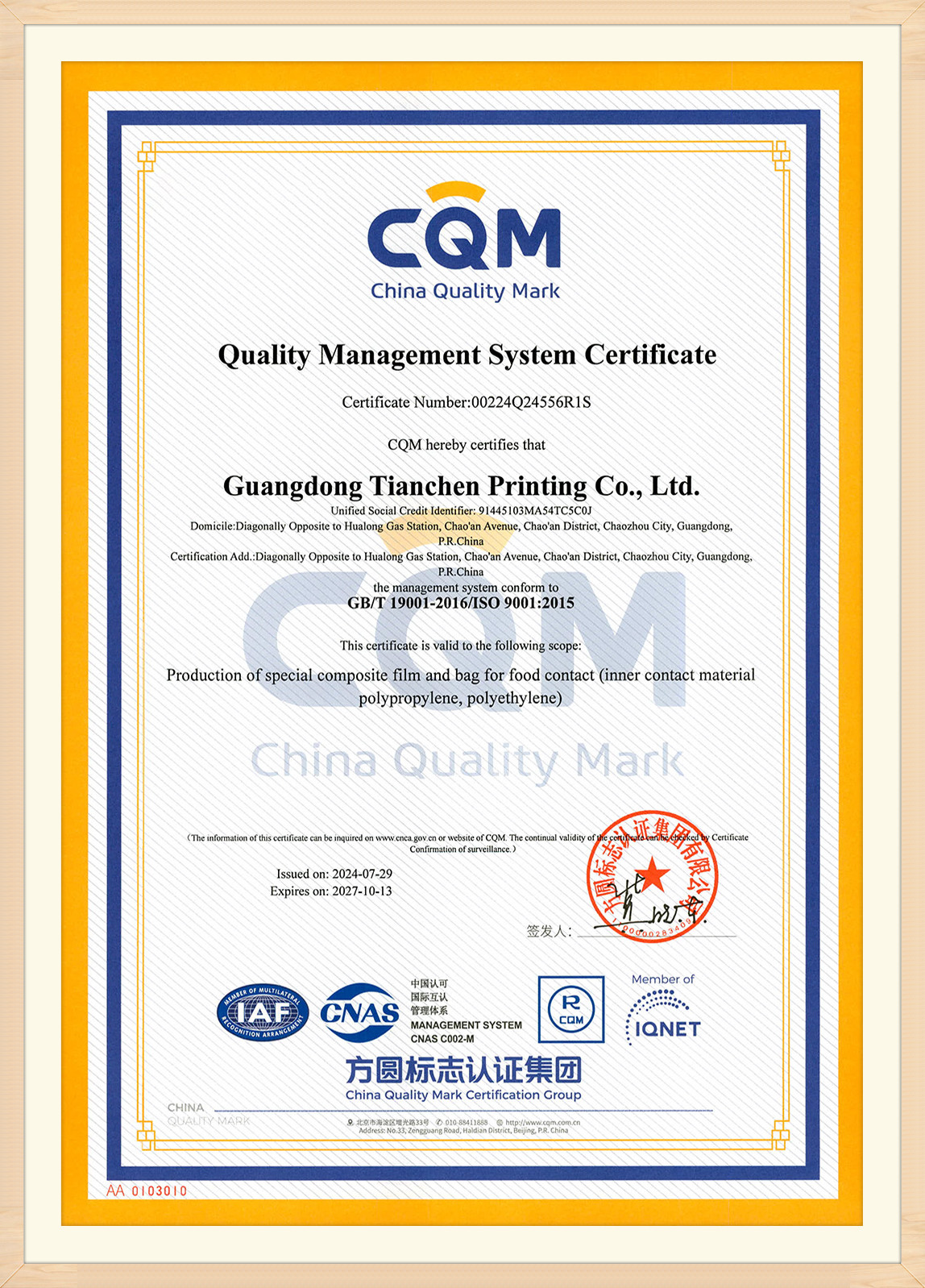
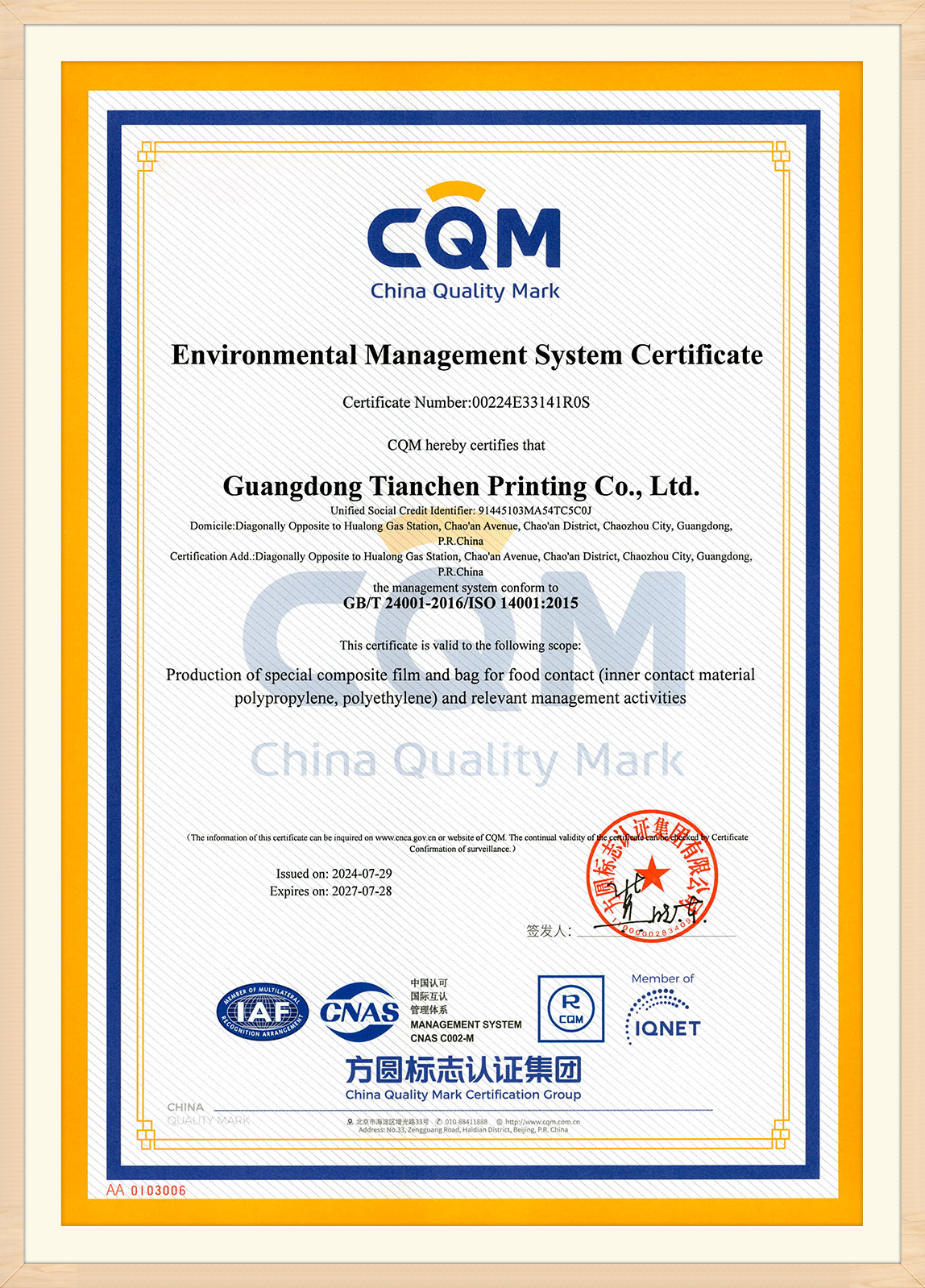
Why leveraging Southern China's industrial clusters delivers decisive cost, speed, and technical benefits to global procurement networks.
The manufacturing ecosystem of Southern China, particularly the Greater Bay Area in Guangdong, represents the most dense, agile, and integrated flexible packaging supply cluster on earth. In this industrial cluster, all upstream and downstream stages—including petrochemical resin refinement, high-precision blown film extrusion, customized copper cylinder gravure engraving, solventless adhesive lamination, and automated bag-making—occur within a 50-kilometer radius. This industrial proximity eliminates transit bottlenecks, slashes lead times, and allows for rapid raw material sourcing. While domestic manufacturers in North America or Europe regularly quote production lead times of 8 to 12 weeks, Guangdong Tianchen achieves a standard production cycle of 14 to 21 days from digital proof sign-off to container loading.
This massive structural efficiency is coupled with a major cost advantage that does not compromise quality. Through high-volume material purchases, automated high-speed electronic shaft rotogravure presses (operating at speeds up to 350 meters per minute), and AI-driven quality checking systems that run continuously, production overhead is dramatically reduced. These savings are passed directly to our global clientele. Additionally, our strategic access to major global shipping networks—including the deep-water ports of Shenzhen, Guangzhou, and Hong Kong—guarantees consistent access to direct container shipping routes. This minimizes sea transit times and ensures reliable cargo space, even during periods of global logistical constraints.
Deep-dive technical insights covering mechanical structural properties, materials compatibility, and global compliance standards.
A traditional Doypack relies on a curved bottom seal to stand, which can cause the pack to sway or roll forward when filled with high-density items. In contrast, flat bottom gusset bags utilize four vertical seals and a completely flat rectangular base. This mechanical configuration distributes the product weight evenly, ensuring the bag remains perfectly upright on retail shelves, eliminating product slump, and providing a clean, box-like appearance that maximizes space efficiency by up to 30%.
Yes. Traditionally, high-barrier bags required multiple material types (such as PET/AL/PE), making them challenging to recycle. We have engineered advanced mono-material solutions utilizing MDO-PE (Machine Direction Oriented Polyethylene) laminated with EVOH-PE co-extruded films. This formulation delivers exceptional oxygen and moisture barrier properties (OTR < 0.5 cc/m²/24hr) while remaining fully recyclable within standard PE recovery streams, complying with European circular economy directives.
We utilize fully automated electronic line shaft (ELS) rotogravure printing presses equipped with integrated smart camera systems. These cameras scan the web in real-time at 300+ frames per second, automatically adjusting the registration cylinders to within ±0.1mm tolerance. Color consistency is managed using X-Rite spectrophotometers to ensure precise alignment with the Pantone Matching System (PMS) and client-approved digital proofs across large production runs.
For heavy-payload packaging, we incorporate Biaxially Oriented Nylon (BOPA) layers into the laminate structure. BOPA has exceptional tensile strength and impact resistance, cushioning the bag against drop and vibration forces. Additionally, we formulate the inner sealing layer with specialized Metallocene Linear Low-Density Polyethylene (mLLDPE), which provides wider sealing windows and outstanding seal strength, preventing stress cracking at the gusset corners.
Solventless lamination uses 100% solid adhesives that cure through a chemical reaction without requiring solvents. This eliminates the risk of solvent retention, guaranteeing that zero volatile organic compounds (VOCs) migrate into food or pharmaceutical products. Furthermore, solventless lamination significantly reduces energy consumption since drying tunnels are not required, lowering the carbon footprint of the manufacturing process.
Freshly roasted coffee beans release significant volumes of carbon dioxide (CO2). If packaged in an airtight bag without a valve, the gas will expand the package, eventually causing it to burst. Our high-performance one-way degassing valves allow CO2 to escape while preventing external oxygen from entering the pouch. This protects the delicate oils in the coffee from oxidation, maintaining product freshness and aroma.
 TIANCHEN PRINTING