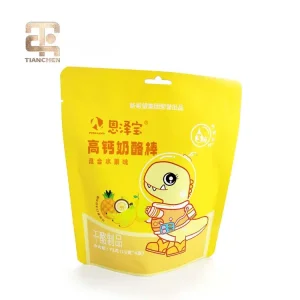
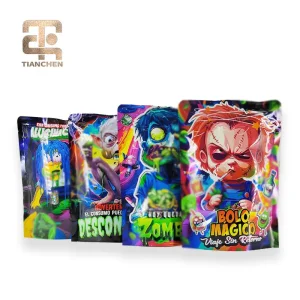
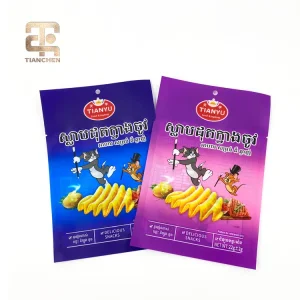
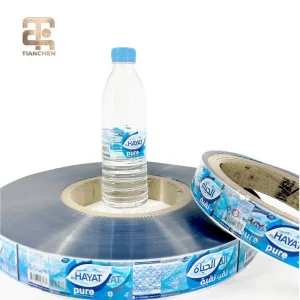
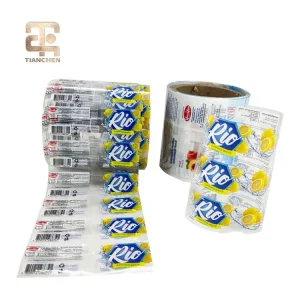
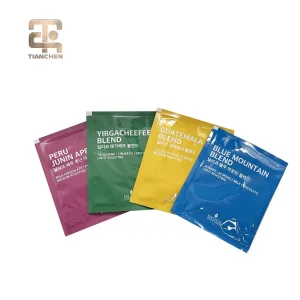
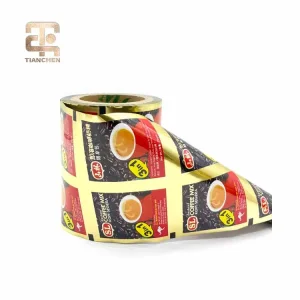
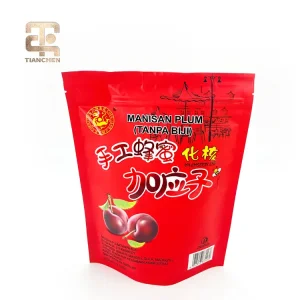
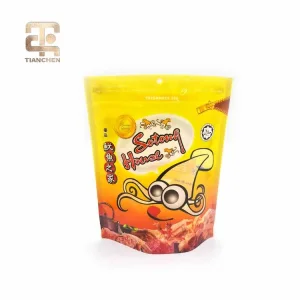
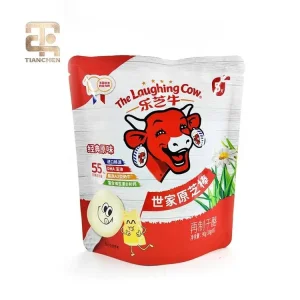
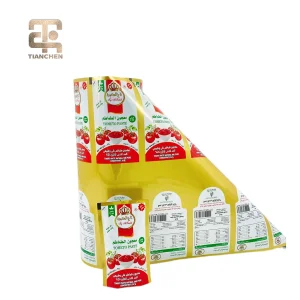
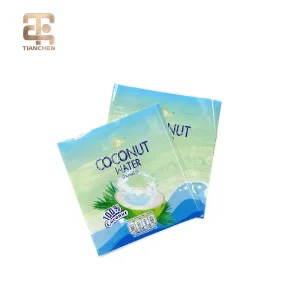
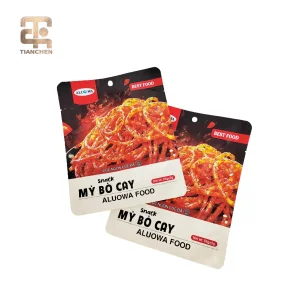
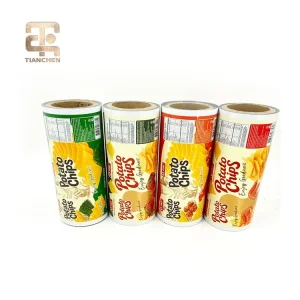
High-performance laminated structures tailored for global market requirements.
Hot lamination film, fundamentally composed of base polymers like Biaxially Oriented Polypropylene (BOPP), Biaxially Oriented Polyethylene Terephthalate (BOPET), or Nylon (BOPA), acts as the primary barrier and aesthetic surface in high-integrity packaging systems. The underlying material engineering incorporates a co-extruded thermal adhesive layer—typically Ethylene Vinyl Acetate (EVA) or modified polyolefin copolymers. Under precisely calibrated heat (ranging from 95°C to 125°C) and pressure, the EVA crystalline matrix melts, flowing into the microscopic pores of the paper or secondary polymeric substrate to form a highly tenacious, mechanically interlocking bond.
"By optimizing the interfacial surface energy and mechanical keying, high-performance hot lamination films achieve an exceptional level of interlayer adhesion (peel strength > 4.5 N/15mm), eliminating the risk of delamination in high-humidity or high-temperature logistics environments."
From a structural engineering perspective, hot lamination film is not merely a protective layer; it is a critical functional element that enhances mechanical properties, optimizes moisture barriers, and delivers the necessary oxygen barrier (OTR) and water vapor transmission rate (WVTR) required by demanding industrial, pharmaceutical, and high-end consumer applications. Its chemical stability ensures compatibility with subsequent converting operations, including die-cutting, embossing, and localized UV varnishing.
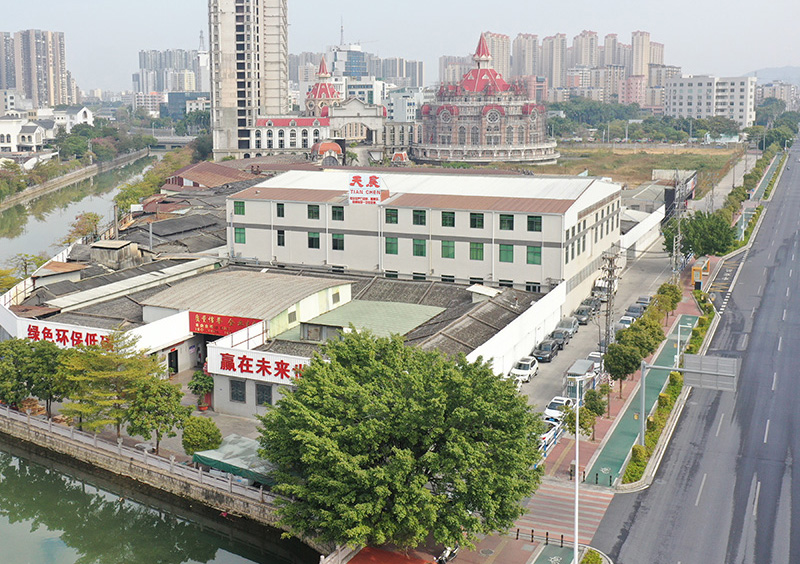
We are a professional printing and manufacturing team boasting more than 20 years of profound experience in the flexible packaging industry. Rooted in Guangdong, a hub of manufacturing and international trade in China, Tianchen Printing has grown into a reliable partner for global clients by focusing on rotogravure printing, laminating, and converting services for flexible packaging solutions.
Our business covers a diverse range of industries worldwide, including food and beverage, pharmaceuticals, daily chemicals, electronics, and agriculture. We tailor packaging solutions to meet the unique needs of each sector, from moisture-proof packaging for snacks to high-barrier films for pharmaceuticals, ensuring product safety, shelf appeal, and transportation stability. Over the years, we have established long-term cooperative relationships with clients from Europe, North America, Southeast Asia, and other regions, winning wide recognition for our consistent quality and professional service.
Innovation, Internationalization, Integration, Intelligentization
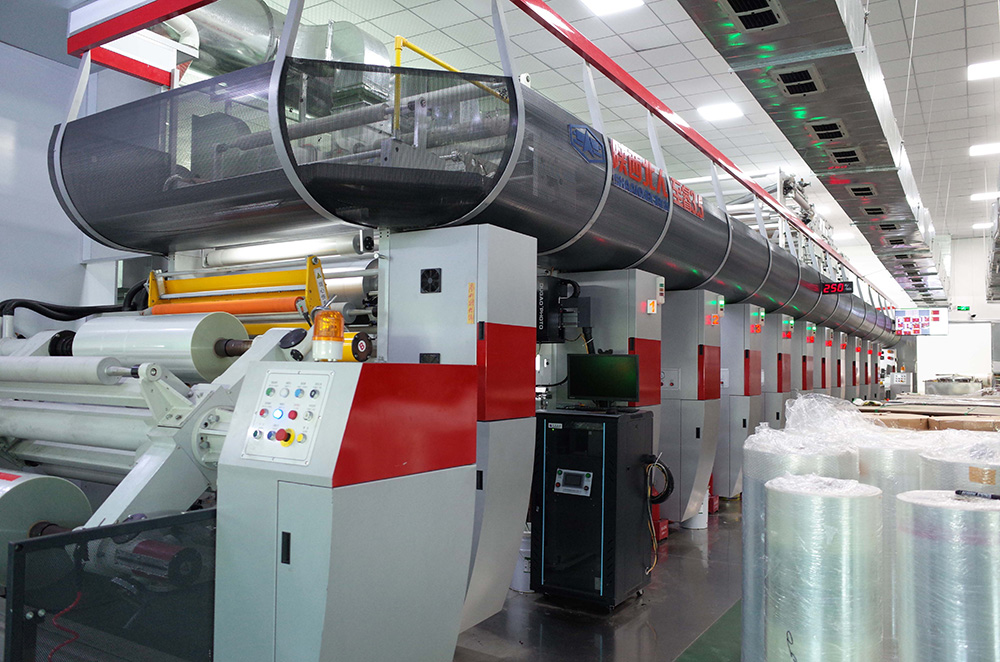
Guided by our core four "IN" concepts, we persist in investing in R&D, upgrading printing technologies and processes, and developing eco-friendly, high-performance packaging materials to keep pace with industry trends and client demands.
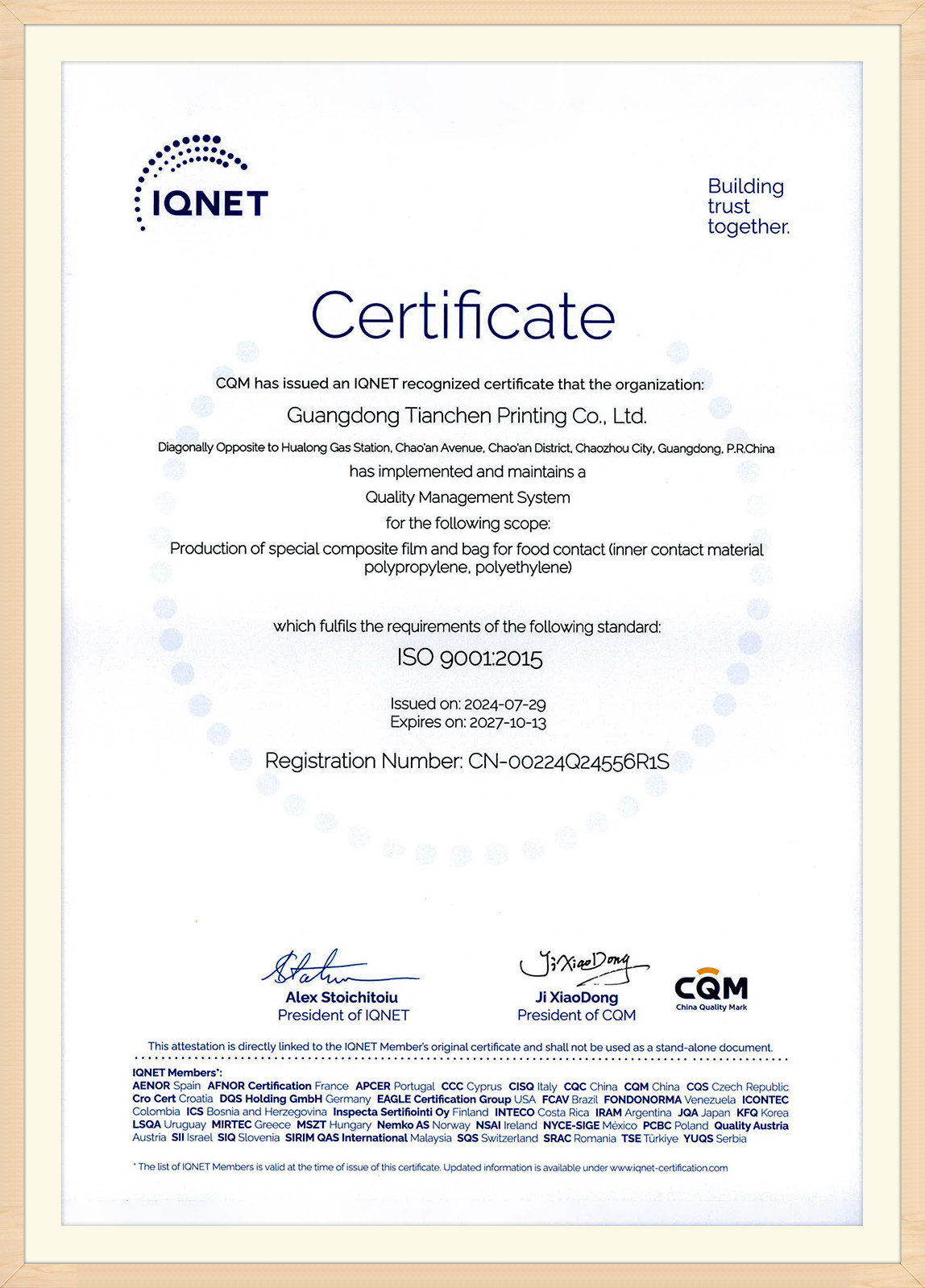
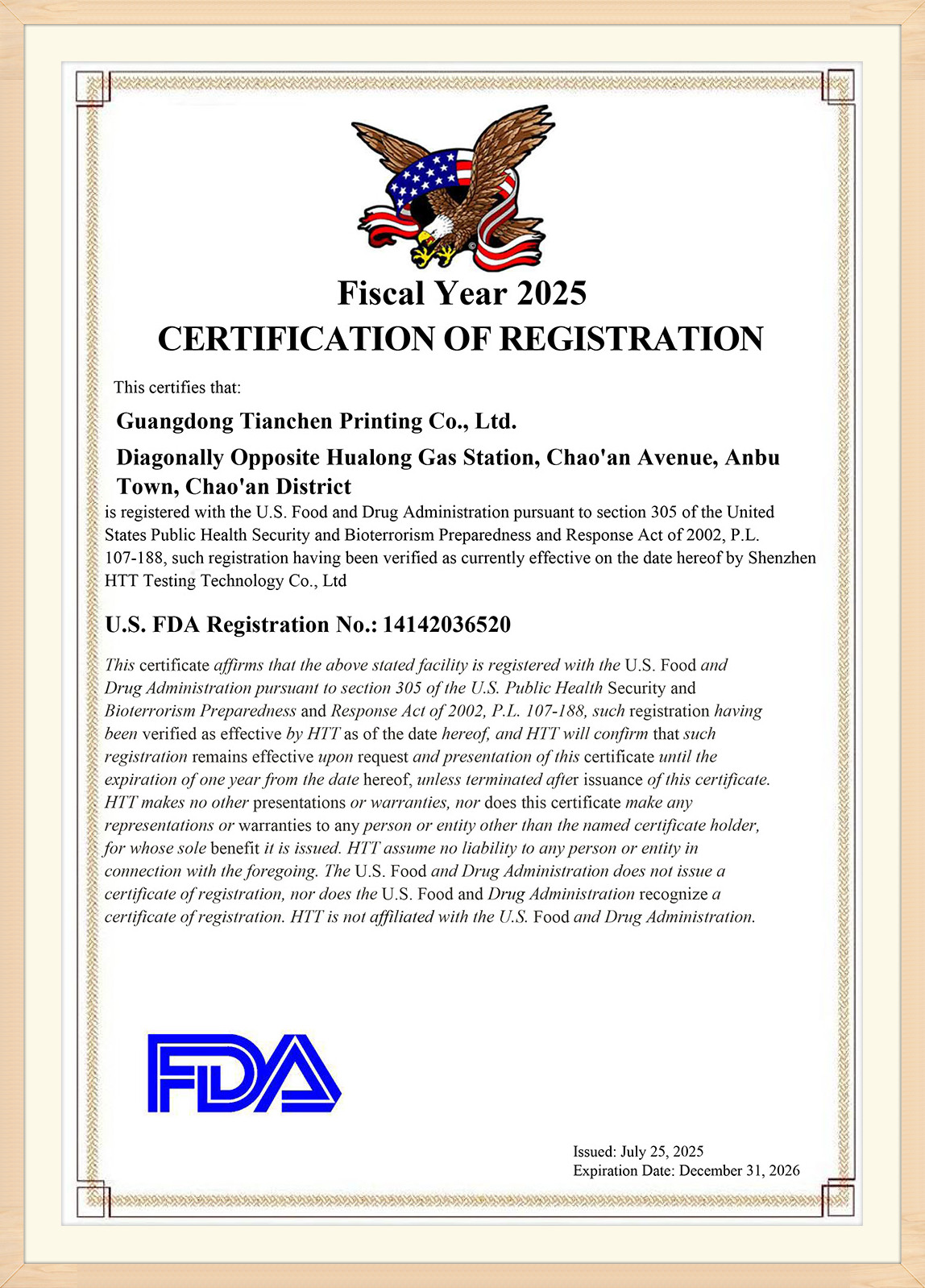
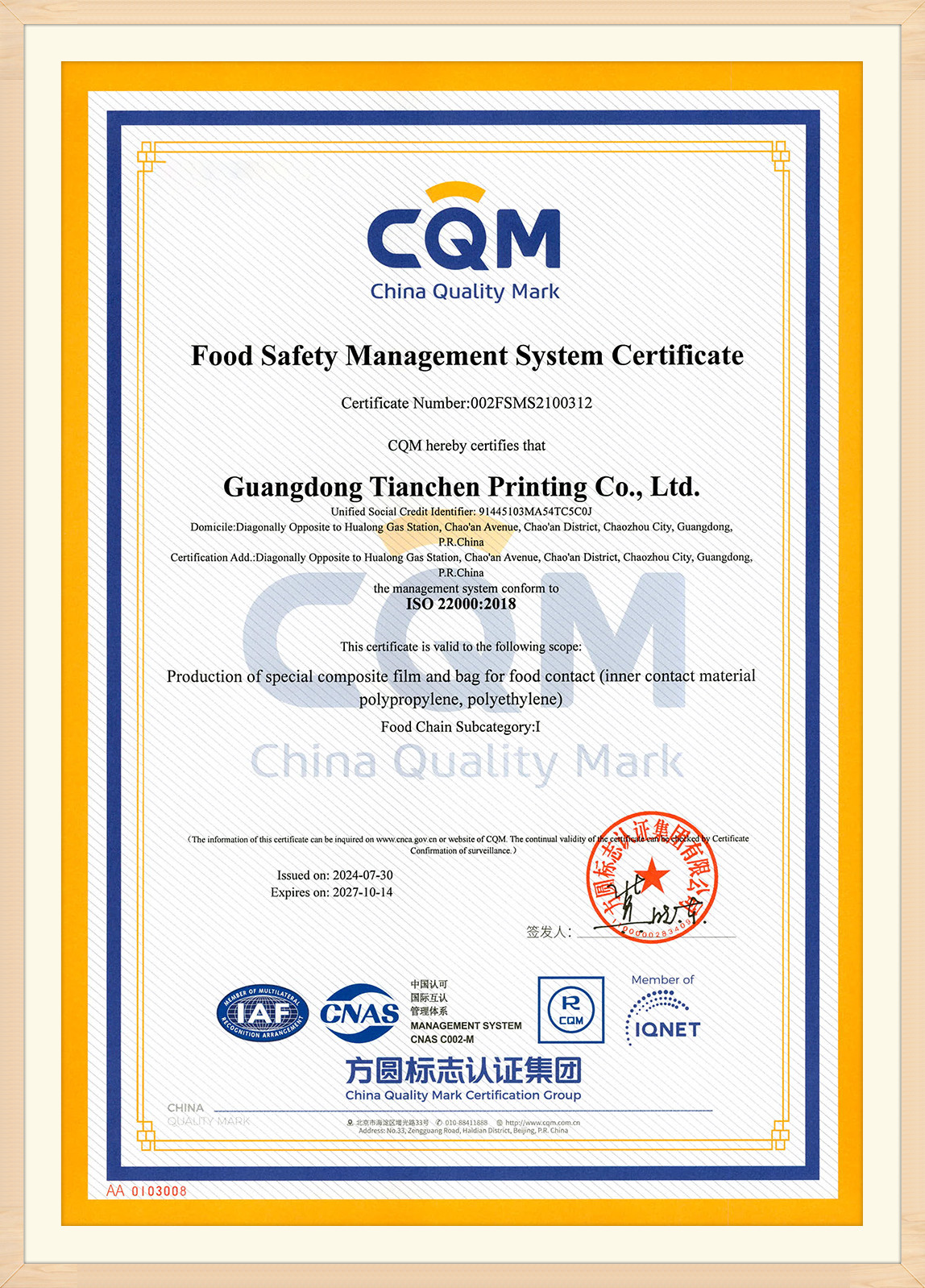
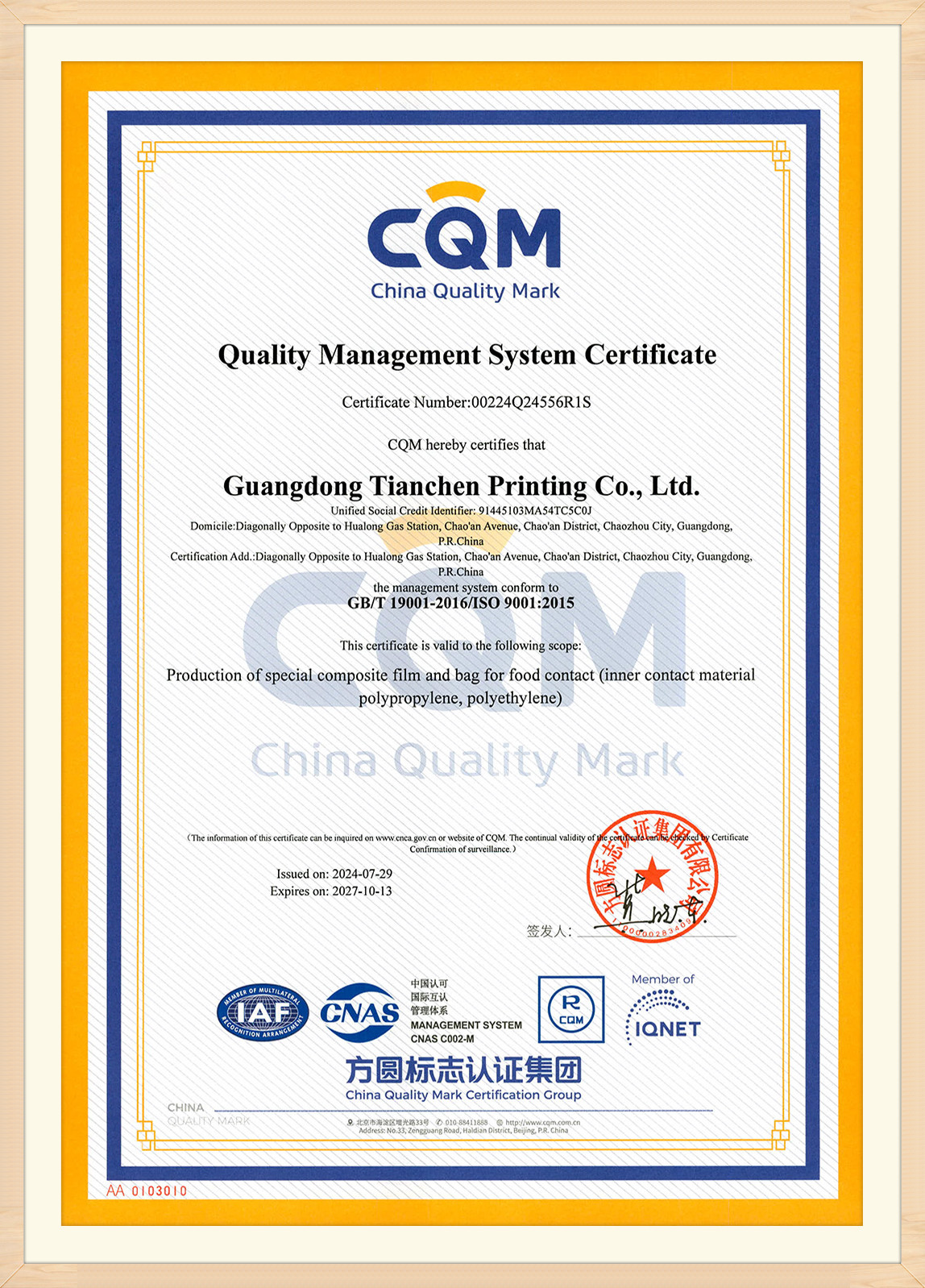
We adhere to global standards in production and management, obtain international certifications, and expand our global service network to integrate into the international mainstream market.
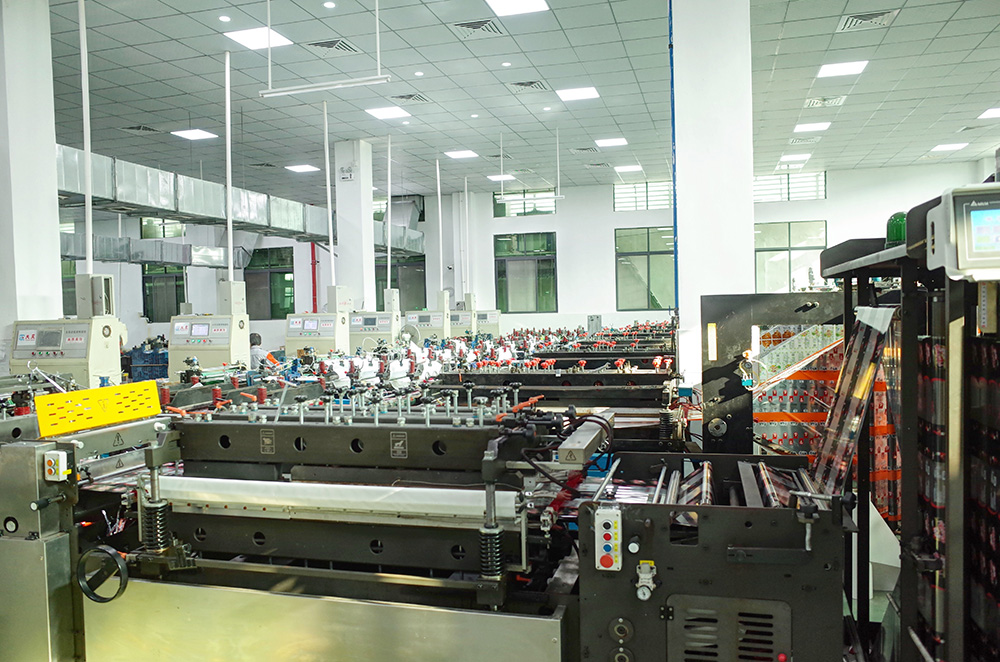
Our one-stop service model integrates design, printing, laminating, converting, and quality inspection. By optimizing the industrial chain layout, we streamline the production process, reduce costs for clients, and ensure efficient delivery.
We have introduced advanced intelligent production equipment and digital management systems, realizing automated operations in key links such as color matching and quality control, which improves production efficiency and product consistency.
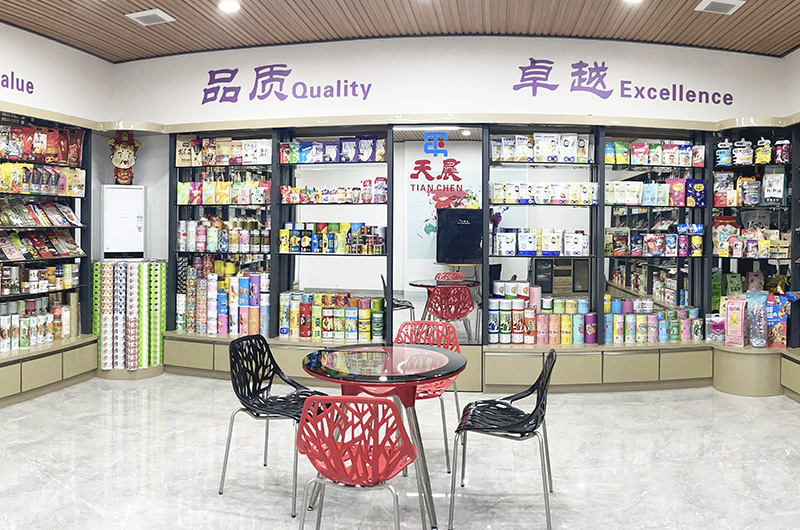
Under the strategy of "innovation and transformation, integrated operation and steady growth", we firmly uphold the concept of sustainable development. We actively adopt green production technologies, reduce energy consumption and environmental impact, and strive to achieve a win-win situation between economic benefits and social responsibility. Our goal is to become a first-class enterprise in the global mainstream printing market, providing more high-quality and efficient packaging solutions for global clients.
The global demand for high-performance laminates is heavily influenced by strict safety requirements and regional environmental mandates. In highly regulated markets such as North America (FDA standards) and the European Union (under EC regulations for food contact plastics), hot lamination film formulations must comply with strict raw material guidelines.
Traditional formulations are evolving toward mono-material structures (such as BOPE/PE systems) to enable simplified sorting and recycling workflows within municipal solid waste streams.
From a regional perspective, the manufacturing centers of Southeast Asia and East Asia have integrated advanced processing systems to meet high-volume global demands. Concurrently, Western markets are shifting focus toward high-barrier laminates that extend shelf life for minimally processed organic products. As top-tier ODM partners, Guangdong Tianchen Printing balances regional compliance with advanced barrier engineering. Our systems combine excellent chemical barrier protection with reliable sealability, satisfying both complex logistics demands and regulatory compliance.
The development of premium flexible lamination packaging requires advanced polymer processing and strict adherence to structural tolerances. Tianchen Printing uses high-speed rotogravure presses capable of handling multi-layer barrier structures with excellent tension and register control. Our typical high-performance compositions include:
By monitoring the corona treatment levels (typically maintained above 38-40 dynes/cm on key film types) and optimizing the curing temperature within specialized chambers, we ensure our laminate films achieve excellent bonding. This precision engineering helps prevent delamination, tunneling, or optical defects during post-processing operations like bag-making, pouch-sealing, or pasteurization.
Choose TopfeelPack for packaging that delivers beyond expectation
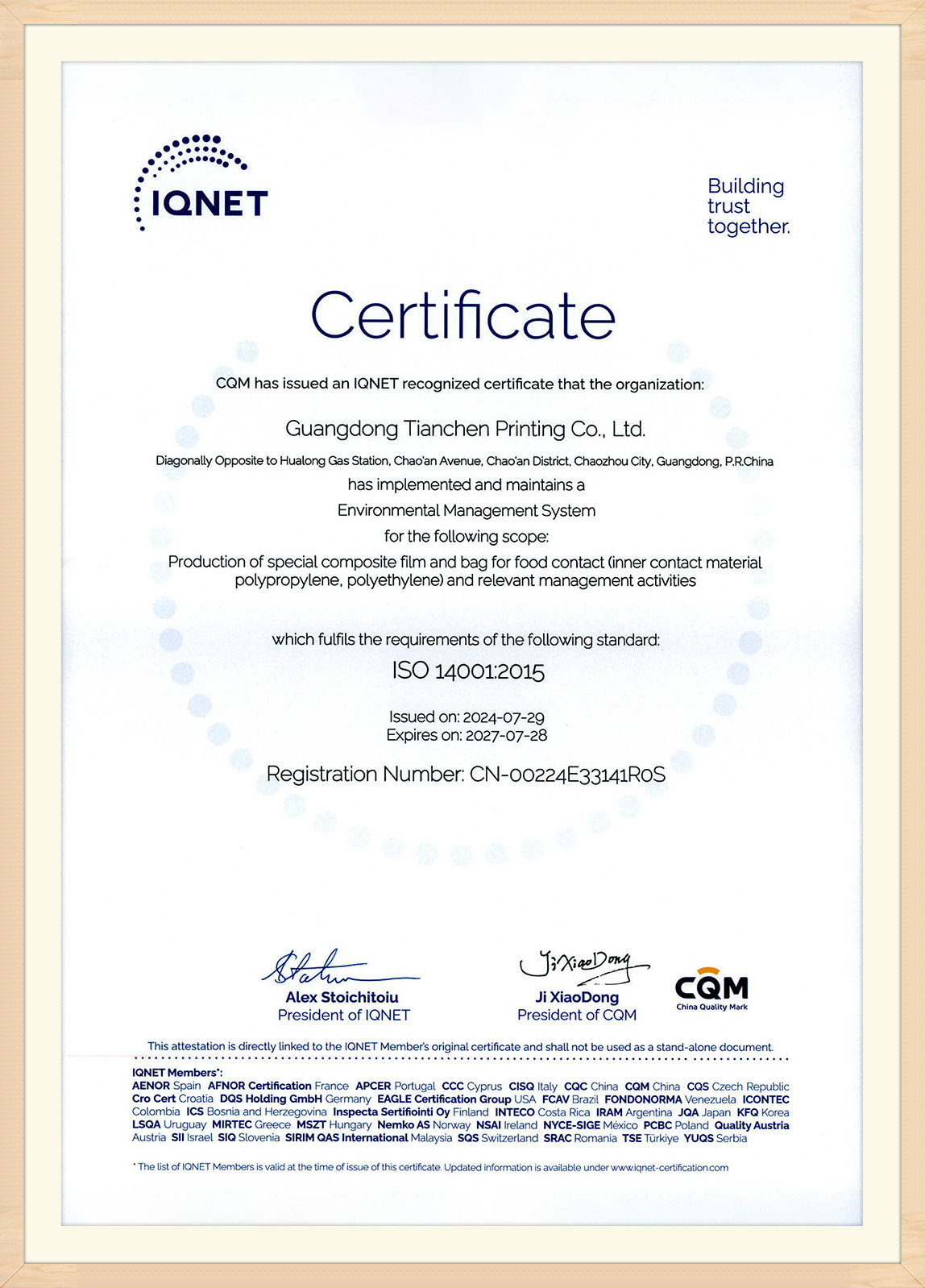
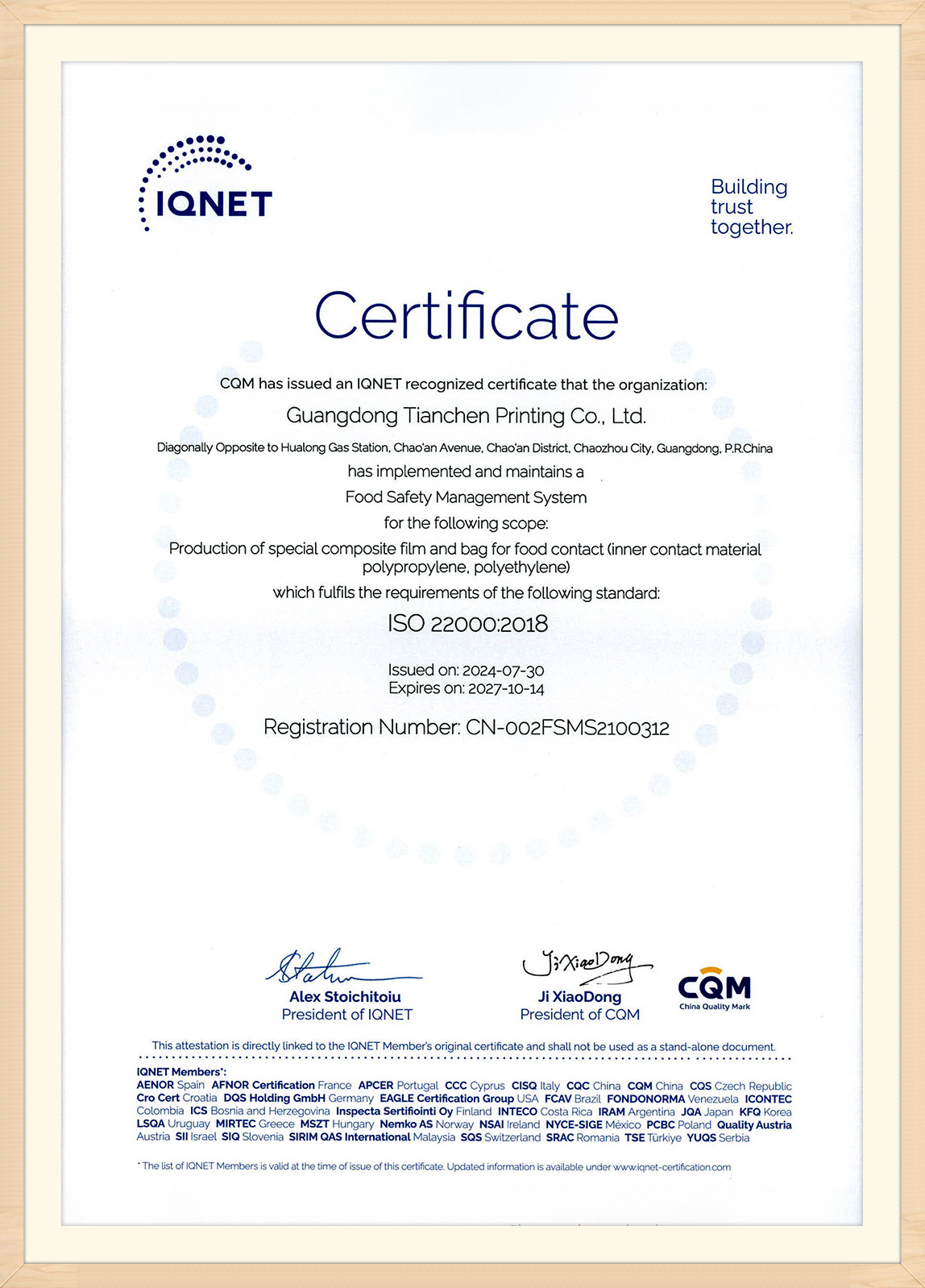

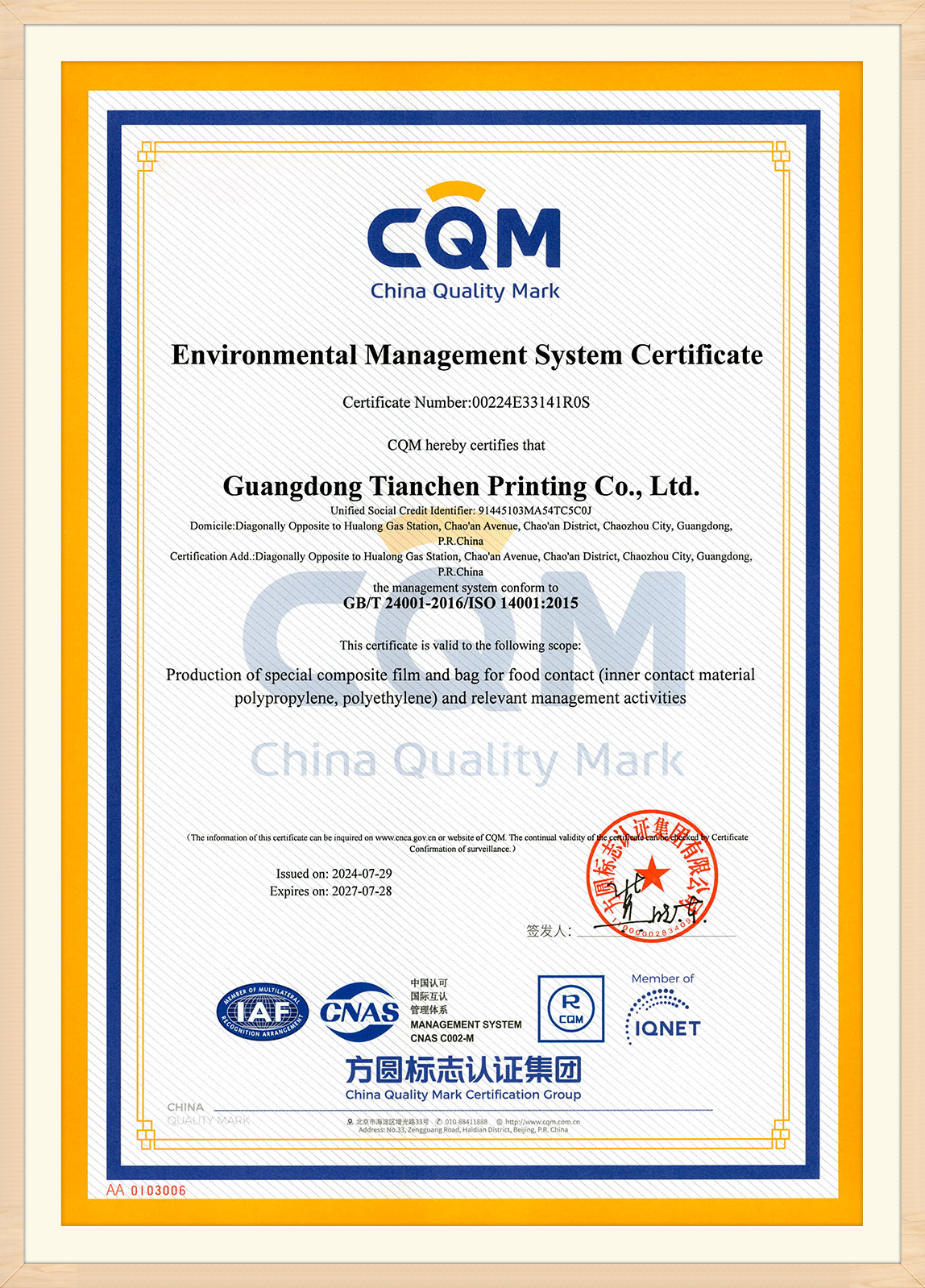
Modern industrial packaging requires versatile substrates capable of performing across diverse environments. As specialized ODM/OEM suppliers, our systems are optimized for specific industrial sectors:
A1: The most common base polymers are BOPP, BOPET, and BOPA (Nylon). BOPP offers excellent cost efficiency, exceptional clarity, and strong moisture barriers, making it ideal for food pouches. BOPET provides superior tensile strength, optical gloss, and high-temperature resistance, making it perfect for multi-layer high-barrier structures. BOPA provides outstanding puncture resistance, chemical stability, and structural toughness, which are essential for heavy-duty industrial or vacuum-packed applications.
A2: Corona treatment uses high-voltage electrical discharge to modify the surface of polymer films, increasing surface energy and polar site concentration. For optimal bonding with ink and laminating adhesives, film surfaces should ideally maintain a surface energy level above 38-40 dynes/cm. Insufficient treatment can lead to delamination, ink transfer failures, and reduced bond strength during sealing.
A3: Yes, we customize packaging structures specifically for high-temperature applications. By utilizing specialized retort-grade adhesive systems paired with cast polypropylene (CPP) or BOPA base layers, our laminated pouches can withstand retort temperatures of up to 121°C or 135°C without compromising barrier properties or structural integrity.
A4: We use high-precision rotogravure printing presses equipped with advanced automatic registration and viscosity control systems. This is supported by our digital color management workflow (using spectrophotometers and standardized proofing), ensuring delta-E values remain within strict client specifications.
A5: For highly moisture-sensitive materials, we recommend multi-layer structures containing aluminum foil, such as PET/AL/PE or PET/VMPET/PE. Aluminum foil serves as an exceptional barrier, providing near-zero moisture vapor transmission rates (MVTR) and excellent oxygen protection, which significantly extends product shelf life.
Engineered multi-layer films and protective wraps optimized for high-efficiency packing lines.
 TIANCHEN PRINTING