Engineered with multi-layer barrier tech, high-purity laminating chemistry, and advanced surface treatments to deliver robust packaging performance across industrial boundaries.
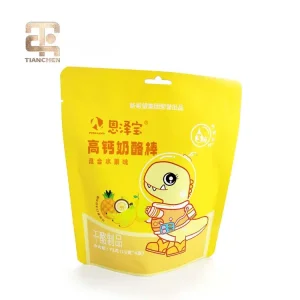
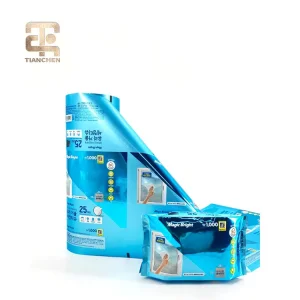
In the highly competitive display, consumer electronics, and automotive instrument panel markets, the pursuit of flawless visual transmission, structural integrity, and durability has driven significant innovation. At the core of these technological achievements is the Optically Clear Adhesive (OCA) Film. An OCA film is a highly specialized, solvent-free, and optical-grade adhesive system engineered to bond key components of display assemblies, touch panels, cover lenses, and flexible sensors together without introducing optical distortion, haze, or structural instability.
Information Gain Insight: Unlike standard packaging laminations, high-end optical lamination requires a refractive index (RI) precision matched precisely to cover glass (typically n ≈ 1.49 to 1.51) or specialized PET/COP sensors. Disrupting this optical path even by 0.01 RI units can trigger unwanted light reflection, loss of contrast, and increased energy consumption under bright ambient light conditions.
For global procurement executives and research & development leads, sourcing high-performance OCA and OCF solutions is no longer a simple transactional purchase. It has become a strategic asset procurement task that requires selecting an ODM factory capable of maintaining extreme cleanliness (Class 100 cleanroom environments), utilizing advanced slot-die coating technology, and deploying comprehensive quality validation matrices. Over the past 20 years, Guangdong Tianchen Printing Co., Ltd. has established deep expertise in precision coating, multi-layer co-extrusion barrier films, rotogravure printing, and functional converting services, forming a solid operational foundation to supply cutting-edge adhesive and optical lamination solutions worldwide.
The technical landscape of Optically Clear Adhesive films is undergoing rapid shifts, driven by the emergence of next-generation display formats, including flexible and foldable OLEDs, high-luminance automotive head-up displays (HUDs), and interactive smart home appliances. To stay at the forefront, leading ODM factories must continually evolve their formulation chemistry and substrate processing technologies.
Historically, acrylic-based polymers served as the workhorse for OCA films because of their exceptional initial transparency, strong adhesion profile, and cost effectiveness. However, high-brightness HDR displays and automotive-grade cockpits subject materials to extreme heat (often exceeding 95°C) and intense ultraviolet radiation. The industry is actively transitioning toward organosilicon-based OCAs and UV-curable hybrid formulations. These materials offer unmatched thermal stability, low outgassing characteristics, and high resistance to yellowing and chemical degradation under continuous stress.
A persistent failure mode in laminated plastic substrates (such as polycarbonate or polymethyl methacrylate cover lenses) is the formation of outgassing bubbles. Under high thermal loads, trapped volatile organic compounds or moisture from the plastic substrate escape, forming microscopic bubbles at the interface with the OCA. Modern ODM factories resolve this issue by integrating specialized gas-barrier liners, implementing precise moisture-scavenging resin formulas, and developing viscoelastic properties that allow the adhesive to absorb minor outgassing volumes without structural failure.
Foldable mobile devices demand that OCA films undergo hundreds of thousands of dynamic bending cycles at radius limits below 2.0mm, and across a wide operating temperature range from -20°C to 60°C. The future roadmap relies on low-modulus, high-relaxation polymer chains that exhibit shear behavior during folding, but quickly return to their original layout once flat. This prevents visual deformation, creep, and delamination at the crease zone.
Every end-market requires unique mechanical and physical properties. A true ODM factory configures these specialized parameters directly during the resin synthesis and slot-die coating processes.
Automotive displays require extreme temperature resistance (-40°C to +105°C), low reflection, and anti-shatter characteristics. Our high-durability OCA formulations prevent delamination on curved vehicle displays, resisting severe thermal shock and prolonged solar UV radiation.
Engineered for low elastic modulus and fast shear relaxation. These films survive over 200,000 cyclic folding tests without cracking or exhibiting visual creep, maintaining crystal-clear optical pathways through the folding seam.
Standard acid-containing acrylic films will corrode modern capacitive touch sensor traces (like ITO and silver nanowires). Our ODM formulations utilize acid-free, non-corrosive raw materials to ensure stable resistance values over decades of use.
For outdoor marine or factory control environments, we offer moisture-resistant and high-refractive-index matching layers. These minimize glare, maximize outdoor legibility, and prevent internal moisture fogging under high humidity.
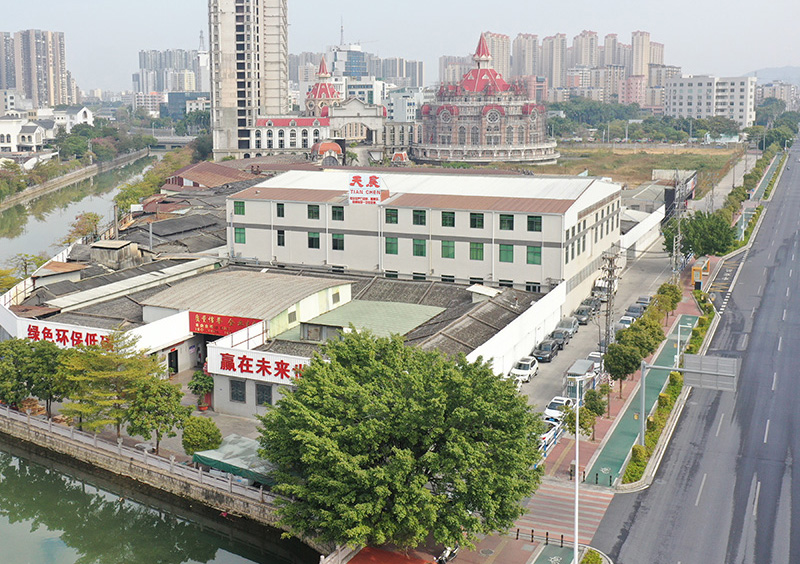
We are a professional printing team boasting more than 20 years of profound experience in the flexible packaging industry. Rooted in Guangdong, a hub of manufacturing and international trade in China, Tianchen Printing has grown into a reliable partner for global clients by focusing on rotogravure printing, laminating, and converting services for flexible packaging solutions.
Our business covers a diverse range of industries worldwide, including food and beverage, pharmaceuticals, daily chemicals, electronics, and agriculture. We tailor packaging solutions to meet the unique needs of each sector, from moisture-proof packaging for snacks to high-barrier films for pharmaceuticals, ensuring product safety, shelf appeal, and transportation stability. Over the years, we have established long-term cooperative relationships with clients from Europe, North America, Southeast Asia, and other regions, winning wide recognition for our consistent quality and professional service.
Guided by our four "IN" concepts, we continuously upgrade our production capabilities to meet the demanding requirements of global electronics, industrial, and consumer markets.
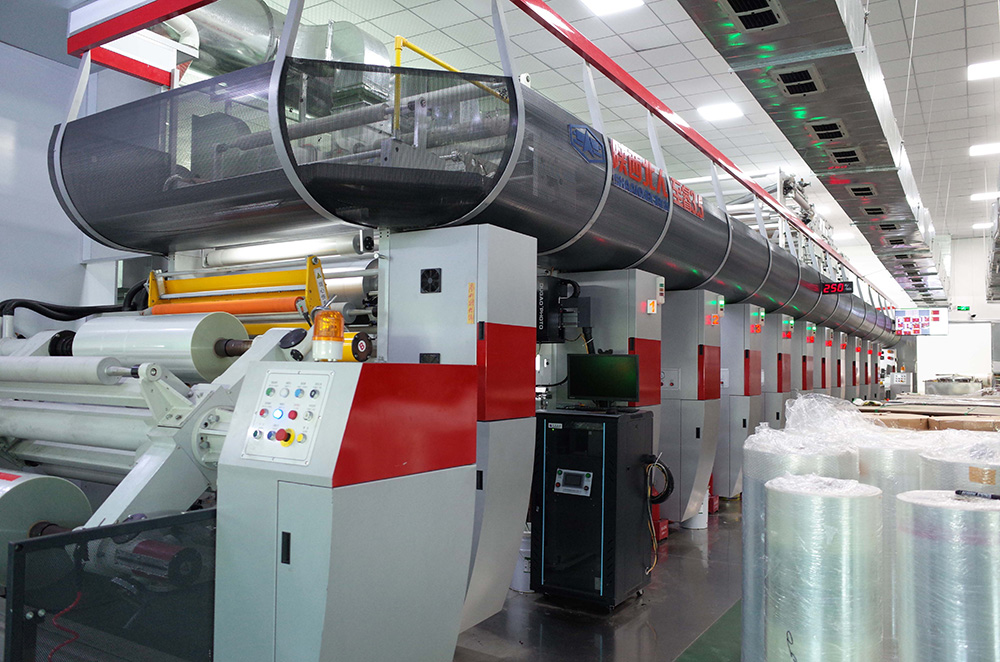
Guided by our core four "IN" concepts, we have forged a clear development path and maintained steady growth in the competitive global market. The first is "Innovation" – we persist in investing in R&D, upgrading printing and coating technologies and processes, and developing eco-friendly, high-performance packaging and film materials to keep pace with industry trends and client demands.
The second is "Internationalization" – we adhere to global standards in production and management, obtain international certifications, and expand our global service network to integrate into the international mainstream market.
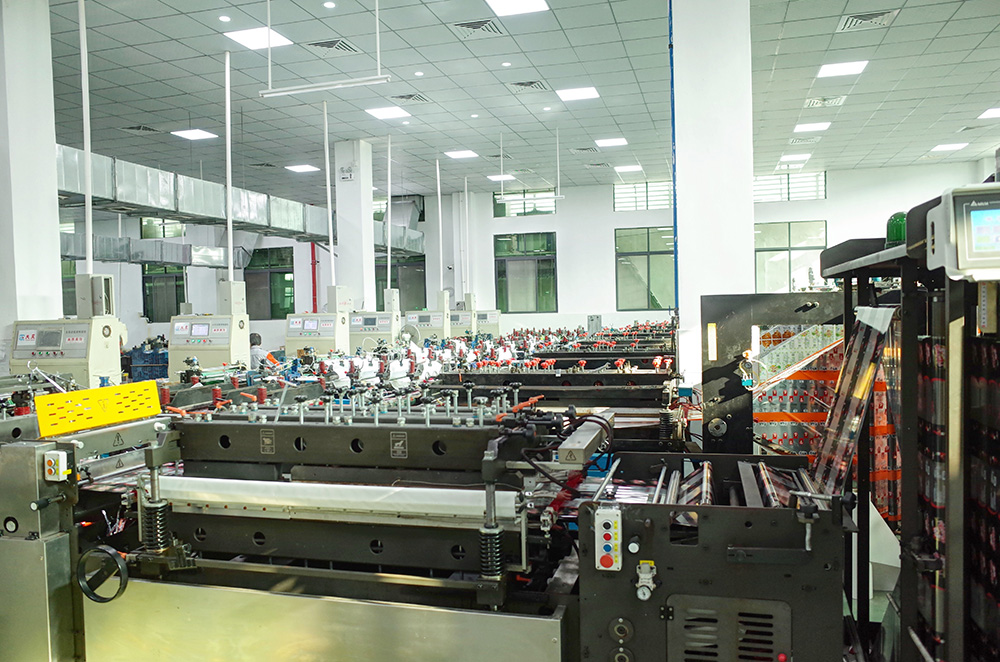
The third concept is "Integration", which refers to our one-stop service model integrating design, printing, laminating, converting, and quality inspection. By optimizing the industrial chain layout, we streamline the production process, reduce costs for clients, and ensure efficient delivery.
The fourth is "Intelligentization" – we have introduced advanced intelligent production equipment and digital management systems, realizing automated operations in key links such as color matching, coating precision, and quality control, which improves production efficiency and product consistency.
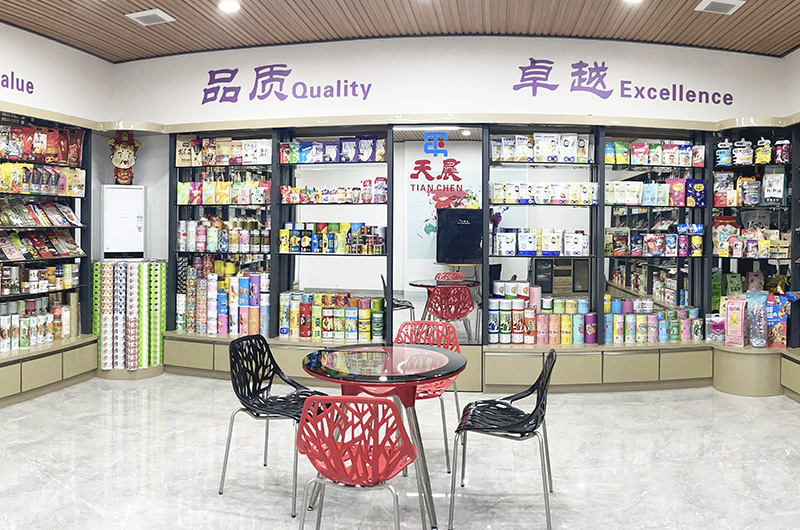
Under the strategy of "innovation and transformation, integrated operation and steady growth", we firmly uphold the concept of sustainable development. We actively adopt green production technologies, reduce energy consumption and environmental impact, and strive to achieve a win-win situation between economic benefits and social responsibility. Our goal is to become a first-class enterprise in the global mainstream printing and coating market, providing more high-quality and efficient packaging and adhesive film solutions for global clients.
In high-precision film processing, the manufacturing environment directly dictates the product's ultimate quality and yield rate. A single dust particle larger than 1μm can ruin an entire roll of optical film, causing dark spots and pixel defects in the final display. To prevent this, our manufacturing plants leverage Factory 4.0 automated architectures and state-of-the-art closed-loop controls.
Our slot-die coating lines are housed inside highly monitored Class 100 (ISO 5) and Class 1,000 (ISO 6) cleanrooms. In these sterile environments, automated environmental systems maintain positive pressure, constant temperature (±0.5°C), and precise relative humidity controls (±3% RH). The coating machinery utilizes advanced non-contact thickness sensors linked with real-time digital feedback loops. If any deviation from the target thickness (e.g., 175μm) exceeds ±1.0μm, the slot-die pressure pumps instantly calibrate themselves. This ensures absolute thickness uniformity across the entire web length.
Furthermore, our integrated supply chain offers strong resilience for global brands. By sourcing high-purity optical-grade raw resins locally and managing all steps—from polymer synthesis and blending to multi-layer lamination, slitting, and cleanroom packaging—in-house, we eliminate external logistical bottlenecks. This vertical integration allows us to keep lead times highly stable while offering substantial cost advantages compared to manufacturers that rely on third-party laminating and slitting vendors.
Supply Chain Resilience and Agility: With a daily coating capacity exceeding 50,000 square meters of high-barrier and optical-grade film assemblies, our factory provides the scalability necessary to support rapid consumer electronics product launches without compromising quality or yield stability.
For international procurement directors, specifying an OCA or OCF optical film involves a rigorous technical audit. The cost of a display failure in the field is extraordinarily high, making quality risk mitigation a top priority. When vetting an ODM factory, global buyers should pay close attention to the following engineering details:
An OCA film is typically protected by two release liners—a heavy-release liner on one side and a light-release liner on the other. During automated display assembly, the light-release liner must peel away effortlessly without lifting the adhesive. The heavy-release liner must then detach cleanly during the final bonding step, leaving zero residue. An experienced ODM factory controls this by formulating precise silicone and non-silicone release coatings, ensuring a consistent differential peel force ratio (e.g., 3g/in on the light side vs. 15g/in on the heavy side).
Displays in consumer electronics and automotive interiors are frequently exposed to mechanical vibrations, drops, and temperature shifts. The adhesive must exhibit balanced viscoelastic properties: high elasticity to resist mechanical stress and creep, combined with sufficient viscous flow to wet the bonding surfaces completely and prevent microscopic air pockets.
The durability of an OCA film is determined by its gel fraction—the percentage of polymer chains that have crosslinked into a stable network. An insufficient gel fraction results in adhesive flow, edge oozing, and cohesive failure under high temperatures. Conversely, an excessively high gel fraction makes the film brittle, reducing its peel strength and impact resistance. Our quality control labs utilize advanced thermal analysis and solvent extraction testing to ensure optimal, consistent crosslinking density for every batch.
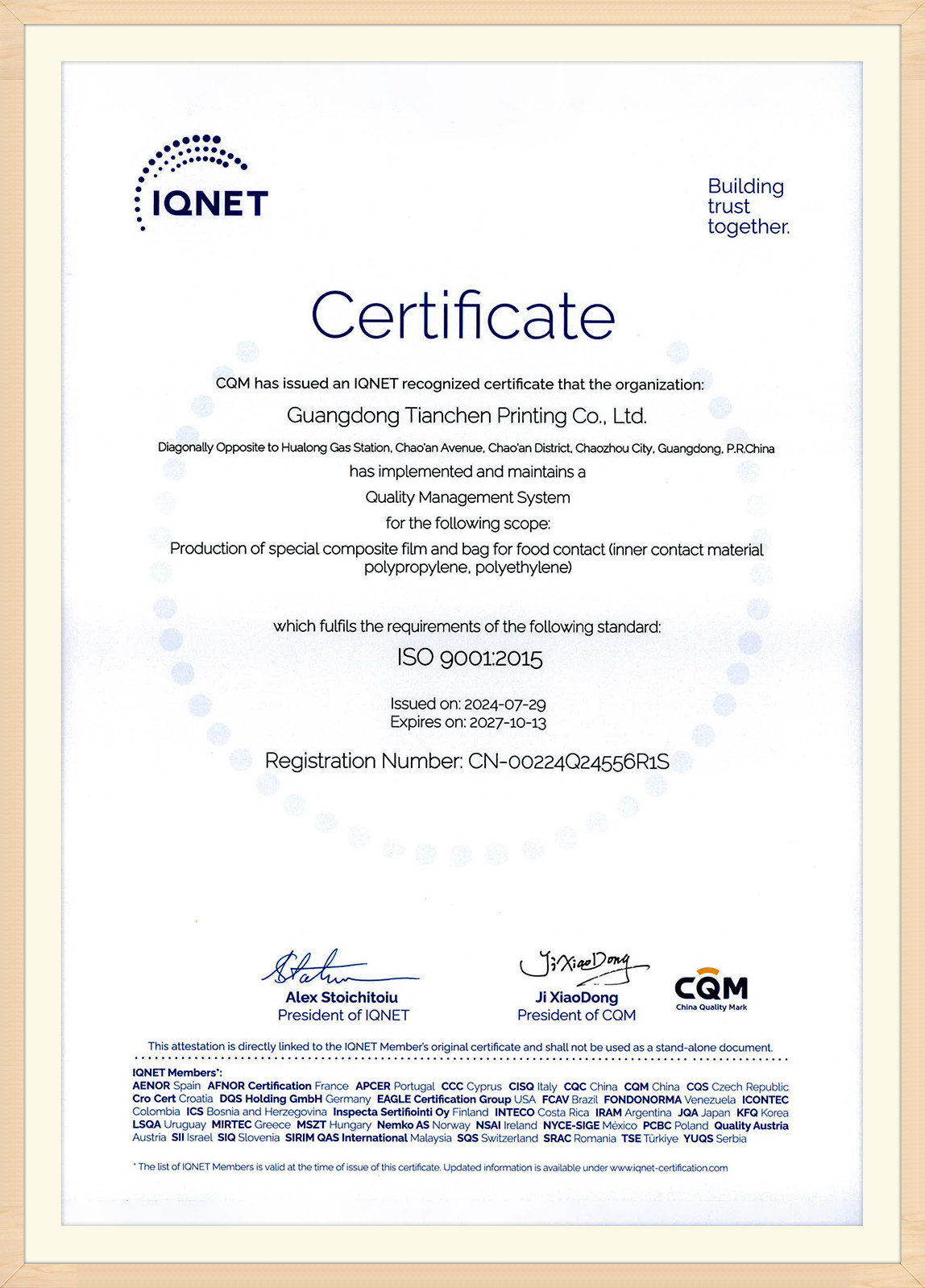
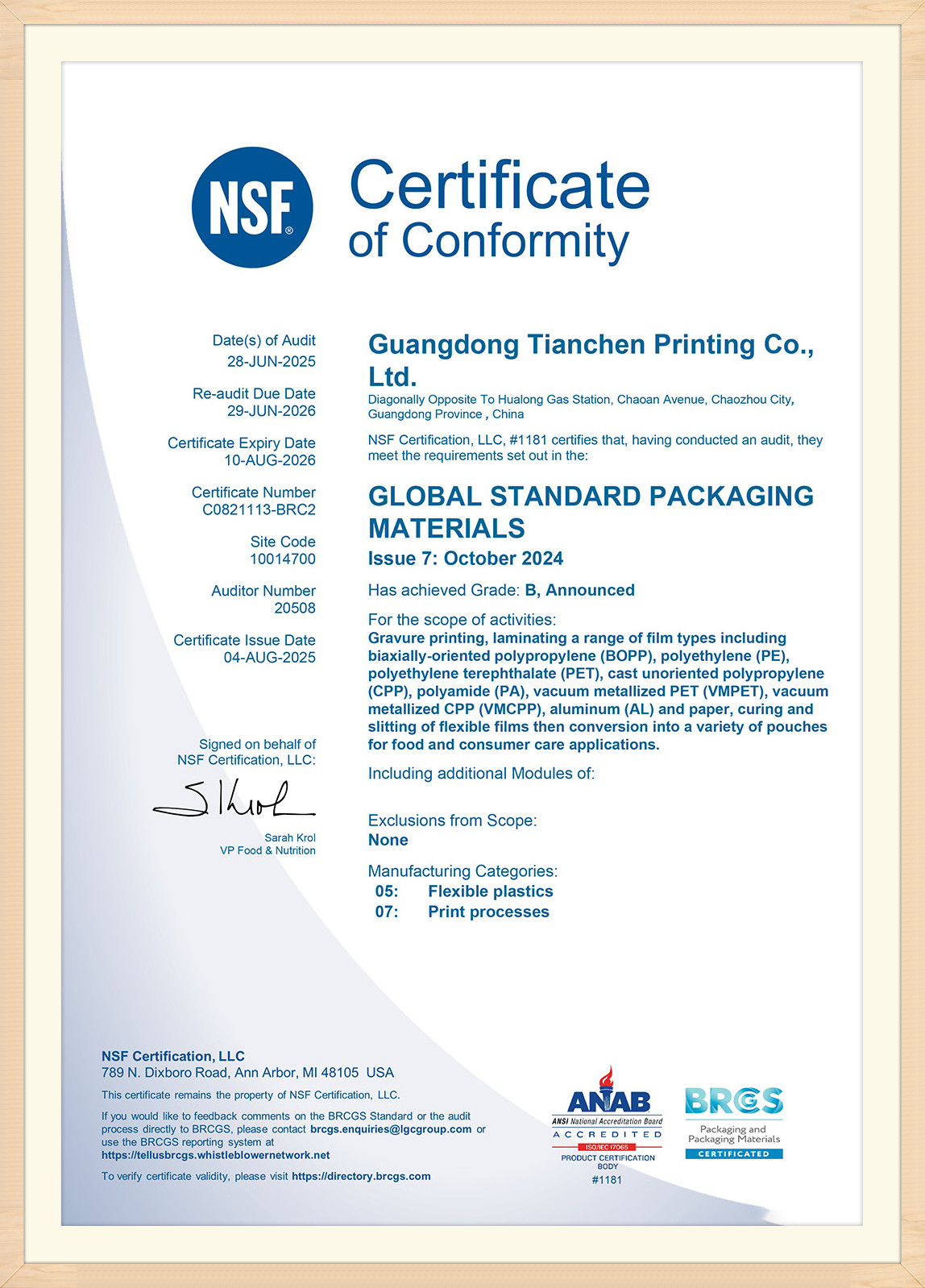
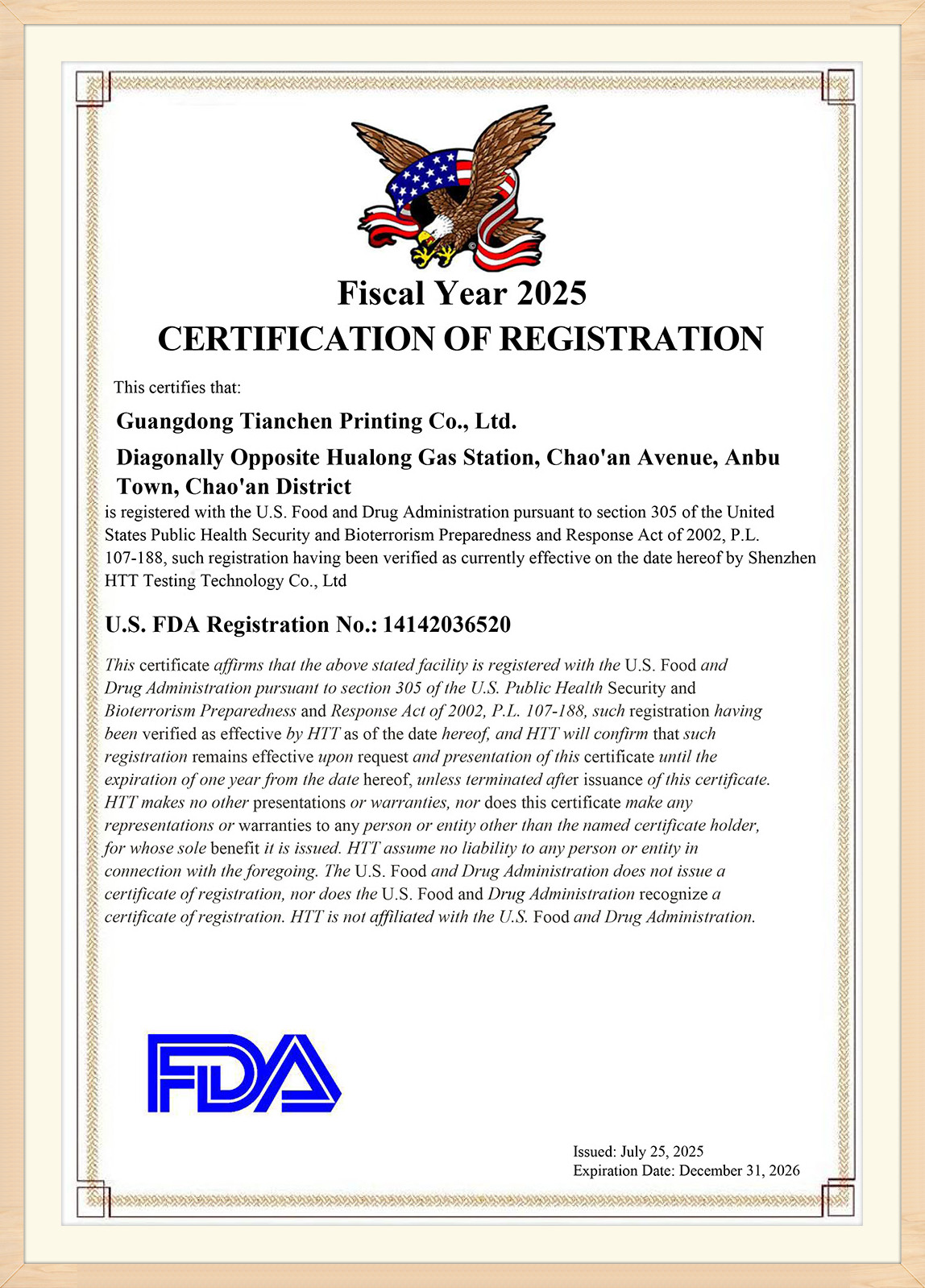
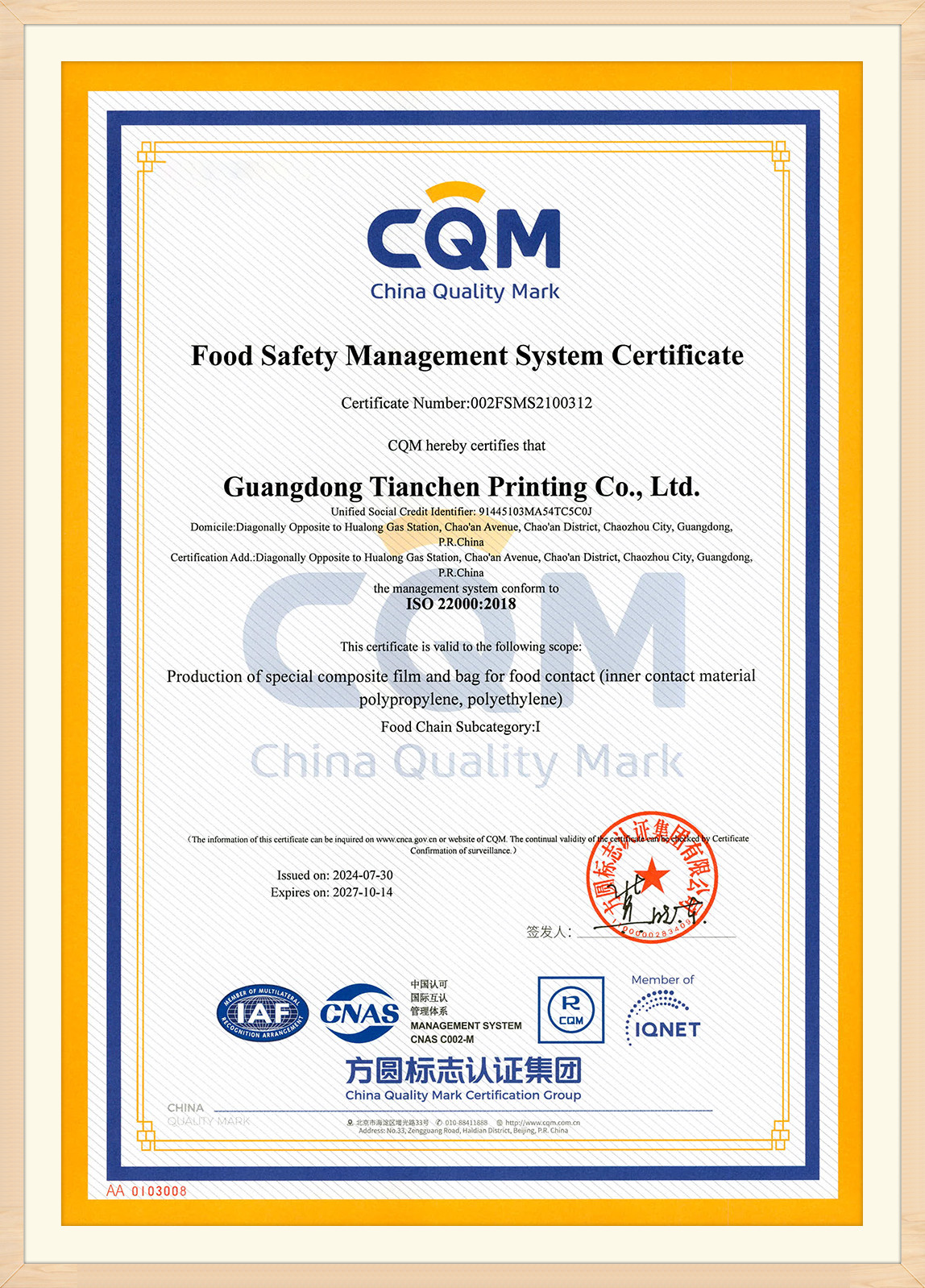
Operating as an international partner requires more than state-of-the-art manufacturing; it demands strict adherence to global regulatory frameworks, environmental standards, and regional support networks. Guangdong Tianchen Printing Co., Ltd. has developed robust compliance systems to support seamless cross-border logistics and product integration.
All of our optical-grade adhesives and structural film products comply with the latest RoHS and REACH directives, ensuring they are free from harmful heavy metals, phthalates, and halogenated flame retardants. We also support halogen-free electronics manufacturing initiatives, certifying our materials for use in eco-friendly green consumer devices.
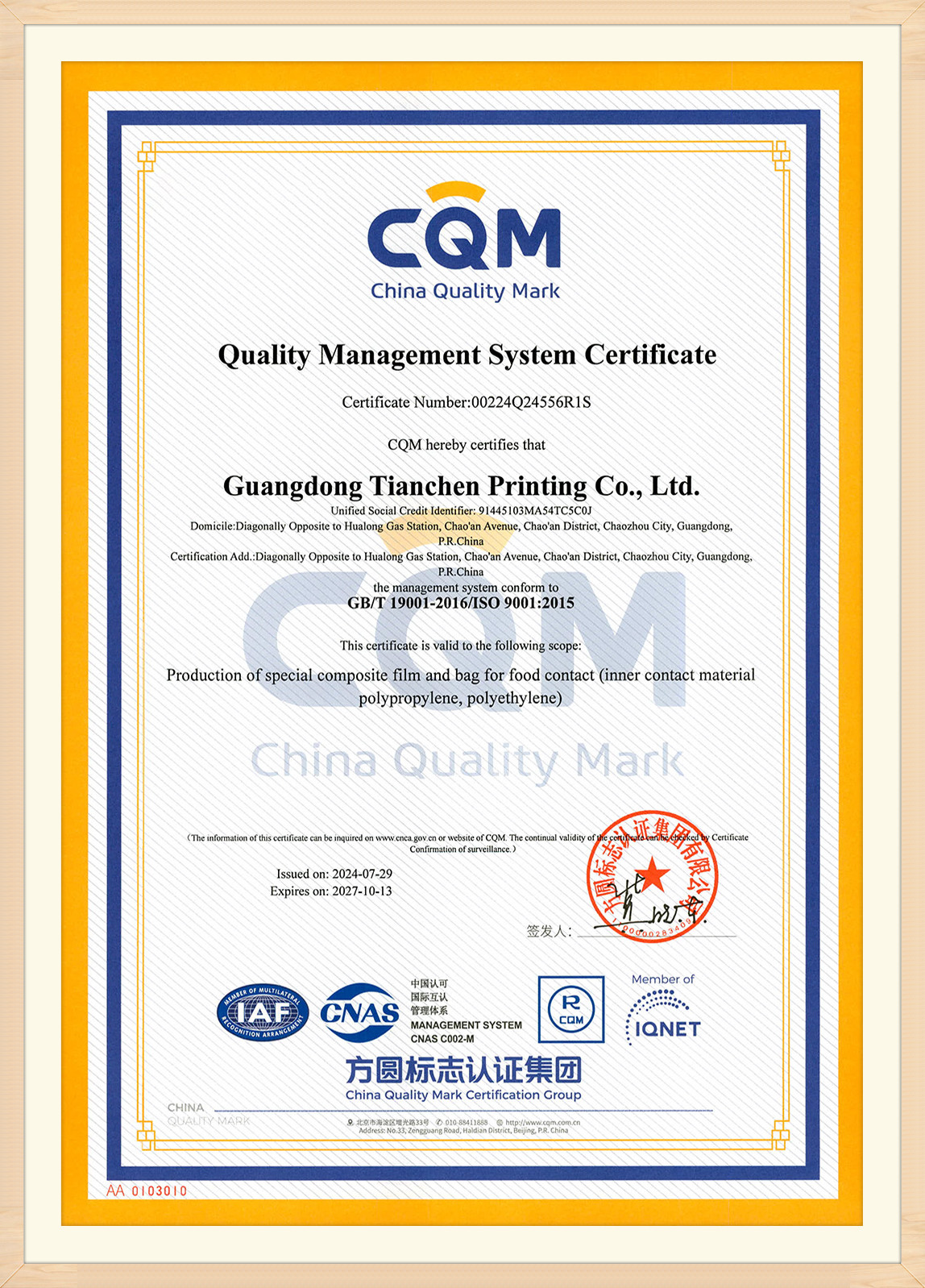
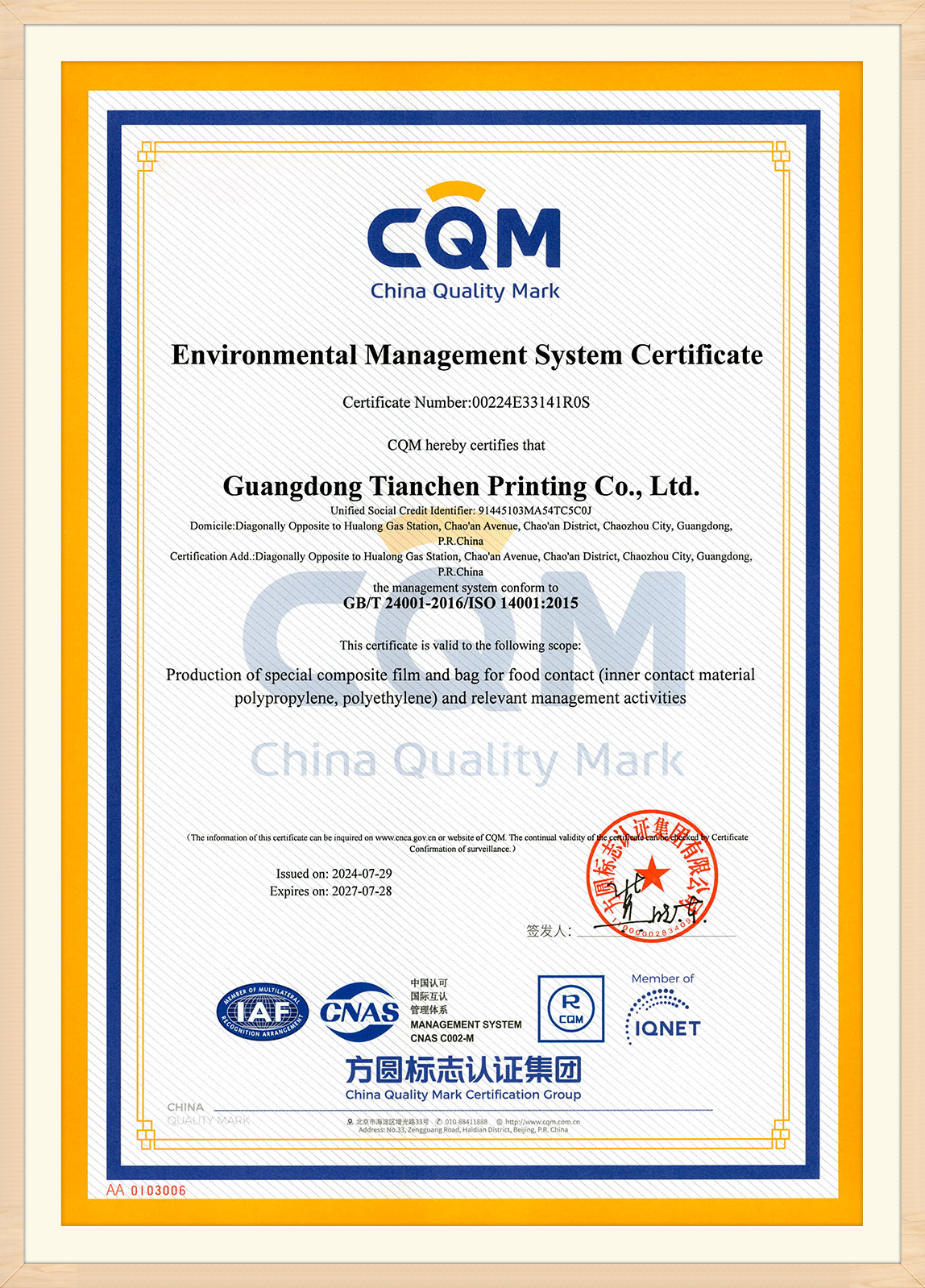
Our quality management systems are certified under ISO 9001 and ISO 14001 standards, ensuring consistent processes and a strong commitment to environmental sustainability. To support our global clients, we offer comprehensive technical documentation, including detailed Material Safety Data Sheets (MSDS), Certificates of Analysis (COA) for every shipment, and specialized engineering support to optimize lamination processes on your assembly line.
Choose Guangdong Tianchen for packaging and film solutions that deliver beyond expectations, backed by international quality audits.
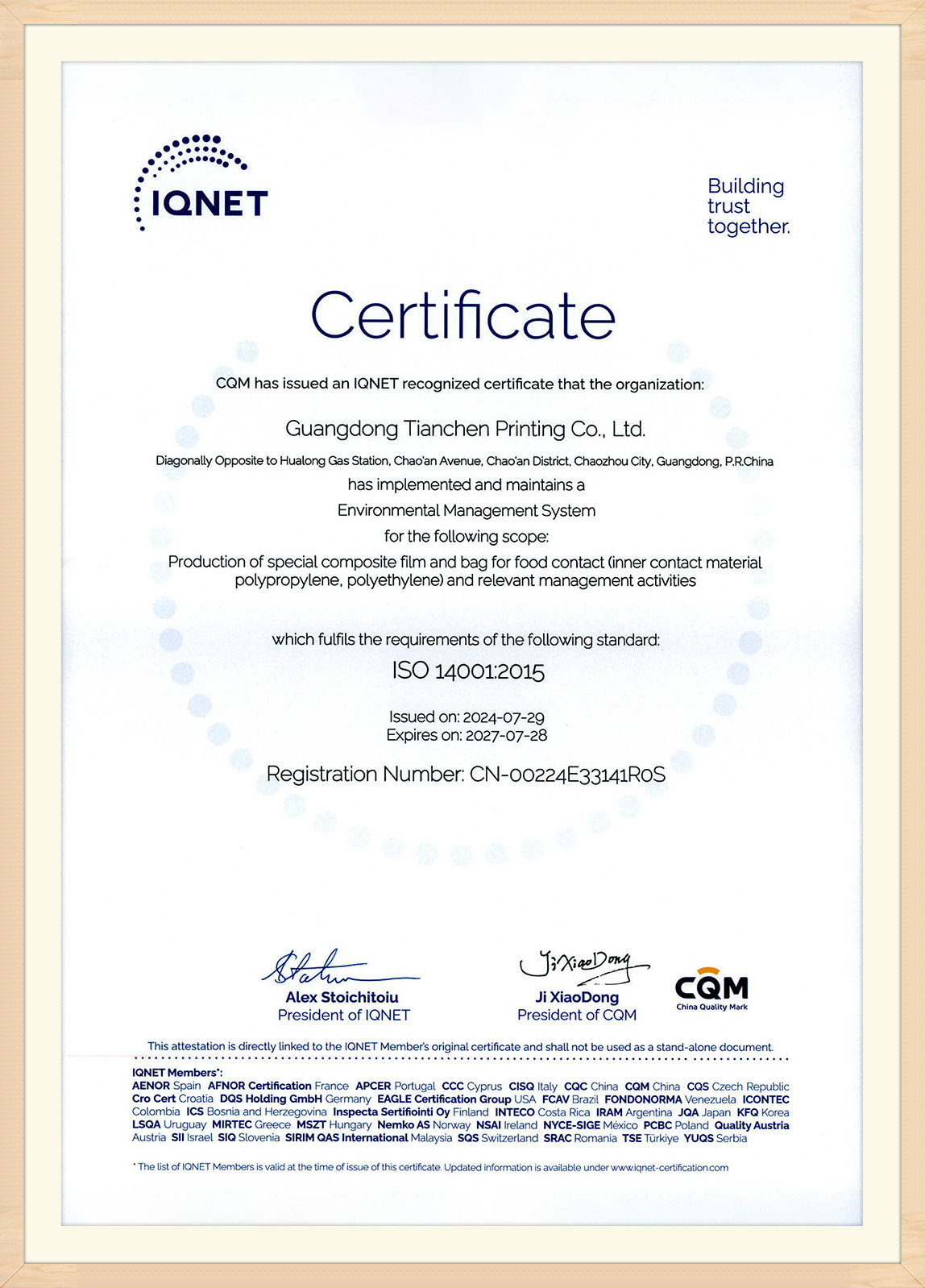
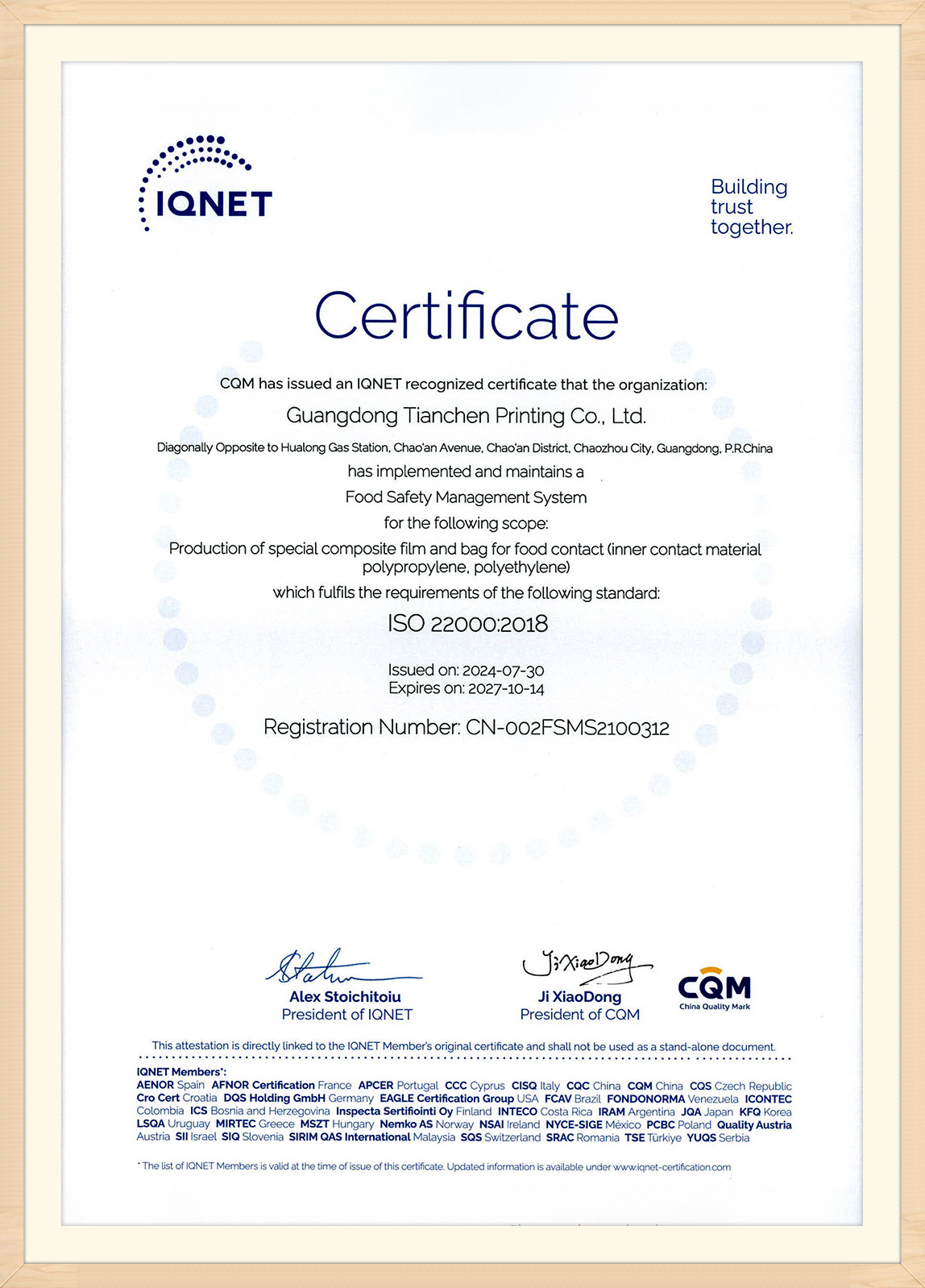
Explore detailed solutions to common engineering and procurement questions regarding OCA and specialty functional film lamination.
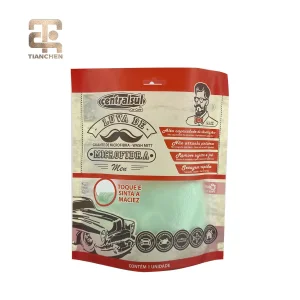
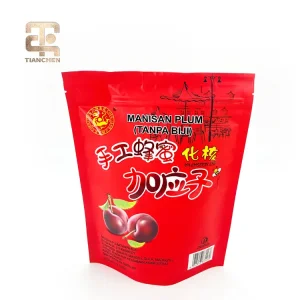
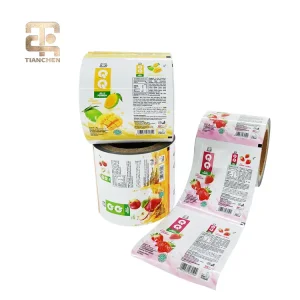
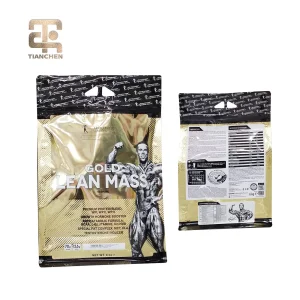
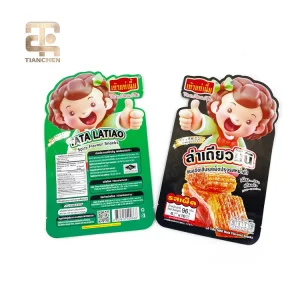
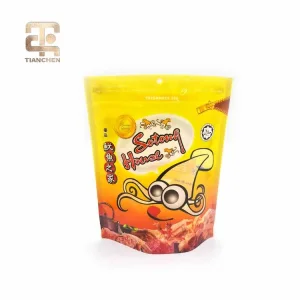
Explore our wider portfolio of barrier laminations, custom printed sleeves, and performance rolls designed for demanding industrial applications.
 TIANCHEN PRINTING