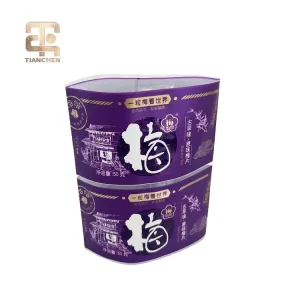
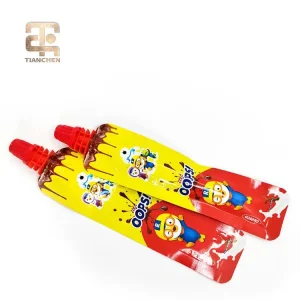
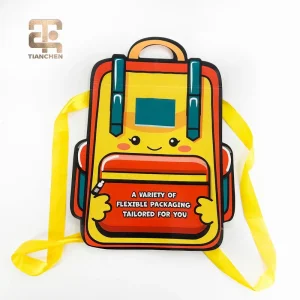
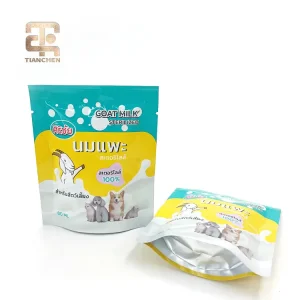
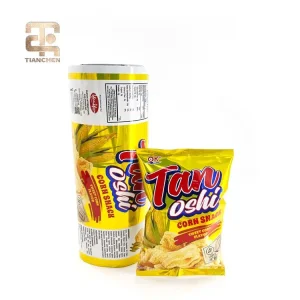
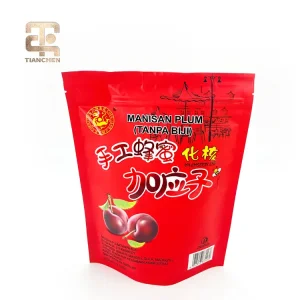
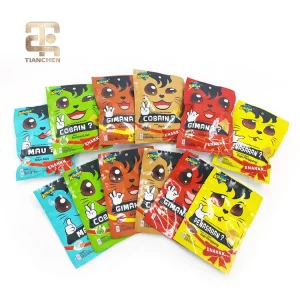
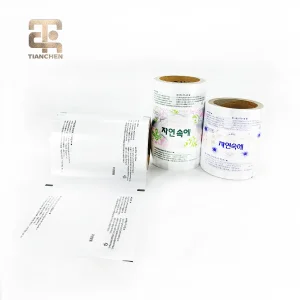
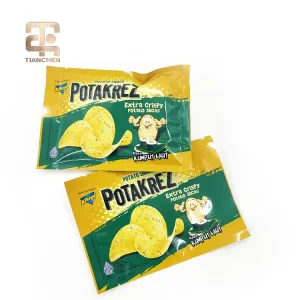
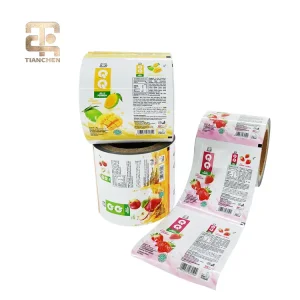
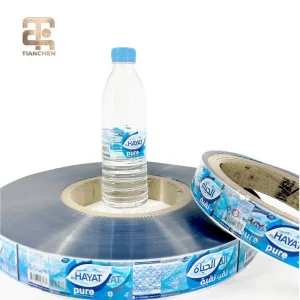
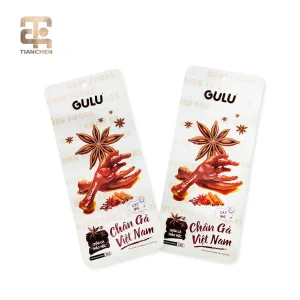
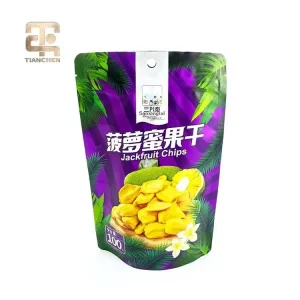
Engineered to deliver exceptional barrier properties, functional structural design, and superior visual shelf impact.
An in-depth analysis of structural integrity, barrier thermodynamics, and polymer mechanics in modern commercial distribution.
In the modern consumer packaged goods (CPG) landscape, the physical medium of containment represents a critical vector for supply chain efficiency, shelf life optimization, and carbon footprint reduction. The global commercial packaging paradigm has decisively shifted towards flexible structures, led primarily by the standing pouch (Doypack).
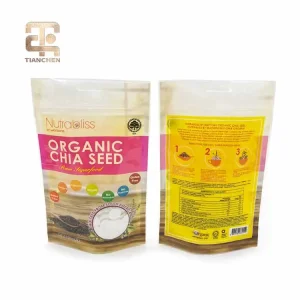
From a structural mechanics standpoint, a standing pouch utilizes a tension-stiffened laminated web configuration integrated with an engineered bottom gusset (such as K-Seal, Round Bottom, or Plow Bottom geometries). This permits stable vertical display under gravitational load, maximizing visual exposure while reducing volume and weight. Compared to rigid alternatives (glass, metal cans, HDPE jars), unfilled standing pouches pack completely flat—reducing empty-package logistics weight by up to 90% and enabling a 1:26 shipping volume ratio (meaning one truck of unfilled flexible pouches carries the equivalent containment volume of 26 trucks of rigid containers).
"As an established ODM partner, our manufacturing philosophy is rooted in material science. Our goal is to configure customized polymer lamination barriers that maintain physical integrity, zero OTR (Oxygen Transmission Rate), and exceptional shelf presence under extreme global logistic dynamics."
To understand the functionality of our custom-printed standing pouches, we must evaluate the structural layers that govern their barrier and mechanical properties. Typically, a high-performance standing pouch consists of three primary functional zones: the Outer Print Layer, the Intermediate Barrier Layer, and the Inner Sealant Layer.
| Layer Classification | Common Materials | Primary Physical Function | Critical Metrics & Values |
|---|---|---|---|
| Outer Print Layer | PET, BOPP, Matte PET | Thermal resistance, mechanical stiffness, rotogravure print receptor. | Tensile strength, surface tension (>38 dynes/cm) |
| Intermediate Barrier | AL (Aluminum Foil), VMPET, NY (BOPA), EVOH | Gas, light, vapor, and aroma containment. Puncture resistance. | OTR: < 0.1 cc/m²/day | WVTR: < 0.1 g/m²/day (for AL structure) |
| Inner Sealant Layer | LLDPE, CPP, Metallocene PE | Hermetic sealing, chemical resistance, impact absorption. | Heat Seal Range: 130°C - 180°C, seal strength > 40N/15mm |
Decades of mastery in flexible barrier conversion, rotogravure technology, and global supply chain partnerships.
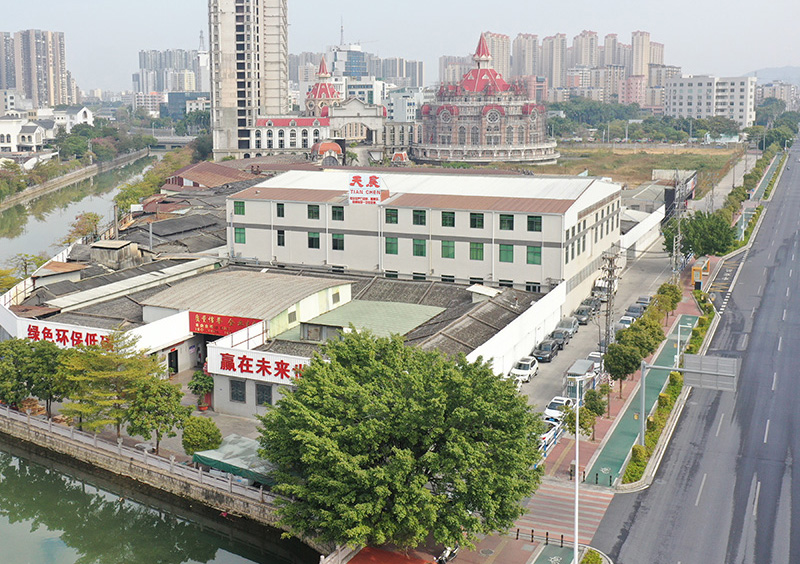
We are a professional printing team boasting more than 20 years of profound experience in the flexible packaging industry. Rooted in Guangdong, a hub of manufacturing and international trade in China, Tianchen Printing has grown into a highly reliable and authoritative partner for global clients.
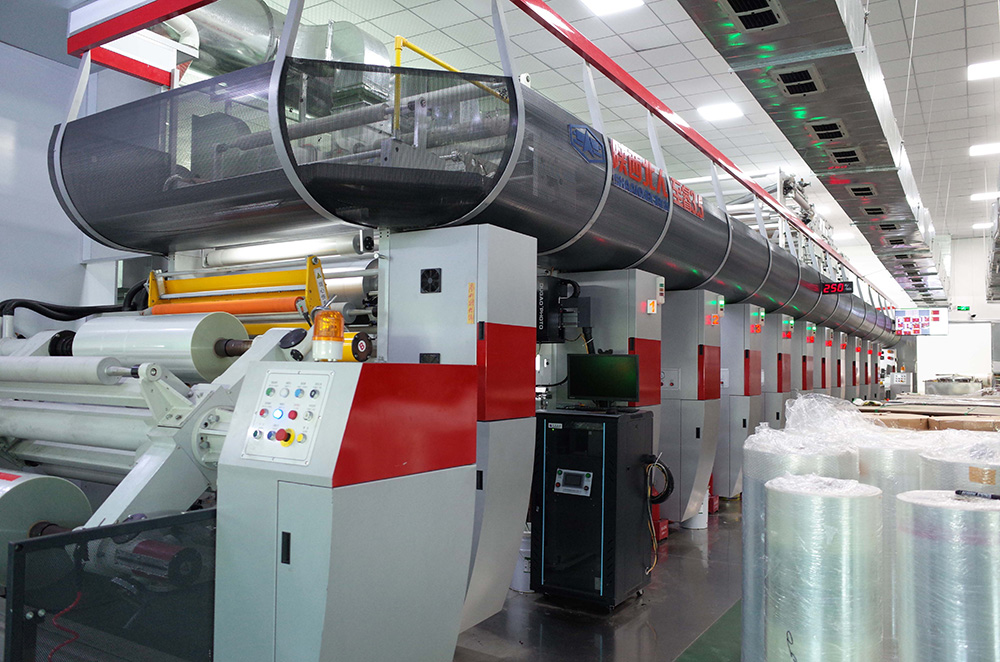
Our core industrial capabilities center on high-speed rotogravure printing, solvent-free laminating, and automated pouch-making conversion services. By coupling state-of-the-art machinery with proprietary material chemistry recipes, we fulfill the diverse expectations of global brands looking for stable packaging.
Our business covers a diverse range of industries worldwide, including food and beverage, pharmaceuticals, daily chemicals, electronics, and agriculture. We tailor packaging solutions to meet the unique needs of each sector, from moisture-proof packaging for snacks to high-barrier films for pharmaceuticals, ensuring product safety, shelf appeal, and transportation stability.
Over the years, we have established long-term cooperative relationships with clients from Europe, North America, Southeast Asia, and other regions, winning wide recognition for our consistent quality and professional service.
A strategic blueprint built upon four operational pillars driving technological innovation and market leadership.
Guided by our core four "IN" concepts, we have forged a clear development path and maintained steady growth in the competitive global market. The first is "Innovation" – we persist in investing in R&D, upgrading printing technologies and processes, and developing eco-friendly, high-performance packaging materials to keep pace with industry trends and client demands.
Our current research prioritizes mono-material structures (BOPA/PE and BOPE/PE) that permit complete recyclability within municipal streams while matching standard PET/AL/PE barrier specs.
The second concept is "Internationalization" – we adhere to global standards in production and management, obtain international certifications, and expand our global service network to integrate into the international mainstream market.
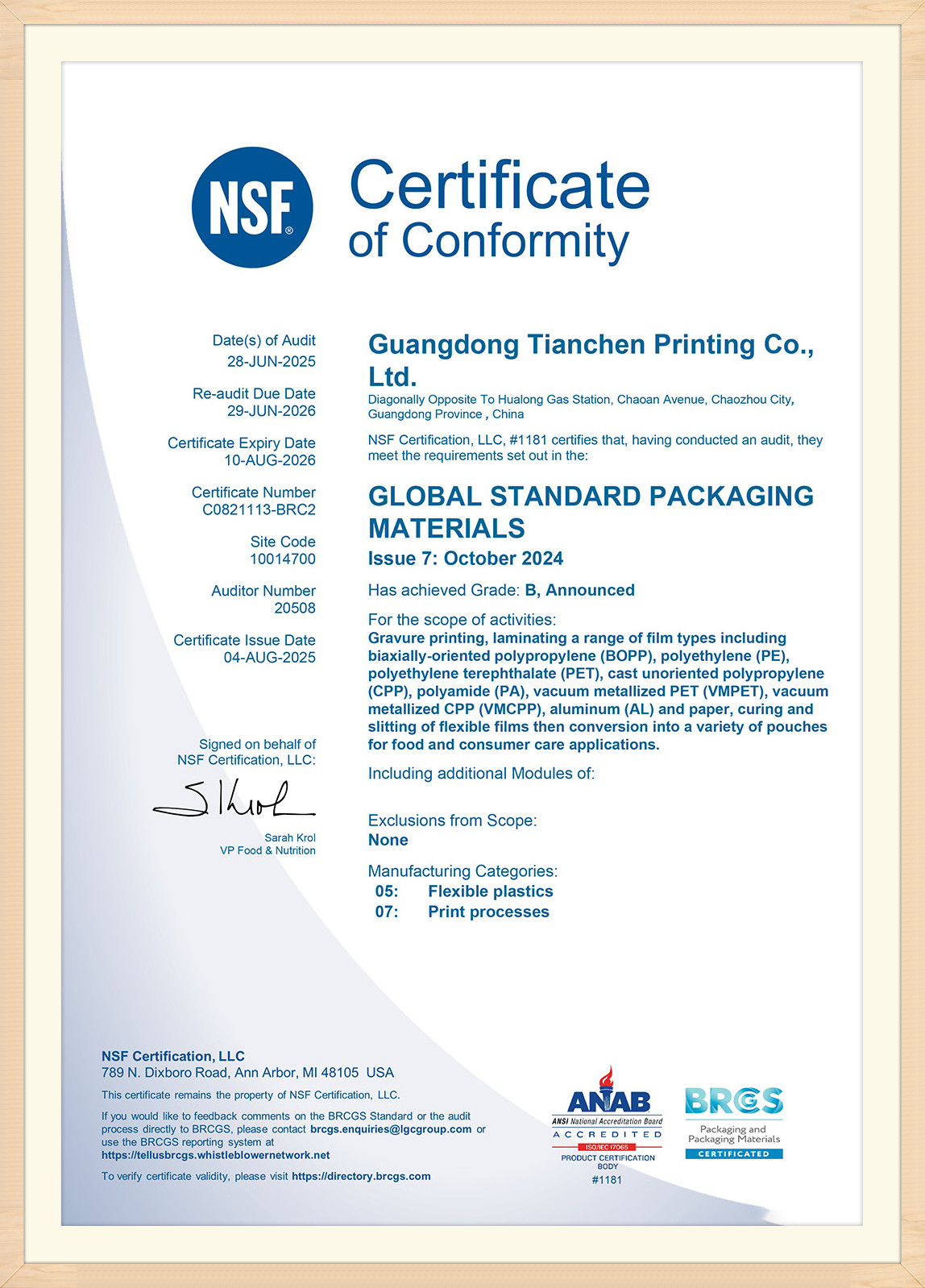
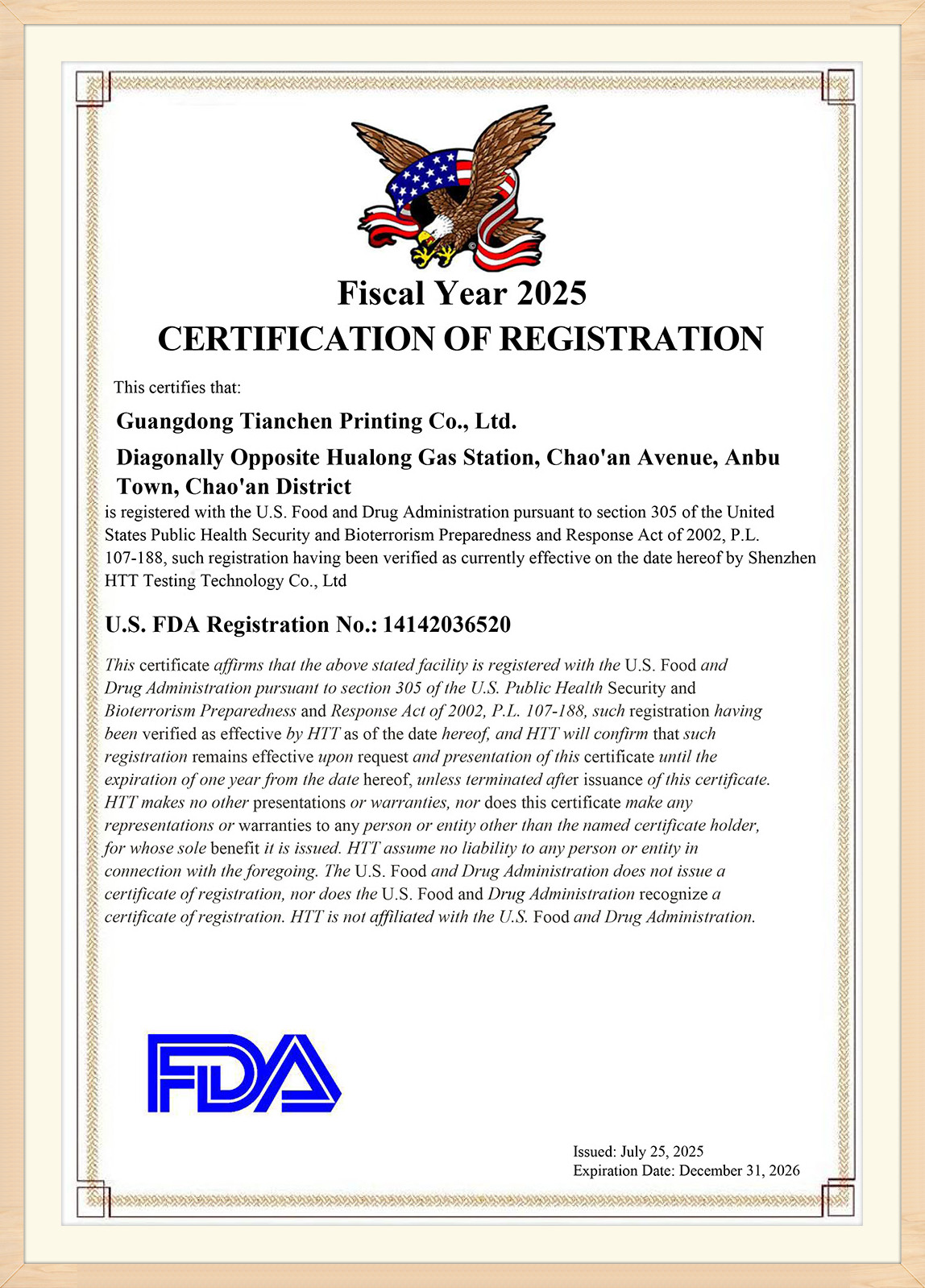
We align our production protocols with critical compliance matrices including FDA food-contact regulations, European Union EC 1935/2004 framework, and global supply chain auditing frameworks. This ensures seamless entry into markets across North America, Europe, and Asia-Pacific.
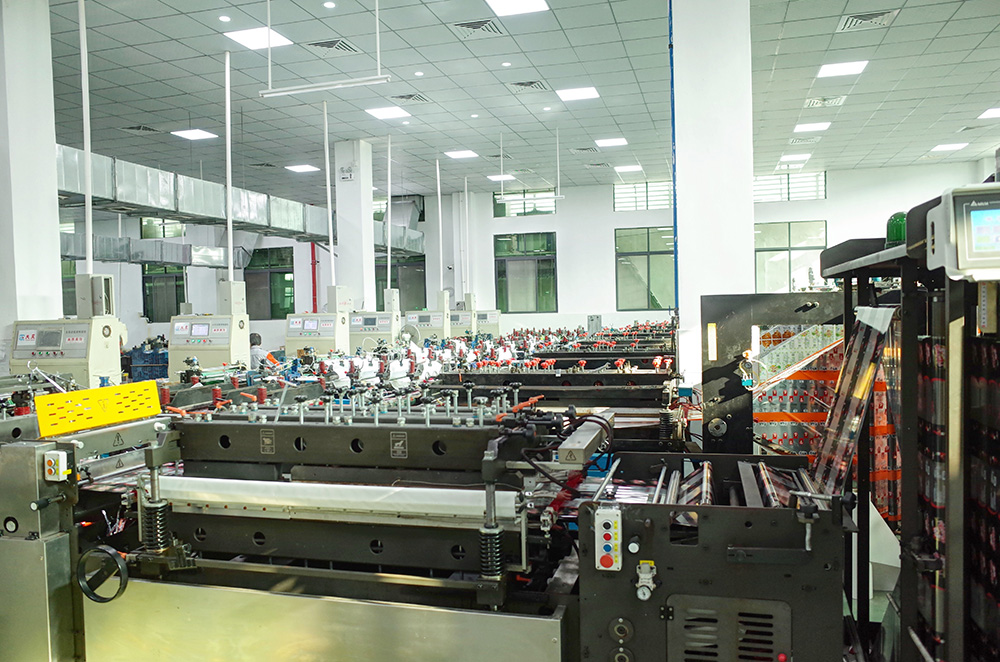
The third concept is "Integration", which refers to our one-stop service model integrating design, printing, laminating, converting, and quality inspection. By optimizing the industrial chain layout, we streamline the production process, reduce costs for clients, and ensure efficient delivery.
The fourth is "Intelligentization" – we have introduced advanced intelligent production equipment and digital management systems, realizing automated operations in key links such as color matching and quality control, which improves production efficiency and product consistency. High-precision online detection systems verify print quality in real-time, eliminating macro-defects and pitch deviations at speeds up to 350 meters per minute.
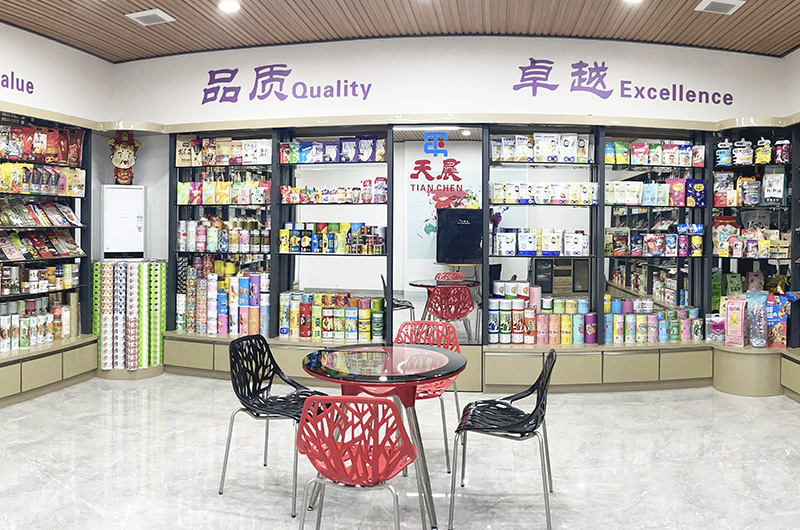
A comprehensive assessment of application-specific designs, geographic realities, and Chinese industrial capabilities.
Flexible packaging is not a one-size-fits-all solution; it must adjust dynamically to the localized ambient conditions, distribution methods, and regulatory frameworks of each target market. Let us analyze how these environmental parameters influence pouch composition:
The flexible packaging domain is undergoing rapid digital and material transformation. The future tech roadmap focuses on three key areas:
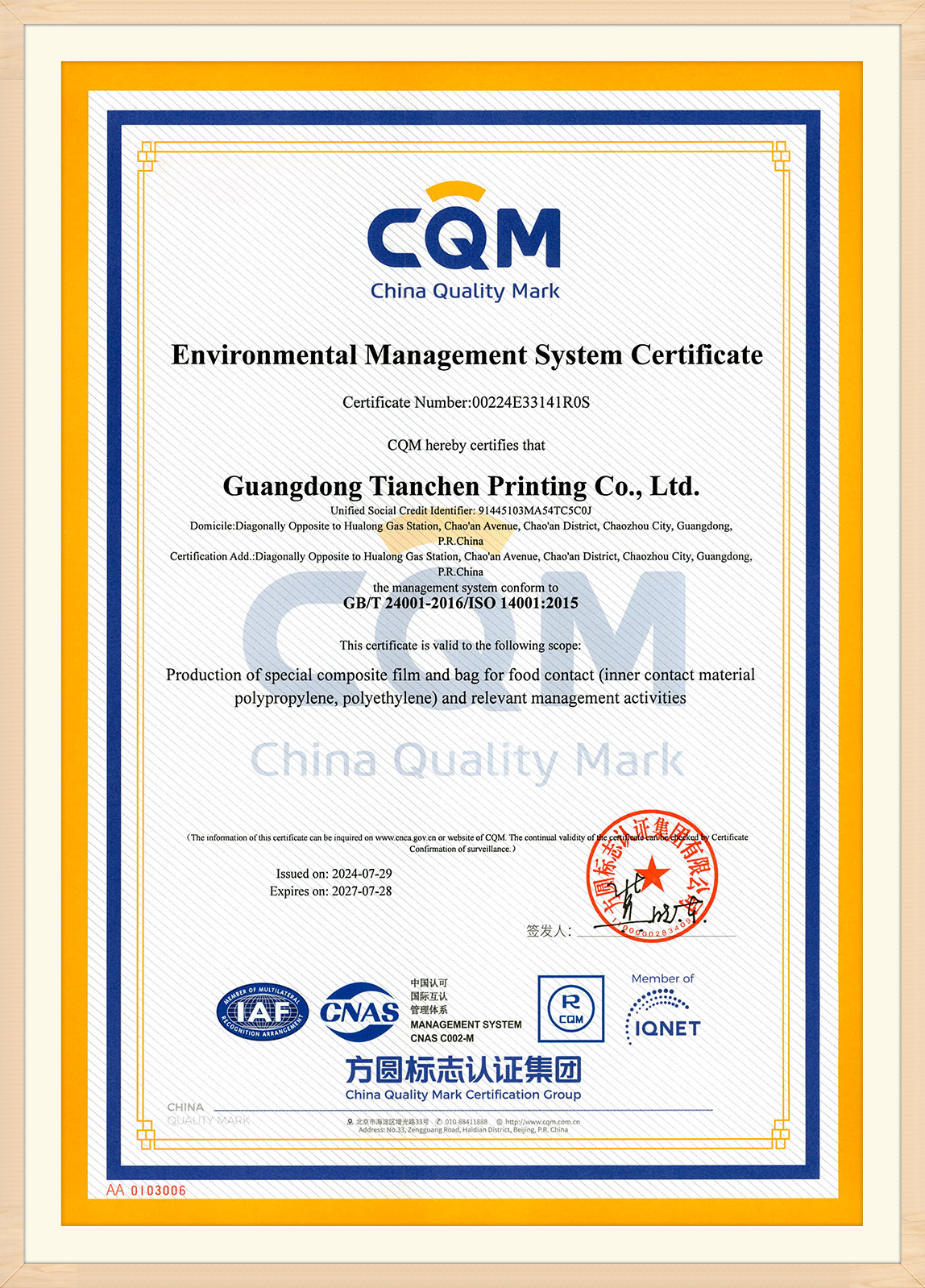
Navigating regulatory landscapes is a major hurdle for global brand owners. Guangdong Tianchen Printing addresses this by offering robust local engineering support and strict documentation:
Unlocking structural cost efficiencies and scale benefits in the Pearl River Delta industrial ecosystem.
Sourcing from Guangdong Tianchen Printing Co., Ltd connects your brand to one of the world's most resilient industrial clusters. The Pearl River Delta hosts a dense network of high-purity resin suppliers, film extruders, core manufacturers, and international logistics hubs. This concentration ensures secure access to raw materials even during market fluctuations, protecting our partners from supply interruptions.
Furthermore, our vertical integration—housing graphic proofing, cylinder engraving, multi-color rotogravure printing, solvent-free lamination, and automated bag-making under a single roof—eliminates logistics delays between third-party processors. This enables us to compress prototyping and lead times to just 10 to 14 days, compared to the industry standard of 6 weeks.
By coupling high automation with skilled operators, we achieve clean run yields of 99.5%. This reduces polymer waste and translates directly into substantial cost savings for our global customers.
Choose TopfeelPack / Tianchen for packaging that delivers beyond expectations. Fully verified, trace-certified, and globally compliant.
Technical guidance to assist packaging engineers and product managers in optimizing pouch specifications.
Our custom-printed pouch MOQ is calculated based on film surface area and conversion lengths, typically starting at 10,000 to 20,000 units depending on the pouch dimensions and configuration. For trial orders or emerging brands, we can run composite layouts to reduce initial commitments.
Our material engineering team conducts shelf life calculations based on the food composition (oil content, moisture, oxidation sensitivity). Generally, dried fruit, chips, and snacks perform well with standard BOPP/VMPET/PE materials (approx 80–100 microns). For vacuum configurations, active liquids, or extreme oxygen-sensitive proteins, we recommend NY/AL/PE or high-barrier EVOH laminates (120–160 microns) to ensure an OTR under 0.5 cc/m²/day and WVTR under 0.5 g/m²/day.
We provide two primary options to support circular economy initiatives:
1) Mono-material Polyethylene structures (using MDO-PE/PE and BOPE/LLDPE), which can be fully recycled in standard PE recycling streams (Store Drop-Off compliant).
2) Industrial Compostable Structures (using PLA/PBAT composites), which degrade into organic components within 180 days under certified commercial composting conditions.
Rotogravure cylinders are billed based on the number of colors in the design and the physical dimensions of the pouch (length × width). Each color requires a dedicated, electronically engraved copper-coated steel cylinder. Yes, these cylinders are highly durable and stored in our climate-controlled archive for up to 18 months of reuse, meaning subsequent production runs incur zero tooling costs unless the artwork is modified.
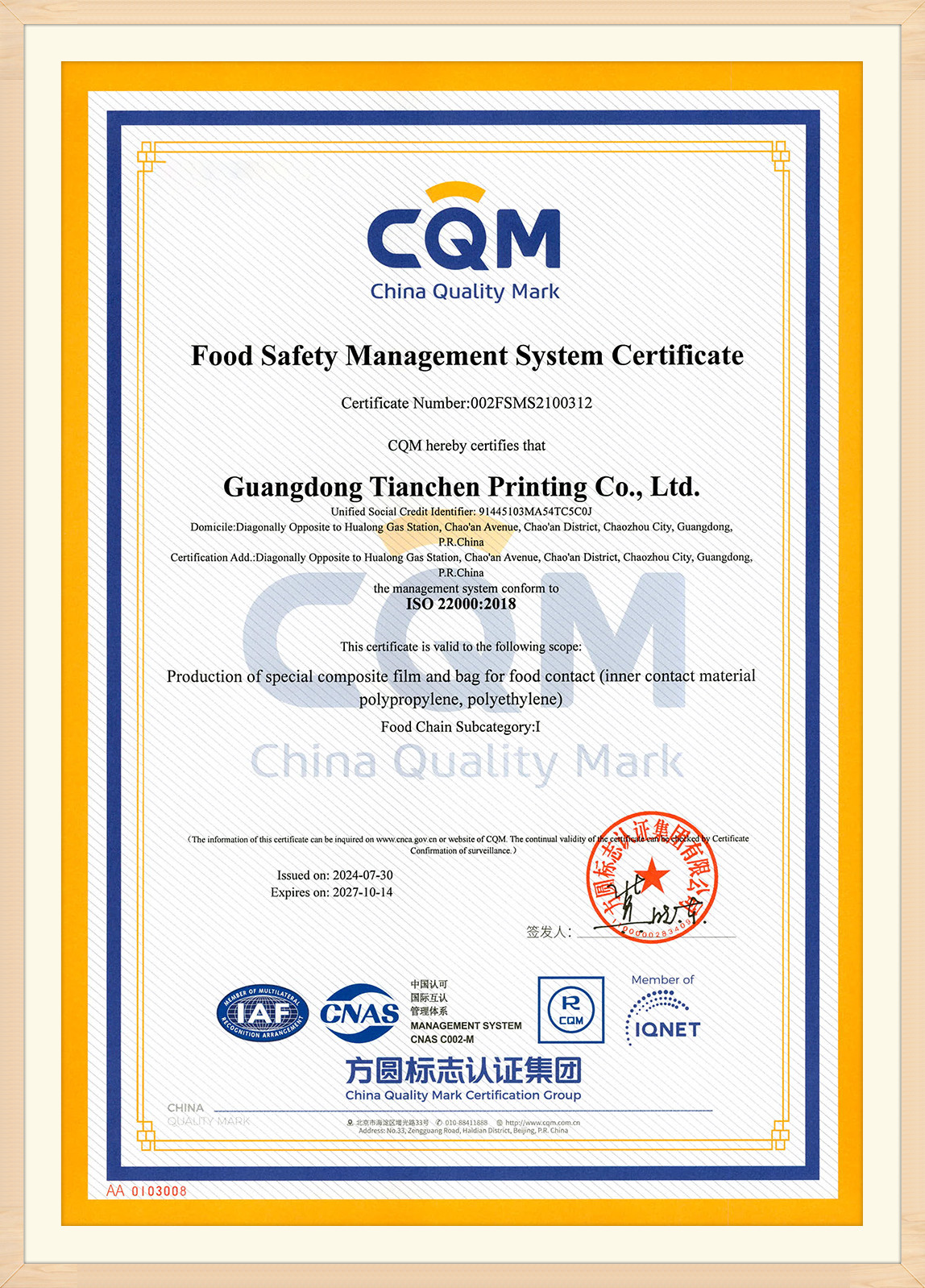
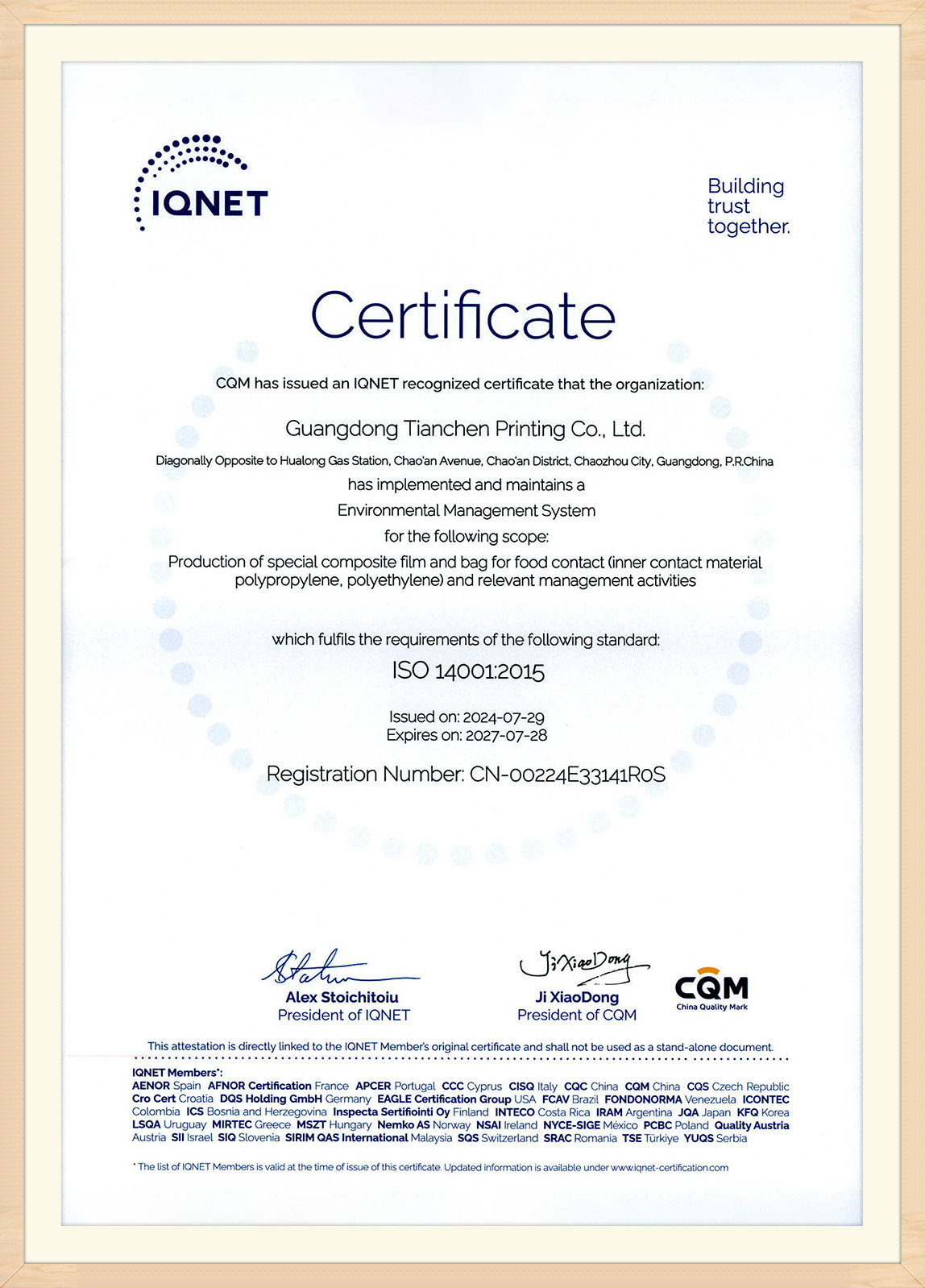
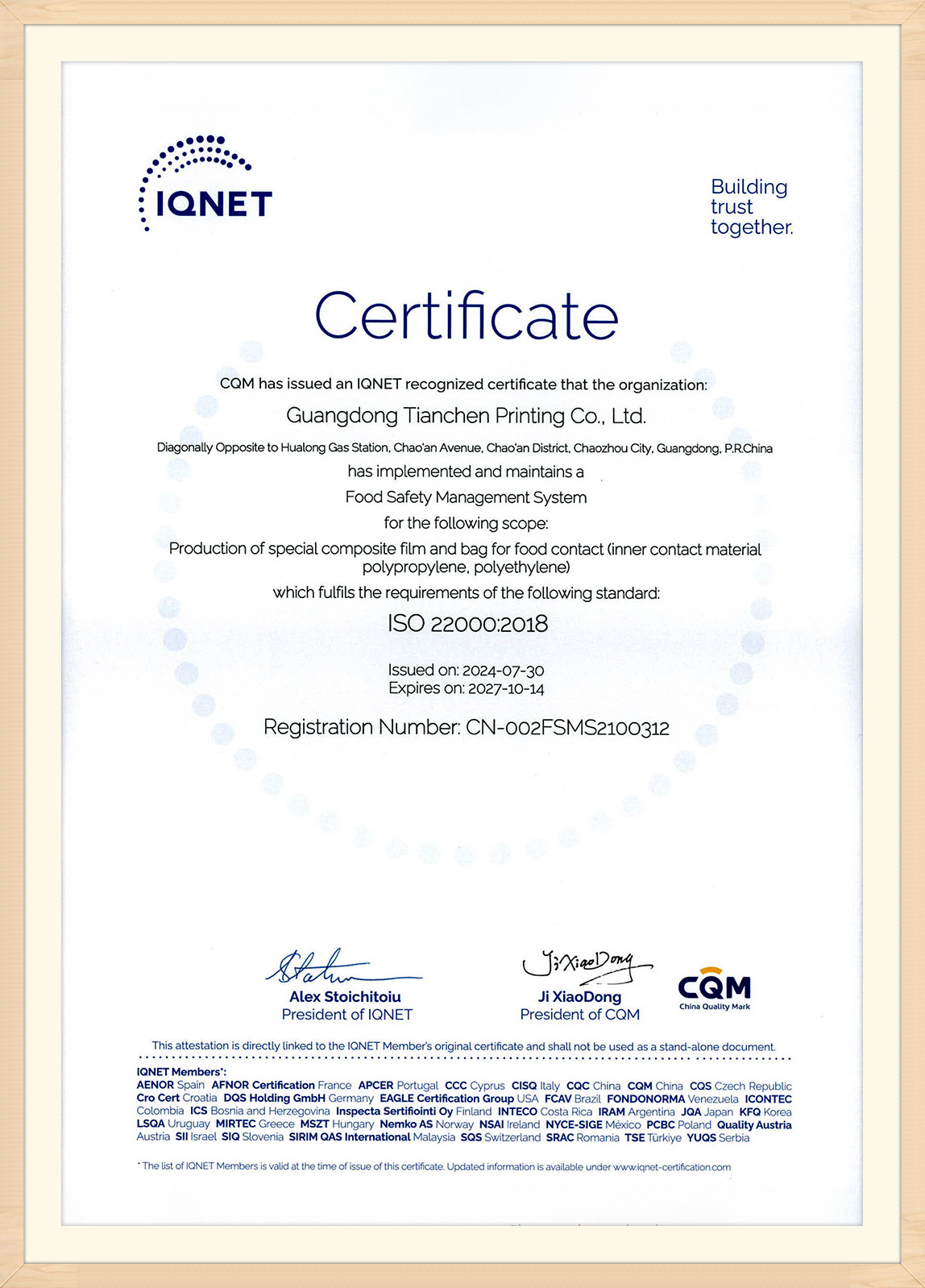
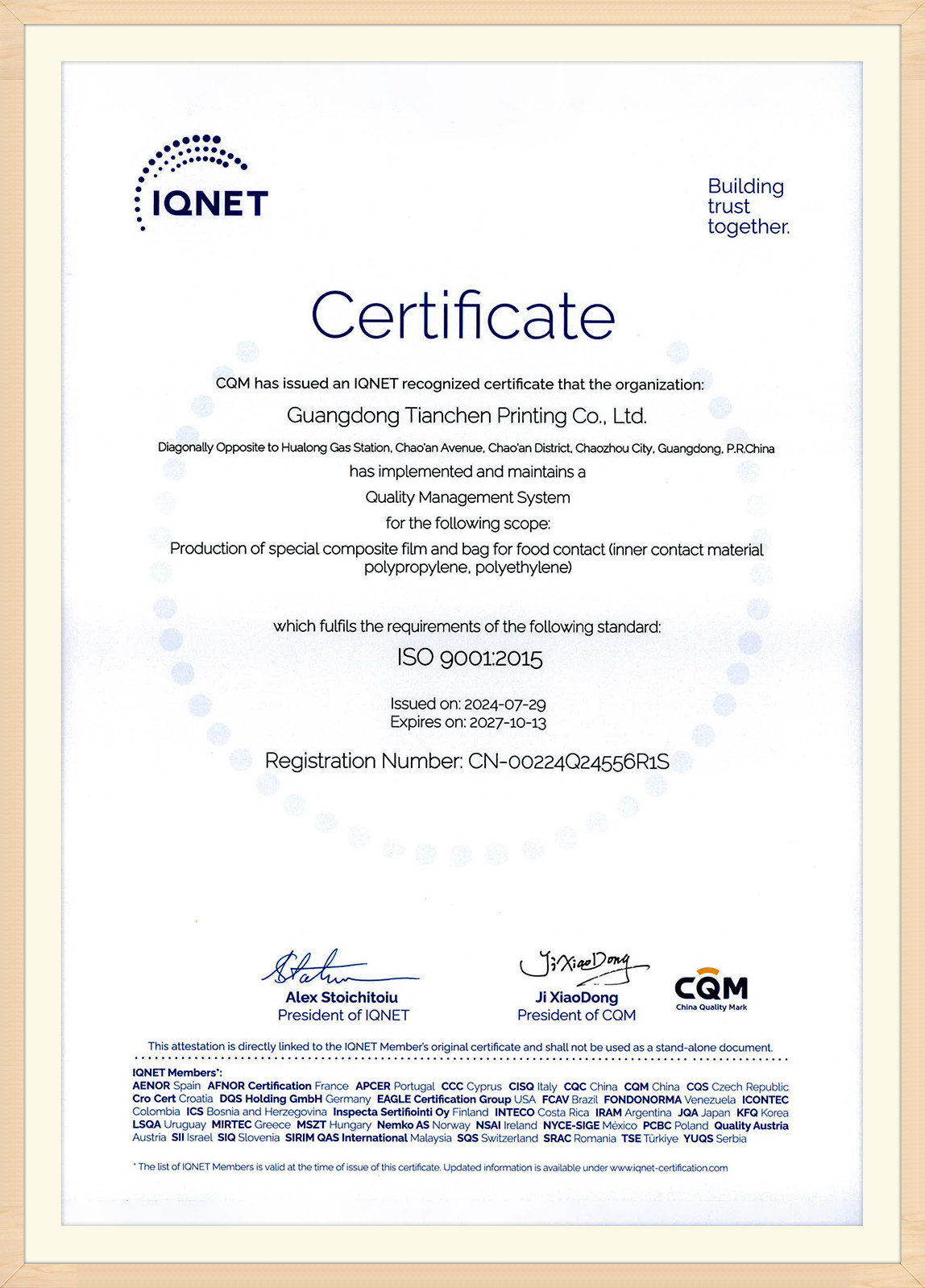
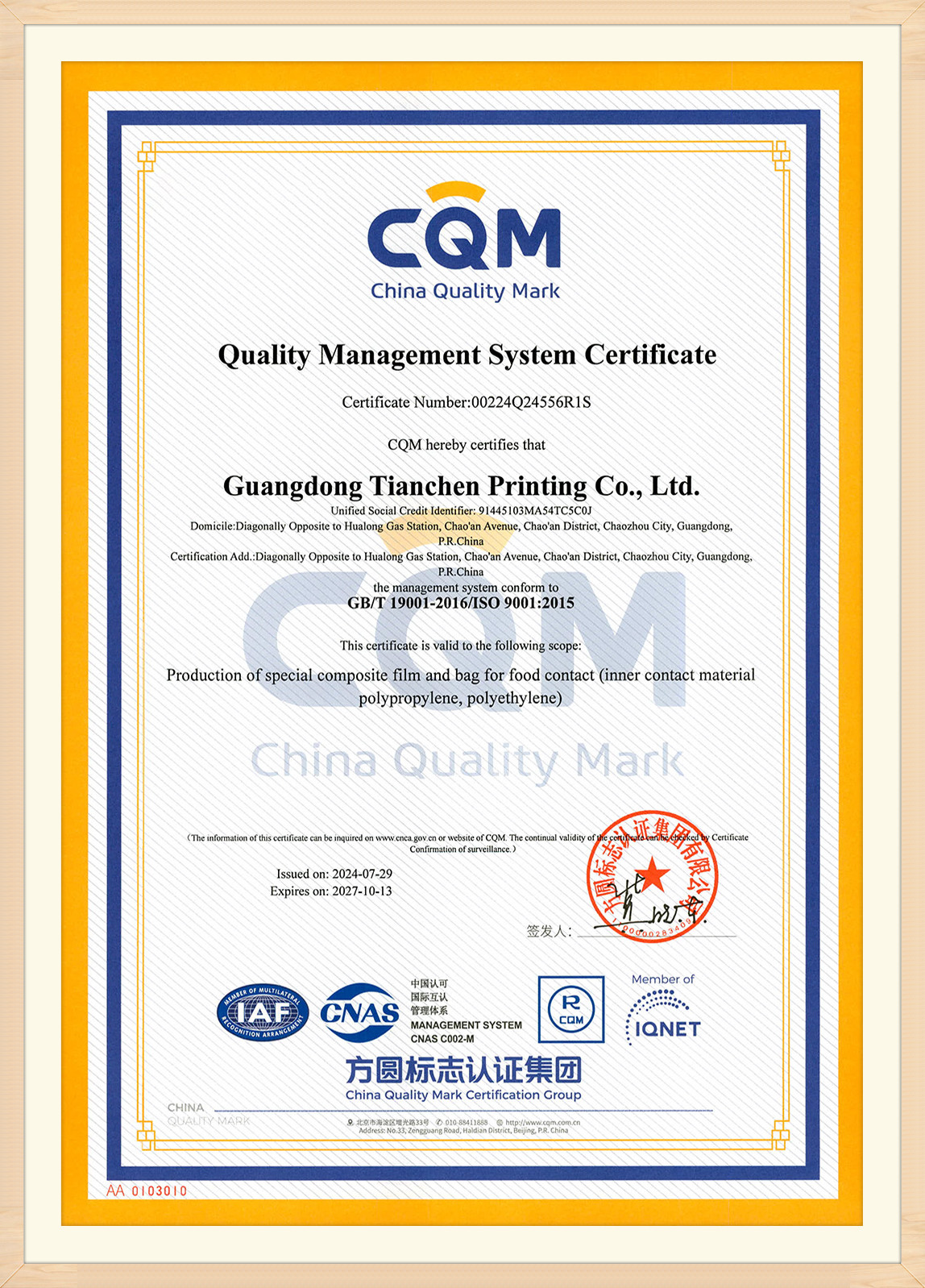
Our manufacturing plant operates under ISO 9001 and ISO 22000 quality management structures. For every production run, we conduct continuous inline inspection, alongside offline testing including:
- Seal Strength Testing (ASTM F88): To ensure the hermetic seal resists peeling and pressure.
- Burst Strength Testing (ASTM F1140): To determine the maximum pressure the pouch can withstand.
- Gas Chromatography: To confirm solvent retention is well below food-safety standards.
Complete custom options, from barrier roll stock to specialty shaped pouches.
 TIANCHEN PRINTING