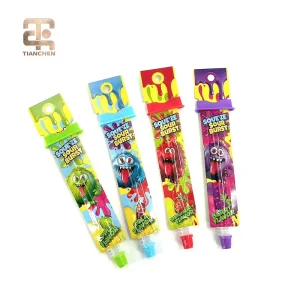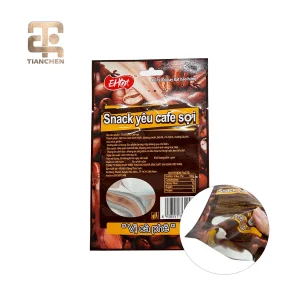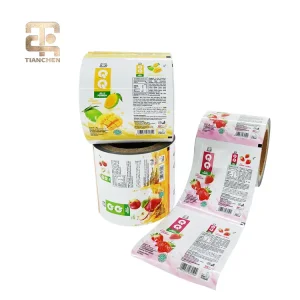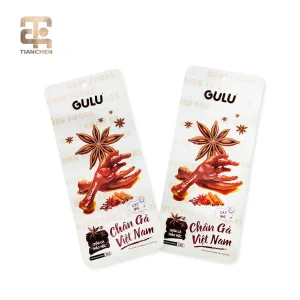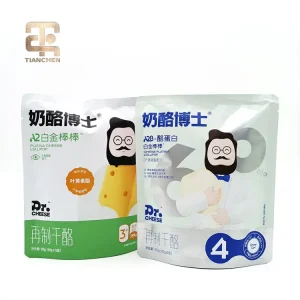
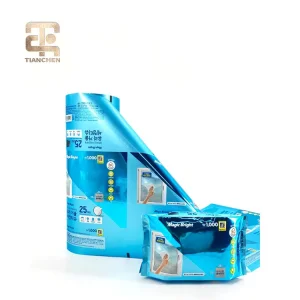
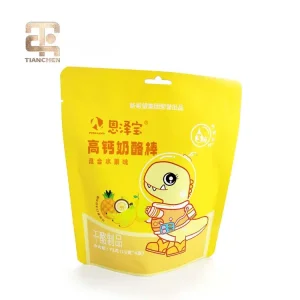
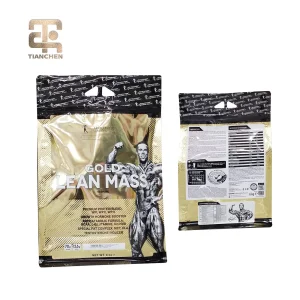
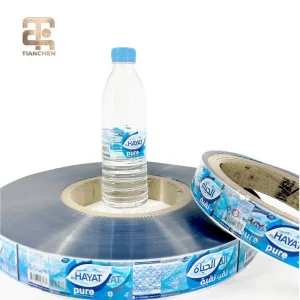
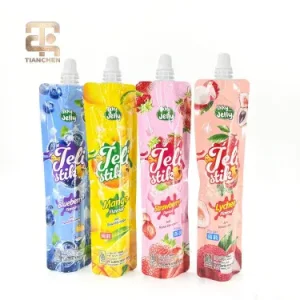
In the highly automated global FMCG, pharmaceutical, and chemical landscapes, the search for premier ODM Pouch Bag Filling Machine Manufacturers & Factories extends far beyond purchasing mechanical equipment. Today's procurement executives, plant directors, and packaging engineers seek an integrated ecosystem that aligns mechanical engineering precision with state-of-the-art material sciences.
Modern high-speed packaging lines demand a seamless synergy between the filling machine's mechanical cycle (pouch loading, air blowing, filling, heat sealing, and cooling) and the flexible film's coefficient of friction (COF), heat-sealing thresholds, and barrier performance. Without this mechanical-material integration, manufacturers suffer from frequent downtime, micro-leakages, and packaging waste.
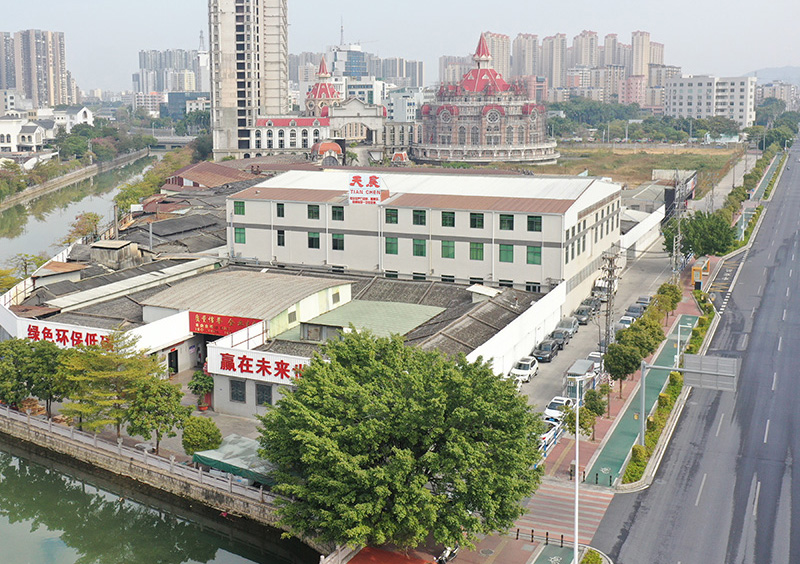
The development of flexible pouch filling machines represents the cutting edge of industrial automation. As a leading hub of research and development in this field, modern ODM factories in China have transitioned from mechanical camshaft drivetrains to digital, intelligent automation frameworks.
Traditional mechanical cams are being systematically replaced by independent multi-axis servo motors (such as those from Beckhoff or Omron). This allows operators to change pouch parameters via software, eliminating hours of mechanical hardware adjustment. Each mechanical grip, bag-puller, and filling arm is dynamically synchronized to microsecond tolerances, enabling operational speeds of up to 120 bags per minute.
Sealing is the most critical factor in packaging integrity. The roadmap integrates hybrid sealing: precision pneumatic heat sealing bars followed by high-frequency ultrasonic sealing. Ultrasonic sealing excites molecules in the seal zone directly, pushing contaminants (fluid, fats, powders) out of the seal area to form a perfect bond, cutting down seal fail rates to less than 0.05% in paste and liquid environments.
Global environmental legislation is forcing a paradigm shift away from traditional multi-layer, non-recyclable PET/AL/PE laminates toward mono-material polymer structures (e.g., all-PE structures or PLA-based films). These eco-materials have lower heat-tolerance profiles and are prone to stretching under high temperatures. Future-proof filling machines utilize precise PID thermal controls and tension decoupling mechanisms to protect delicate green films.
Different regional markets demand distinct configurations of pouch bag filling machinery. The optimization of these machines is heavily localized to match the specific physical, thermal, and chemical attributes of the end products.
Particularly in North America and Western Europe, baby foods, juices, and dairy stand-up pouches require extreme hygiene. ODM filling machines must feature H2O2 gaseous sterilization, laminar HEPA airflow over the filling carousel, and fully integrated CIP (Clean-In-Place) systems. Precise volumetric piston pumps or electromagnetic flow meters ensure baby foods and snack purees are dosed without dripping, preventing product crusting at the pouch mouth.
In massive agricultural centers like Brazil, Australia, and parts of Southeast Asia, filling pouches with agrochemicals, liquid fertilizers, or strong industrial cleaning agents is common. Under these conditions, standard stainless steel is insufficient. The liquid-contact components must be manufactured from Titanium, SUS316L, or Hastelloy. Machinery frames are reinforced with anti-acidic, chemical-resistant epoxy coatings, and advanced double-seal technology prevents environmental venting.
For precision-critical medicine powders, proteins, or collagen formulations in East Asia and Europe, vacuum-assisted auger filling systems are deployed. To satisfy rigorous GMP standards, ODM manufacturers integrate active static elimination bars, nitrogen-flushing nozzles to keep residual oxygen levels beneath 1.5%, and automated weight-feedback scales that discard any package deviating from the prescribed dose by even 0.5g.
The global competitive advantage of Chinese packaging factories like GUANGDONG TIANCHEN PRINTING CO., LTD stems from unique vertical integration. Guangdong is the global epicenter for raw polymer processing, rotogravure printing, laminating, converting, and mechanical automation engineering.
Historically, food brands would purchase materials from one source and machinery from another. When sealing defects, tracking errors, or material feeding failures occurred, each supplier would blame the other. In our integrated model, material physical properties and machinery tolerances are co-developed:
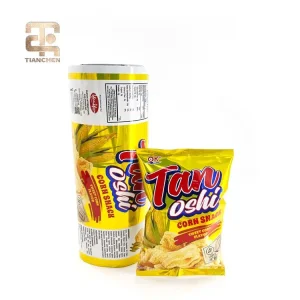
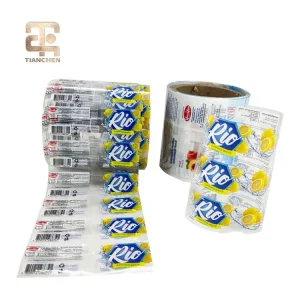
Extrusion lamination and dry lamination layers are optimized down to micro-millimeter variances. Co-extruded nylon films offer maximum drop-test resistance, perfect for integration into high-velocity drop-fill stations.
The coefficient of friction (COF) of the inner and outer packaging film layers is engineered specifically for rotary pouch grabbers. High-friction coatings are avoided where smooth feeding is required, preventing slide slippage and alignment faults.
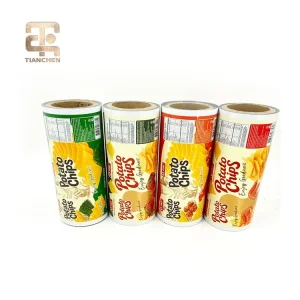
Up to 10-color high-definition rotogravure printing with solventless lamination processes ensures no chemical migration occurs. Matte/gloss registers remain flawless even under the high thermal jaws of high-speed filling equipment.
We are a professional printing team boasting more than 20 years of profound experience in the flexible packaging industry. Rooted in Guangdong, a hub of manufacturing and international trade in China, Tianchen Printing has grown into a reliable partner for global clients by focusing on rotogravure printing, laminating, and converting services for flexible packaging solutions.
Our business covers a diverse range of industries worldwide, including food and beverage, pharmaceuticals, daily chemicals, electronics, and agriculture. We tailor packaging solutions to meet the unique needs of each sector, from moisture-proof packaging for snacks to high-barrier films for pharmaceuticals, ensuring product safety, shelf appeal, and transportation stability. Over the years, we have established long-term cooperative relationships with clients from Europe, North America, Southeast Asia, and other regions, winning wide recognition for our consistent quality and professional service.
Innovation, Internationalization, Integration, Intelligentization
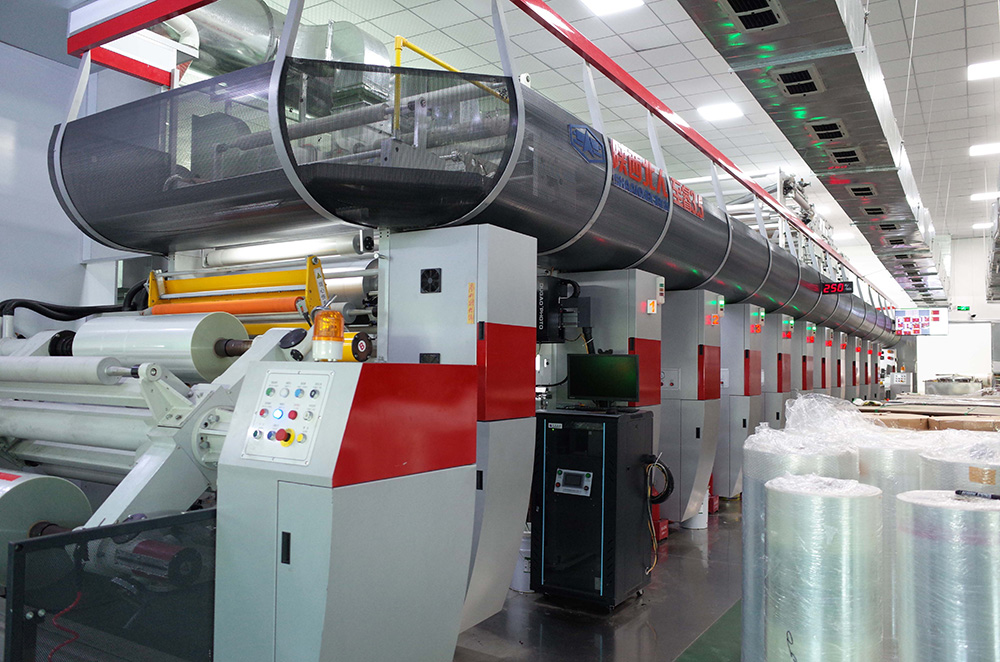
Guided by our core four "IN" concepts, we have forged a clear development path and maintained steady growth in the competitive global market. The first is "Innovation" – we persist in investing in R&D, upgrading printing technologies and processes, and developing eco-friendly, high-performance packaging materials to keep pace with industry trends and client demands.
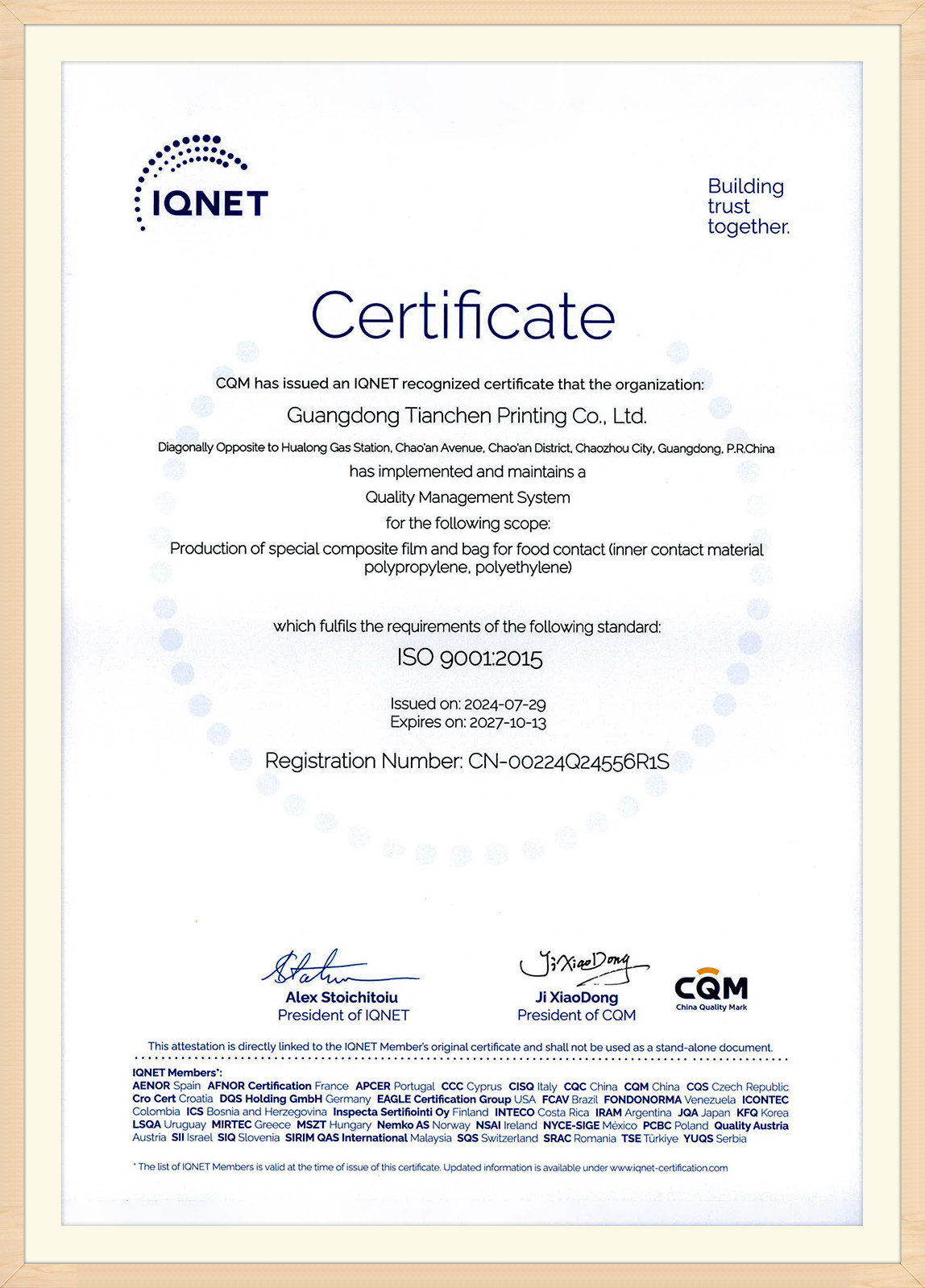
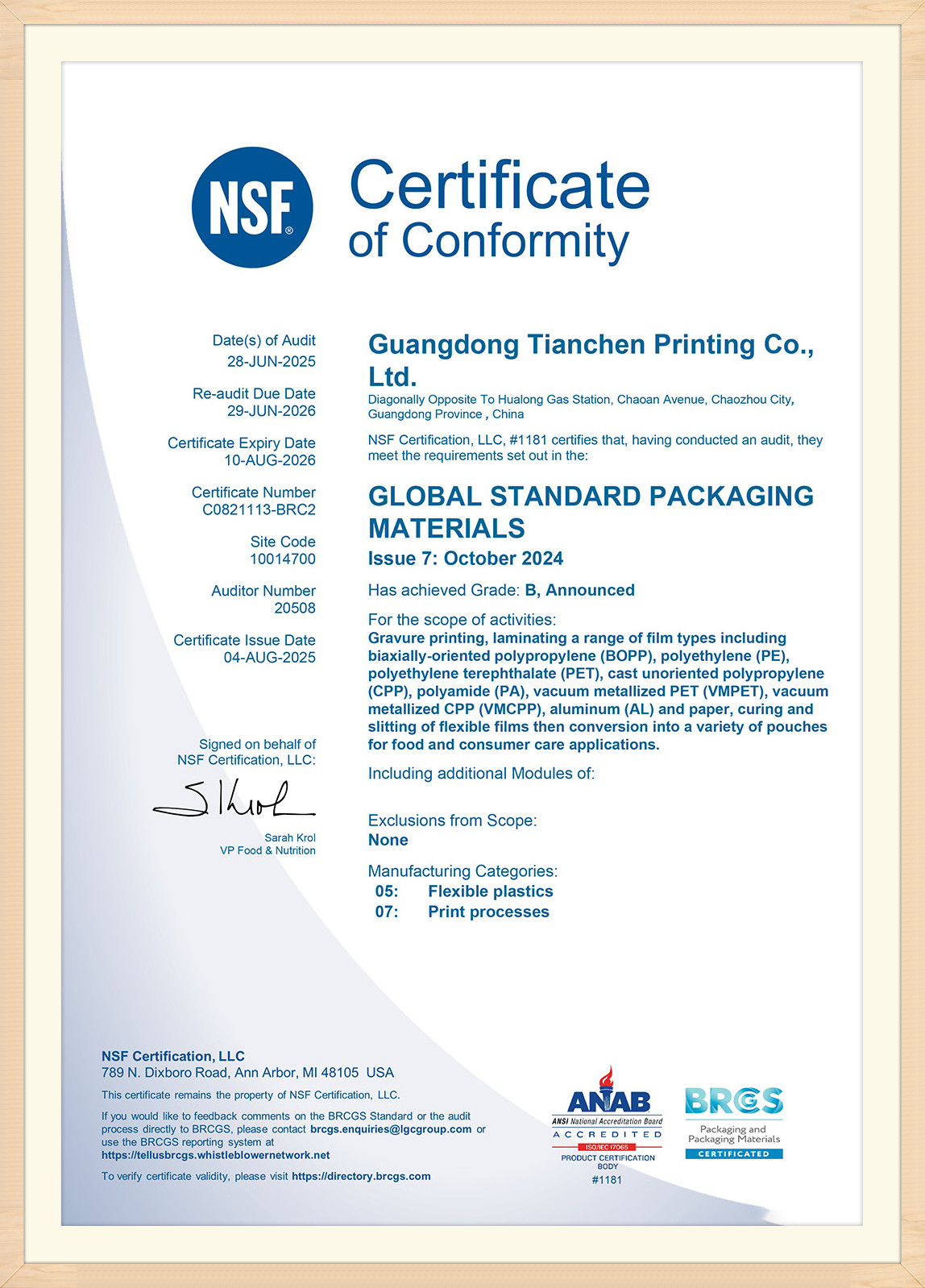
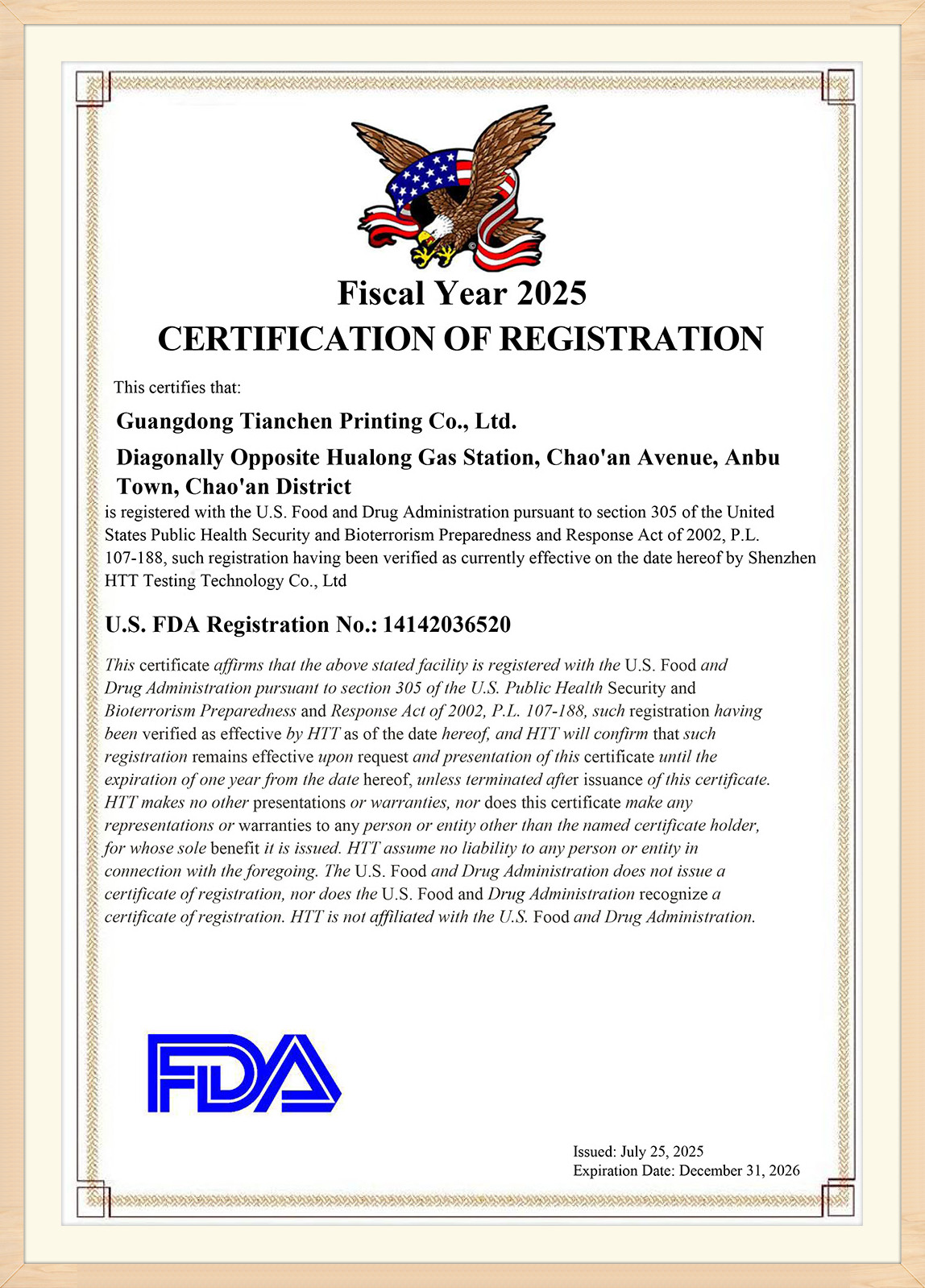
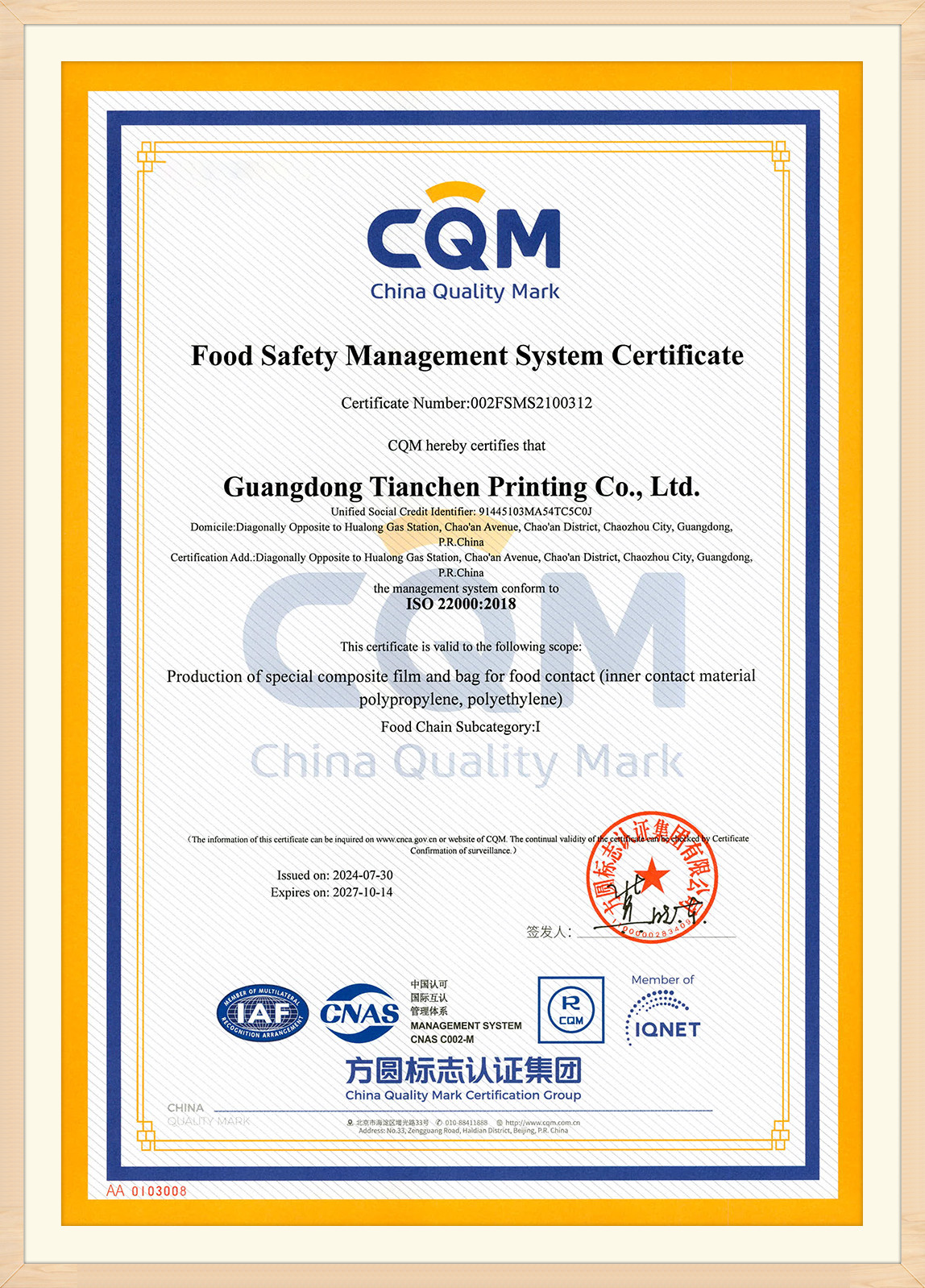
The second is "Internationalization" – we adhere to global standards in production and management, obtain international certifications, and expand our global service network to integrate into the international mainstream market.
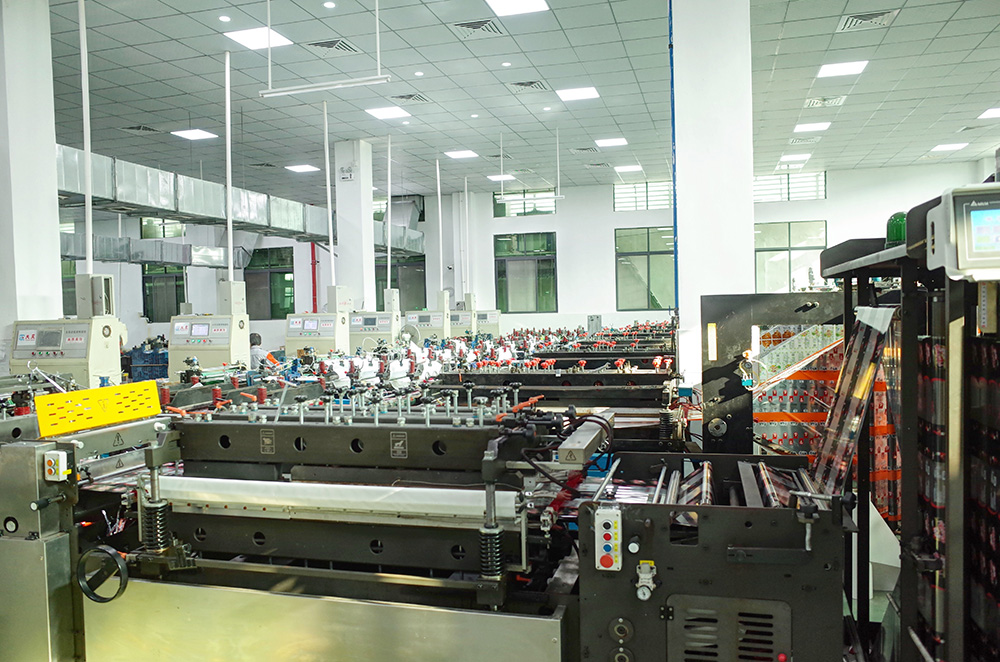
The third concept is "Integration", which refers to our one-stop service model integrating design, printing, laminating, converting, and quality inspection. By optimizing the industrial chain layout, we streamline the production process, reduce costs for clients, and ensure efficient delivery.
The fourth is "Intelligentization" – we have introduced advanced intelligent production equipment and digital management systems, realizing automated operations in key links such as color matching and quality control, which improves production efficiency and product consistency.
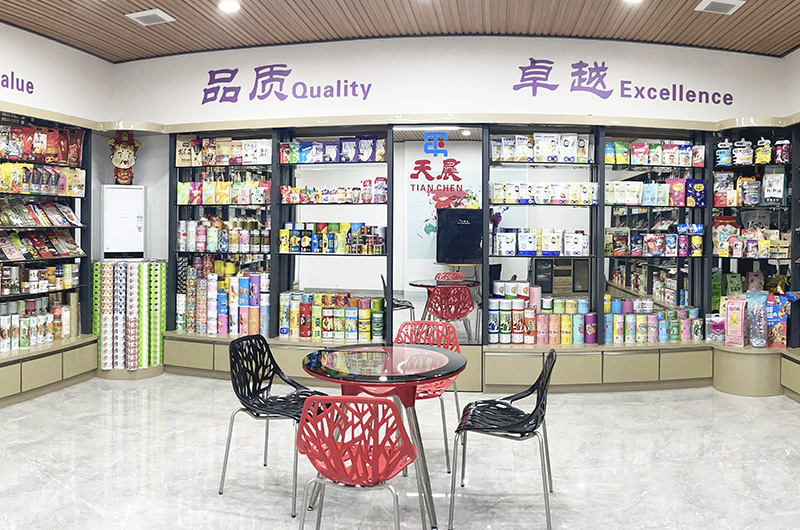
Under the strategy of "innovation and transformation, integrated operation and steady growth", we firmly uphold the concept of sustainable development. We actively adopt green production technologies, reduce energy consumption and environmental impact, and strive to achieve a win-win situation between economic benefits and social responsibility. Our goal is to become a first-class enterprise in the global mainstream printing market, providing more high-quality and efficient packaging solutions for global clients.
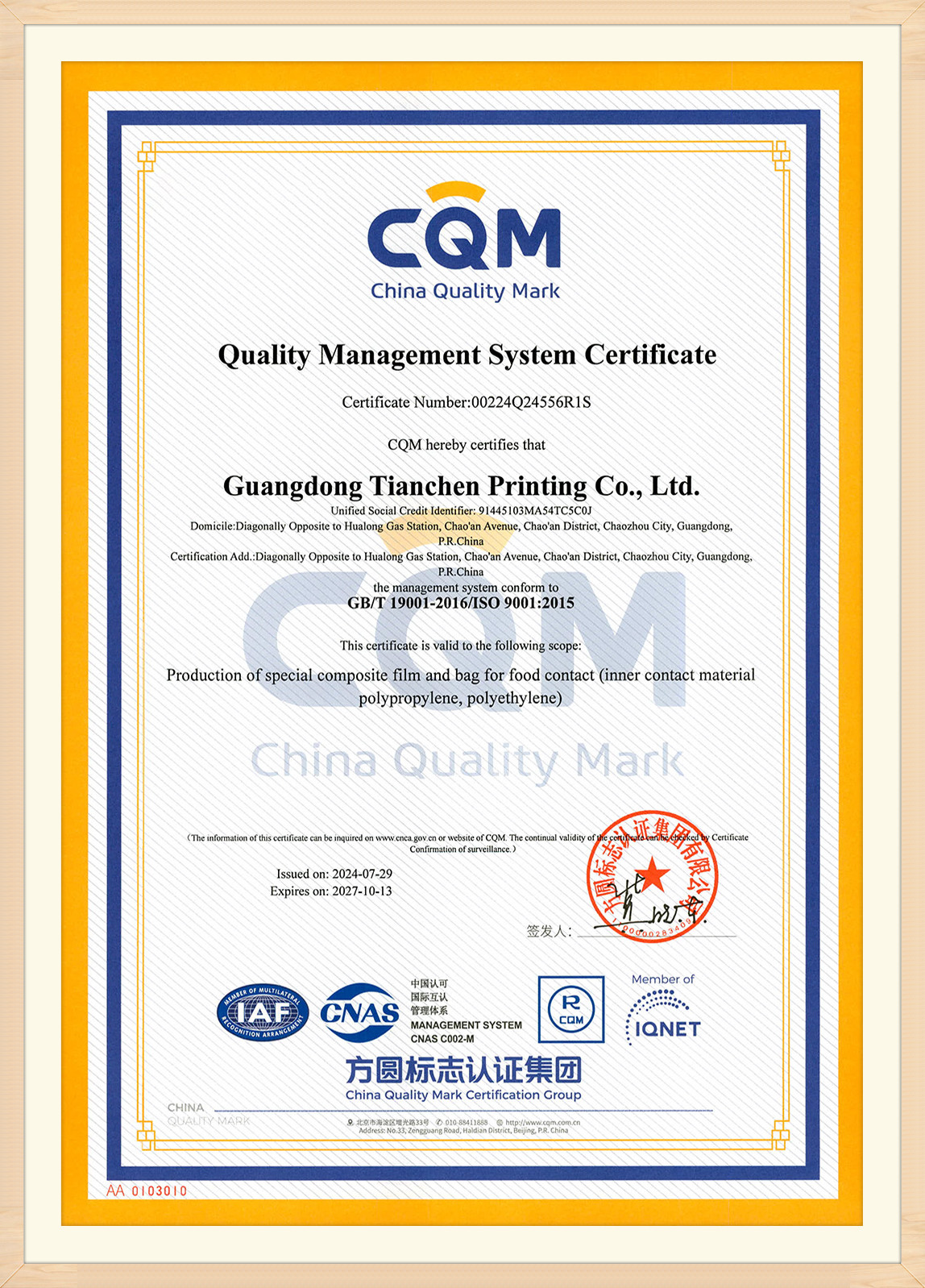
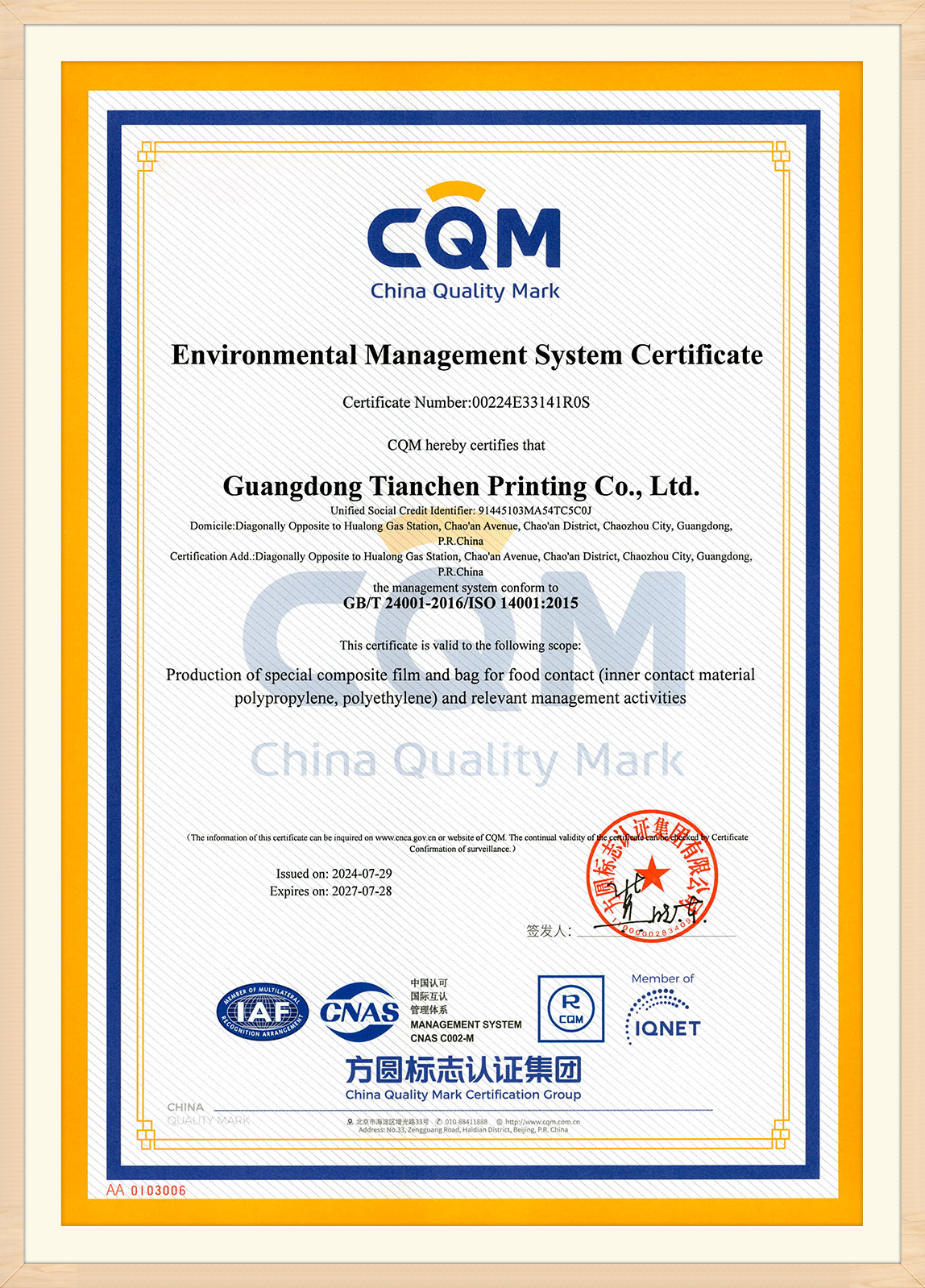
Procuring from high-capacity Chinese facilities requires structural compliance. As a certified leader, we understand the regulatory requirements across various regions:
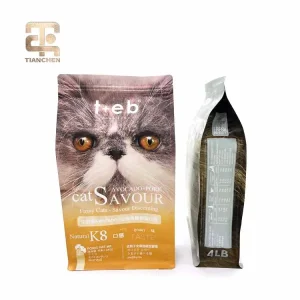
All raw material resins and colorants are migration-tested under strictly controlled conditions to meet food-contact criteria under European Commission Regulation (EU) No 10/2011 and US FDA CFR 21. Excellent for food, drink, and pet treats.
Before dispatching filling machines or custom-printed laminates, we conduct exhaustive Factory Acceptance Testing (FAT) with high-definition multi-angle cameras, testing the seal strength, thermal properties, and mechanical alignment under local operations simulation.
Our raw packaging film undergoes gas chromatography solvent residue testing, electronic friction coefficient tracking, and oxygen transmission rate (OTR) analysis. We keep strict digital batch records, tracking batch materials from polymer origin to machinery delivery.
Choose TopfeelPack for packaging that delivers beyond expectations
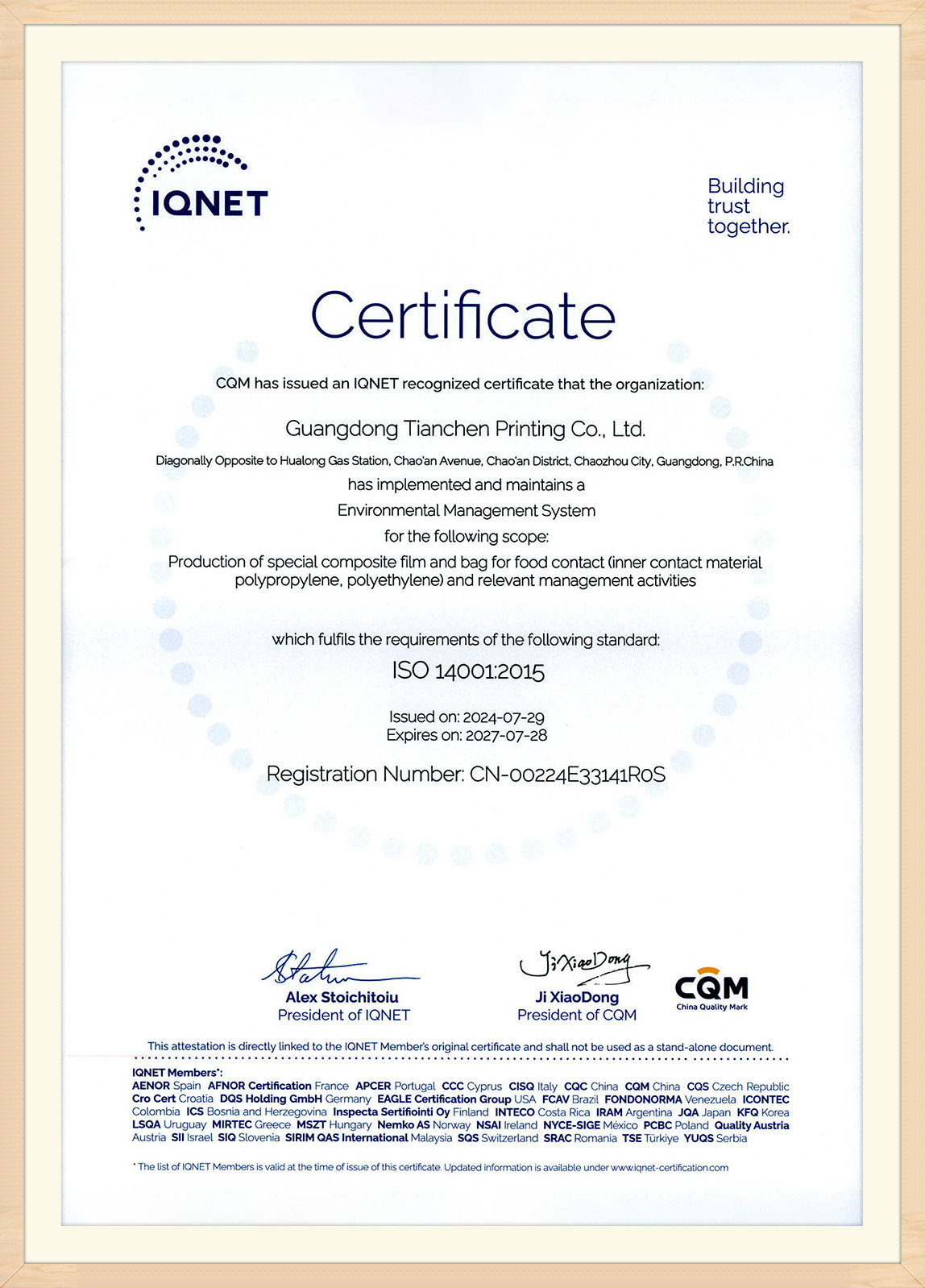
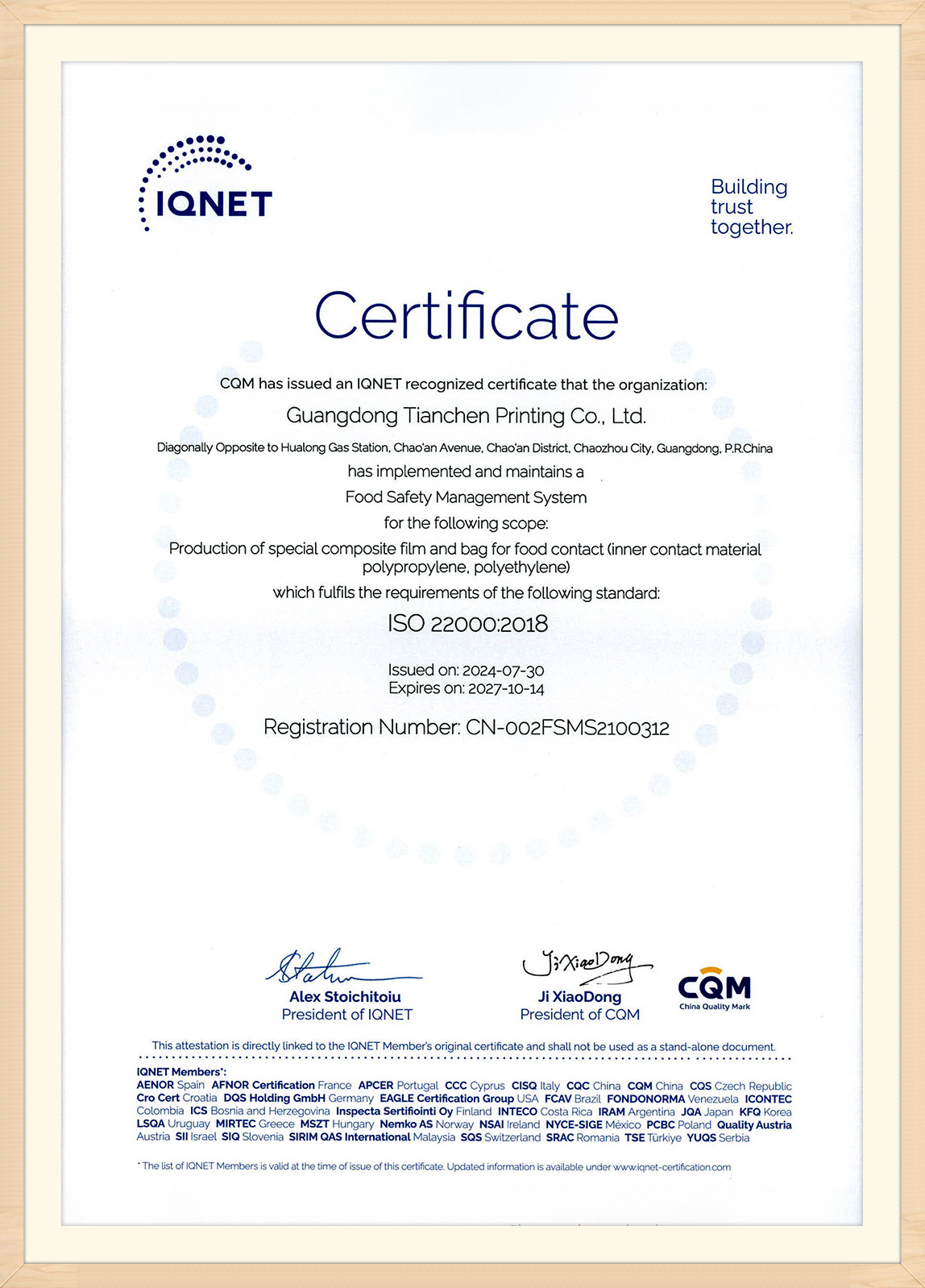
Get rapid answers to the technical challenges surrounding pouch bag filling automation, laminates, and China factory integration.
 TIANCHEN PRINTING