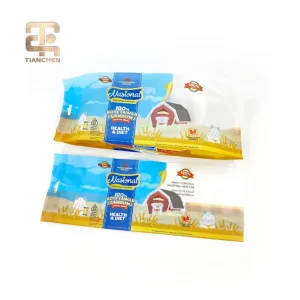
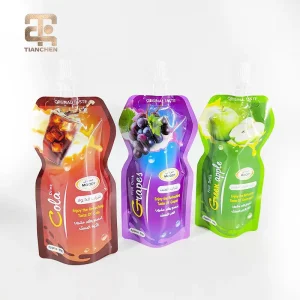
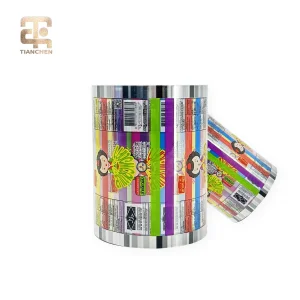
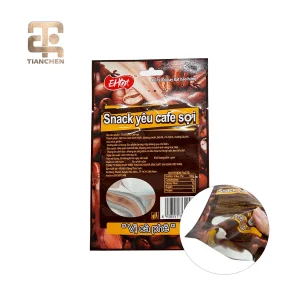
High-barrier rotogravure packaging materials engineered to withstand severe thermal processing and maximize product freshness.
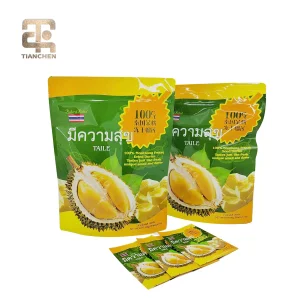
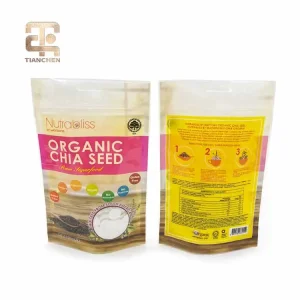
In the competitive landscape of the global food manufacturing sector, ODM Retort Pouch Packaging has emerged as one of the most disruptive innovations since the development of the metal tin can. Designed to survive temperatures exceeding 121°C (250°F) under high pressure, these flexible packaging systems combine the structural advantages of traditional canning with the lightweight, aesthetic appeal, and transport-efficient footprints of high-barrier polymers and aluminum laminates. For food brands globally, outsourcing to premium, high-integrity manufacturers is no longer merely a method to reduce overhead—it is a critical strategy to enhance overall product quality, secure supply chain resilience, and capture high-value market share.
Retort pouch packaging relies on a unique scientific premise: preserving cooked food by sealing it hermetically in a flexible multi-layer structure, and then subjecting both the pouch and its contents to sterilizing temperatures. This process requires not only sophisticated retort machinery but also advanced engineering of the laminated film layers to prevent material delamination, pinholing, or chemical migration. Working with an experienced ODM (Original Design Manufacturer) supplier who has mastered these dynamics guarantees that your final product remains microbiologically sterile, retains excellent sensory profiles, and stands strong against physical stress throughout international distribution networks.
Retort pouches must maintain absolute hermetic seals. Our advanced thermal-sealing technology guarantees structural stability during high-pressure sterilization cycles up to 135°C, effectively avoiding micro-leaks and structural degradation.
Incorporating premium aluminum layers (AL), EVOH, or BOPA (Nylon) coatings to deliver Oxygen Transmission Rates (OTR) close to zero, safeguarding flavors, nutritional properties, and color pigments over prolonged shelf lives.
The thin profile of our retort pouches allows heat to reach the core of the food product substantially faster than a metal can, dramatically shortening sterilization times, reducing energy use, and preventing heat-induced overcooking.
Over 20 Years of Dynamic Flexible Packaging Mastery
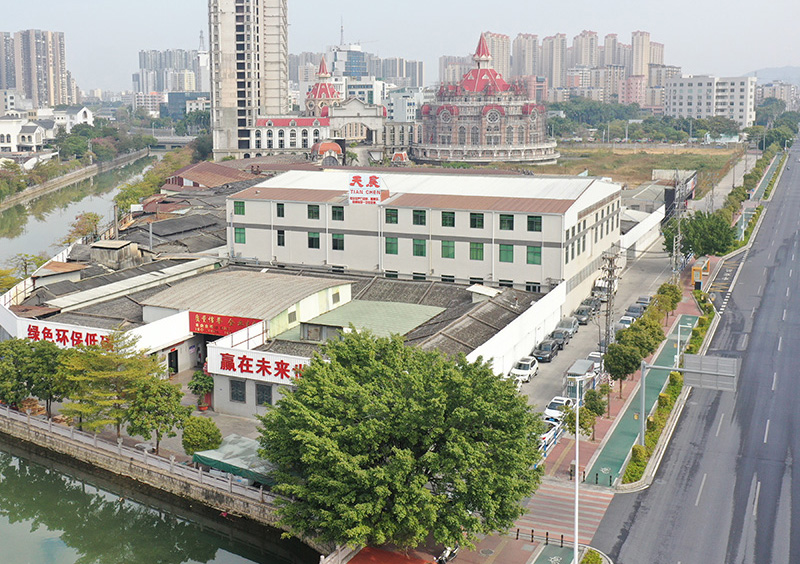
Established as an industry leader in Southern China's manufacturing heartland, Guangdong Tianchen Printing Co., Ltd. represents over two decades of highly specialized innovation in rotogravure printing, complex film lamination, and precision conversions.
Our core mission centers on developing next-generation flexible packaging solutions that serve demanding industries worldwide, including human and pet foods, biological pharmaceuticals, personal care products, and agritech. Operating with strict adherence to global compliance standards, we support premium food brands with state-of-the-art co-extrusion technology, raw material vertical trace-auditing, and comprehensive laboratory-grade batch validation.
Guided by the Four "IN" Concepts, we constantly upgrade our production ecosystems to guarantee high-integrity solutions for international procurement chains.
We systematically invest in materials R&D, leading the transition toward eco-friendly mono-material PP structures that withstand retort processes while meeting international sustainability standards.
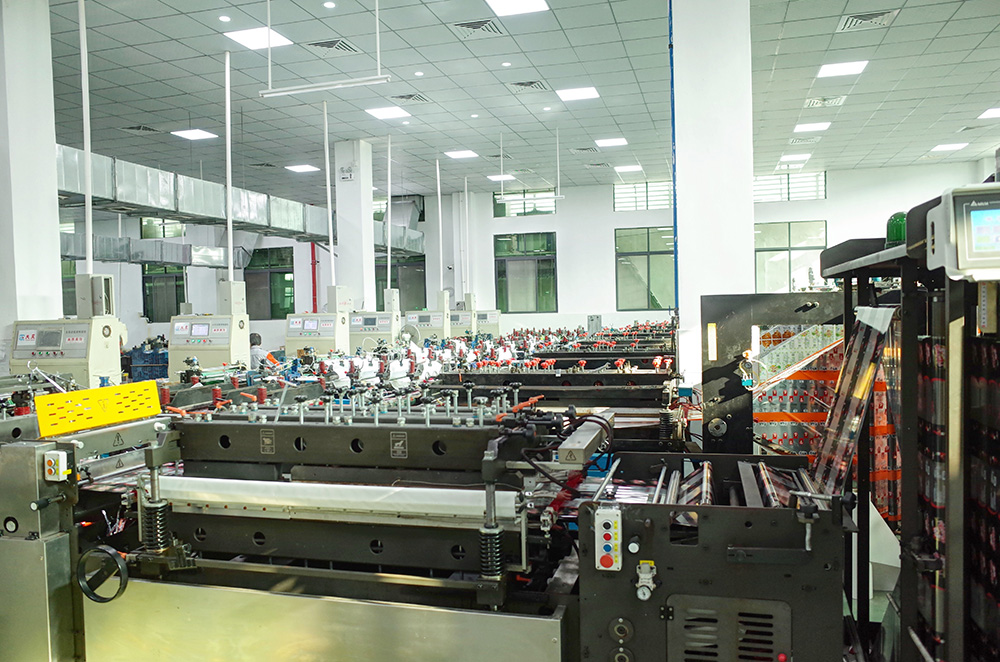
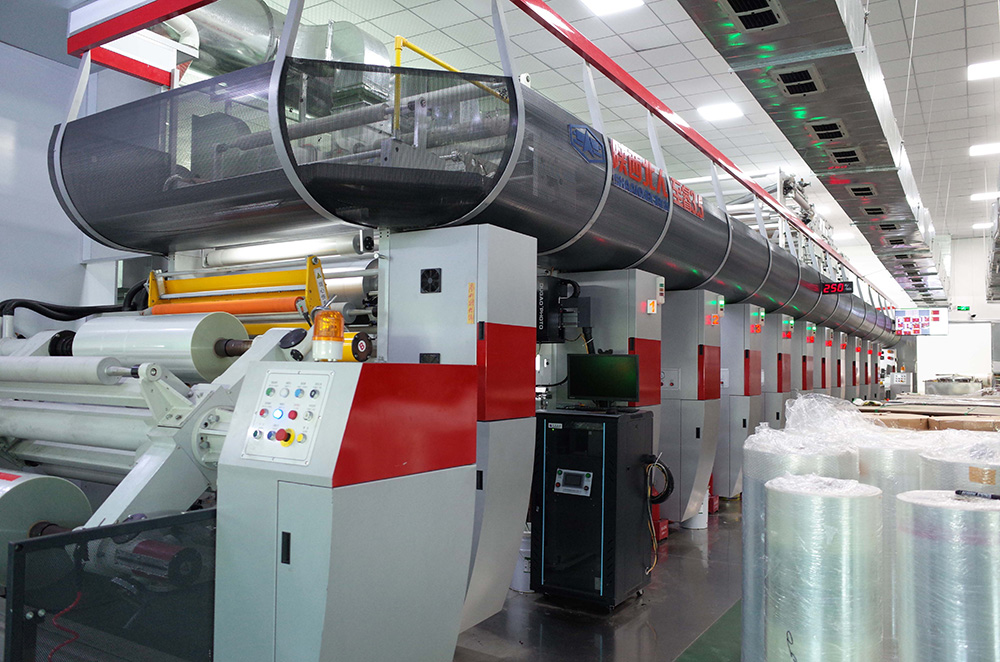
Our comprehensive packaging value chain merges custom artwork rendering, advanced digital rotogravure printing, high-speed dry and solventless lamination, and automated slitting into a unified process.
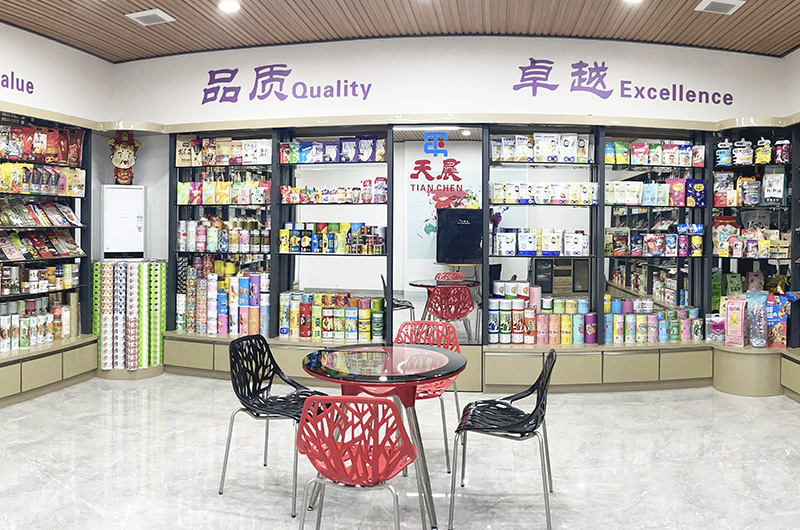
With an eye on the future of green packaging, we minimize volatile organic compound (VOC) emissions through state-of-the-art solvent recovery and thermal oxidation systems, delivering clean products.
Developing high-integrity retort pouches requires a deep understanding of laminating adhesives, polymer properties, and material stress under heat. Unlike typical snack packaging, retort laminates undergo extreme mechanical stresses caused by moisture expansion, heat transfer, and pressure differentials within the sterilizing autoclave.
To maintain absolute barrier integrity, our engineering team uses a carefully designed multi-ply layout, typically featuring 3 to 5 layers. Each layer is selected to fulfill a precise physical role:
The worldwide demand for retort pouch packaging is driven by two main factors: consumers' growing preference for shelf-stable, preservative-free ready meals, and commercial businesses' search for energy-saving logistics. Historically dominated by metal cans, sectors like pet food, commercial catering, and ready-to-eat baby foods are rapidly transitioning to flexible barrier formats.
According to market data, the global retort packaging market is projected to reach USD 6.5 billion by 2028, growing at a CAGR of 6.2%. The driving factors behind this growth include:
Busy modern lifestyles have made convenient, preservative-free meals essential. High-barrier retort packaging keeps food safe and flavorful for months without artificial chemical preservatives.
Empty flexible pouches occupy up to 90% less warehouse space than rigid cans. When filled, their compact shape enables highly efficient shipping, lowering carbon emissions during transit.
Flexible pouches are highly resistant to impact during delivery. This makes them ideal for direct-to-consumer (D2C) food brands selling online compared to dent-prone metal cans or breakable glass jars.
For global buyers purchasing retort pouches from overseas manufacturers, managing quality risk is the top priority. Purchasing defective materials can lead to catastrophic consequences: food spoilage, high recall costs, and damage to brand reputation. Therefore, experienced sourcing teams focus closely on strict compliance frameworks.
Our manufacturing facilities are built around a transparent, auditable quality management system designed to exceed the requirements of global compliance frameworks:
Every batch of resin, adhesive, and raw material is tracked back to its original raw material supplier, guaranteeing zero heavy metal contamination and full compliance with FDA and EU regulations.
Our on-site laboratory carries out routine pressure resistance testing, barrier verification (OTR/WVTR), coefficient of friction (COF) analysis, and residual solvent checks via gas chromatography.
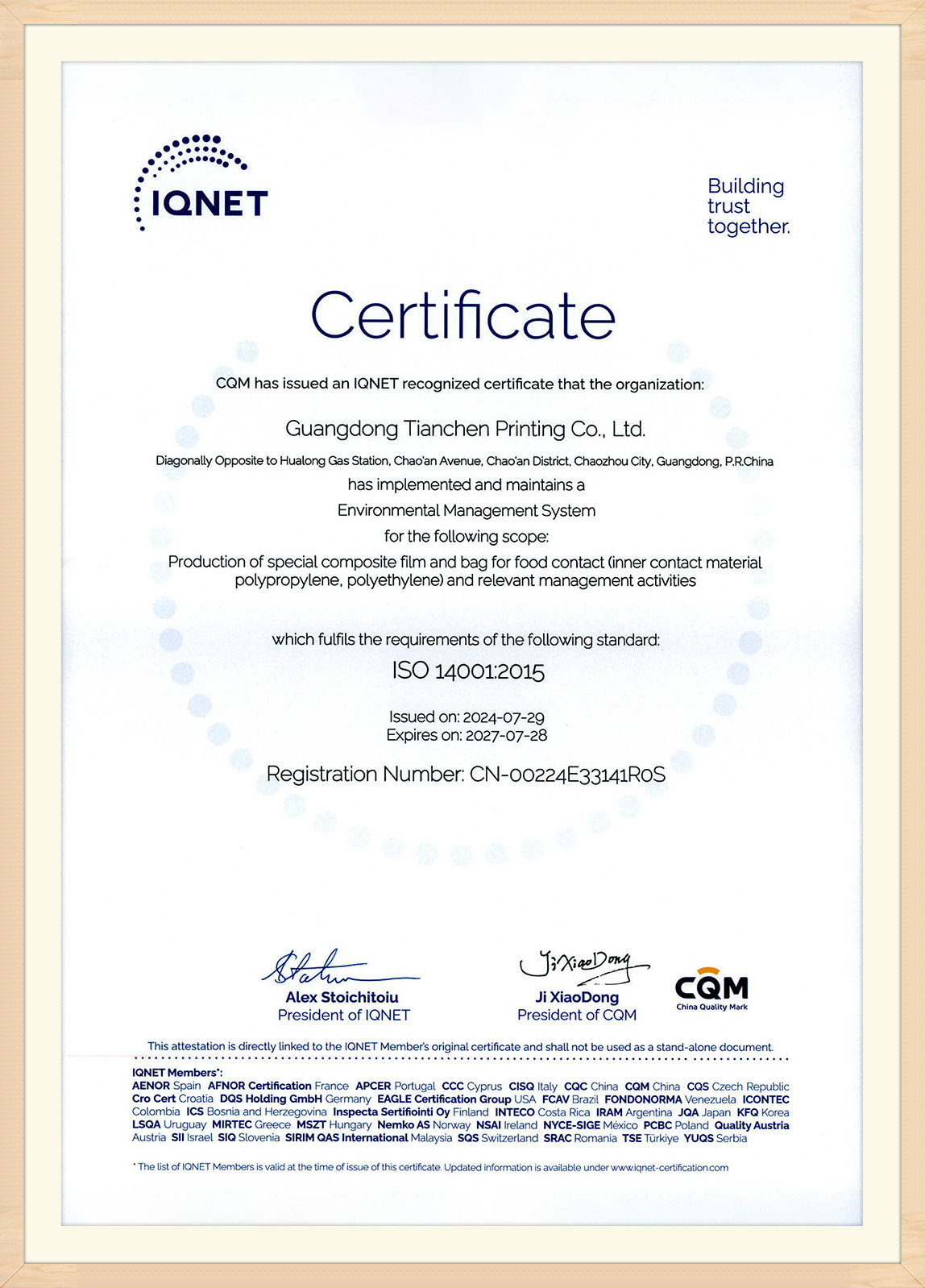
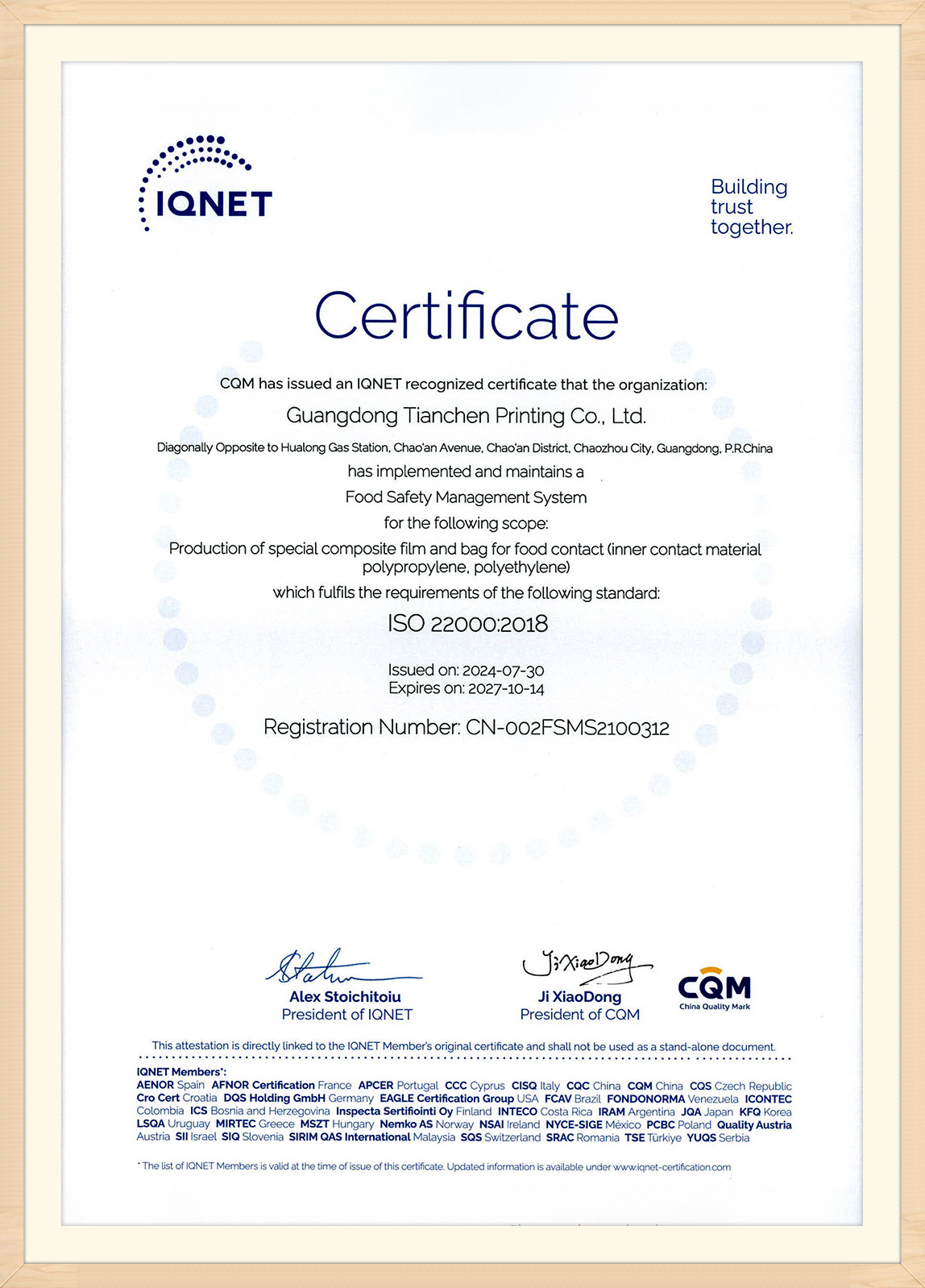
Our facilities are certified to international standards, including ISO 9001 and BRCGS, ensuring our flexible packaging processes are fully compatible with world-class food production environments.
Verified and fully audited manufacturing infrastructure, demonstrating compliance with global food safety regulations.
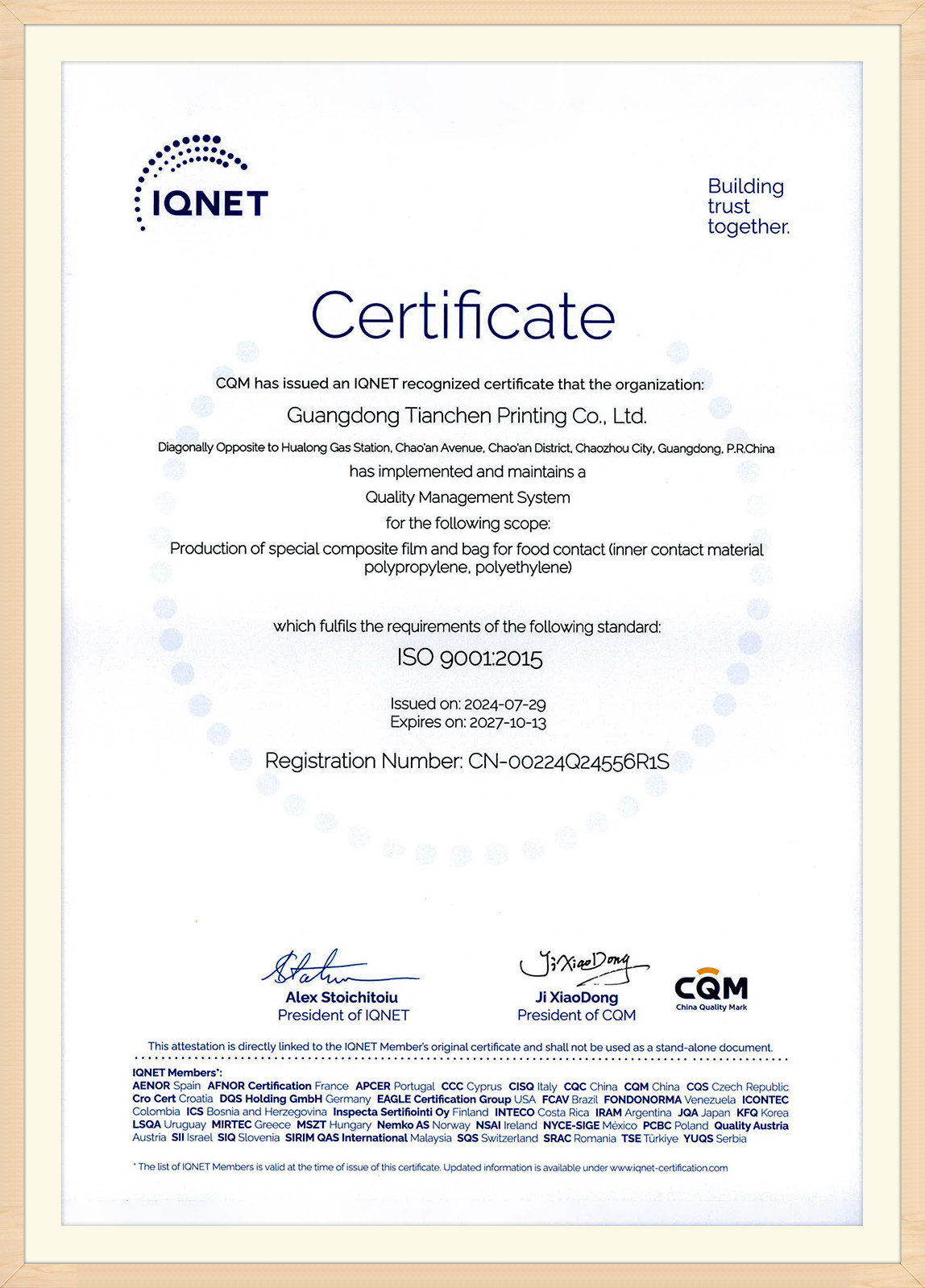
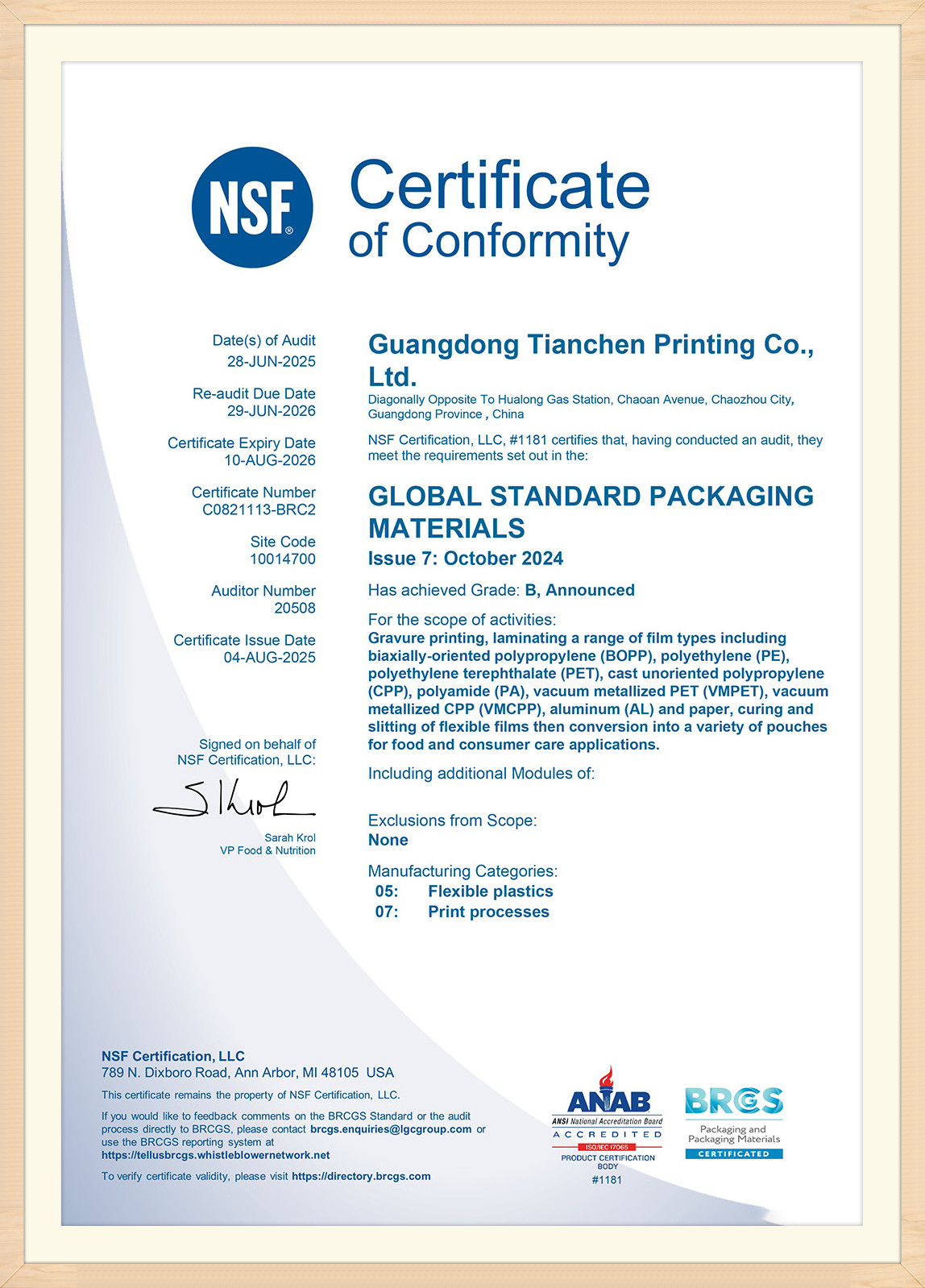
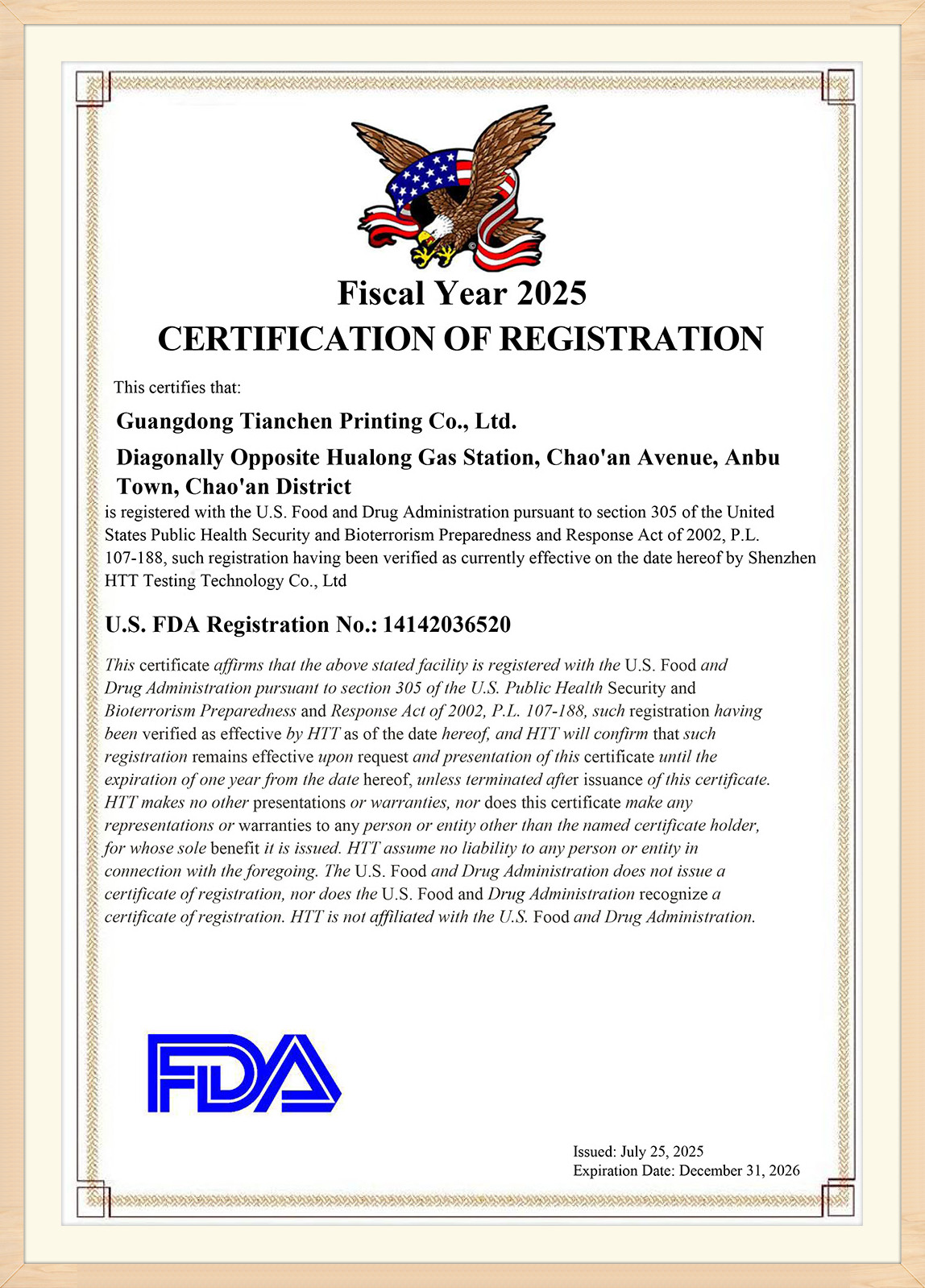
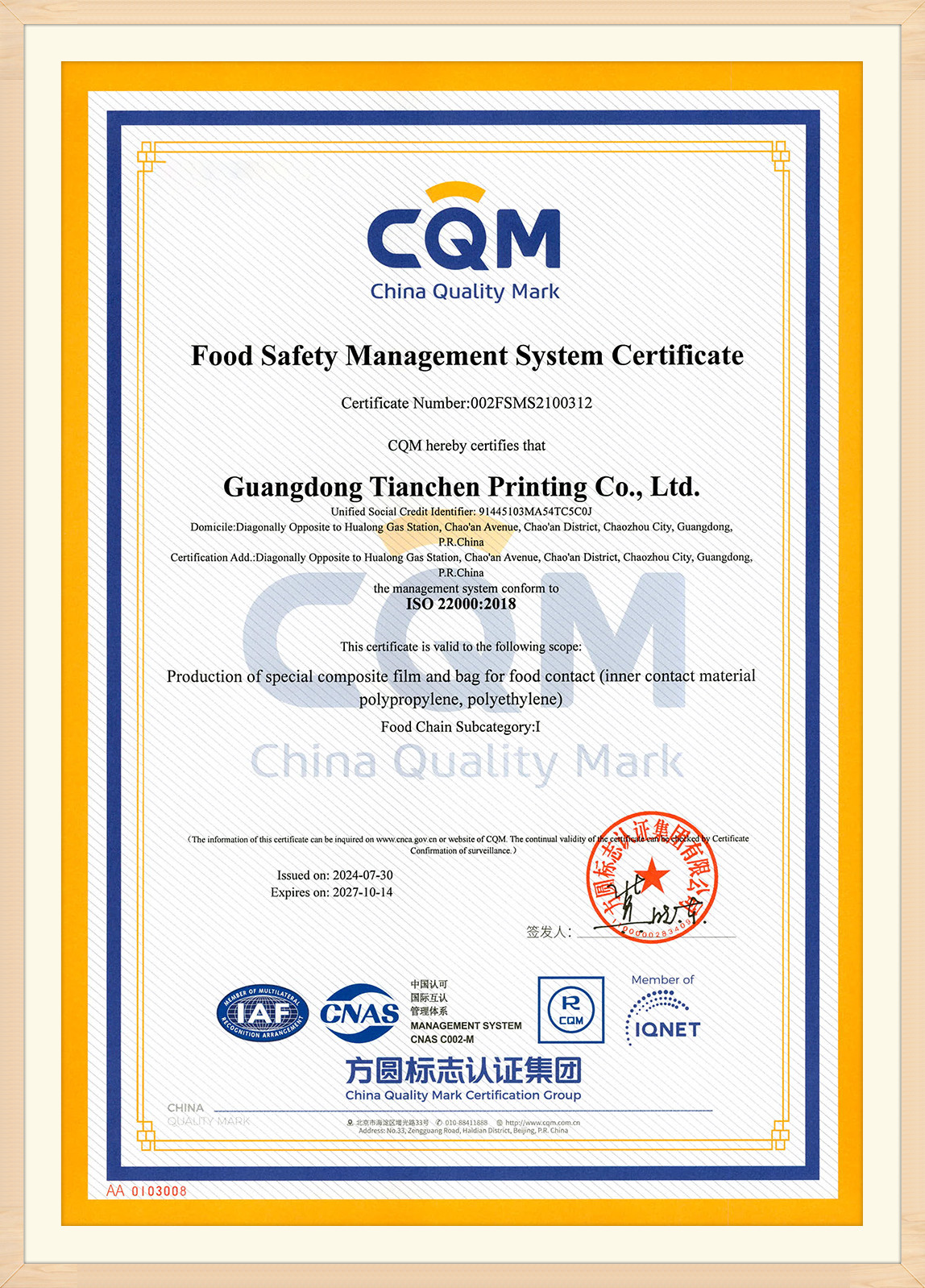
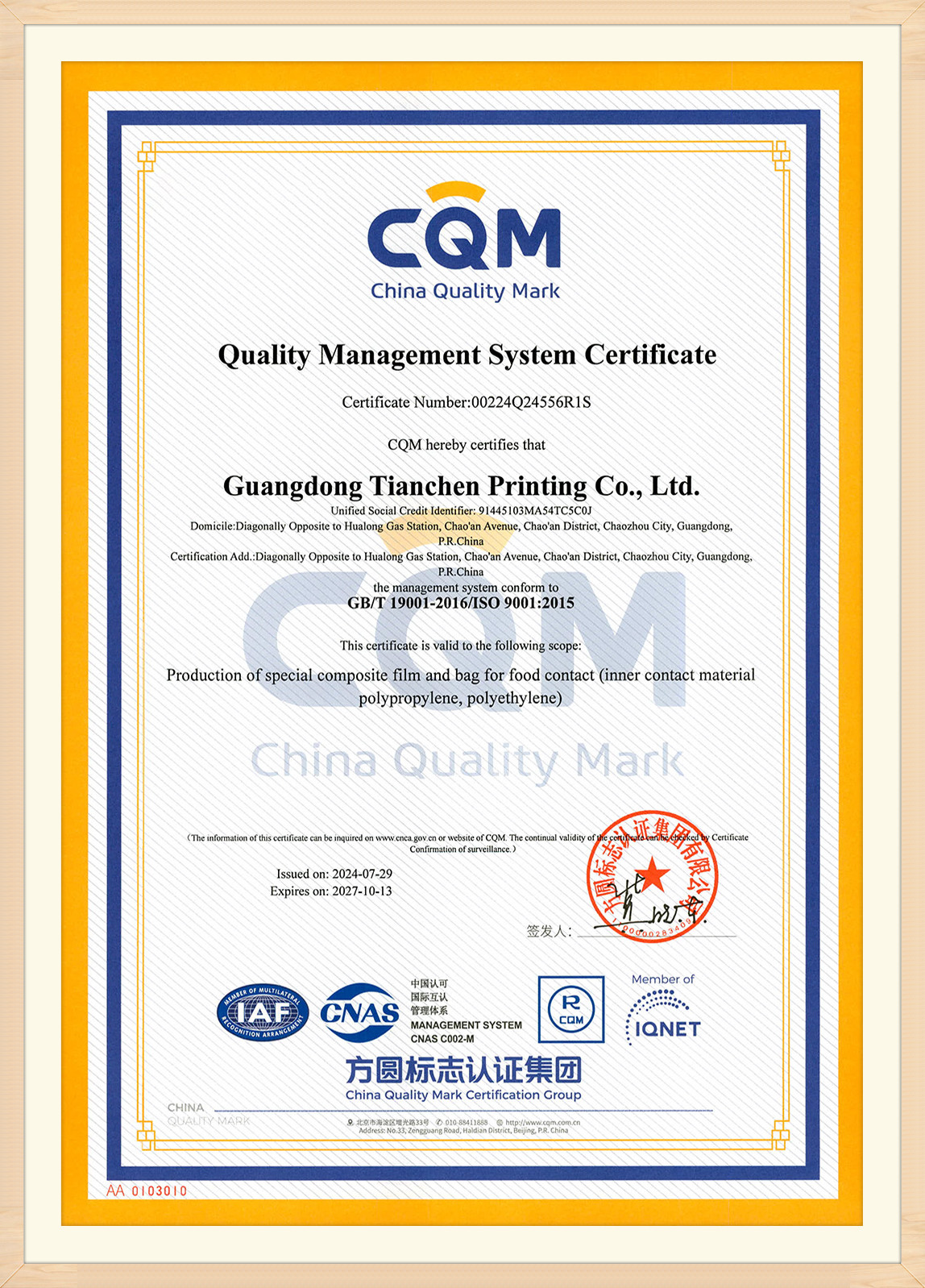
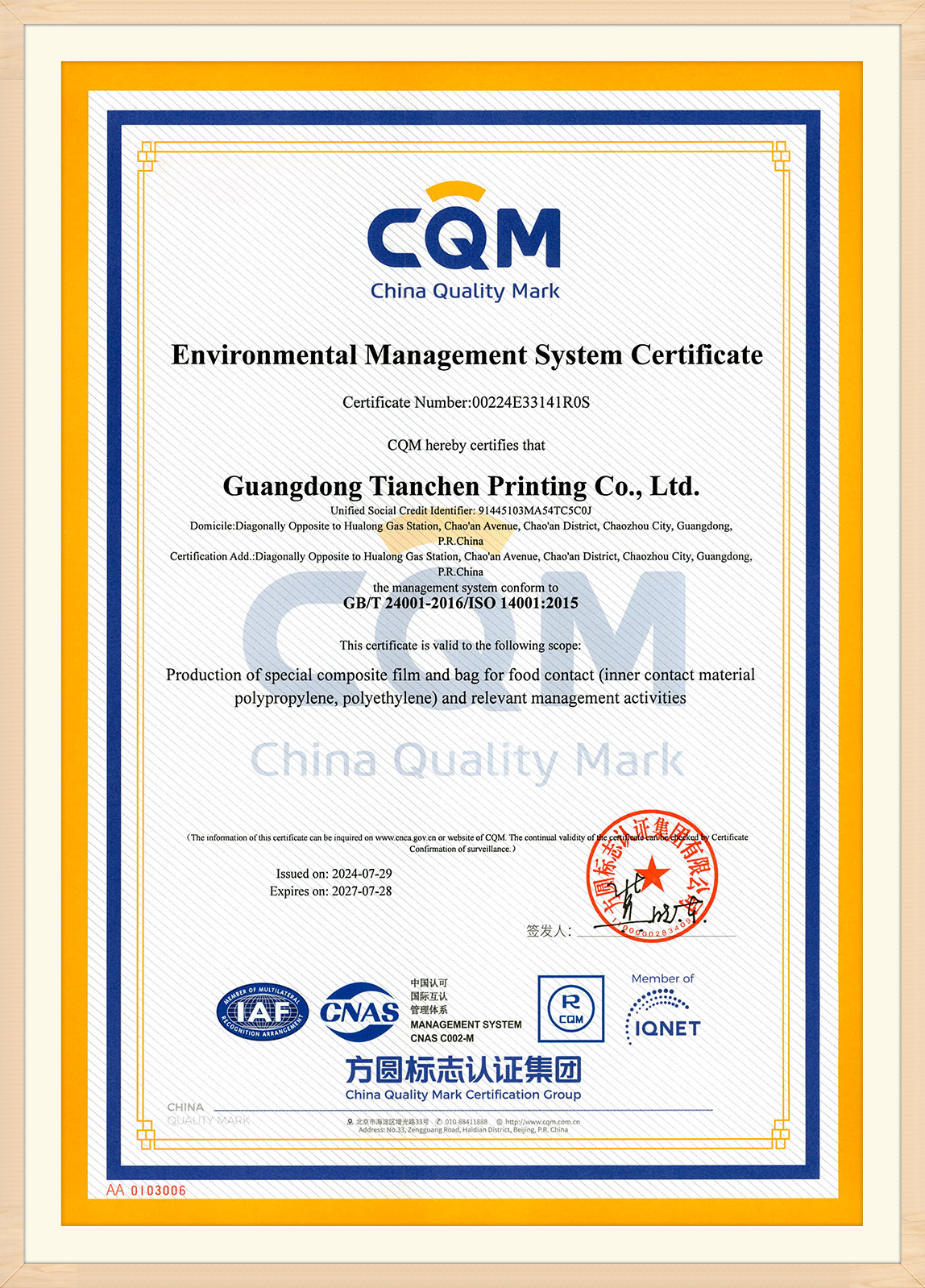
In Southern China's advanced packaging hubs, we have successfully modernized our manufacturing facility. By transitioning away from traditional manual assembly methods, we have created a highly digitized Factory 4.0 ecosystem. This digital integration allows us to achieve exceptional quality, consistent material output, and highly predictable manufacturing lead times.
Our Smart Factory setup incorporates:
Retort pouch packaging plays an essential role across a wide range of global applications, each with unique performance requirements:
Used extensively for curry meals, soups, and specialized military field rations. These pouches provide long-term shelf stability without refrigeration and can be easily reheated in hot water.
Engineered to handle oils, minerals, and amino acids found in moist animal foods. Provides excellent protection against puncture and tearing from claws or dynamic handling.
Designed for packaging and processing tuna, salmon, sausages, and poultry. Features ultra-low oxygen transmission rates to prevent oil oxidization and preserve delicate natural flavors.
Clear, technical answers to common questions about selecting, processing, and validating ODM retort packaging.
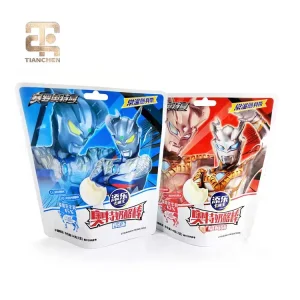
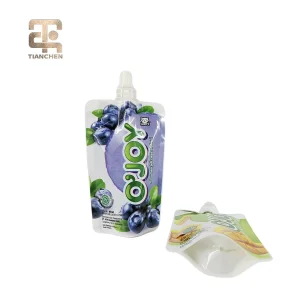
From dry foods and snack packaging to high-performance industrial roll films and specialized pourable liquid systems.
 TIANCHEN PRINTING