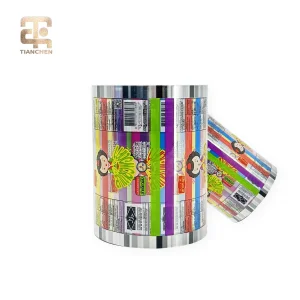
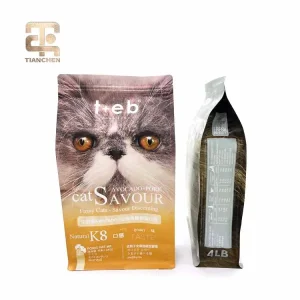
Precision engineered materials custom manufactured to preserve freshness, manage gas exchange, and provide robust durability across regional global distribution pathways.
Within the modern agricultural value chain, crop loss due to sub-optimal post-harvest storage remains an expensive pain point. Selecting an experienced OEM Onion Packing Bag Company & Factory is no longer simply about purchasing generic container mesh; it is a critical calculation in thermodynamic airflow, bio-polymer durability, and structural preservation.
Fresh onions require a unique equilibrium of ambient atmospheric ventilation and relative humidity. Without constant air exchange, accumulated metabolic moisture leads to rapid fungal germination, bulb decay, and premature sprouting. Consequently, industrial onion packaging has undergone a massive engineering revolution, shifting away from heavy, unventilated jute bags toward hyper-ventilated, high-tensile leno mesh bags, raschel net systems, and highly specialized multi-layer laminated co-extrusion films tailored to modern high-speed retail packaging lines.
As global supply chains expand, professional packaging manufacturers like Guangdong Tianchen Printing Co., Ltd. leverage over 20 years of technical expertise to engineering sophisticated flexible composite structures that provide crucial structural resilience, protecting goods against dynamic mechanical stresses encountered during trans-oceanic transit and extensive cold-chain distribution networks.
Procurement strategies in the fresh produce industry have undergone a rapid shift toward risk mitigation, strict environmental compliance, and high predictability.
European and North American regulatory bodies demand comprehensive traceability pathways and certifications. Global suppliers must strictly comply with BRC, FDA, and SGS standards, assuring zero chemical migration from synthetic polymers to organic produce.
Large-scale agricultural processors require bags with exceptional dimensional stability and highly uniform edge finishes to prevent expensive mechanical jamming on automated, high-velocity packing equipment.
Modern ESG mandates demand highly recyclable mono-materials (such as 100% Polypropylene or Polyethylene) and bio-degradable options, helping agricultural enterprise buyers minimize environmental taxes and consumer waste fees.
By leveraging China Factory 4.0 manufacturing standards, professional agricultural packaging plants have transformed traditional low-precision mesh weaving and film extrusion into highly optimized digital procedures. This advanced shift provides global enterprise buyers with unprecedented supply chain resilience, cost efficiency, and consistent quality controls.
Modern automated factories utilize closed-loop digital control loops that monitor and regulate key physical extrusion parameters in real time. Variable extruder heating zones, polymer drawing ratios, and chilling speeds are managed by intelligent AI systems to ensure that structural fibers display consistent tensile strengths, preventing critical failure during bulk load transport. Additionally, advanced automated inline optical inspection systems continuously scan the material web, immediately identifying and flagging structural thread breakage or density anomalies.
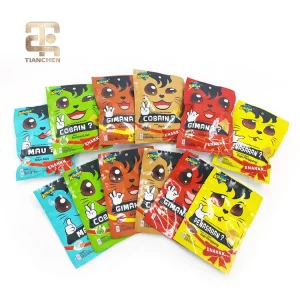
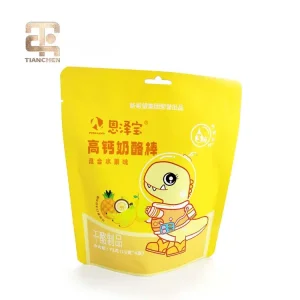
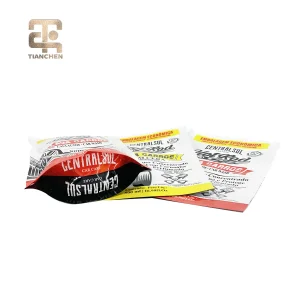
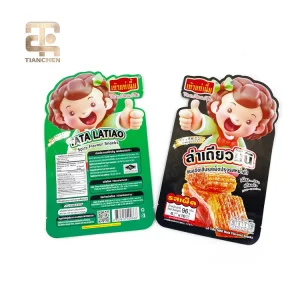
For custom flexible structures and brand-specific retail packaging designs, high-end high-speed rotogravure presses are integrated with electronic spectrophotometer systems. This advanced technological configuration enables flawless, hyper-accurate multi-color print alignment on complex multi-layer packaging films, providing exceptional visual brand identity on crowded supermarket retail shelves.
Over two decades of proven excellence in rotogravure printing, precision material lamination, and highly tailored flexible packaging conversions.
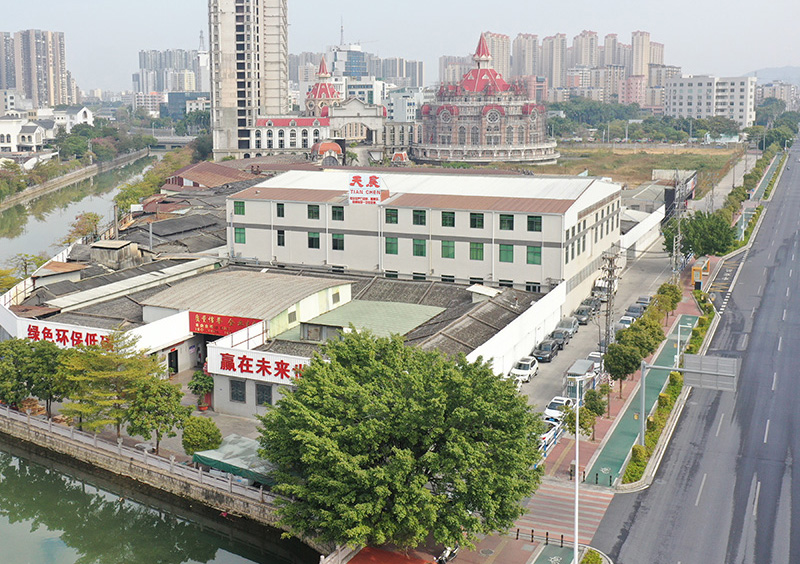
Established as a premier manufacturing pioneer, Guangdong Tianchen Printing Co., Ltd. offers unparalleled packaging production capabilities from the industrial manufacturing and international trade hub of Guangdong, China. With over 20 years of specialized manufacturing experience in the demanding flexible packaging industry, the company provides highly specialized, end-to-end consulting, design, extrusion, high-precision rotogravure printing, custom lamination, and conversion services.
Tianchen's vast global operational reach spans across multiple fast-paced consumer and industrial sectors, including fresh food and beverage, pharmaceuticals, daily household chemicals, electronics, and global agricultural packaging. By developing custom material barriers (such as PET/PE composites, metalized films, and high-tensile packaging nets), they protect product integrity, extend product shelf-life, and enhance visual shelf appeal.
Their operational footprint extends to long-term collaborative enterprise partnerships in Europe, North America, Southeast Asia, and South America, establishing Tianchen as a highly trusted packaging partner for critical high-volume global supply systems.
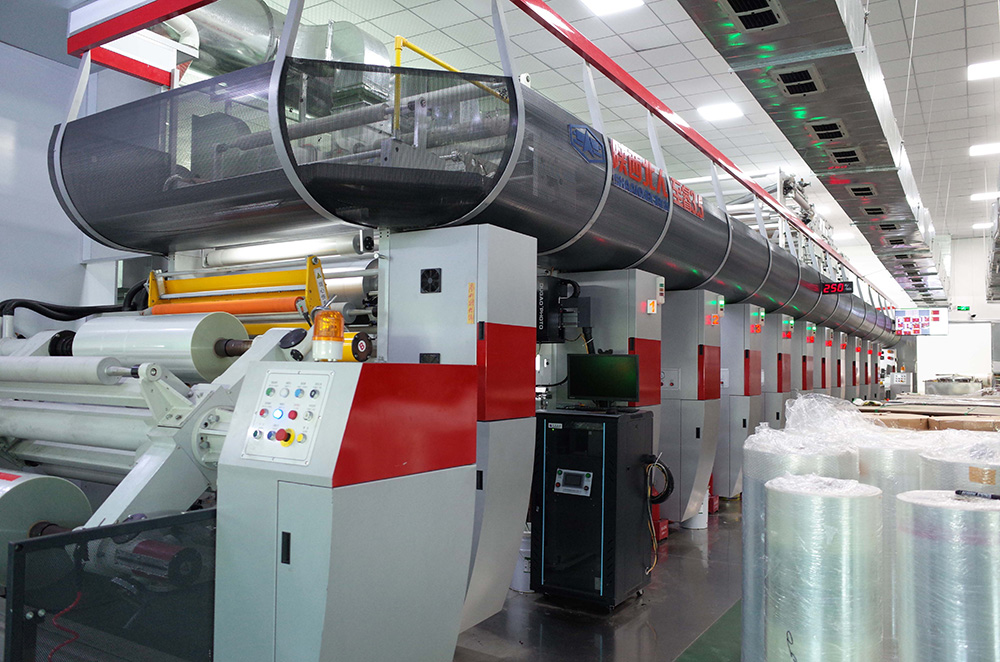
We continually invest in advanced R&D, upgrading core extrusion and printing technologies, and designing eco-friendly high-performance agritech and industrial packaging materials.
We strictly adhere to global ISO, SGS, and FDA food-grade material standards, maintaining robust supply channels across North America, Europe, and regional Asia-Pacific markets.
We offer seamless, one-stop product engineering from initial graphic layout, custom material formulation, high-precision rotogravure printing, lamination, to final bag conversion.
We utilize closed-loop digital control systems for real-time defect scanning, maintaining consistent thread density, and ensuring perfect chromatic print accuracy.
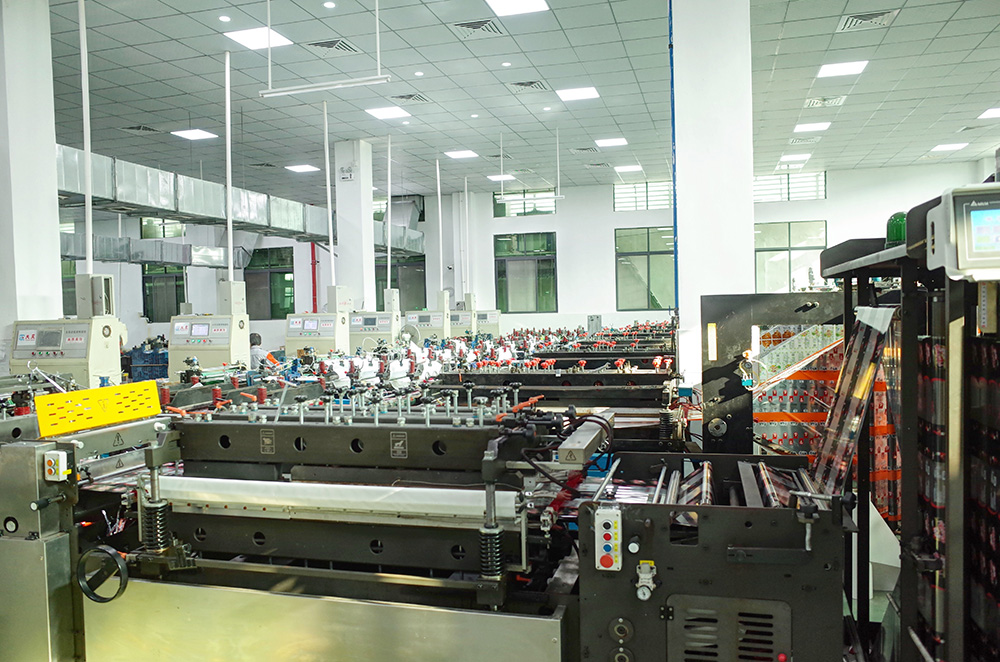
Under a strict long-term corporate strategy of "innovation and transformation, integrated operation, and steady growth," Guangdong Tianchen Printing Co., Ltd. actively promotes environmental stewardship. By minimizing carbon output across our extrusion and lamination lines and integrating recyclable mono-polymers, we help global agro-brands meet demanding sustainability targets.
We actively utilize low-VOC and water-based solvent inks on our rotogravure lines, avoiding hazardous runoffs and ensuring safe working environments. The result is packaging that not only provides superior protection but also conforms to modern environmental standards, building trust and credibility with end consumers worldwide.
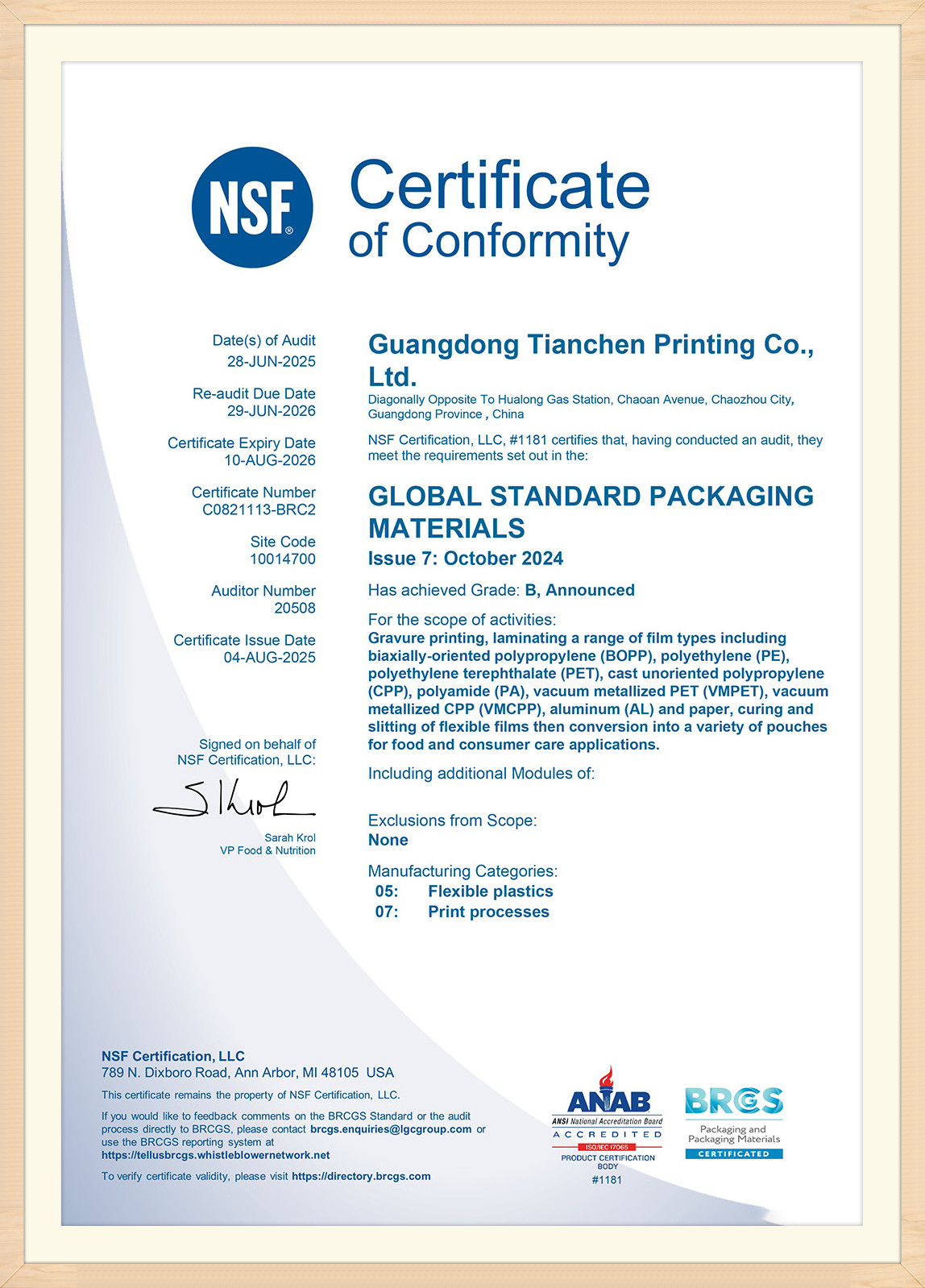
Advanced BRC, ISO, and FDA food-grade certifications verifying consistent manufacturing and strict hygienic production environments.
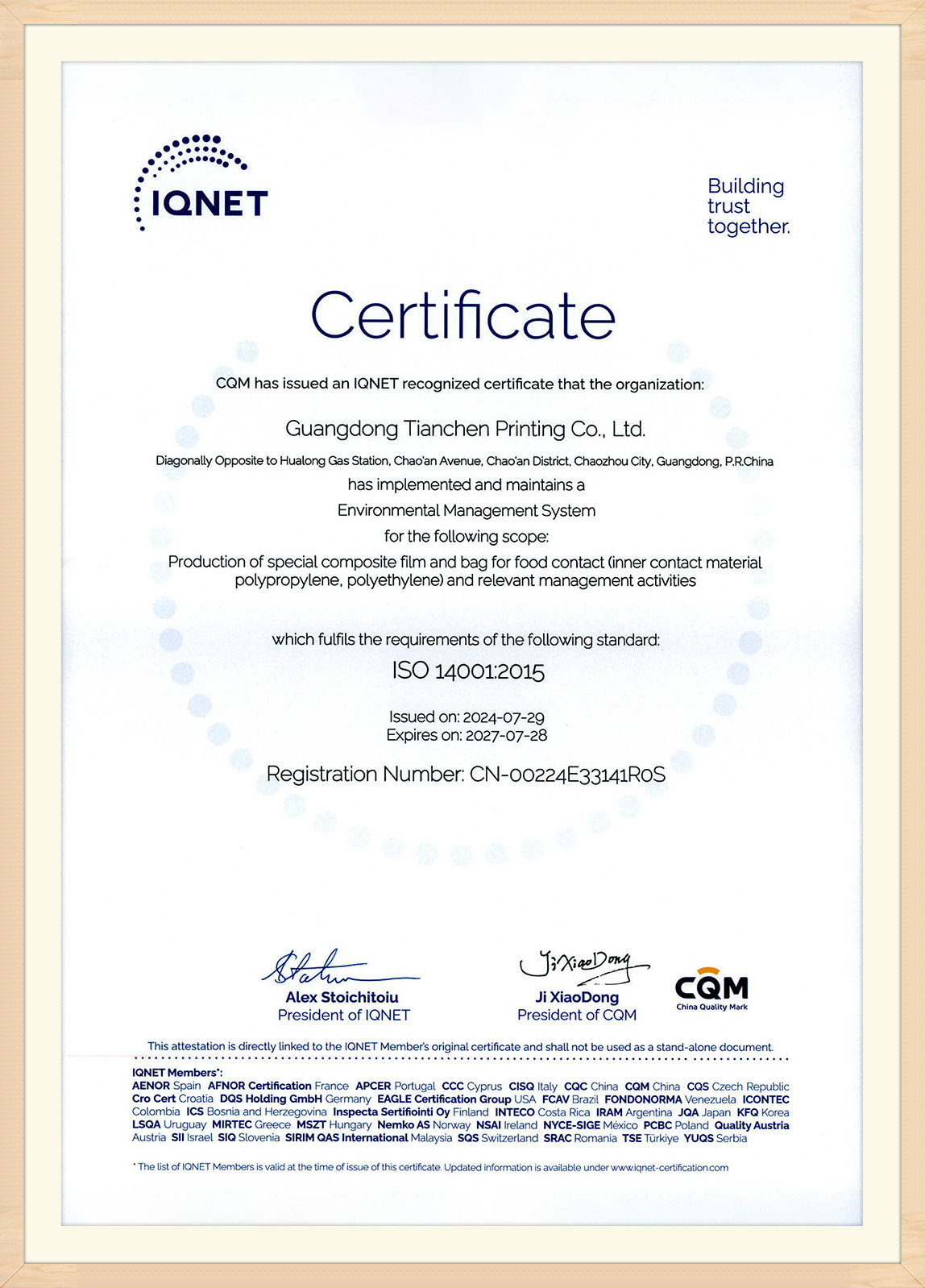
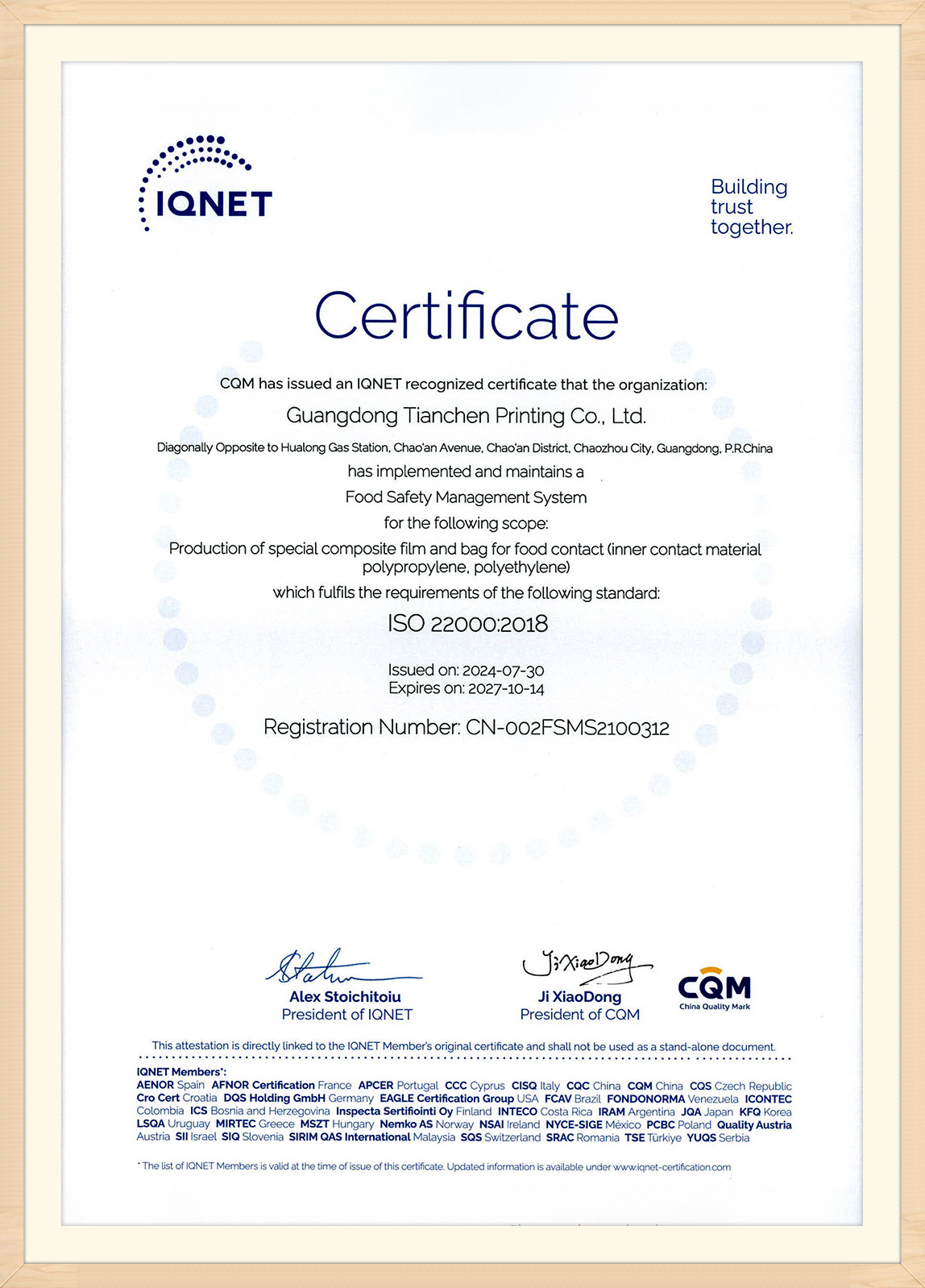
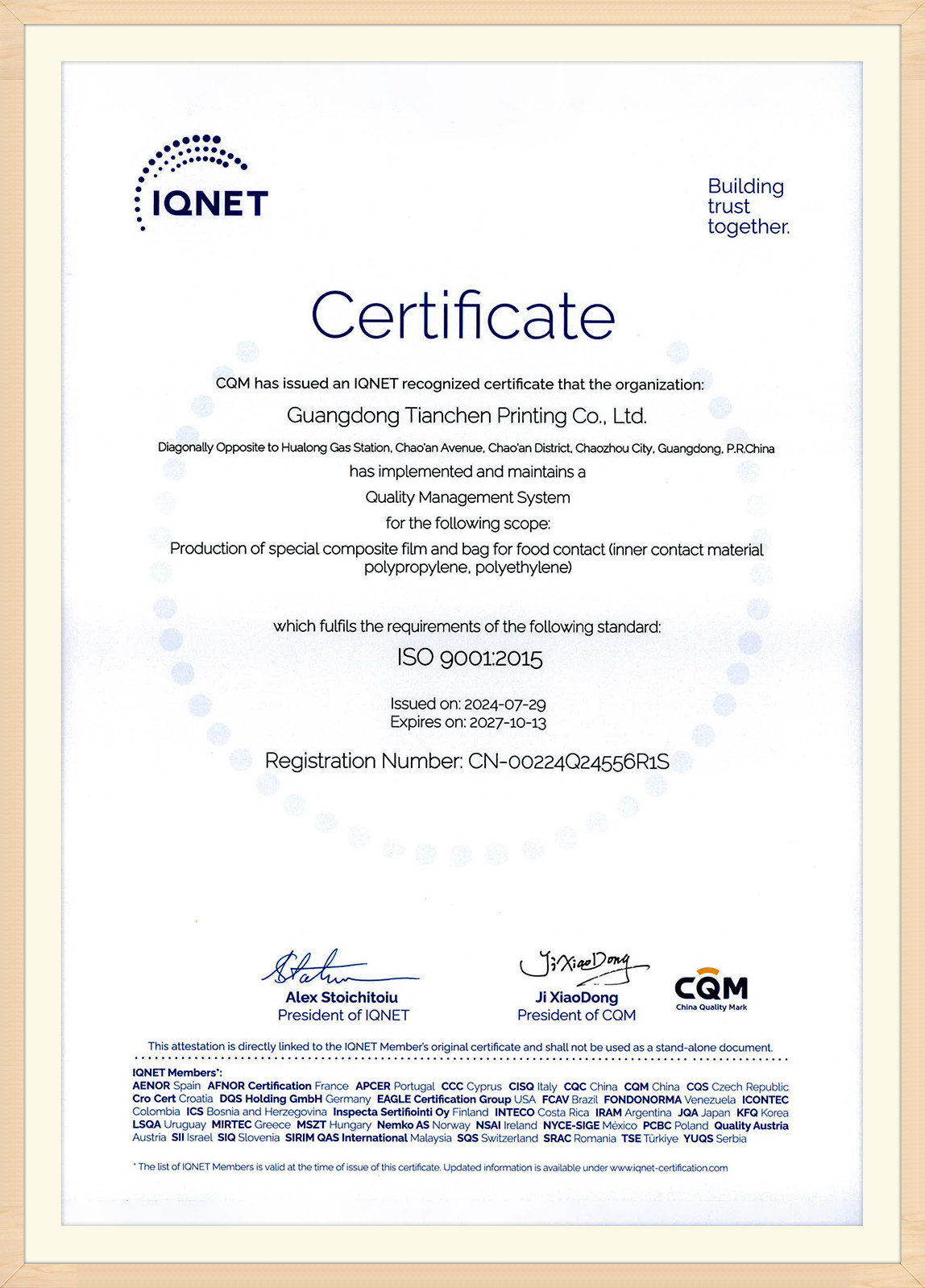
Tailoring specific ventilation metrics and tensile strengths to match cold storage, bulk transit, and eye-catching retail displays.
Preserving agricultural goods during extended multi-week ocean shipments requires packaging with exceptional moisture resistance and dynamic air circulation. Our custom engineered mesh structures prevent stagnant, high-humidity air pockets within packed shipping containers, eliminating premature mold growth and ensuring stable delivery.
Modern high-output packhouses rely on automated packaging equipment. Our customized bags are manufactured to precise dimensional tolerances, ensuring reliable, continuous bag feed, smooth sealing cycles, and zero downtime due to machine jams or bag feeding errors.
For modern retail supermarkets, packaging must be visually compelling. Combining high-tensile plastic mesh with premium, custom-printed film labels allows brands to present products attractively. Our high-resolution rotogravure printing provides vibrant colors and clear brand elements that capture consumers' attention.
Get expert insights on mechanical specifications, material selections, and food safety standards for high-volume agricultural packaging.
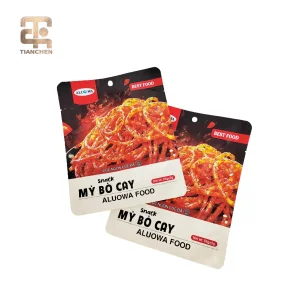
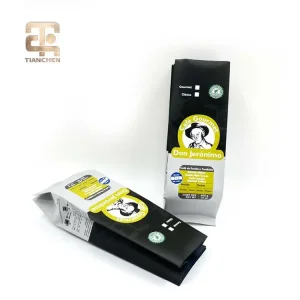
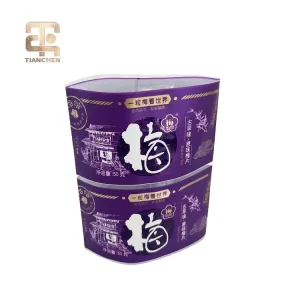
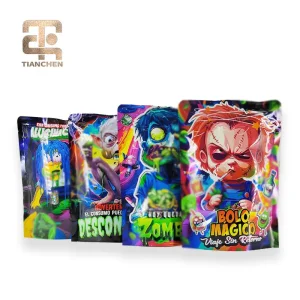
Explore our comprehensive range of high-barrier films, customized shrink bands, and flat-bottom laminates designed for modern automated packaging lines.
 TIANCHEN PRINTING