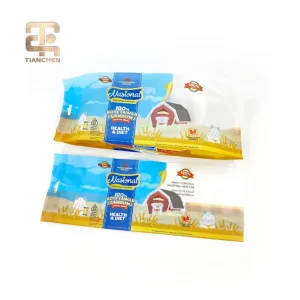
Engineered to deliver exceptional barrier protection, robust mechanical strength, and enhanced structural shelf presence.
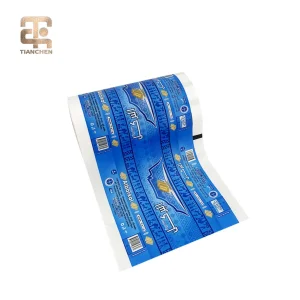
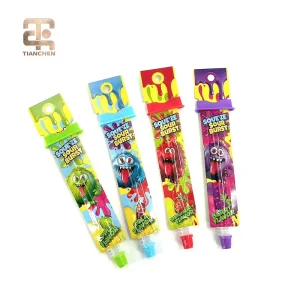
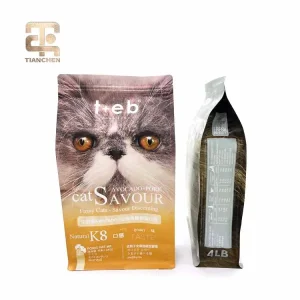
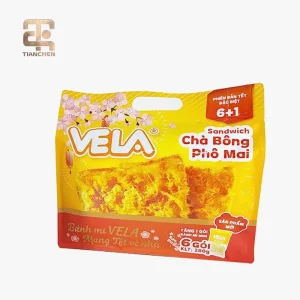
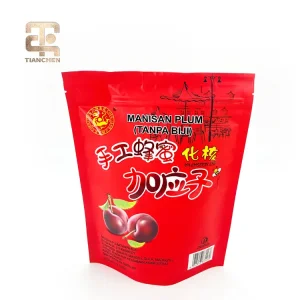
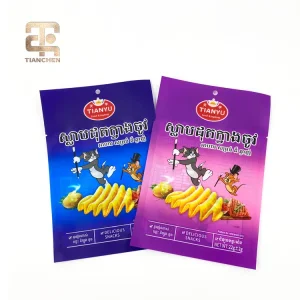
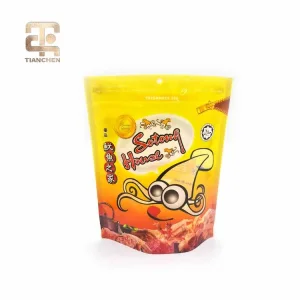
In modern industrial flexible packaging, structural integrity determines shelf-life, transportation security, and customer conversion. The Plow Bottom Pouch (also known colloquially as a modified Doypack or K-Seal style bottom gusseted bag) represents a peak in flexible packaging mechanics. Unlike a standard stand-up pouch, which relies on a simple heat-sealed oval base, the plow bottom pouch features a continuous, folded single-web bottom gusset styled like a plowshare. This design redistributes product weight evenly, eliminating localized stress points along the bottom heat seal.
This design prevents seal breaches when packaging heavy items—such as pet food, high-viscosity industrial liquids, chemical powders, and granular foods. By curving the bottom seal upward at the corners, the pouch naturally channels structural stresses away from vulnerable heat seals, minimizing split bags and leak rates to practically zero.
Utilizing high-performance barrier layers including PET, BOPA, AL, and PE to prevent moisture vapor and oxygen migration.
Specifically engineered composite layers that absorb impacts, ensuring extreme durability under compression during long-distance shipping.
Provides a perfectly flat, crease-free face for premium gravure or digital printing, maximizing retail presence.
The global demand for high-barrier flexible packaging is undergoing a profound structural shift. According to recent industrial data, the market for stand-up pouches and plow bottom packaging is projected to grow at a CAGR of 6.2% from 2023 to 2030, driven by the consumer packaged goods (CPG) sector's continuous shift away from heavy rigid plastic containers, metal cans, and glass jars. The reasons are economic: flexible pouches reduce empty container shipping weight by up to 95% and storage volume by 90%, which cuts Scope 3 carbon emissions across supply chains.
In addition to cost and weight benefits, environmental regulations are reshaping global procurement policies. The European Union's Packaging and Packaging Waste Regulation (PPWR) and the United States' state-level EPR (Extended Producer Responsibility) schemes have made sustainable packaging a business-critical requirement. Consequently, international procurement teams are moving from complex multi-material films (e.g., PET/AL/PE) toward mono-material structures designed for circular economies.
To address this, leading OEM plow bottom pouch factories are investing in mono-material BOPE/PE and MDO-PE/PE laminate structures. These packaging innovations match the barrier performance and tensile properties of traditional structures, while qualifying for standard municipal recycling streams. High-performance barrier technologies, such as EVOH (ethylene vinyl alcohol) layers under 5% of total package weight, now protect sensitive foods from oxygen degradation without rendering the material unrecyclable.
In today's unpredictable economic environment, supply chain resilience is just as critical as product quality. The integration of Industry 4.0 principles within China's premier flexible packaging factories has transformed custom bag manufacturing. Leading packaging companies, such as Guangdong Tianchen Printing Co., Ltd., have transitioned from traditional manufacturing systems to integrated, data-driven smart manufacturing ecosystems.
This digital transformation is anchored by advanced rotogravure printing presses equipped with closed-loop automatic color register control systems. These systems detect and correct deviations at speeds exceeding 300 meters per minute. Additionally, inline automated optical inspection (AOI) systems scan every millimeter of printing and lamination in real-time, instantly identifying and tagging microscopic defects, pinholes, or seal deviations. This keeps production defect rates below the strictest industry thresholds (AQL 1.0).
| Performance Dimension | Traditional Manufacturing Paradigm | Guangdong Tianchen Factory 4.0 Standard | Operational Impact for Enterprise Buyers |
|---|---|---|---|
| Color Registration Accuracy | Manual check ± 0.20mm | Automated closed-loop ± 0.05mm | Flawless, consistent brand colors across production runs. |
| Quality Inspection Protocols | Off-line sampling (AQL 2.5) | 100% In-line High-Speed Optical Inspection (AOI) | Prevents field failures, product recalls, and line stoppages. |
| Lead Time (Custom Runs) | 35 to 45 Days | 21 to 28 Days | Enhanced agility, lower inventory costs, and faster market entry. |
| Traceability | Batch-level paper logs | Individual QR/Barcoded MES digital tracing | Complete trace of raw material origins, process conditions, and QA. |
Furthermore, China's extensive upstream petrochemical and chemical additives ecosystems provide deep material access, insulating partner companies from sudden global raw material shortages. By controlling every stage in-house—from custom formulation, barrier film extrusion, and high-fidelity rotogravure printing to high-speed thermal lamination and precise bag conversion—Guangdong Tianchen Printing Co., Ltd. ensures continuous production availability, regardless of global logistics disruptions.
The versatility of the plow bottom pouch is demonstrated across varied localized and sector-specific applications, each presenting unique engineering hurdles:
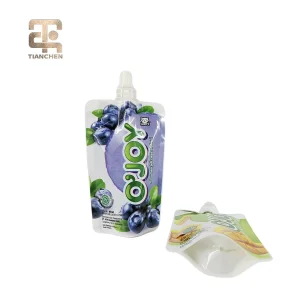
Ideal for juices, water, energy drinks, and alcohol. Features anti-oxidation barrier structures and high-performance spouts that handle hot-filling temperatures of up to 90°C and retort sterilization up to 121°C.
Engineered for high puncture resistance and tear propagation limits. Utilizes heavy-duty nylon (BOPA) layers to withstand transport drops and sharp dry kibble edges while maintaining oxygen hermeticity.
Specifically formulated with low-migration materials. Resistant to aggressive chemical formulas, perfumes, and highly reactive active ingredients, preventing layer delamination over time.
By adjusting polymer formulations—such as incorporating metallocene linear low-density polyethylene (mLLDPE) into the sealing layer—the mechanical performance of the pouch bottom can be tailored. This ensures consistent seals even through fine product dust, which is critical for powdery foods and agricultural chemicals.
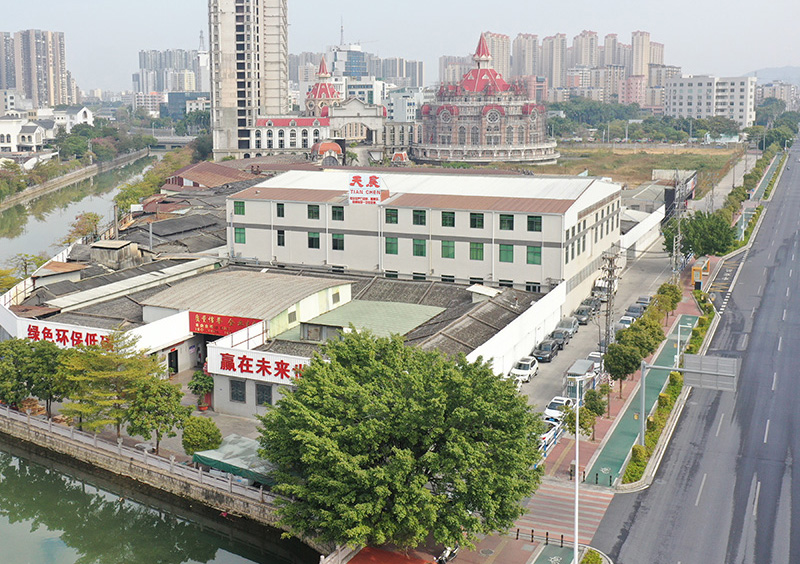
We are a professional printing team boasting more than 20 years of profound experience in the flexible packaging industry. Rooted in Guangdong, a hub of manufacturing and international trade in China, Tianchen Printing has grown into a reliable partner for global clients by focusing on rotogravure printing, laminating, and converting services for flexible packaging solutions.
Our business covers a diverse range of industries worldwide, including food and beverage, pharmaceuticals, daily chemicals, electronics, and agriculture. We tailor packaging solutions to meet the unique needs of each sector, from moisture-proof packaging for snacks to high-barrier films for pharmaceuticals, ensuring product safety, shelf appeal, and transportation stability. Over the years, we have established long-term cooperative relationships with clients from Europe, North America, Southeast Asia, and other regions, winning wide recognition for our consistent quality and professional service.
Innovation, Internationalization, Integration, Intelligentization
Guided by our core four "IN" concepts, we persist in investing in R&D, upgrading printing technologies and processes, and developing eco-friendly, high-performance packaging materials to keep pace with industry trends and client demands.
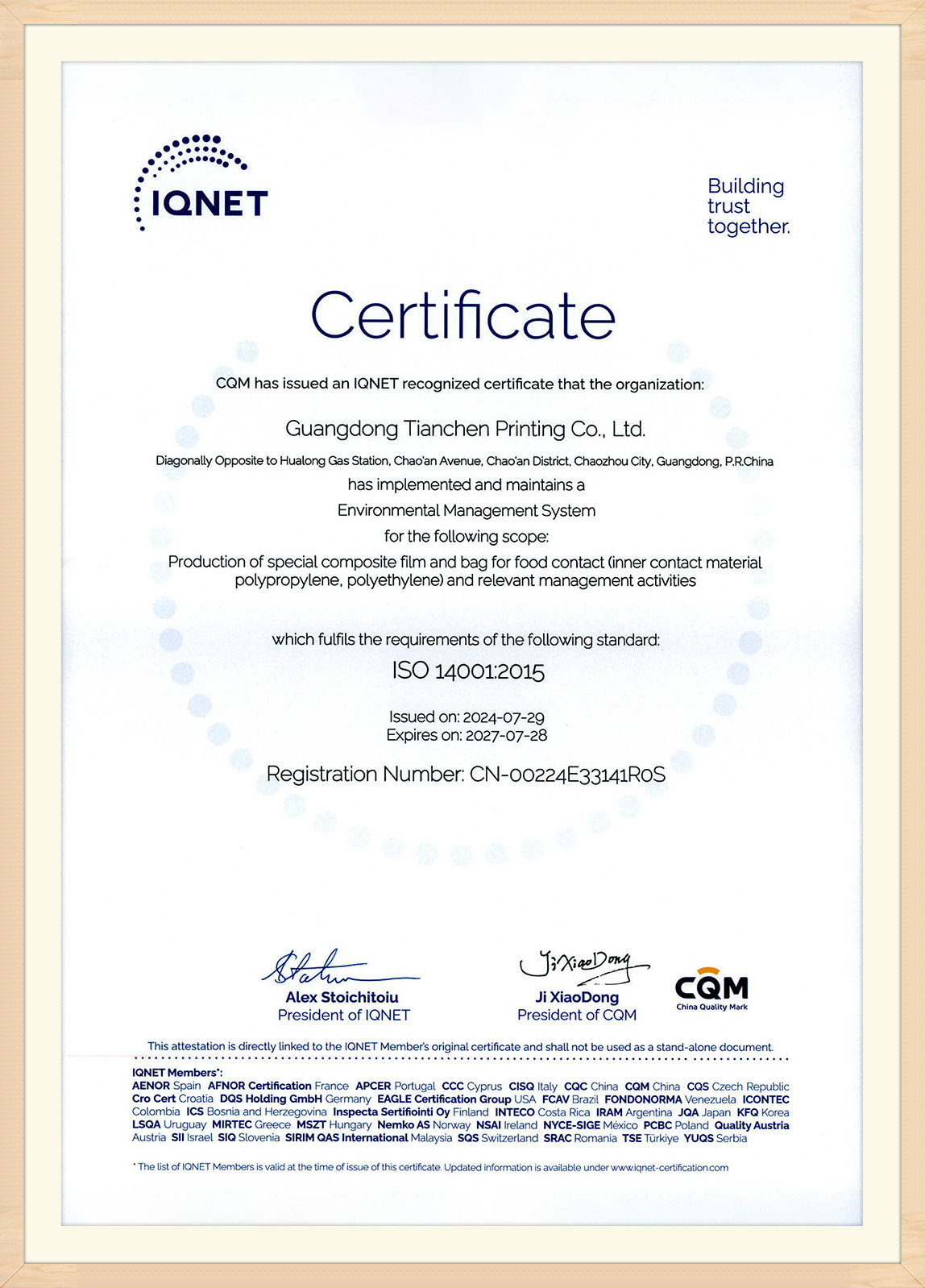
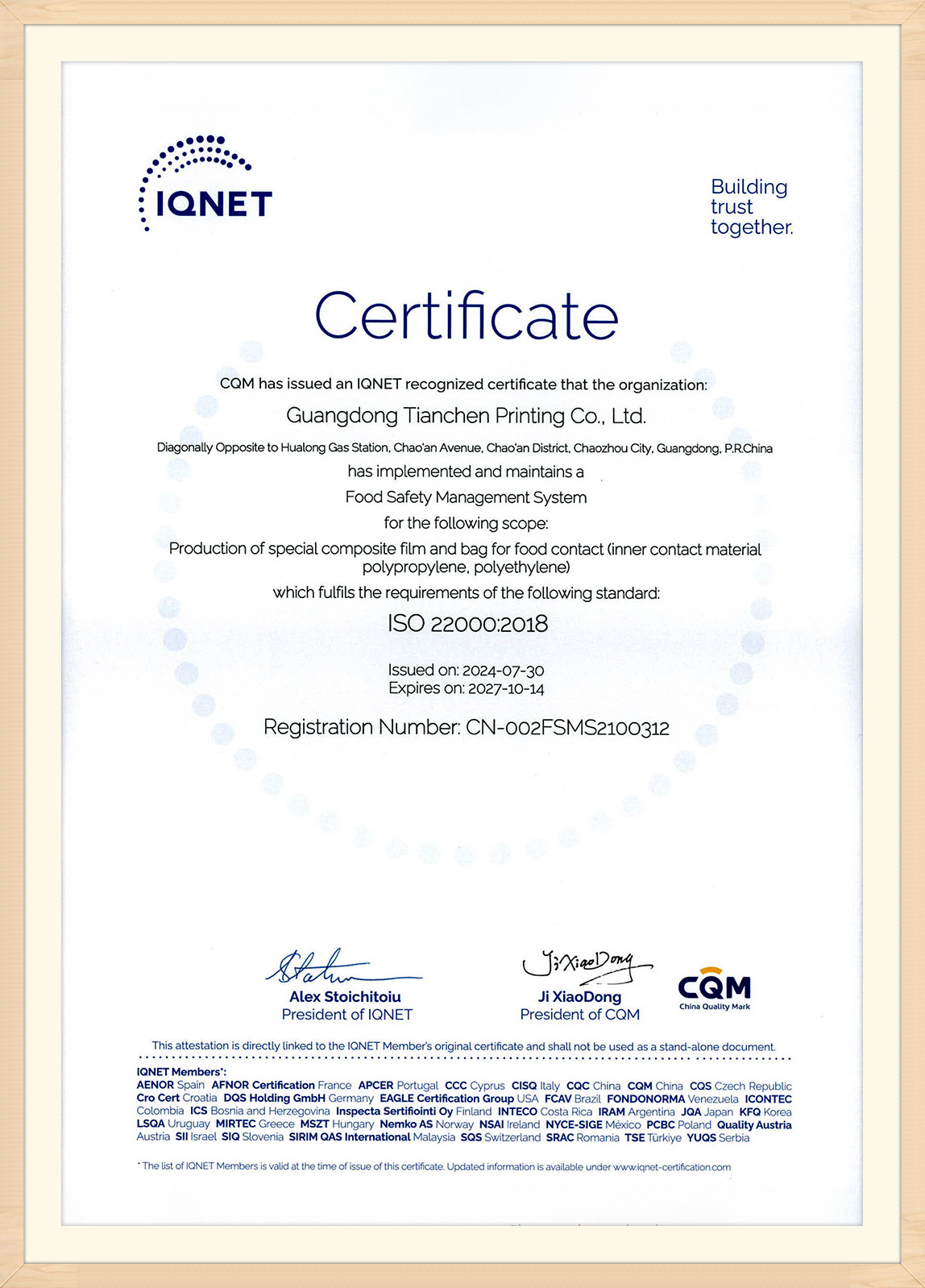
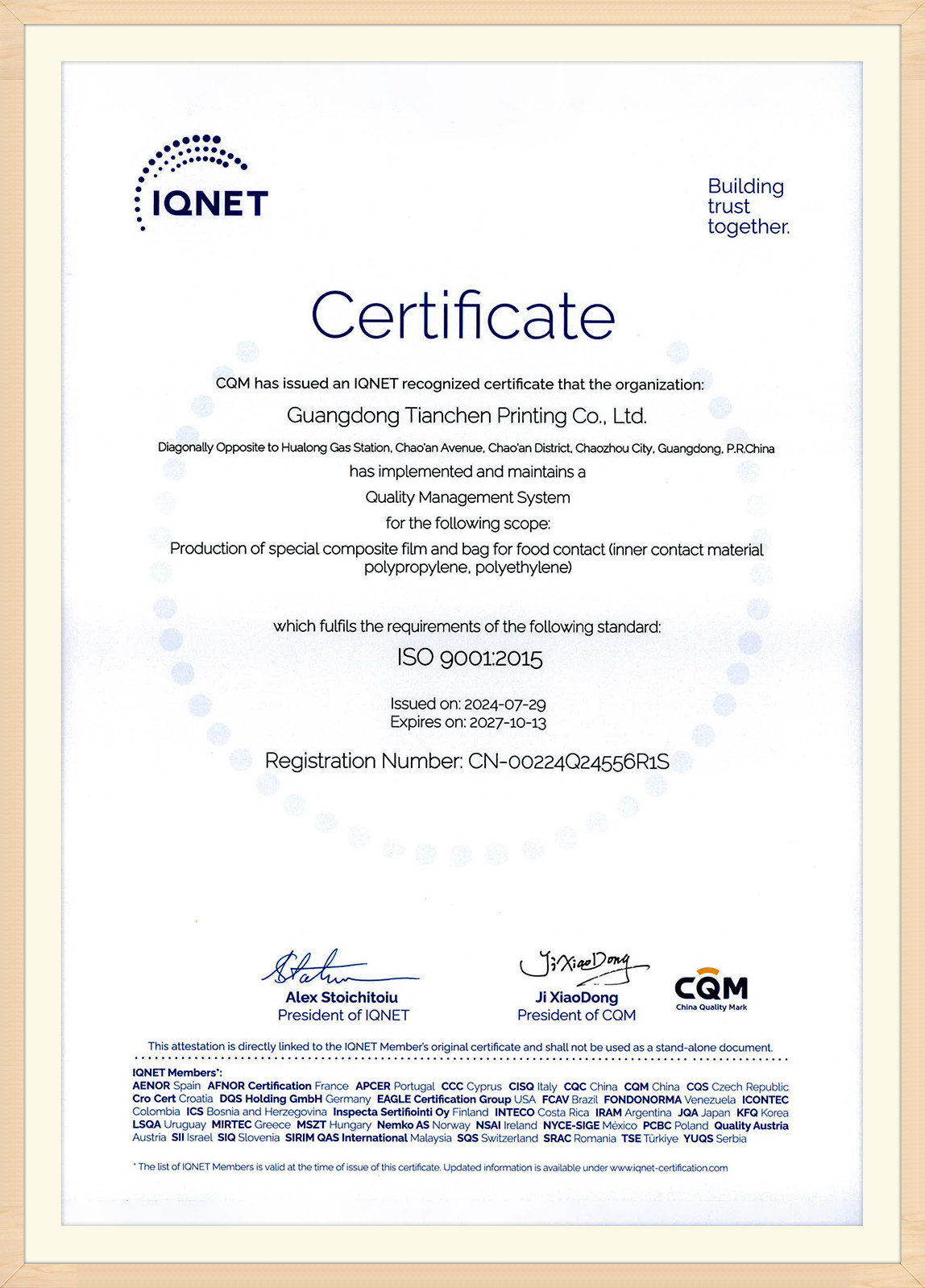
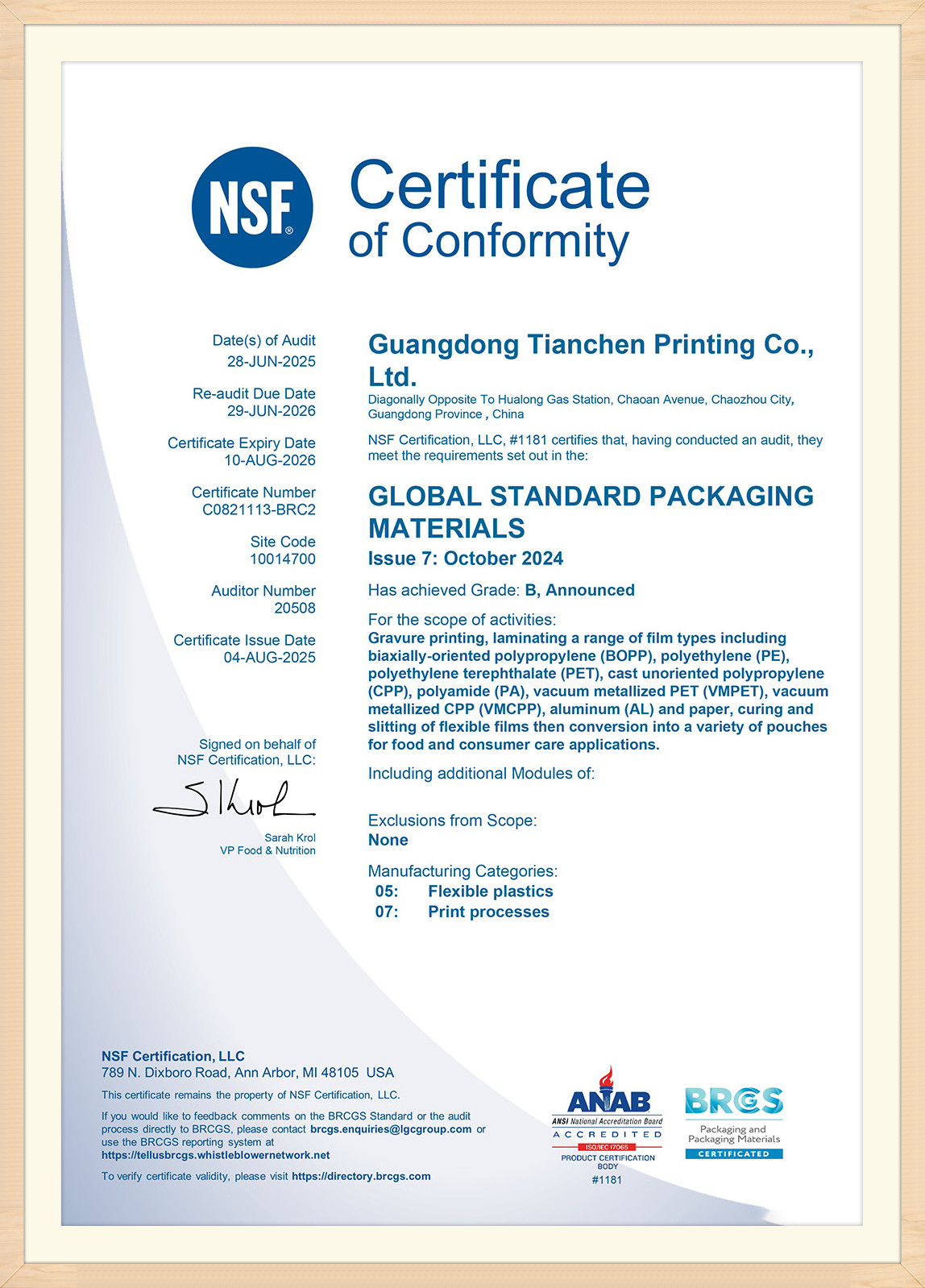
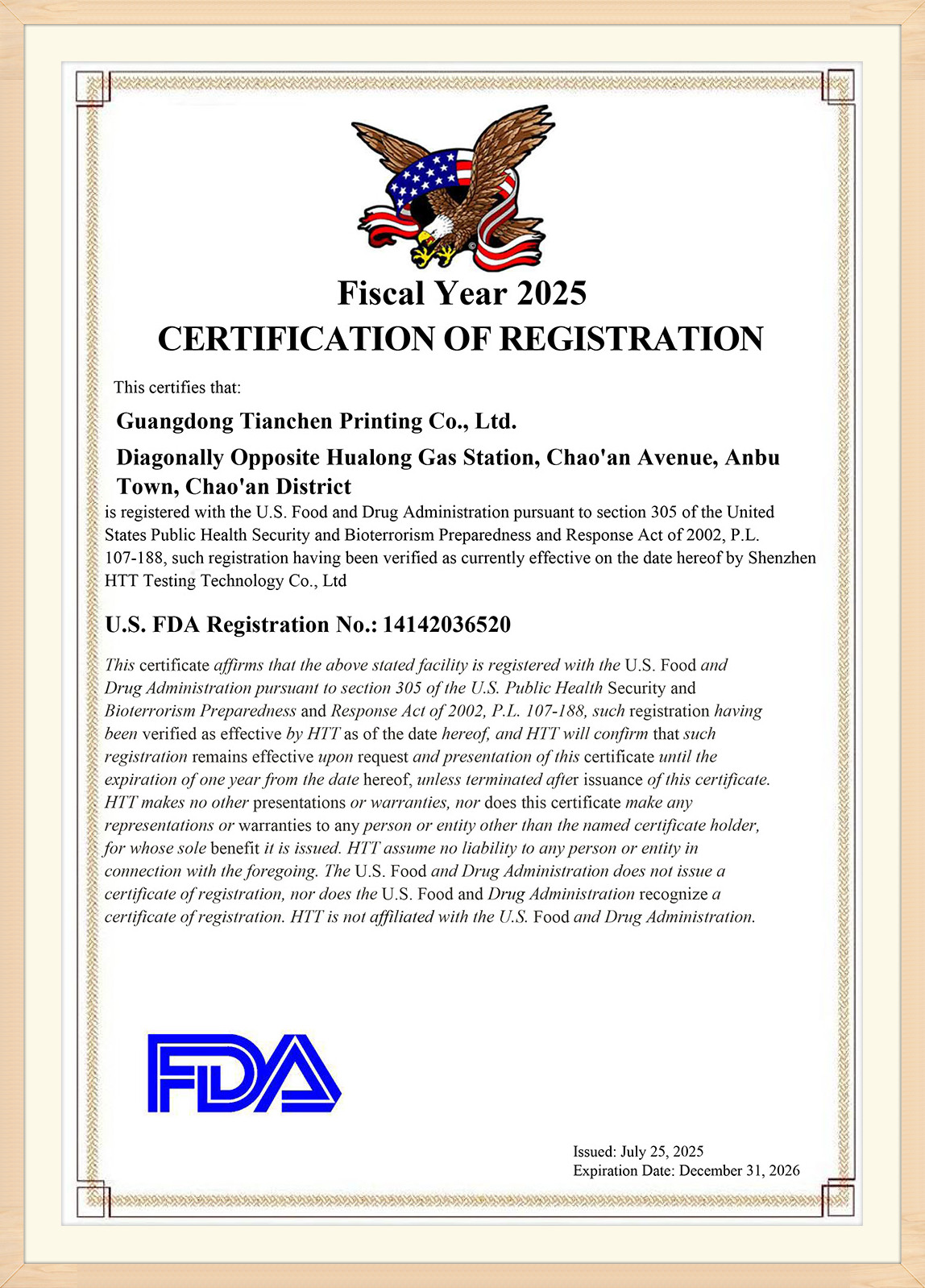
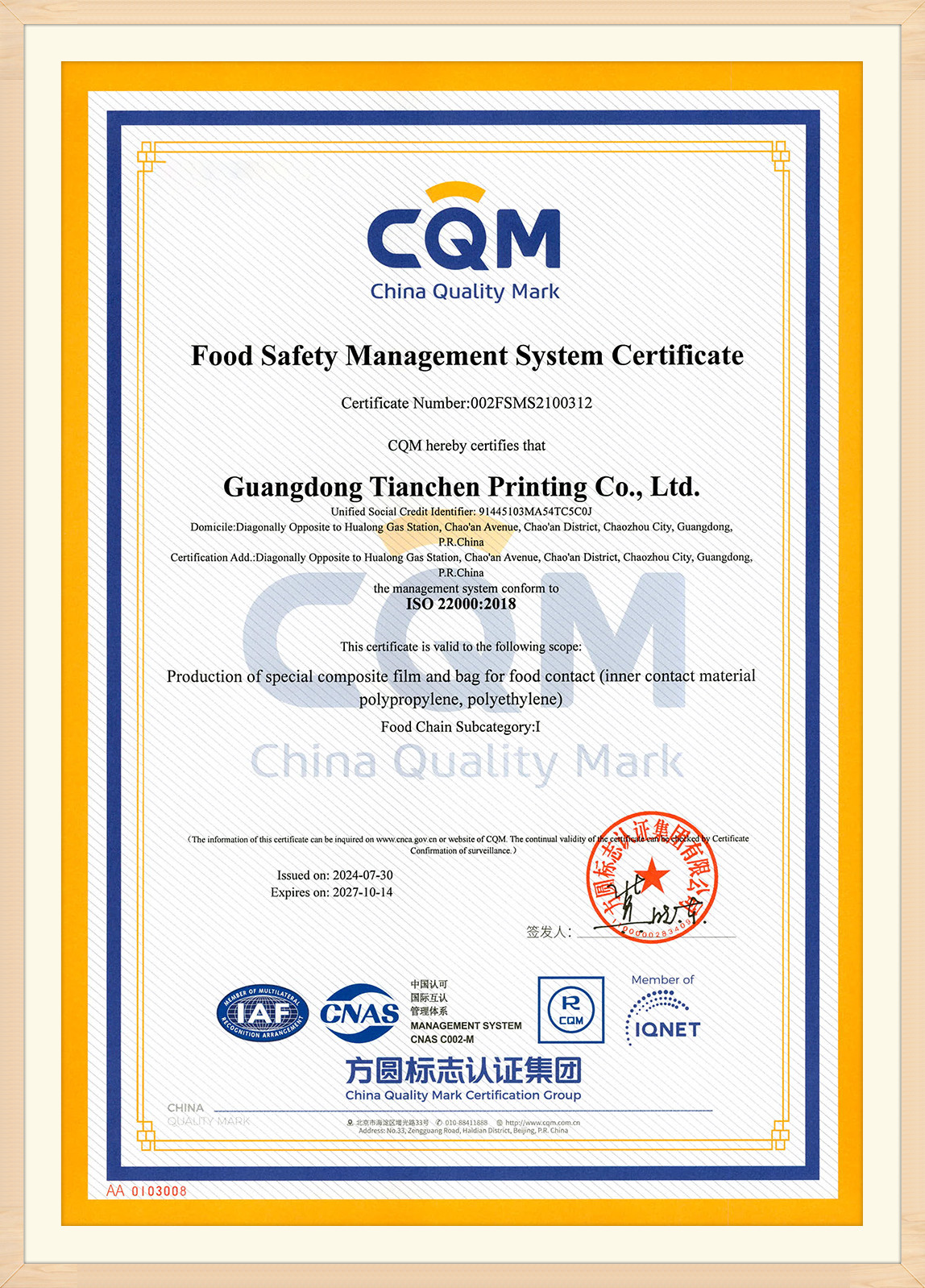
We adhere to global standards in production and management, obtain international certifications, and expand our global service network to integrate into the international mainstream market.
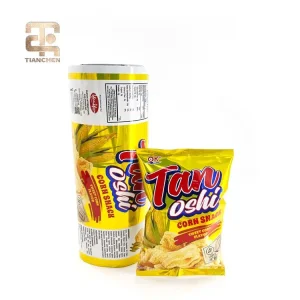
Our one-stop service model integrates design, printing, laminating, converting, and quality inspection. By optimizing the industrial chain layout, we streamline the production process, reduce costs for clients, and ensure efficient delivery.
We have introduced advanced intelligent production equipment and digital management systems, realizing automated operations in key links such as color matching and quality control, which improves production efficiency and product consistency.
Choose TopfeelPack for packaging that delivers beyond expectations
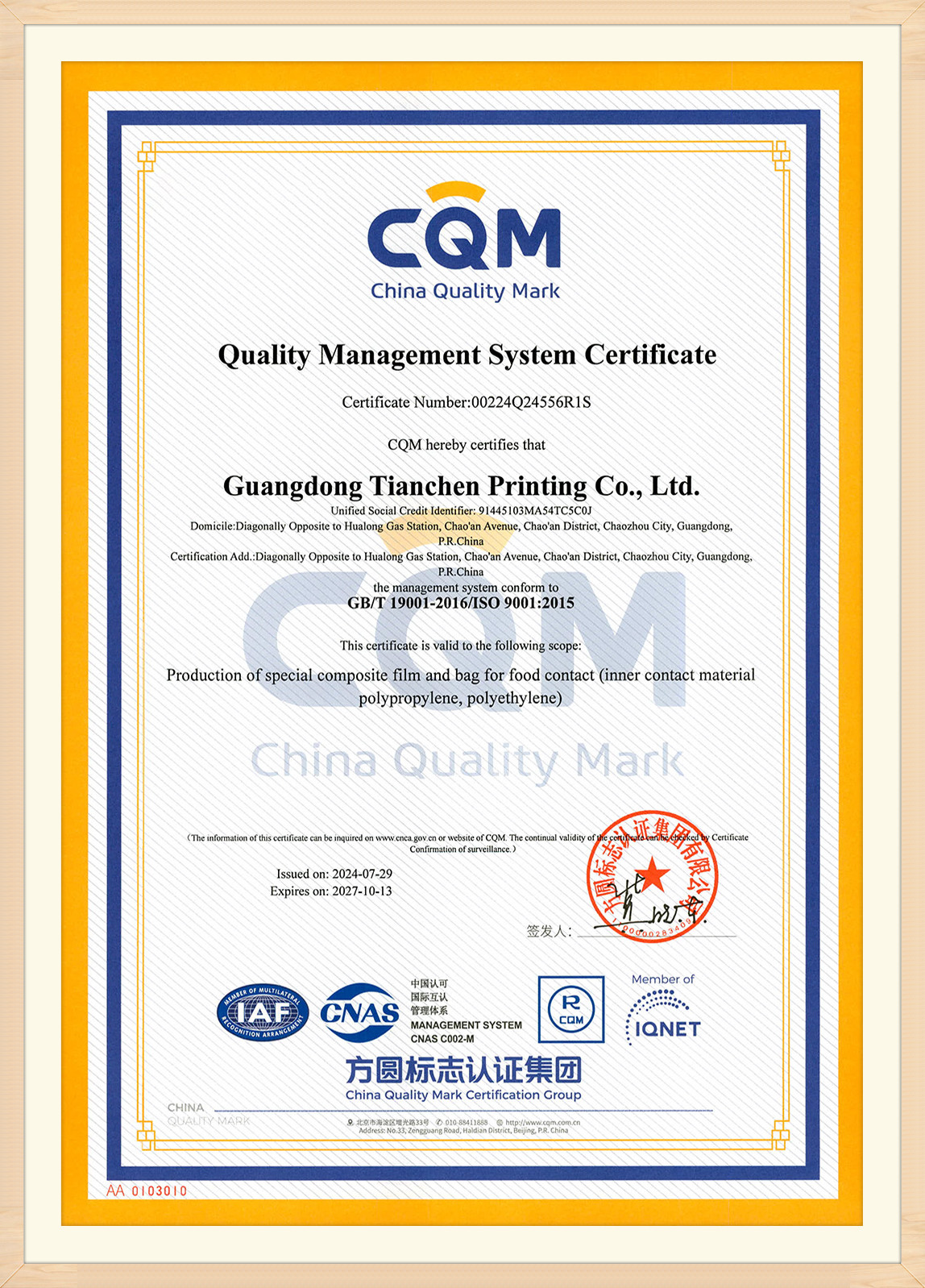
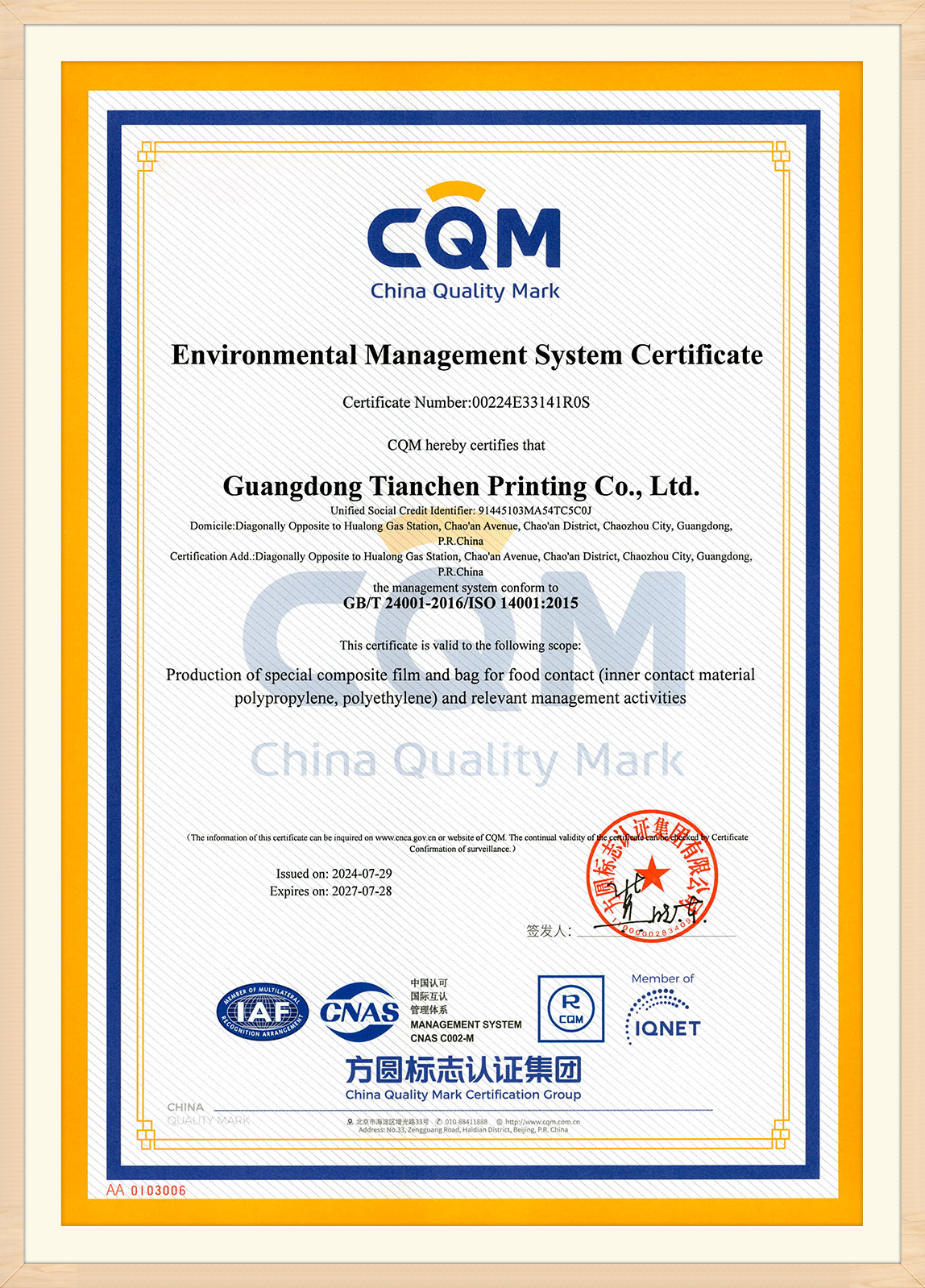
Expert insights on polymer materials, design optimization, and smart factory execution.
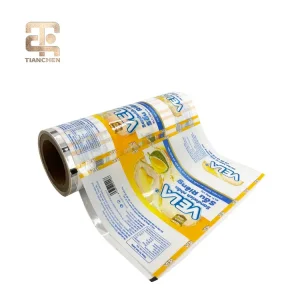
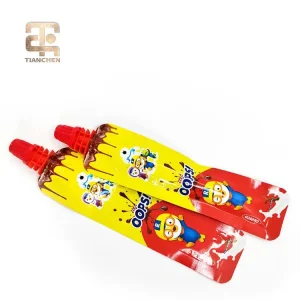
Premium packaging materials, films, and pouch structures engineered for optimal processing performance.
 TIANCHEN PRINTING