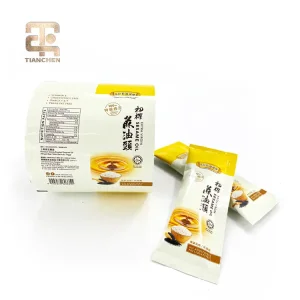
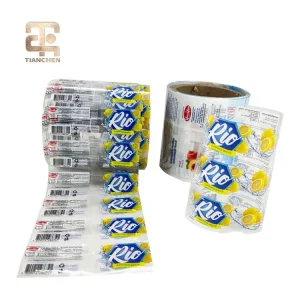
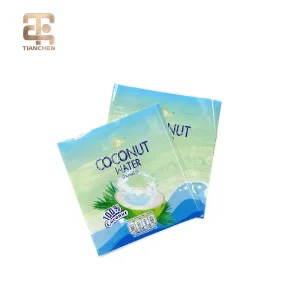
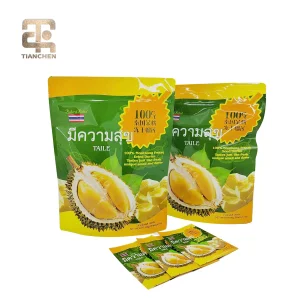
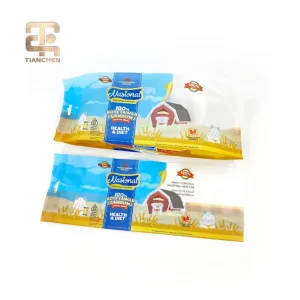
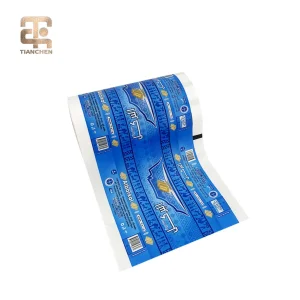
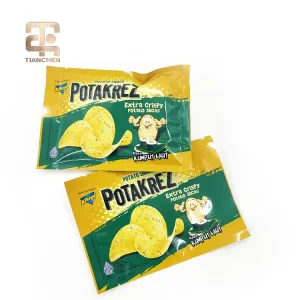
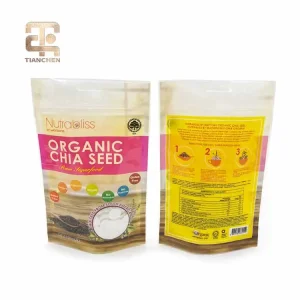
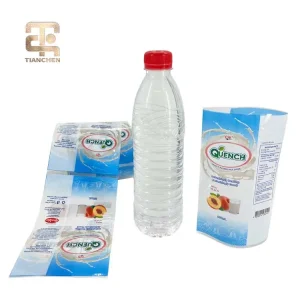
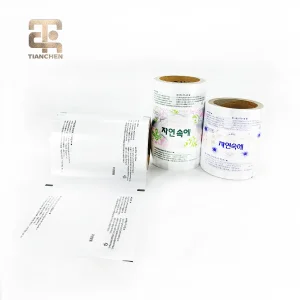
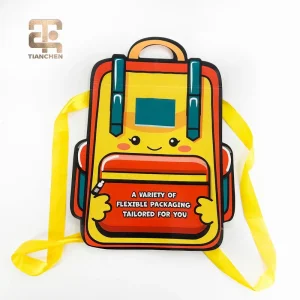
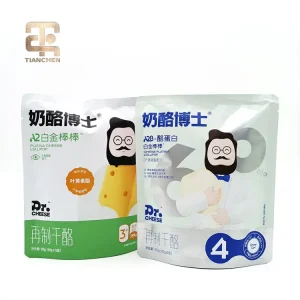
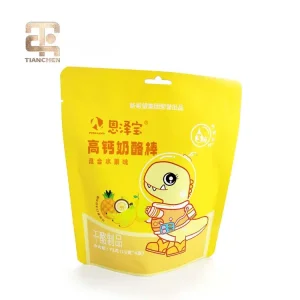
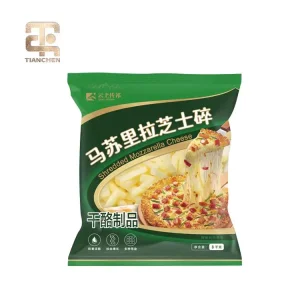
Explore our primary portfolio of custom-engineered high-barrier laminate films, resealable pouches, and shrink sleeves designed for strict compliance and outstanding shelf appeal.
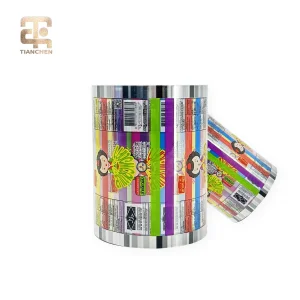
In modern food preservation, multi-layer co-extrusion technology governs barrier characteristics. Standard pouches utilize multi-tier structures: PET for mechanical rigidity and optical clarity, MET-PET or AL (aluminum foil) to provide zero-permeability gas blockades, and PE or CPP as heat-sealing food-contact layers. Understanding structural interaction limits Oxygen Transmission Rates (OTR) and Water Vapor Transmission Rates (WVTR) to under 0.1 cc/m²/day.
The integrity of resealable elements, such as press-to-close zippers, slider systems, and hook-and-loop styles, represents the front-line protection against microbiological invasion. At Guangdong Tianchen Printing Co., Ltd, we employ ultrasonic and thermal sealing mechanisms that ensure the bag's seal interface remains airtight over repeated opening and closing cycles without micro-stress fractures.
Global dynamics are rapidly shifting towards a circular economy. The packaging sector is transitioning from mixed plastics to high-performance mono-materials (like recyclable PE laminates) and biodegradable PHA/PLA coatings. Reducing the overall carbon footprint of your packaging is no longer an option but a structural business necessity demanded by tier-1 brands globally.
| Material Structure | Common Thickness Range | Moisture Barrier (WVTR) | Oxygen Barrier (OTR) | Ideal Application Verticals |
|---|---|---|---|---|
| PET / AL / LLDPE | 80 - 150 microns | Excellent (< 0.05 g/m²/24h) | Excellent (< 0.05 cc/m²/24h) | Powdered formula, dry nuts, highly sensitive pharmaceuticals |
| PET / VMPET / PE | 70 - 130 microns | Very High (< 0.5 g/m²/24h) | High (< 1.5 cc/m²/24h) | Potato chips, dry pet treats, granular snacks, baked treats |
| BOPP / Kraft / PE | 90 - 160 microns | Medium (< 2.5 g/m²/24h) | Medium-Low | Artisanal coffee beans, specialty organic foods, premium tea |
| Mono-Recyclable MDO-PE / PE | 75 - 120 microns | High (< 1.0 g/m²/24h) | Moderate (EVOH Coated) | Eco-conscious brands, general dry goods, modern retail snack bags |
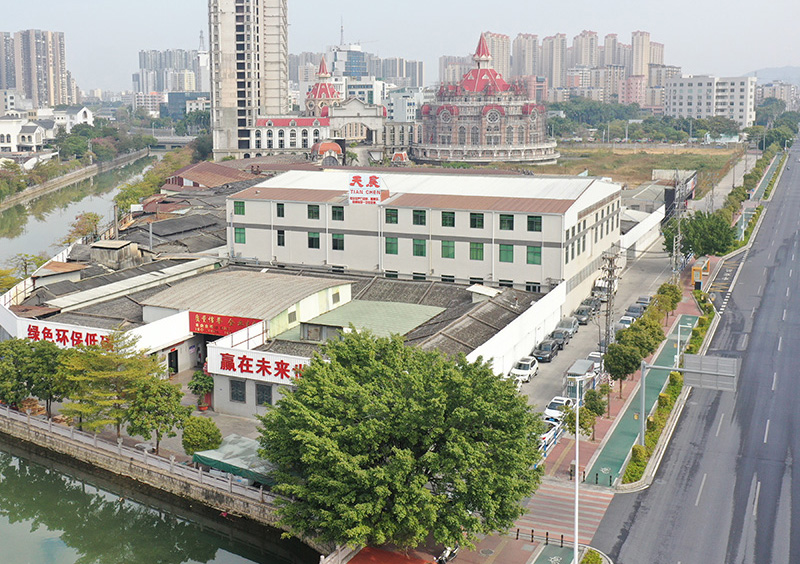
Rooted in Guangdong, the paramount global hub of manufacturing and international trade in China, Guangdong Tianchen Printing Co., Ltd boasts more than 20 years of profound experience in the high-precision flexible packaging industry. We have grown into a premier, highly reliable partner for global enterprises by focusing on world-class rotogravure printing, laminating, and converting services.
Our comprehensive one-stop model handles everything from concept design and mechanical drawing formulation, to advanced color-matching and film production. Our active international exports to Europe, North America, Southeast Asia, and beyond demonstrate our absolute commitment to quality control and sustainable processing methods.
Integrating global excellence, operational intelligence, and advanced structural science to manufacture the next generation of food-grade resealable bags.
We persist in investing deeply in R&D, upgrading multi-layer printing processes, and researching ultra-high-barrier eco-friendly films to align with stringent global environmental initiatives.
Adhering rigorously to international regulatory benchmarks in quality control, environmental protocols, and food safety standards to integrate natively into major global supply chains.
From granular material selection, polymer extrusion, and dynamic art design validation to converting and final distribution, our vertical stack maximizes yield while eliminating intermediary costs.
Powered by automated computer vision systems for in-line defect tracking, spectrophotometers for high-accuracy color delta validation, and smart enterprise resource software.
Examining macro-economic and physical logistics vectors that secure continuous packaging material pipelines with unparalleled efficiency.
Guangdong is globally recognized as the epicenter of specialized polymer research, high-velocity film extrusion, and automated converting equipment manufacturing. By positioning manufacturing within this dynamic industrial district, packaging facilities leverage instant access to raw petroleum resins, high-clarity polyester films, custom metallized materials, and highly specialized barrier agents (such as EVOH co-polymers).
This dense industrial footprint cuts transit cycles for components and raw materials down to hours. Consequently, OEM production facilities can rapidly scale, easily pivot to high-barrier specifications, and keep minimum order quantities exceptionally scalable for growing international companies.
Furthermore, direct maritime routing via massive deepwater ports in Guangzhou and Shenzhen minimizes shipping delays, providing direct corridors to crucial markets across the United States, United Kingdom, Central Europe, and Australia.
Cross-sector analysis highlighting the specific engineering choices required to address varied commercial product attributes.
Dry snacks require strict moisture barriers to prevent staling and oxidation. Incorporating metallized films (VMPET) or pure aluminum foil cores offers outstanding protection against light damage and humidity. Zippers must lock securely to prevent dust leakage and maintain crispness.
This high-sensitivity segment demands total safety compliance. It requires solvent-free laminated films, BPA-free resins, and retortable stand-up configurations capable of withstanding thermal pasteurization up to 121°C, guaranteeing sterile storage without preservatives.
Bulk pet feeds and agricultural seeds require robust mechanical strength and burst resistance to withstand drops and transport stress. Integrating thick nylon (BOPA) layers prevents puncture damage, while heavy-duty zippers keep formulations fresh.
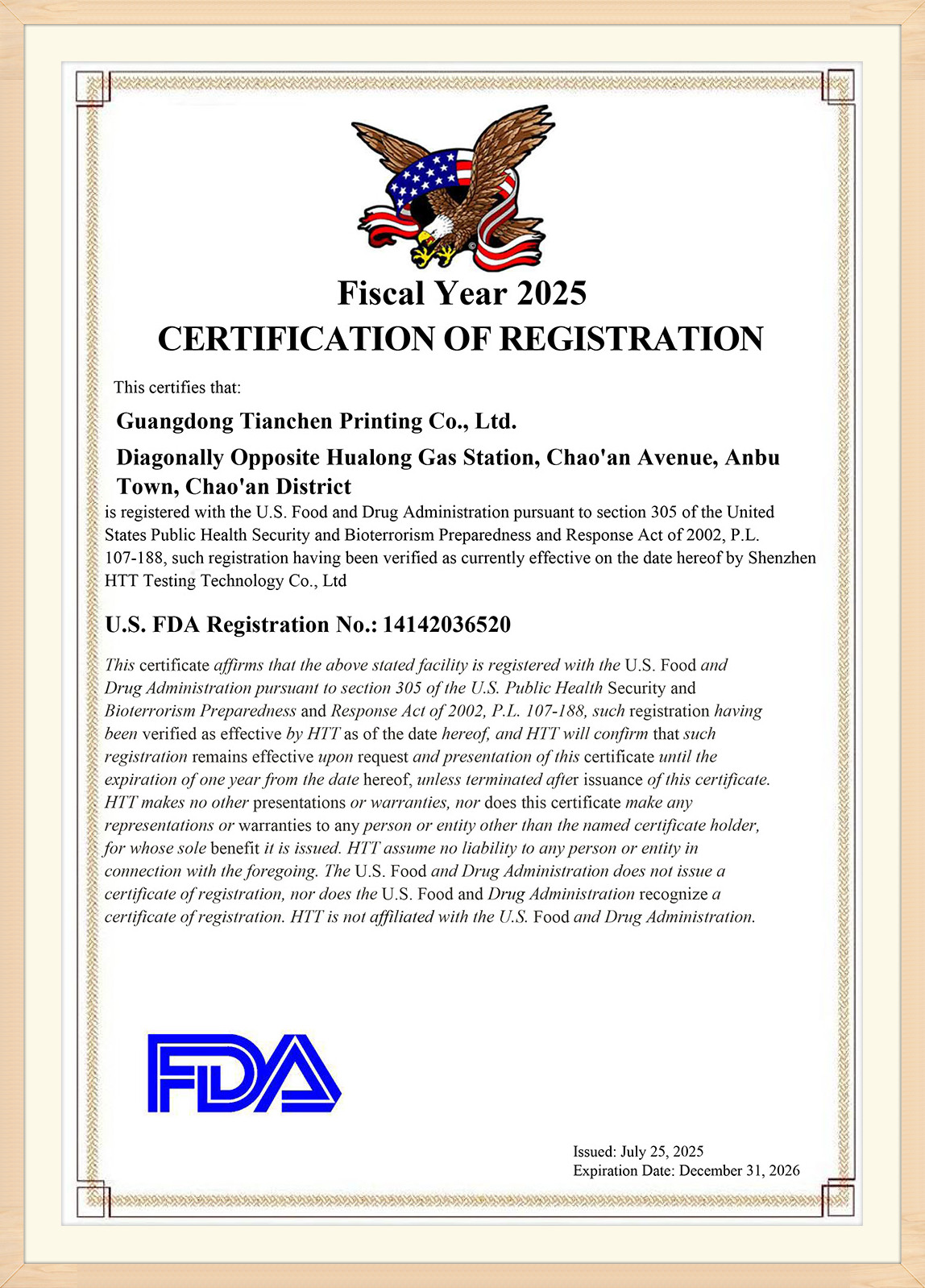
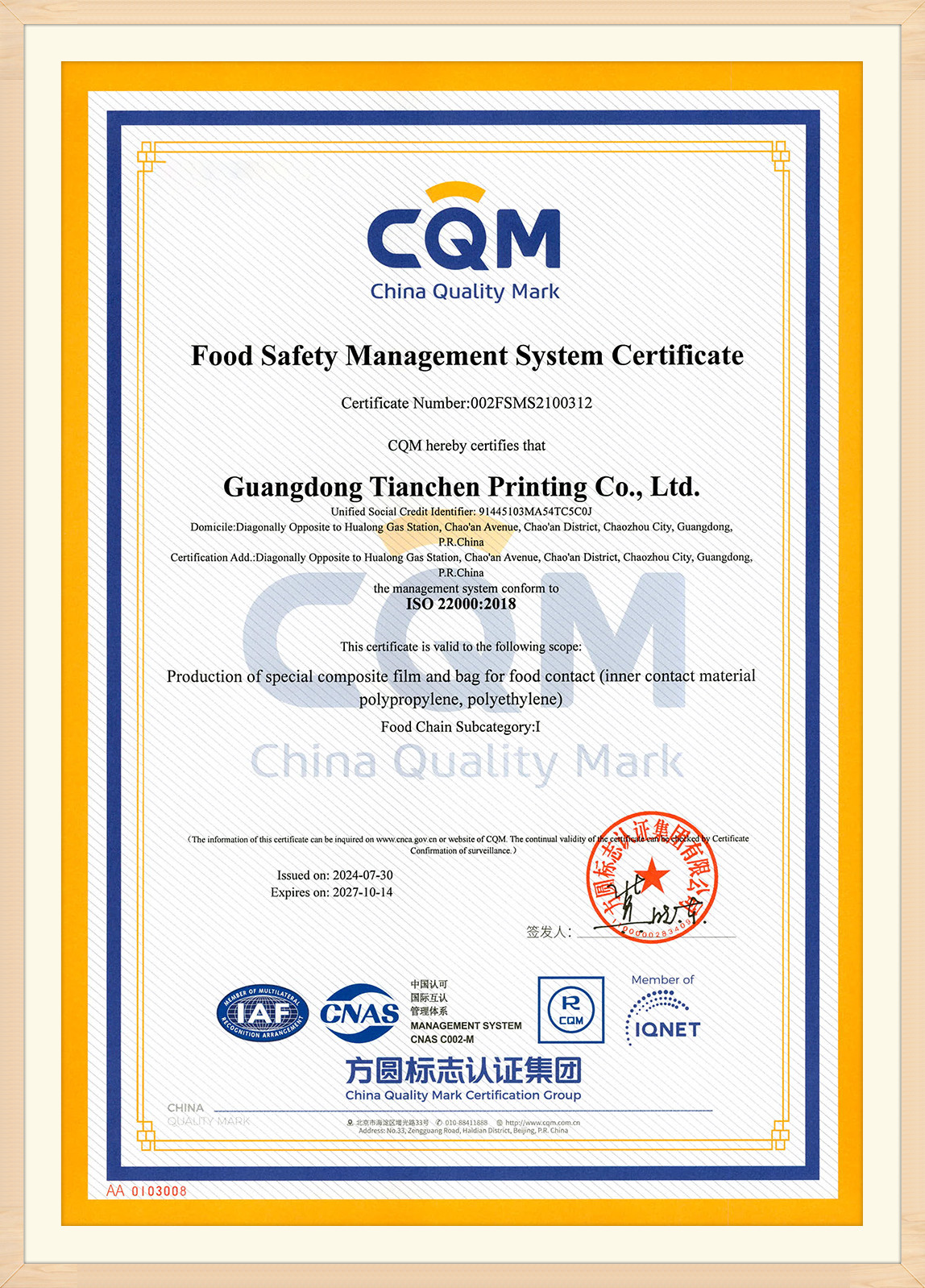
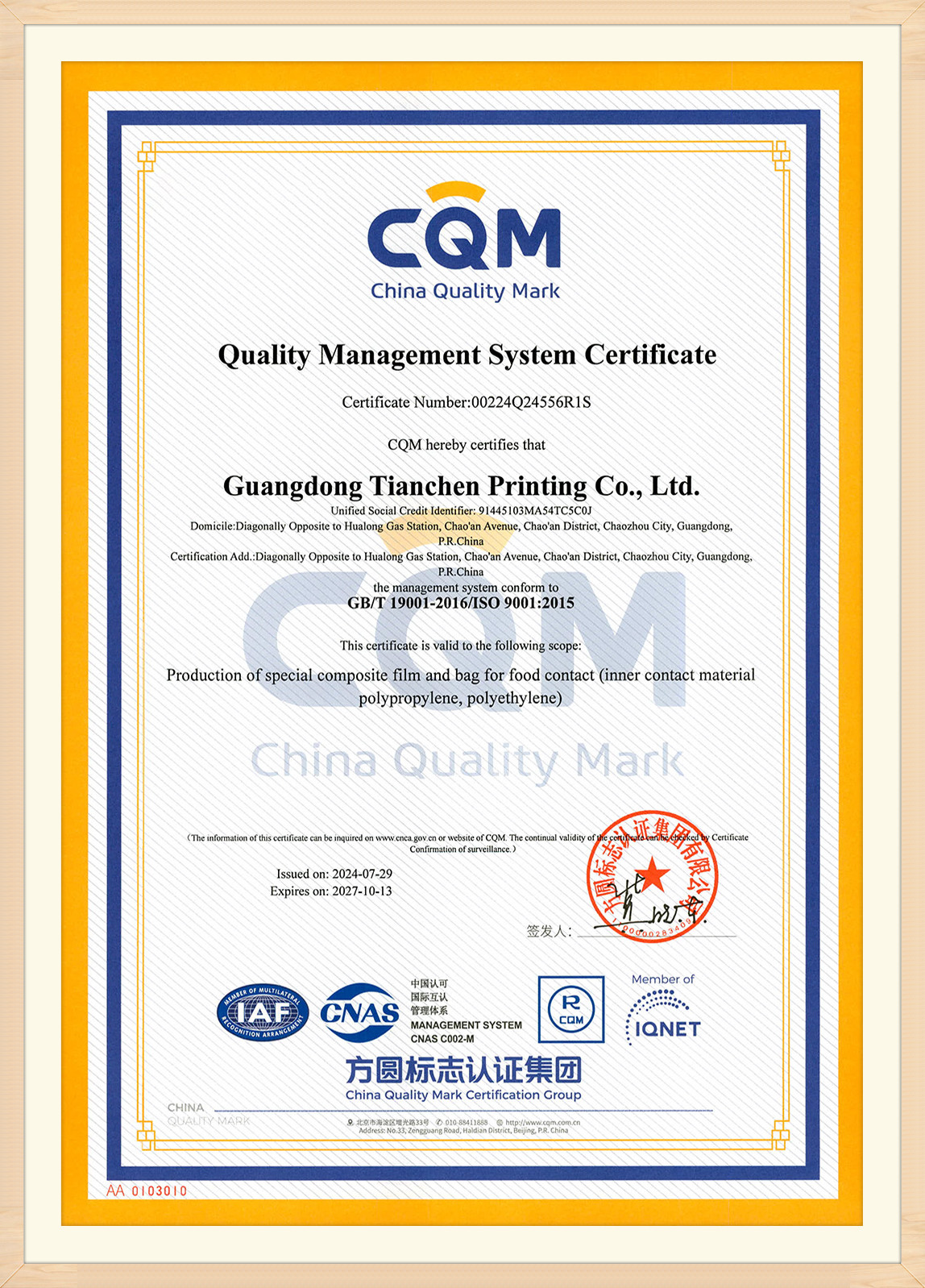
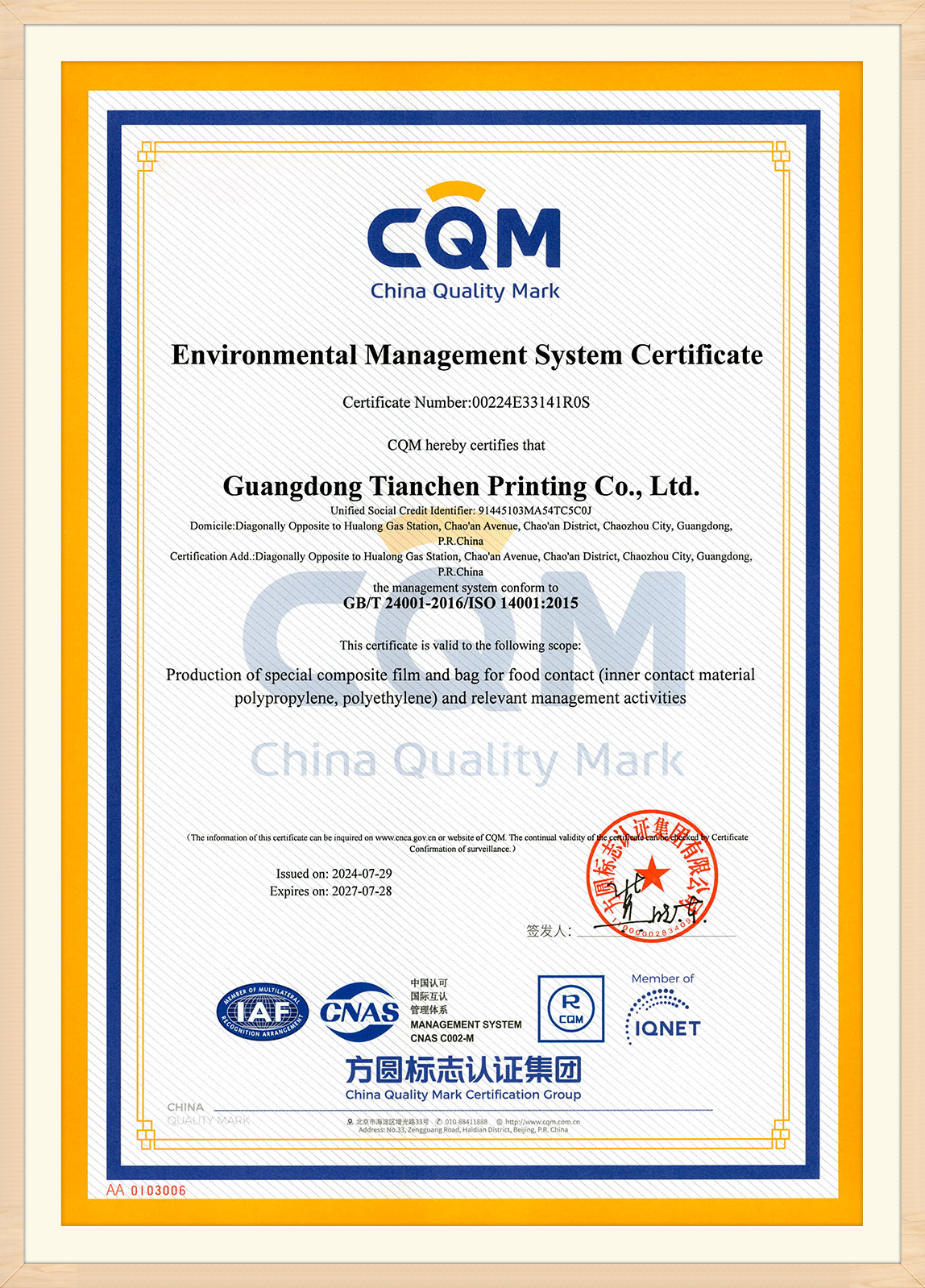
Uncompromising adherence to international regulatory frameworks, guaranteeing our materials are fully verified and safe for food-contact applications globally.
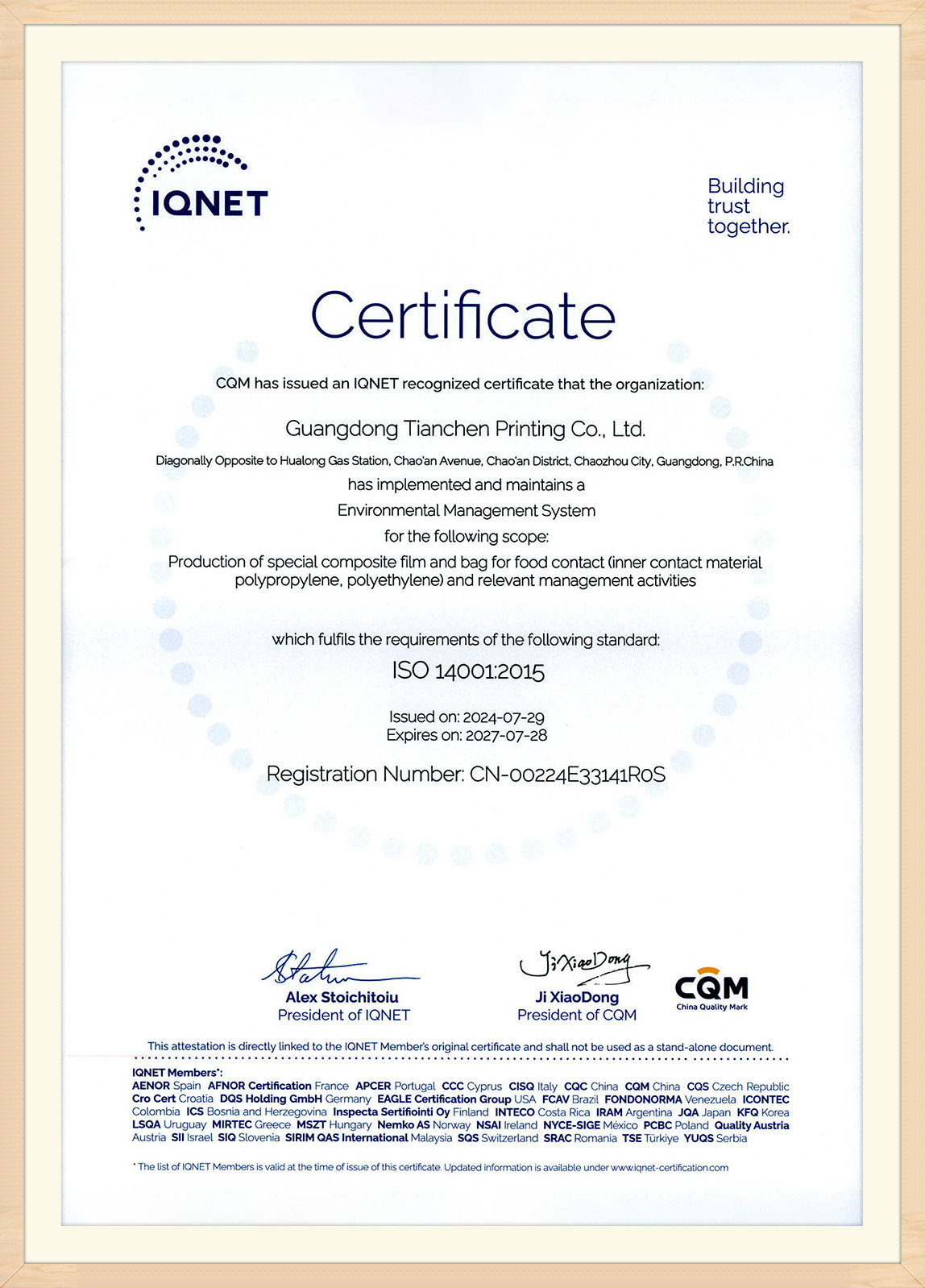
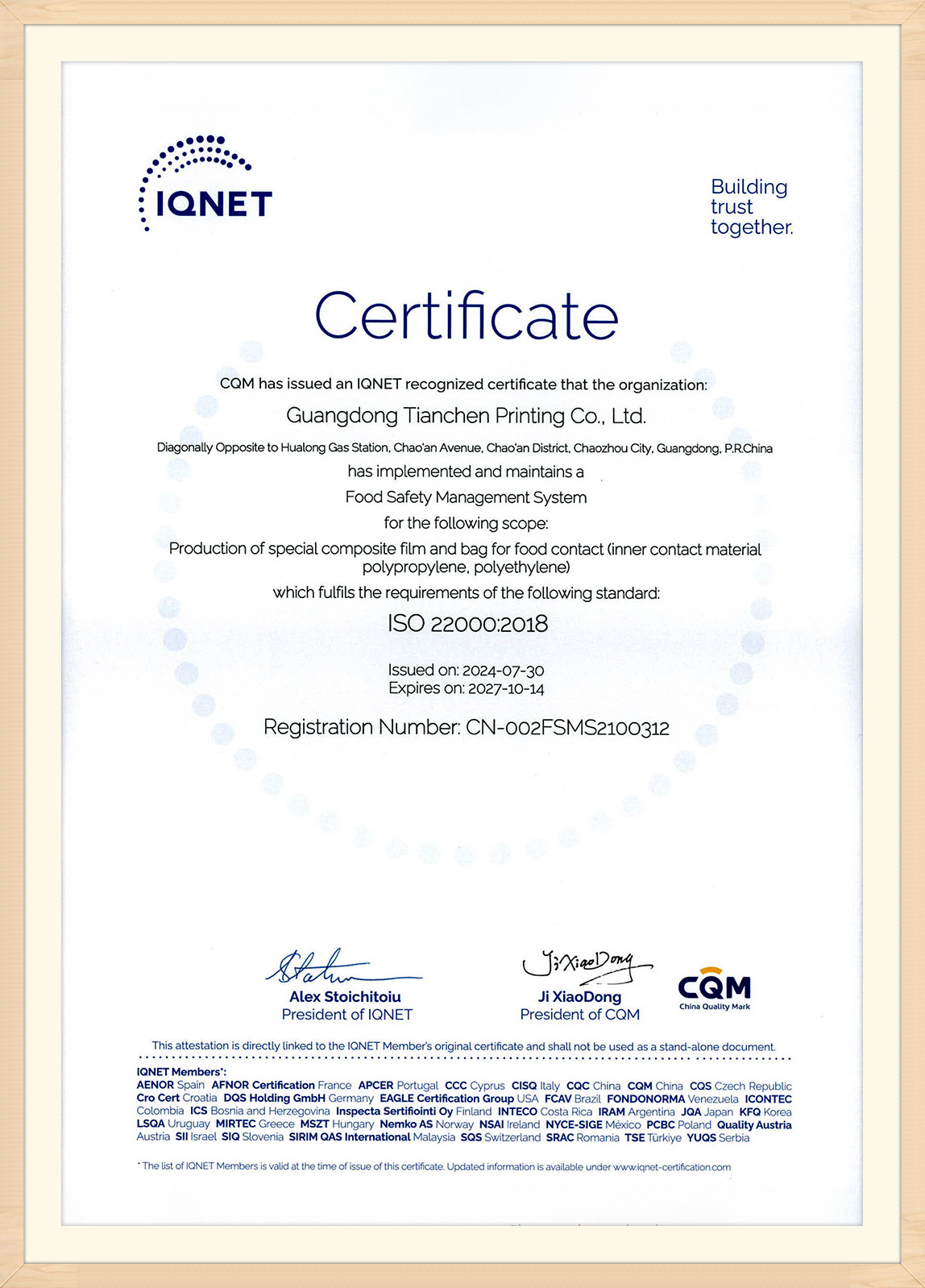
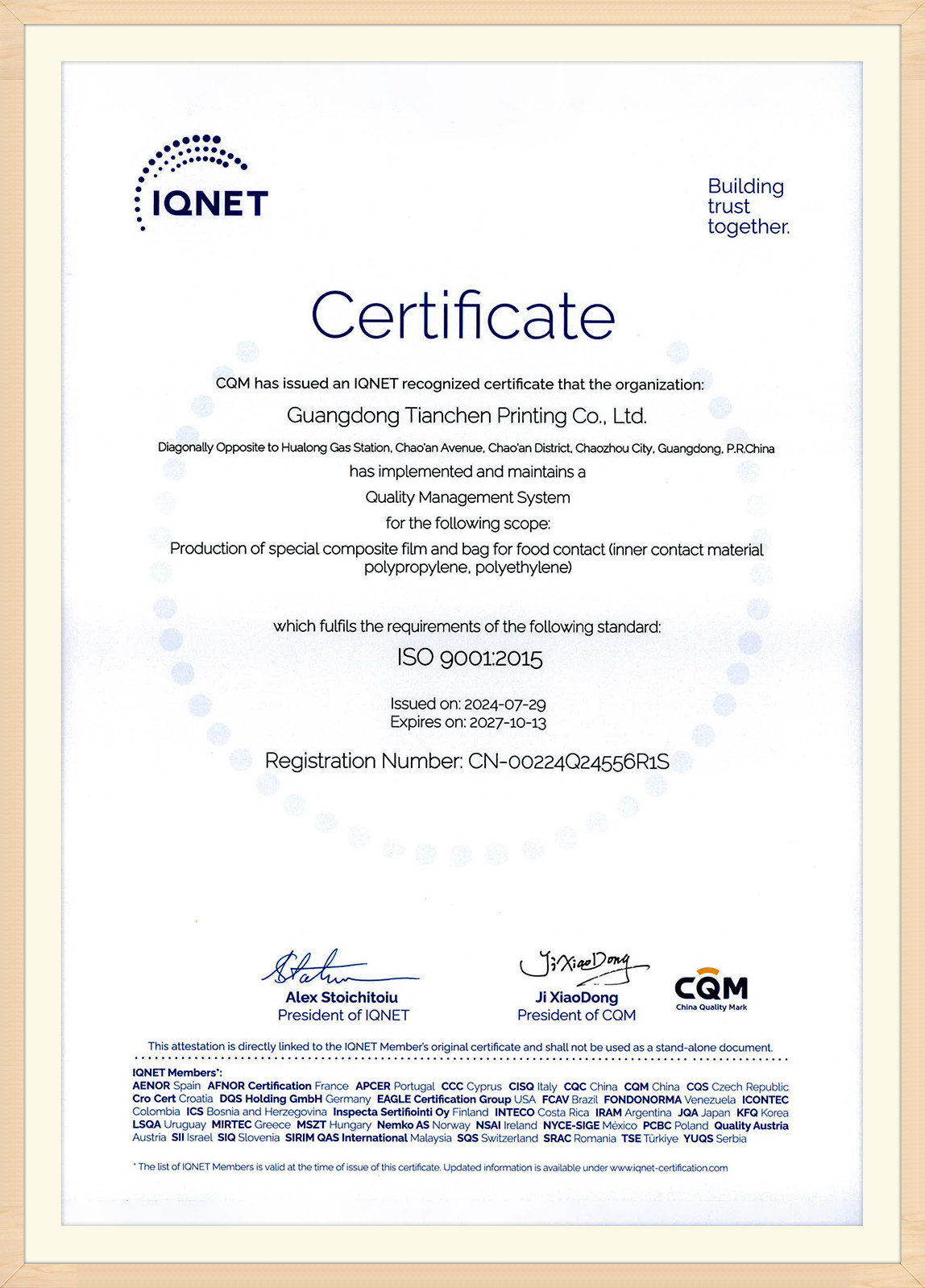
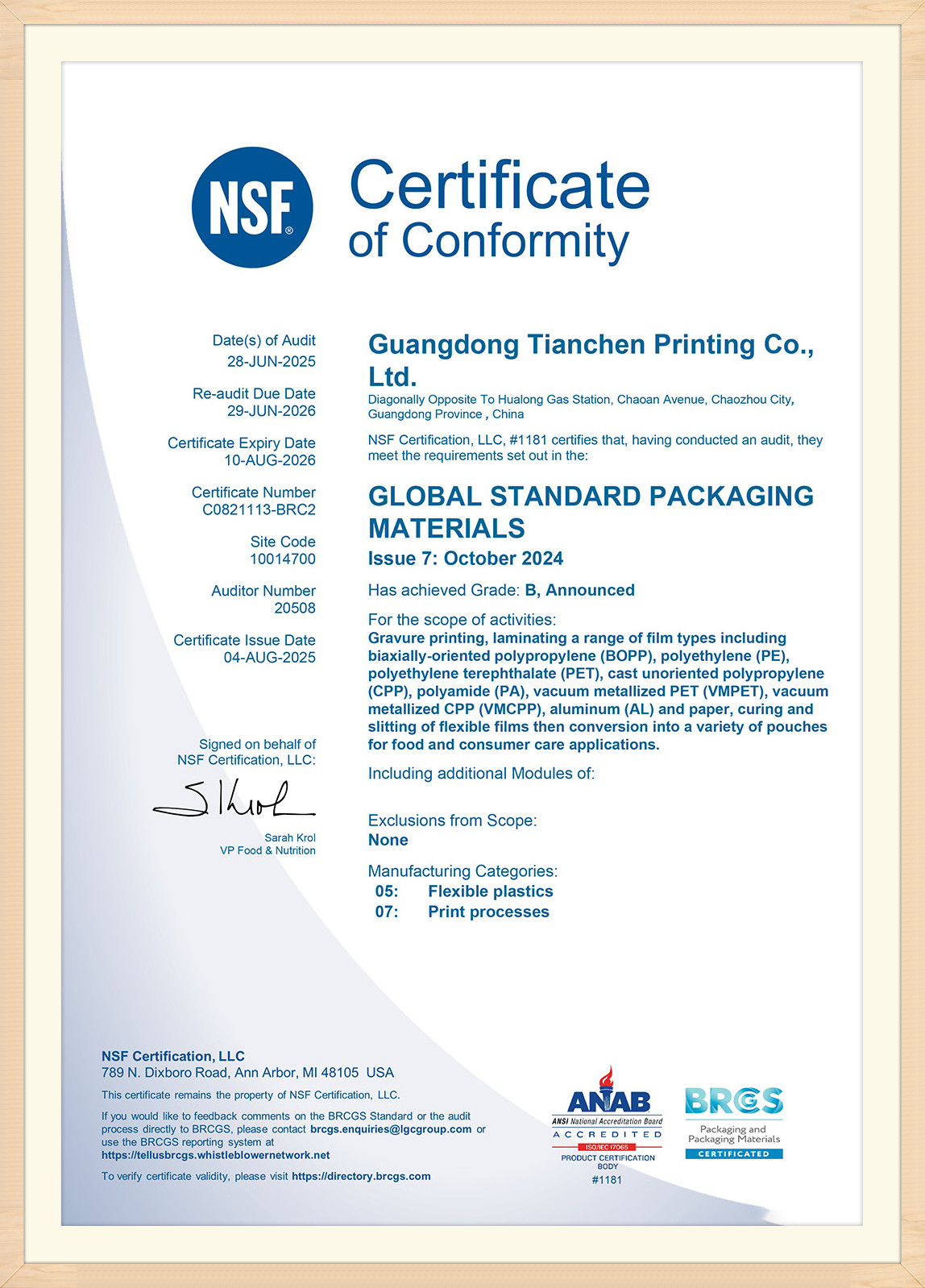
Analyzing the upcoming regulatory modifications and packaging innovations reshaping global sourcing structures.
Traditional laminations fuse chemically distinct plastics (such as PET and PE), which are notoriously difficult for post-consumer processing systems to separate. Today's global industry is transitioning to mono-polymer systems, mainly Mono-PE. By applying machine-direction orientation (MDO) technology to PE films, engineers achieve high mechanical strength and thermal stability. Crucially, these packaging structures are highly compatible with municipal recycling streams.
Incorporating QR codes, unique laser-etched identification codes, and high-frequency RFID chips onto flexible bags allows consumers to trace sourcing back to the original batch. This capability builds trust and protects brands against counterfeit products.
Transitioning to eco-friendly, solvent-free adhesive systems for lamination protects workers, prevents residual odor issues inside sealed bags, and meets strict environmental emission rules.
Custom packaging designs featuring controlled ventilation openings are vital for high-moisture agricultural goods, protecting them against humidity build-up and mold growth.
Utilizing high-precision lasers to pre-score tear lines ensures clean, straight openings without compromising the barrier integrity of adjacent laminated layers.
Detailed technical answers to common queries from global procurement managers, packaging engineers, and logistics directors.
Browse our specialized packaging options, including heavy-duty flat-bottom bags, high-shrink sleeves, and moisture-proof roll stock.
 TIANCHEN PRINTING